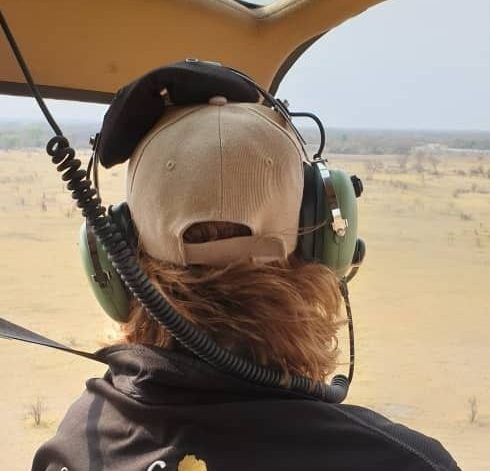
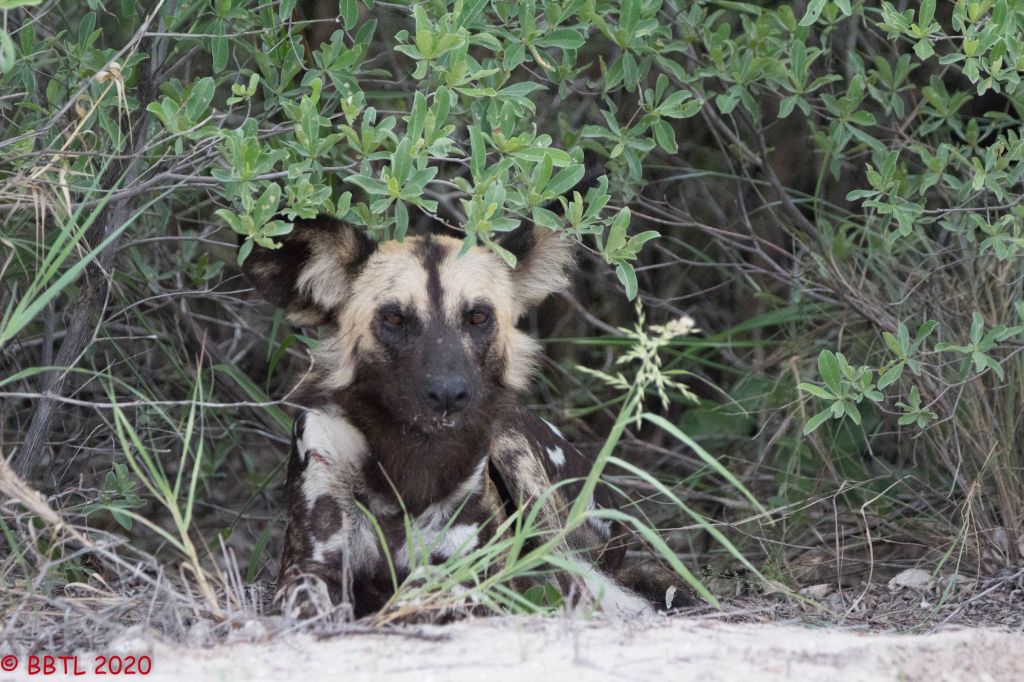
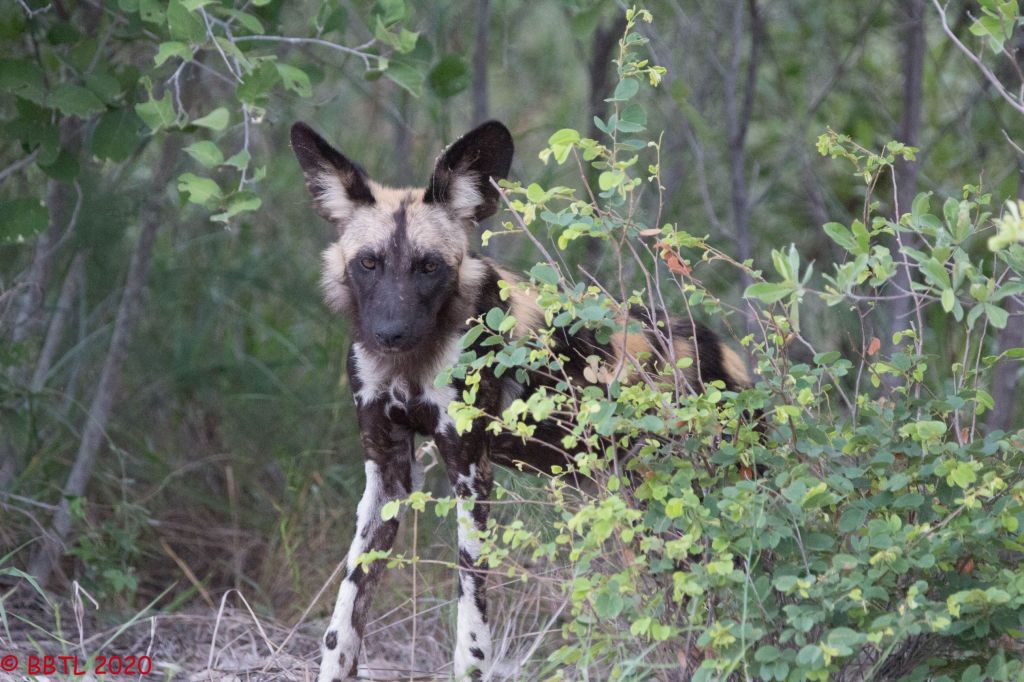
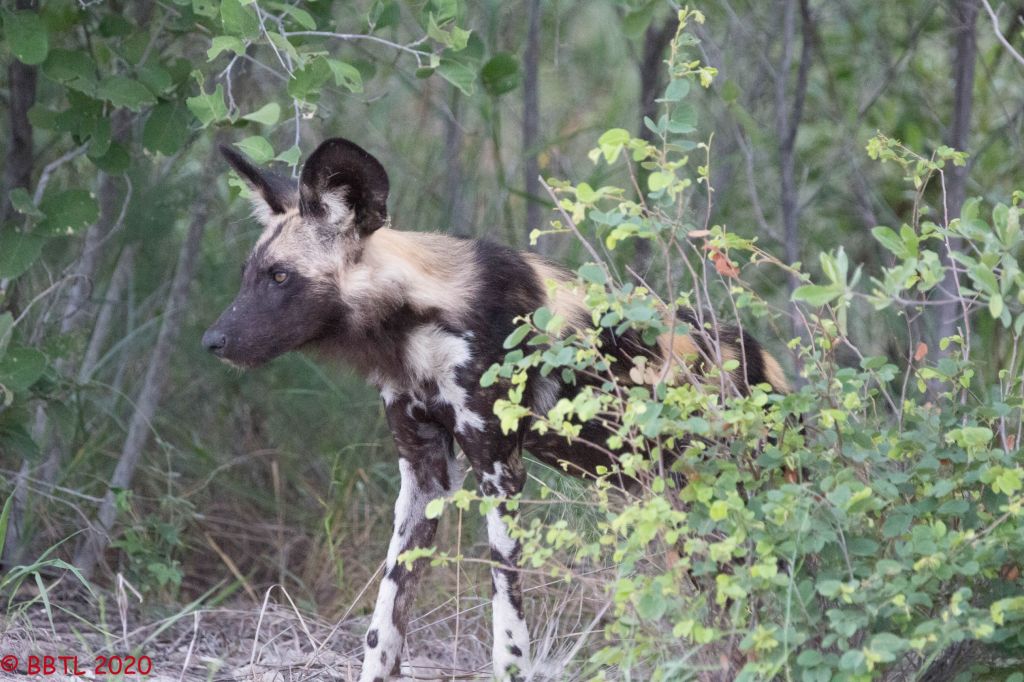
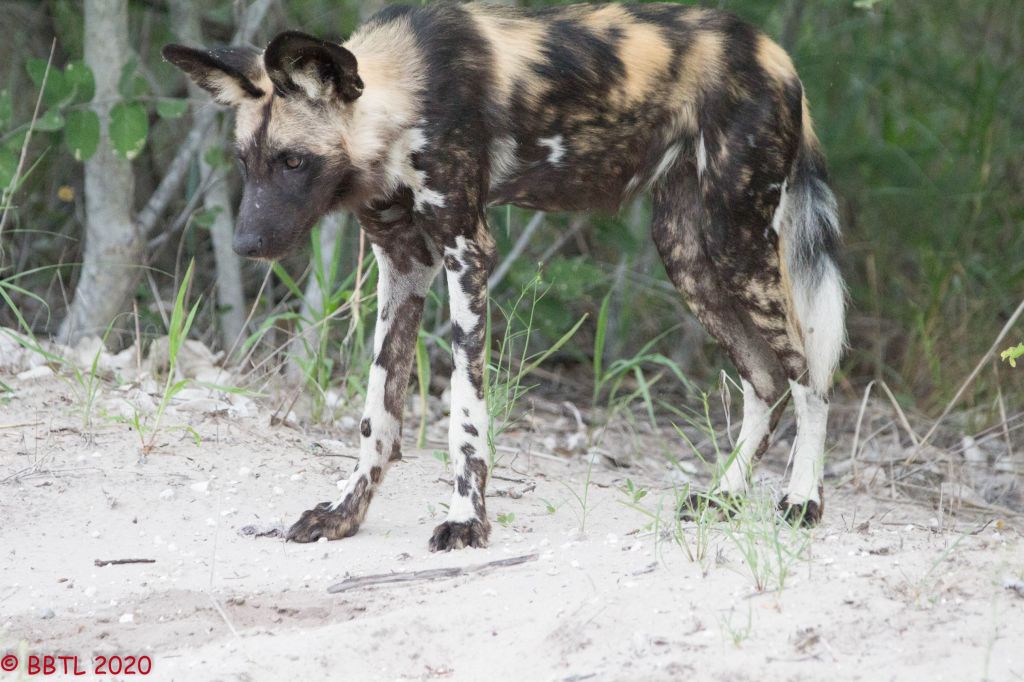
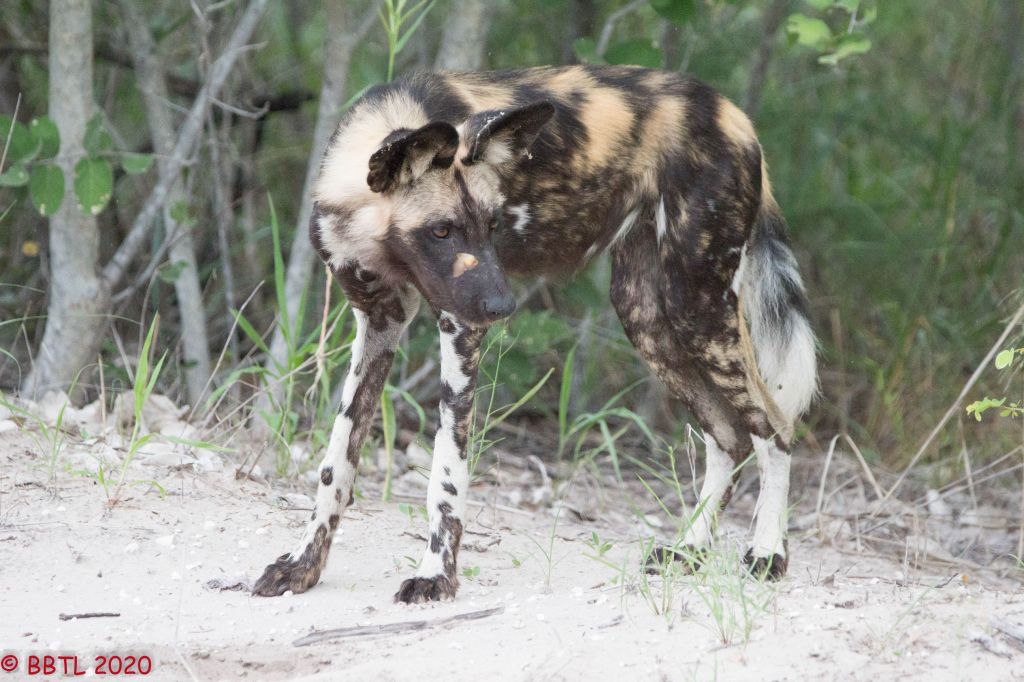
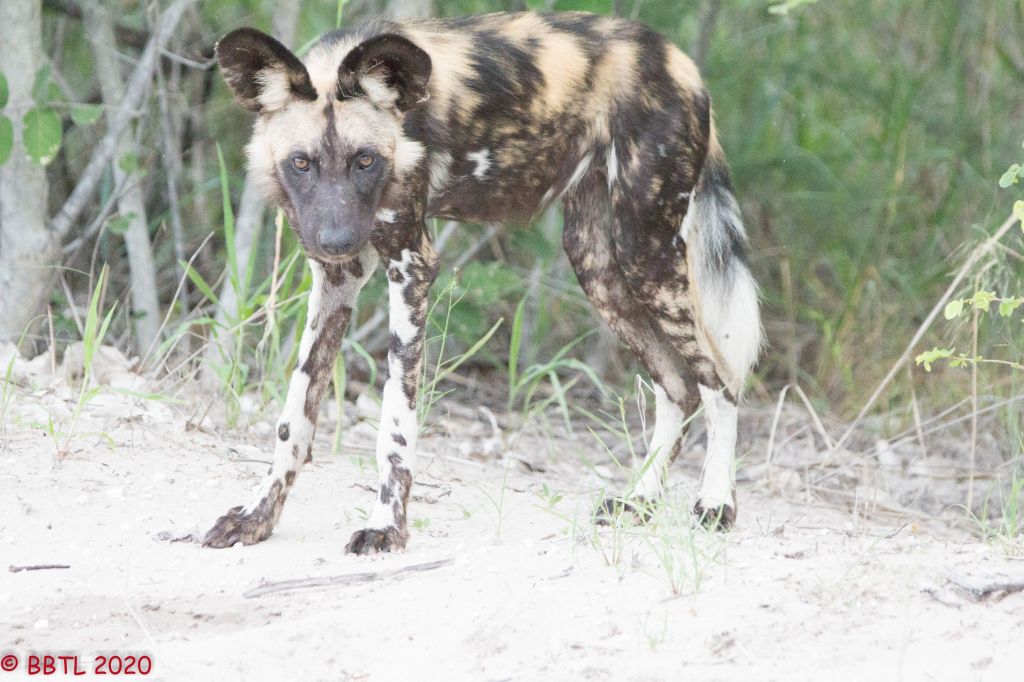
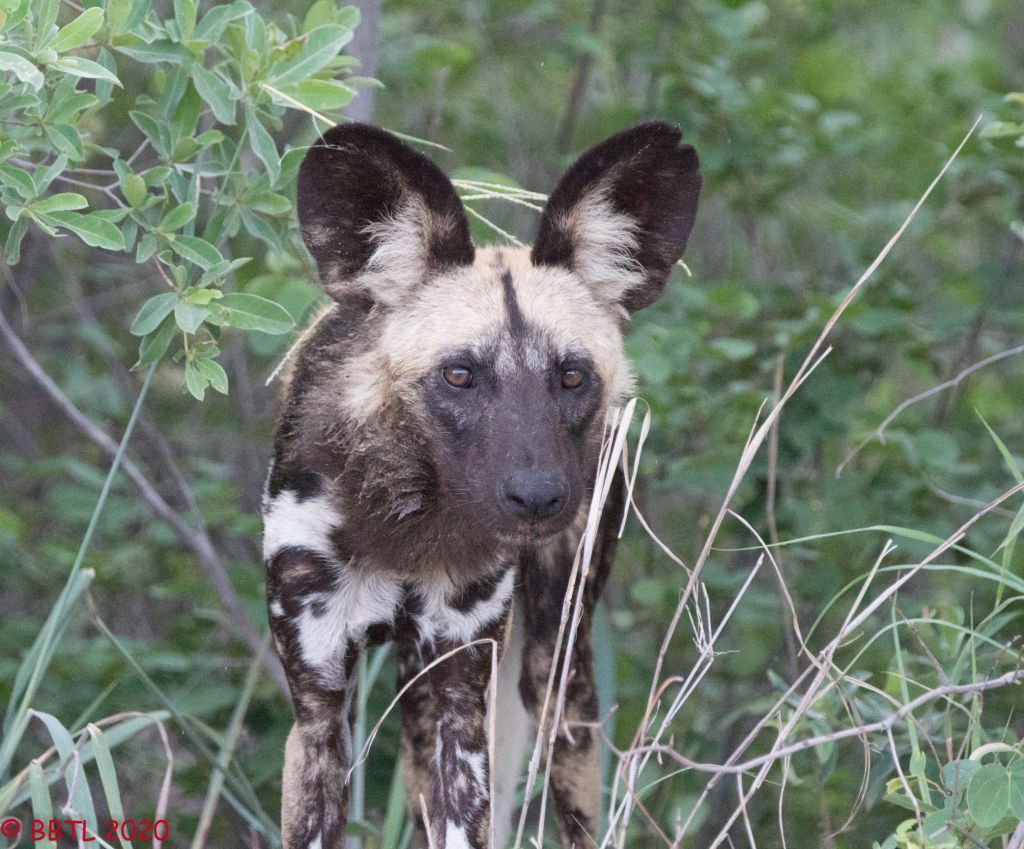
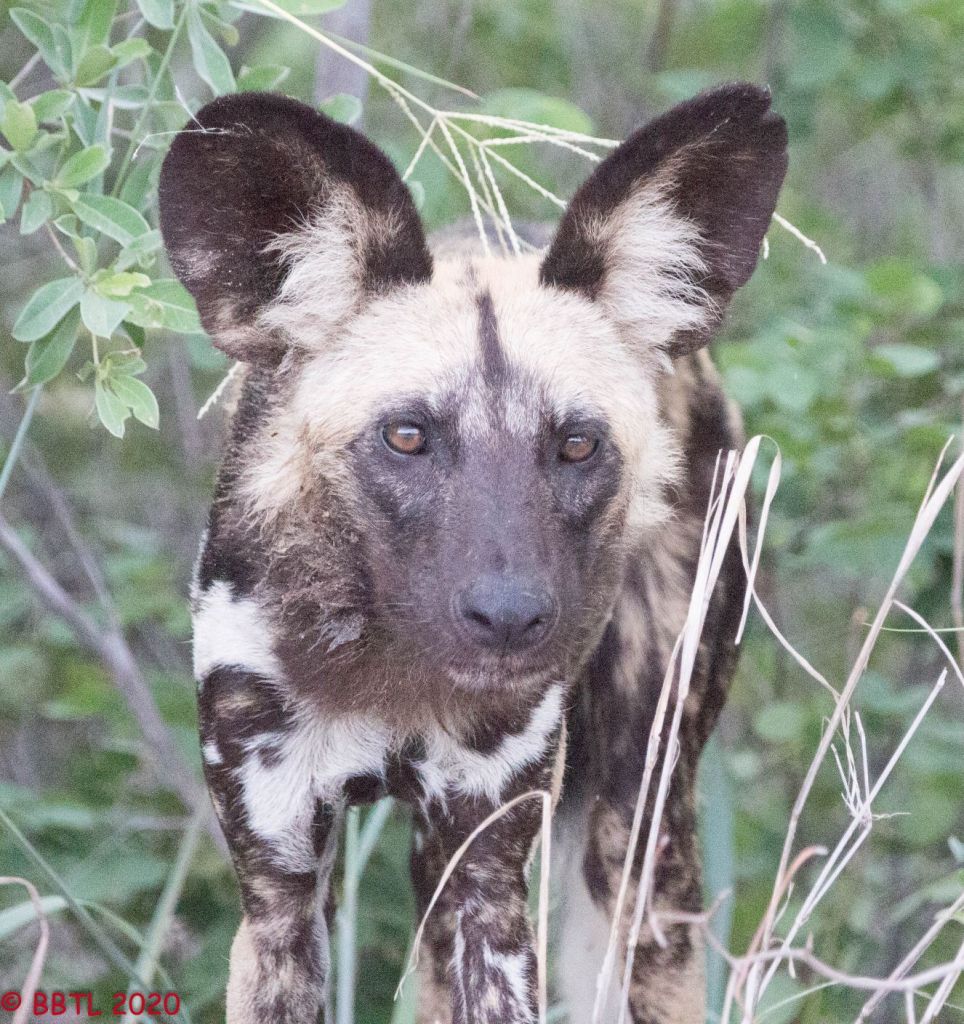
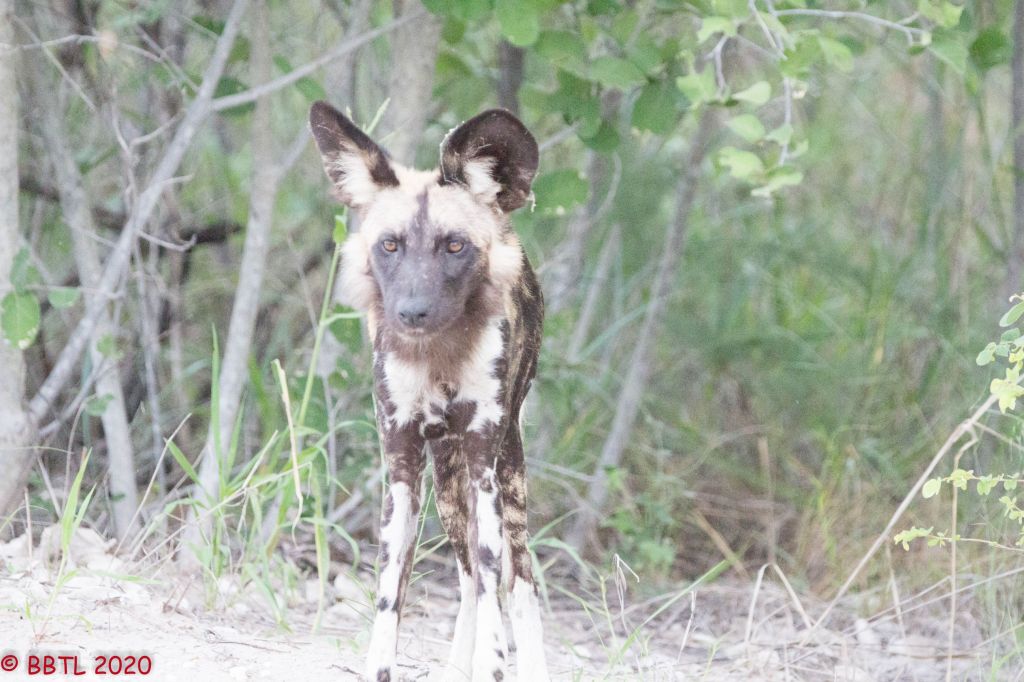
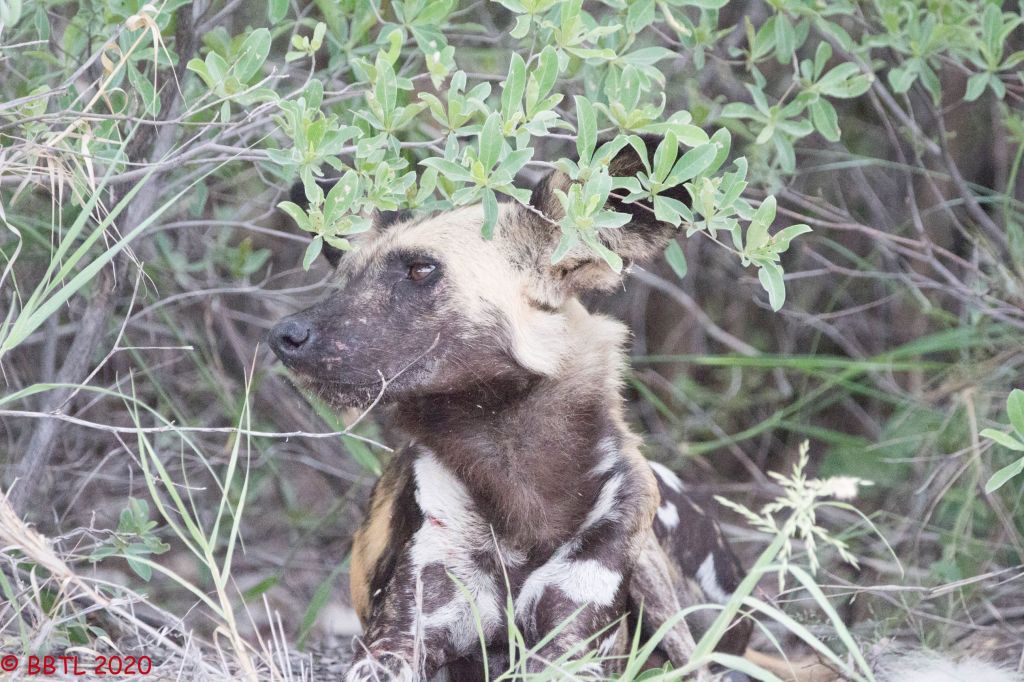
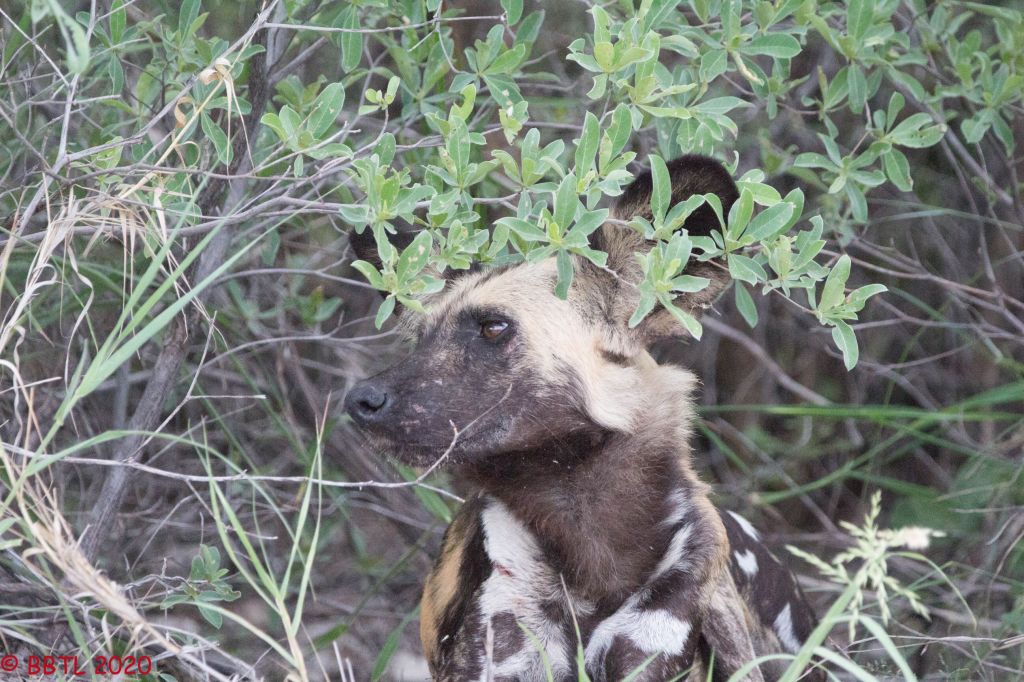
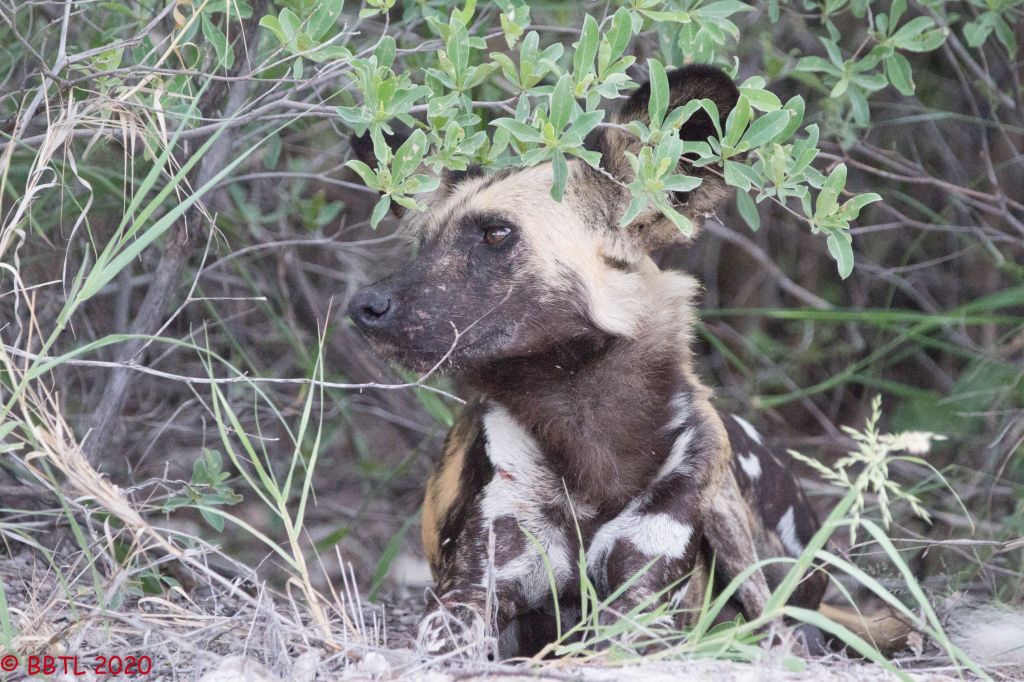
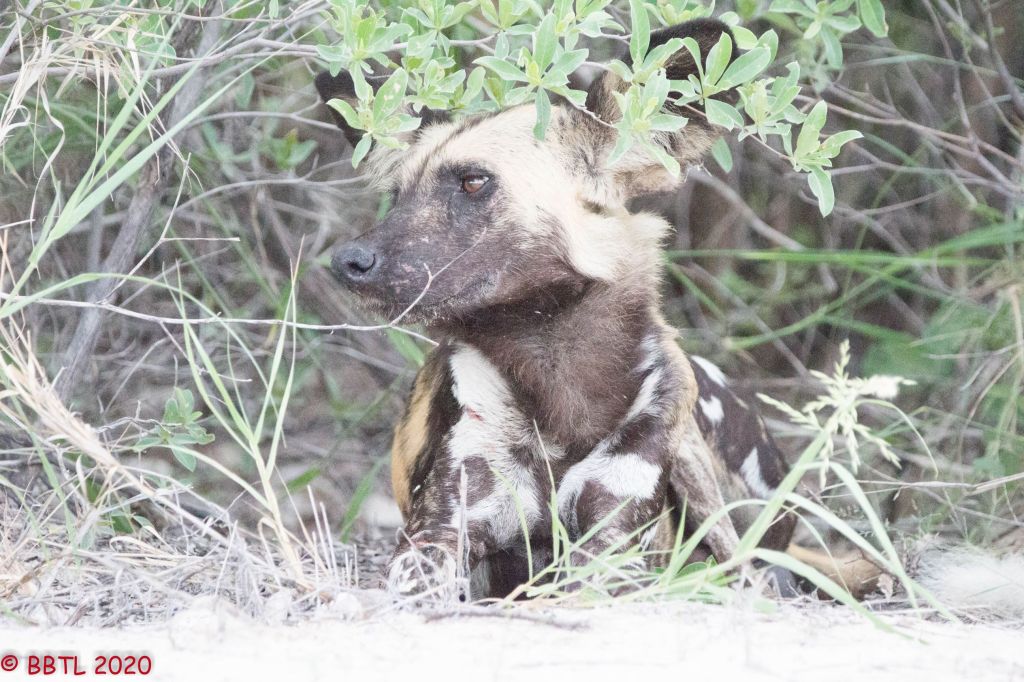
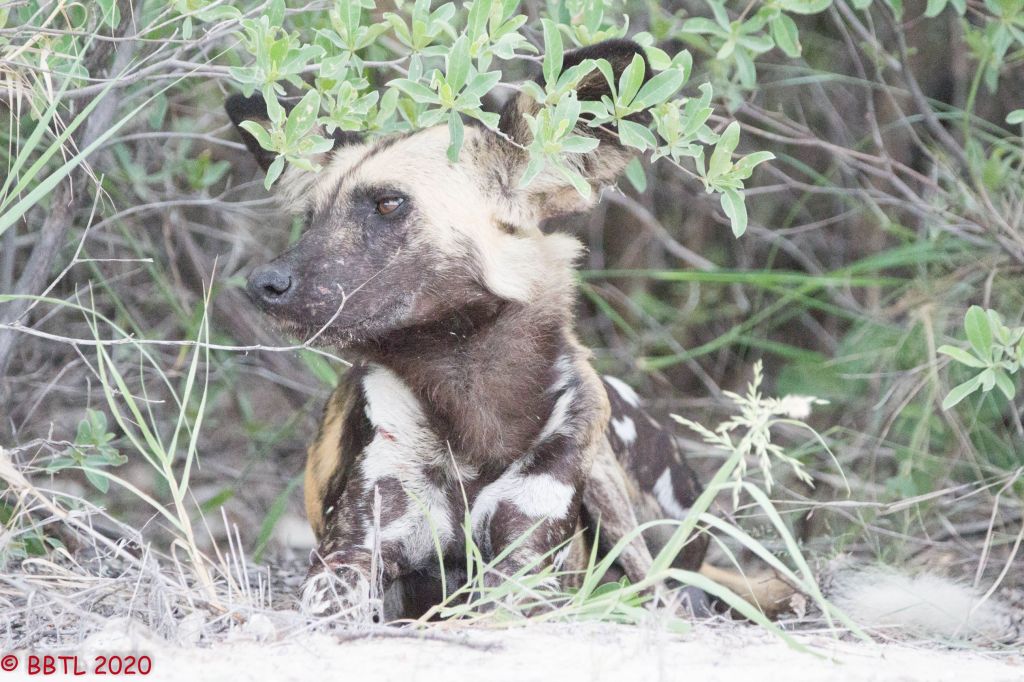
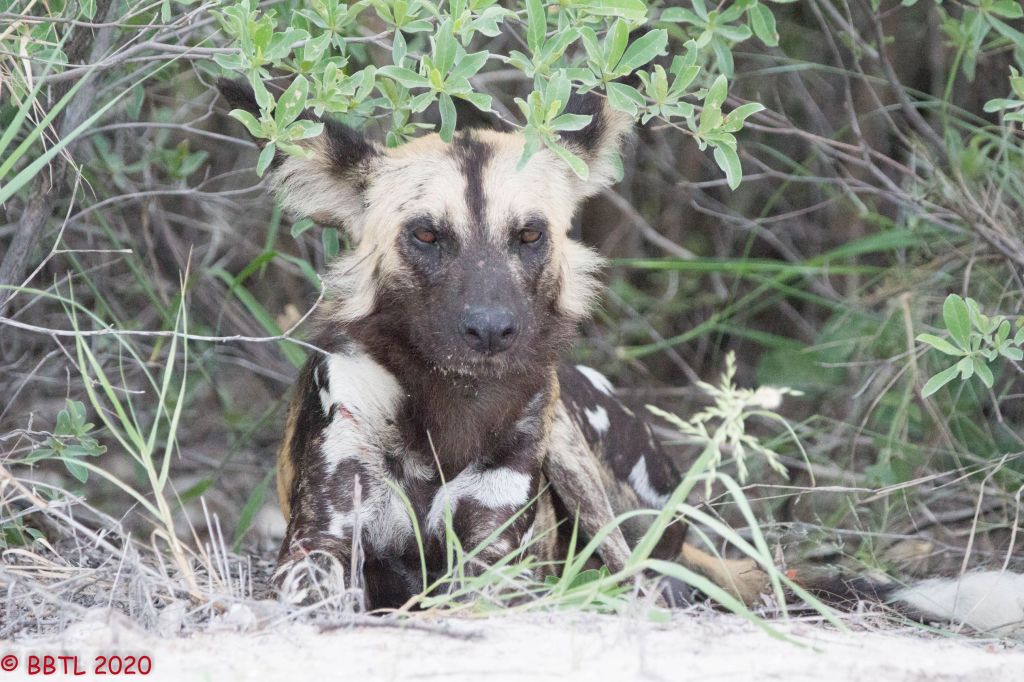
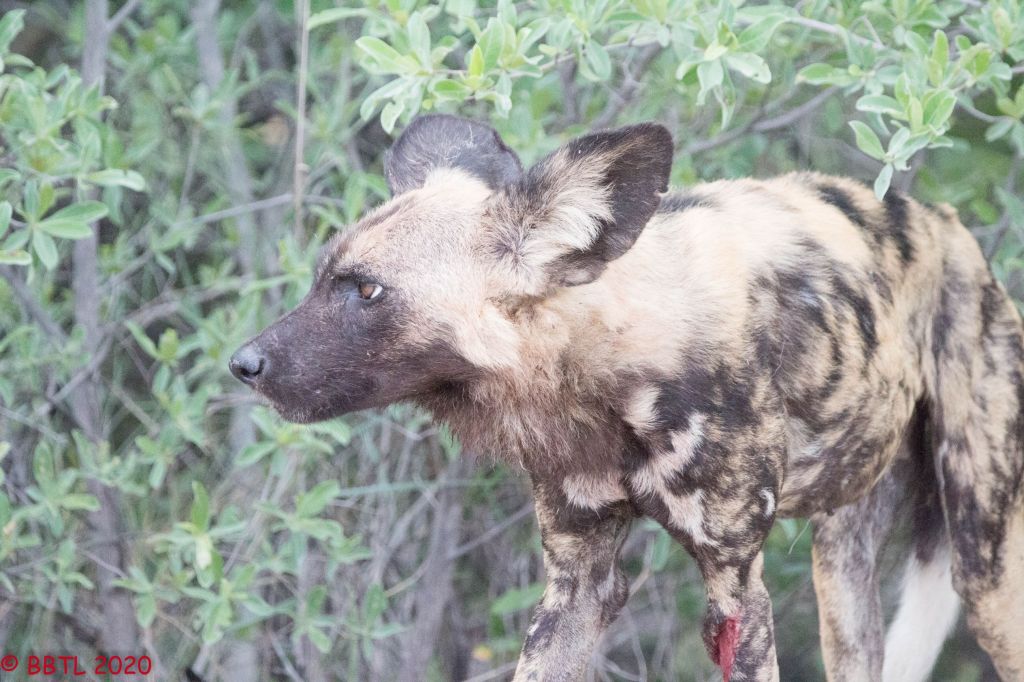
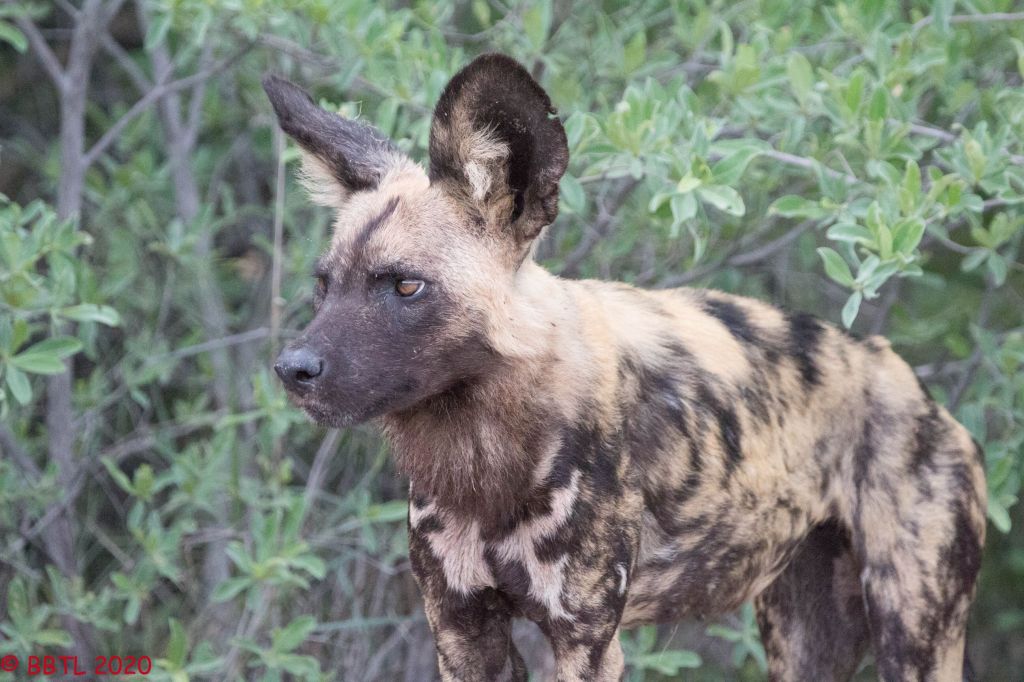
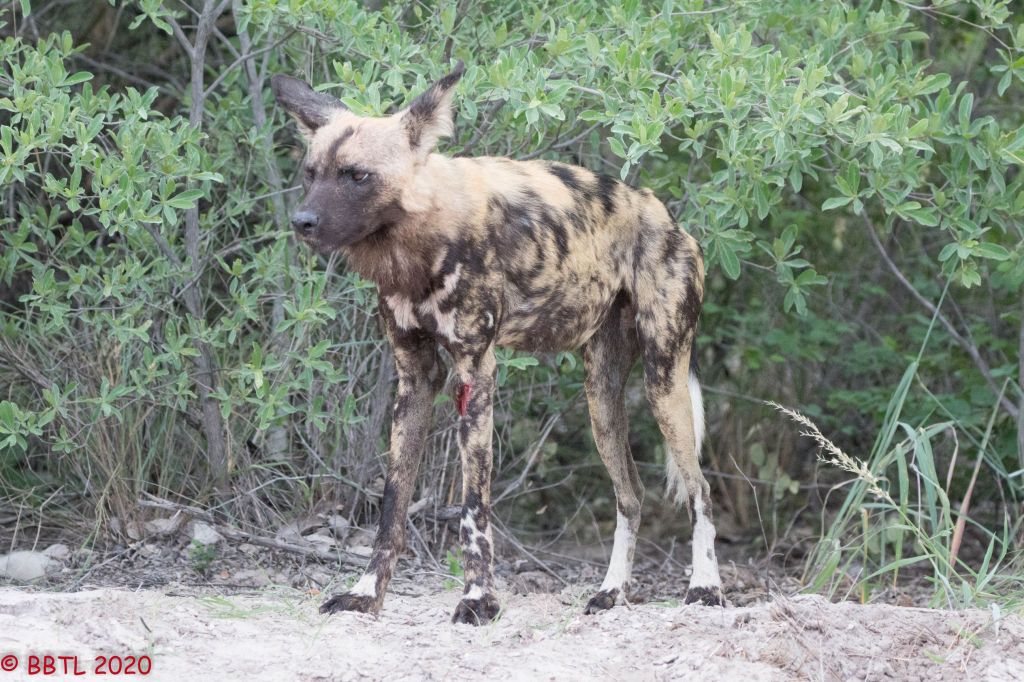
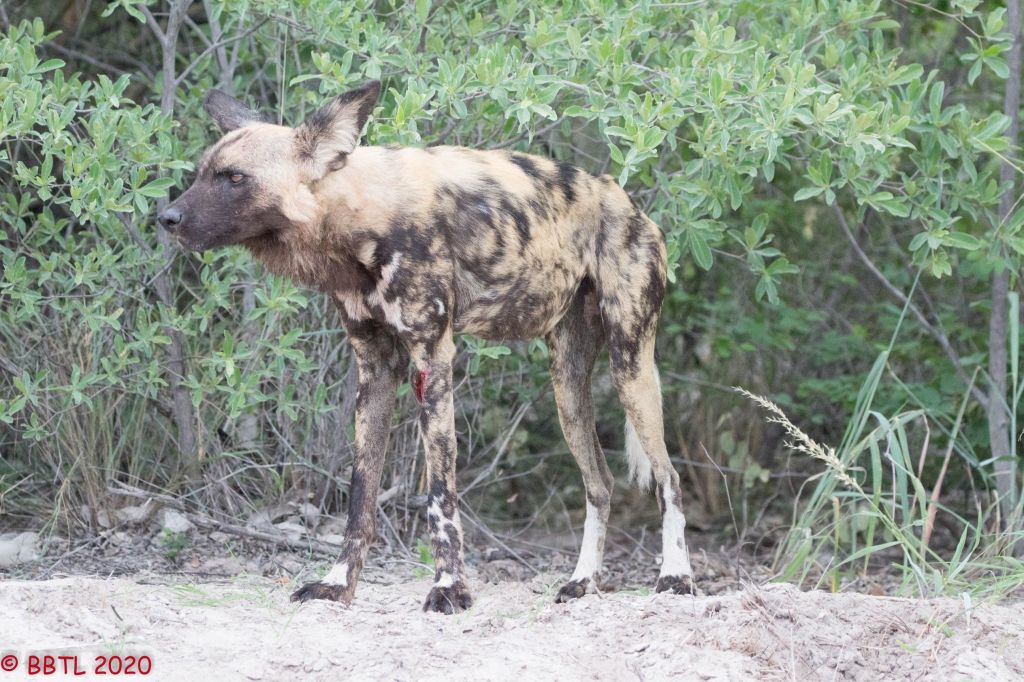
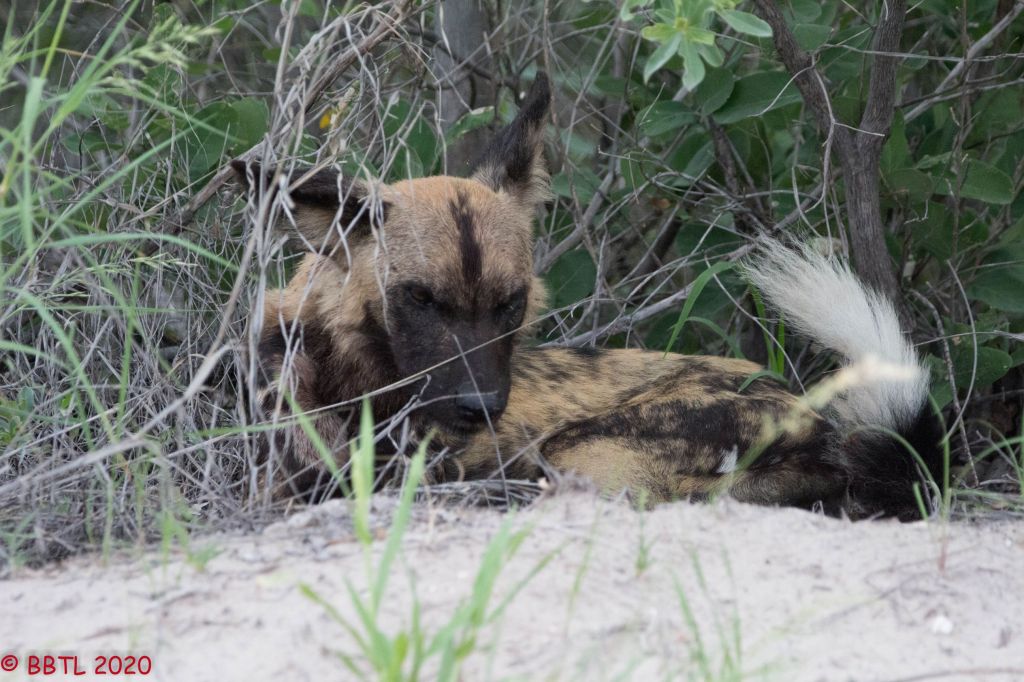
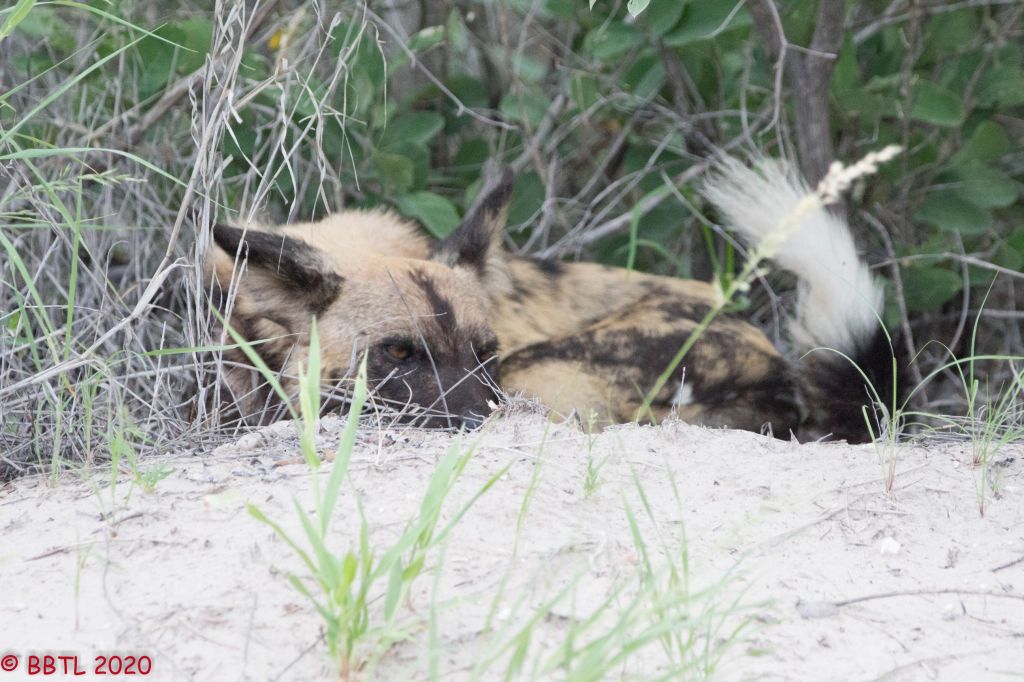
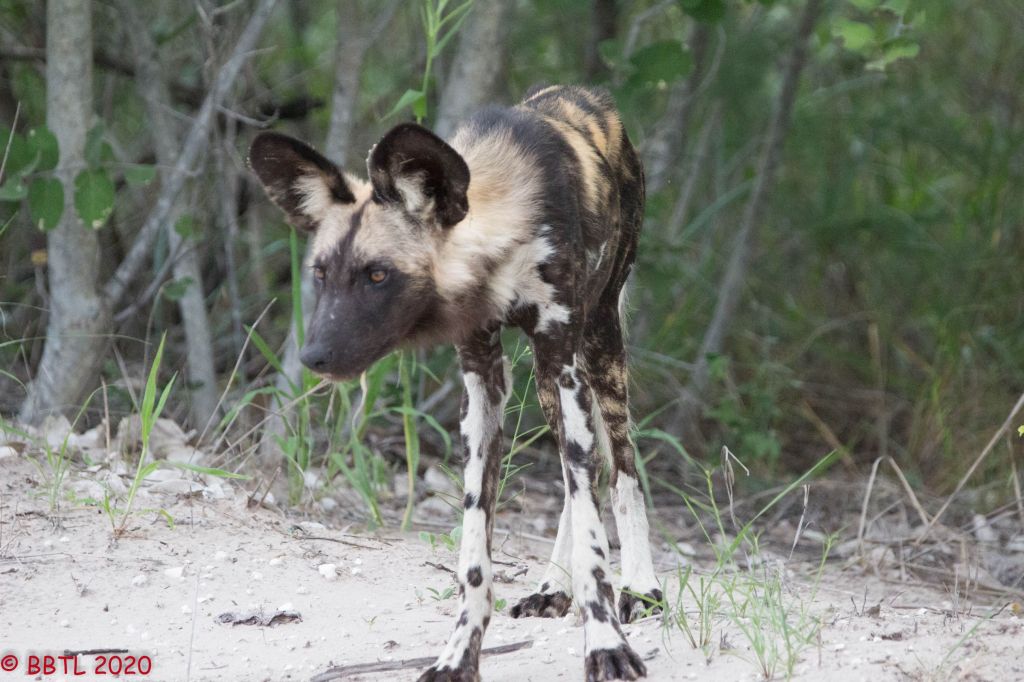
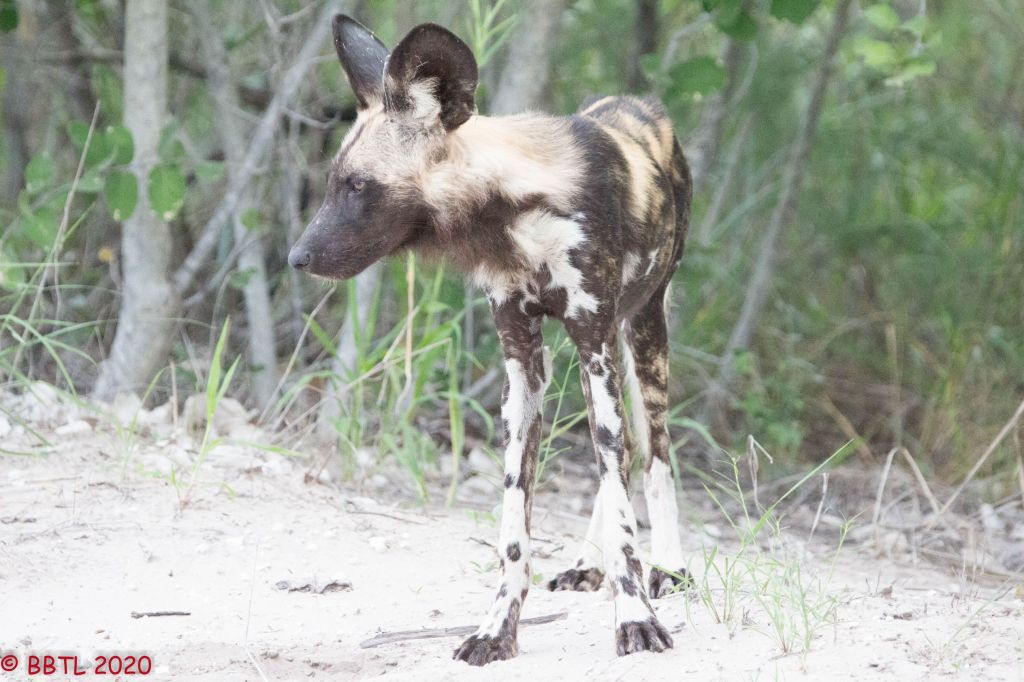
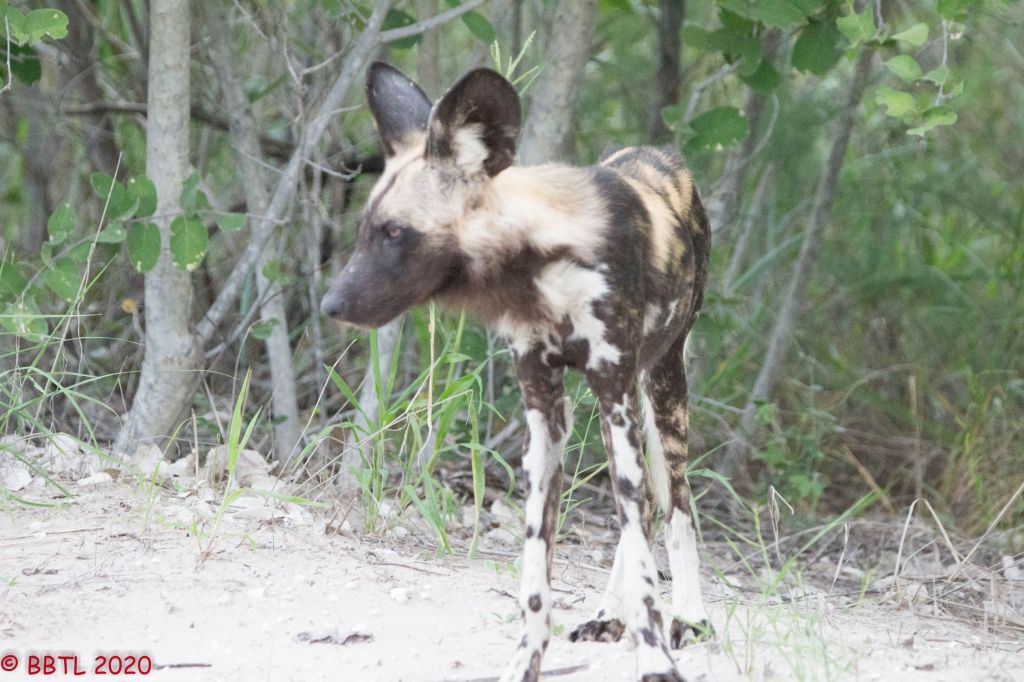
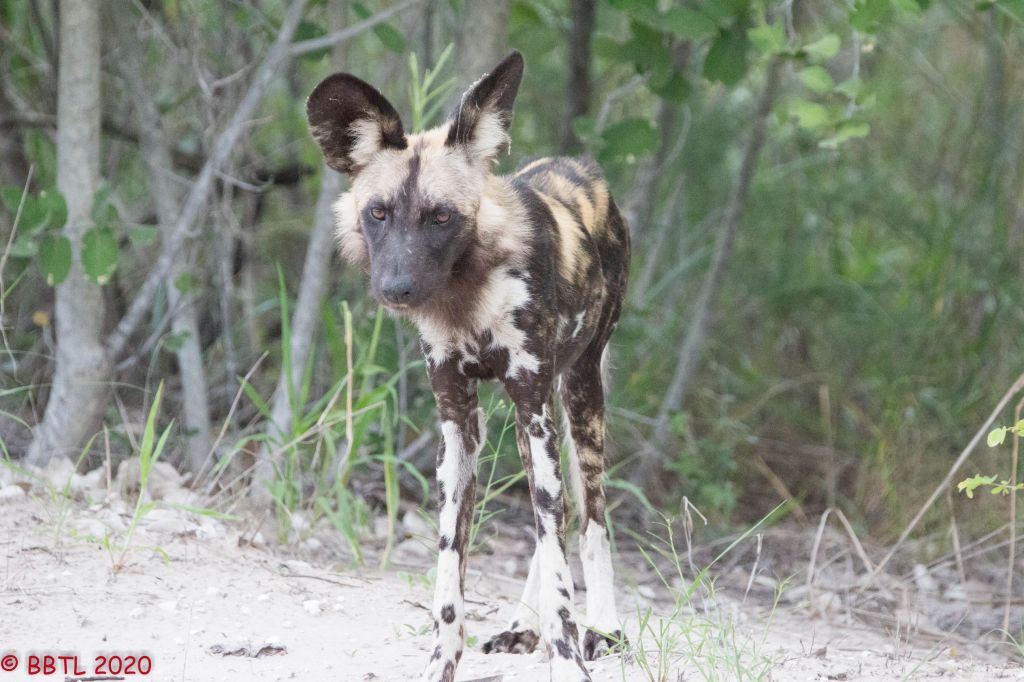
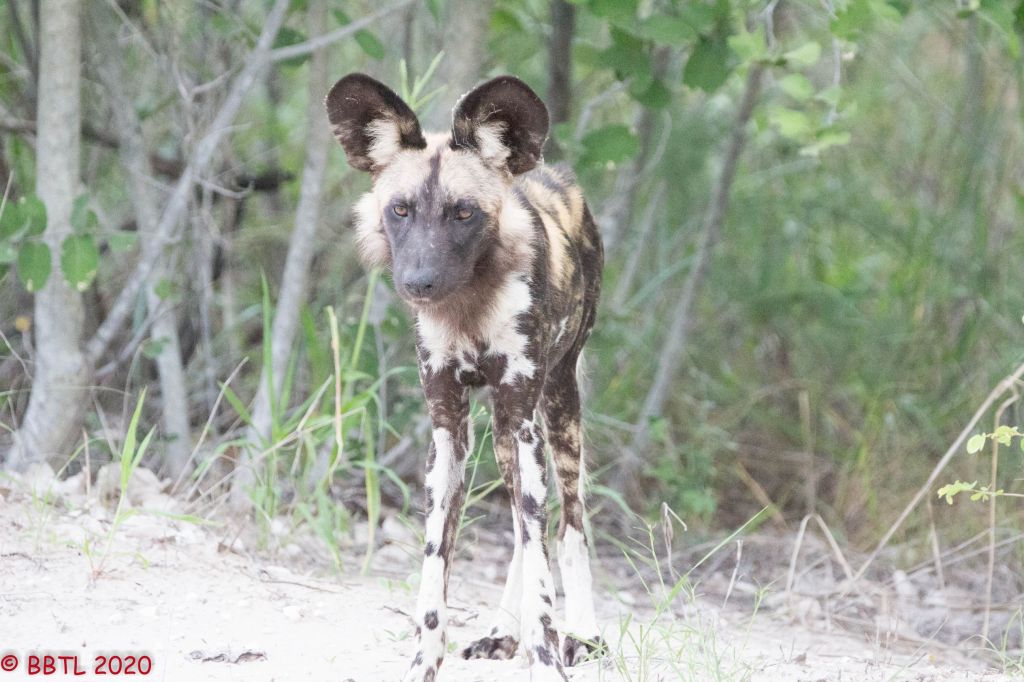
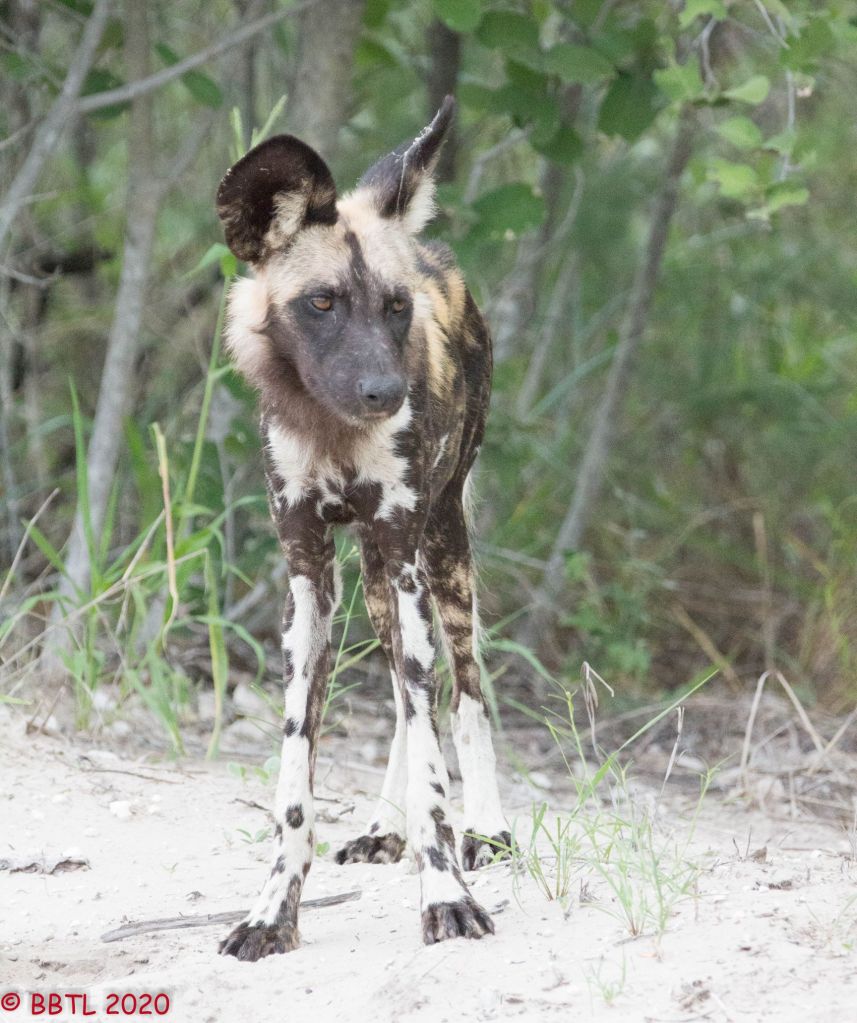
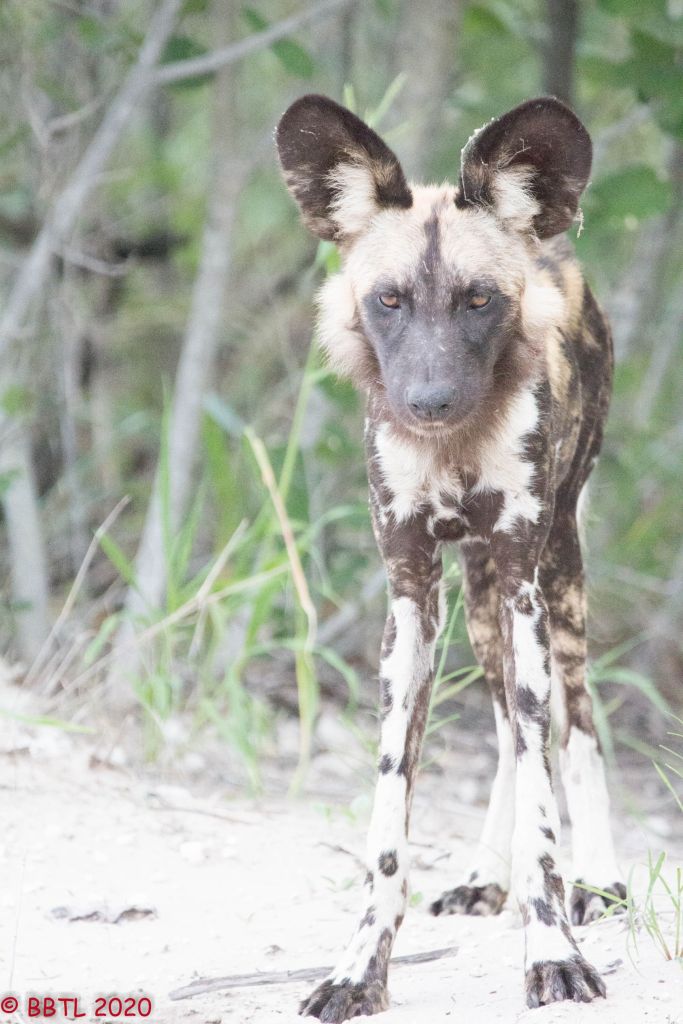
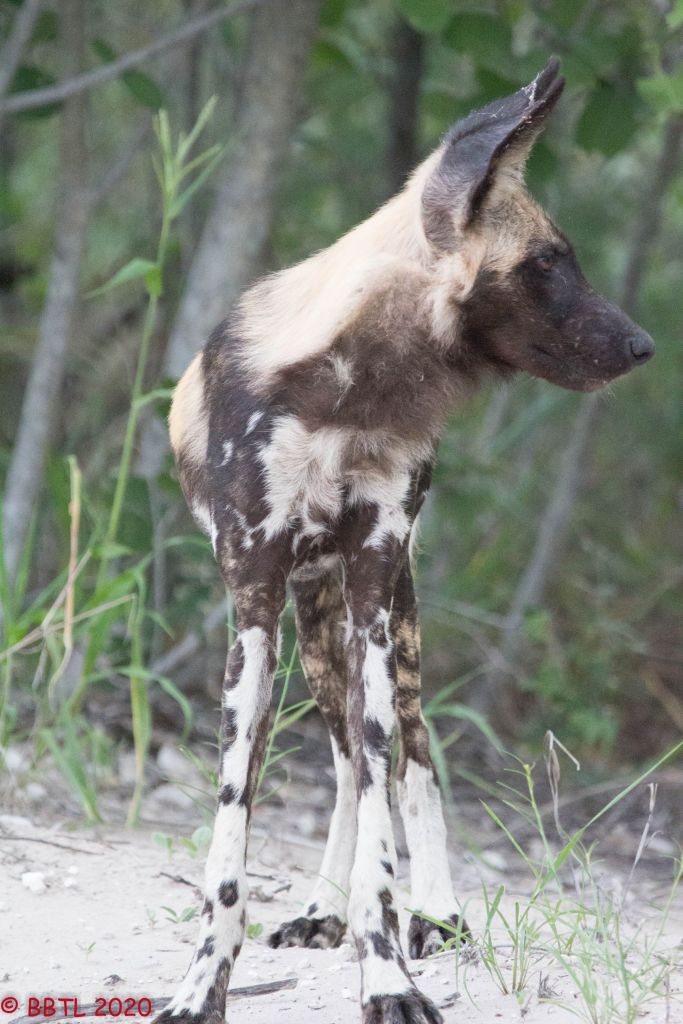
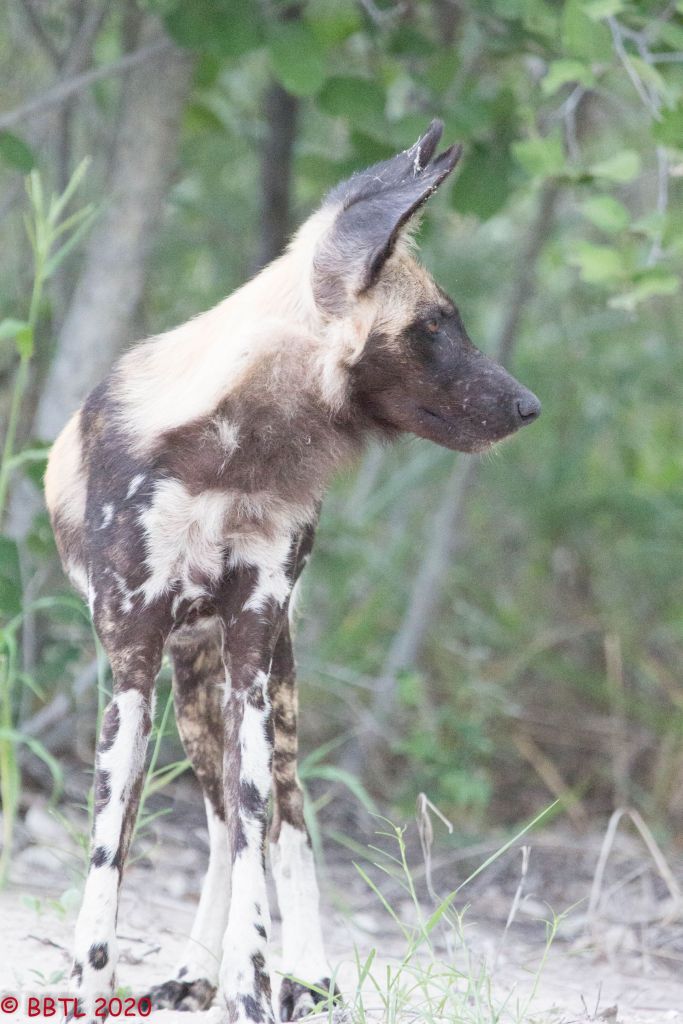
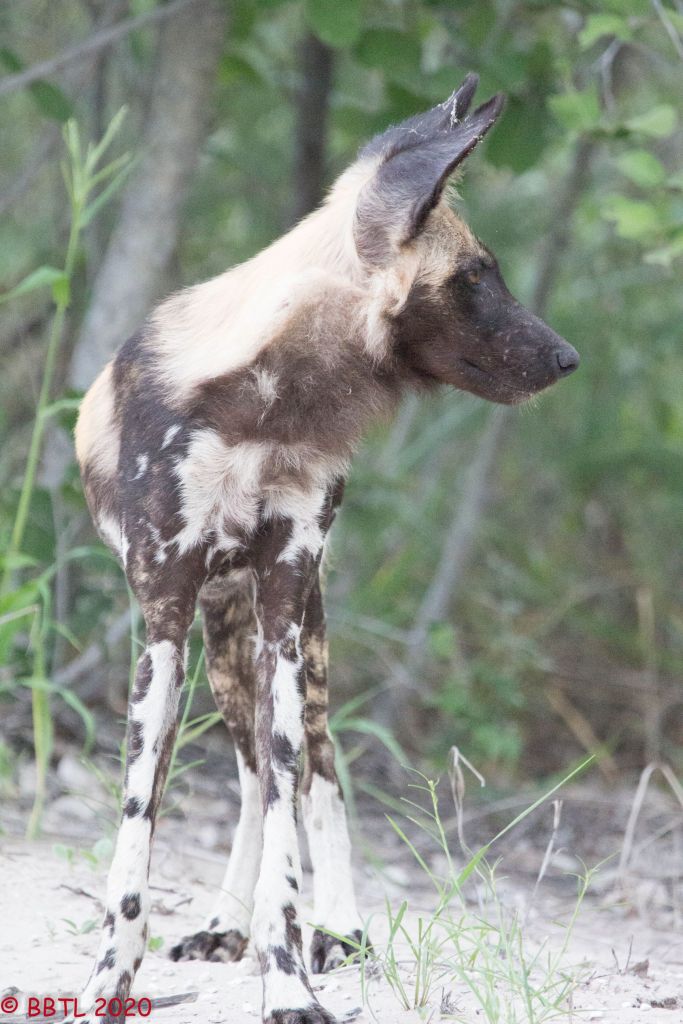
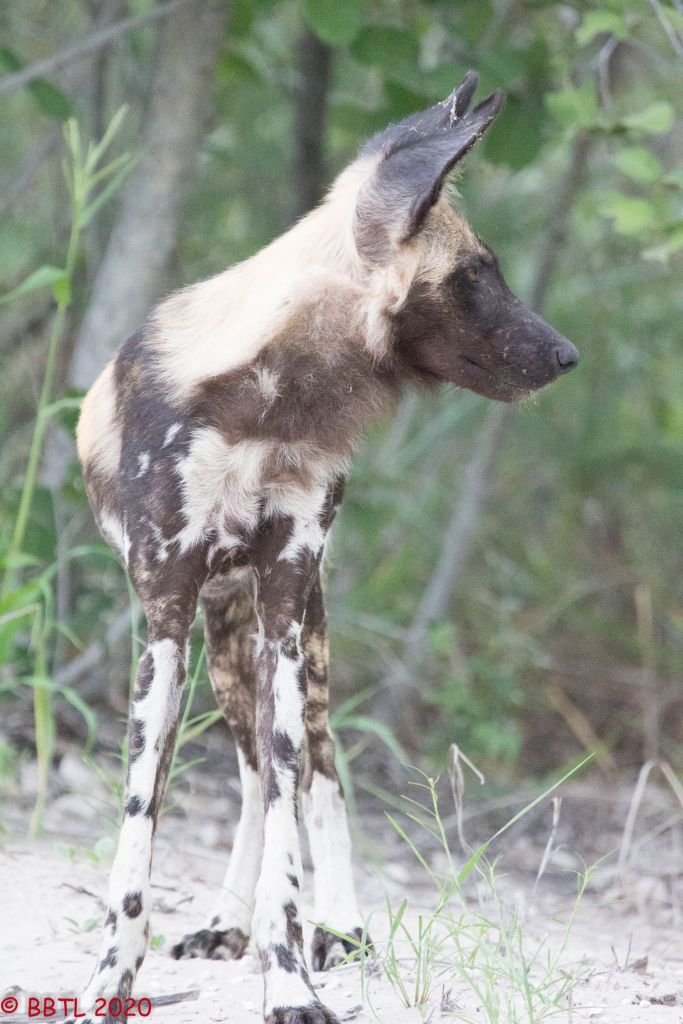
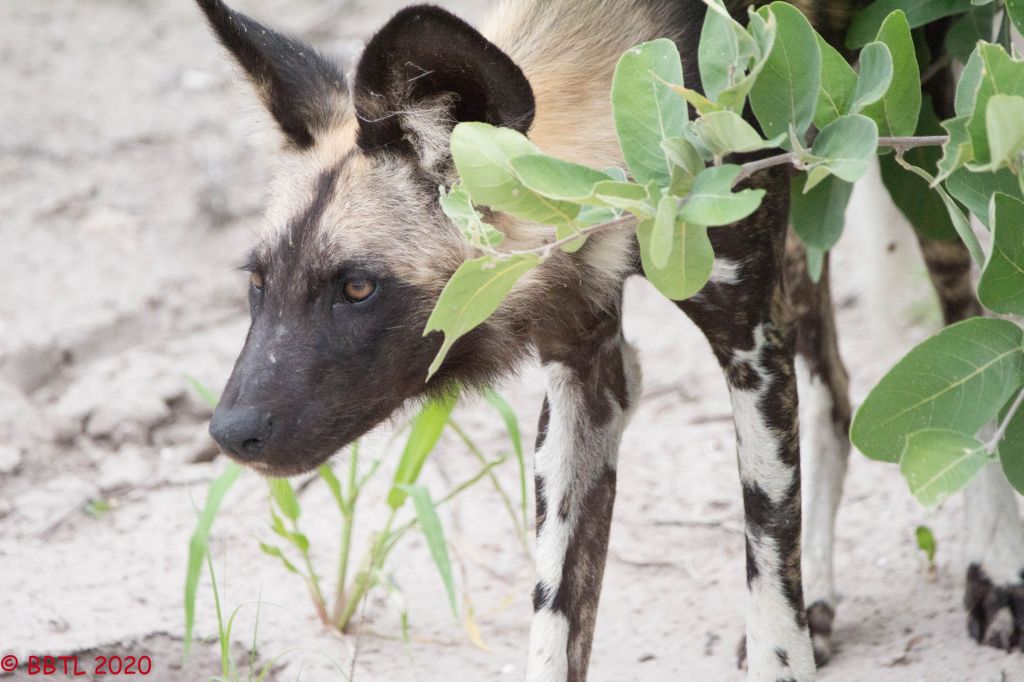
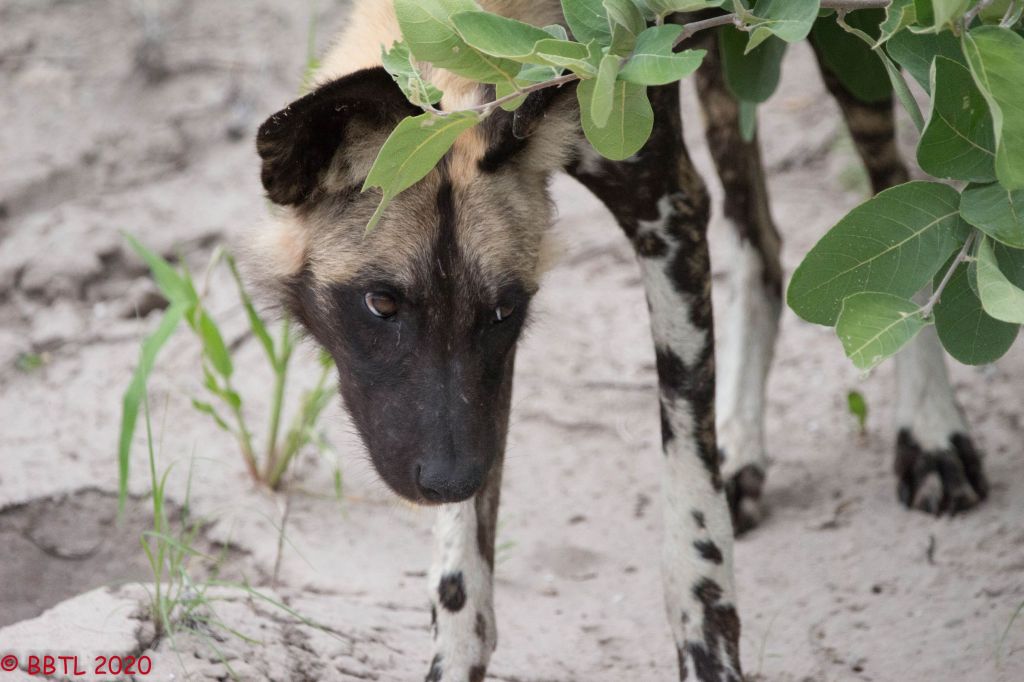
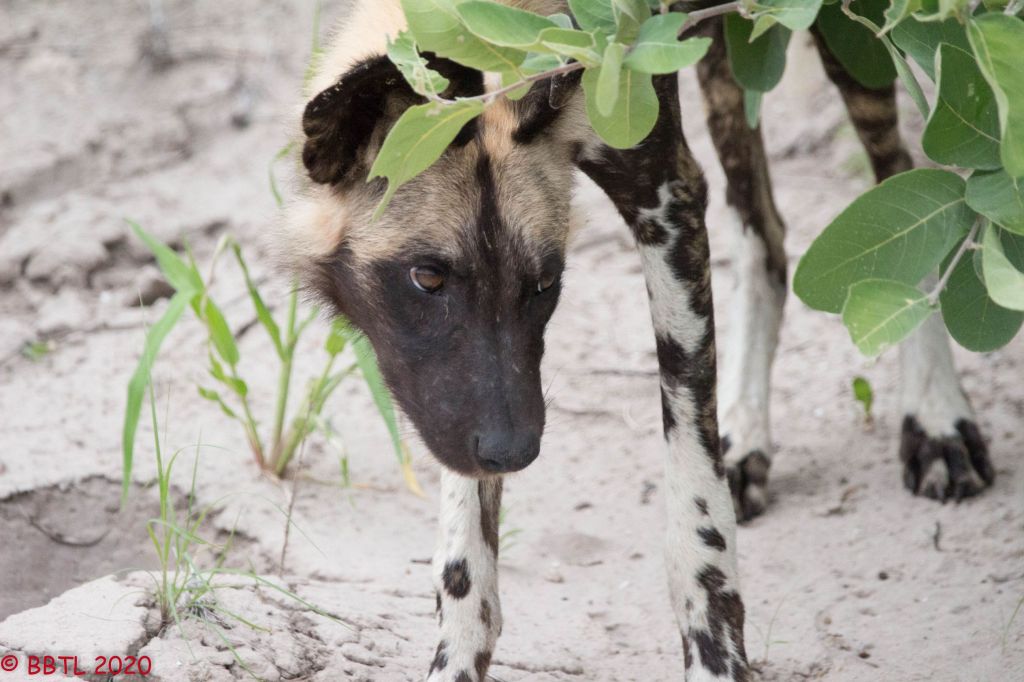
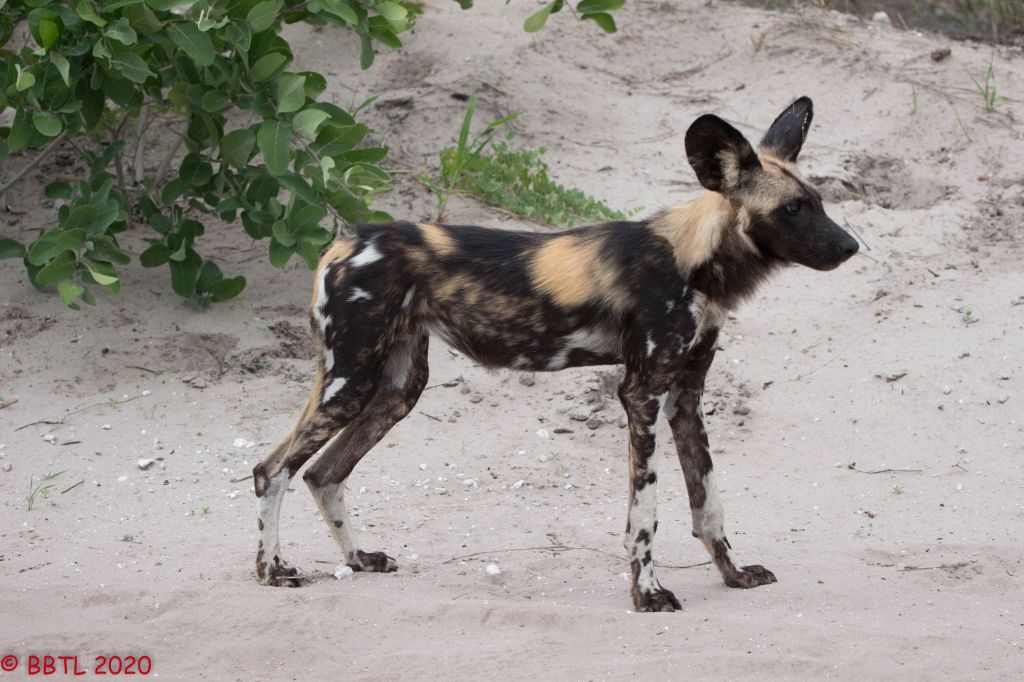
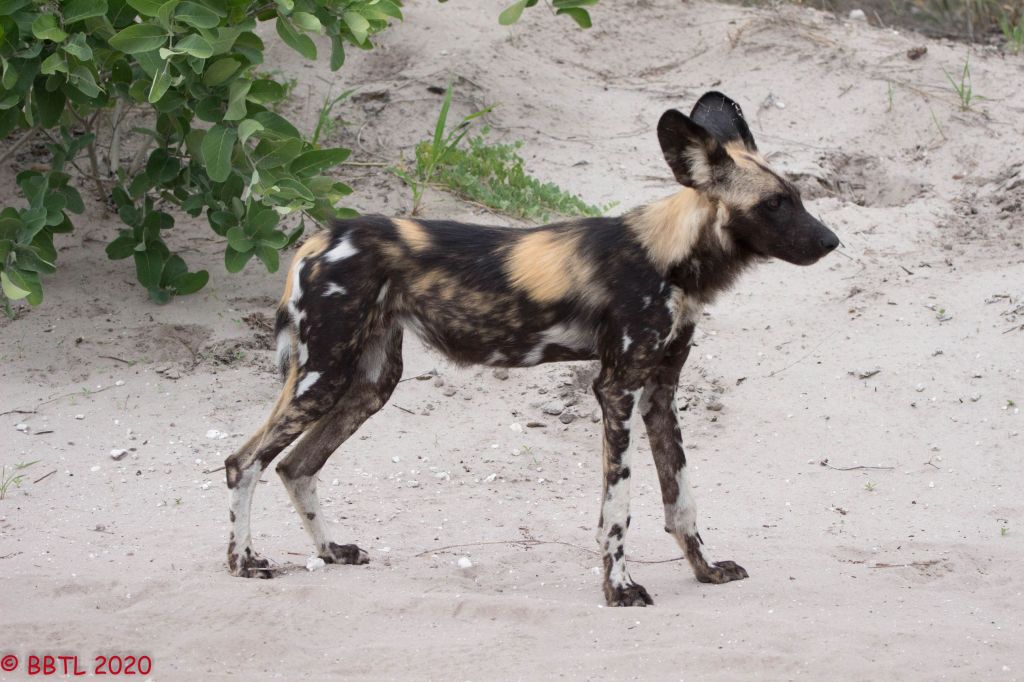
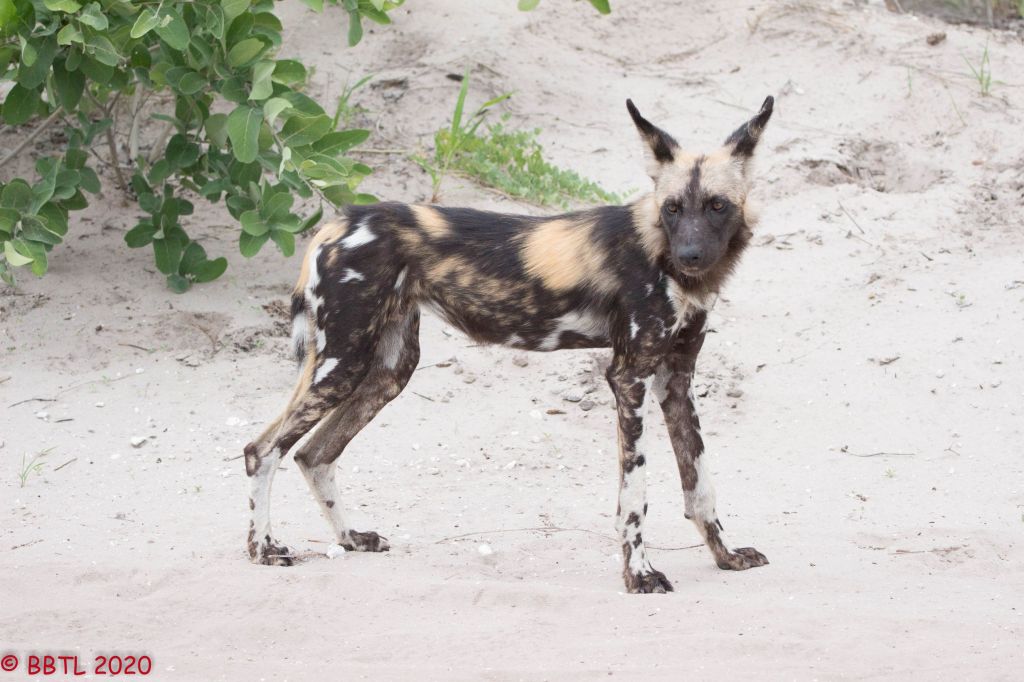
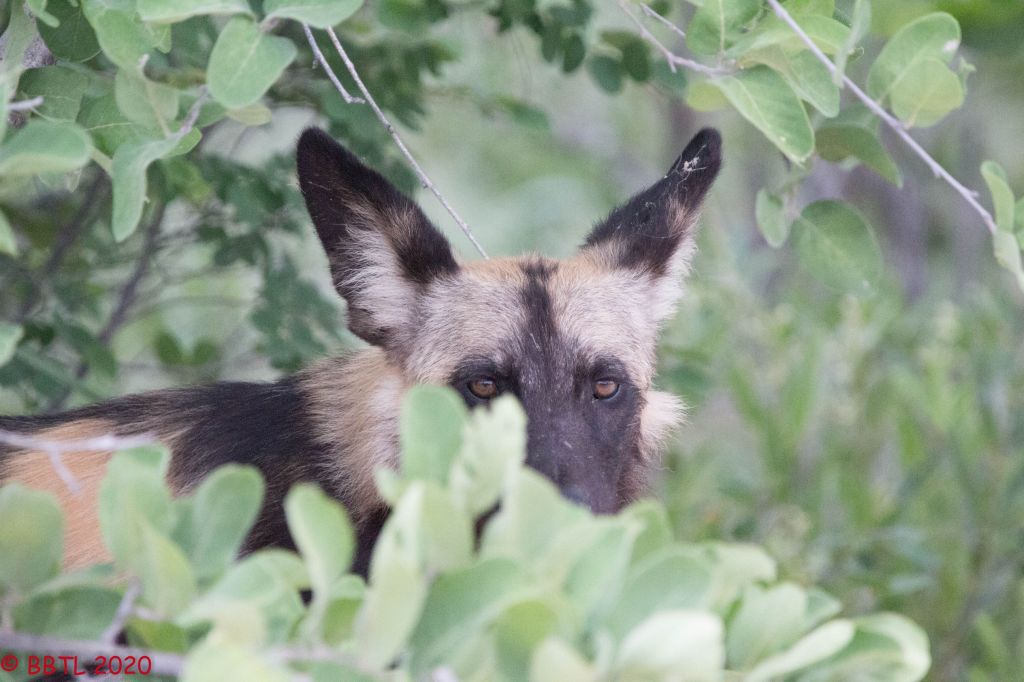
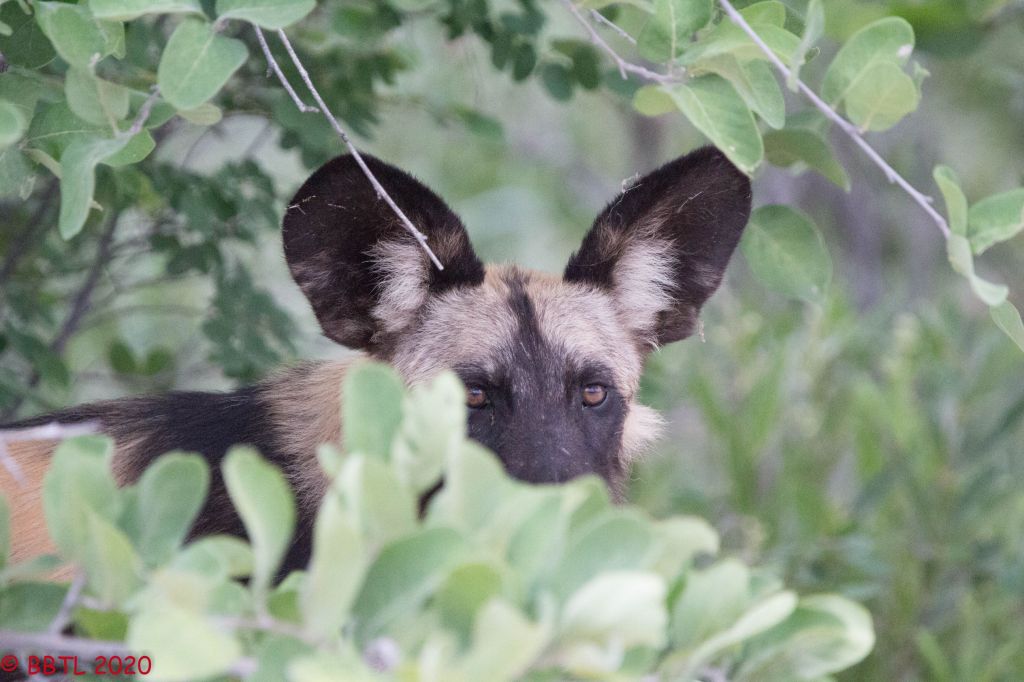
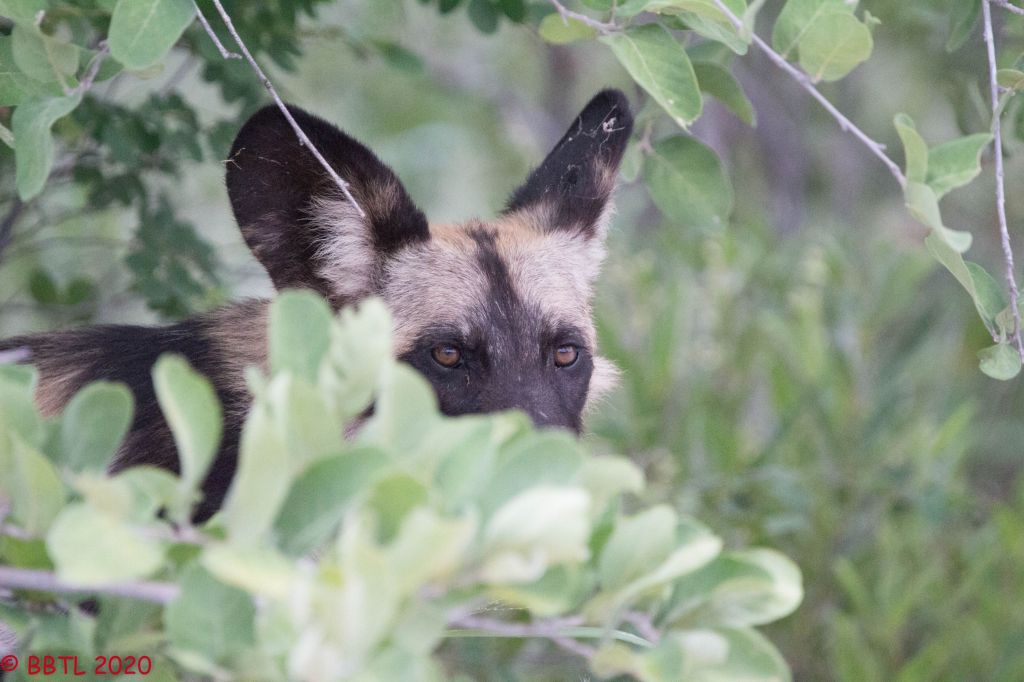
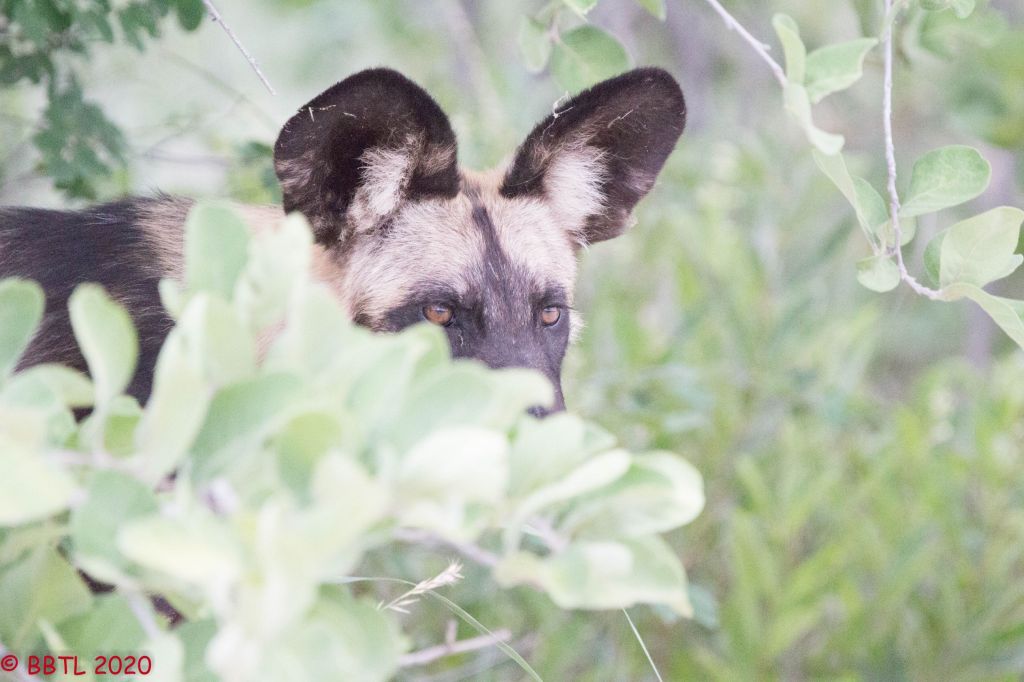
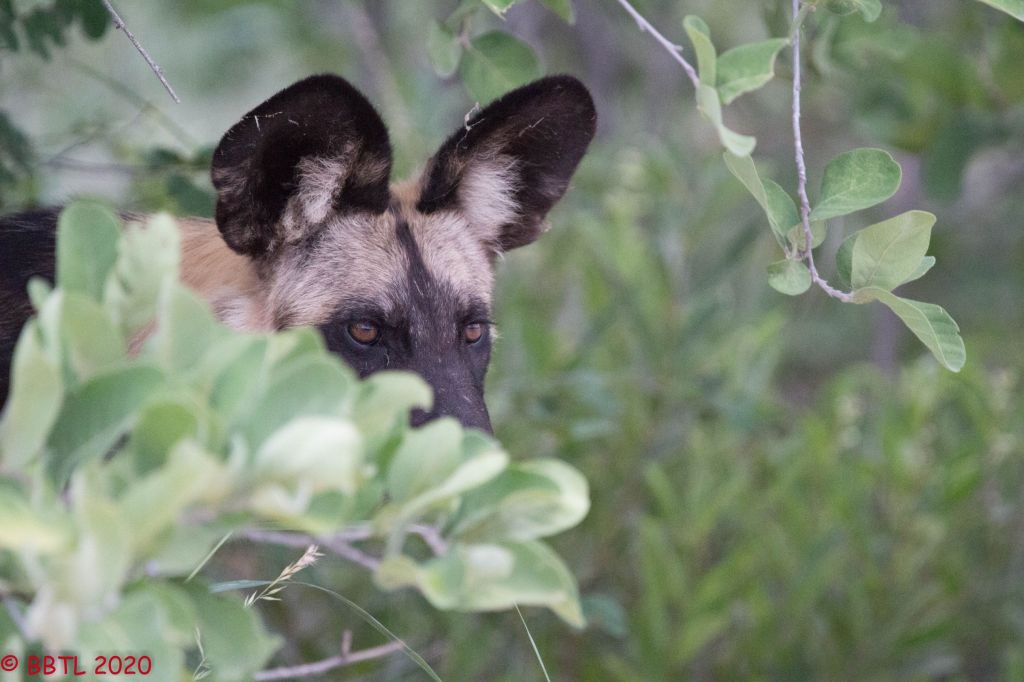
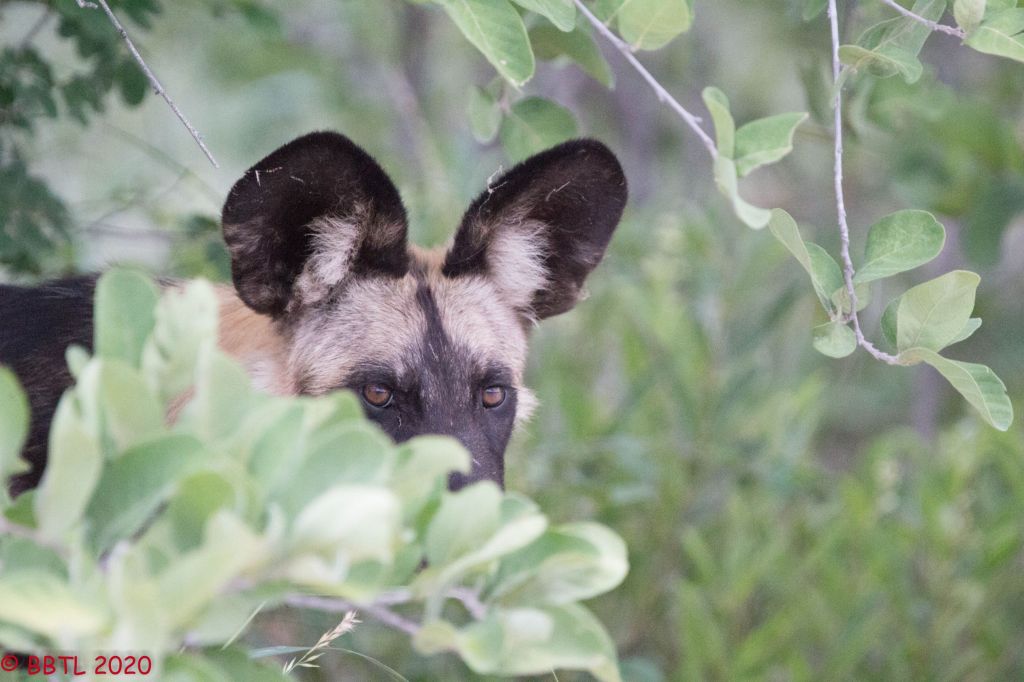
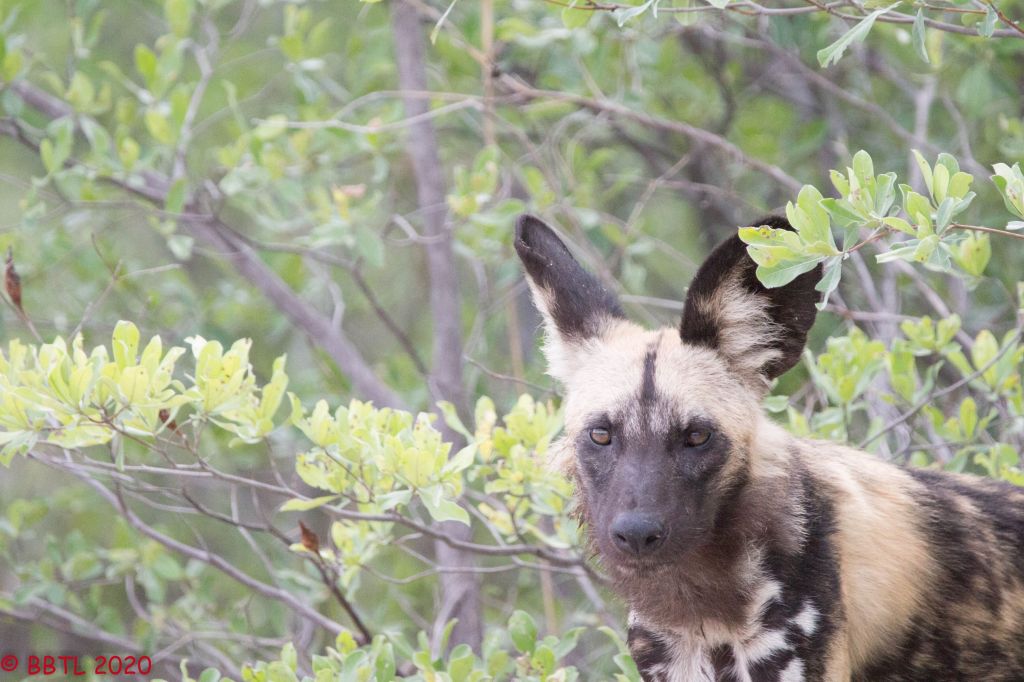
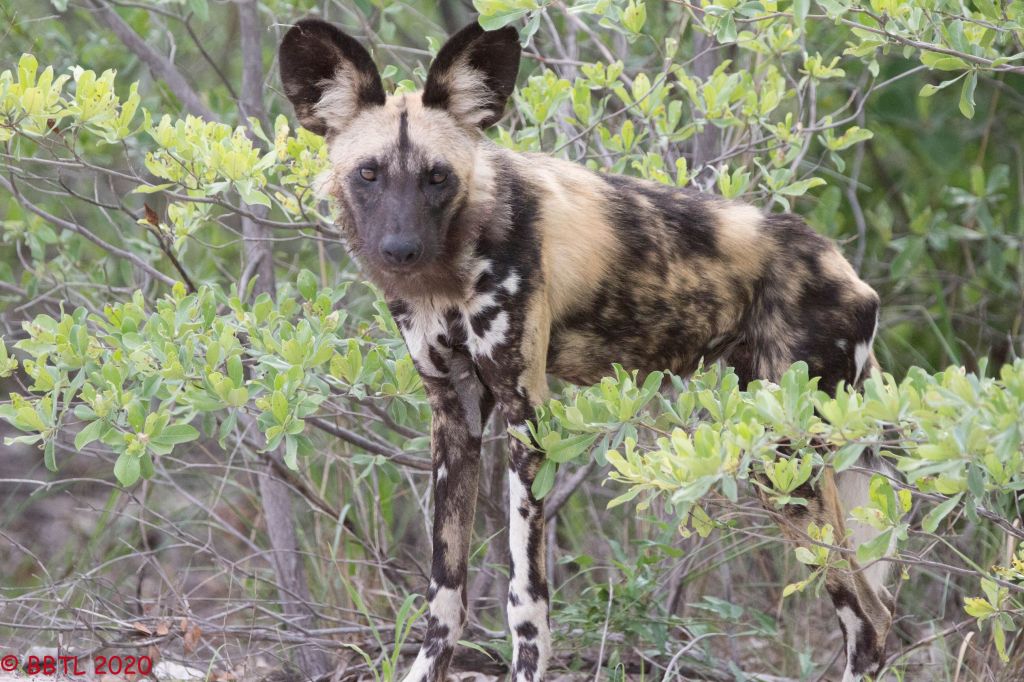
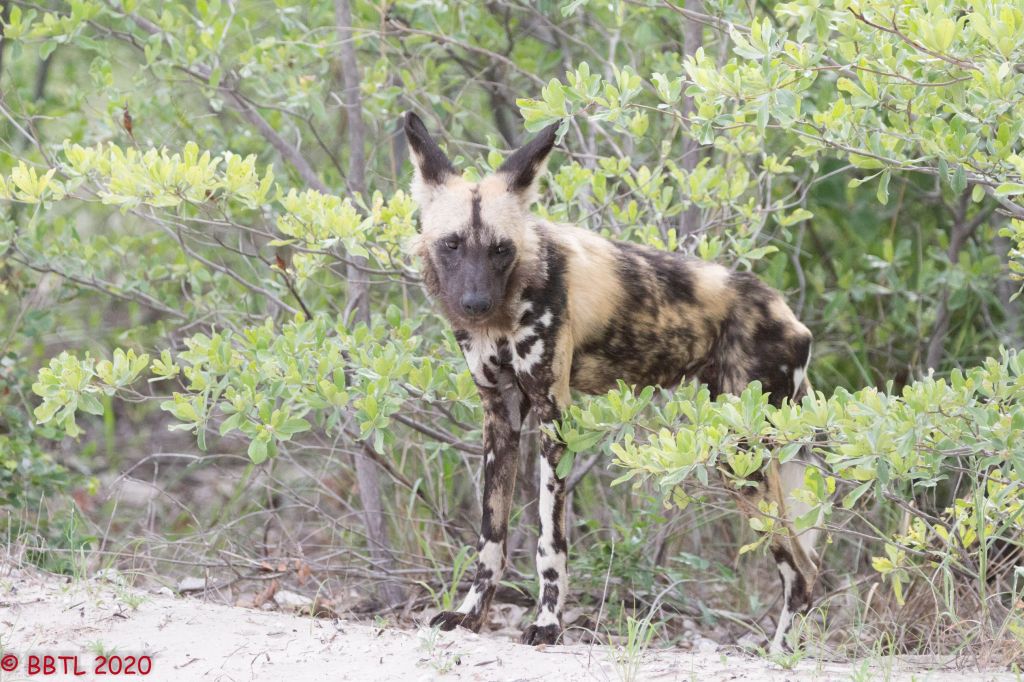
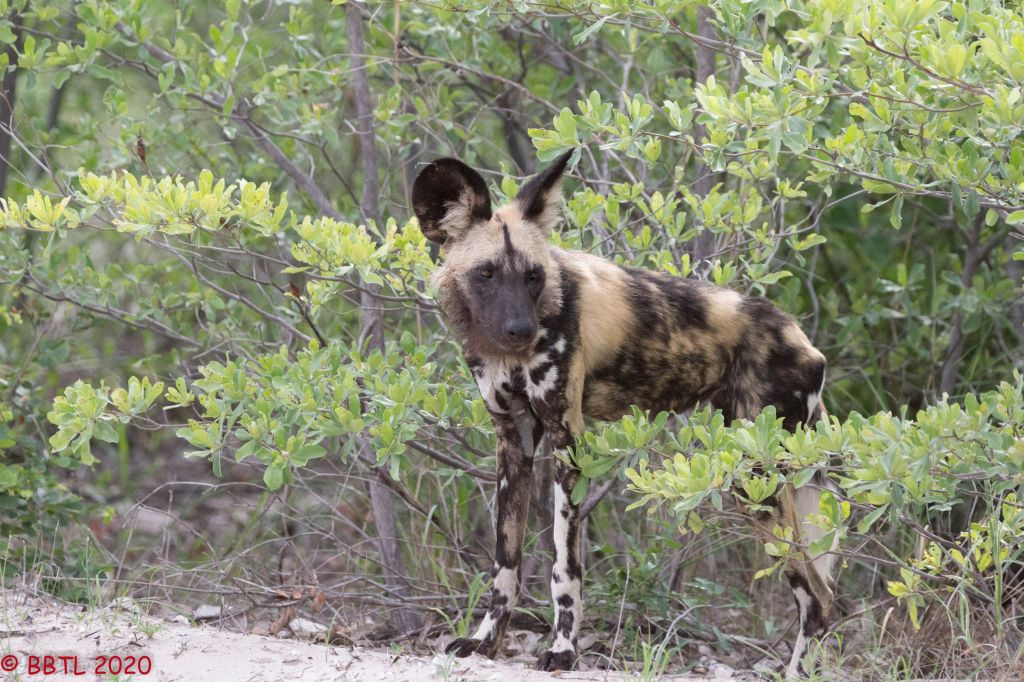
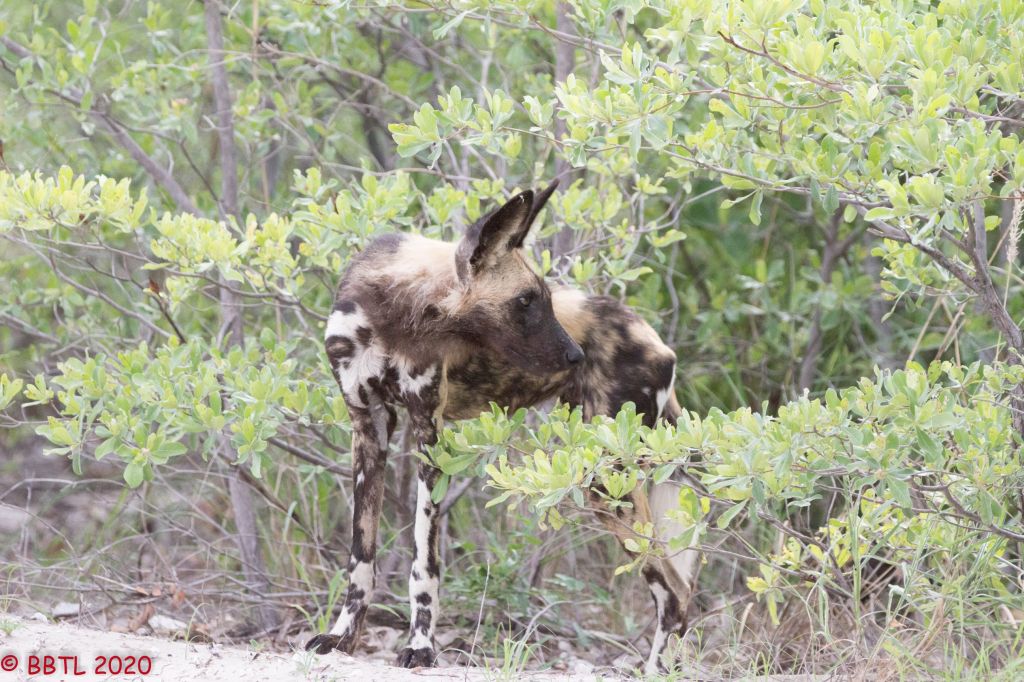
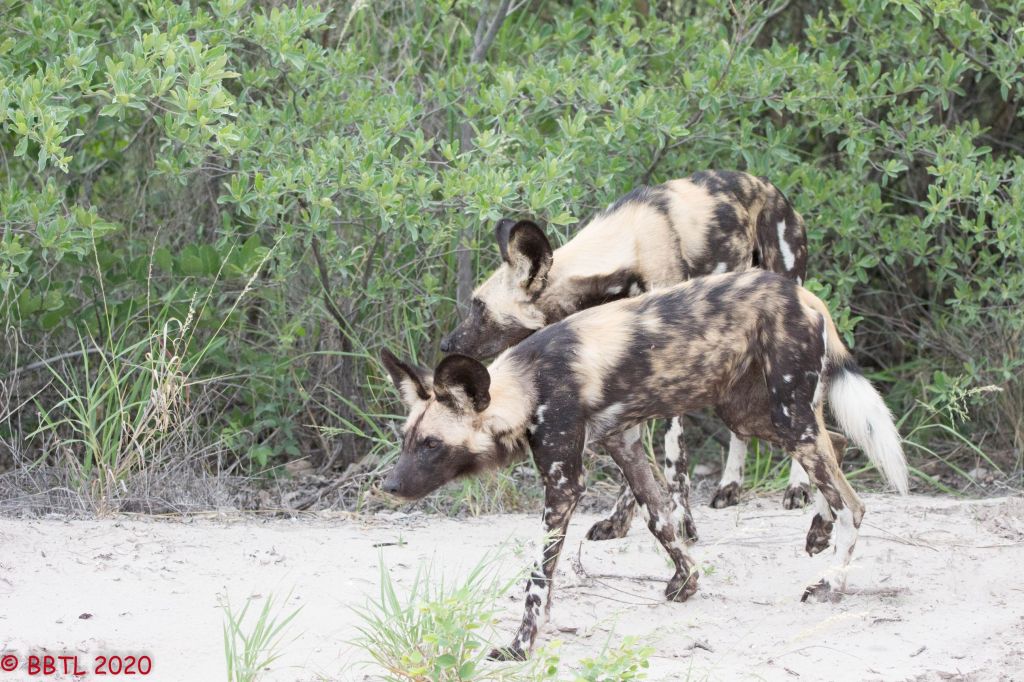
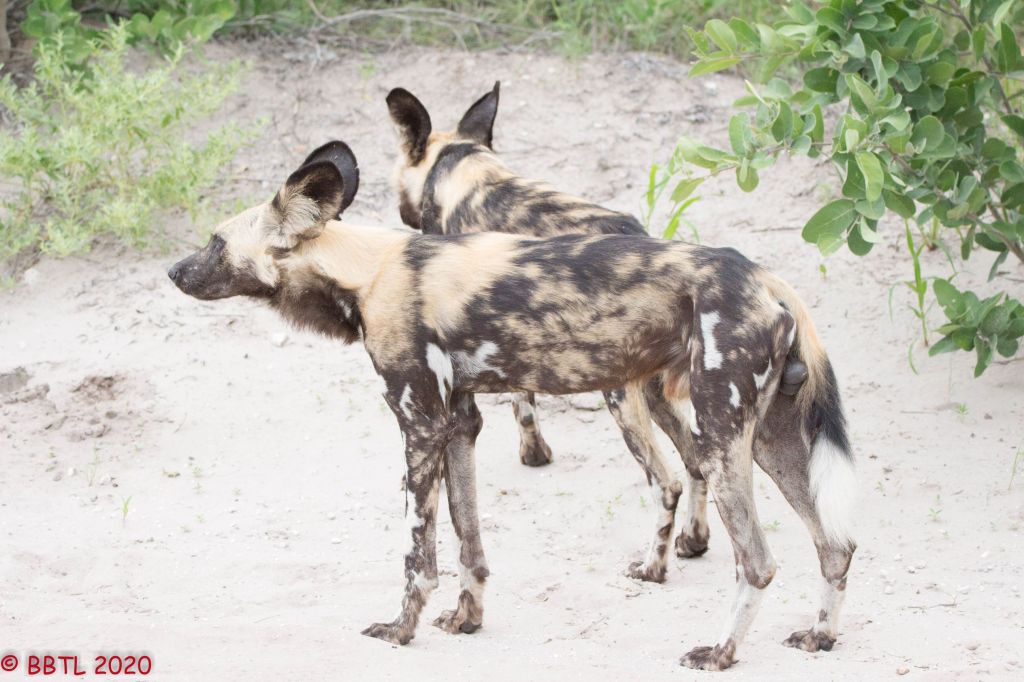
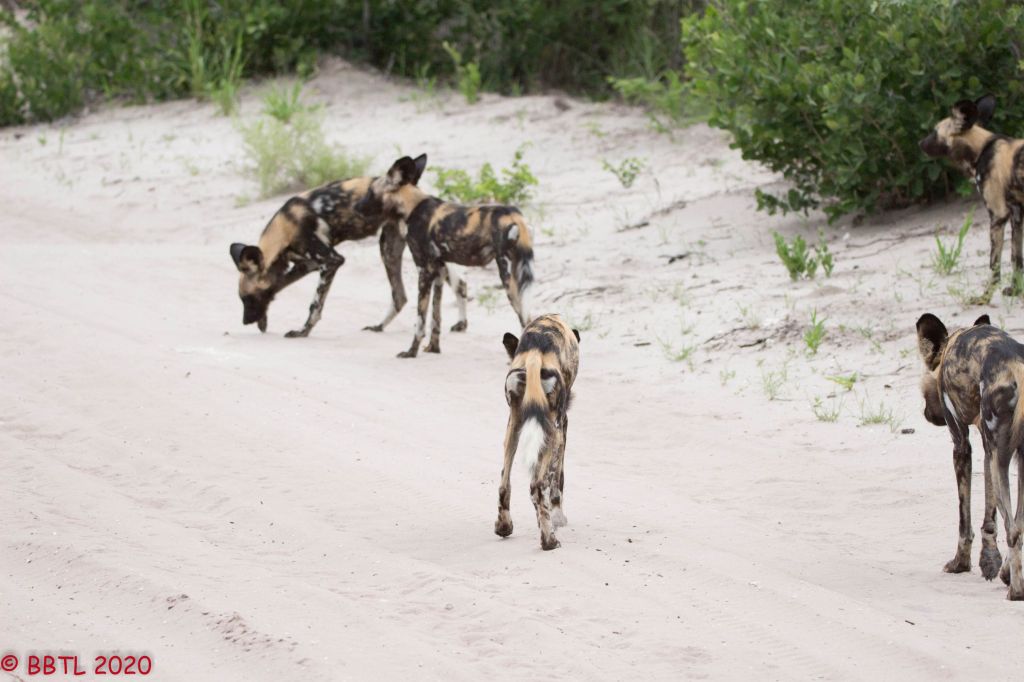
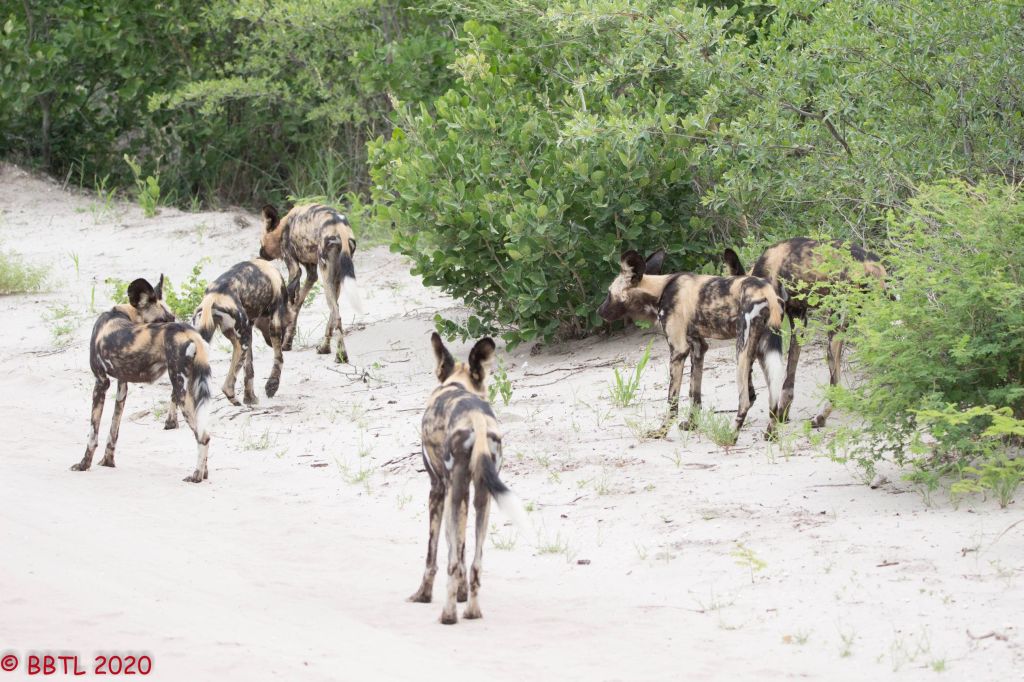
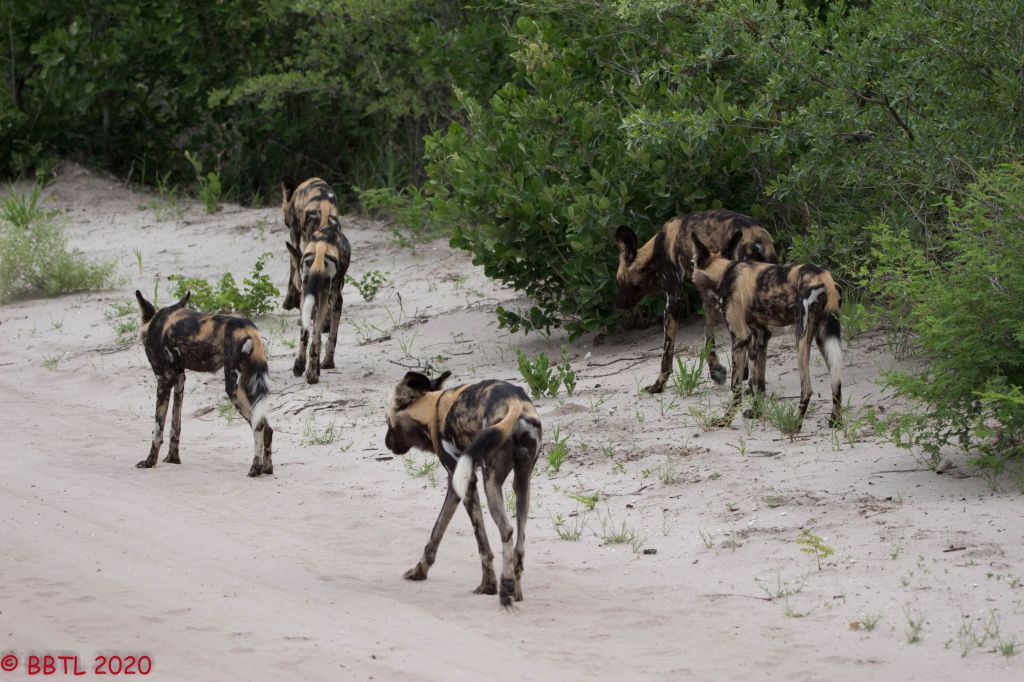
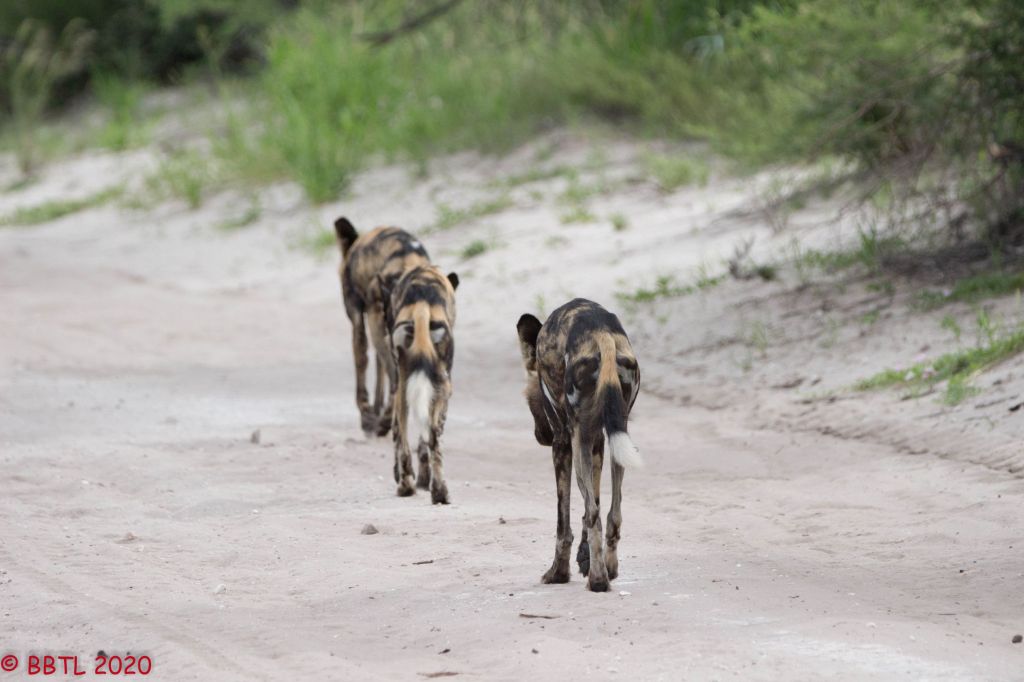
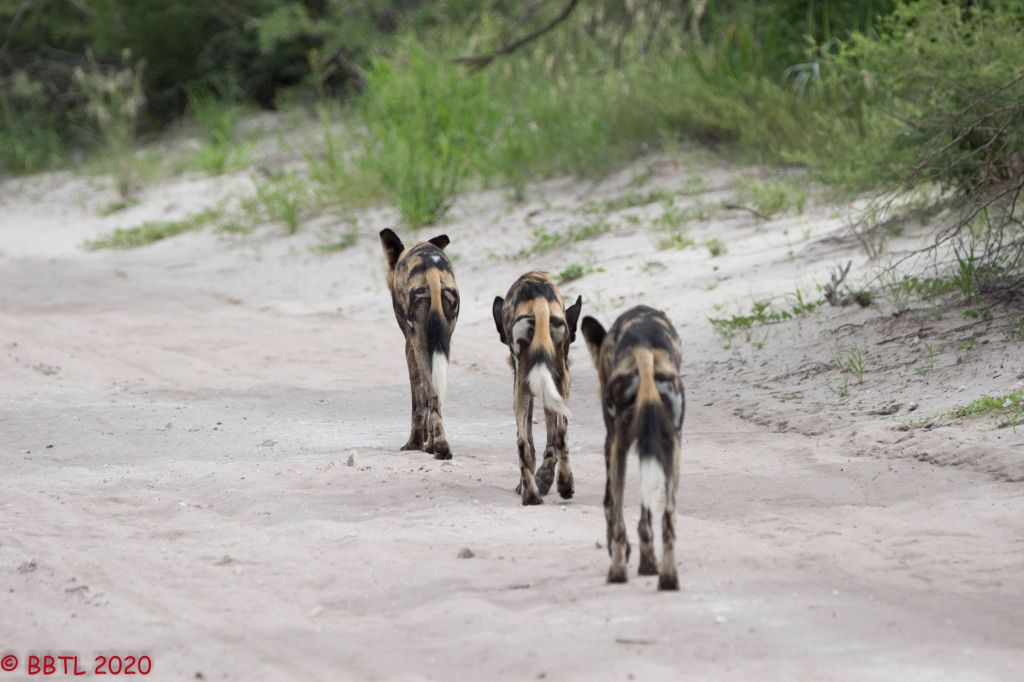
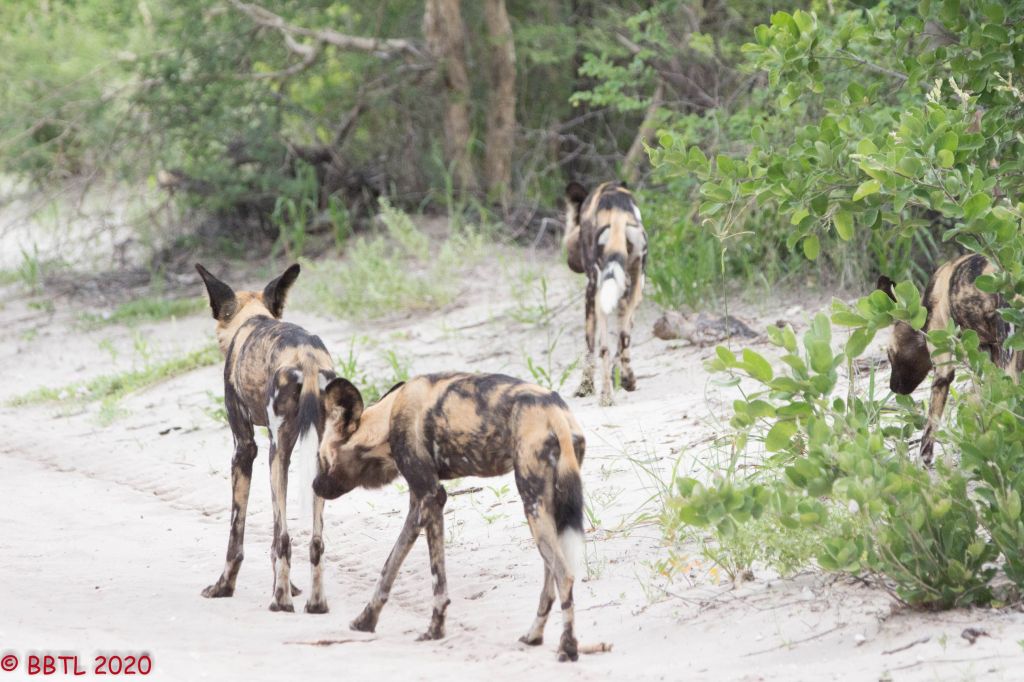
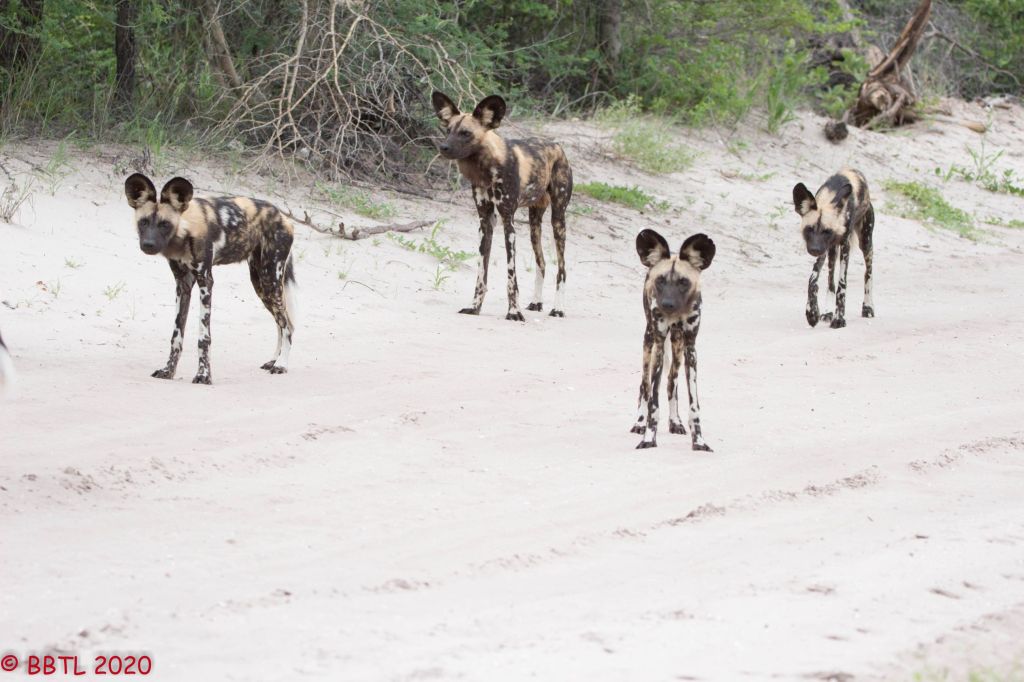
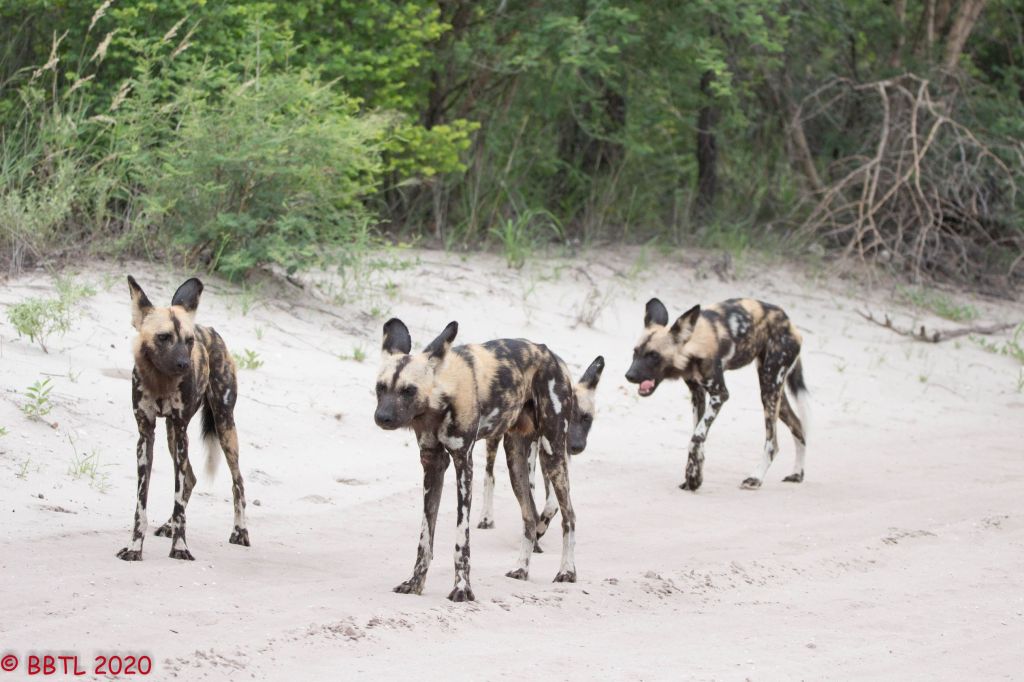
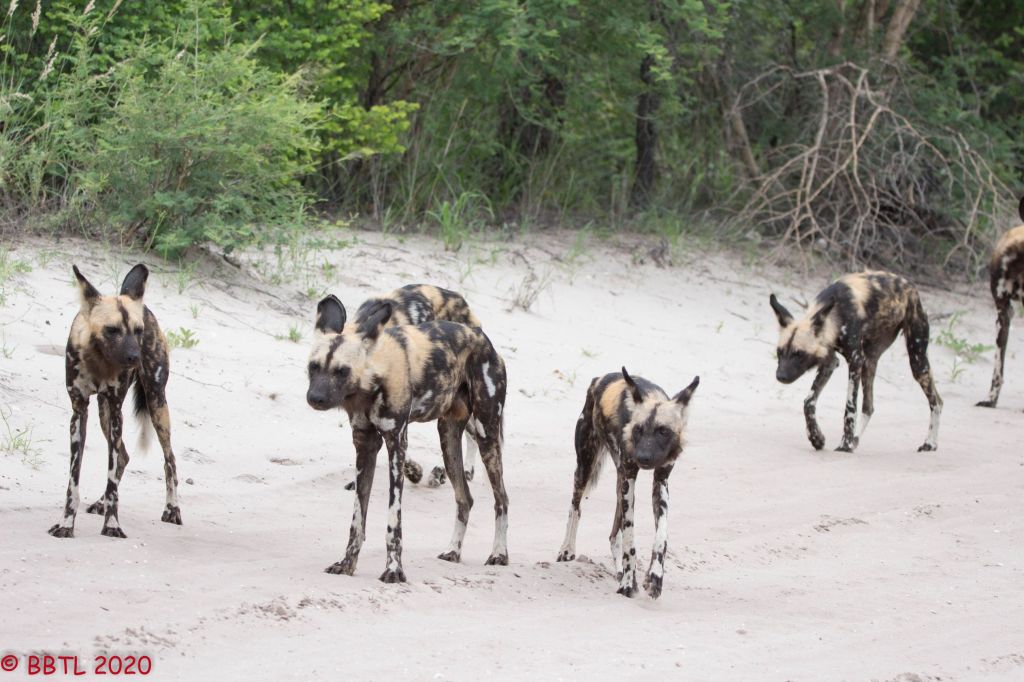
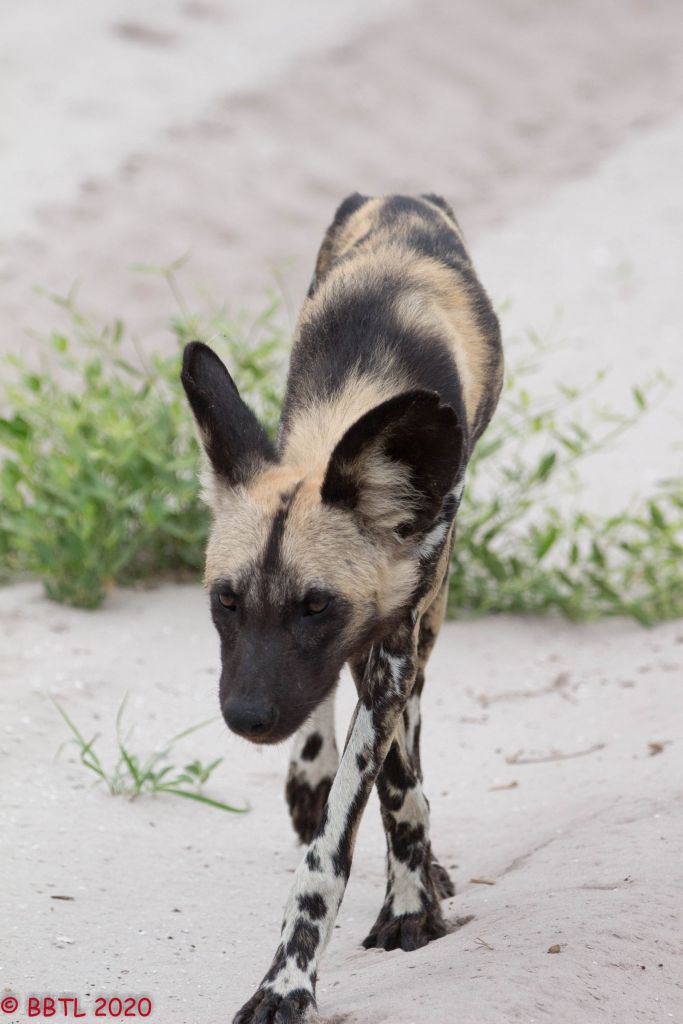
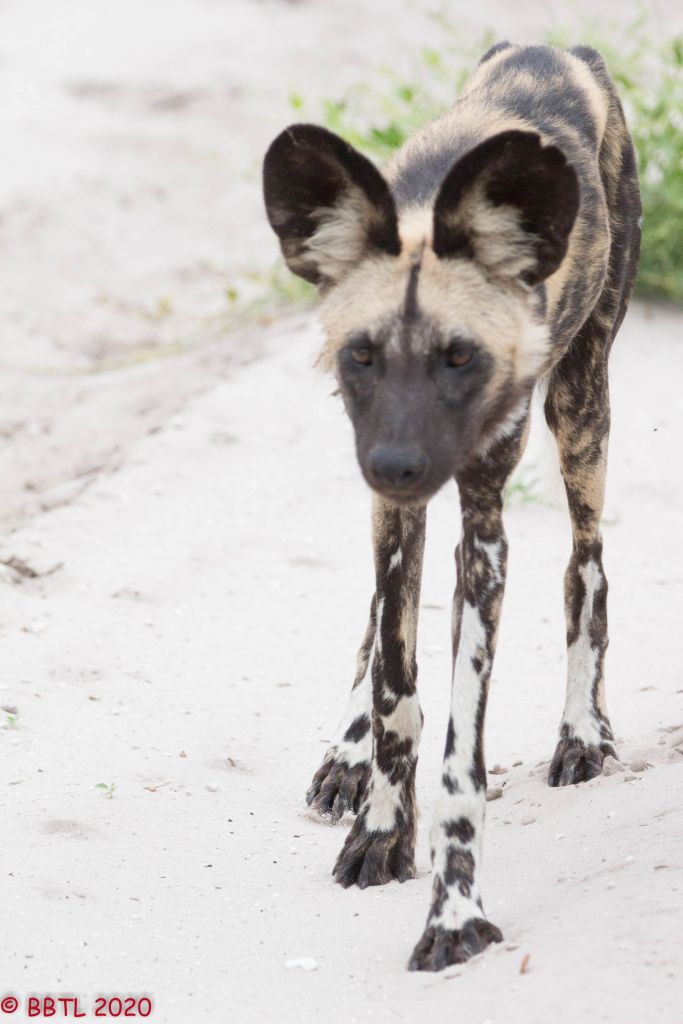
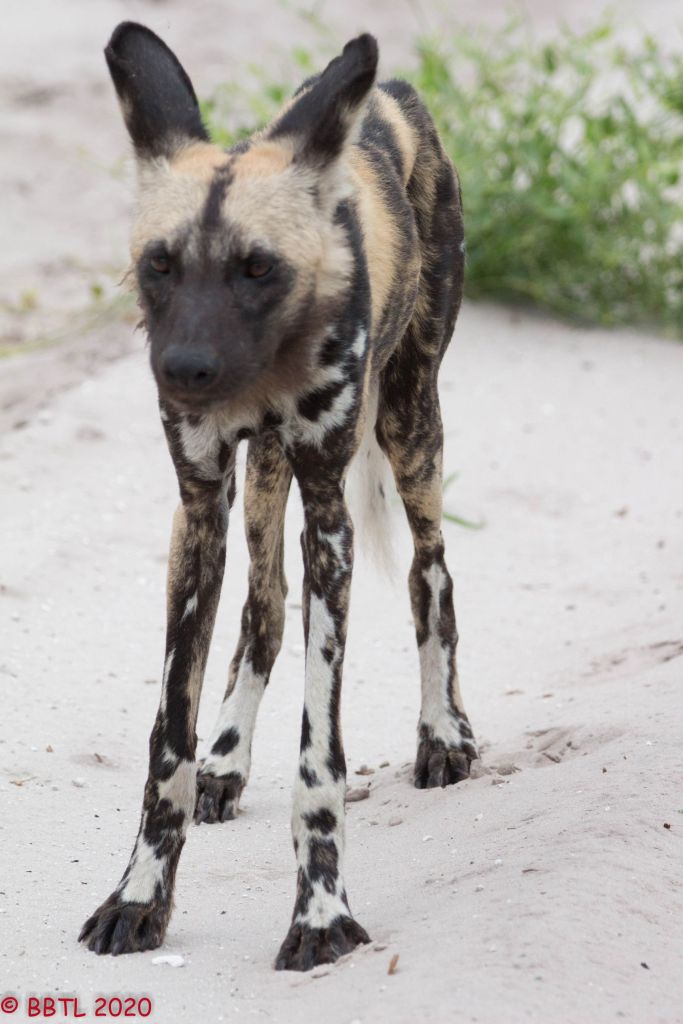
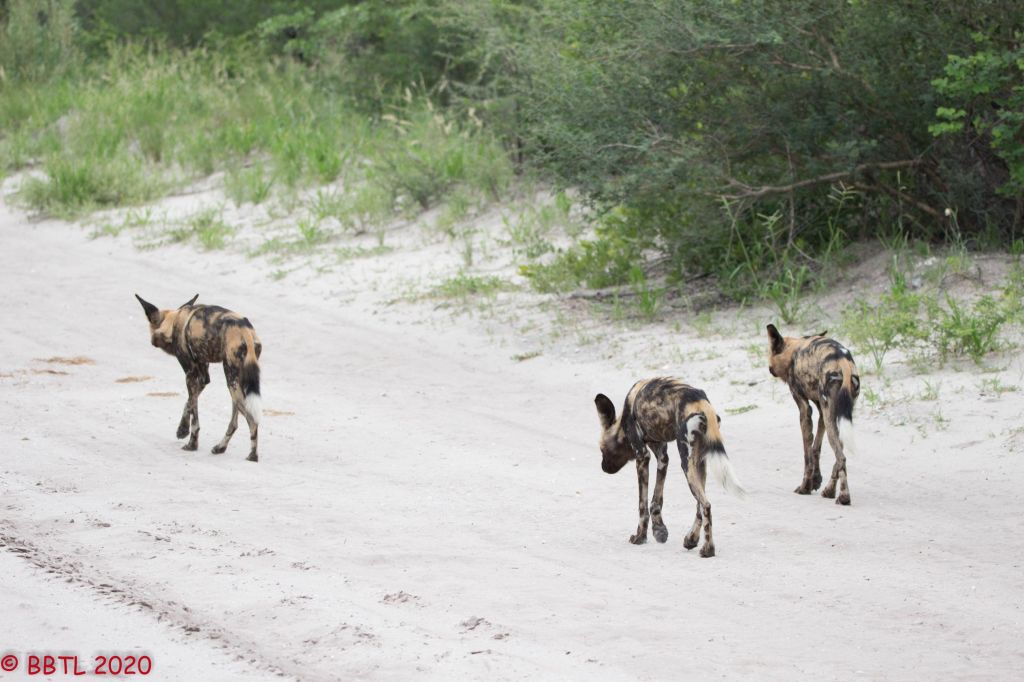
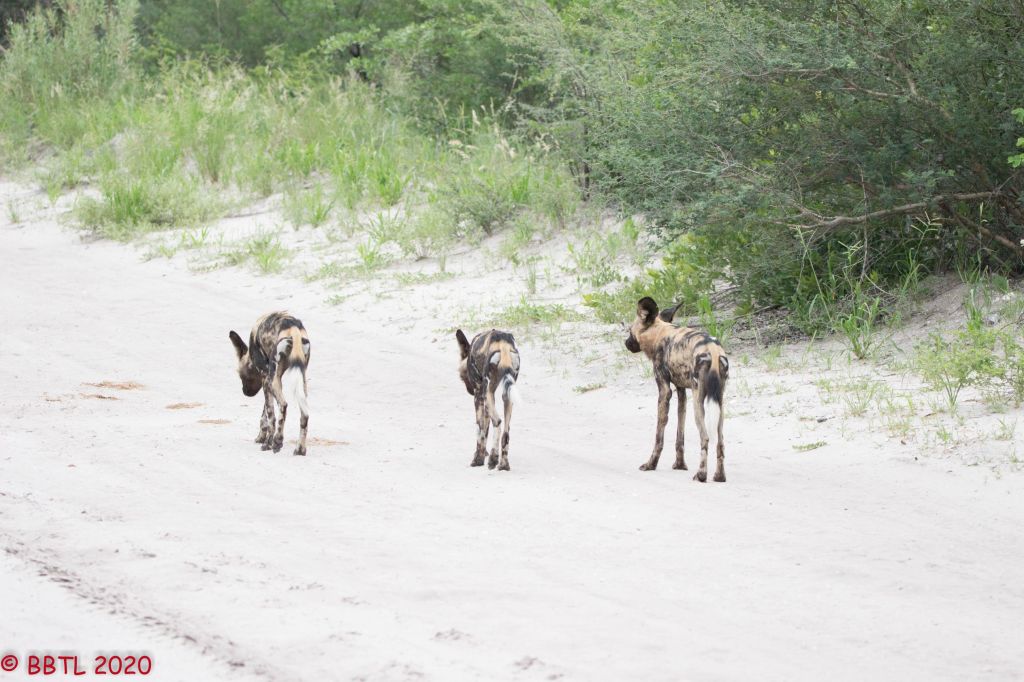
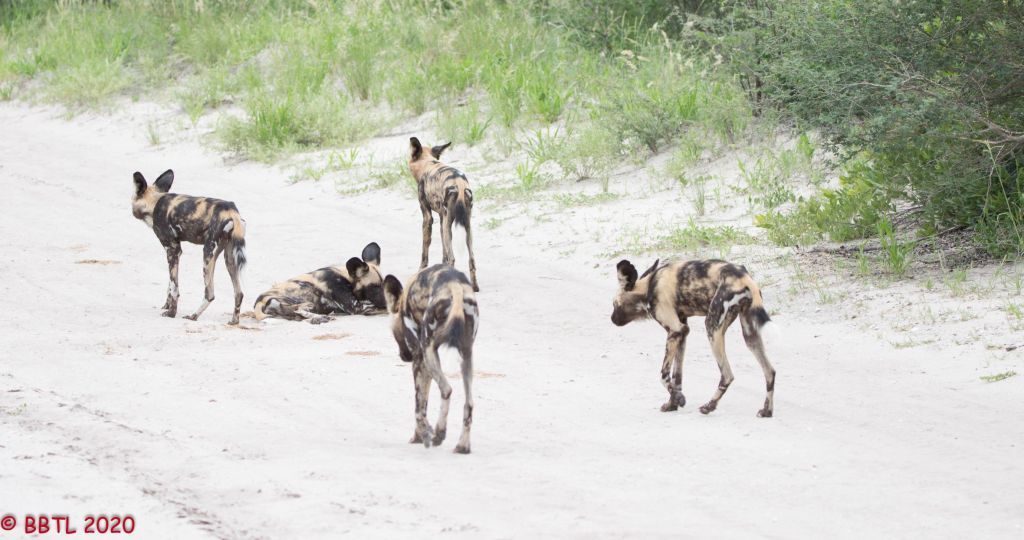
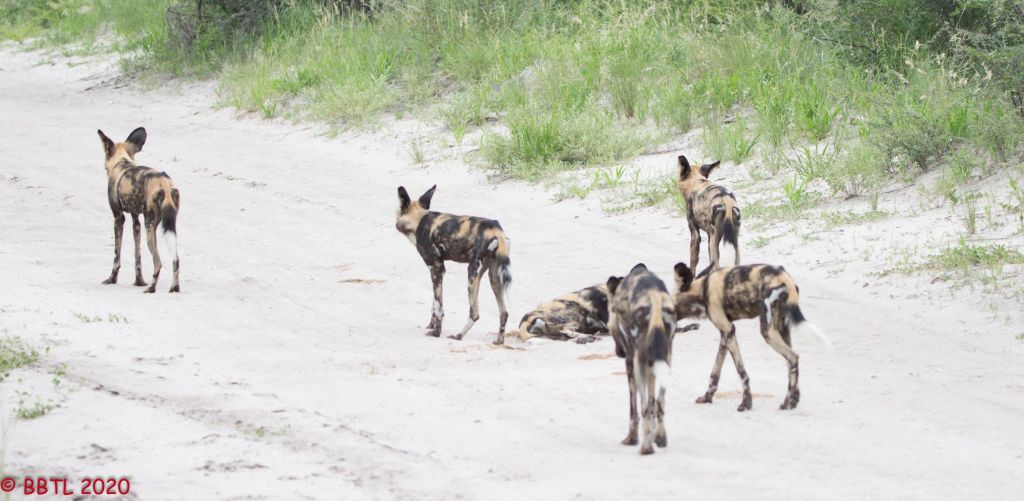
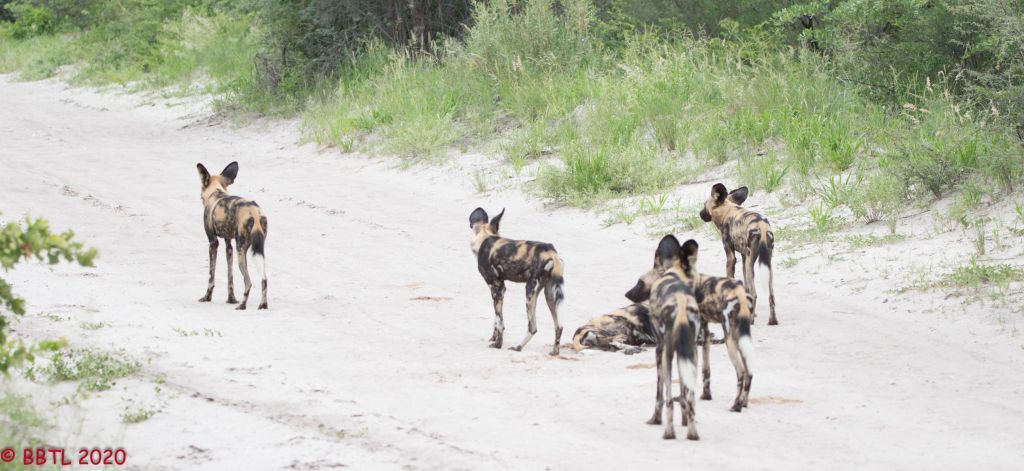
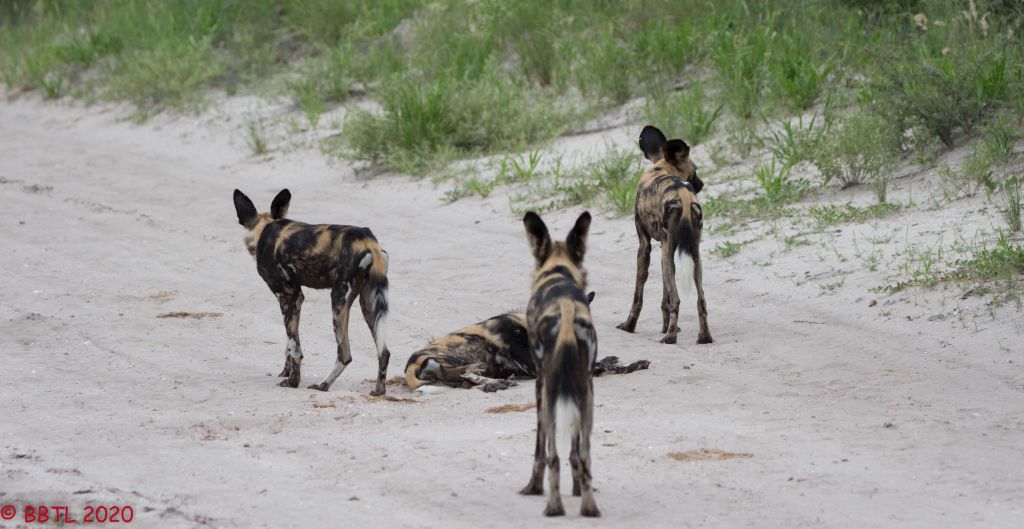
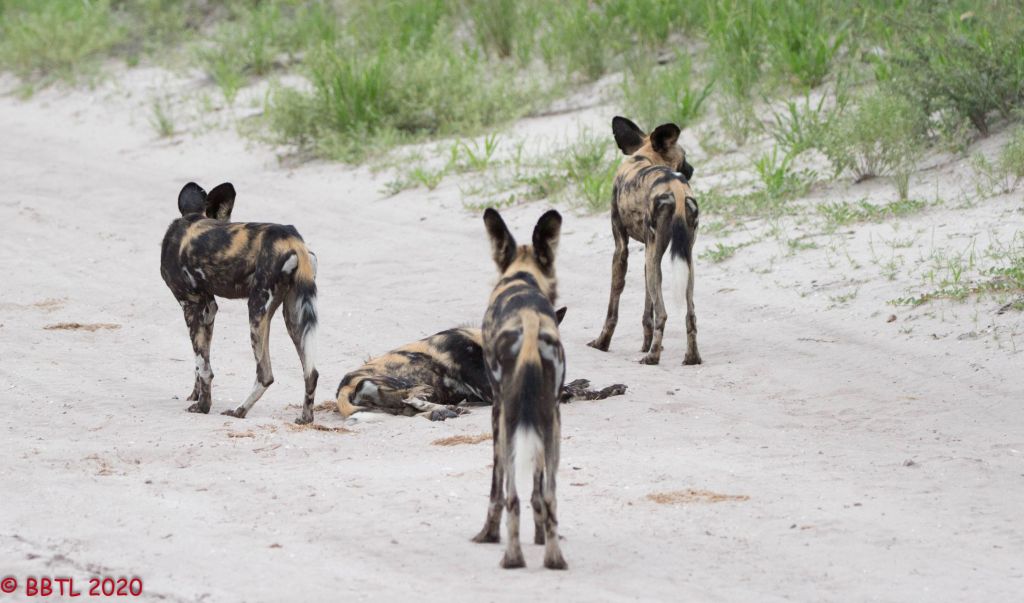
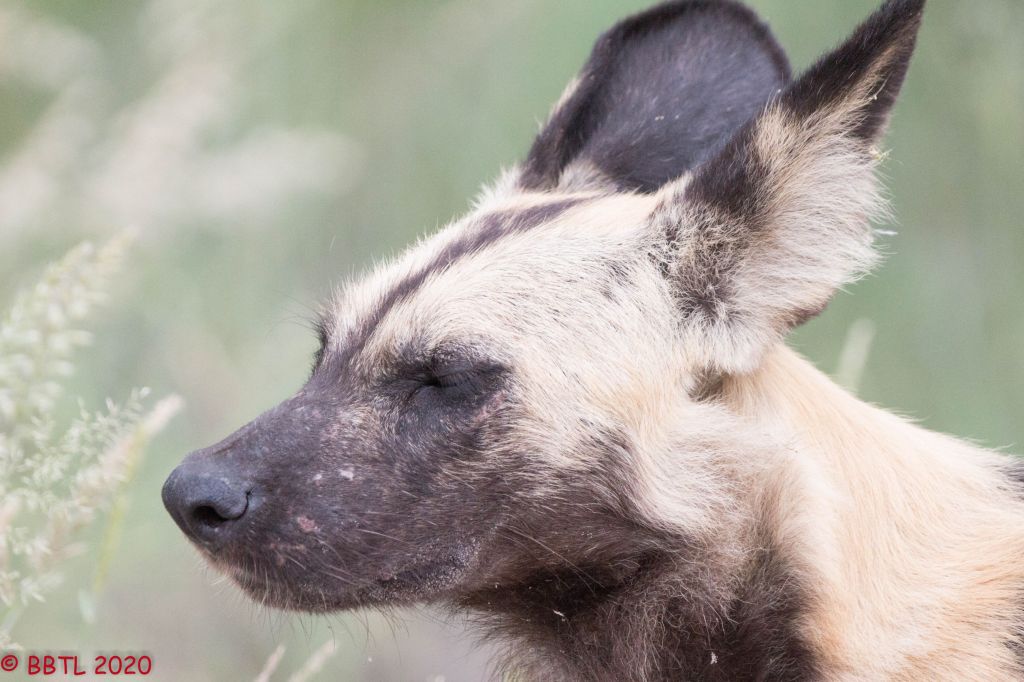
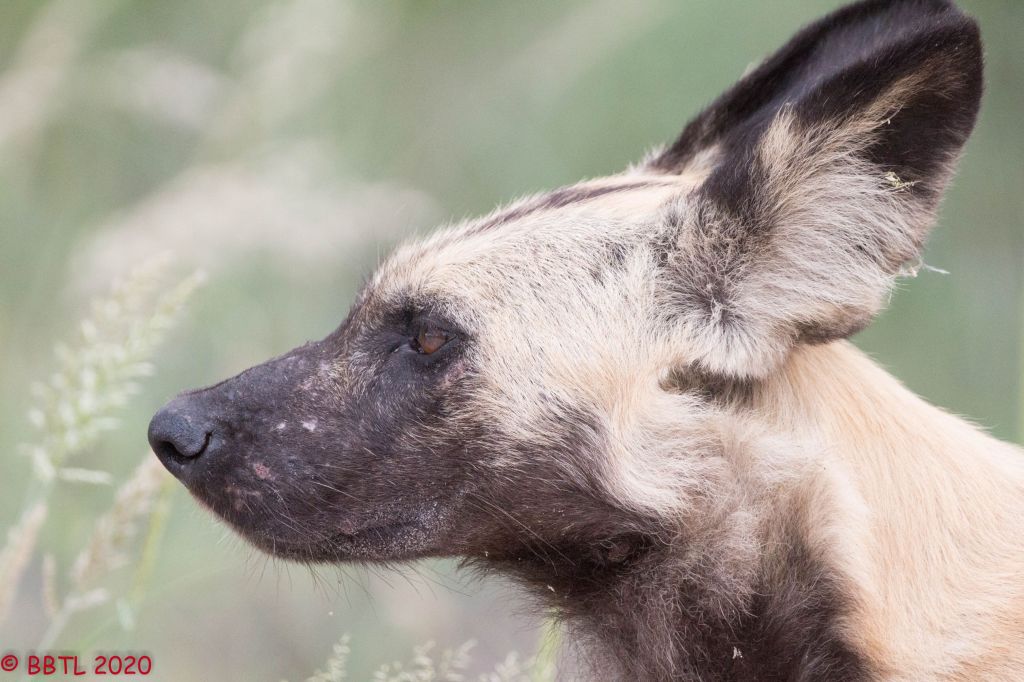
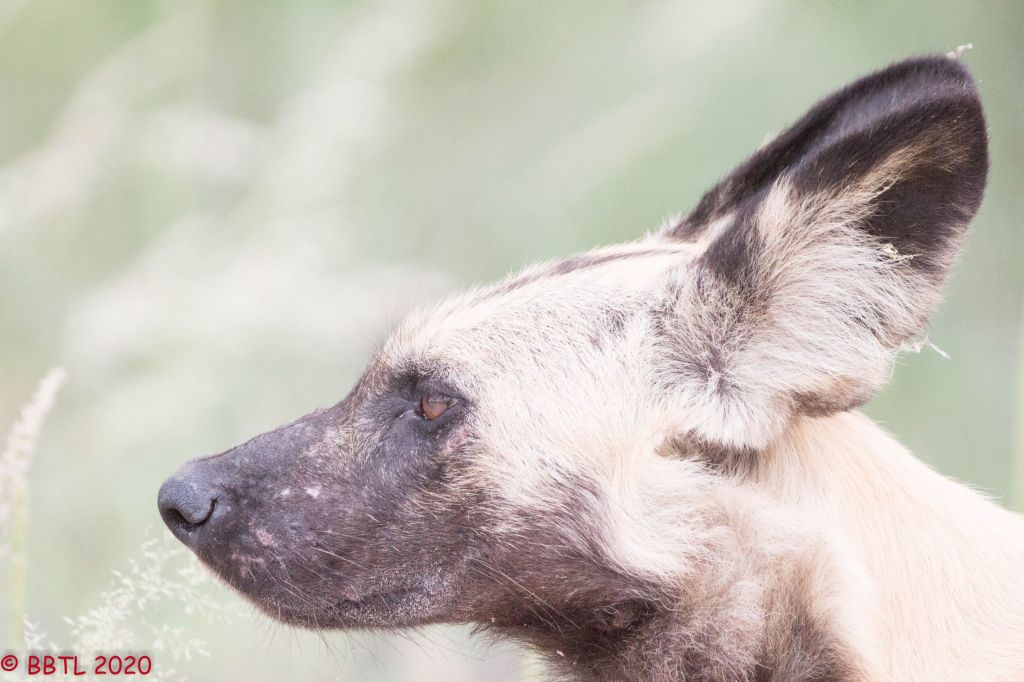
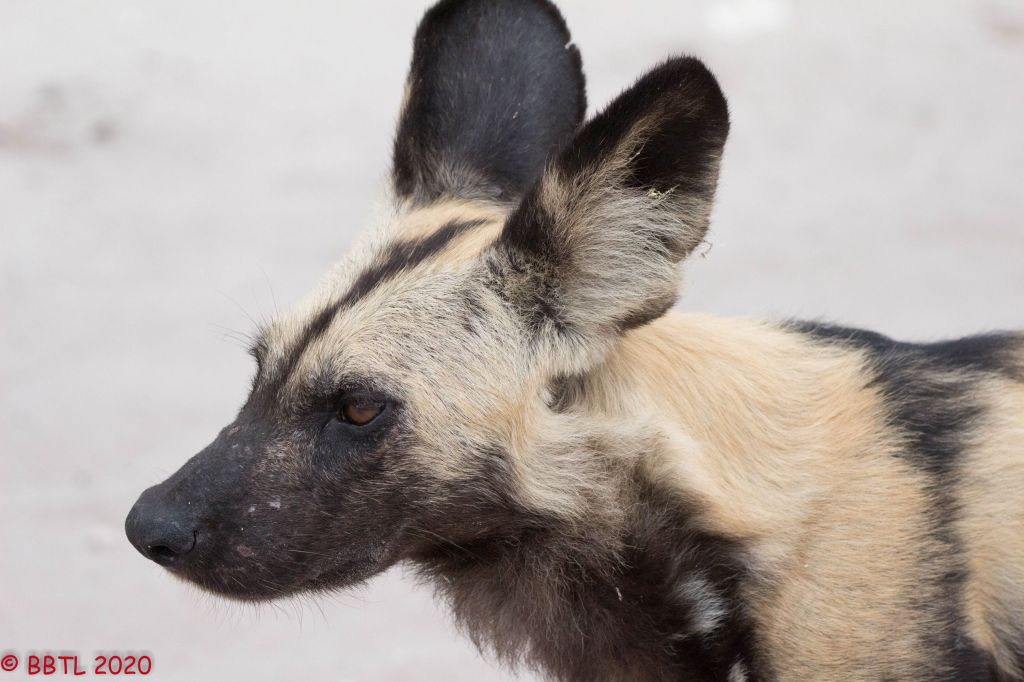
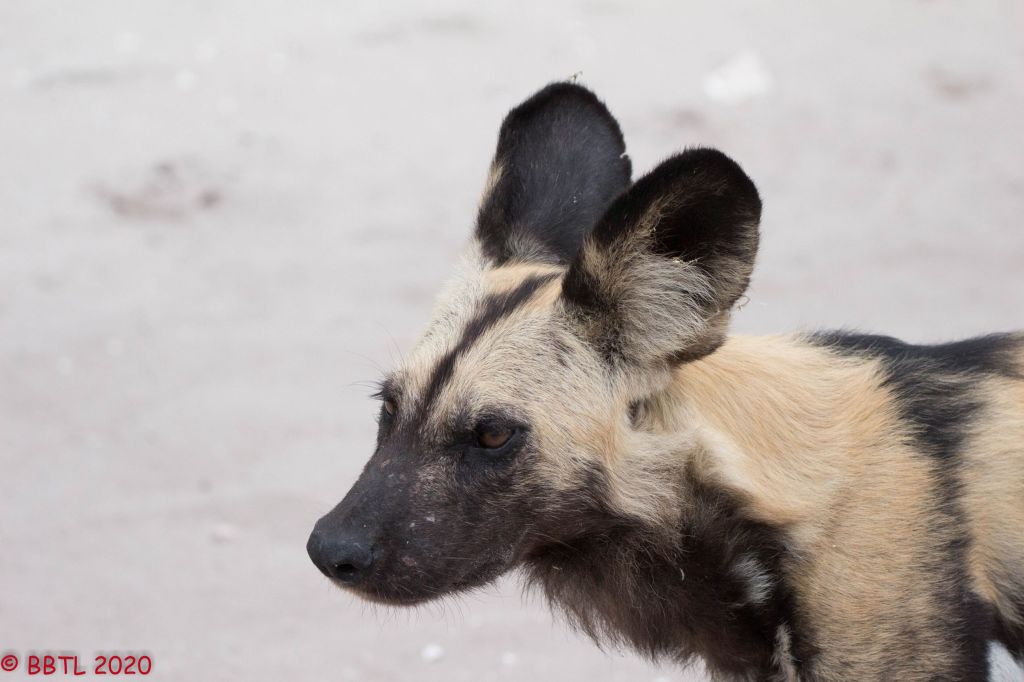
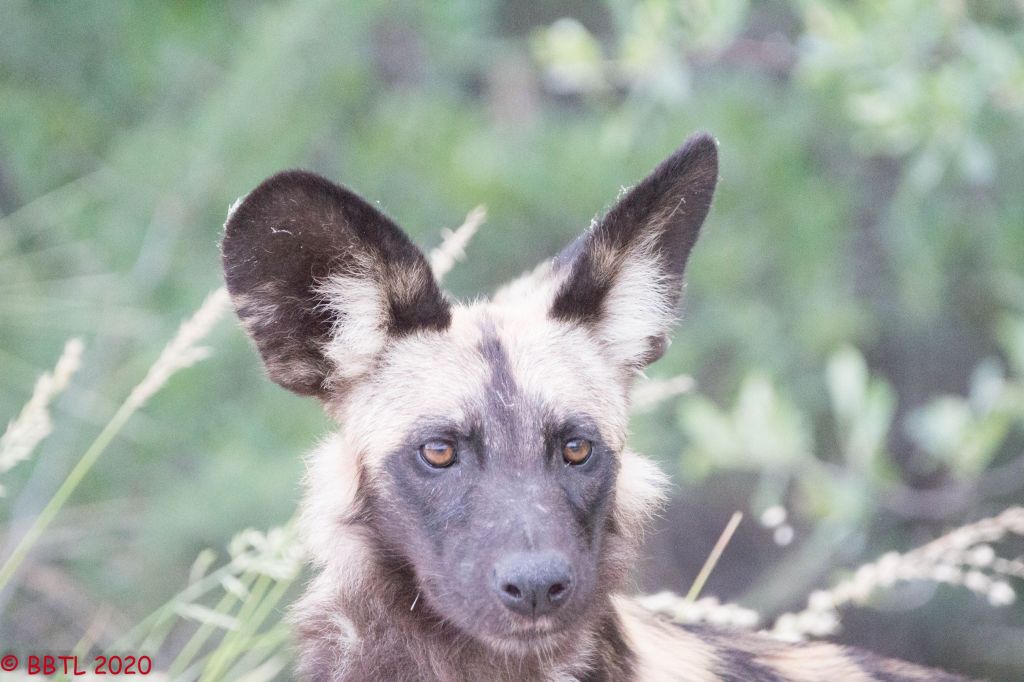
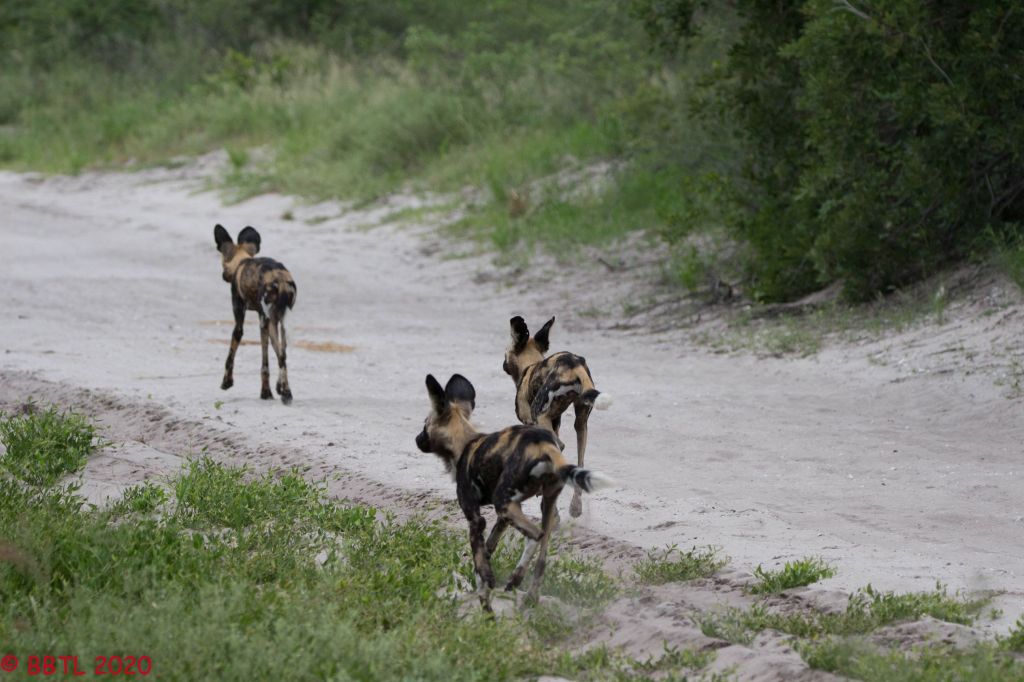
to see wild dogs is always a treat to see them at Nxai pan is just plain awesome, we spend plus minus minutes with those doggies
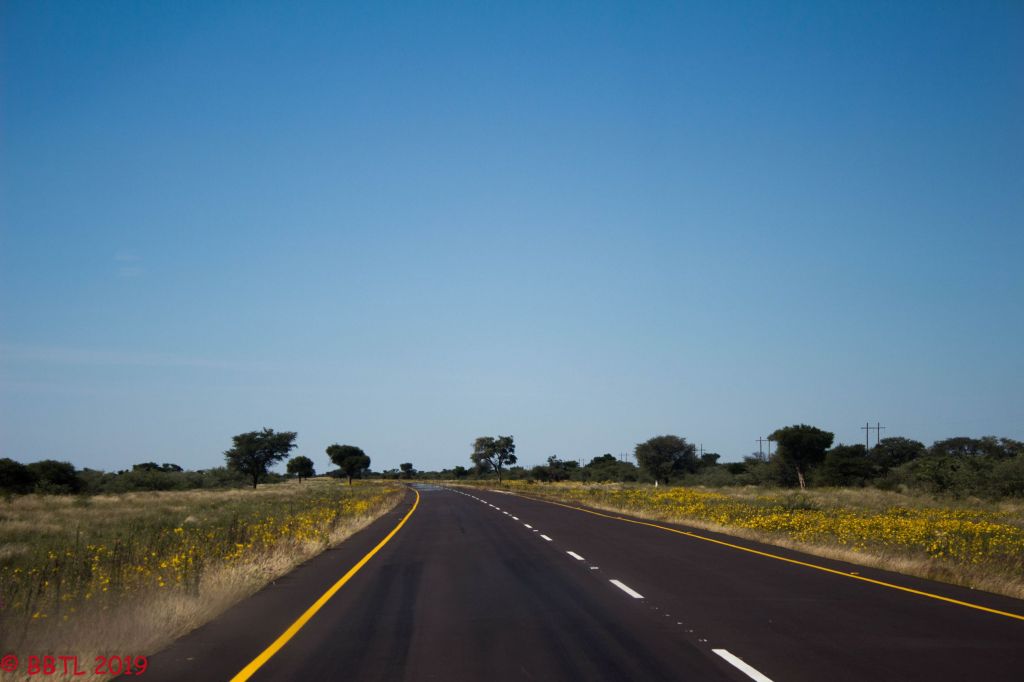
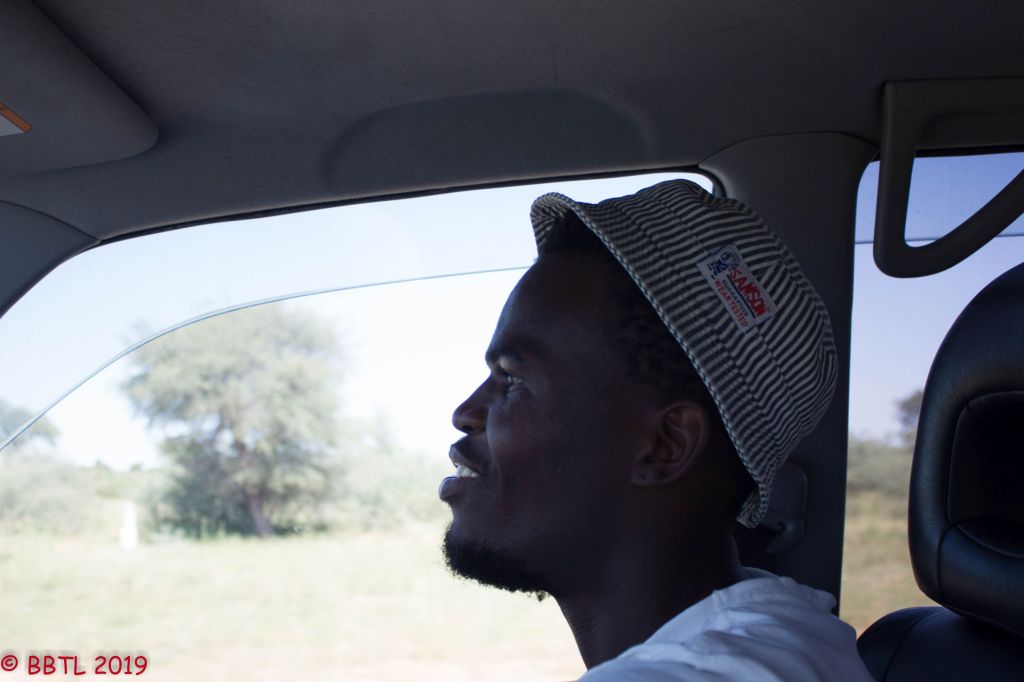
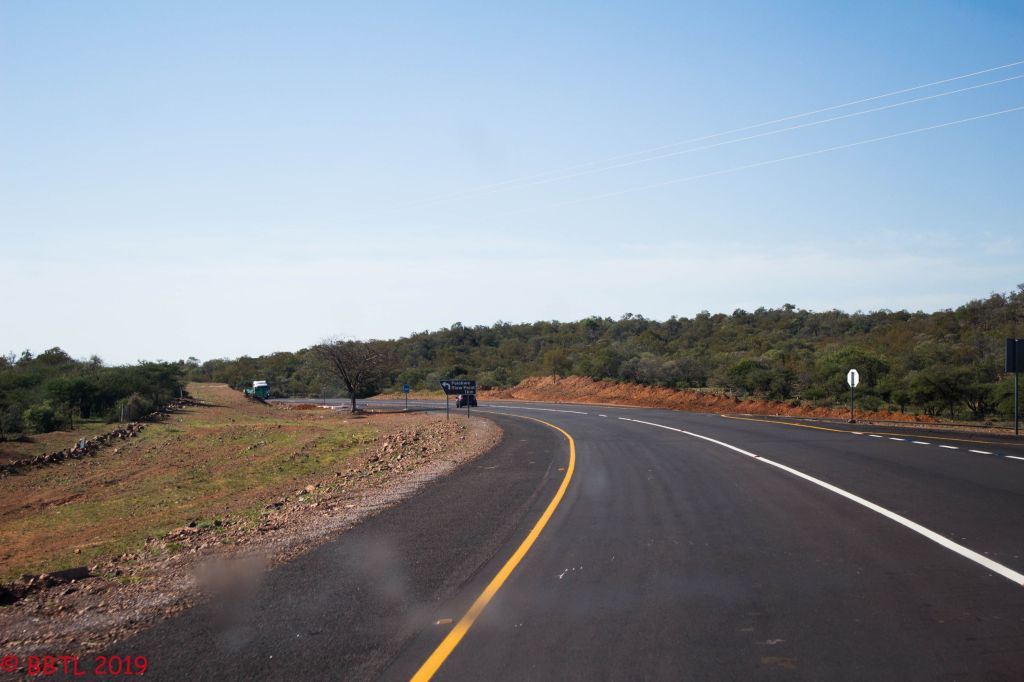
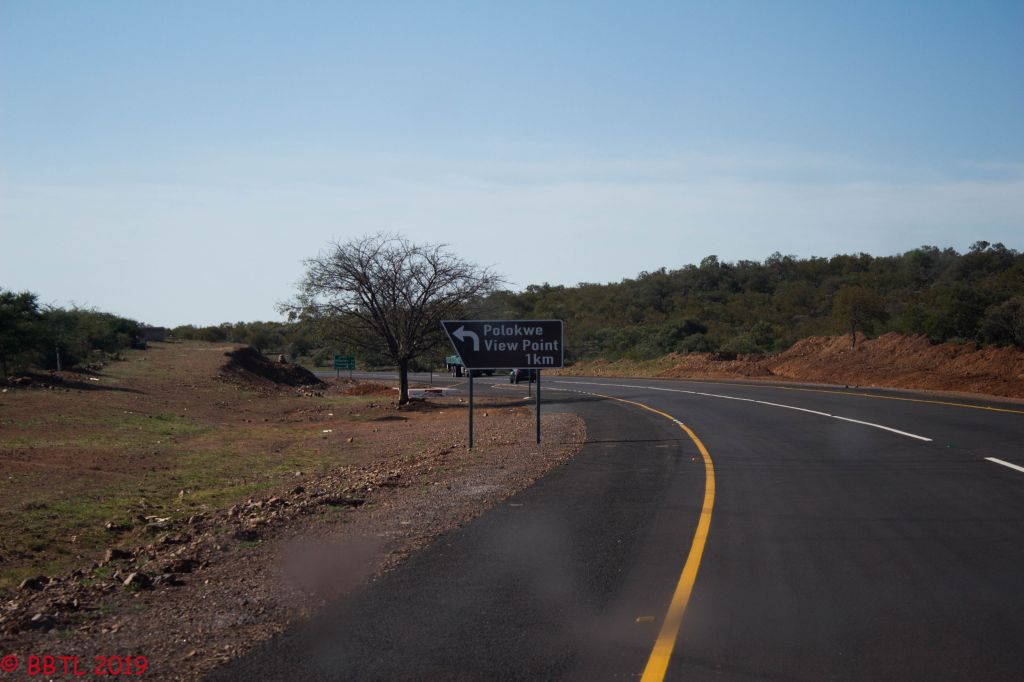
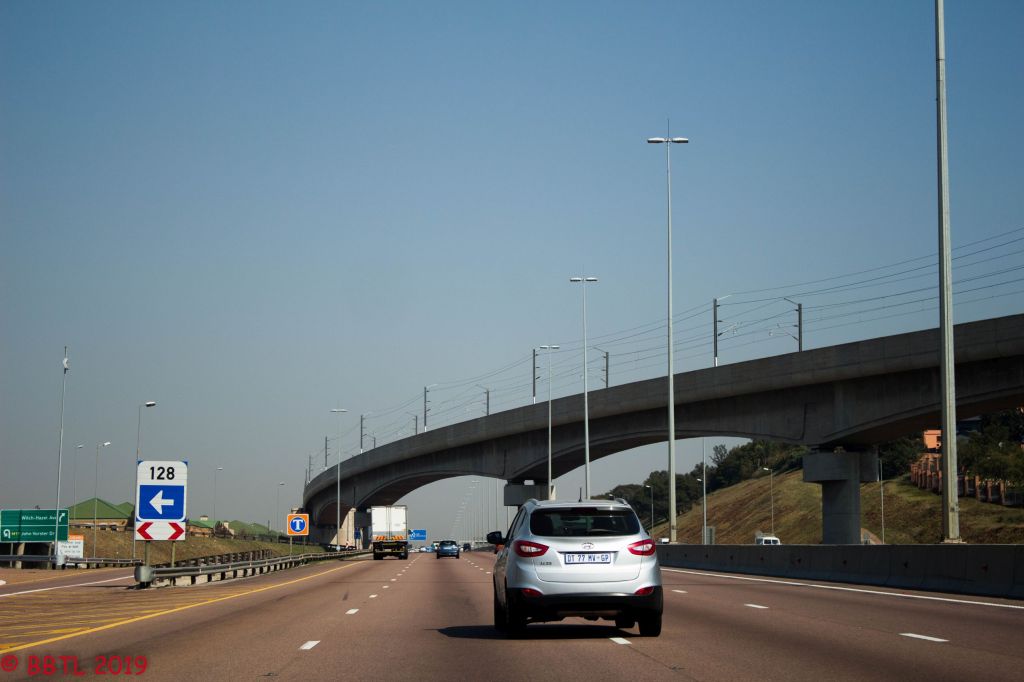
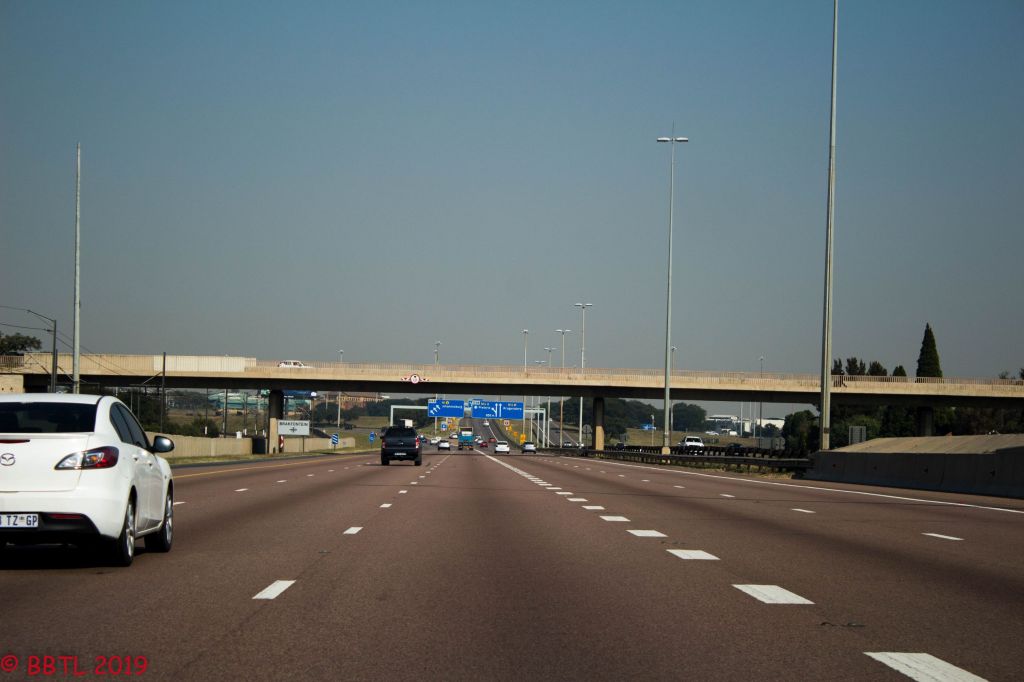
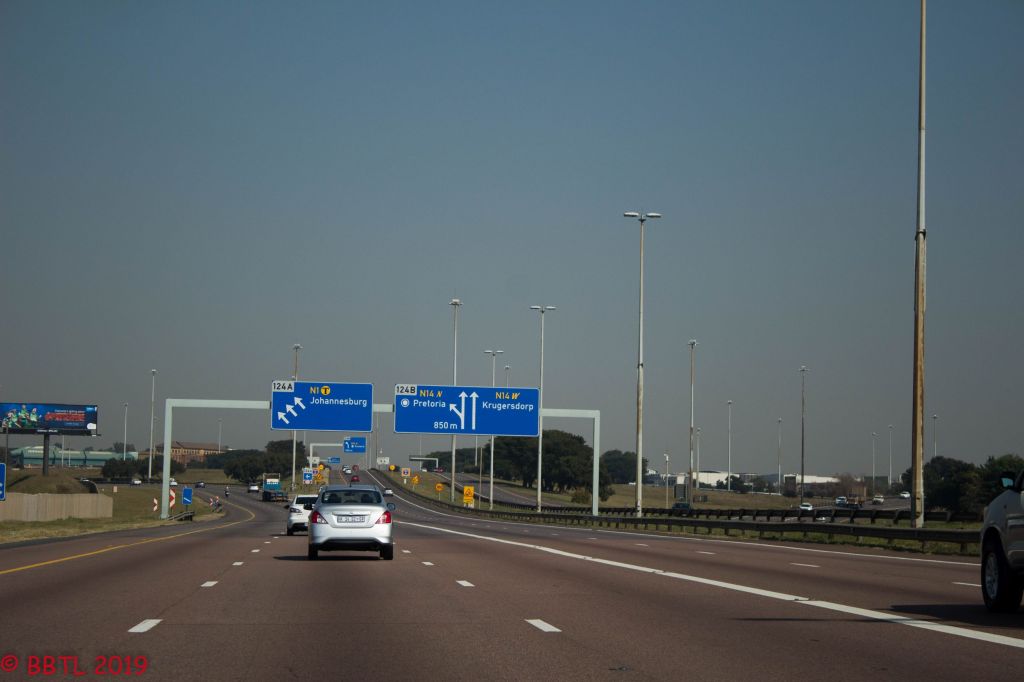
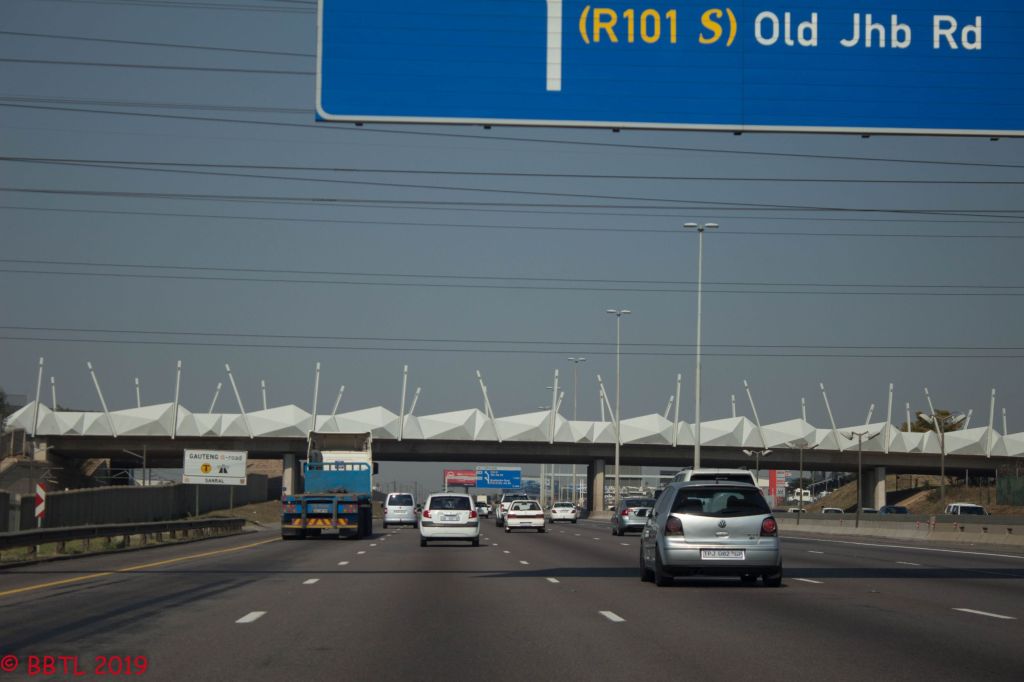
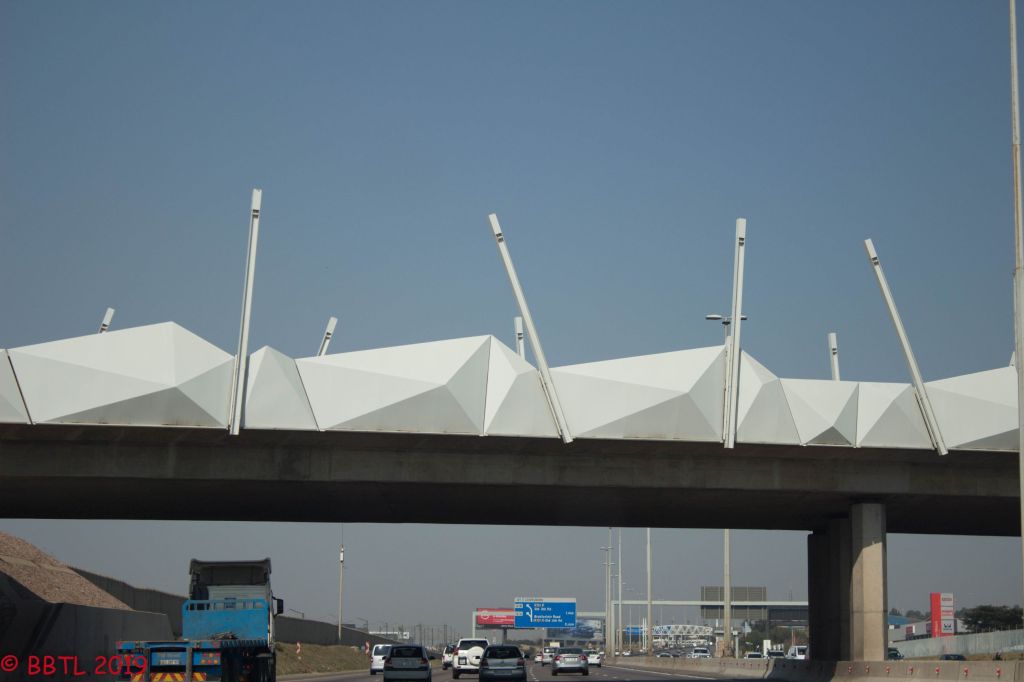
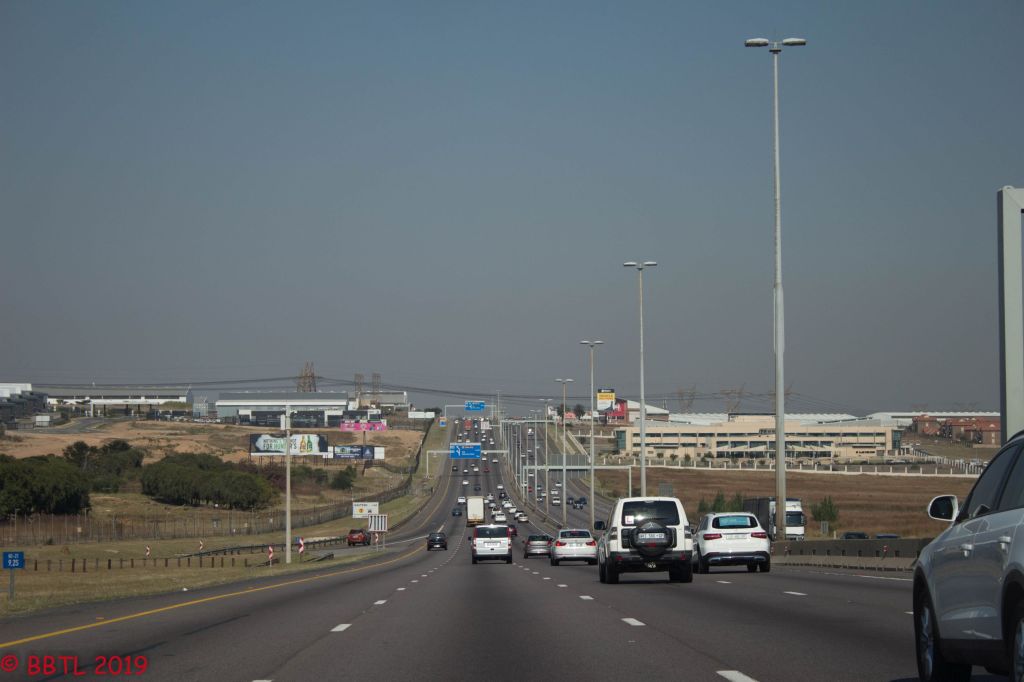
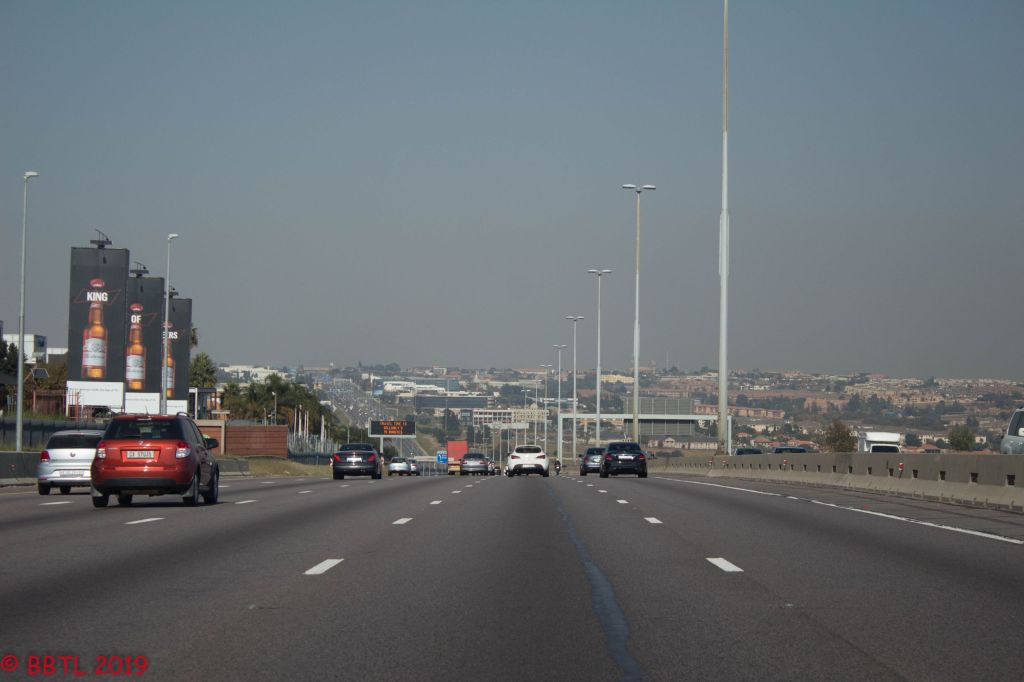
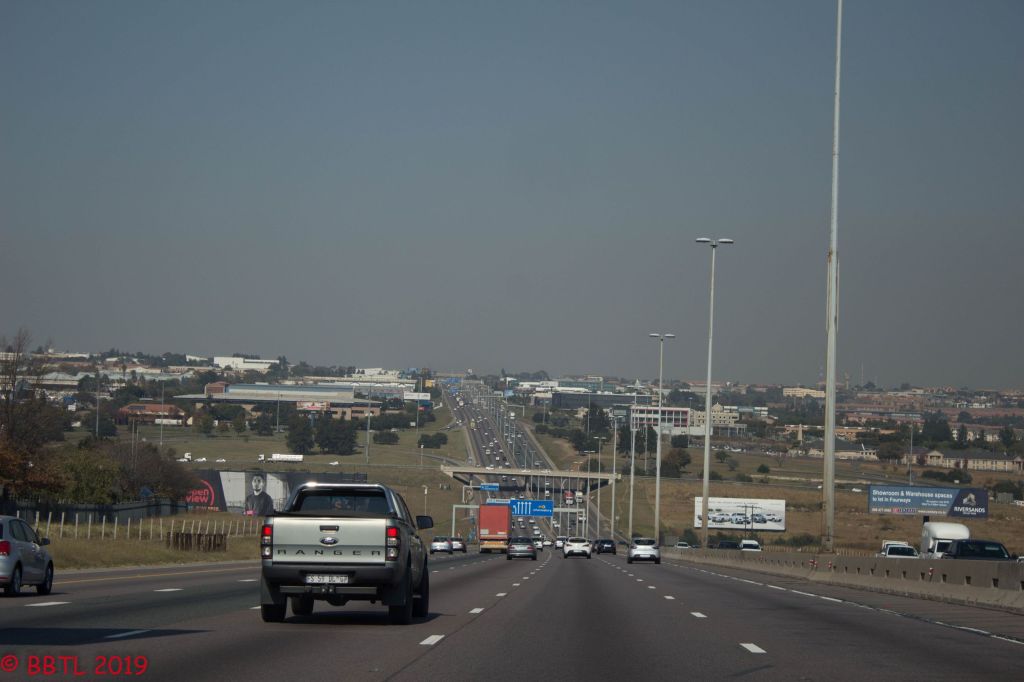
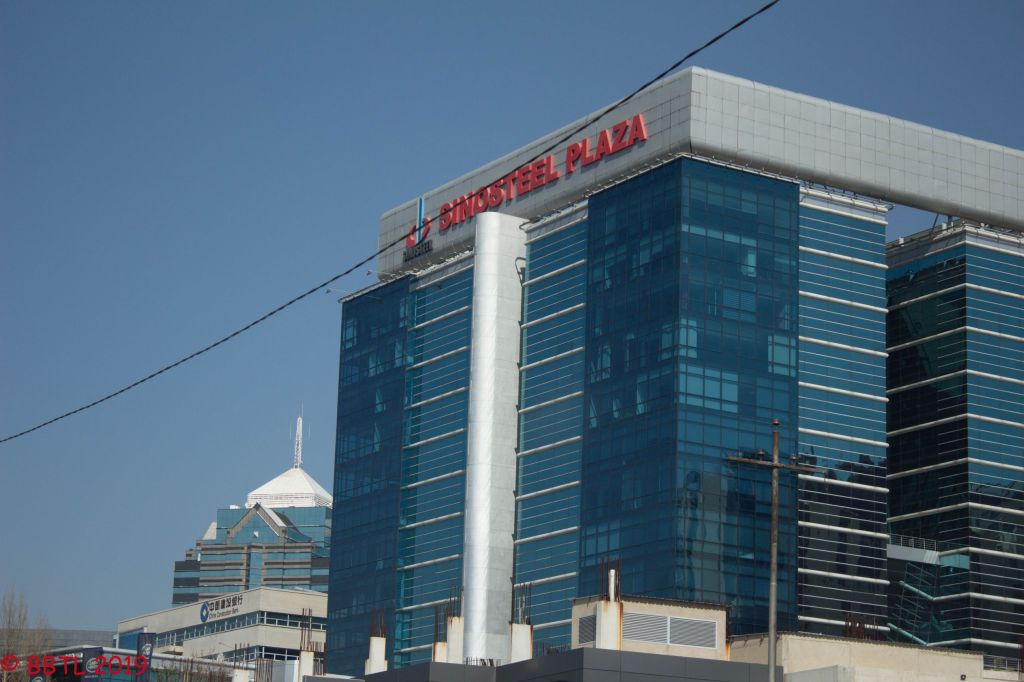
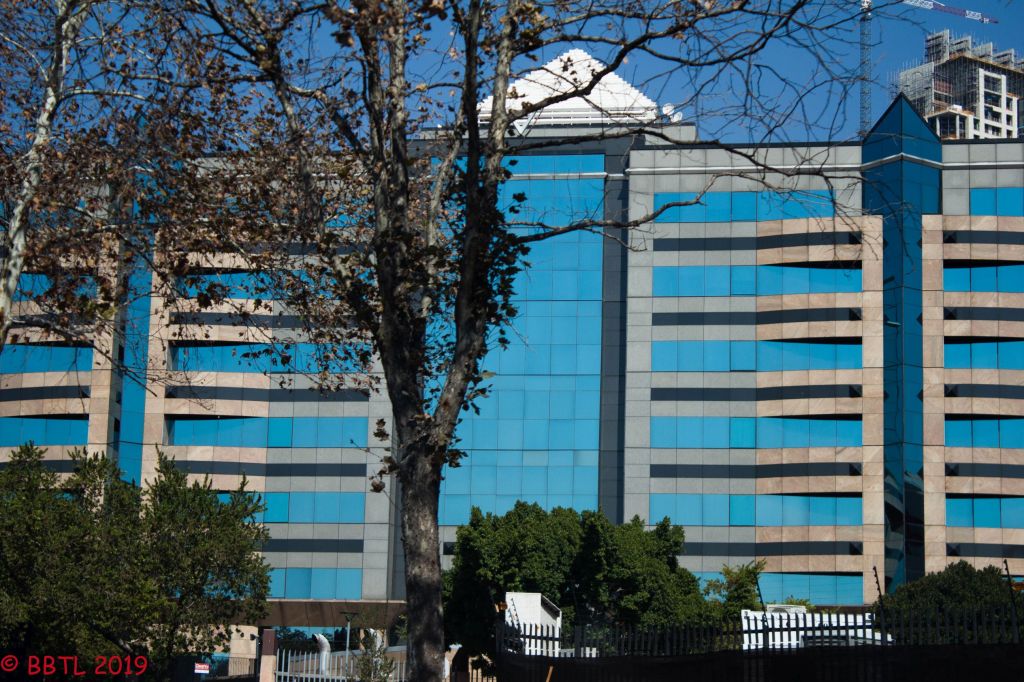
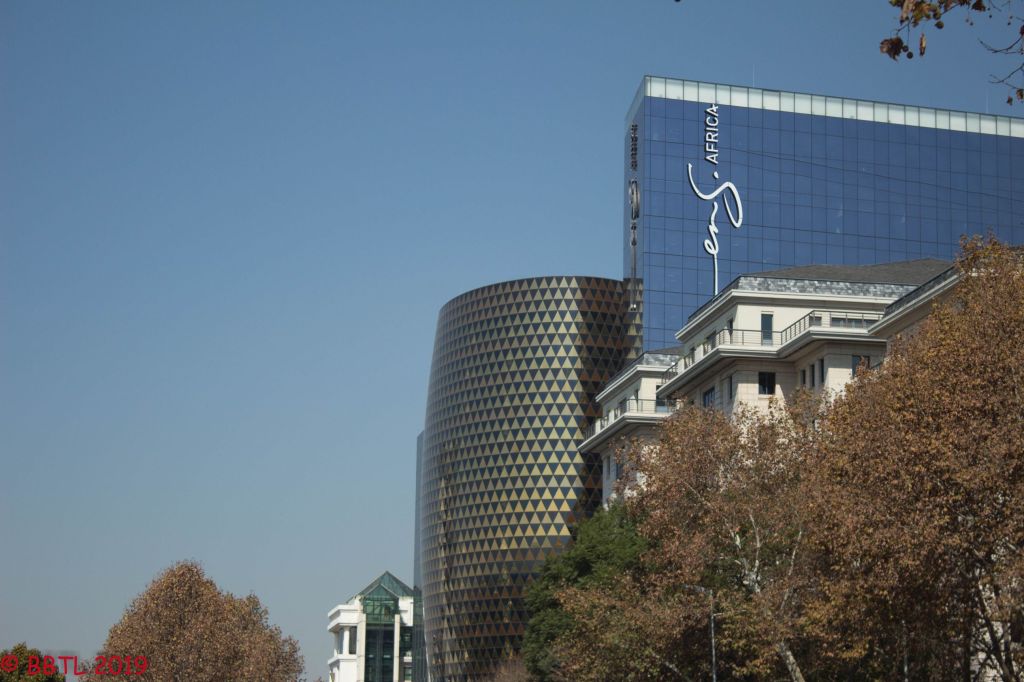
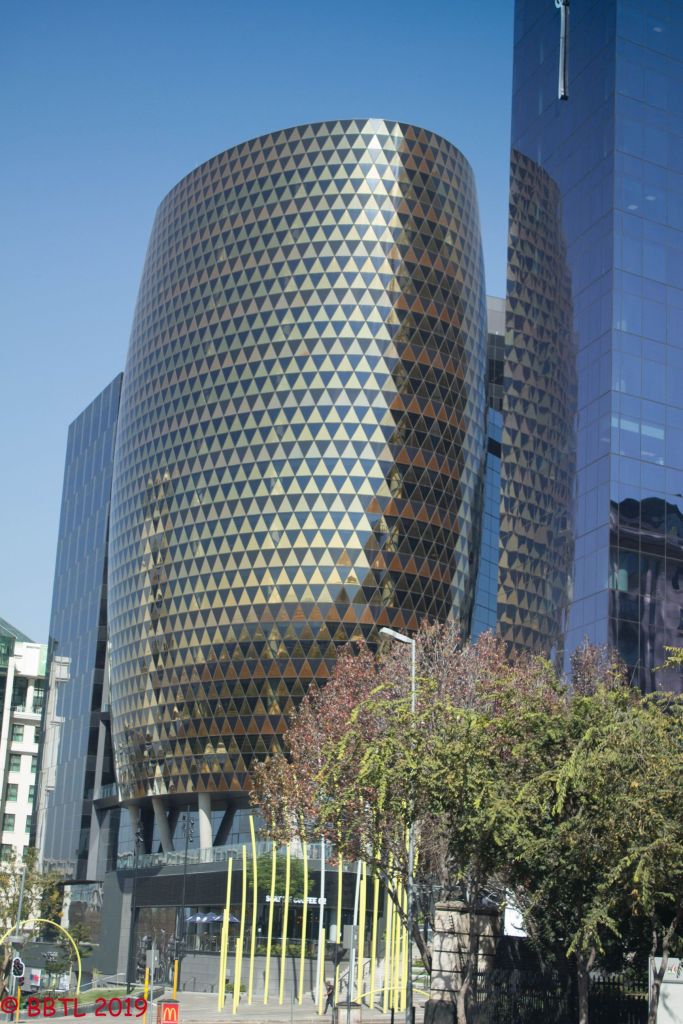
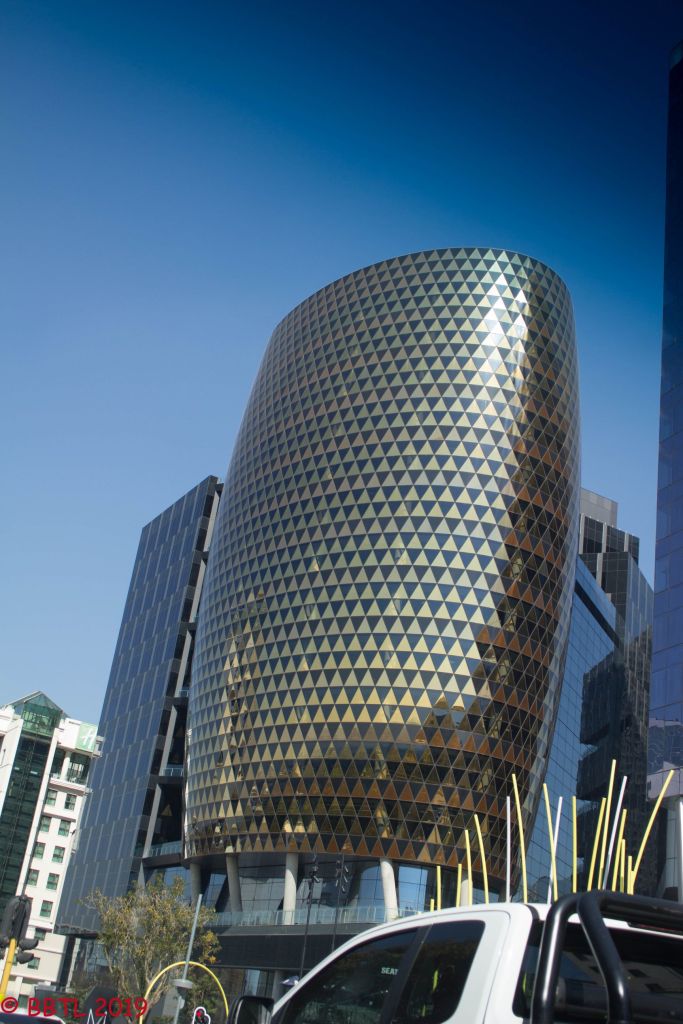
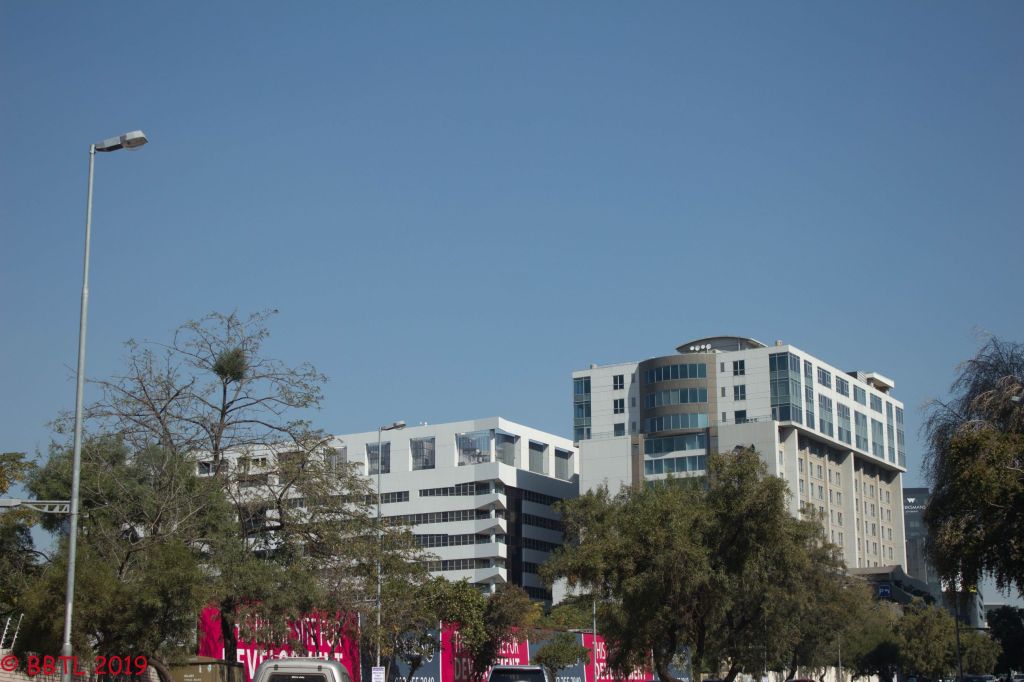
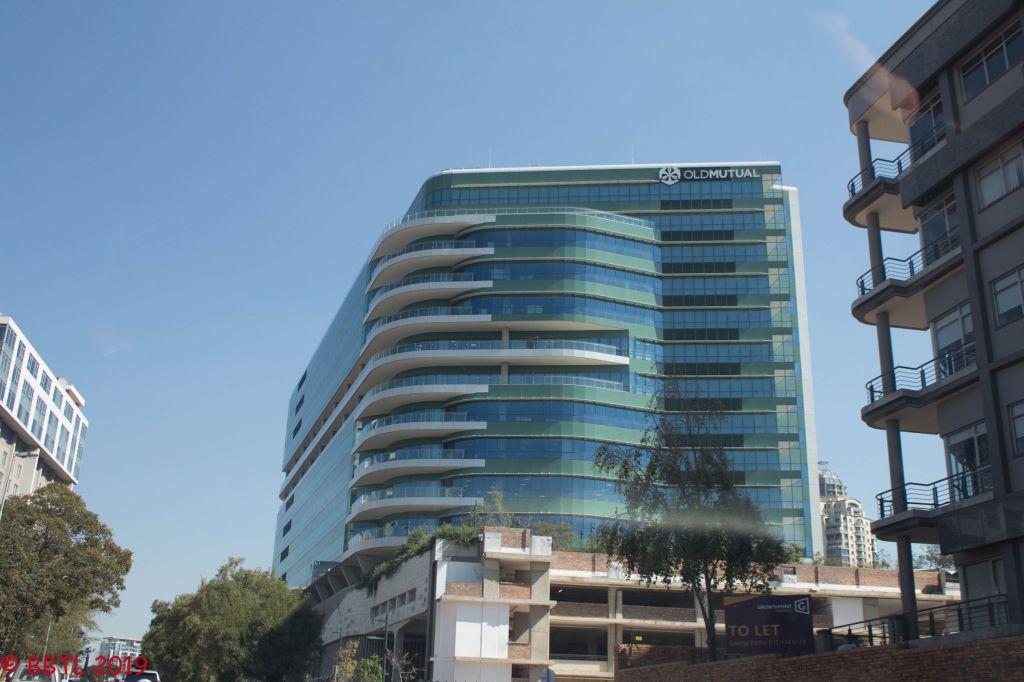
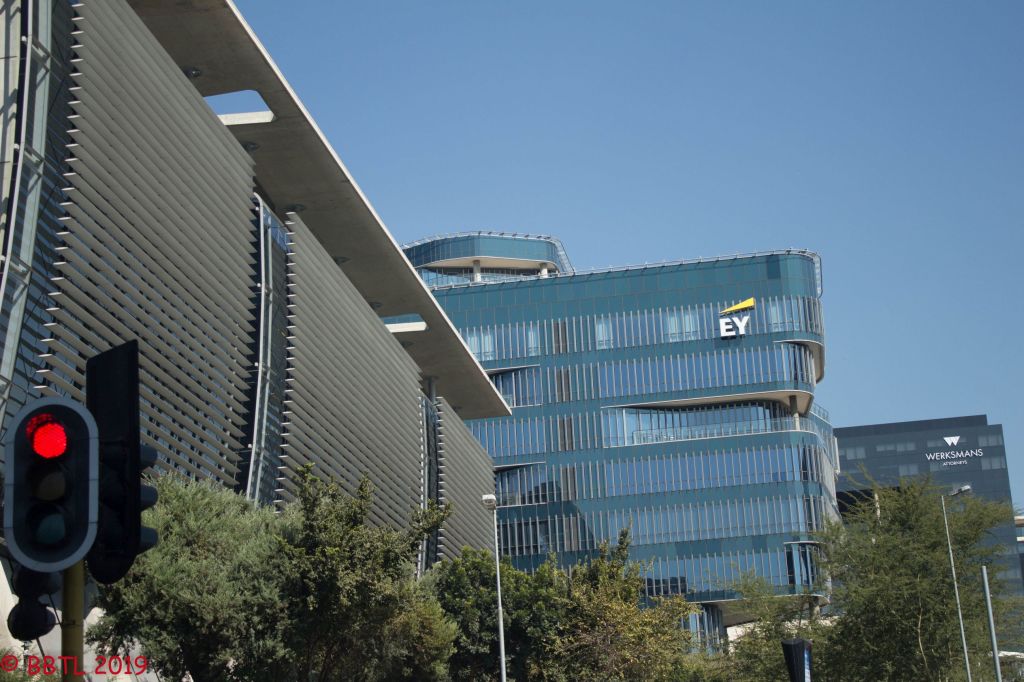
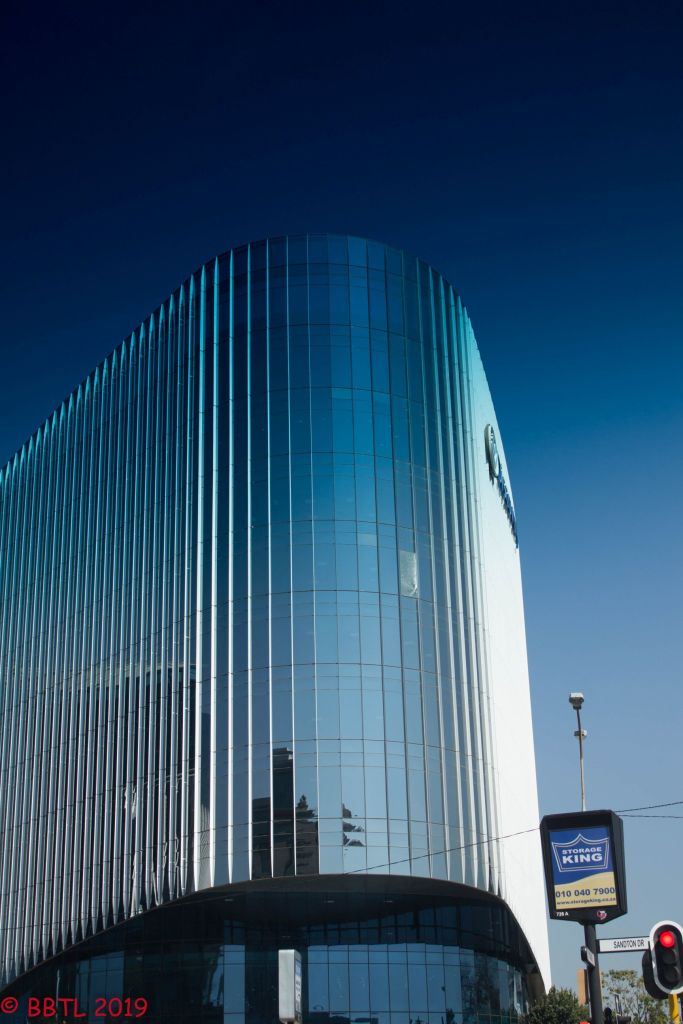
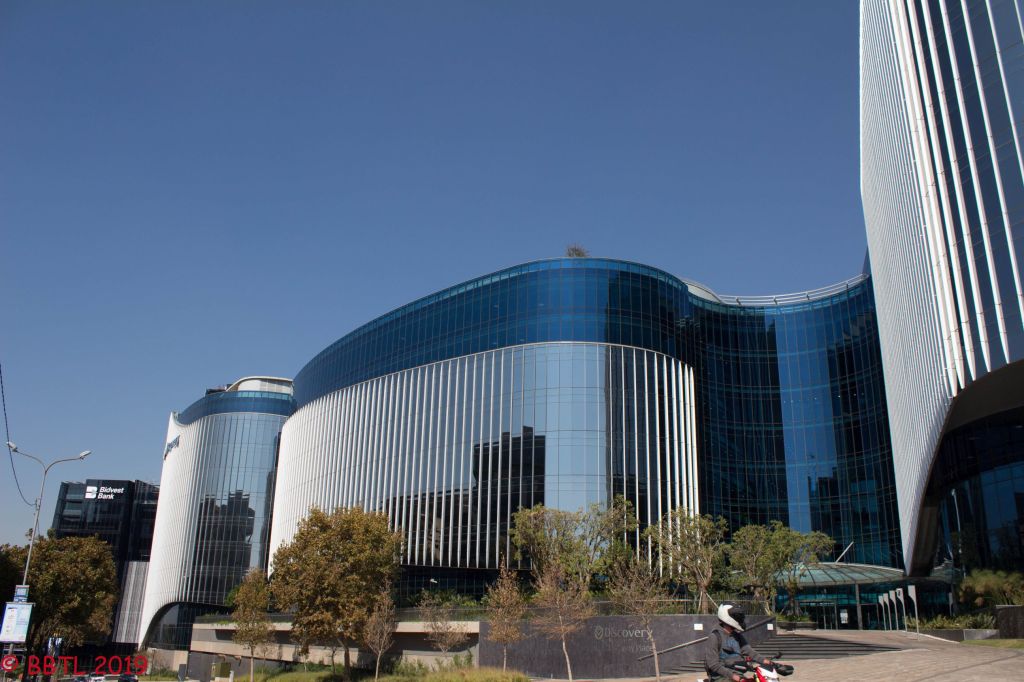
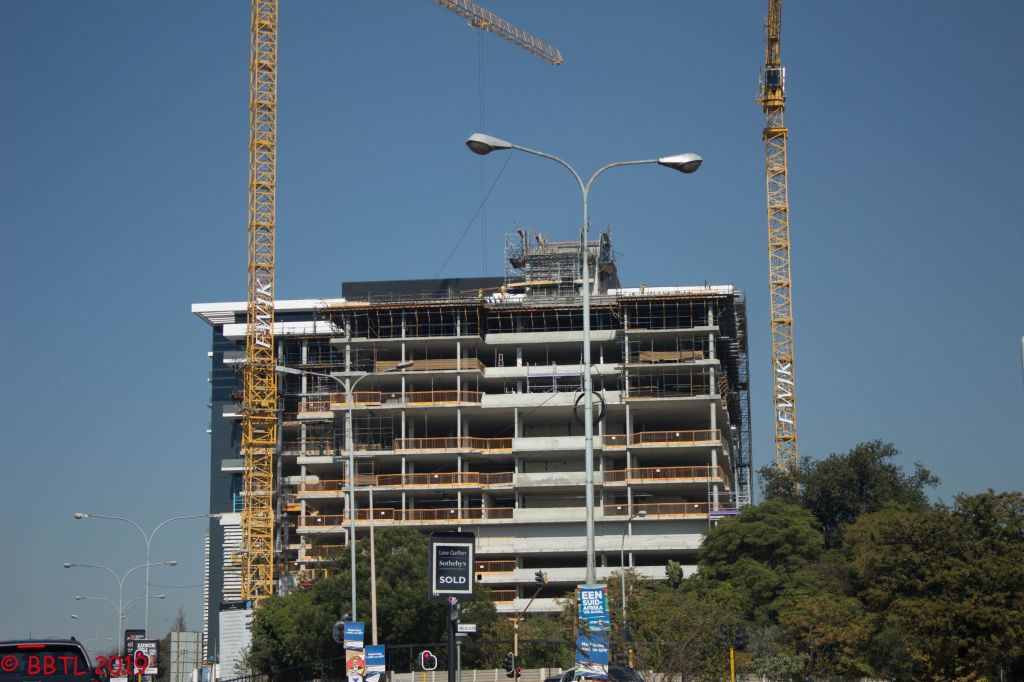
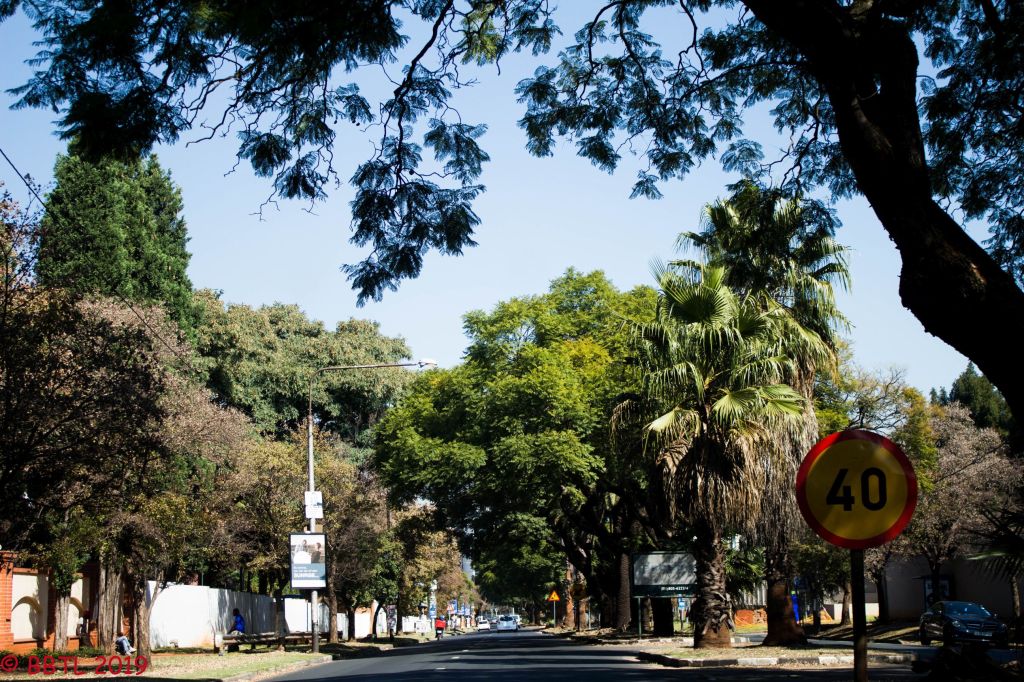
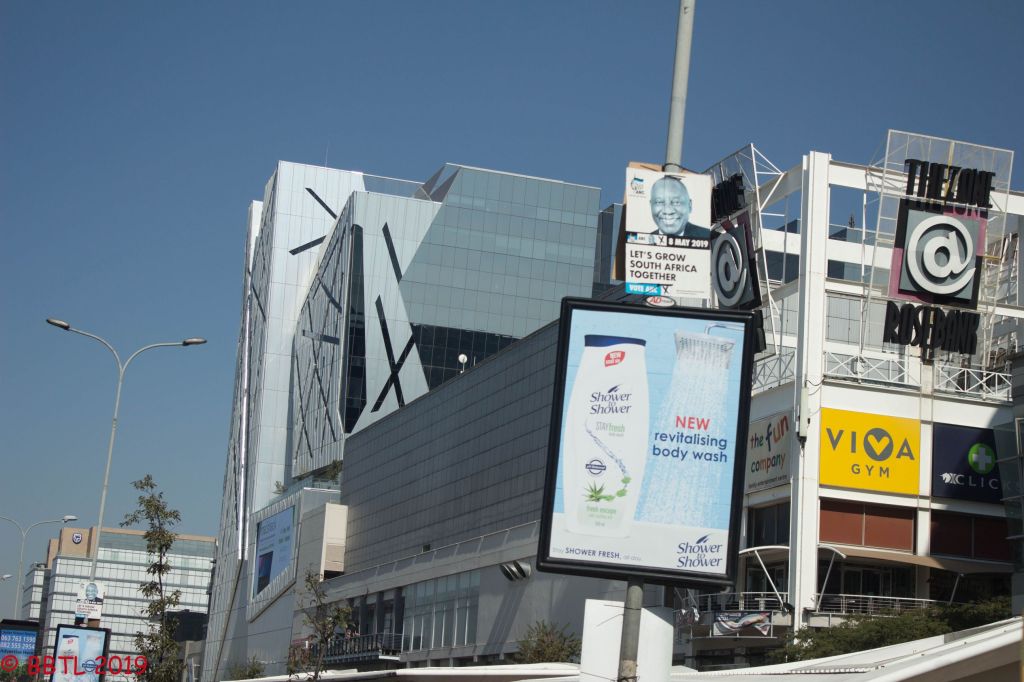
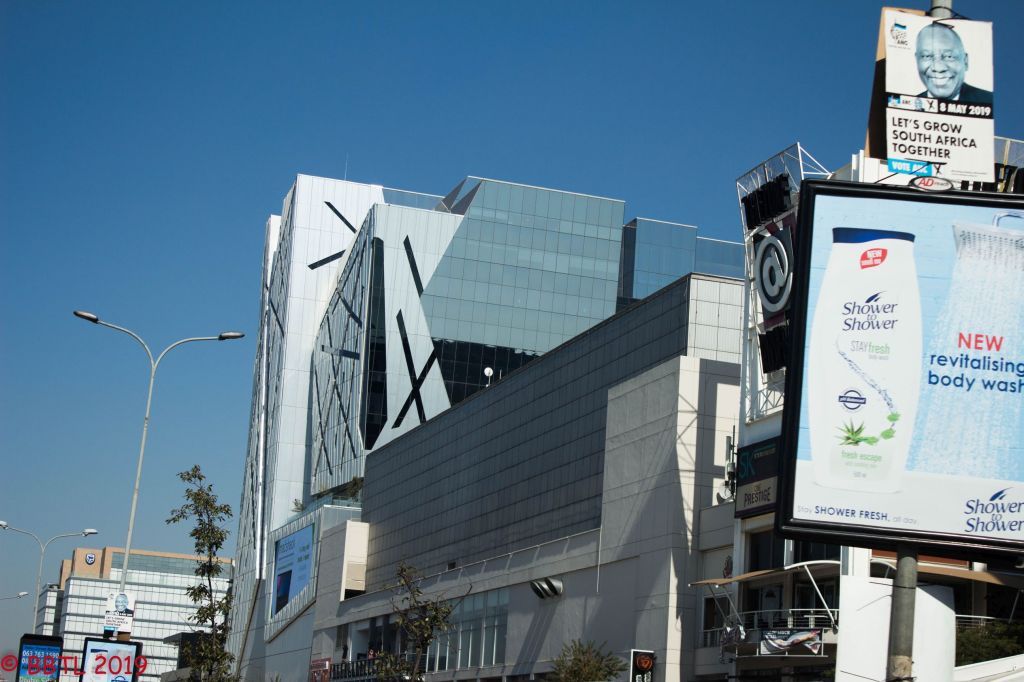
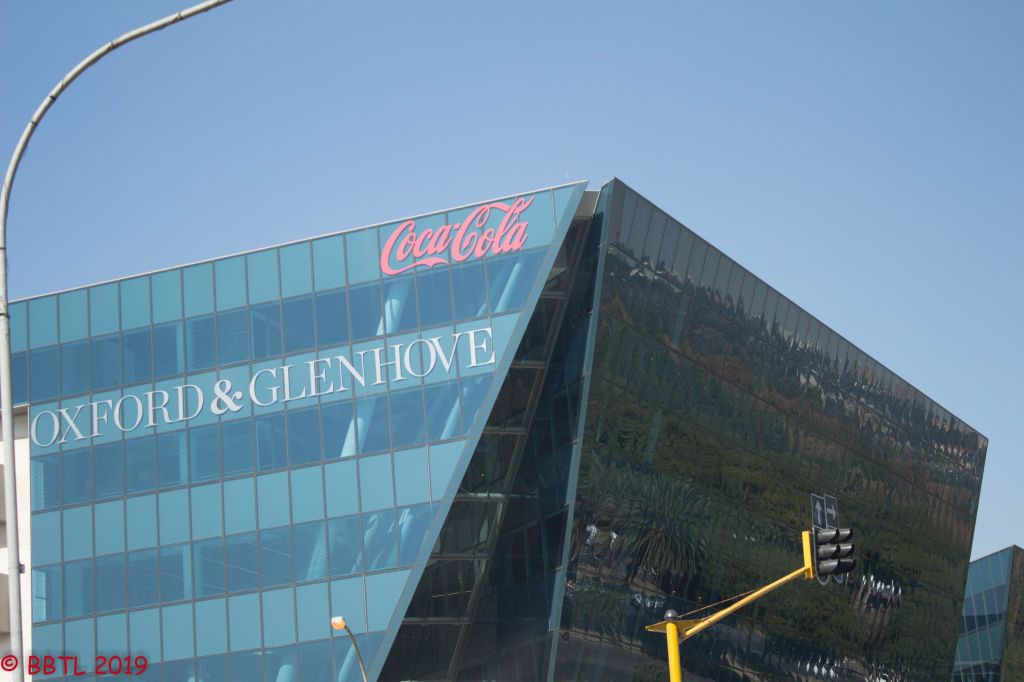
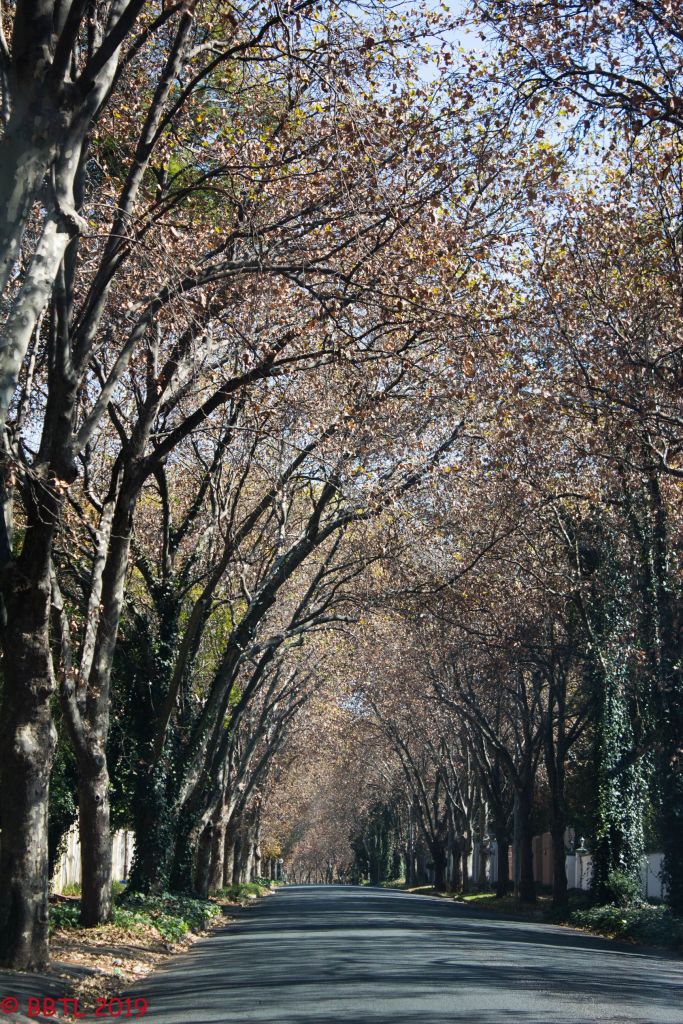
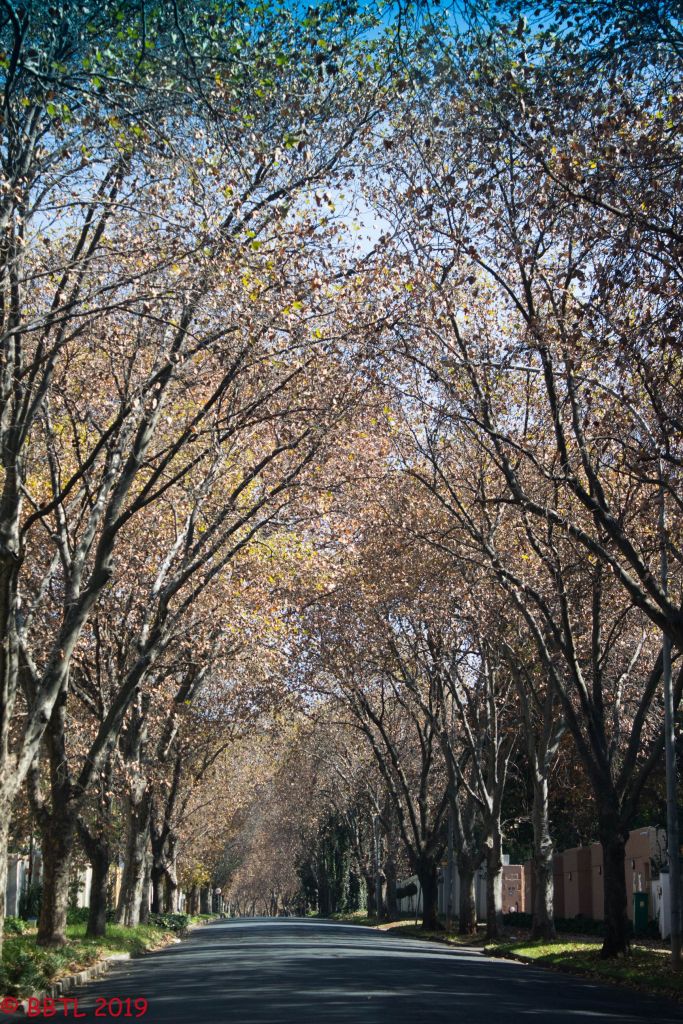
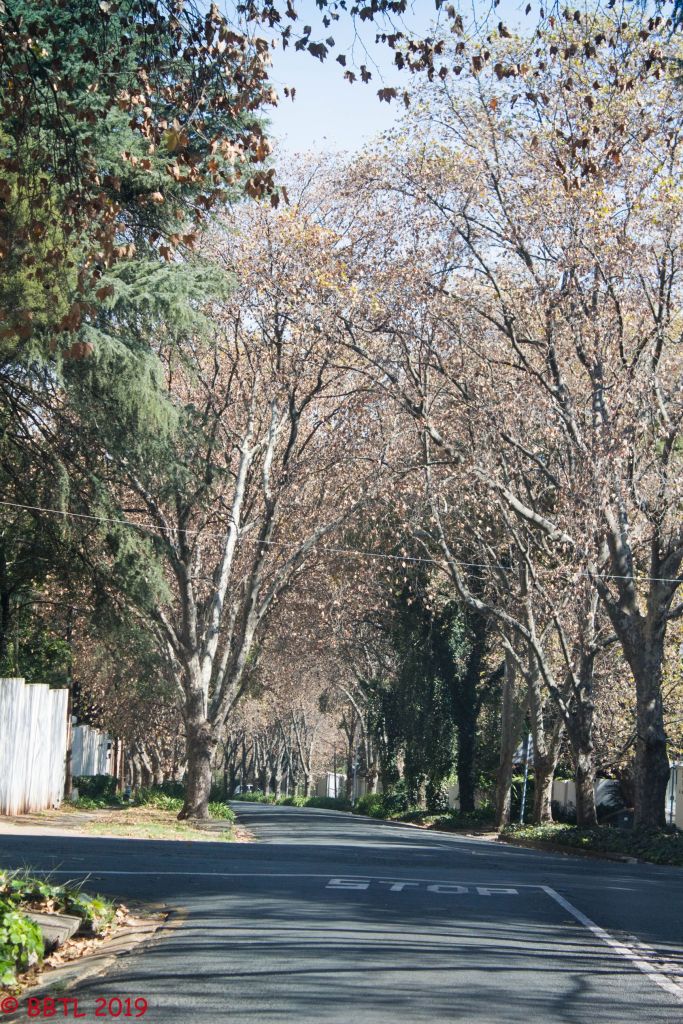
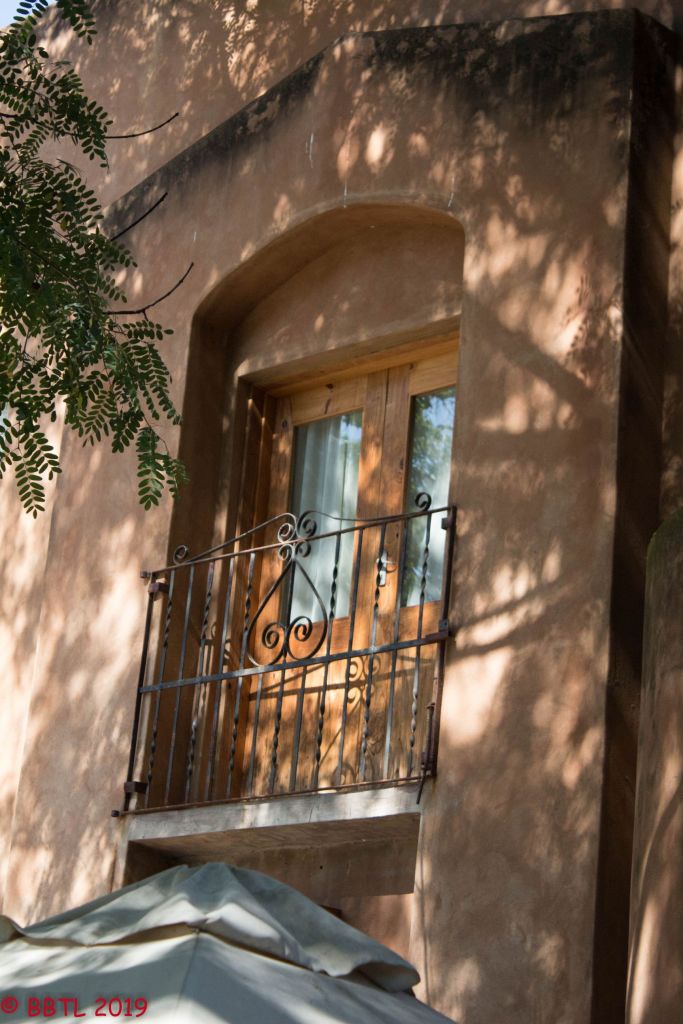
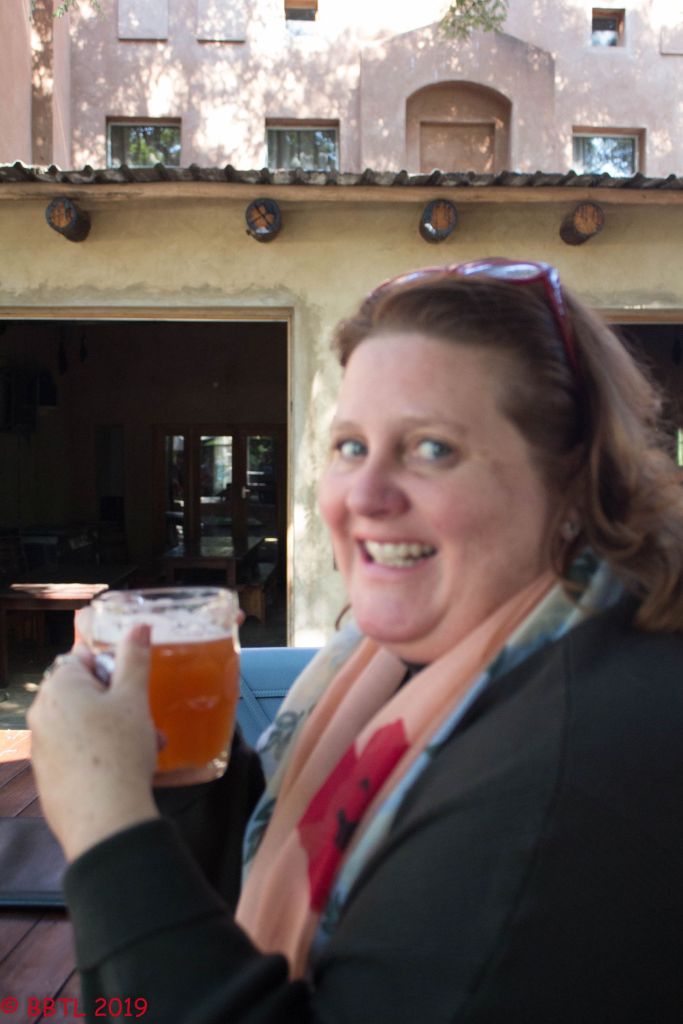
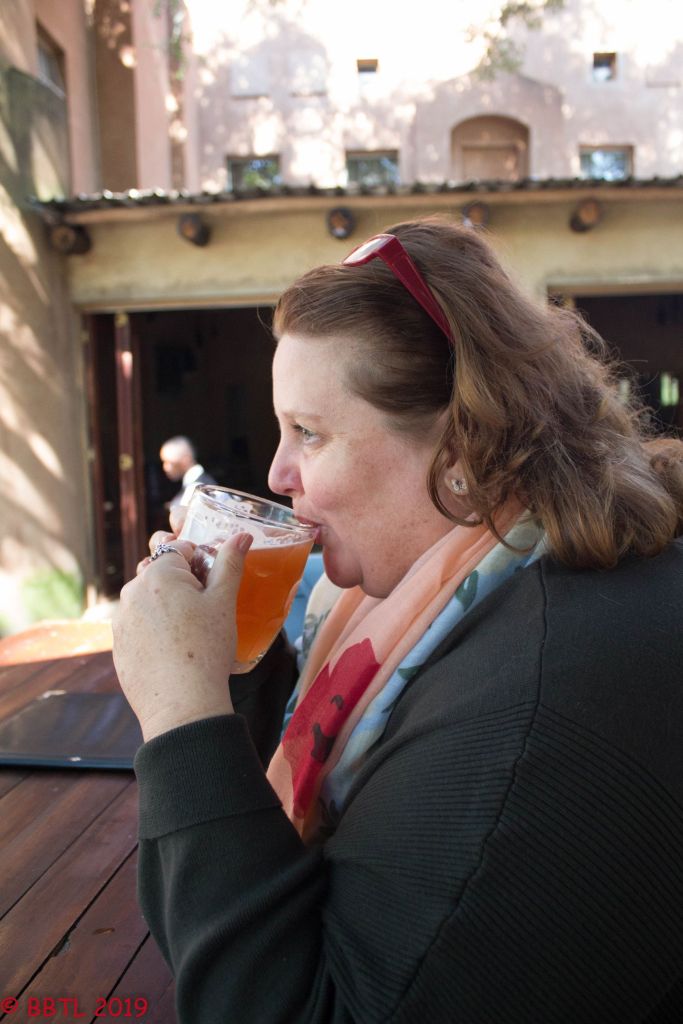
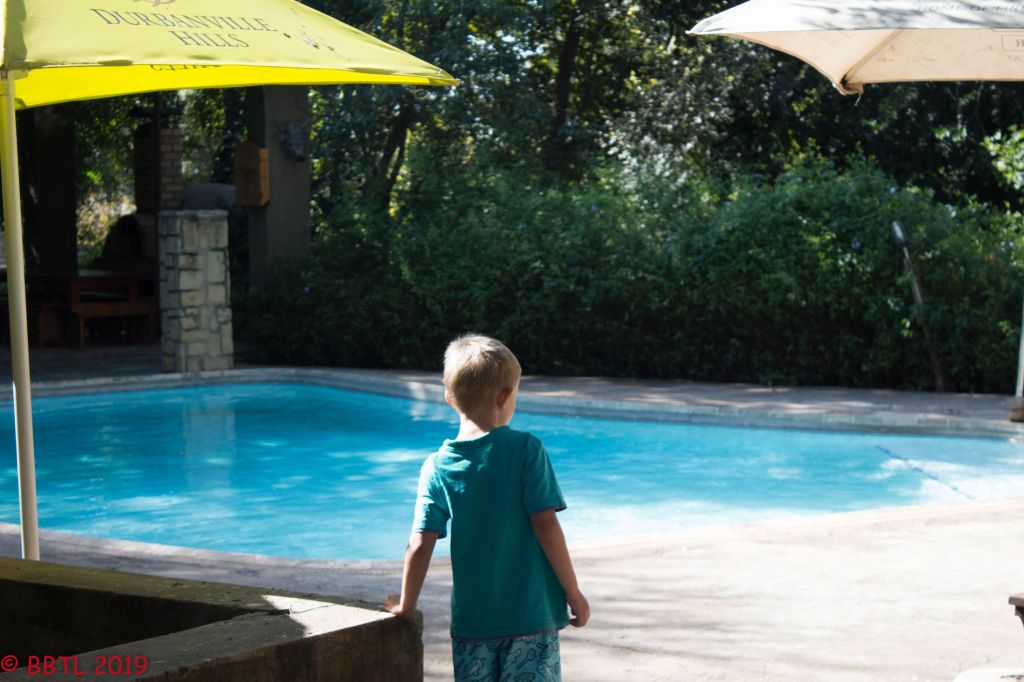
Last years road trip in May to Johannesburg and Pretoria
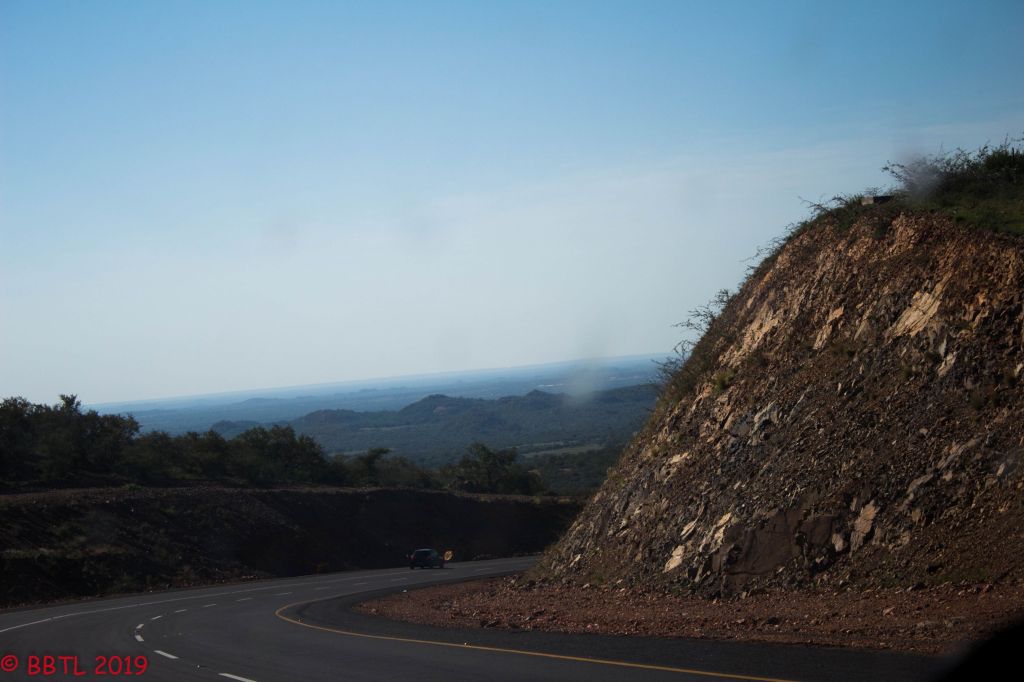
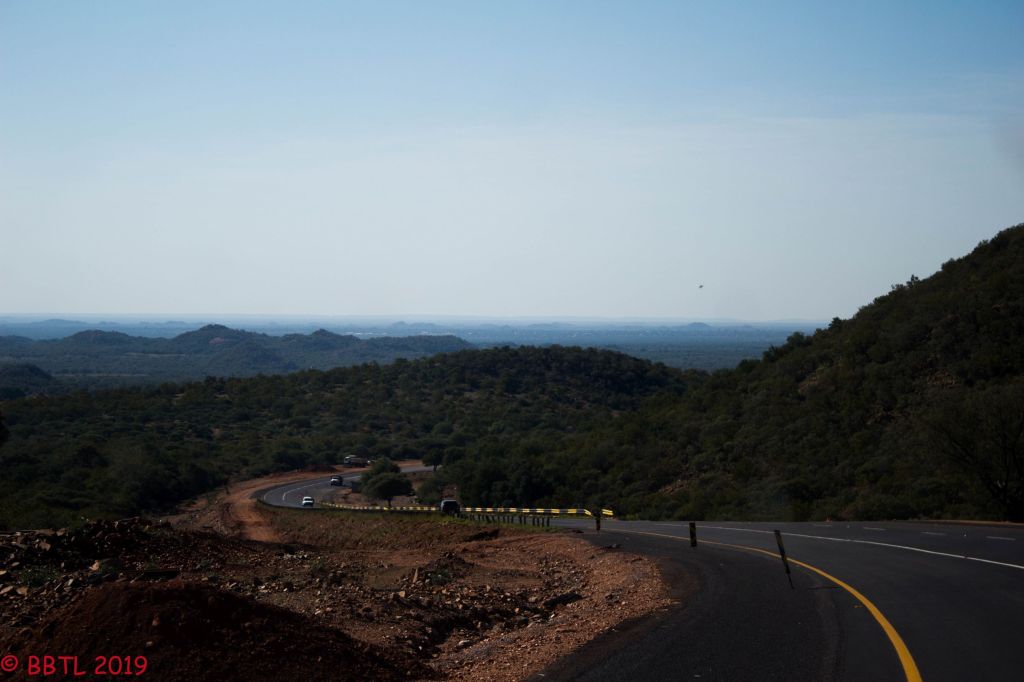
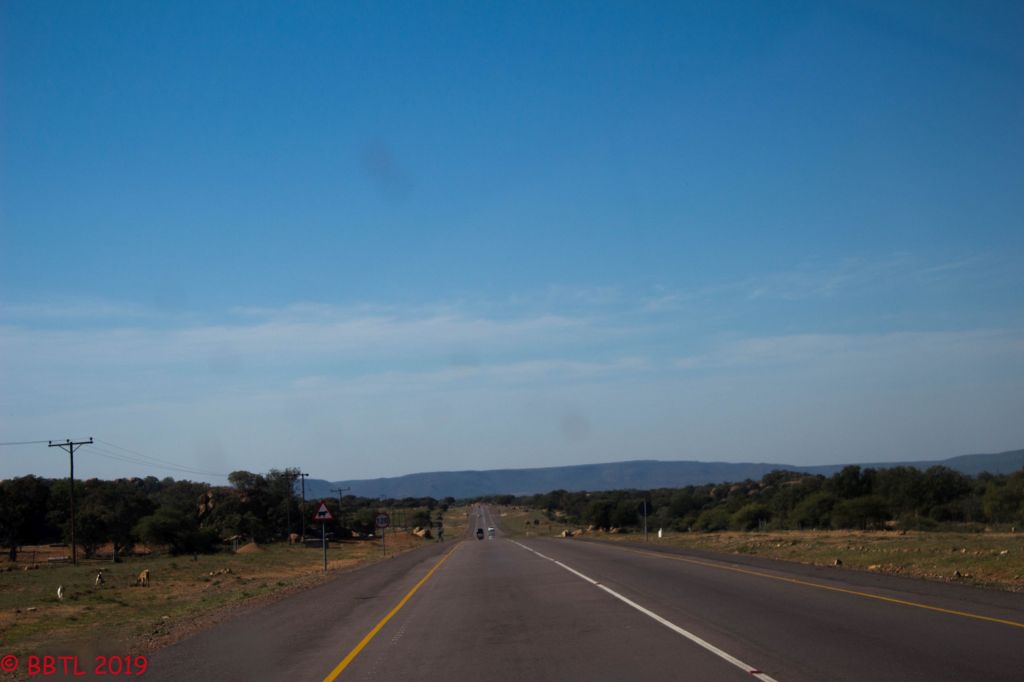
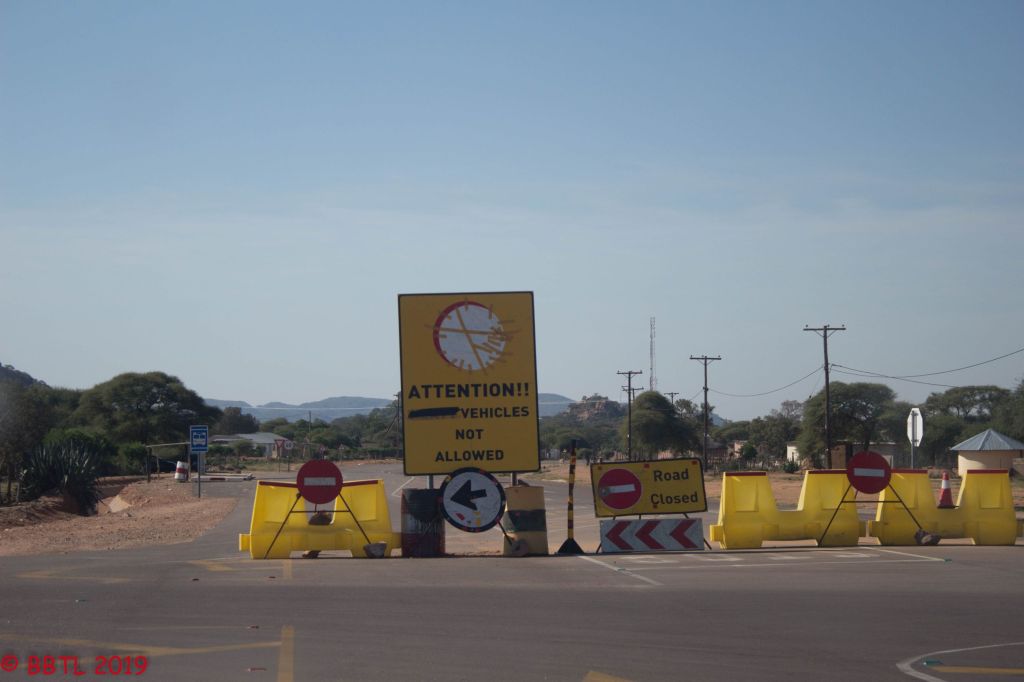
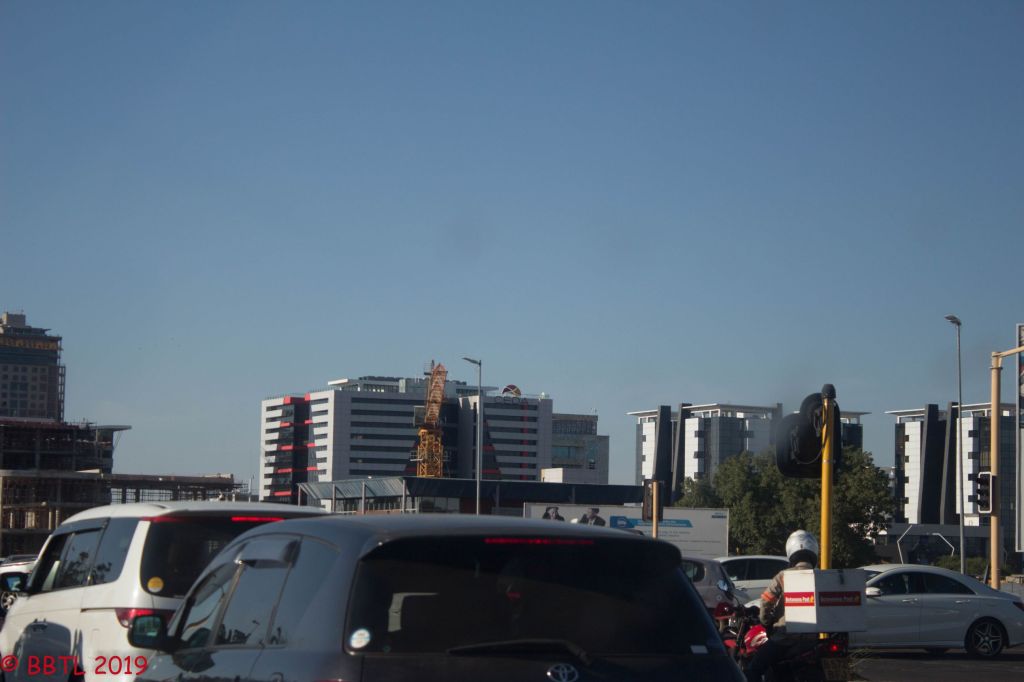
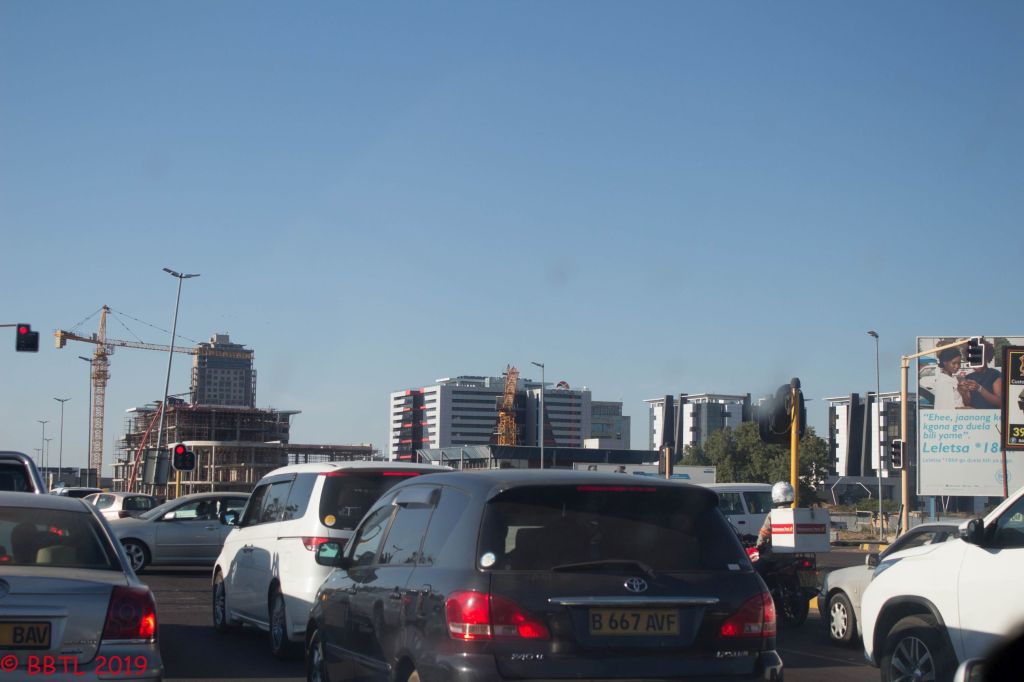
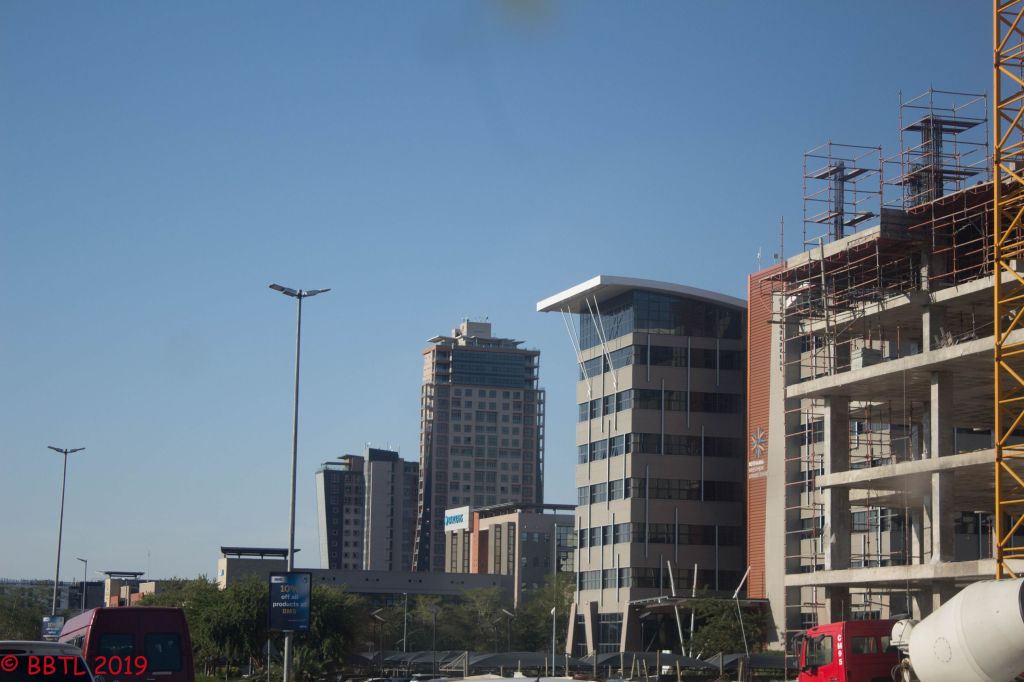
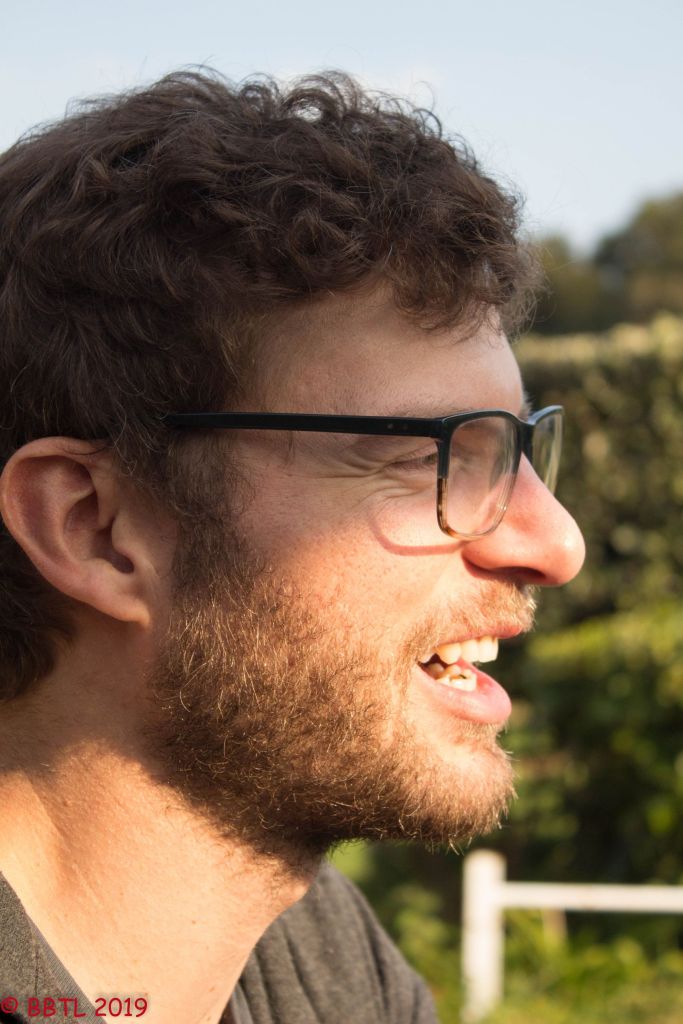
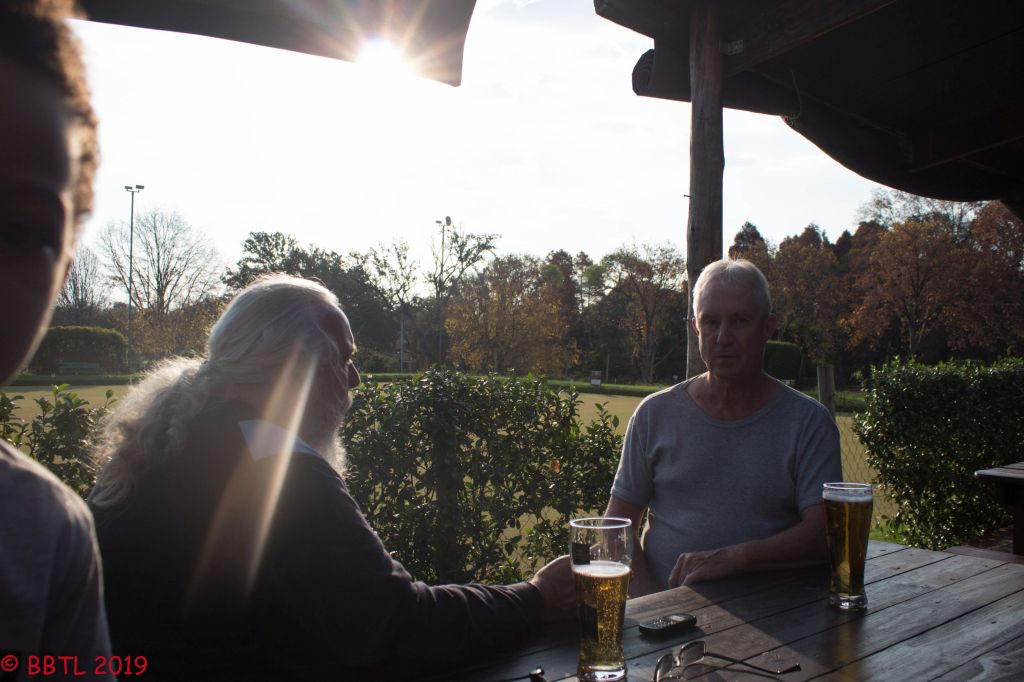
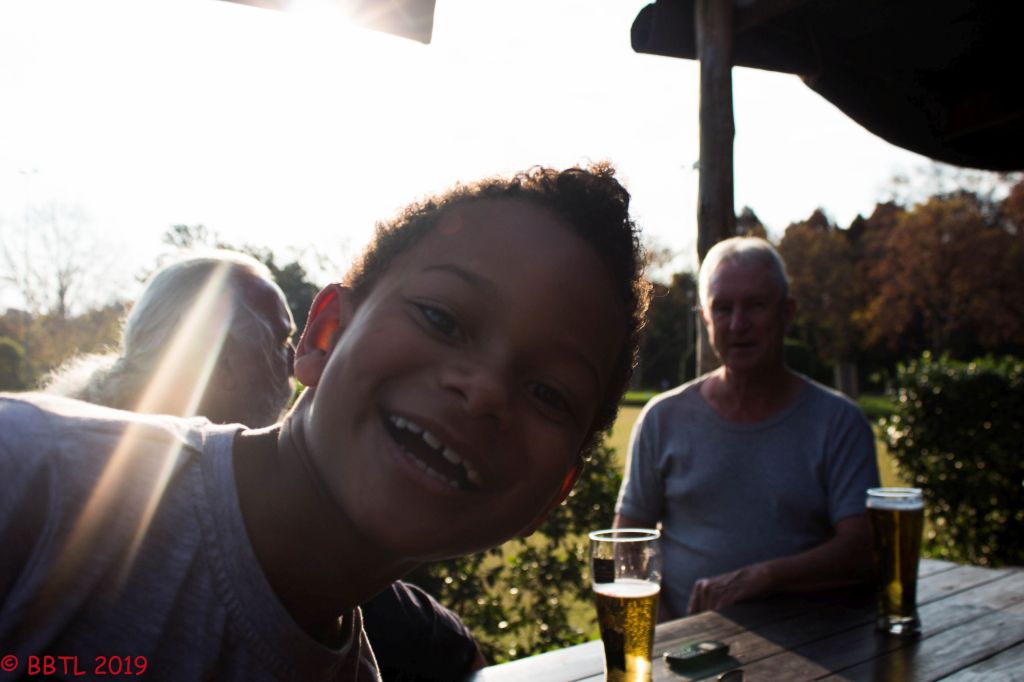
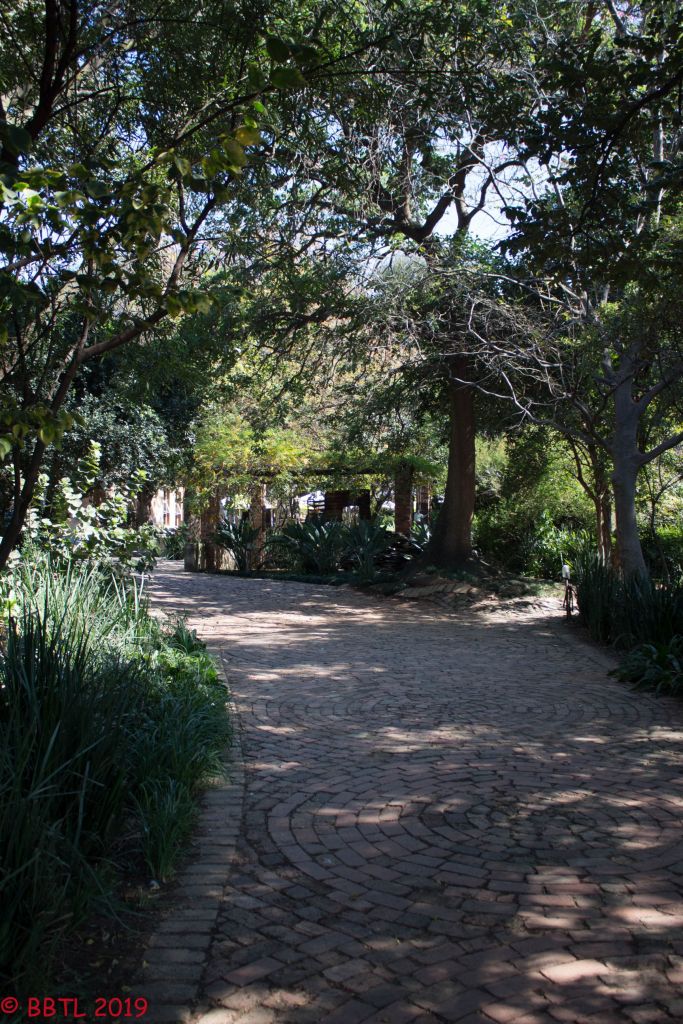
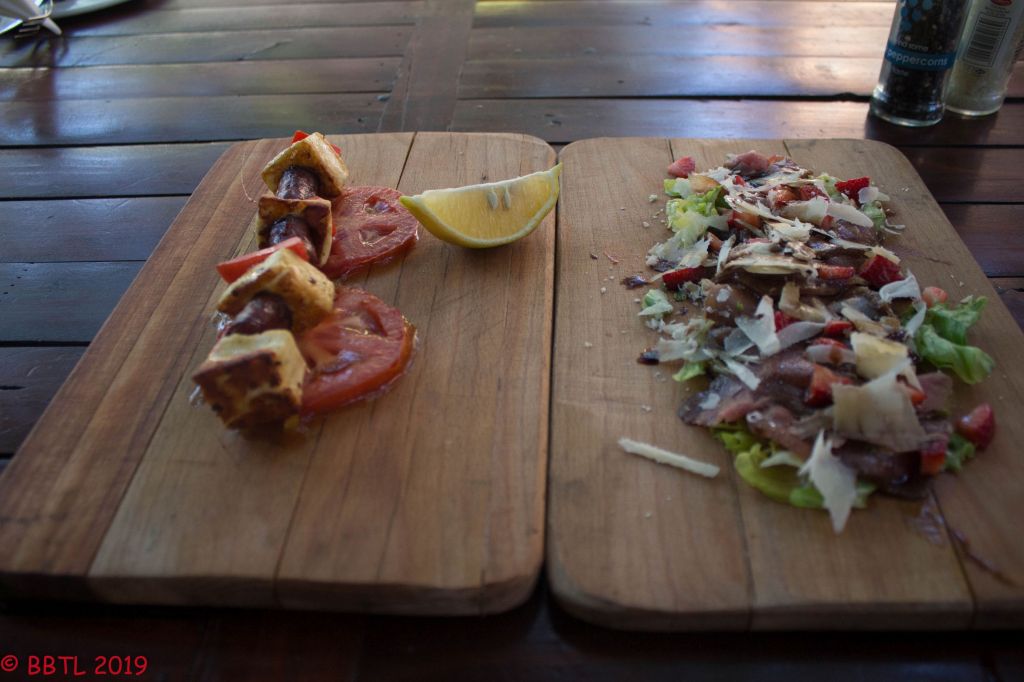
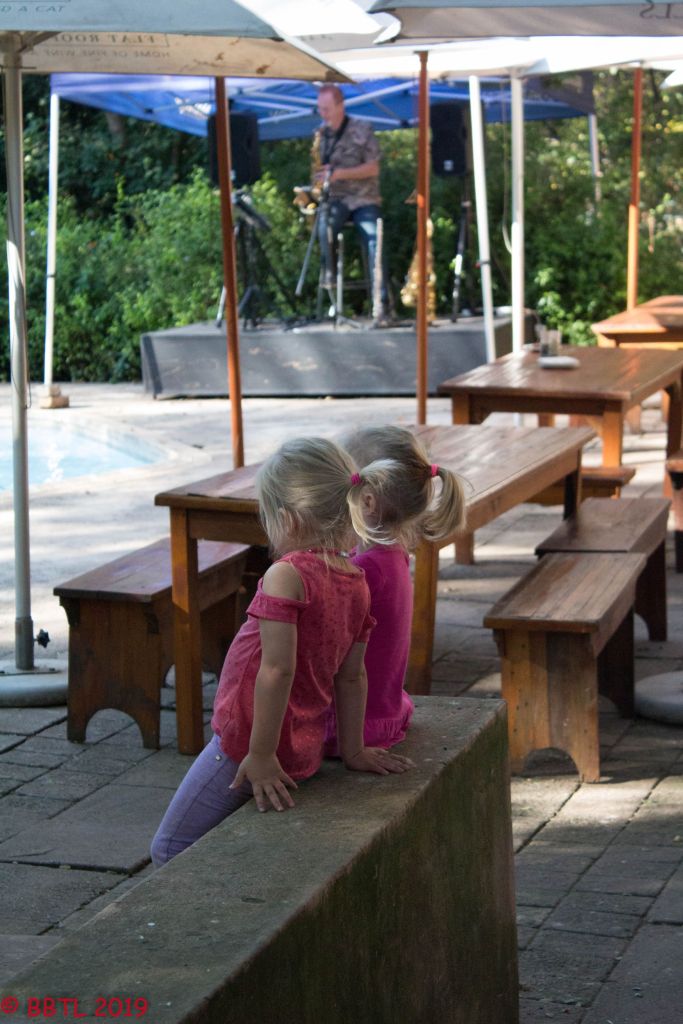
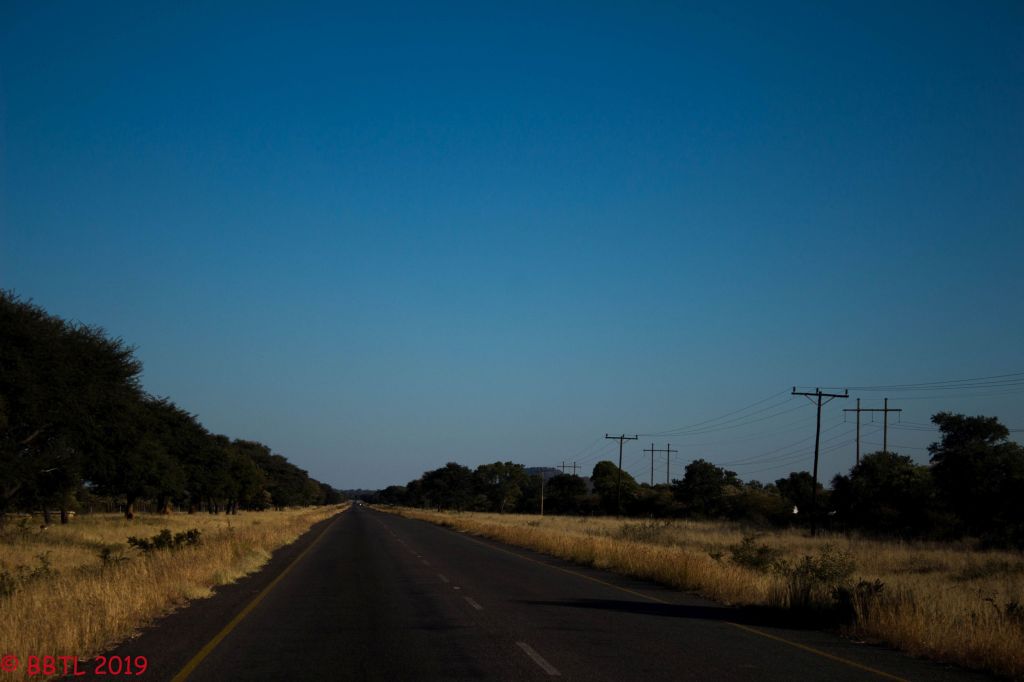
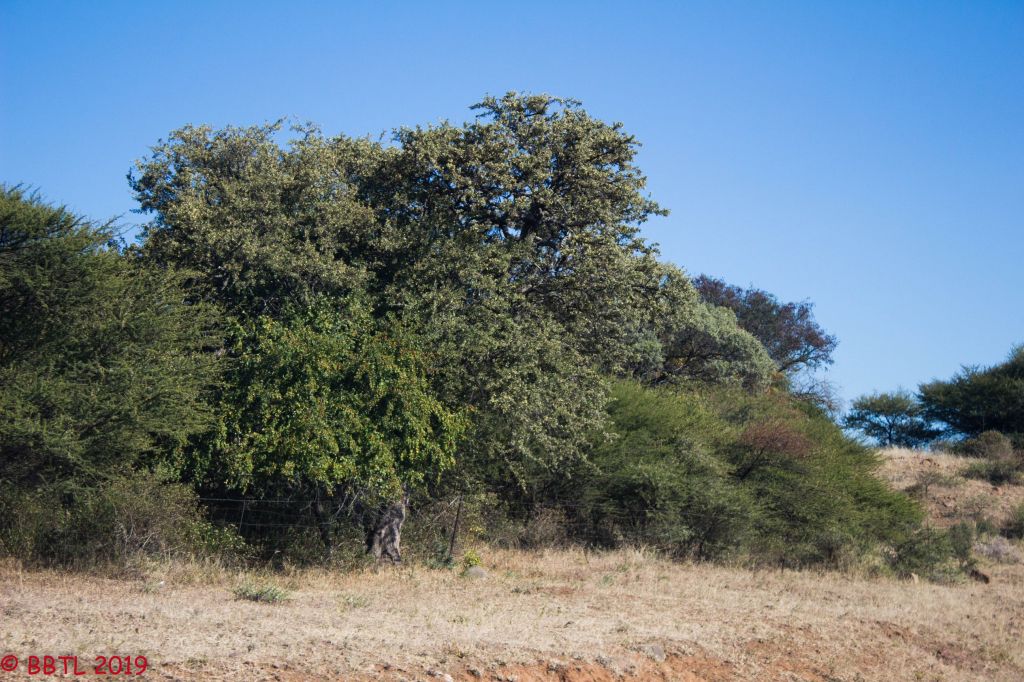
last year in May I needed to renew my passport, so I went to Gaborone anyway so I used the weekend to hop over the border to meet up with my friends and to have a not missed huge city live weekend.
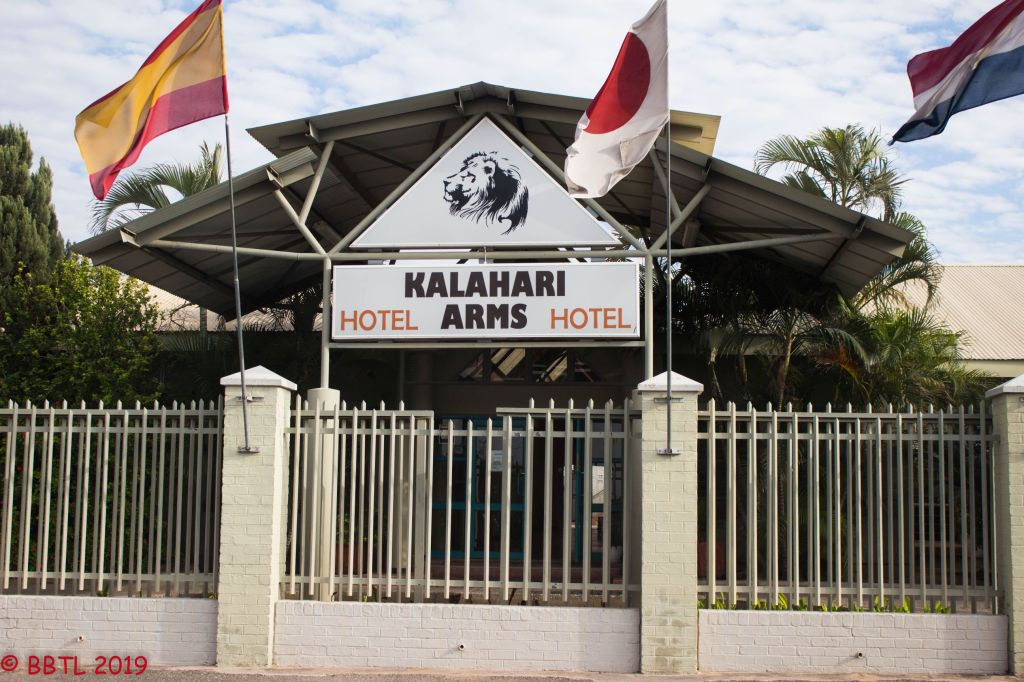
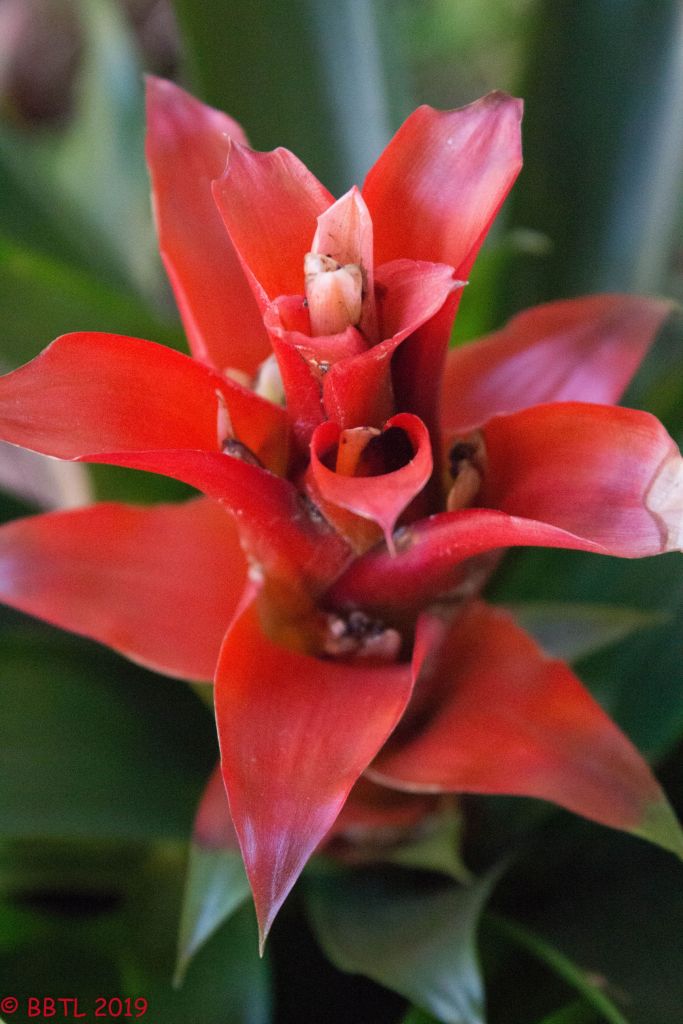
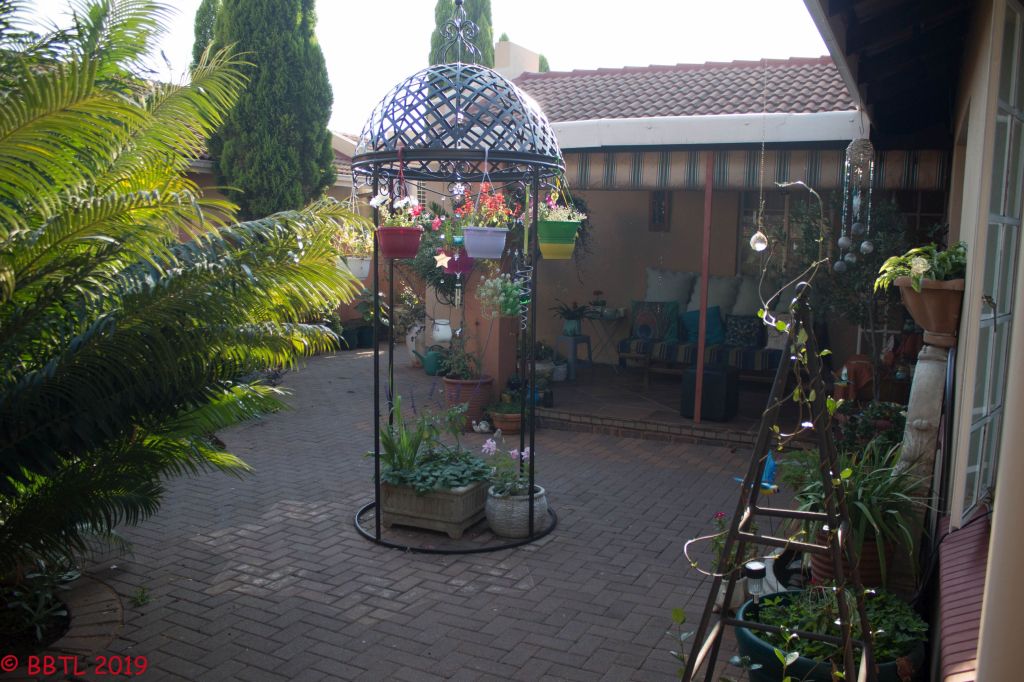
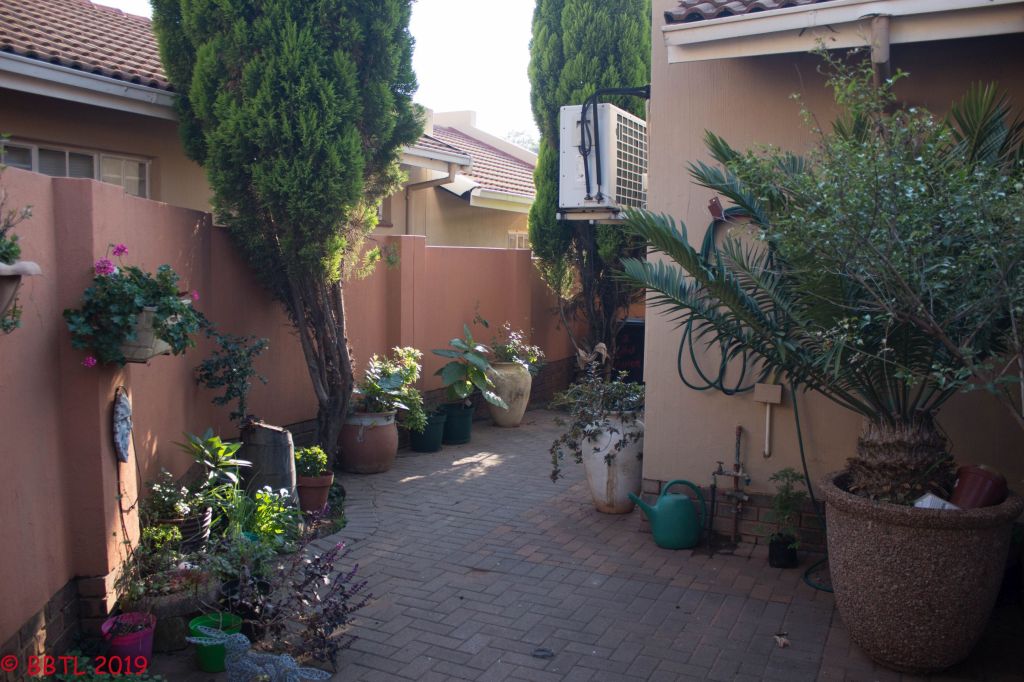
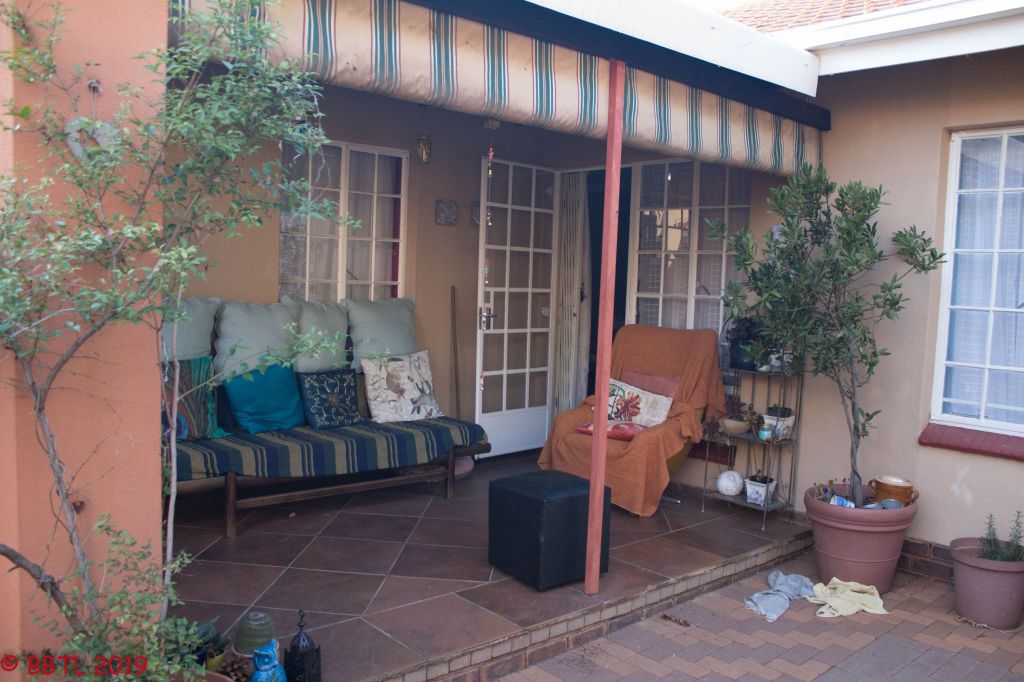
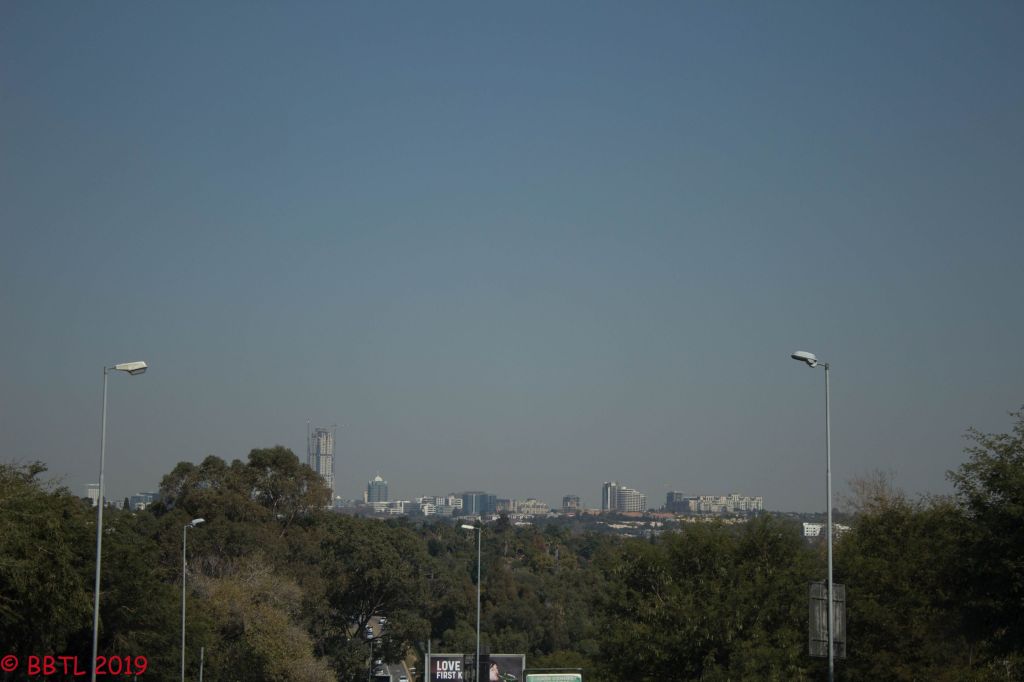
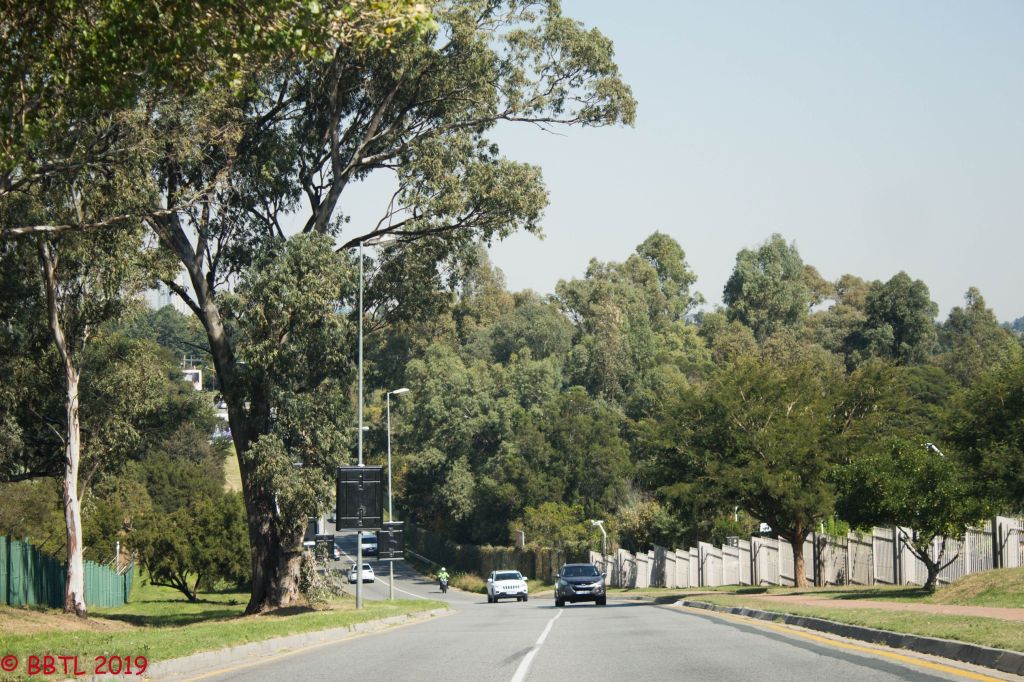
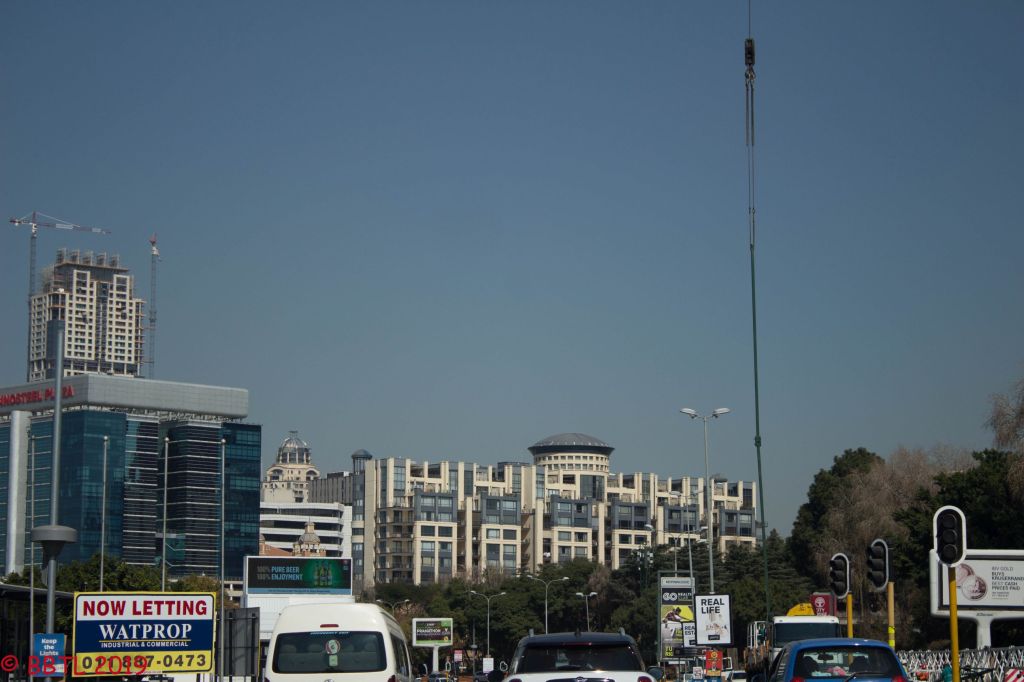
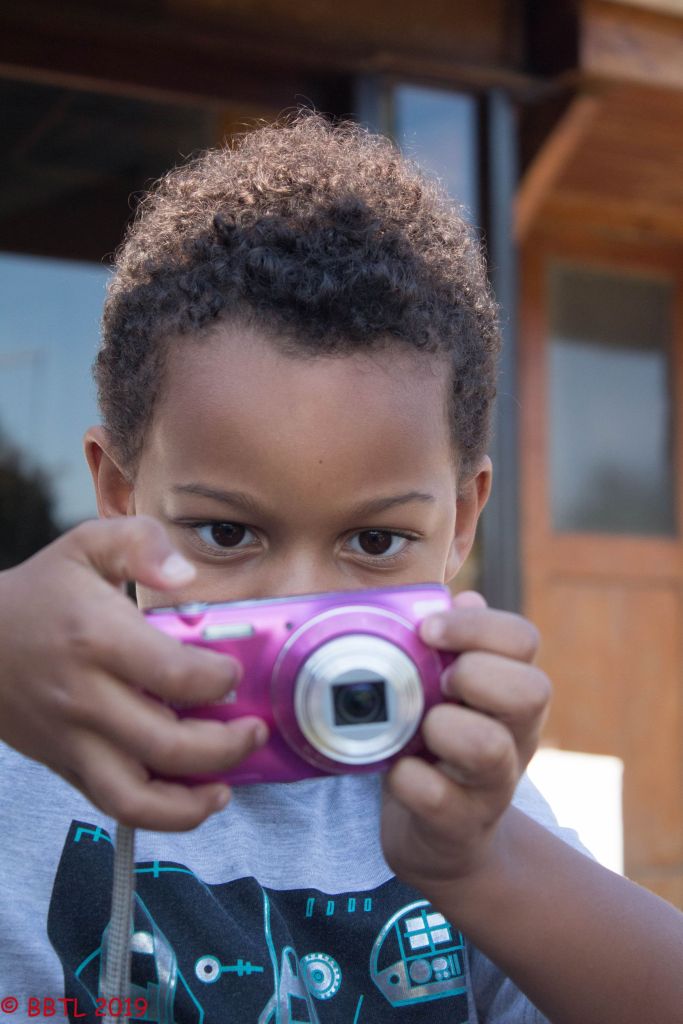
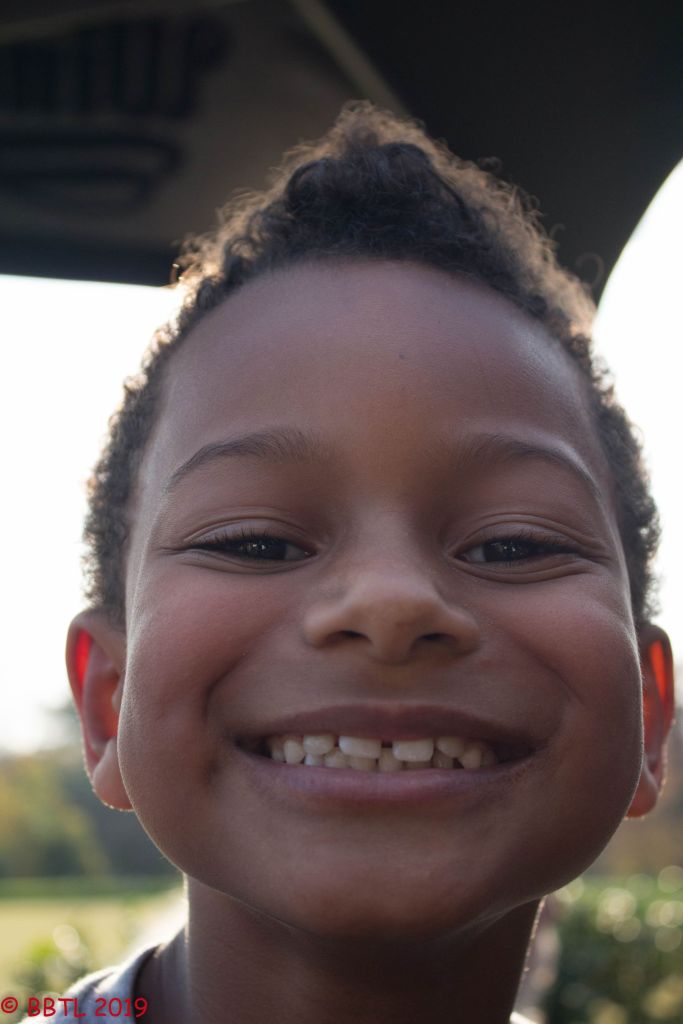
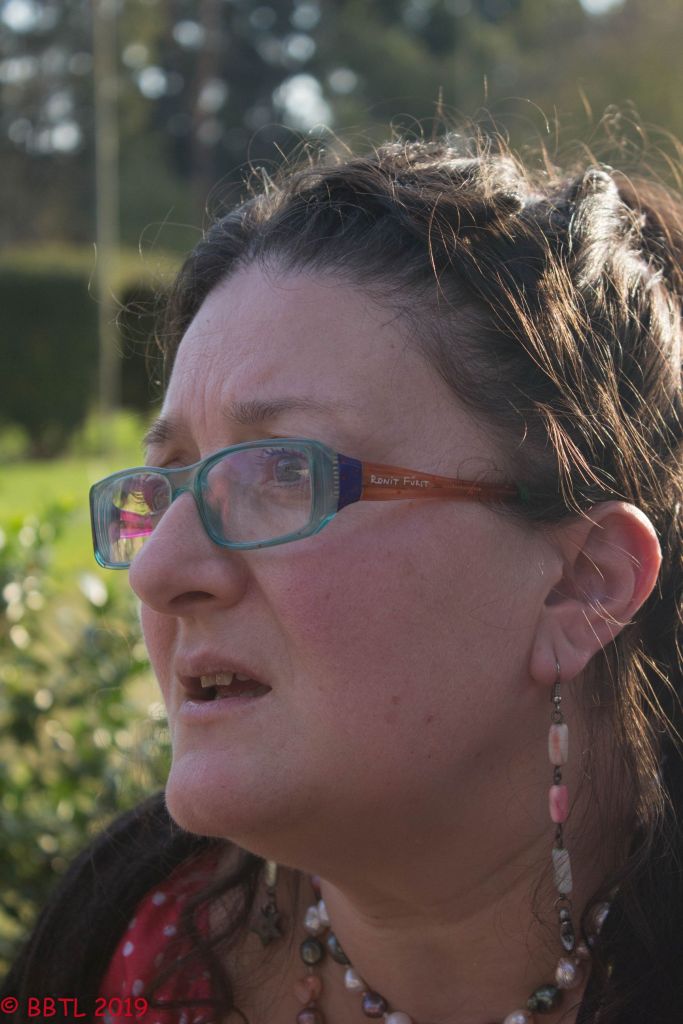
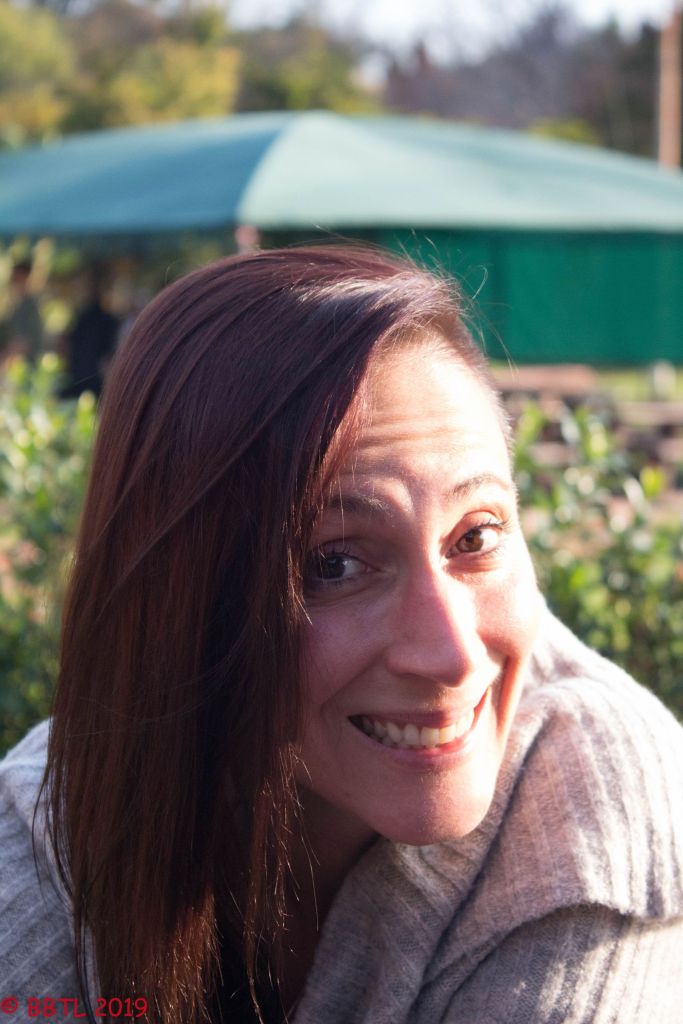
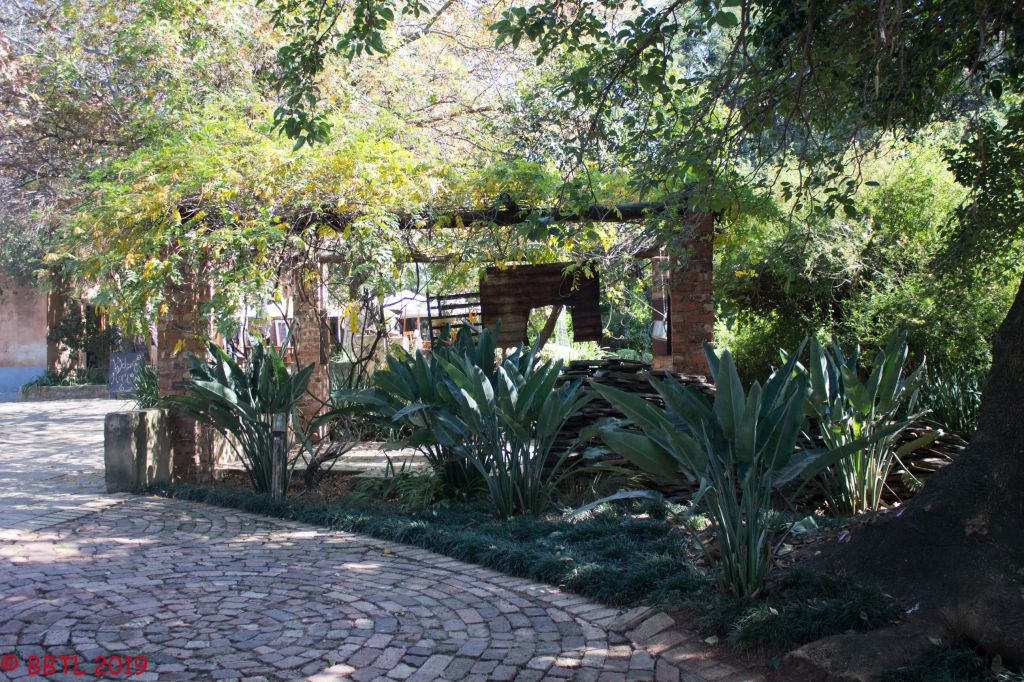
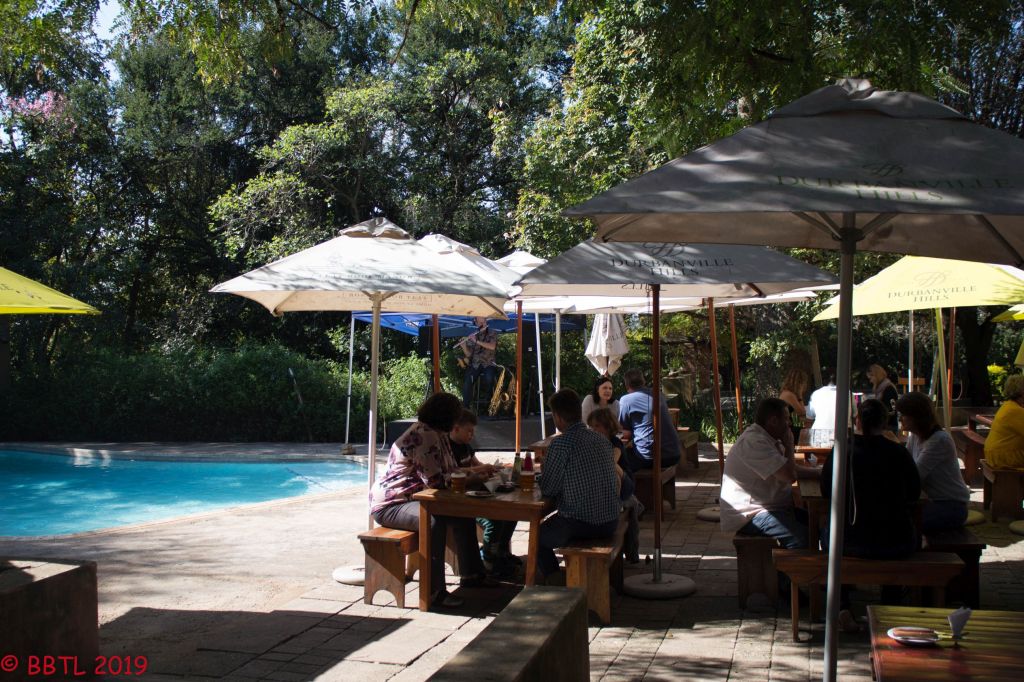
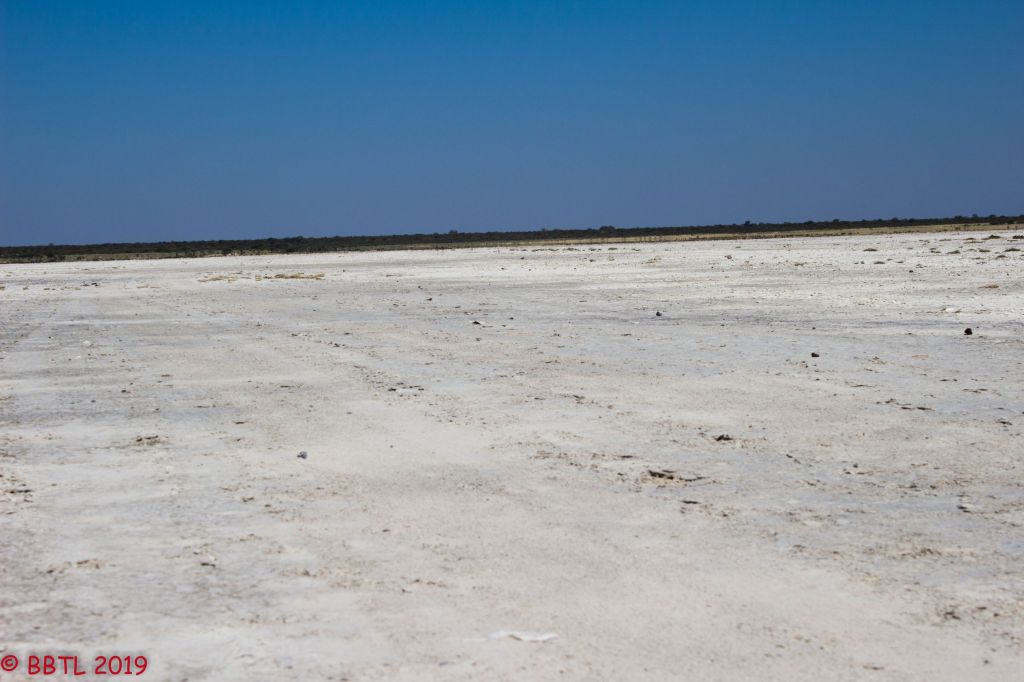
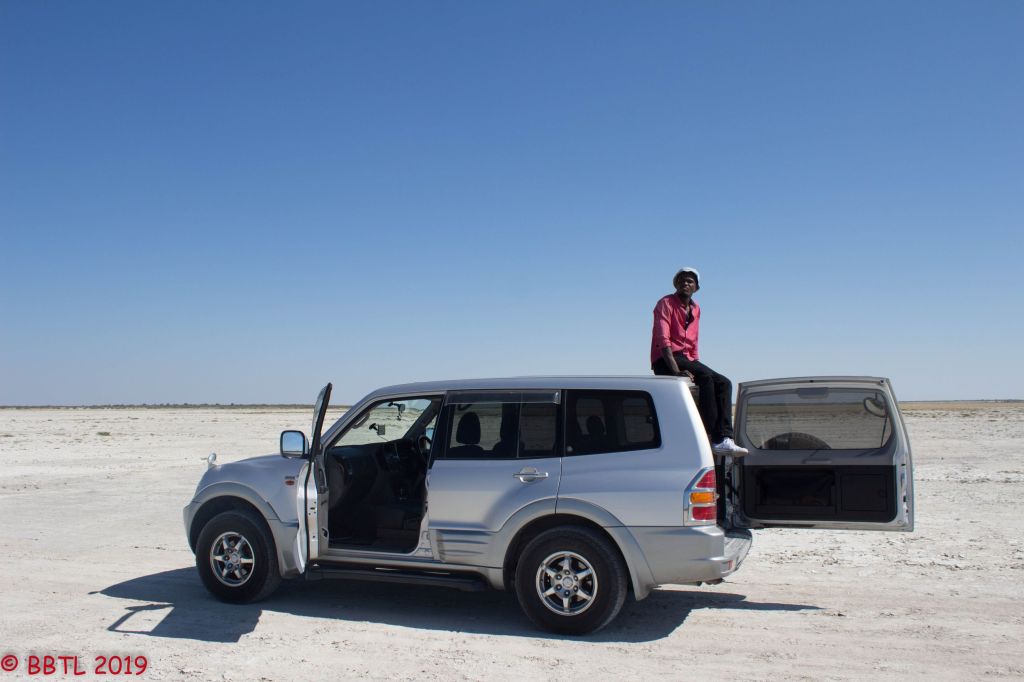
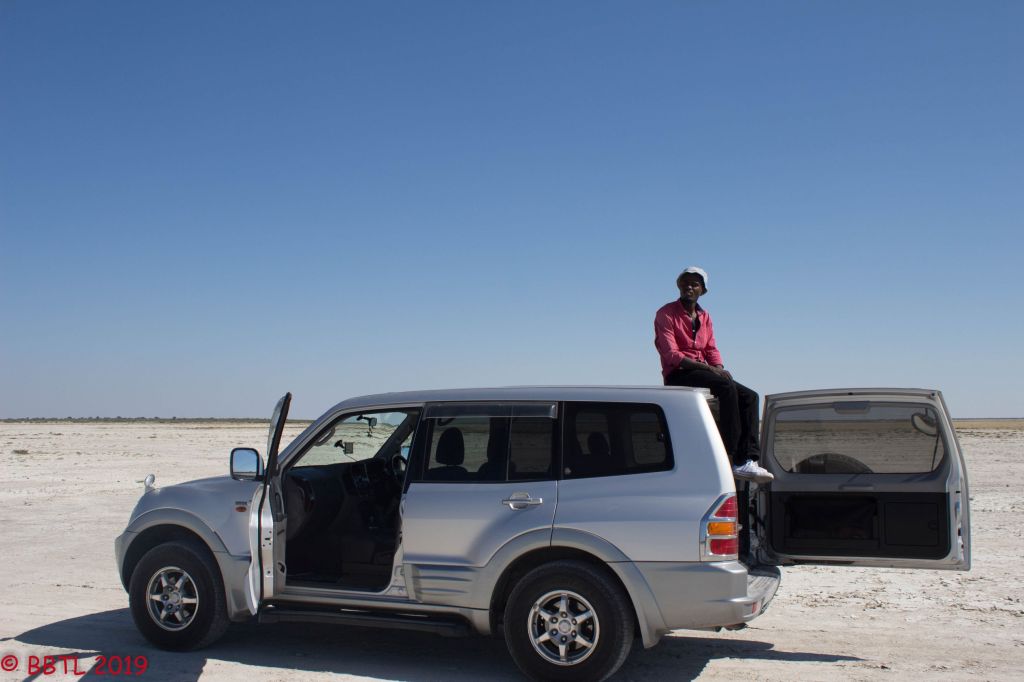
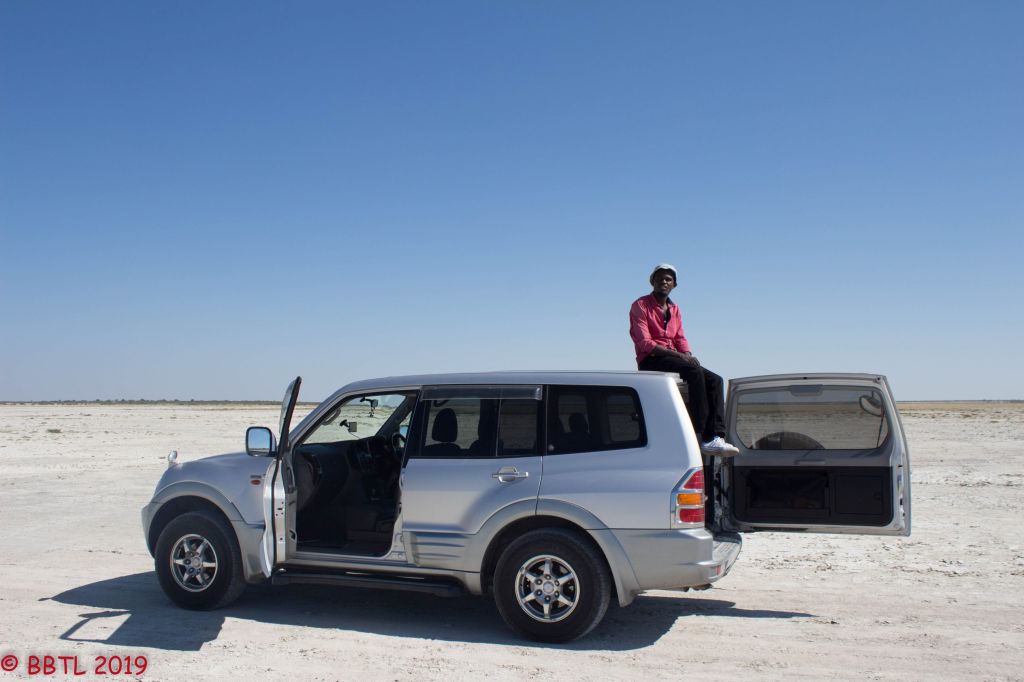
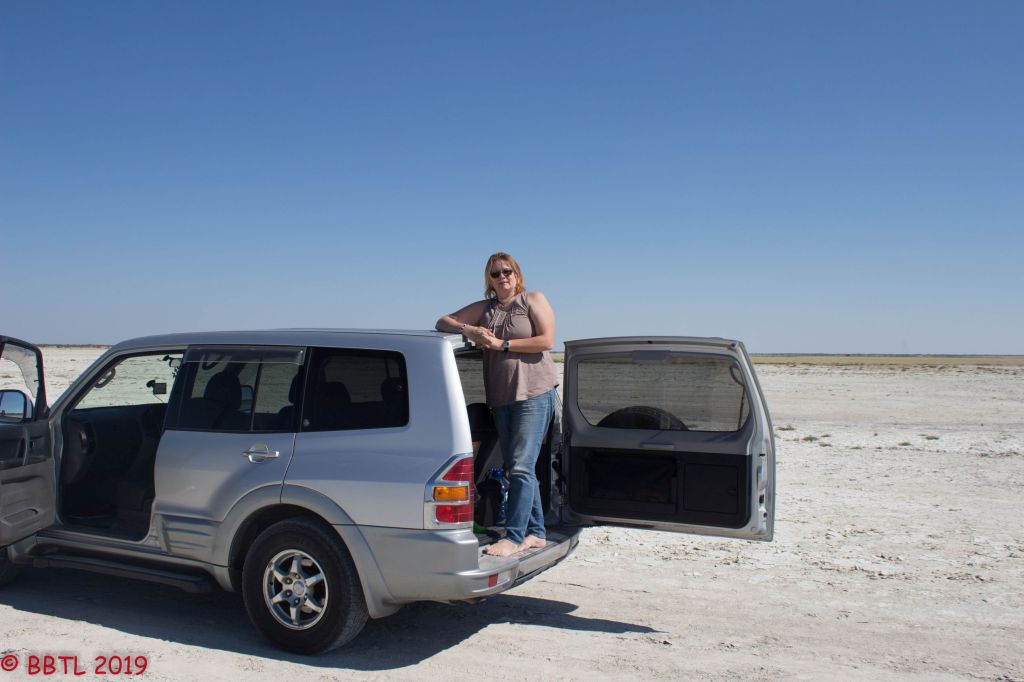
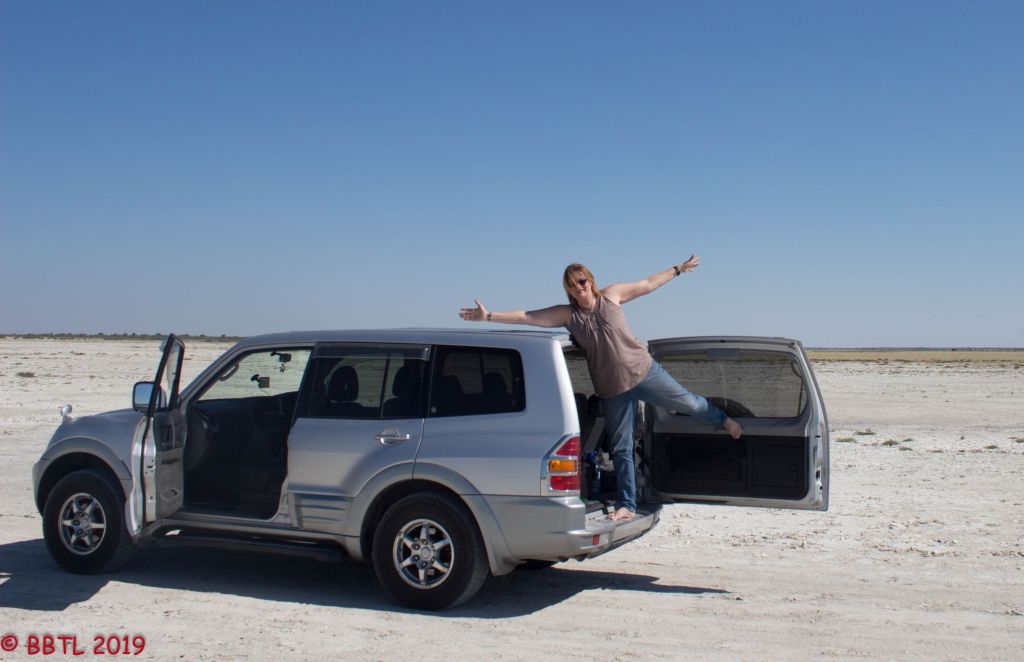
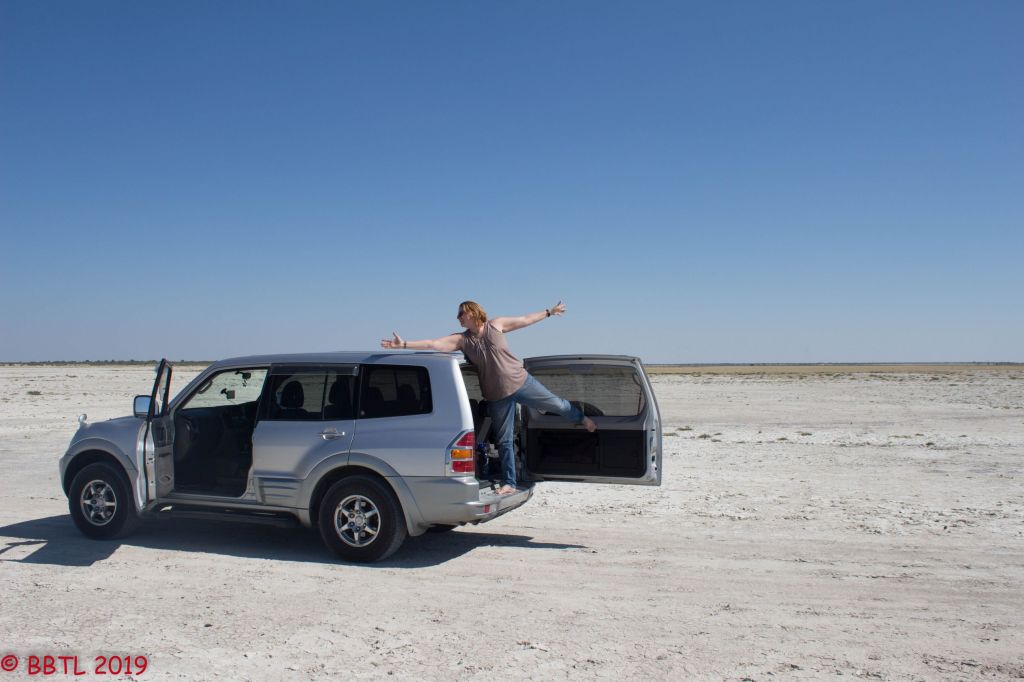
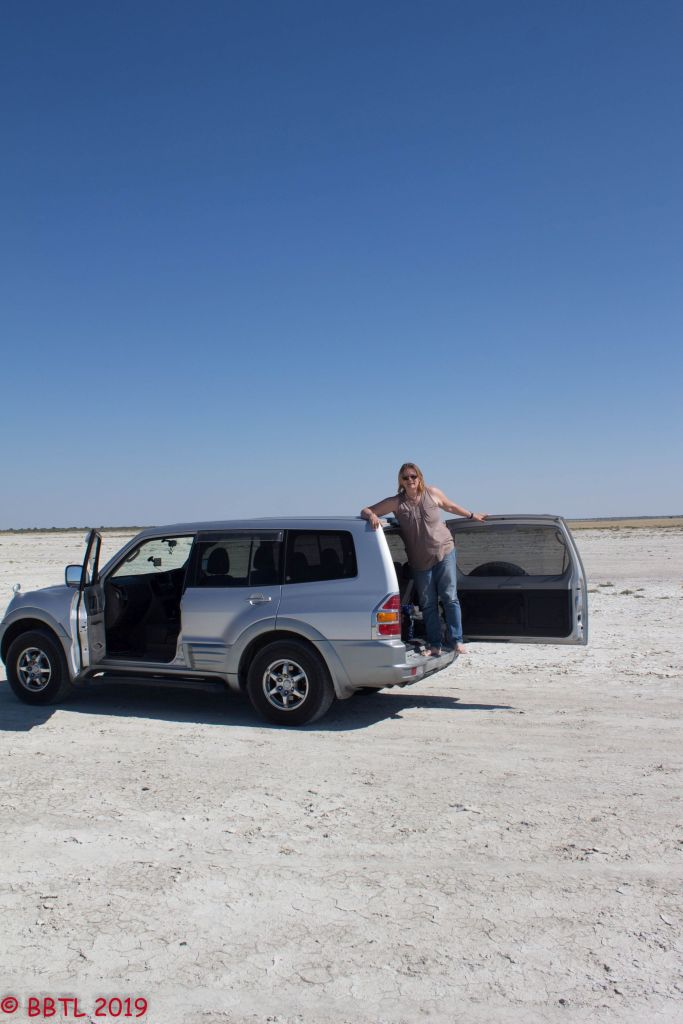
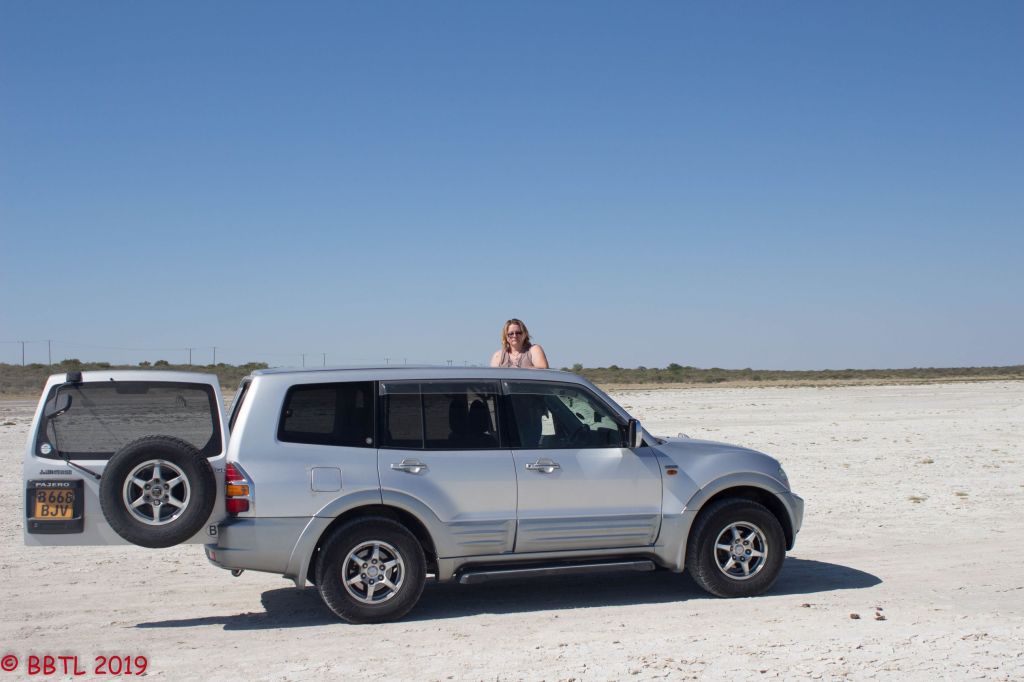
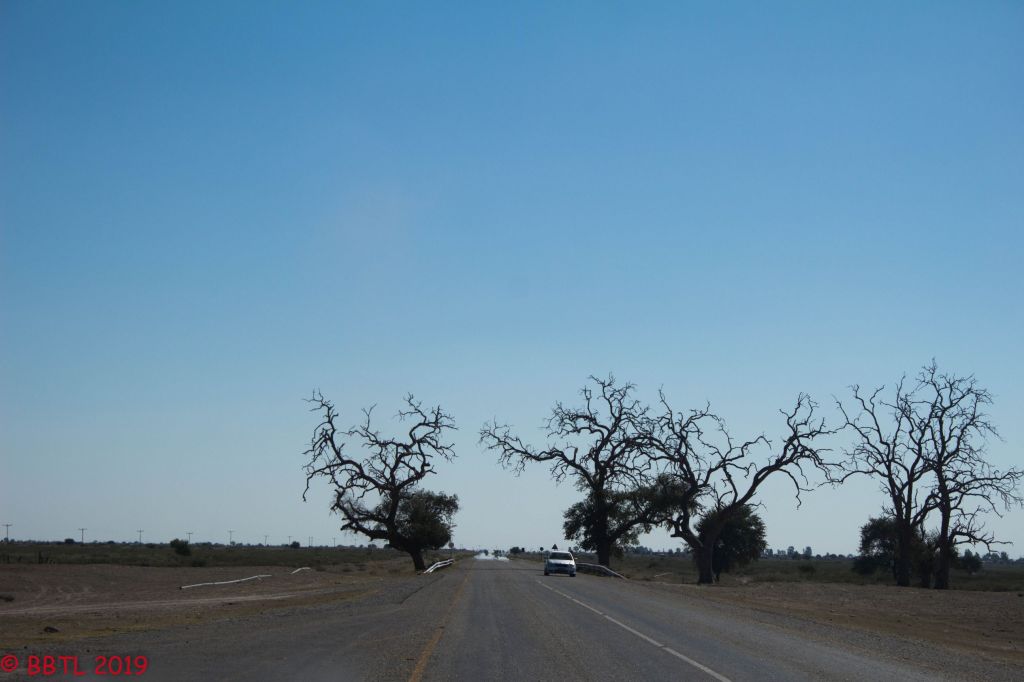
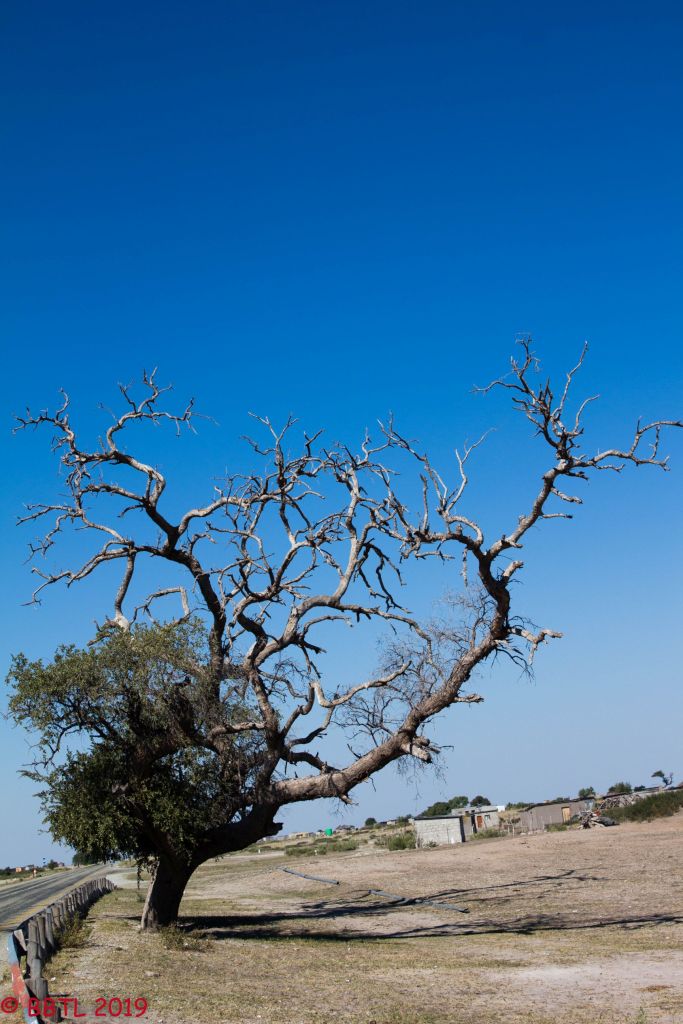
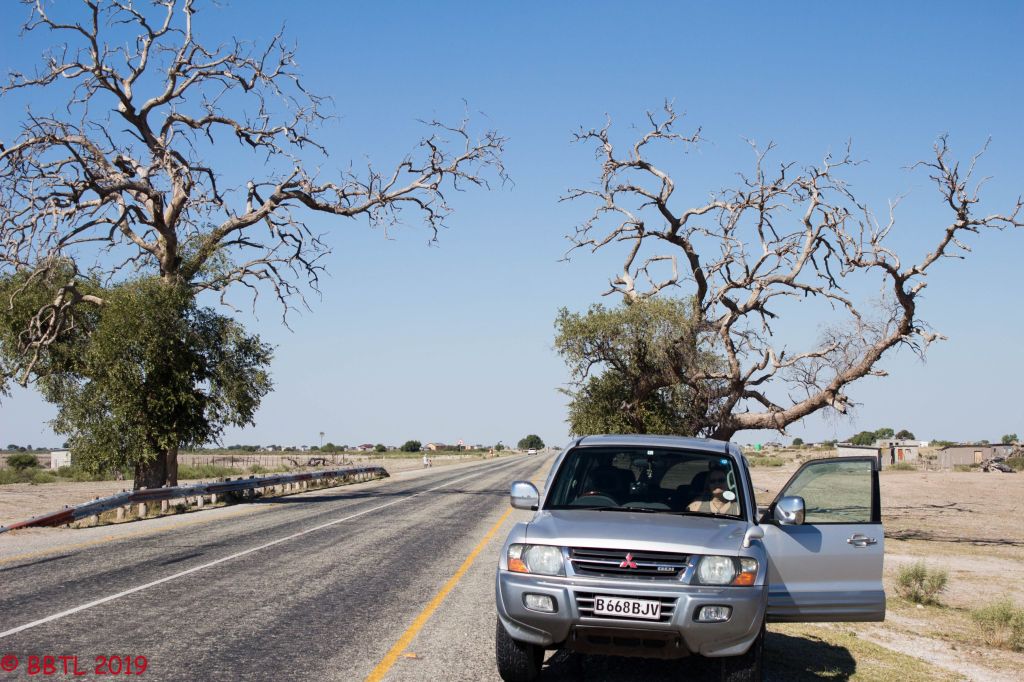
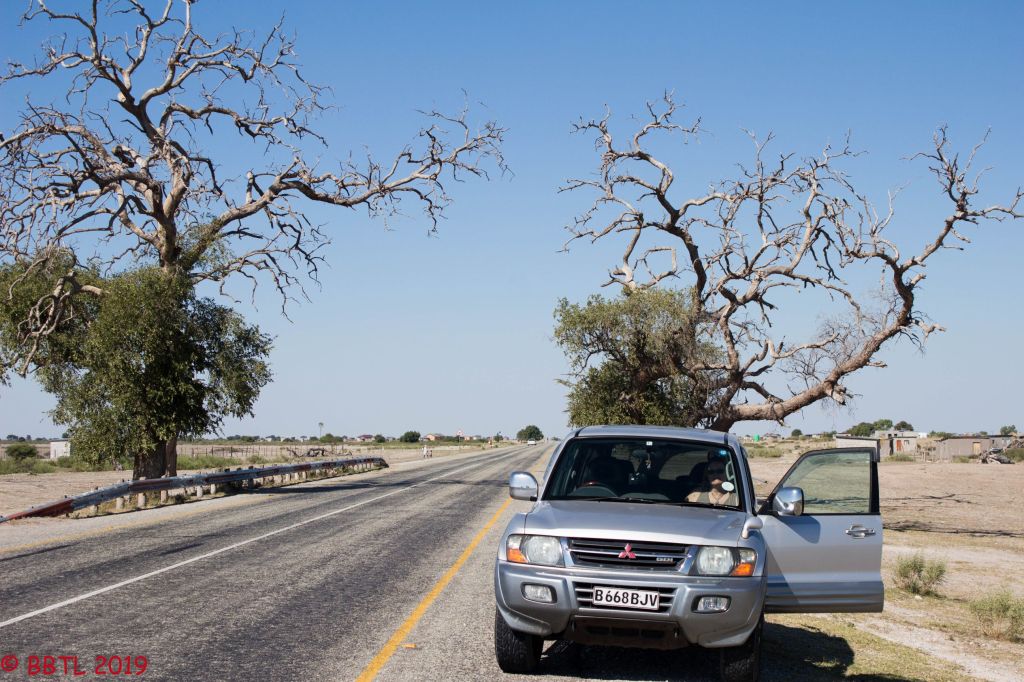
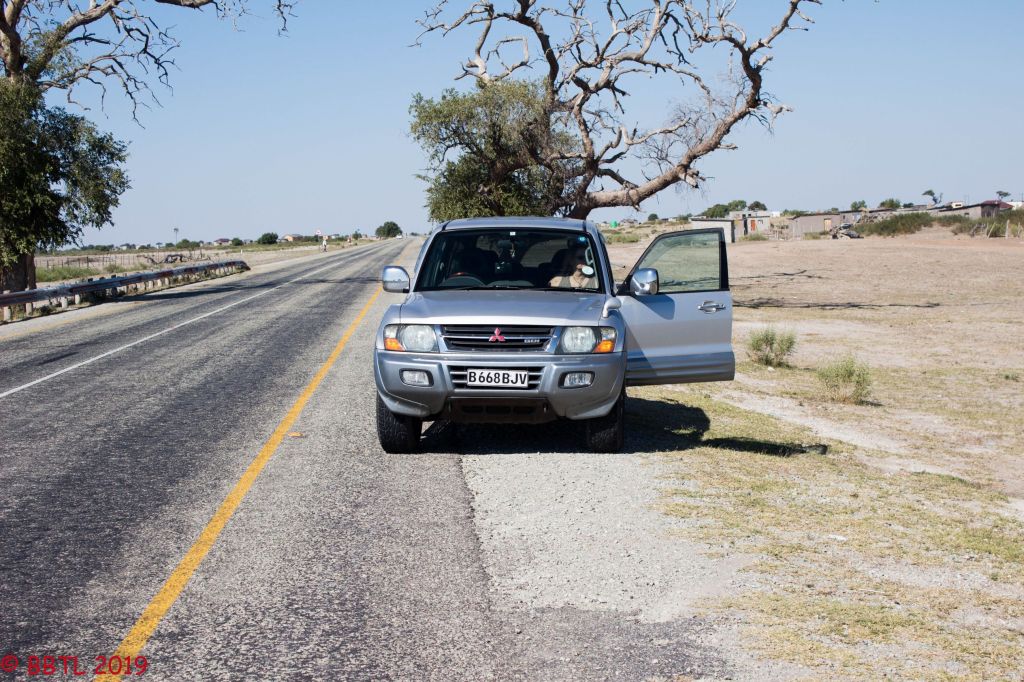
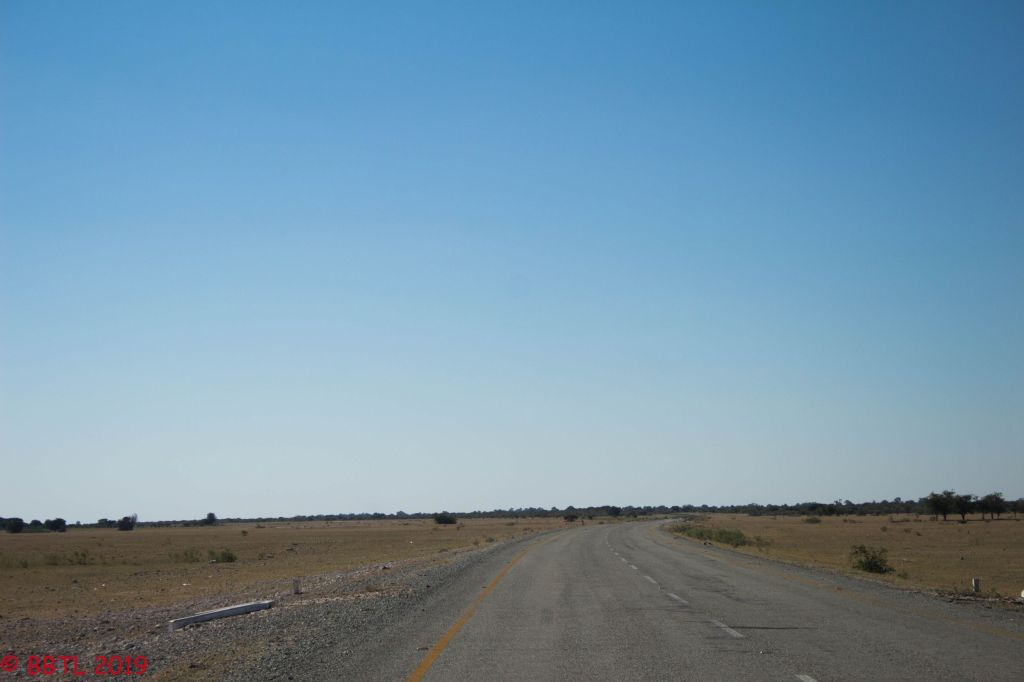
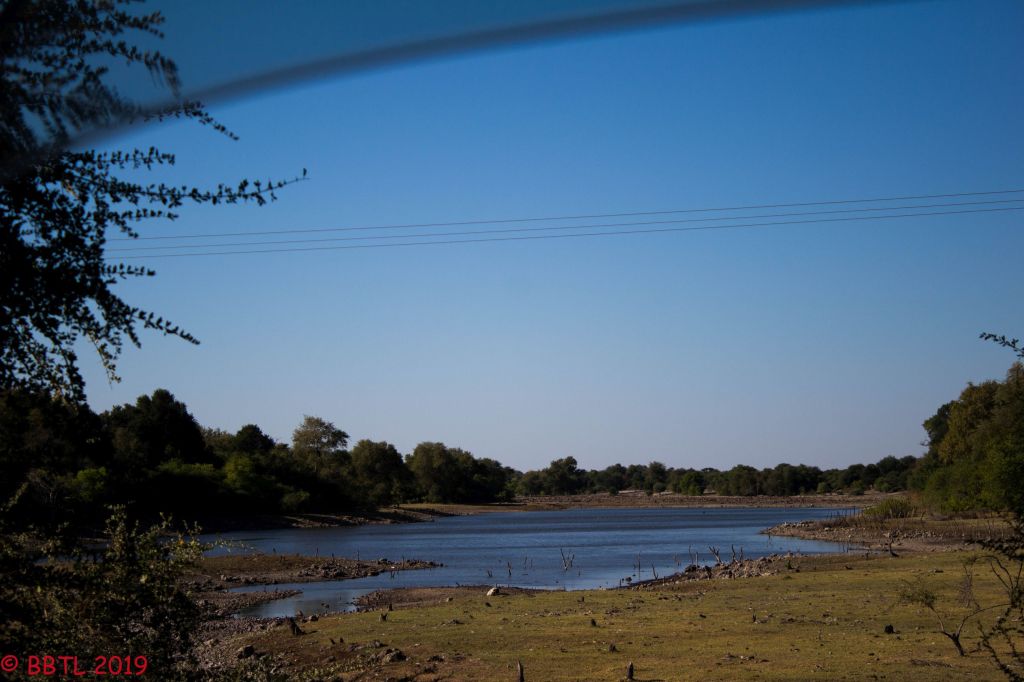
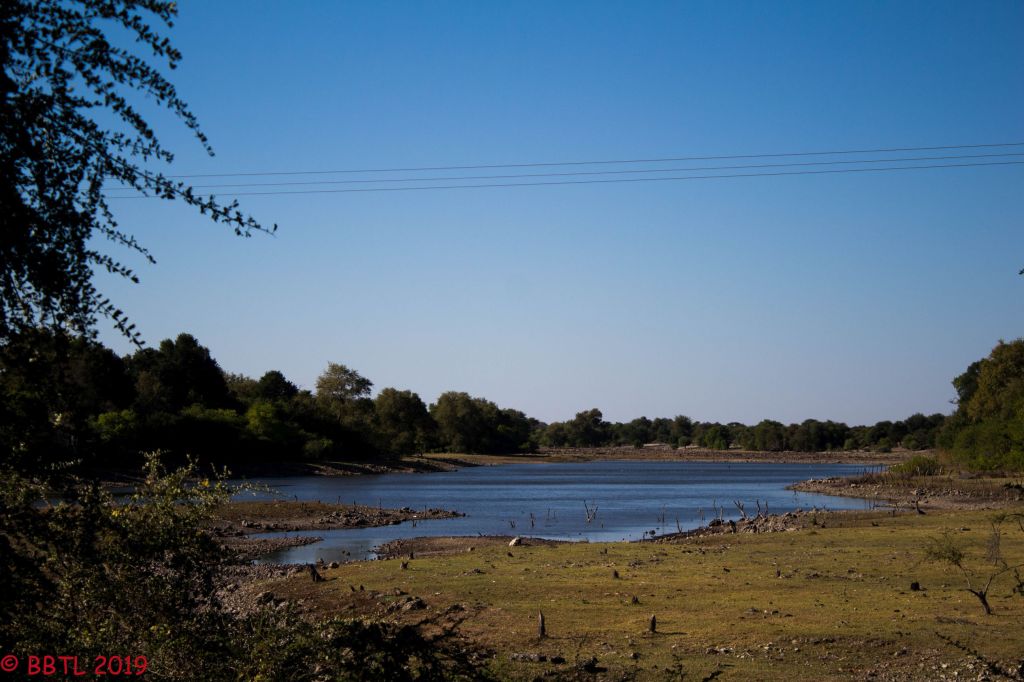
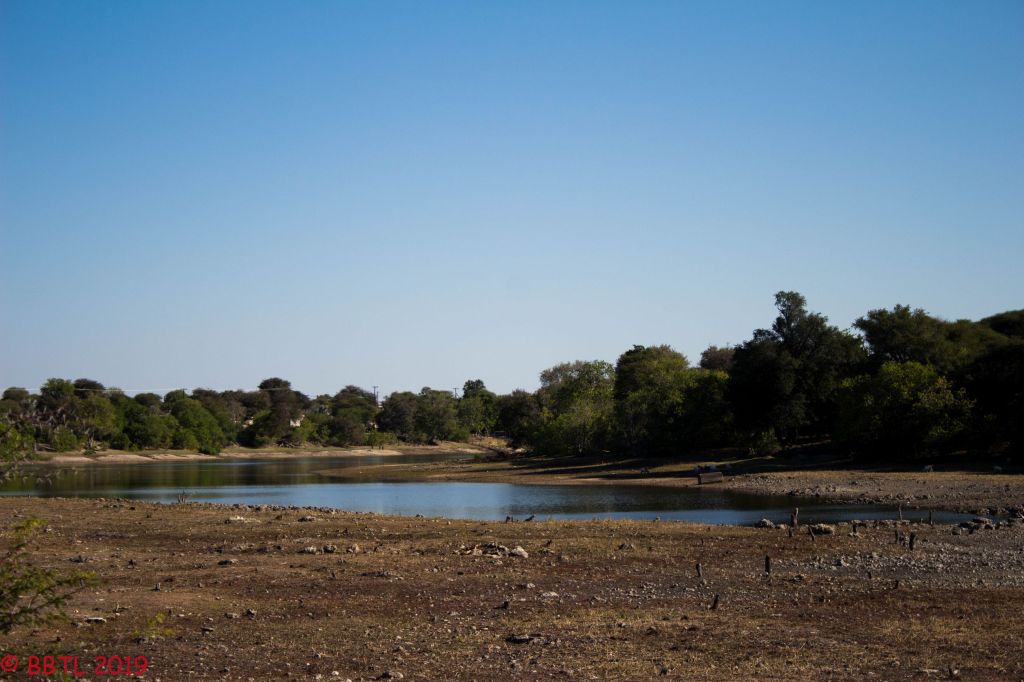
Macatoo
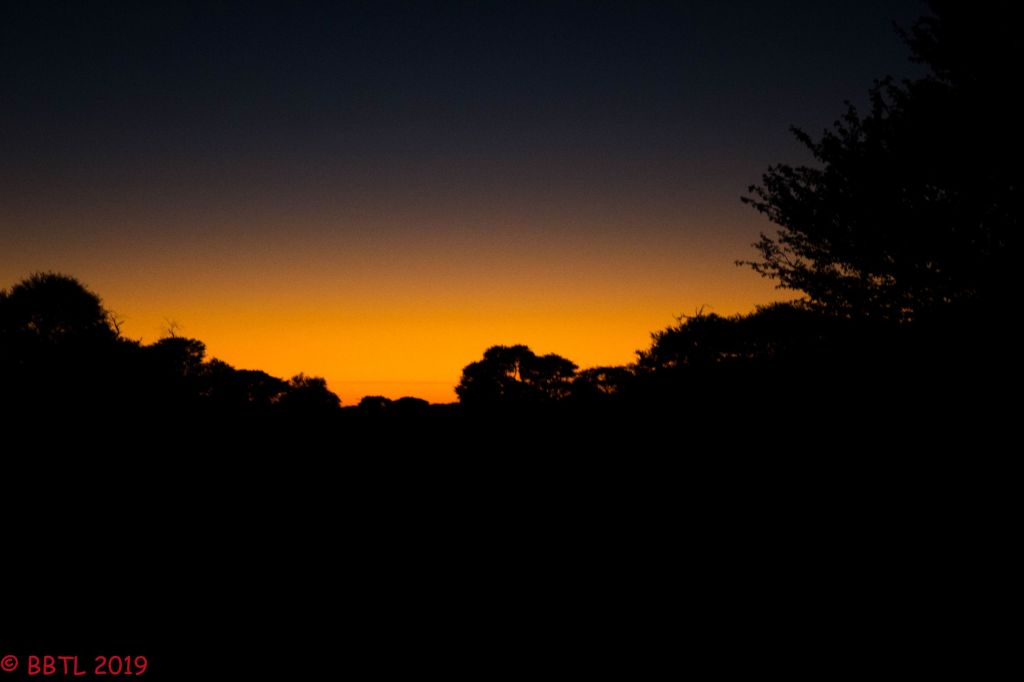
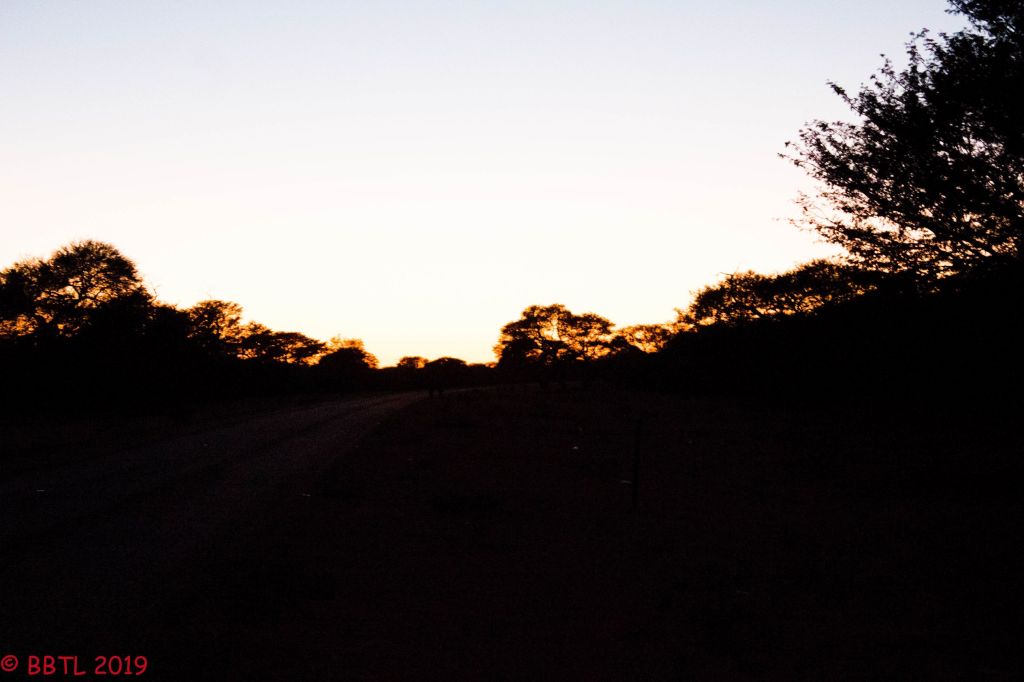
last Friday the 24th Jan the Sense of Africa Sales team was out at Macatoo, even with lots of rain we had a great time. Macatoo is a heaven for all riders, however you need to know how to be allowed on the stunning horses they have.
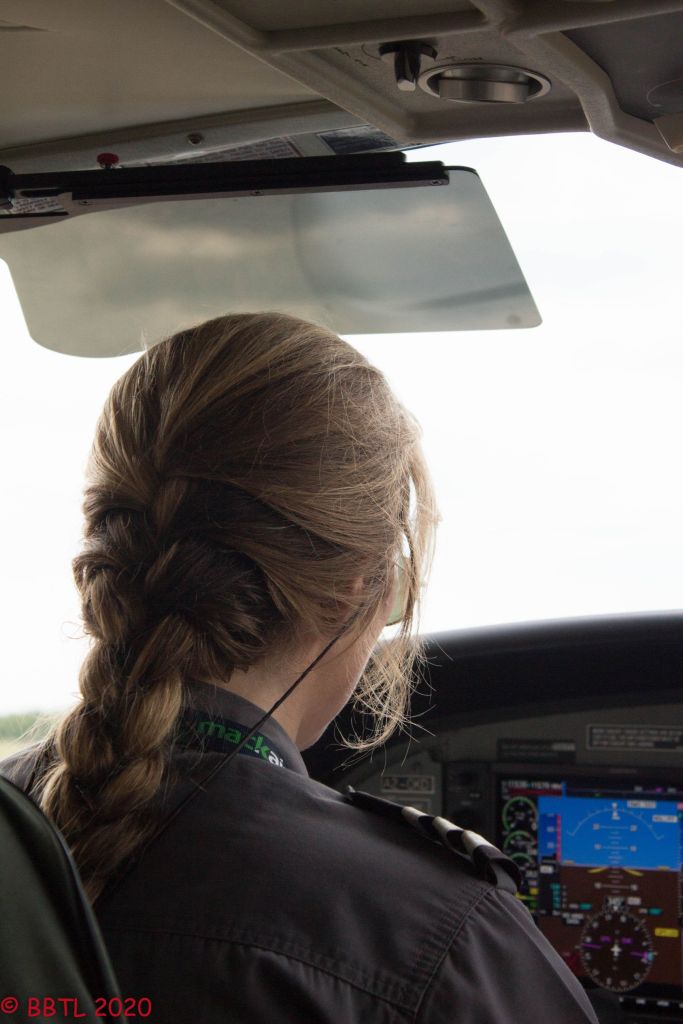
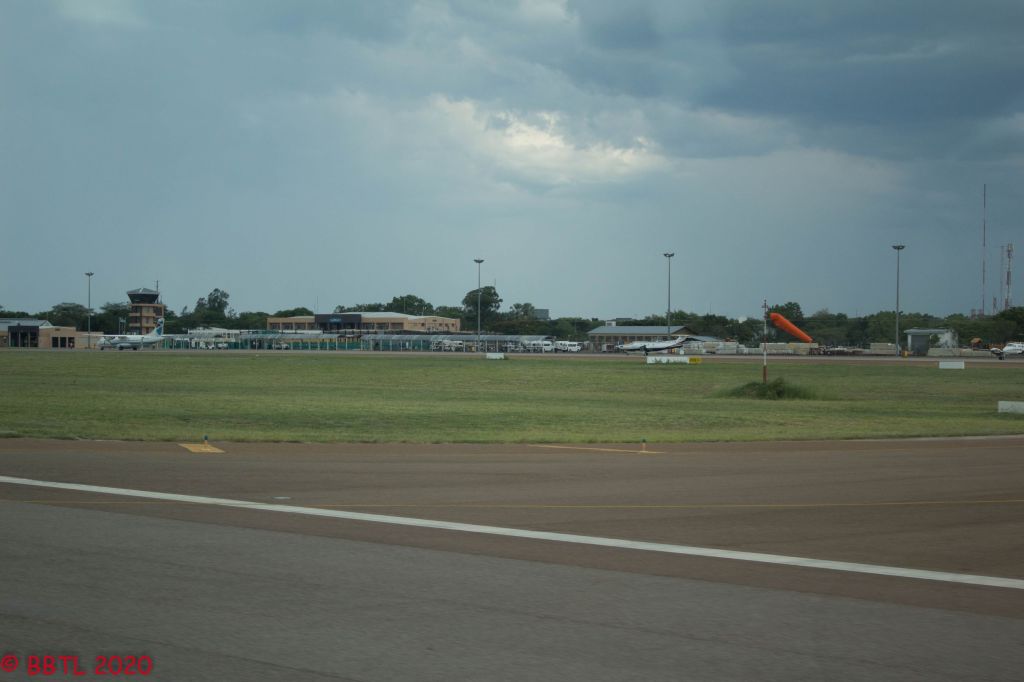
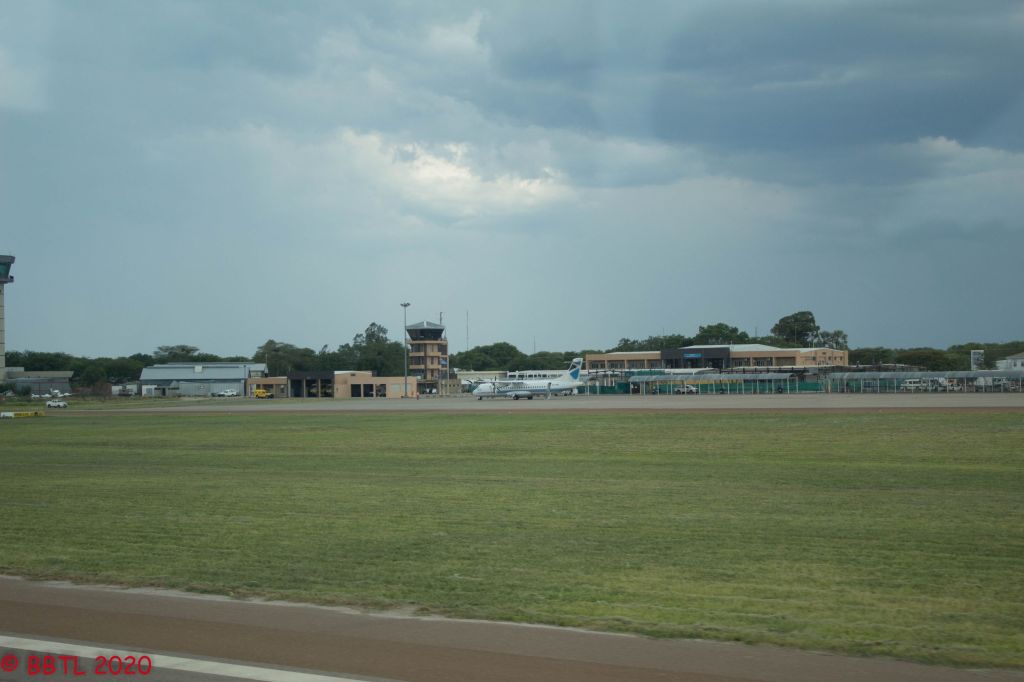
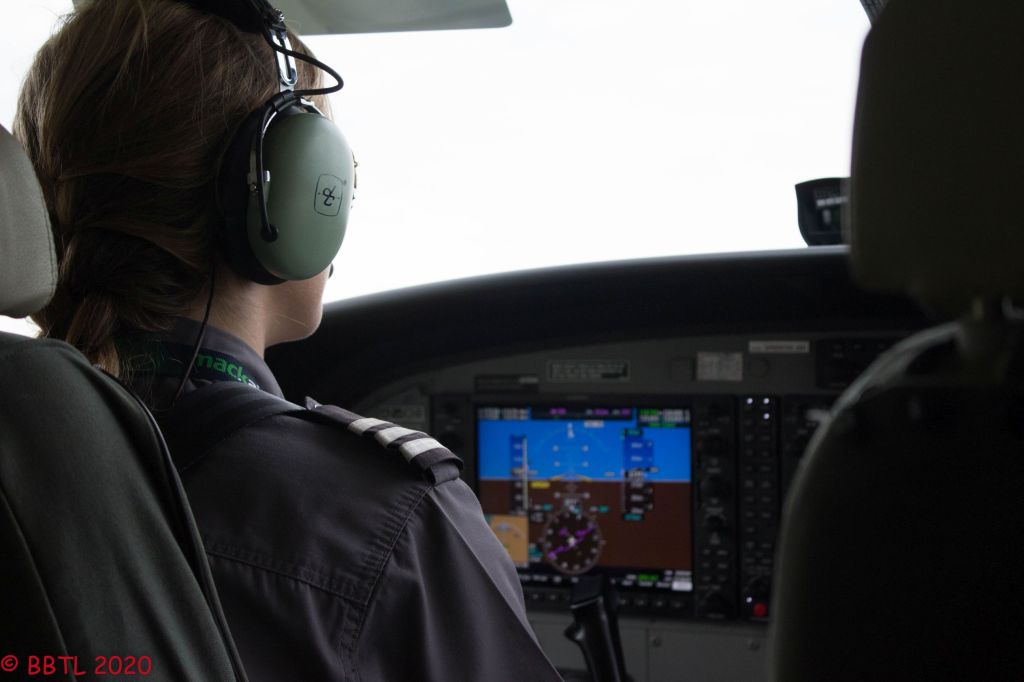
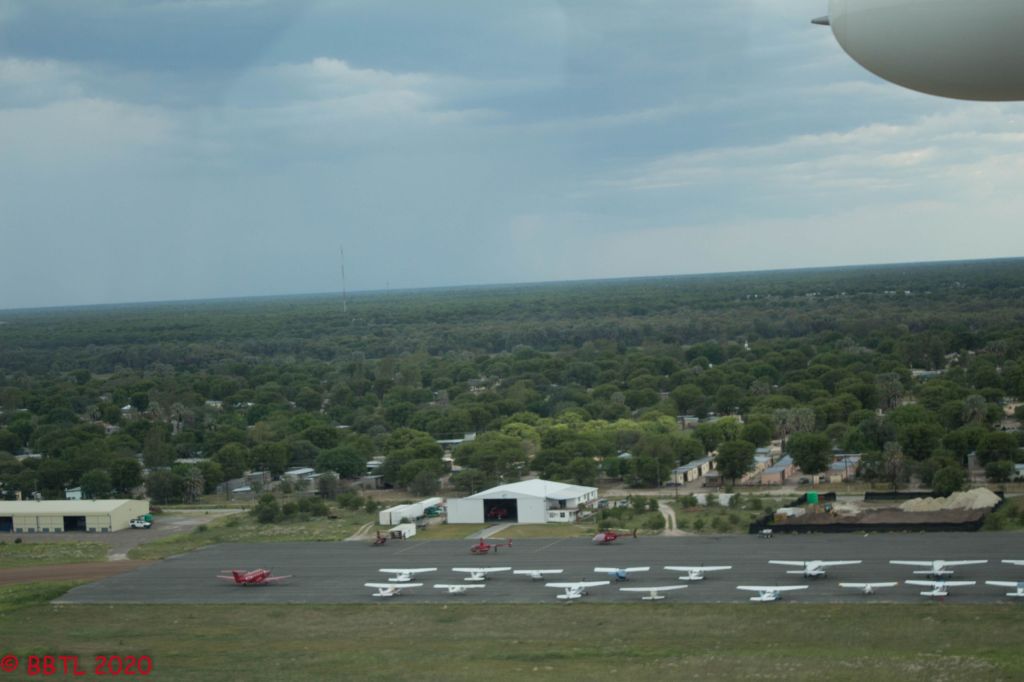
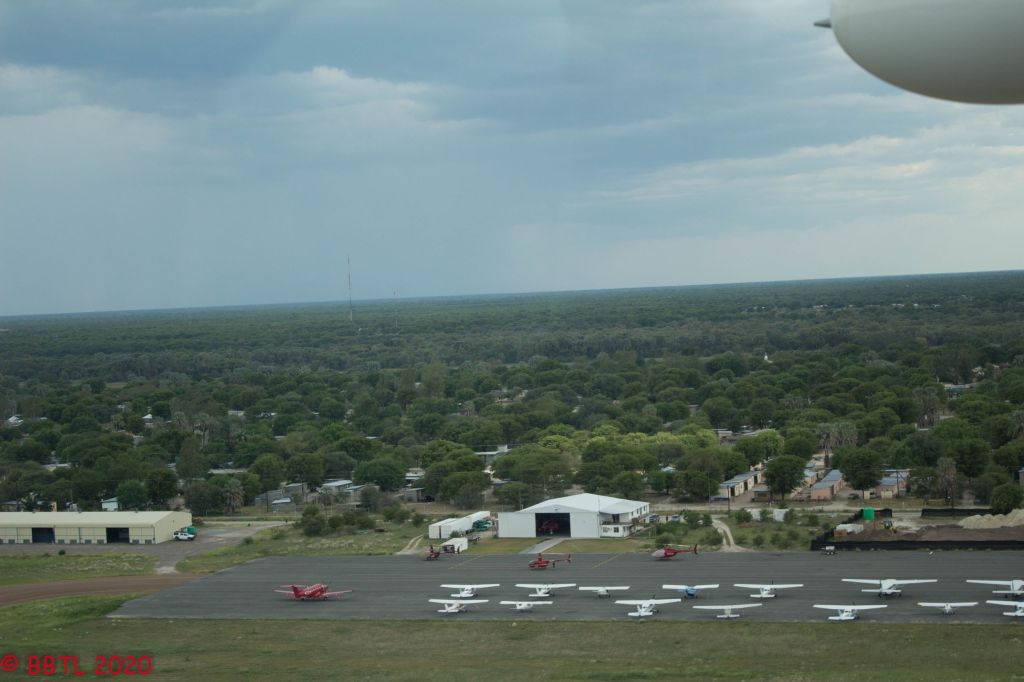
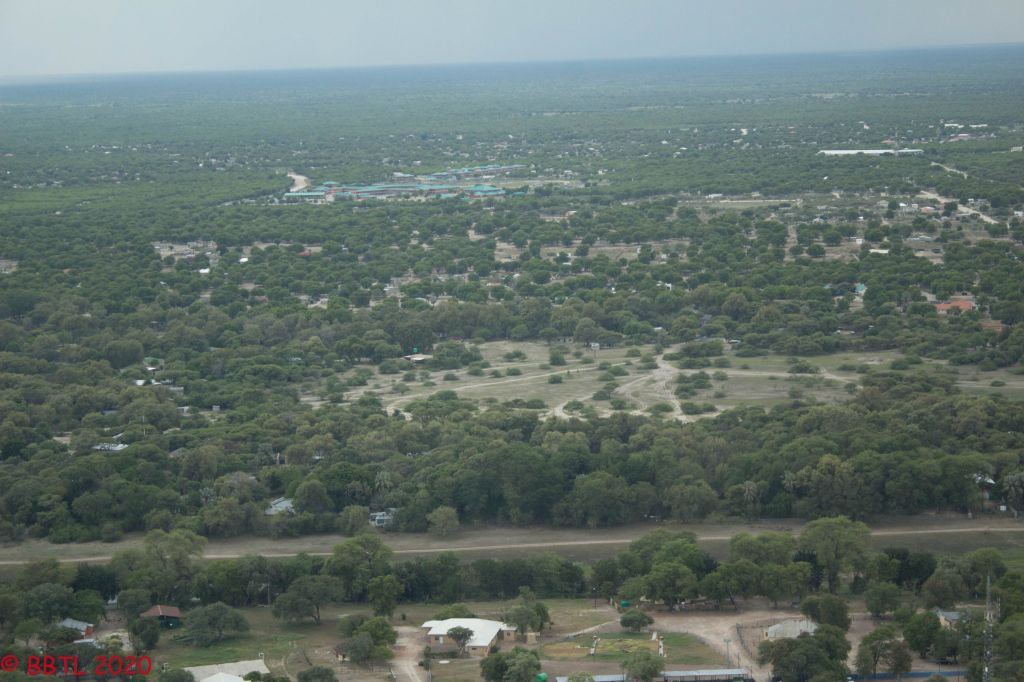
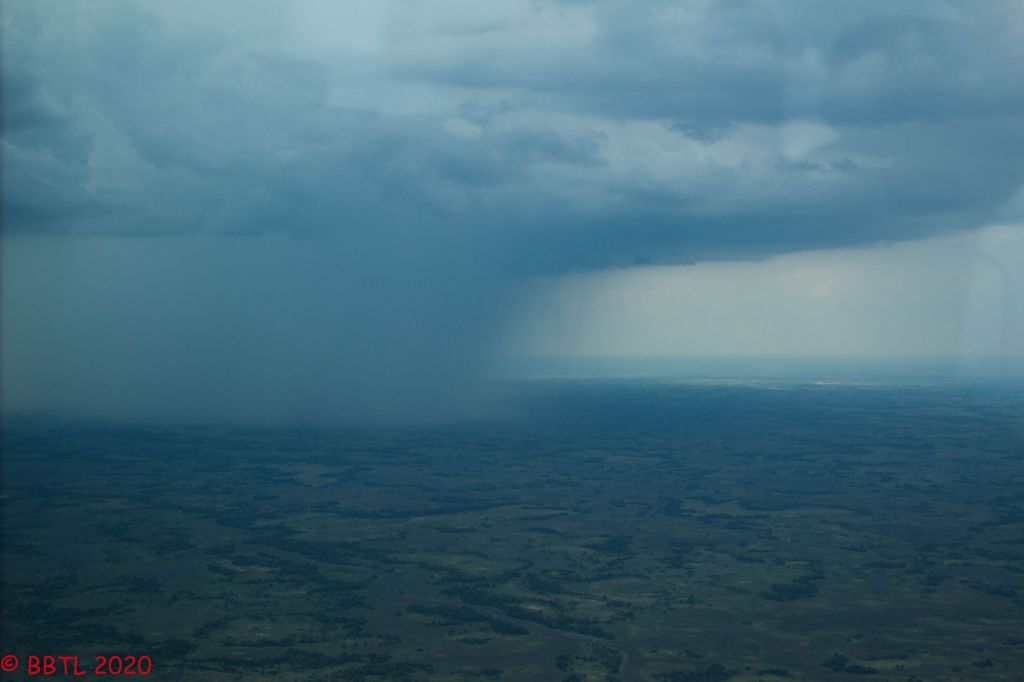
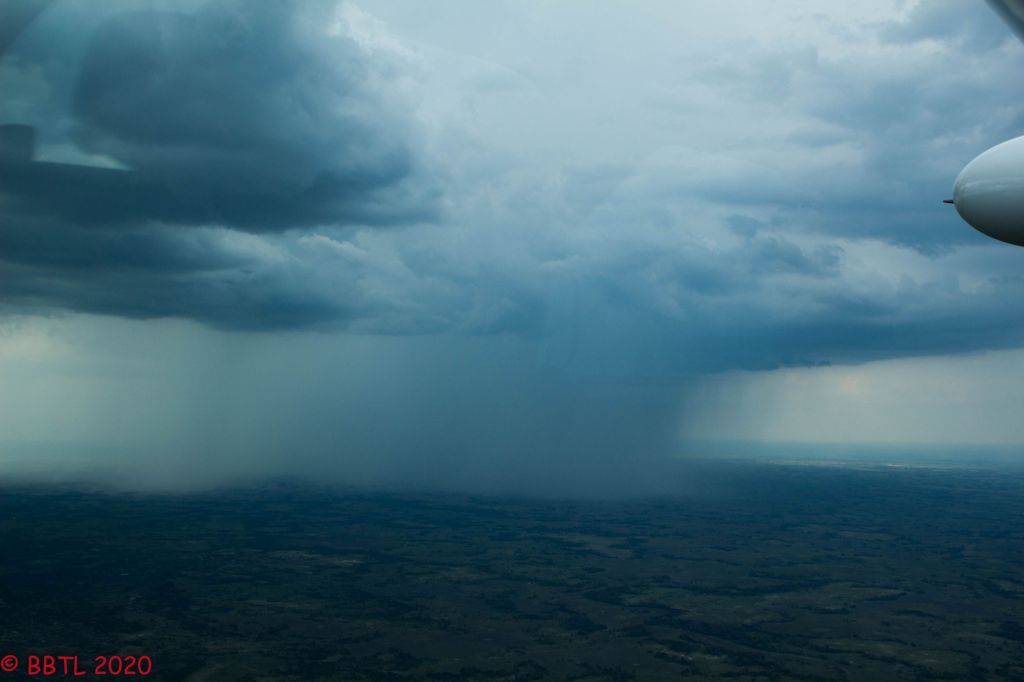
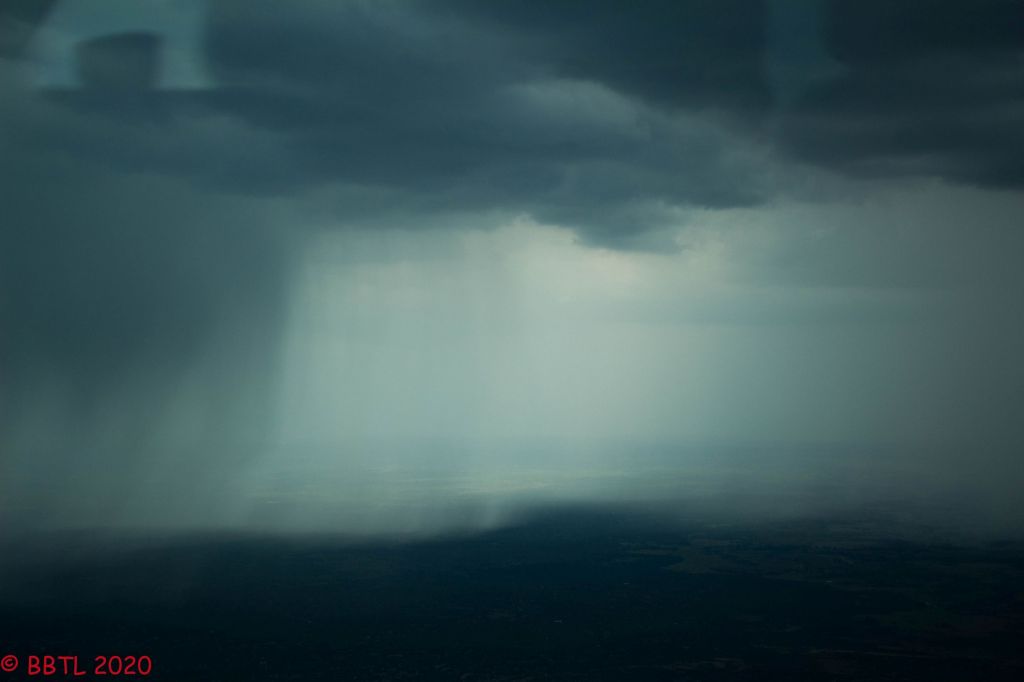
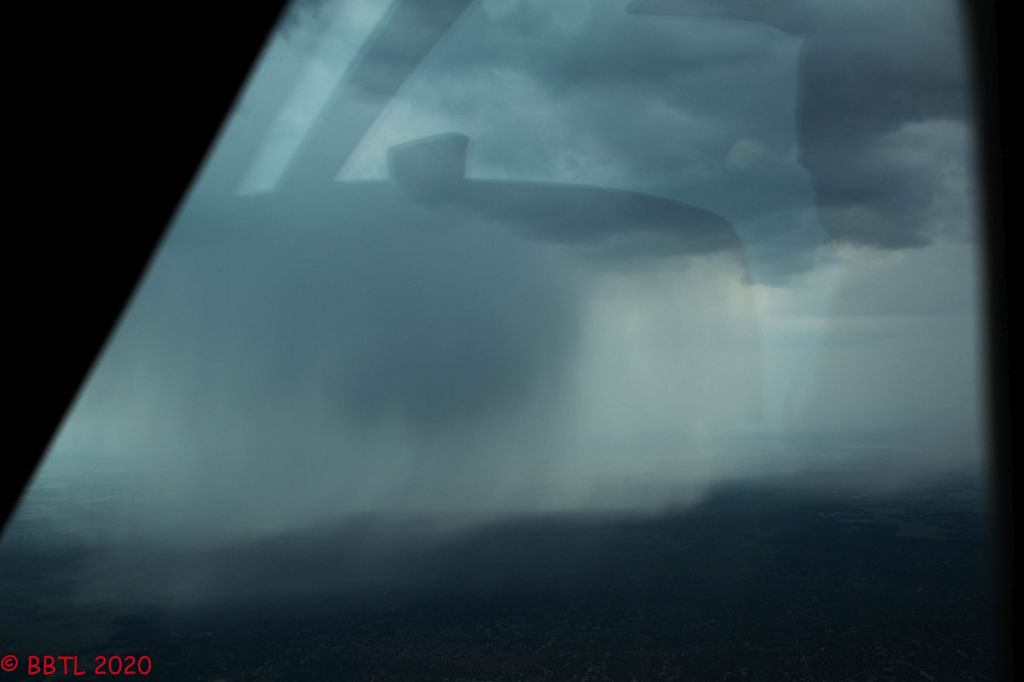
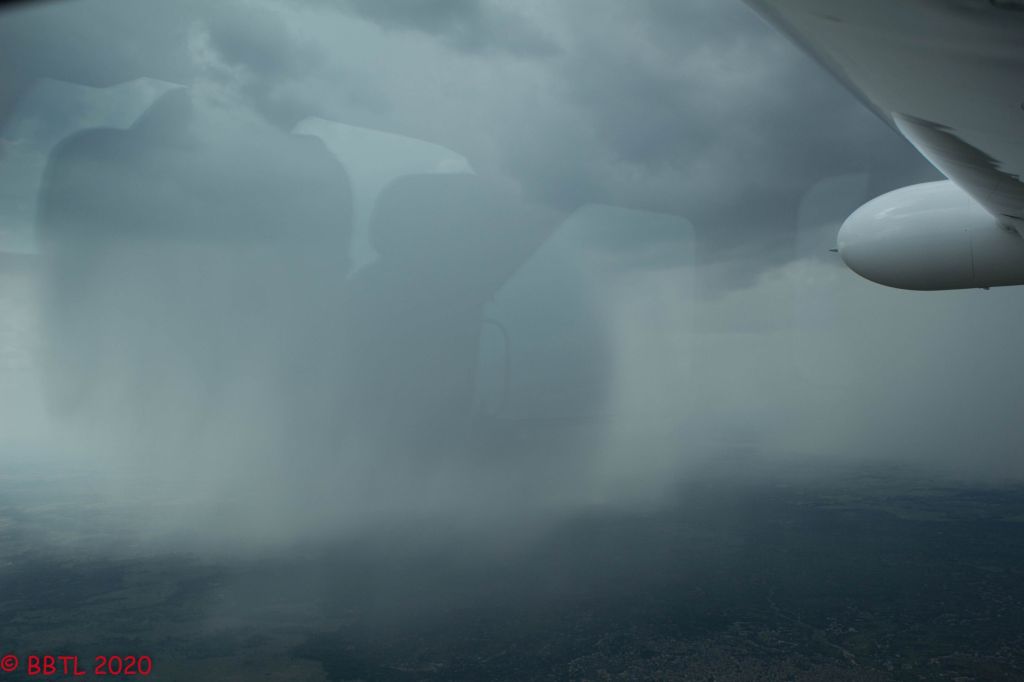
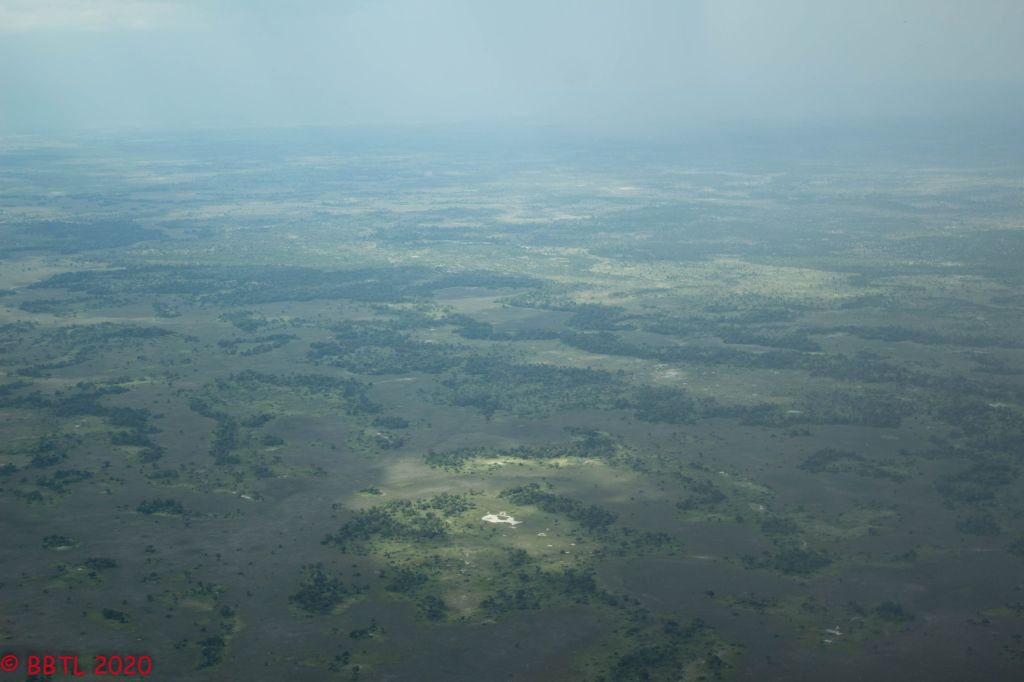
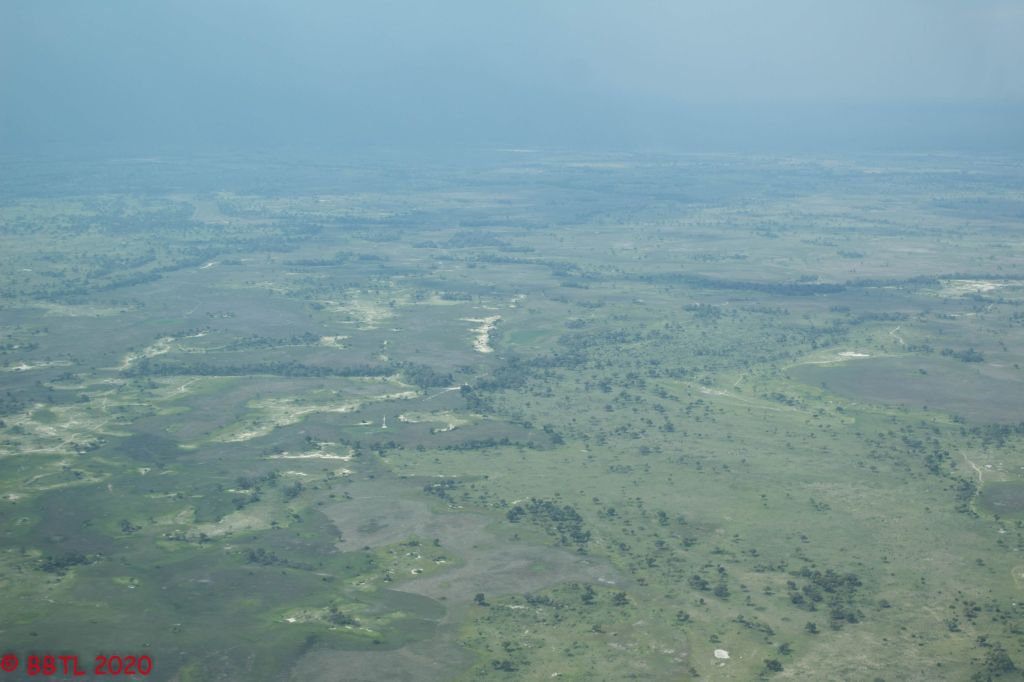
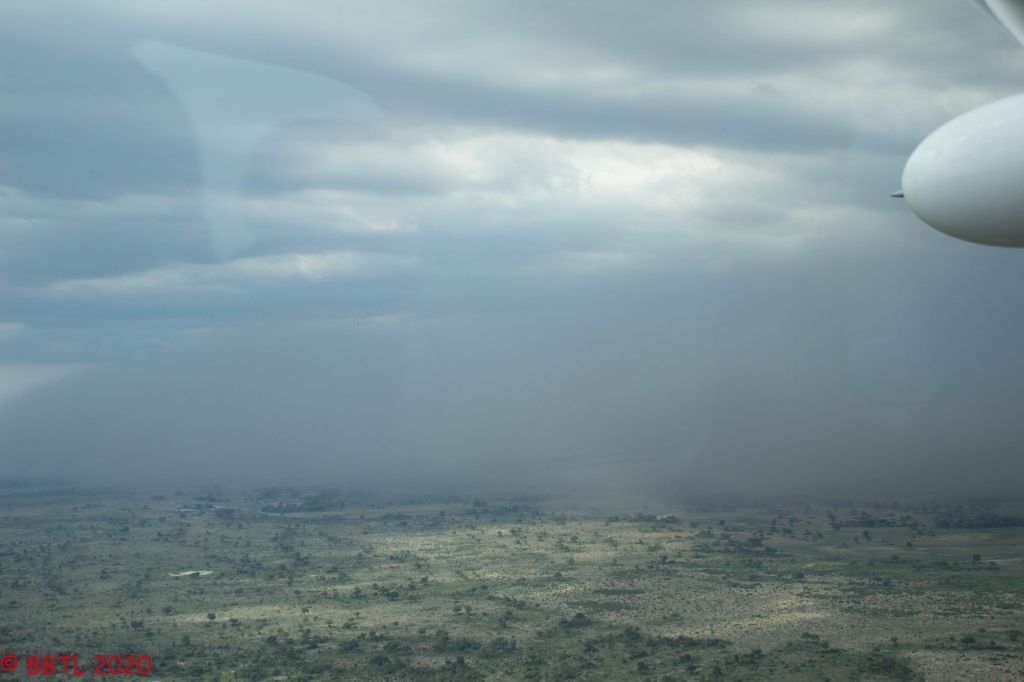
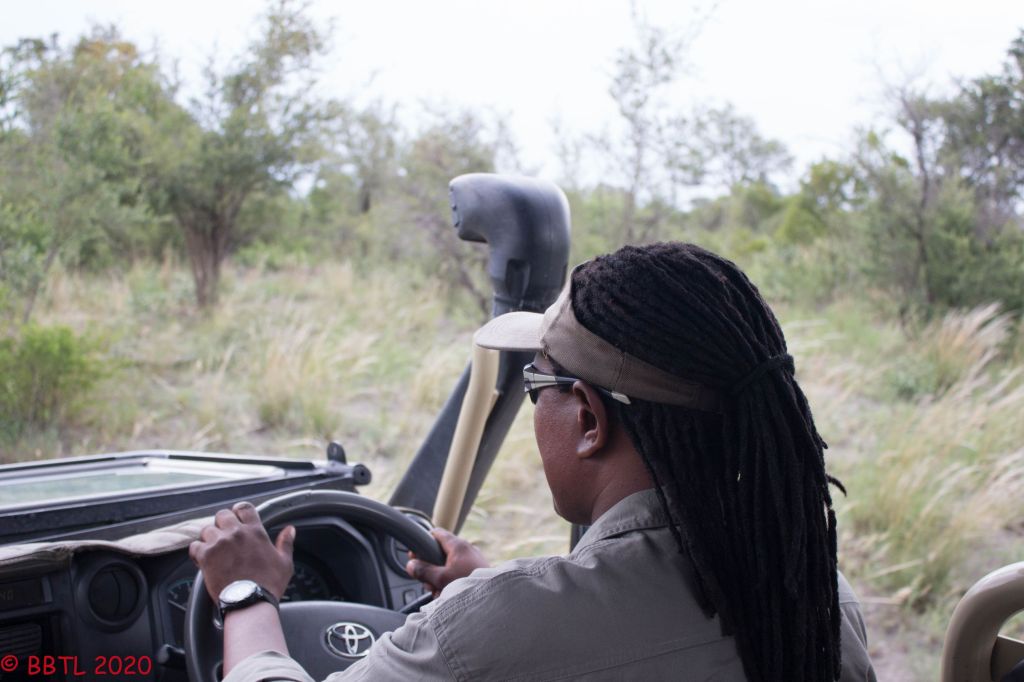
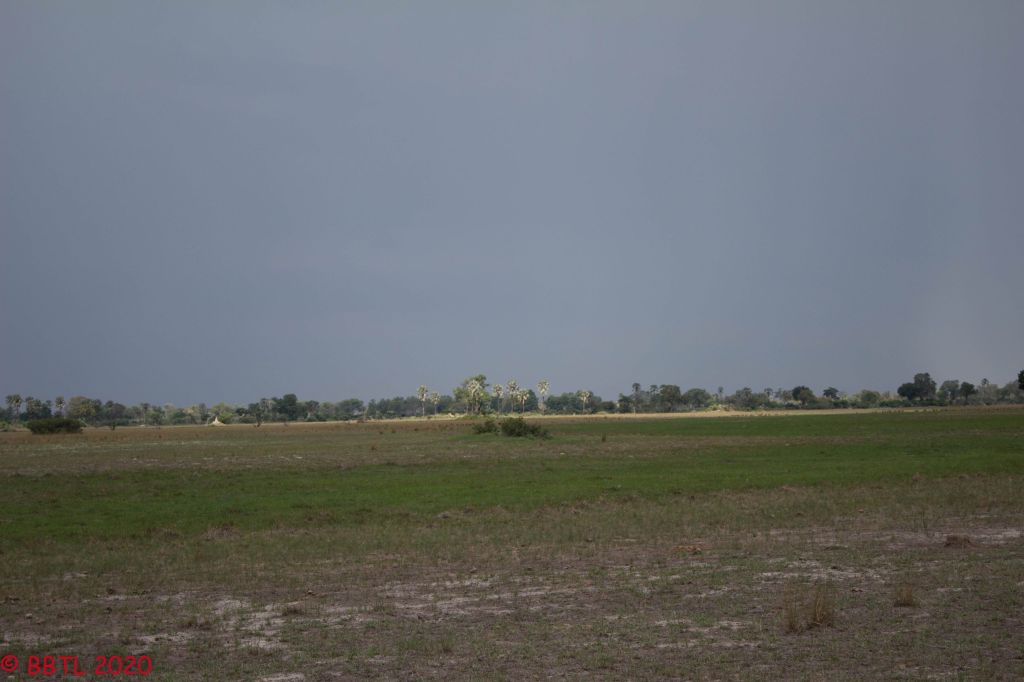
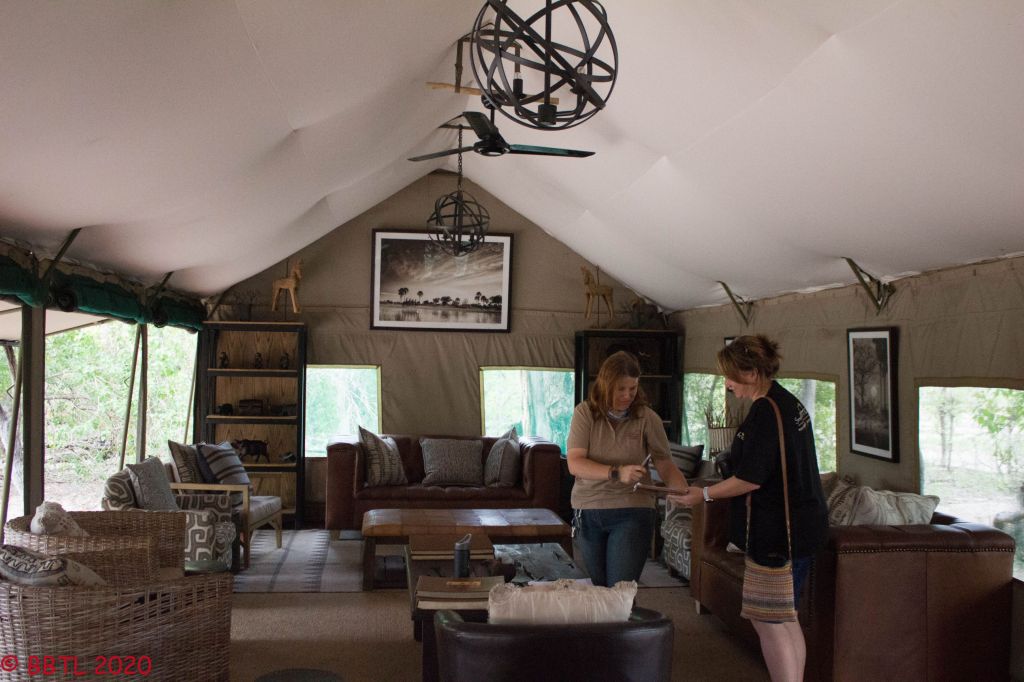
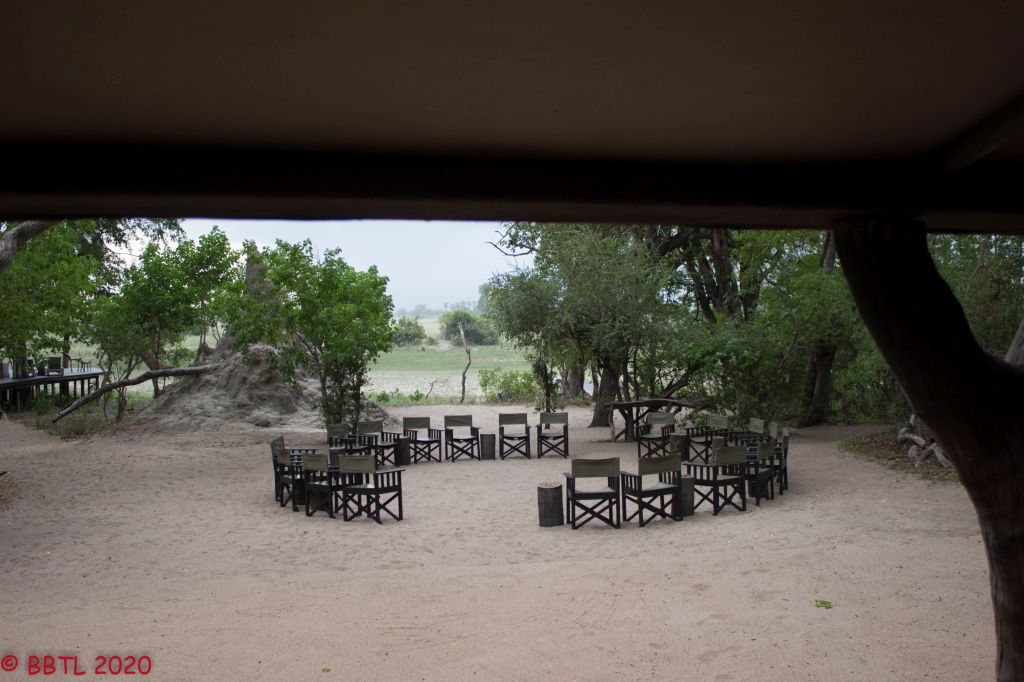
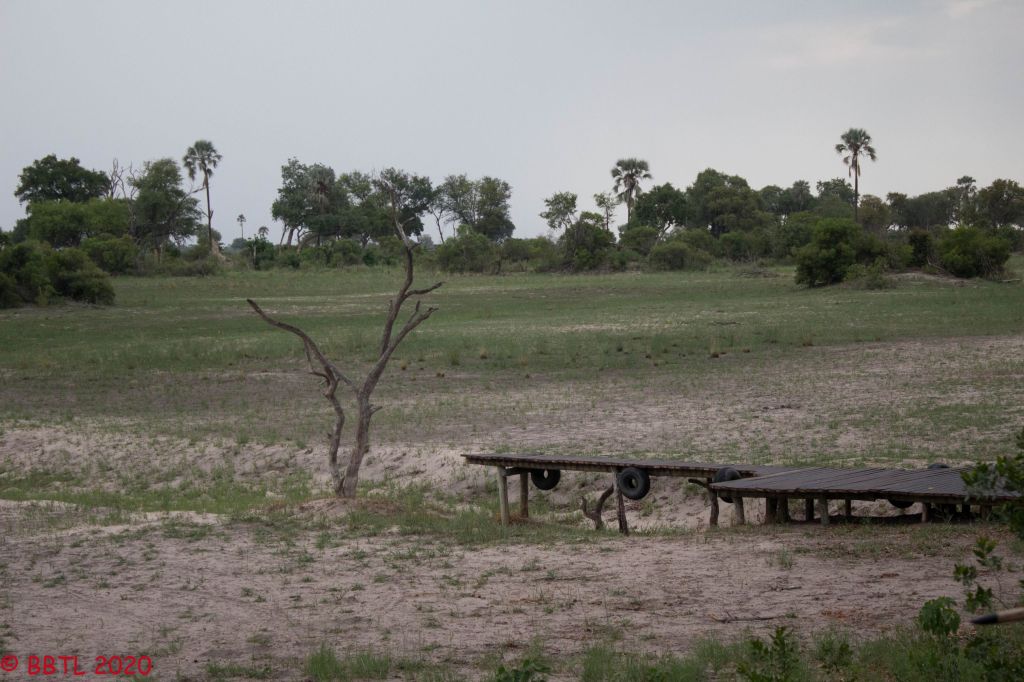
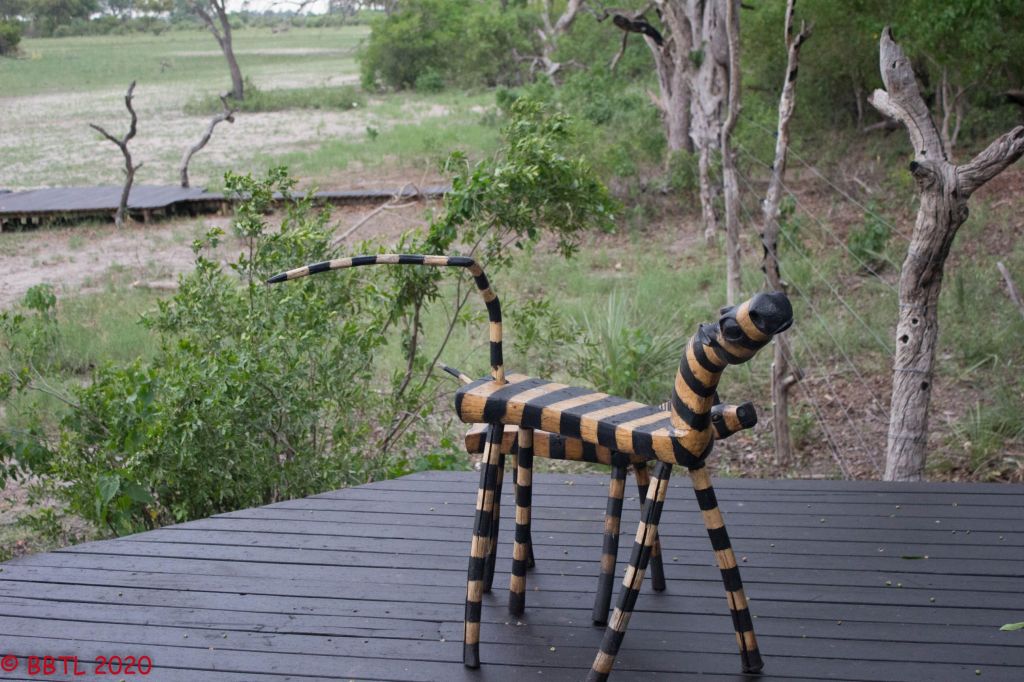
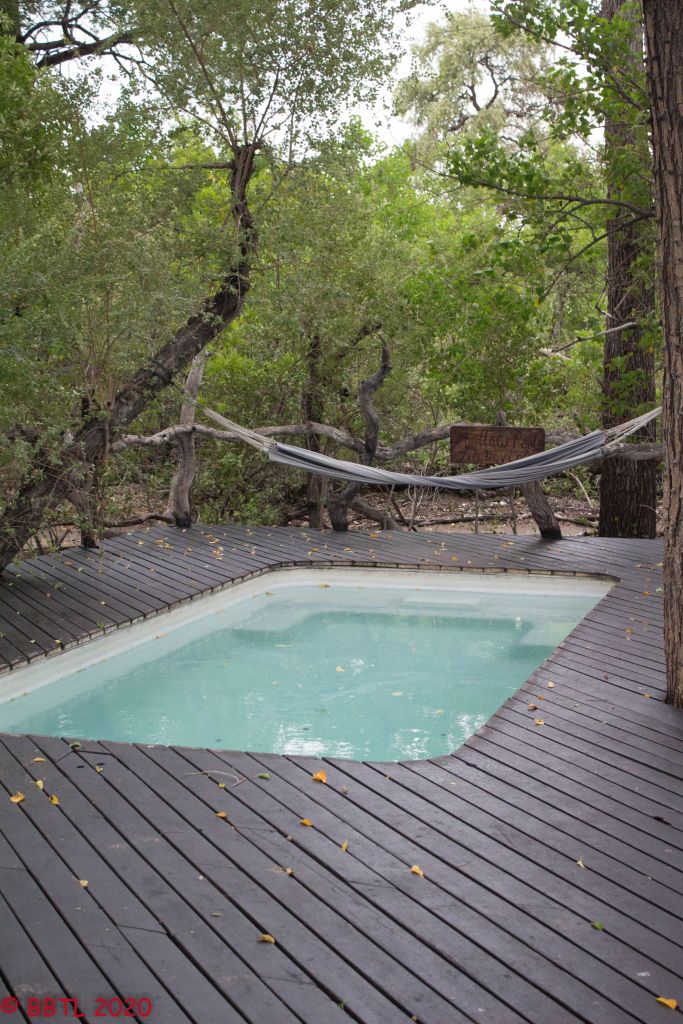
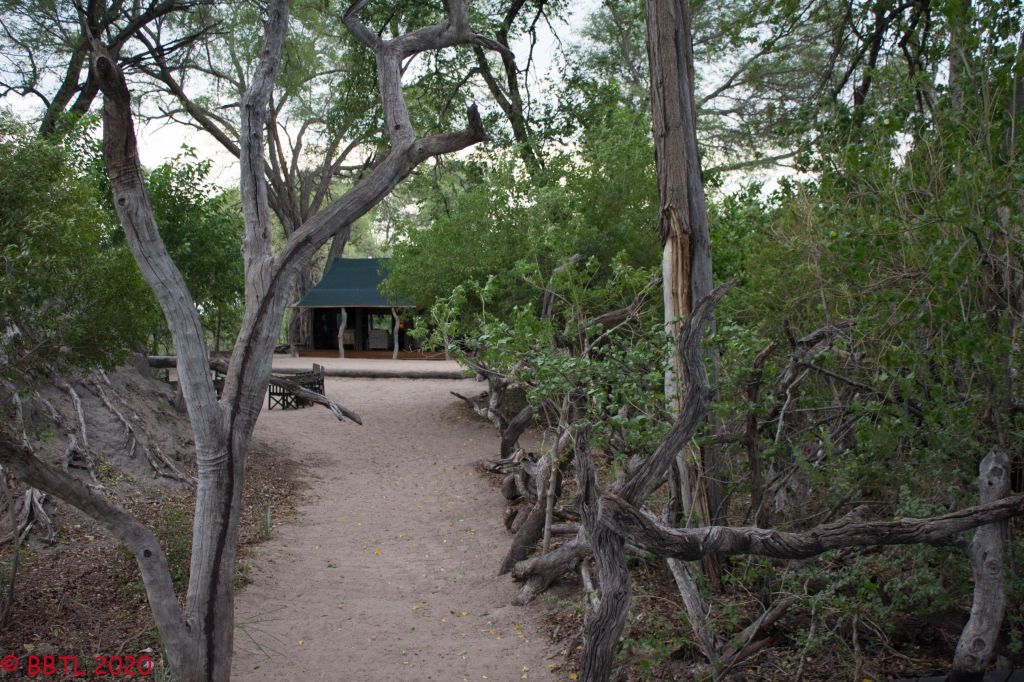
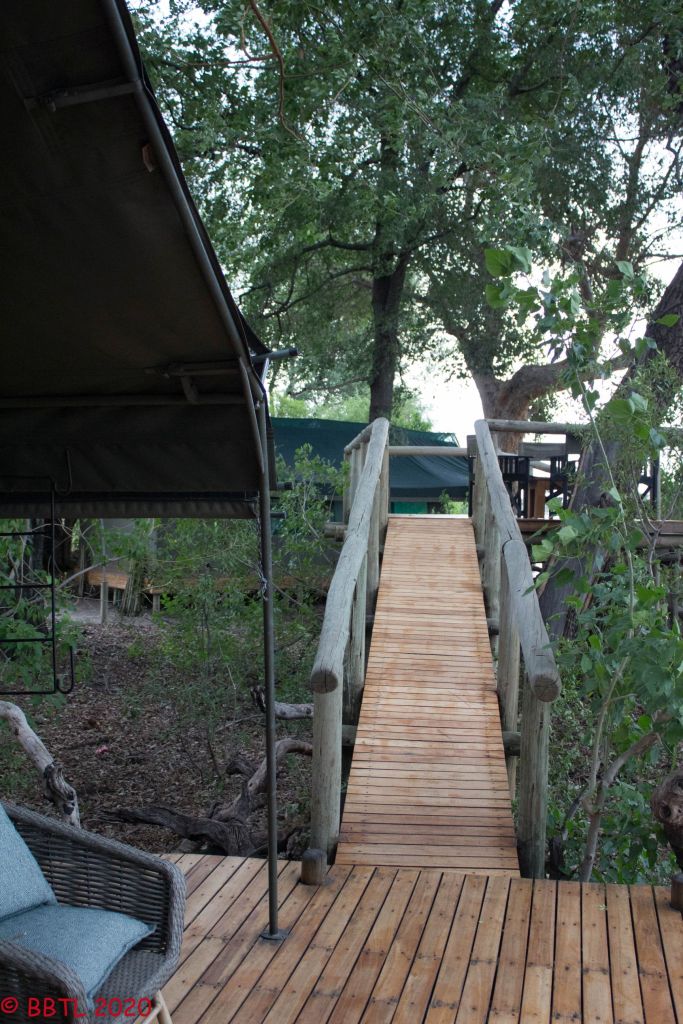
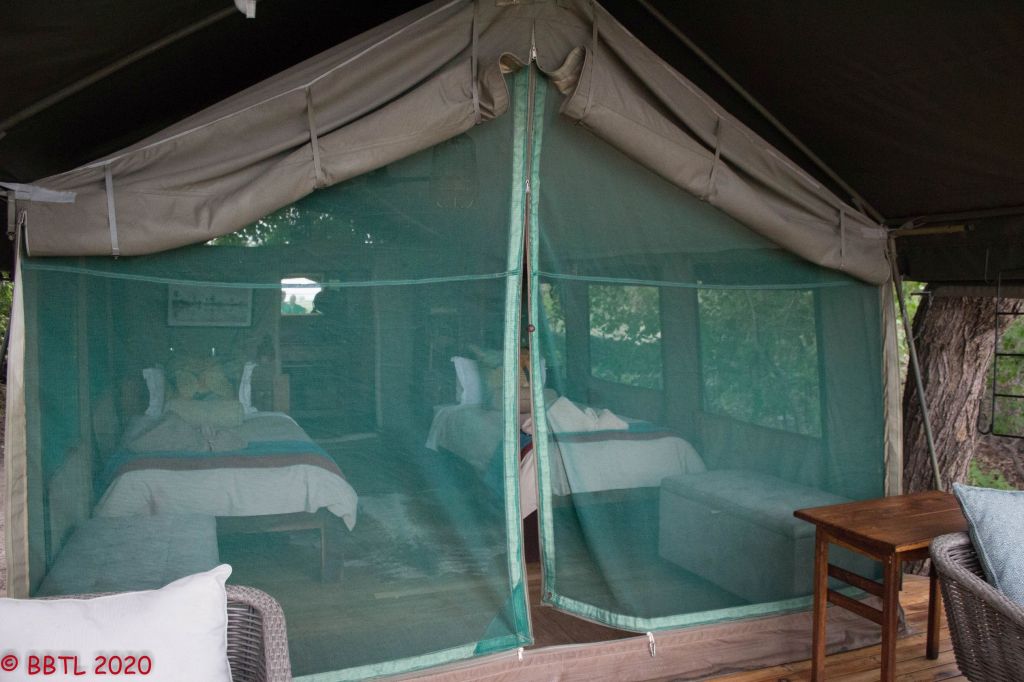
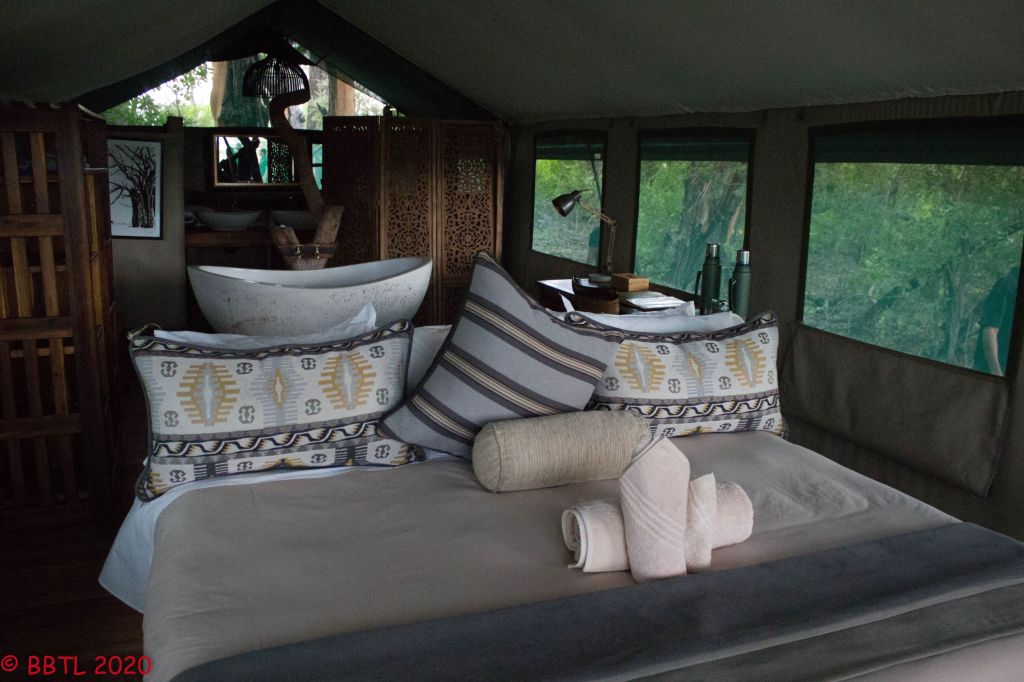
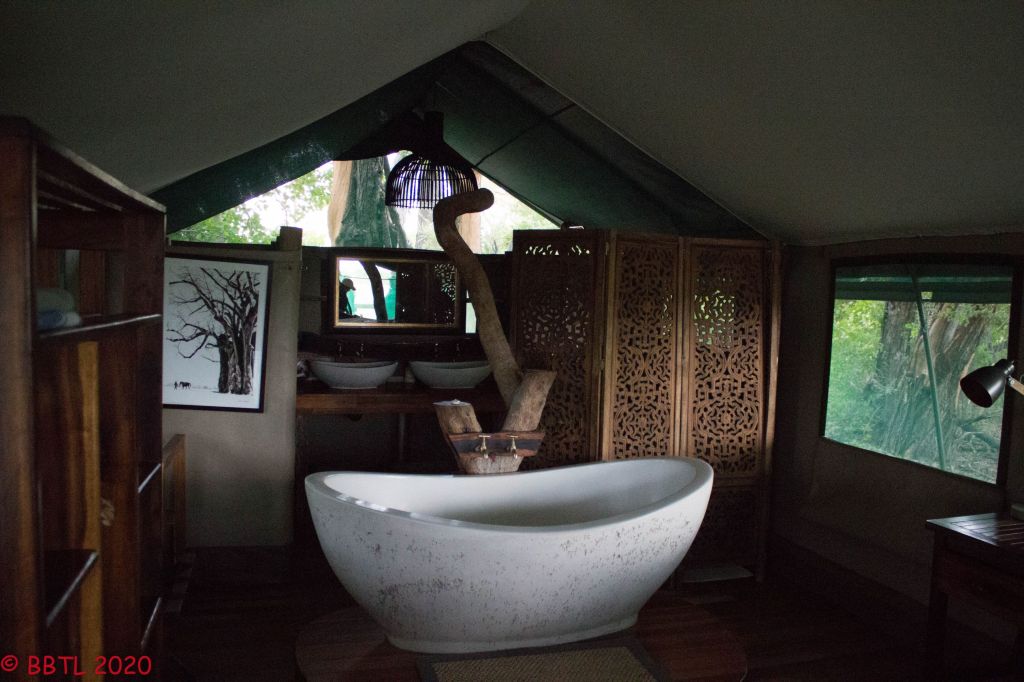
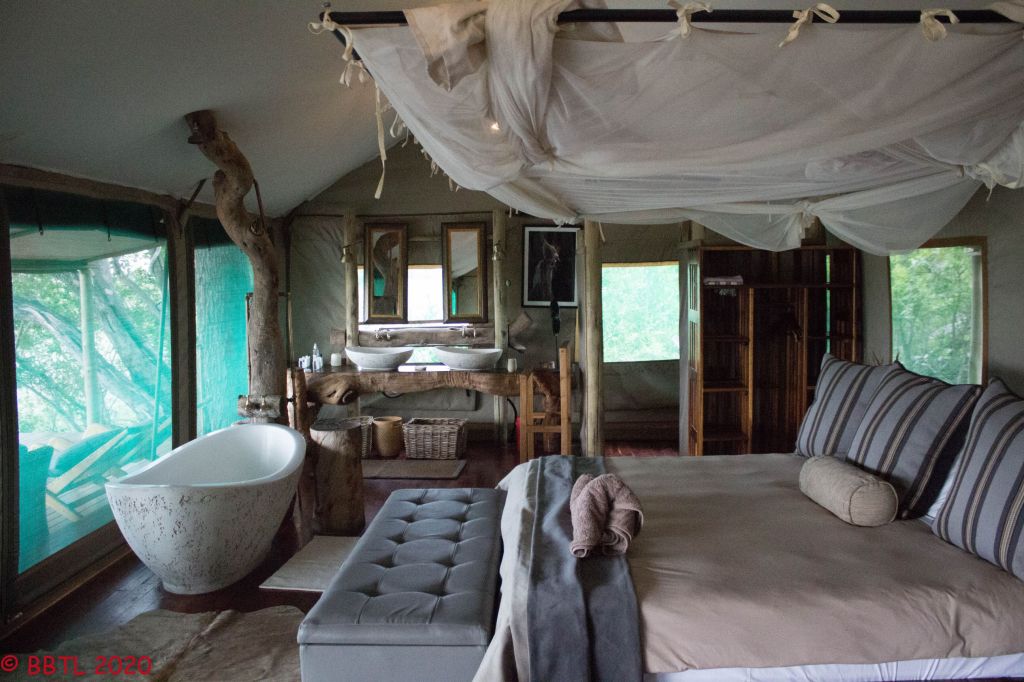
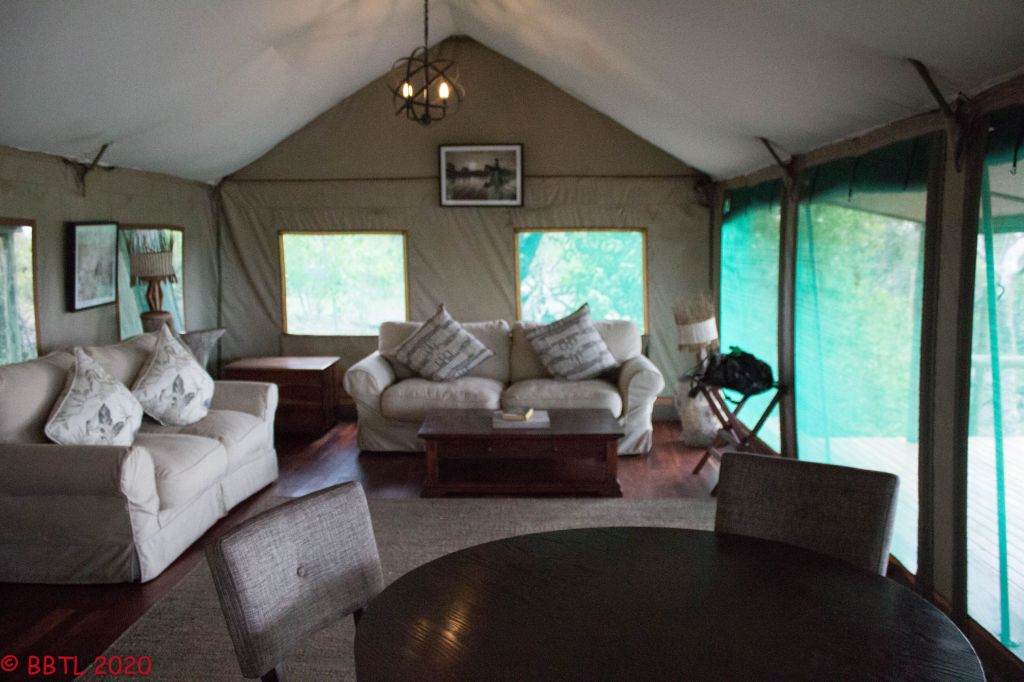
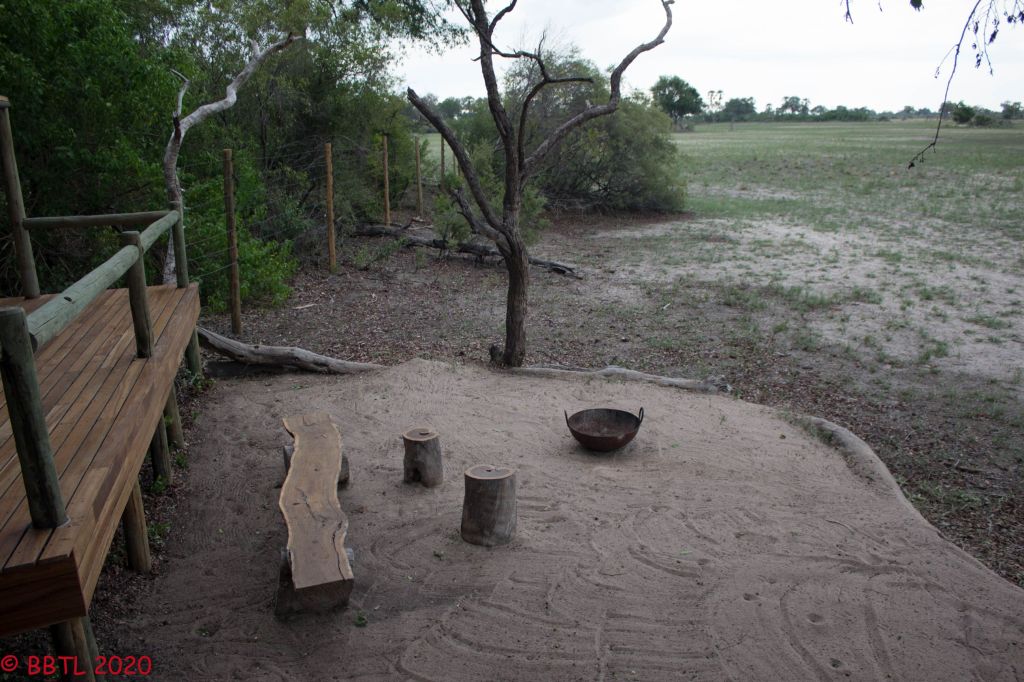
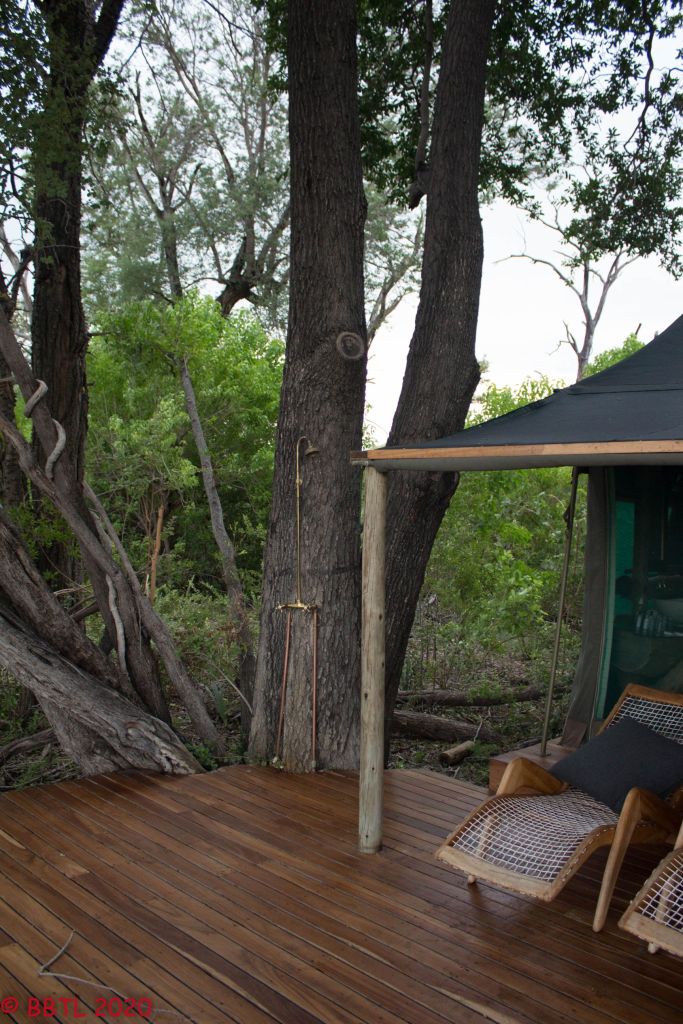
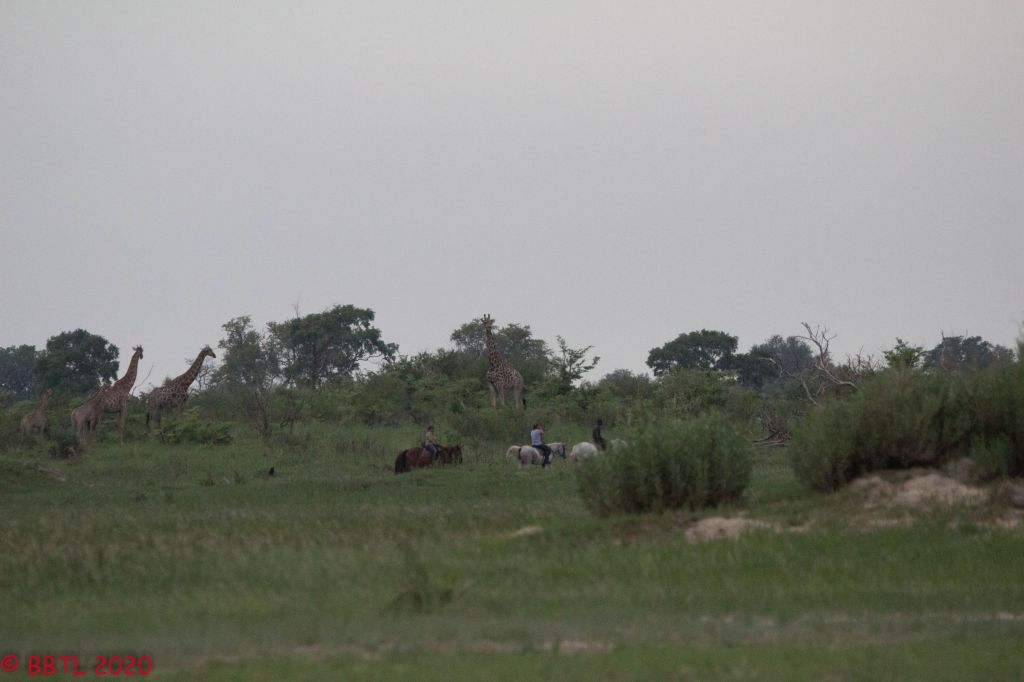
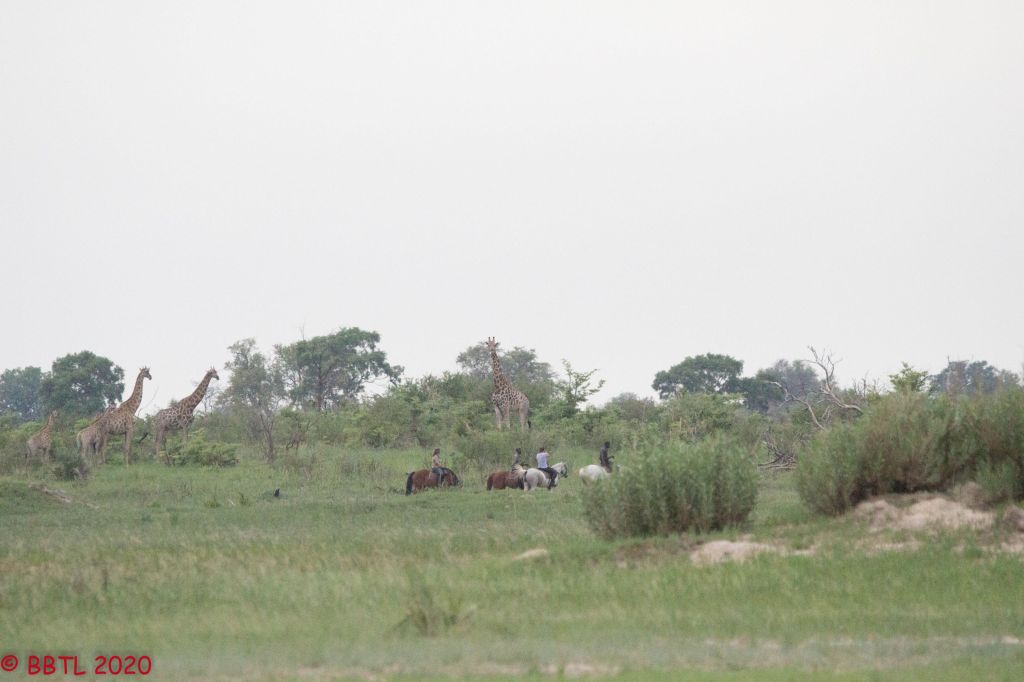
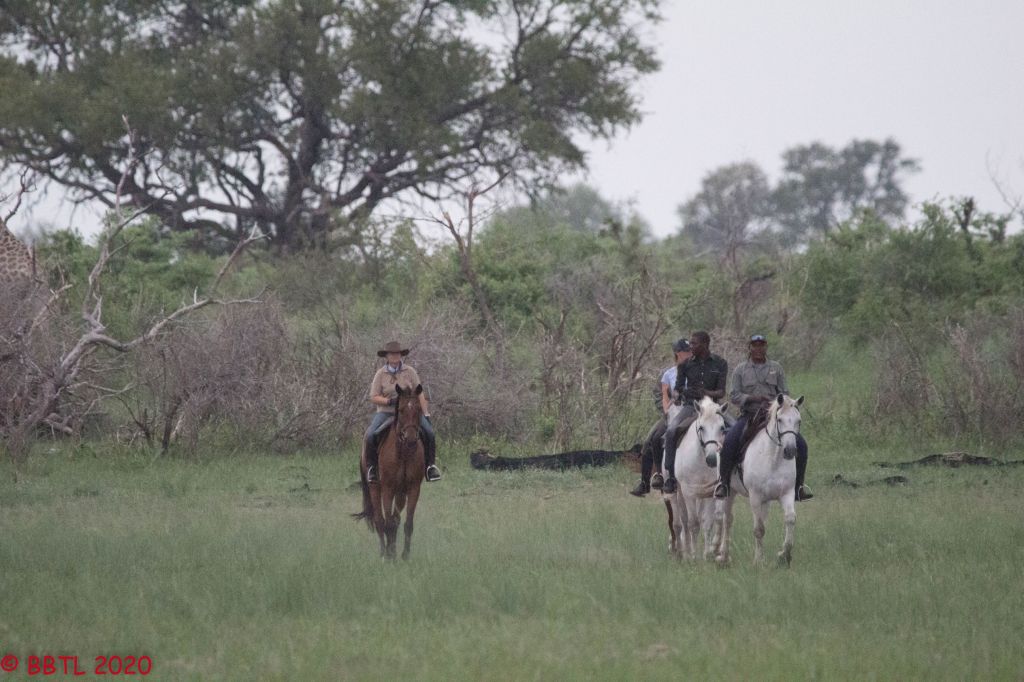
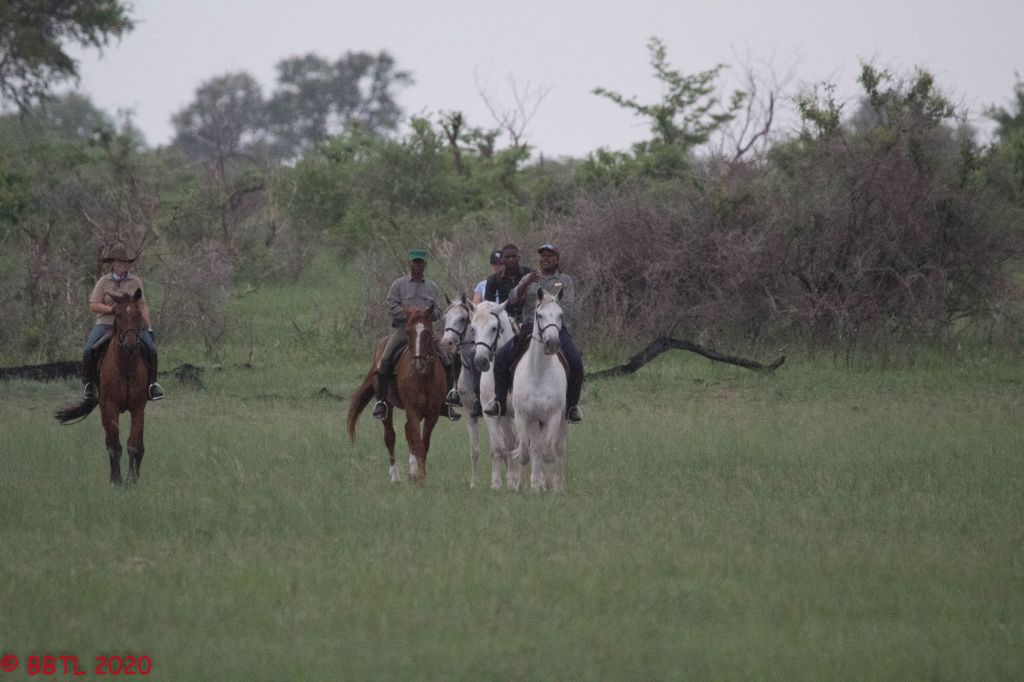
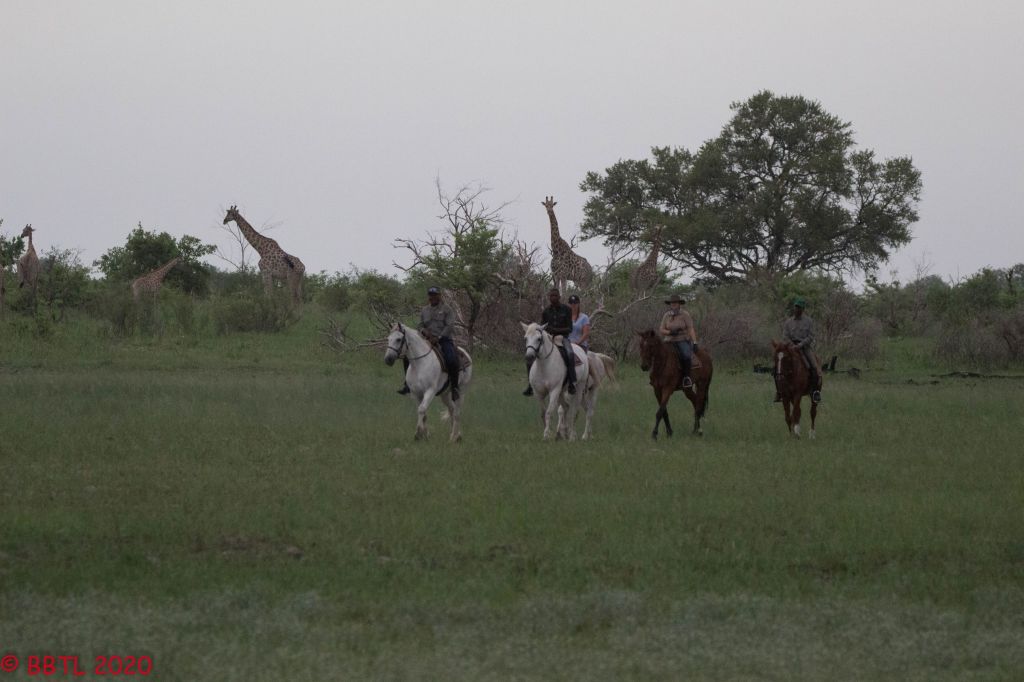
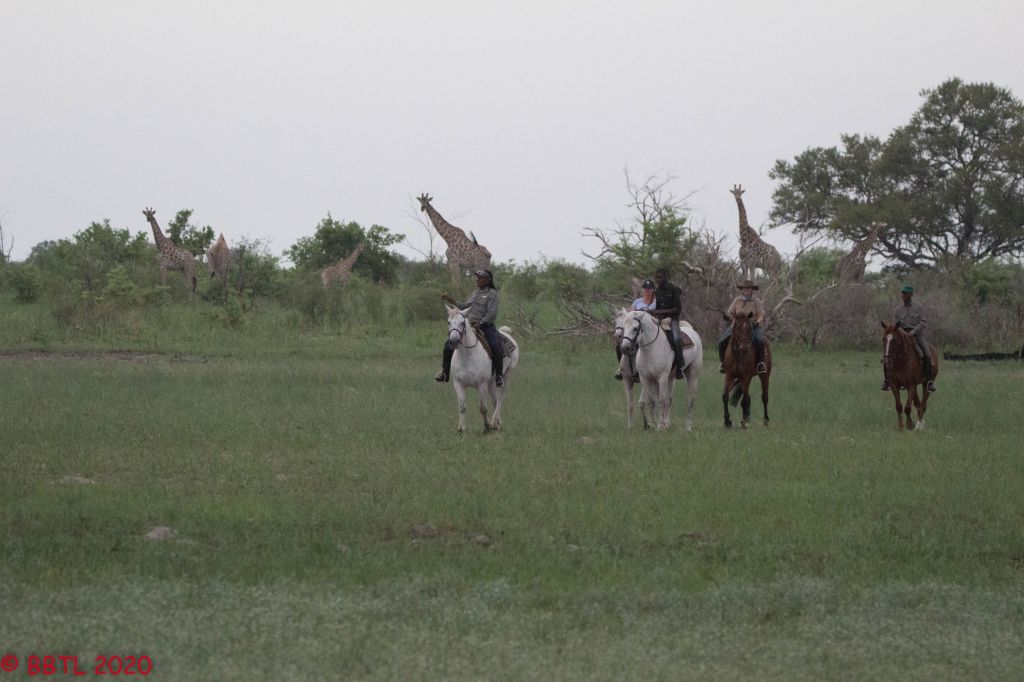
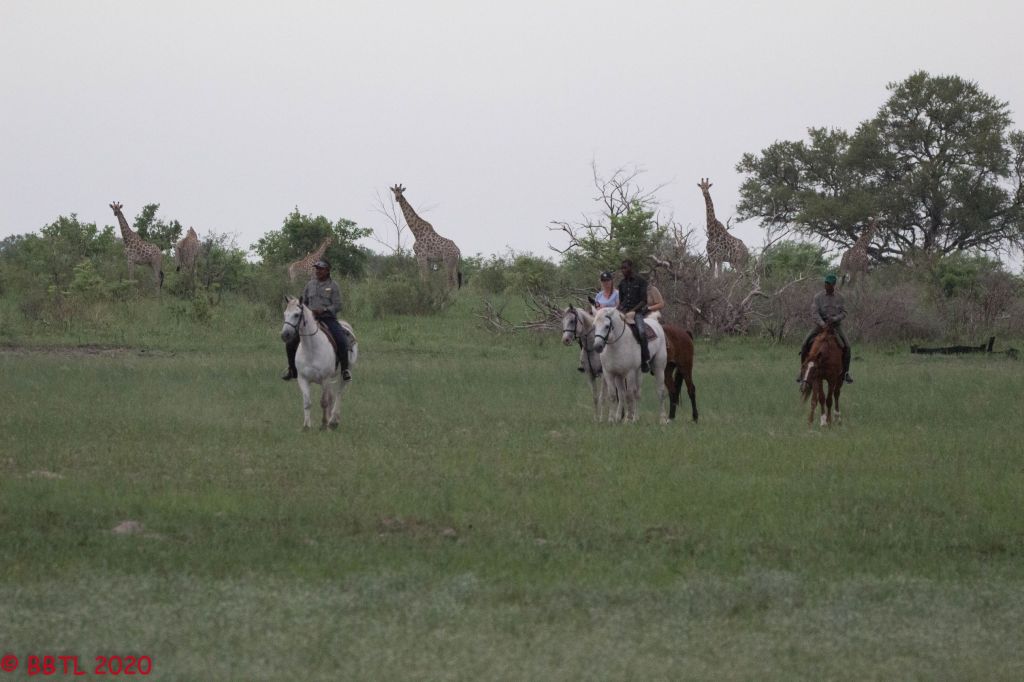
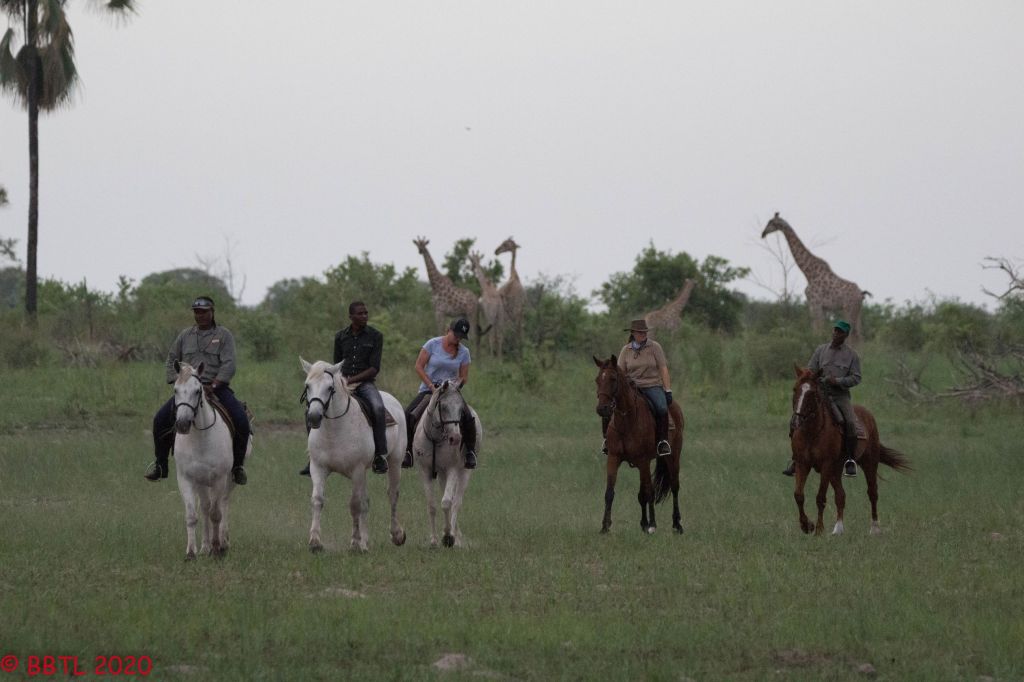
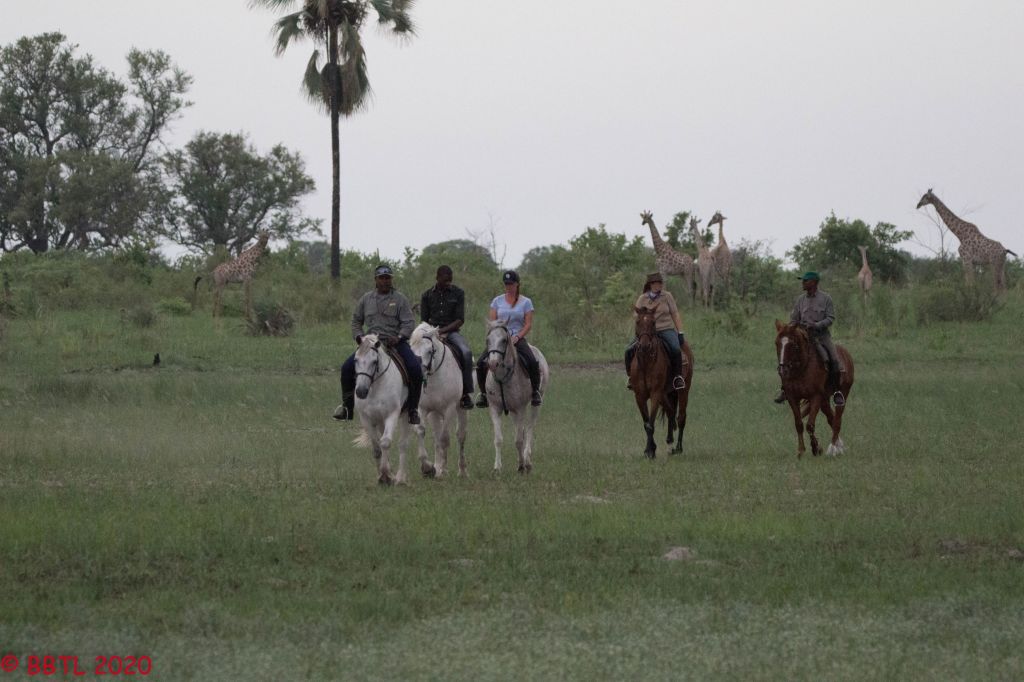
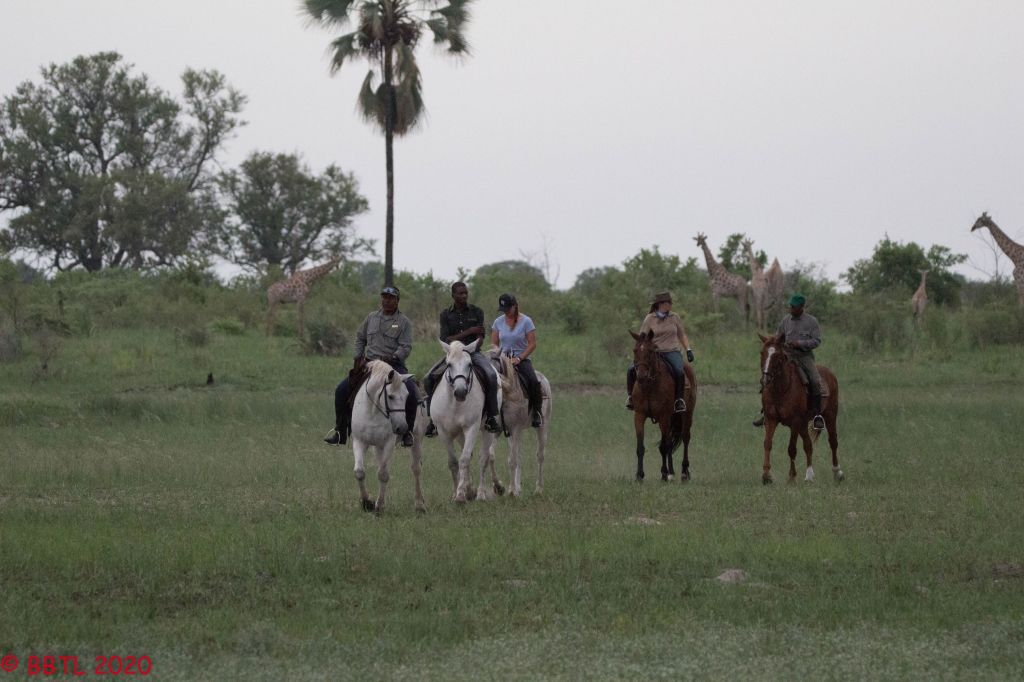
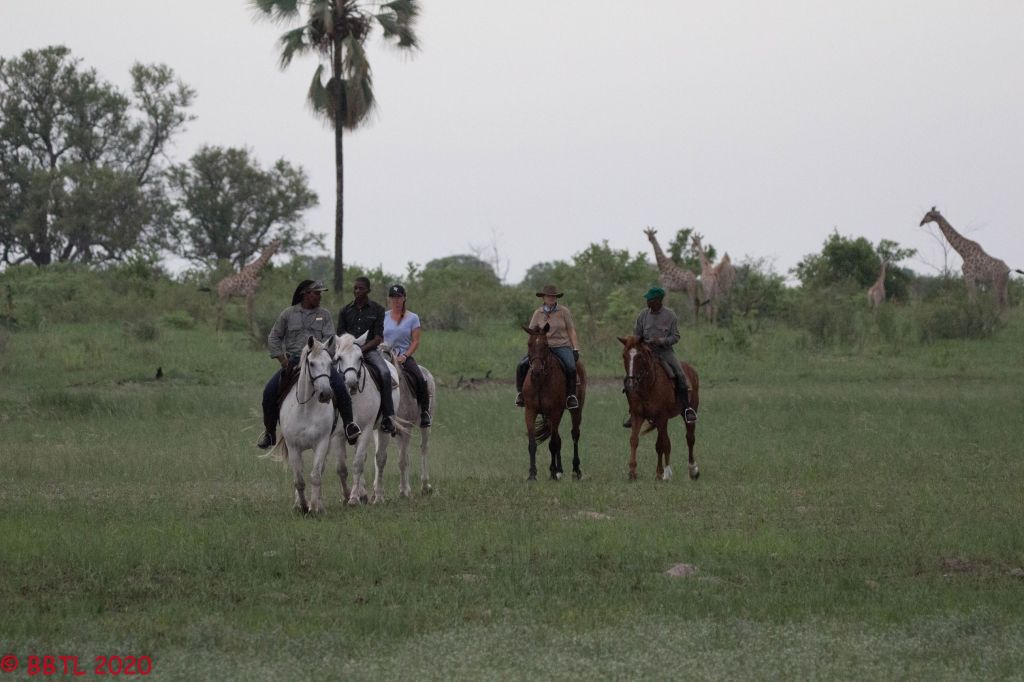
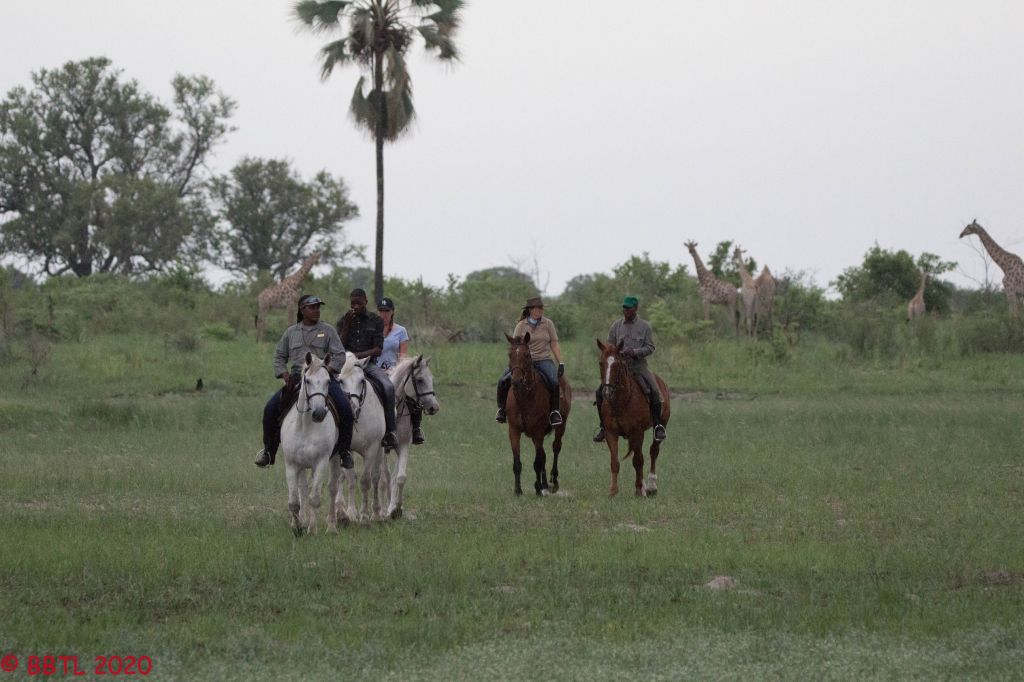
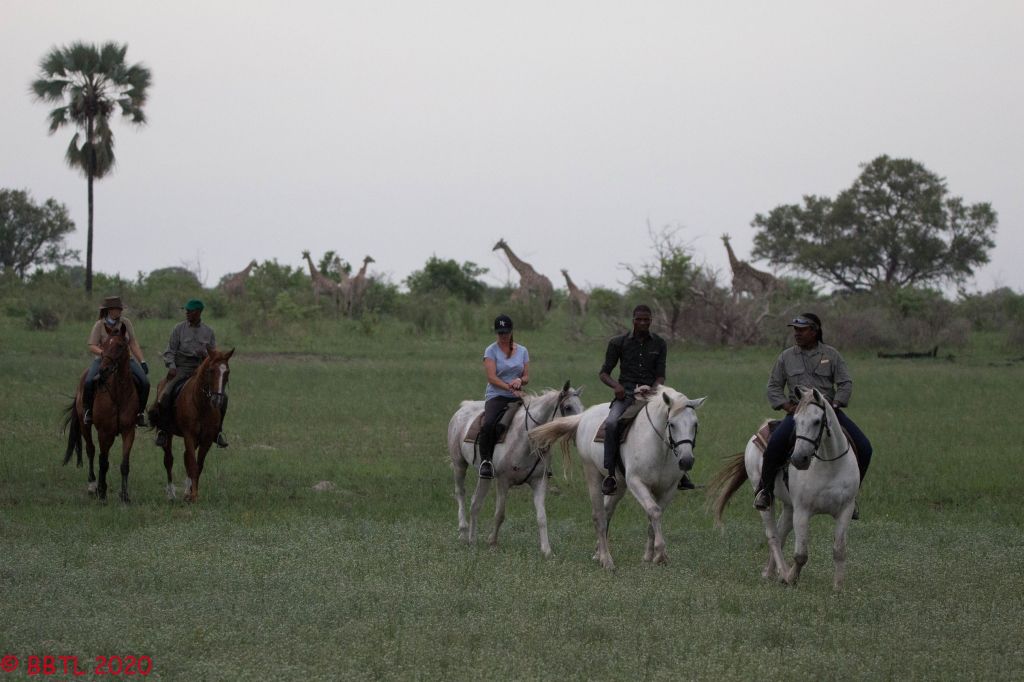
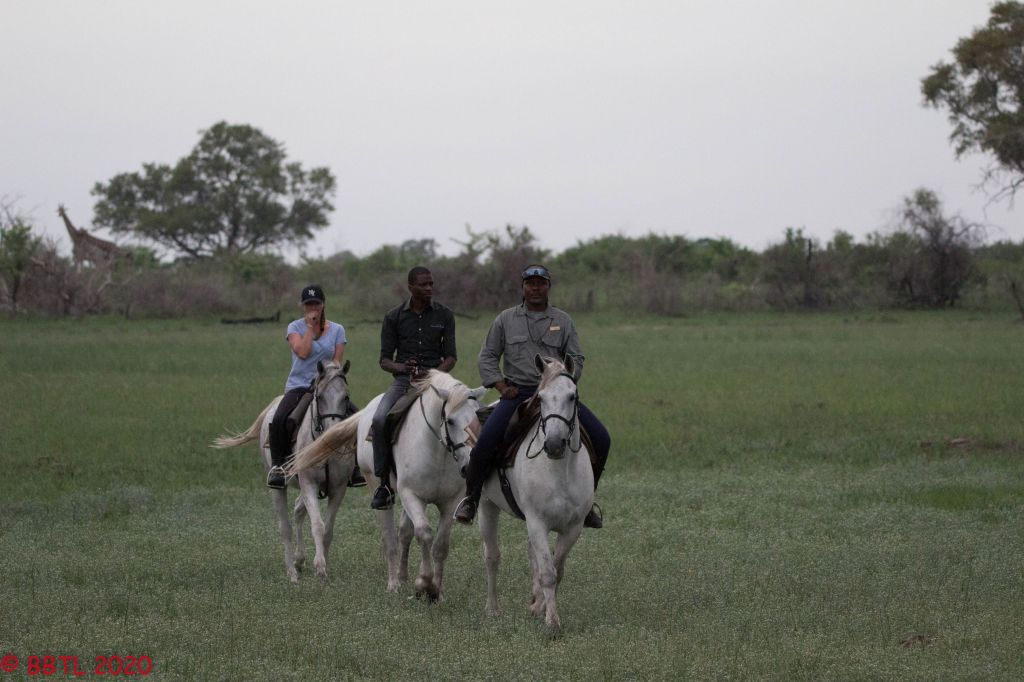
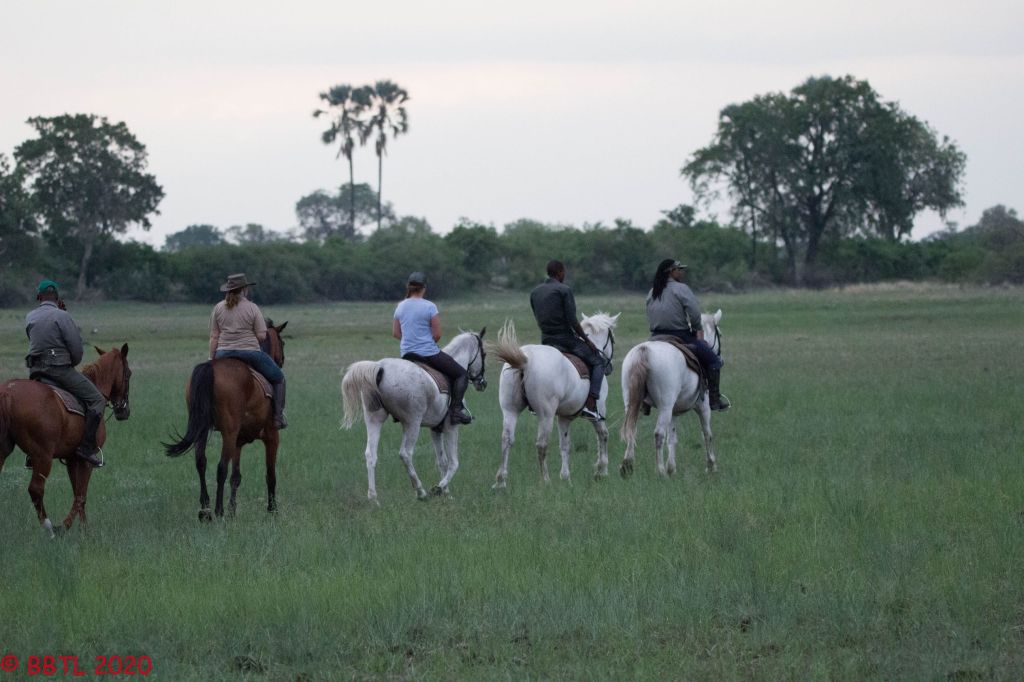
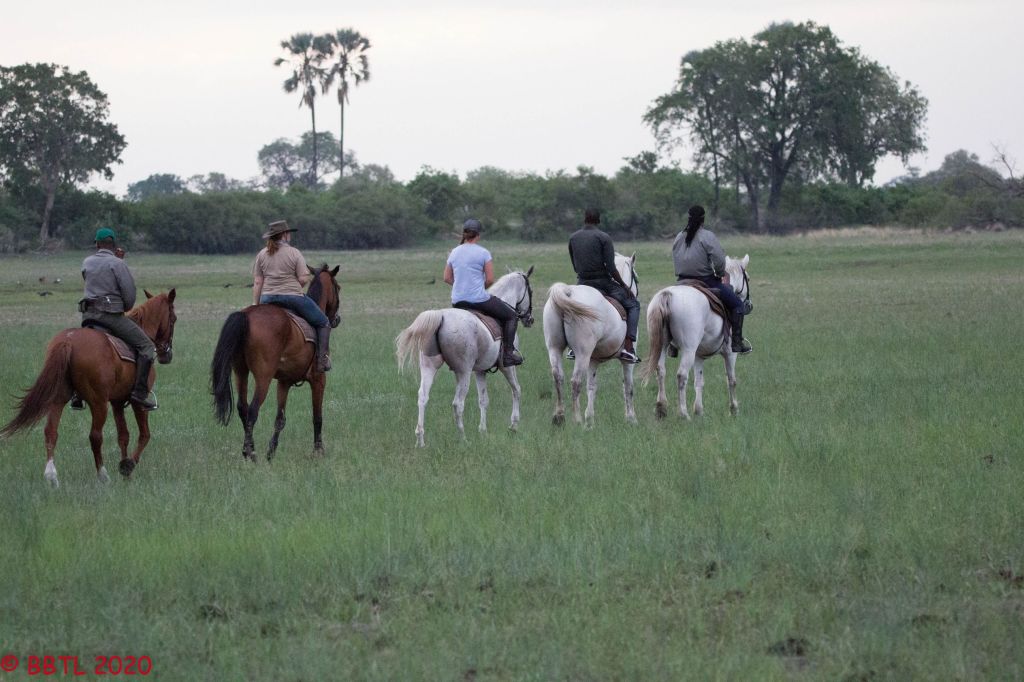
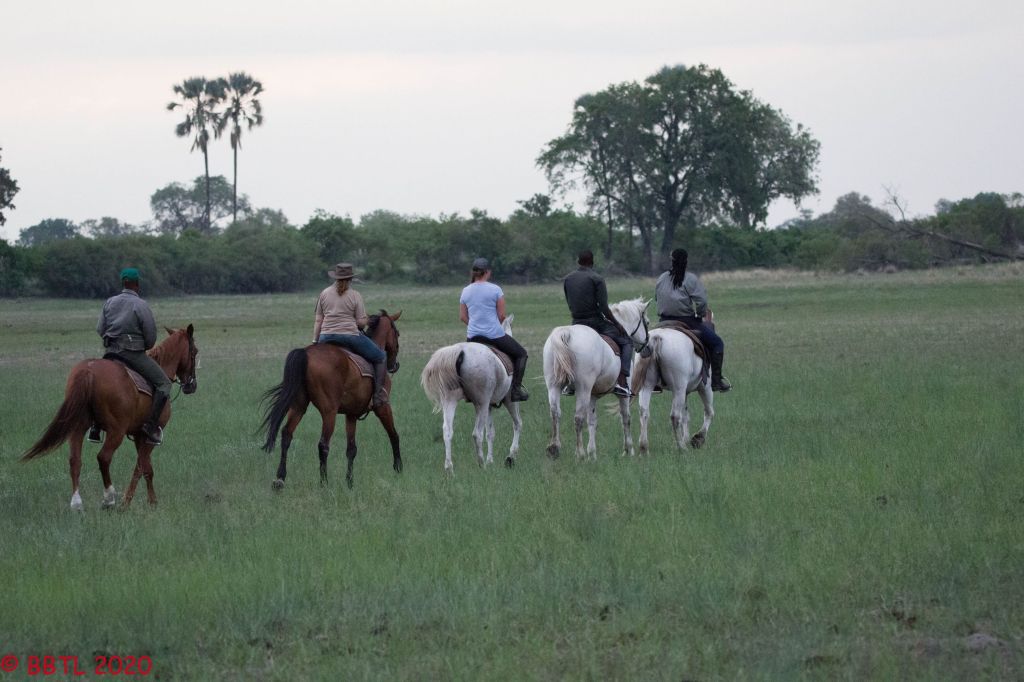
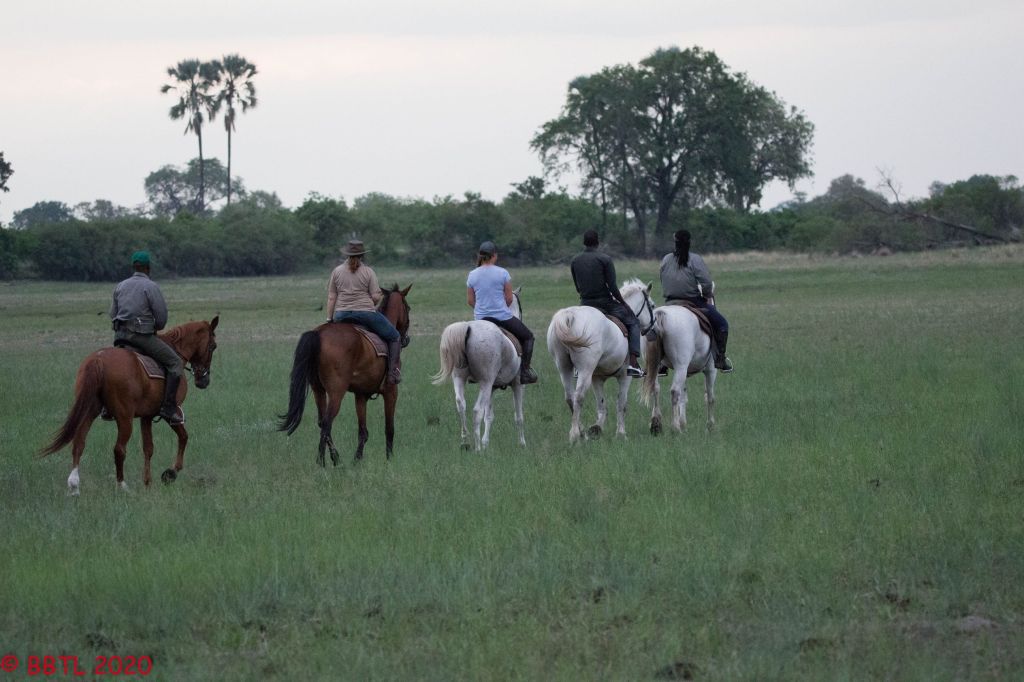
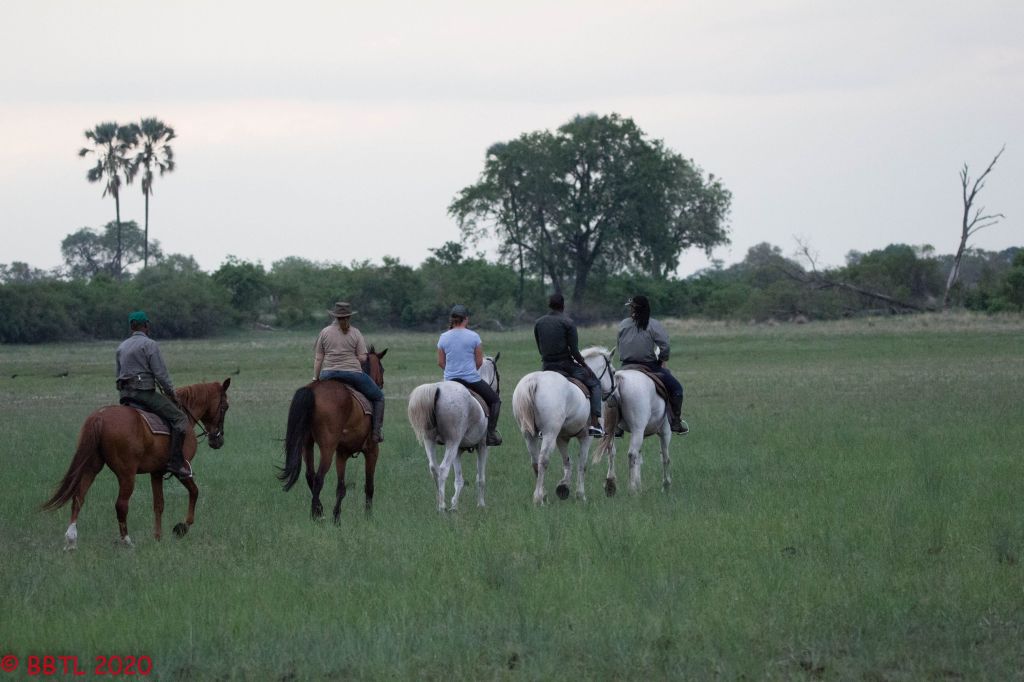
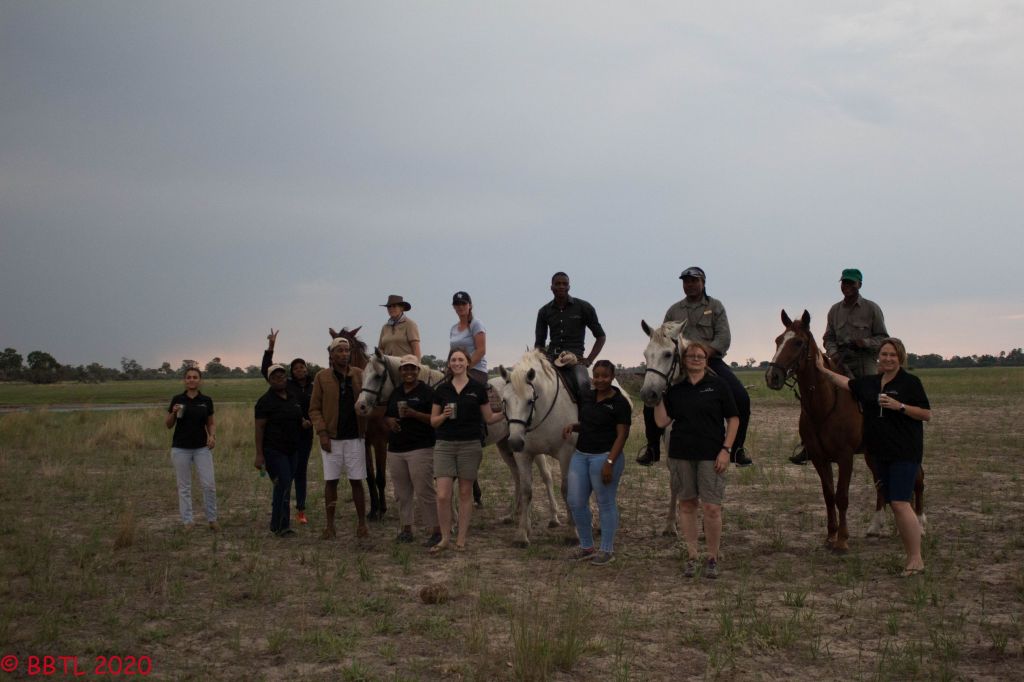
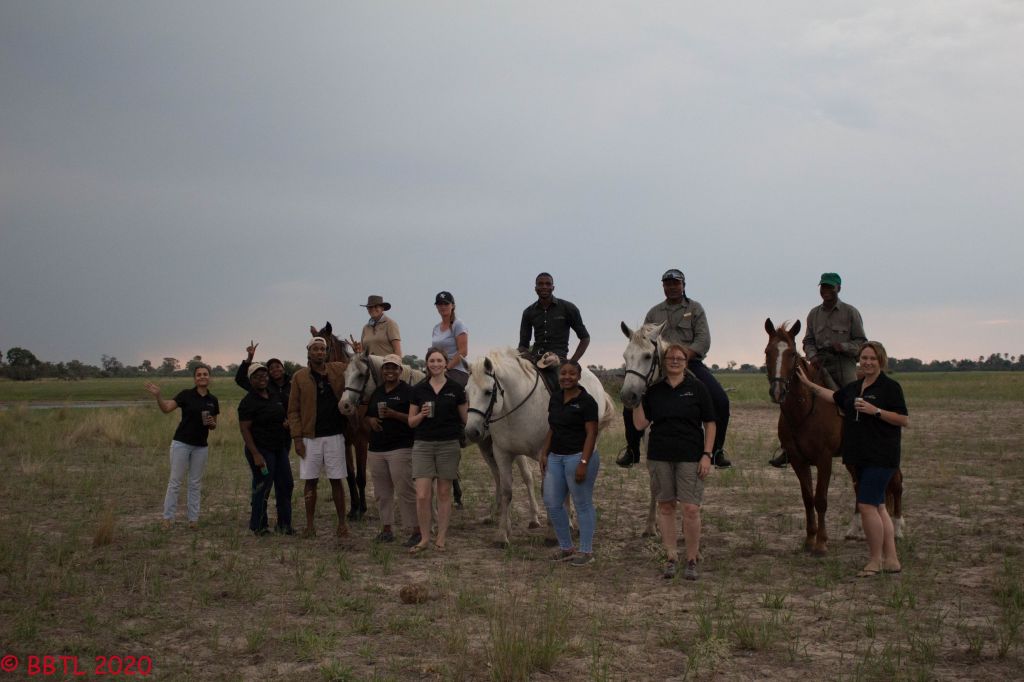
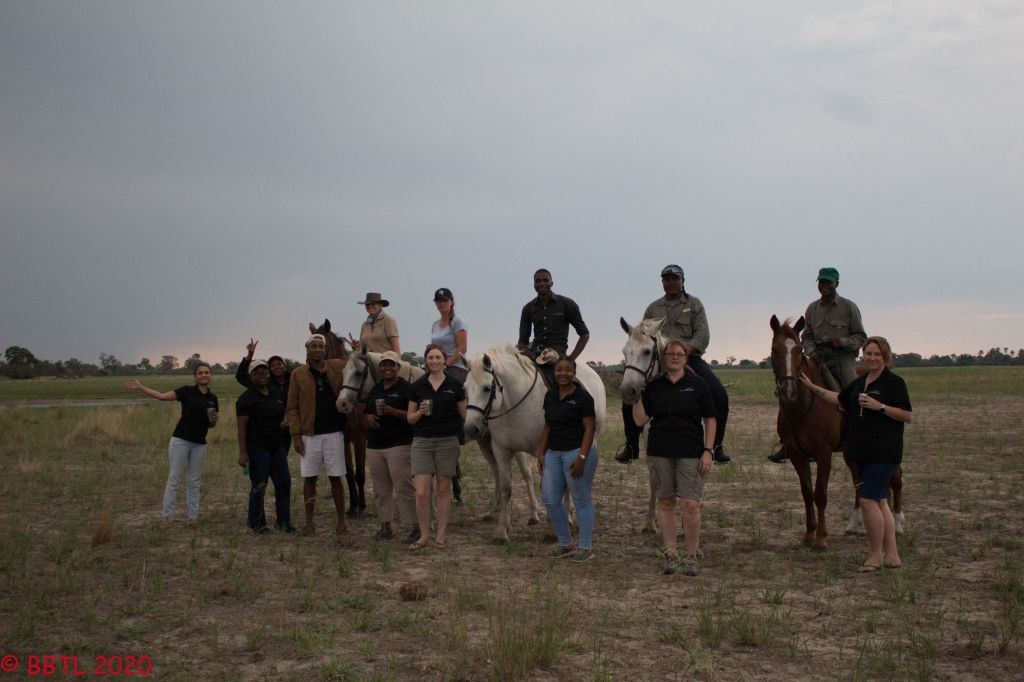
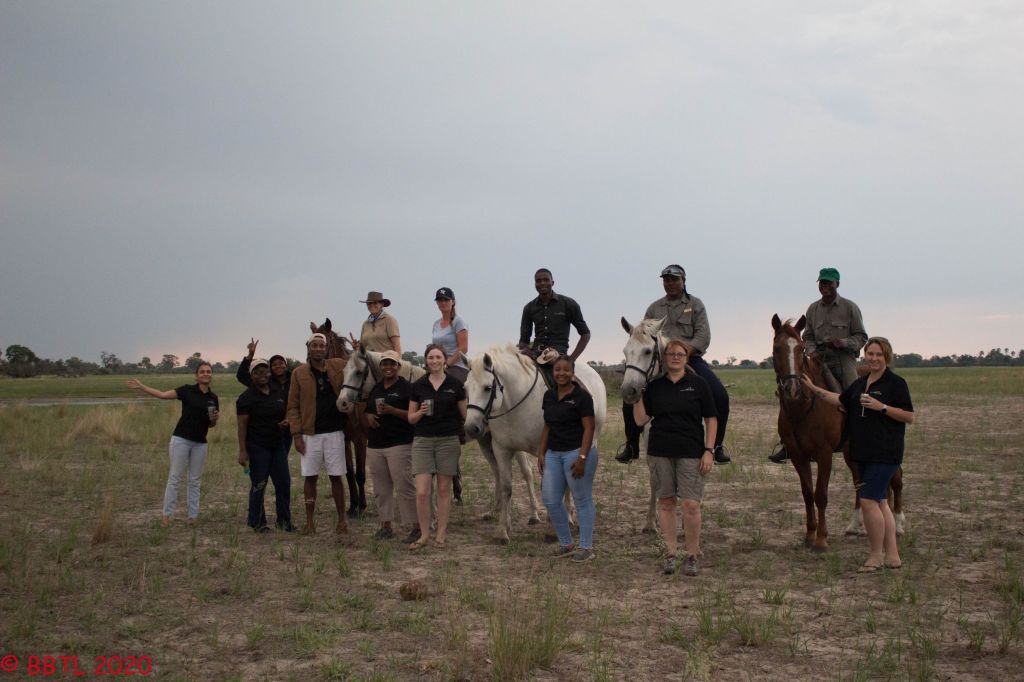
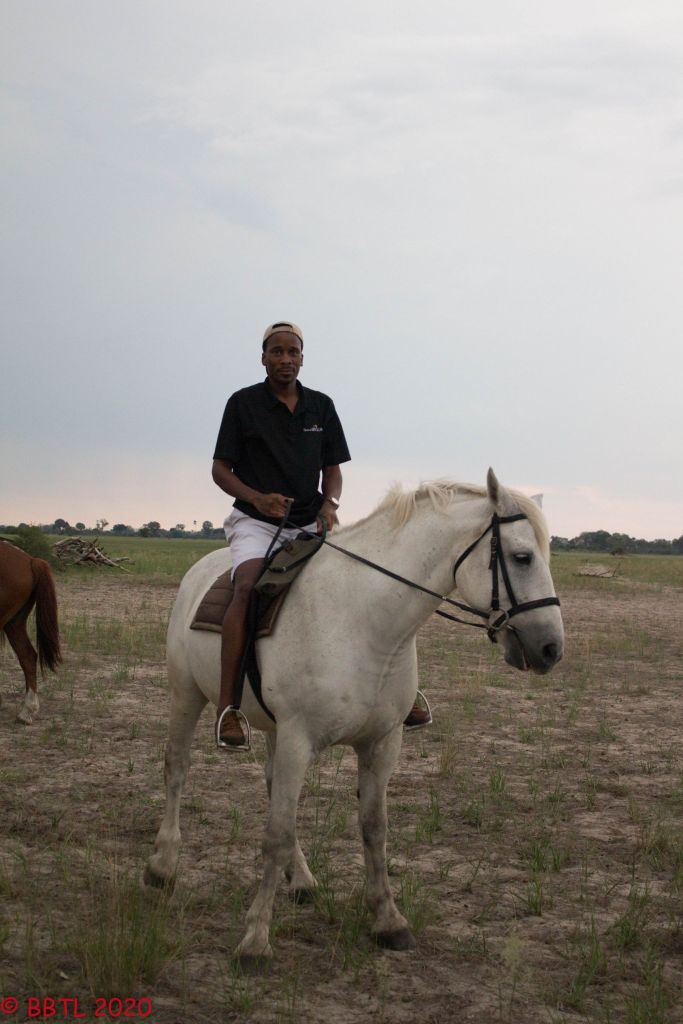
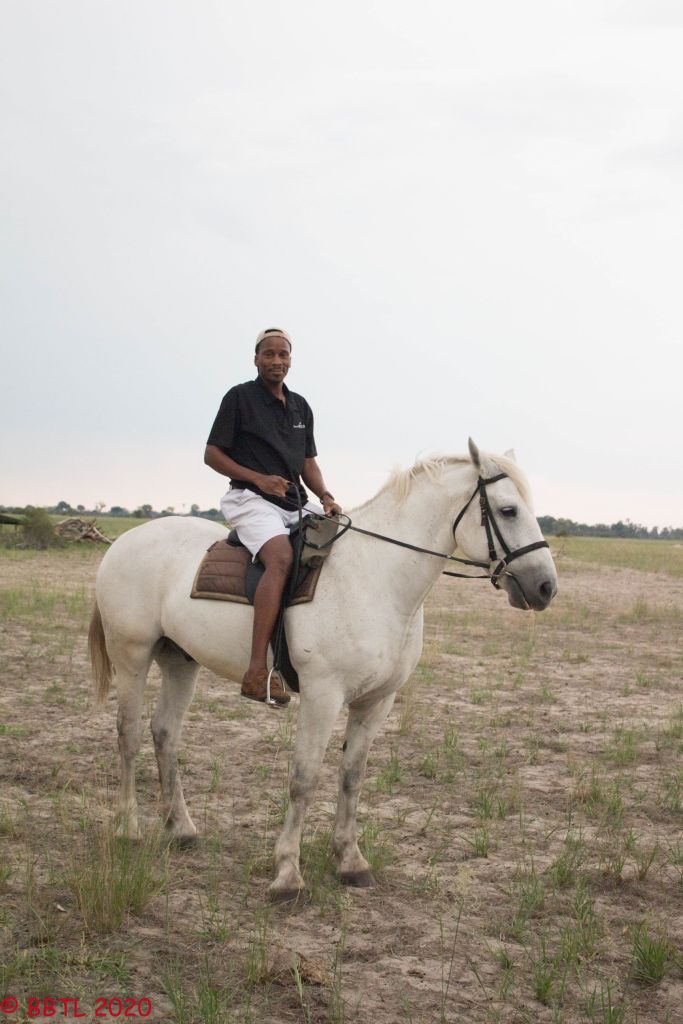
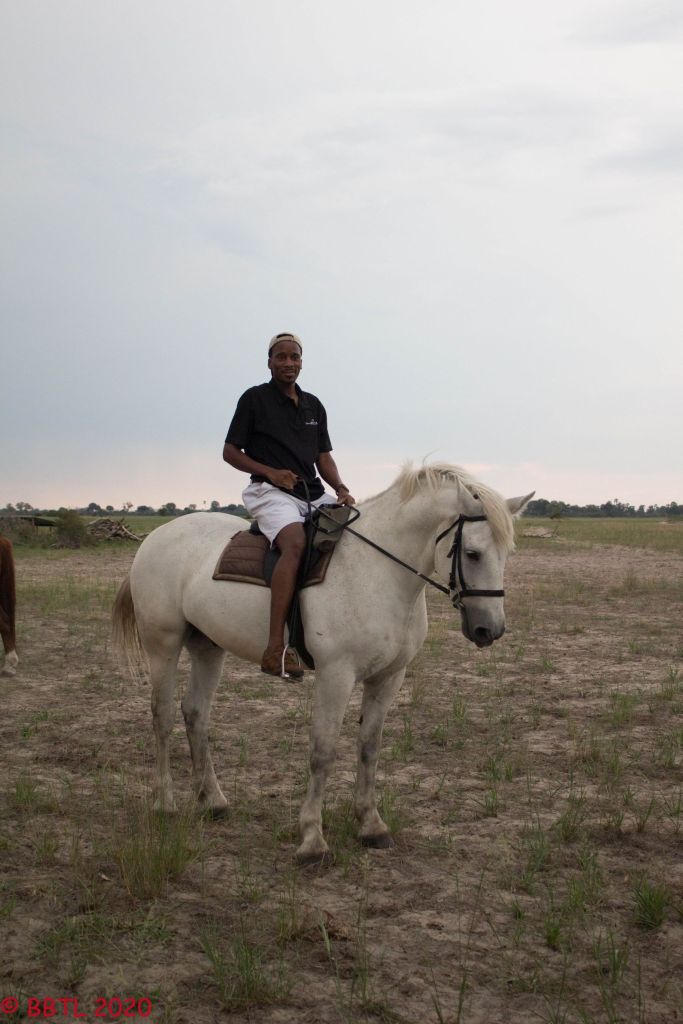
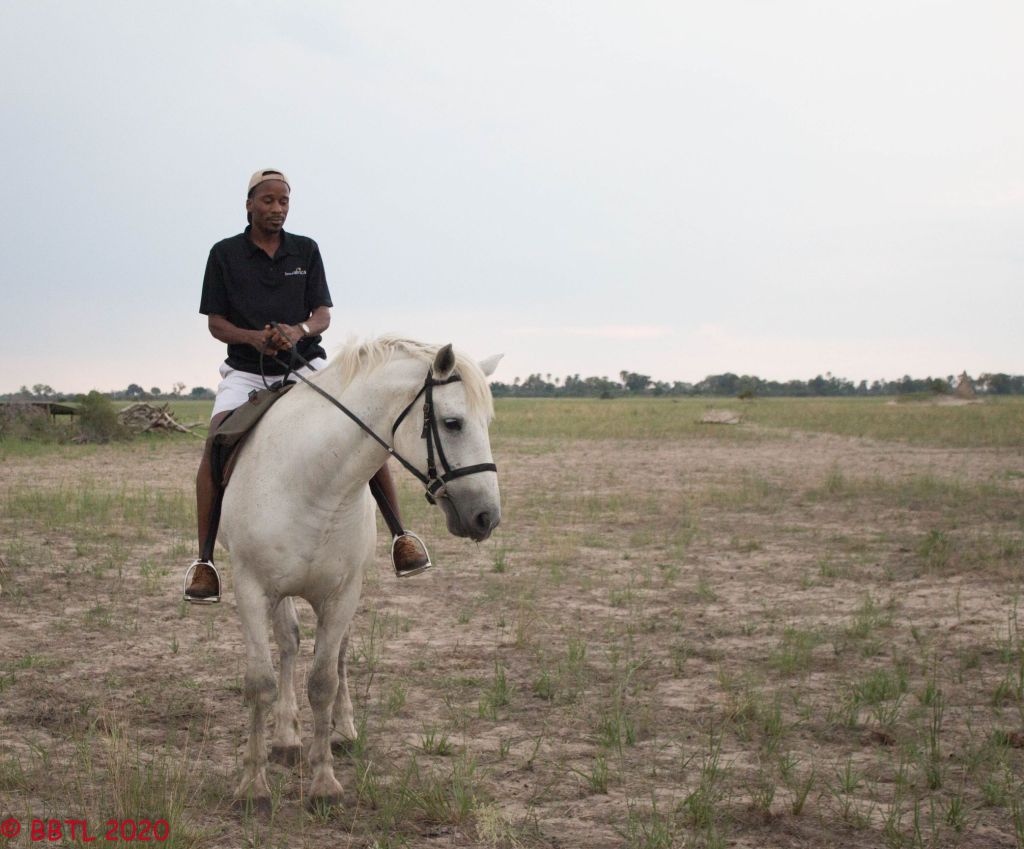
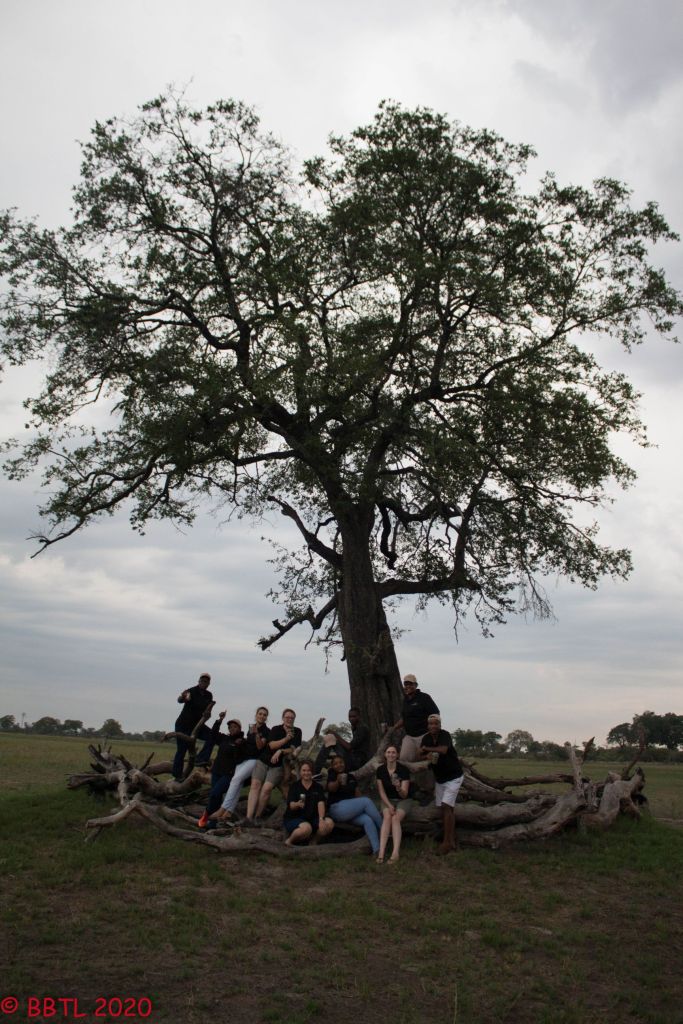
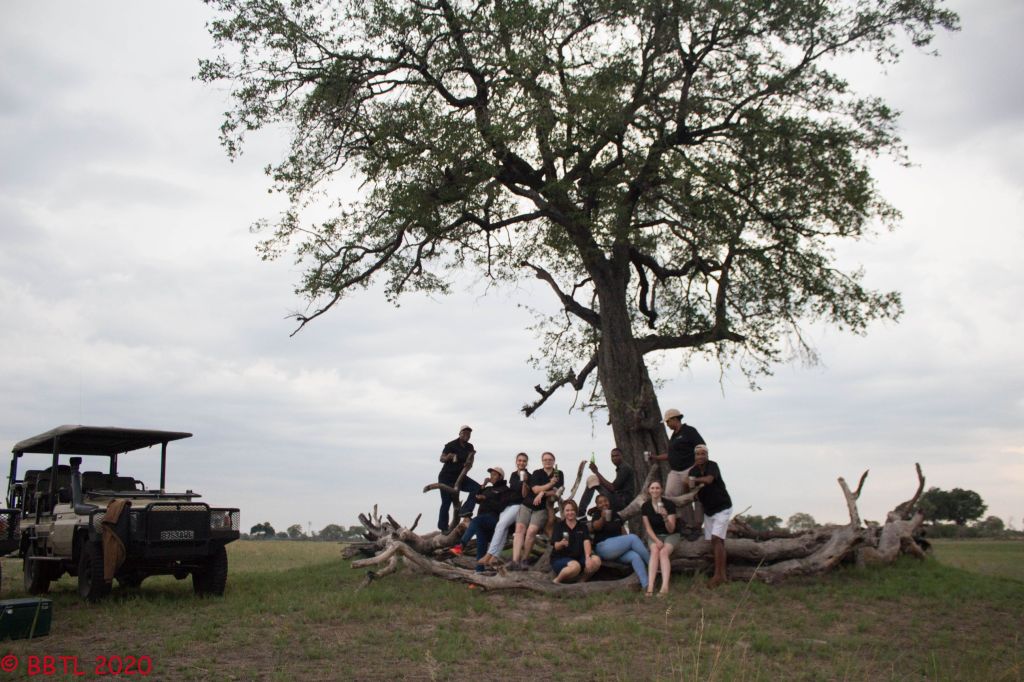
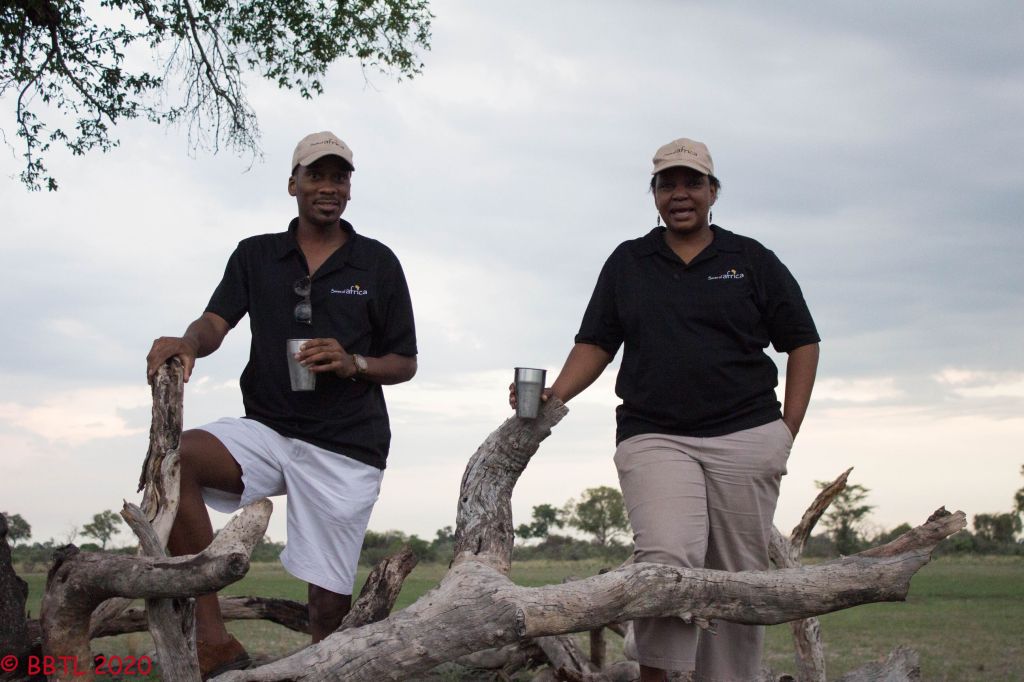
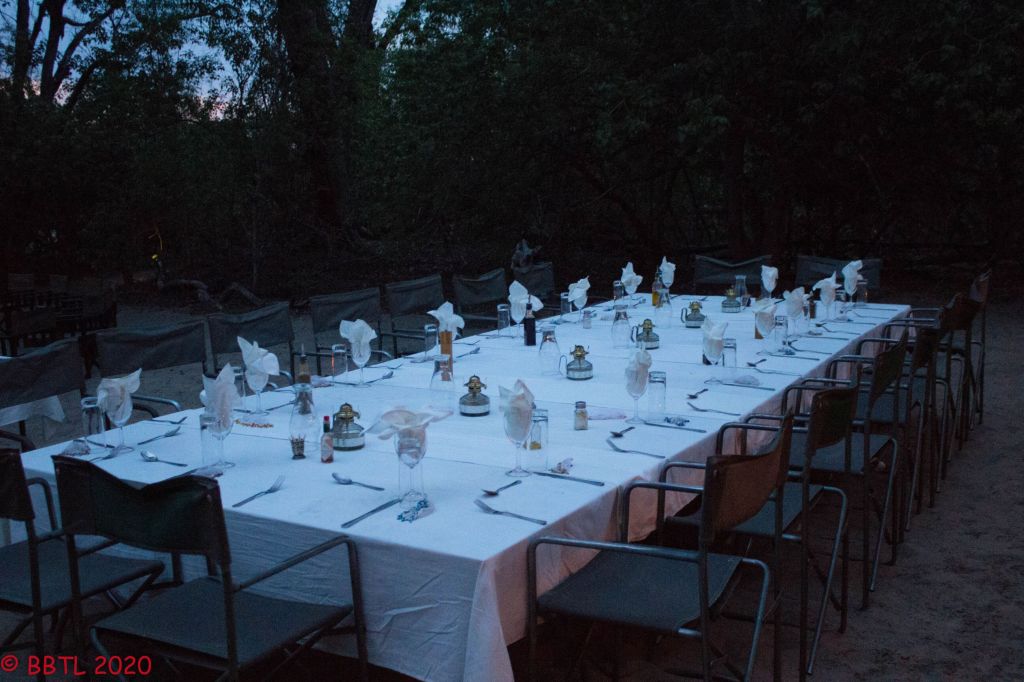
1st Road trip in 2020.. yeah it was great :-)
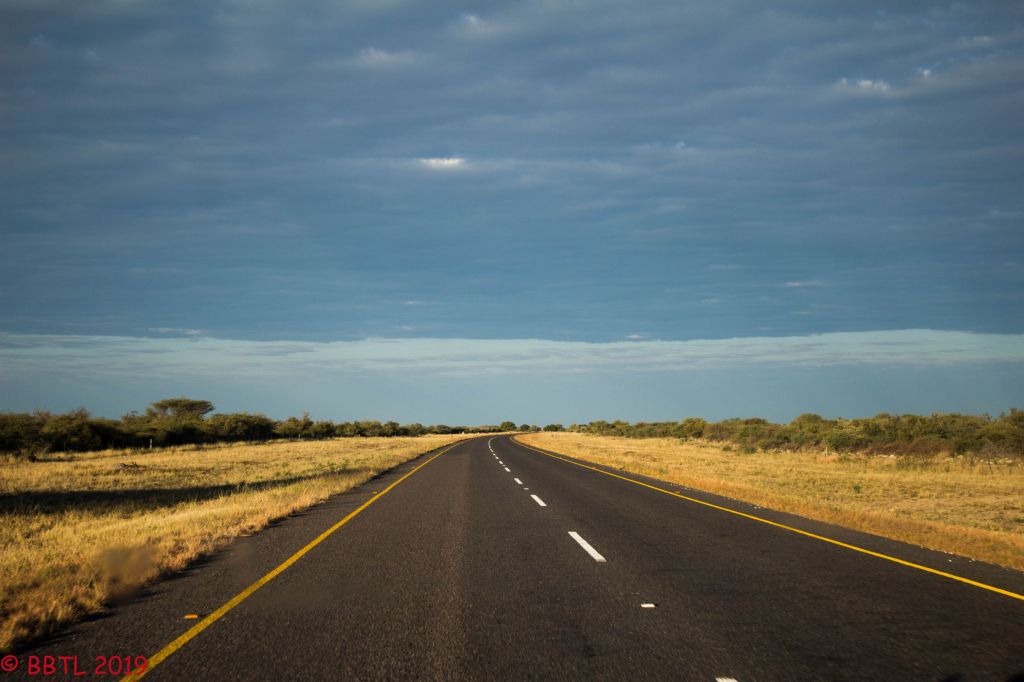
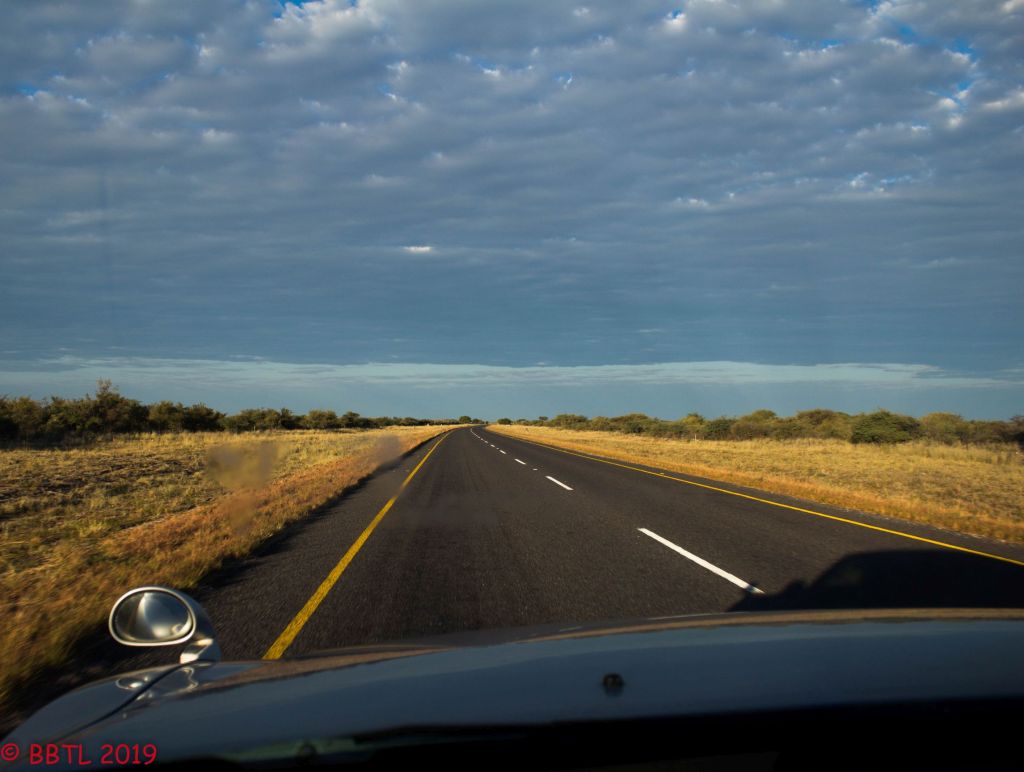
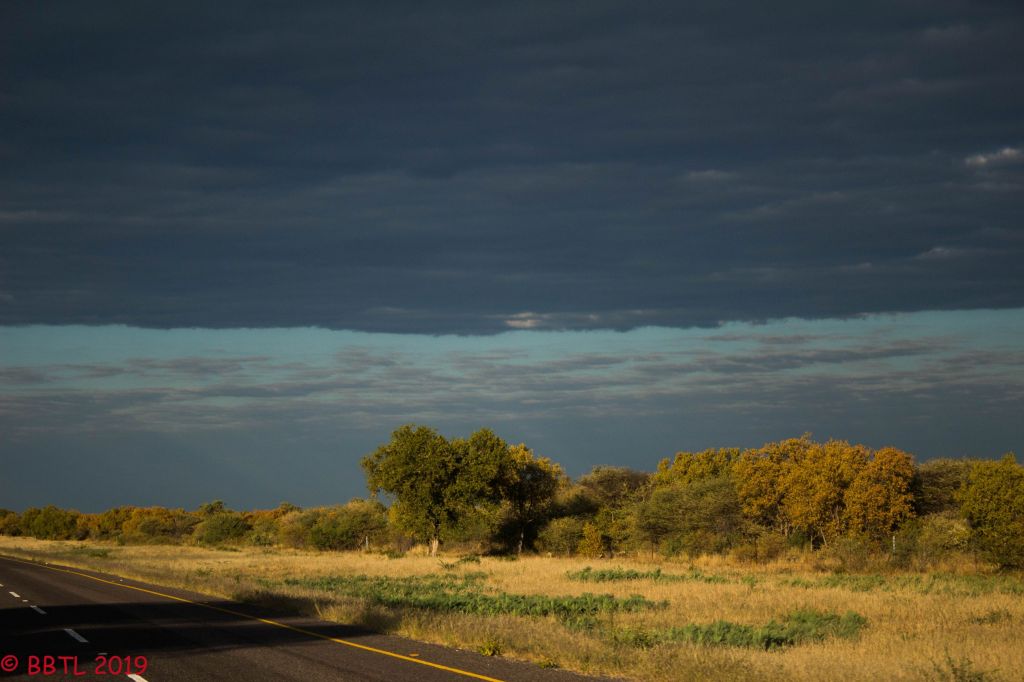
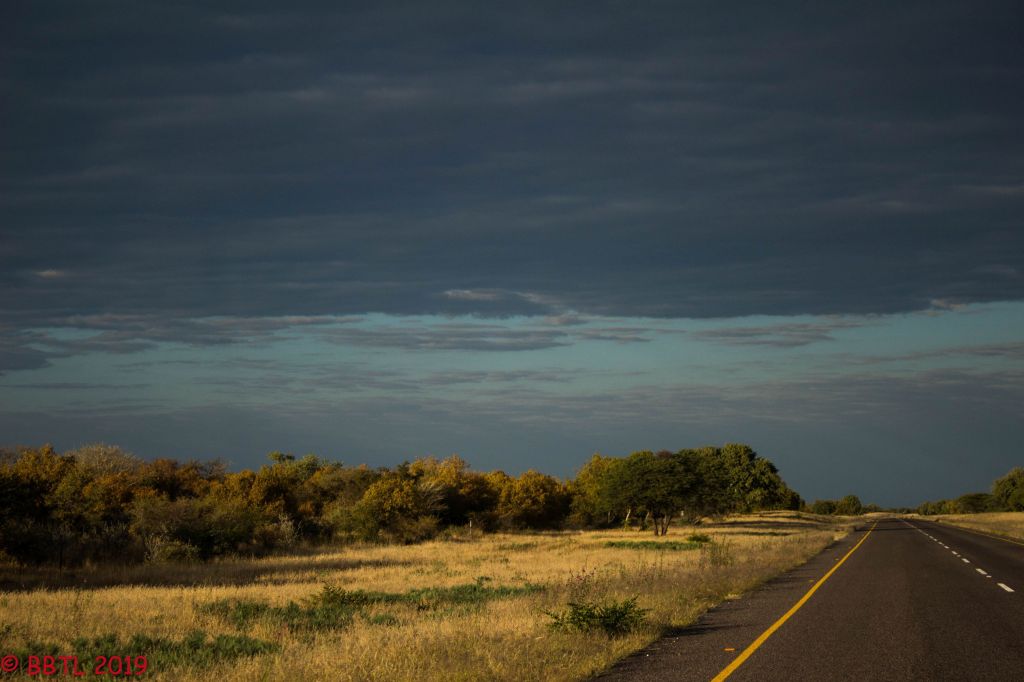
I don’t know if you knew that the cat (myself) is out and going places. I packed my car, went to work on Friday and left just after work and drove to Planet Baobab, my base for the next 2 days.
Here are some photos from Planet Baobab
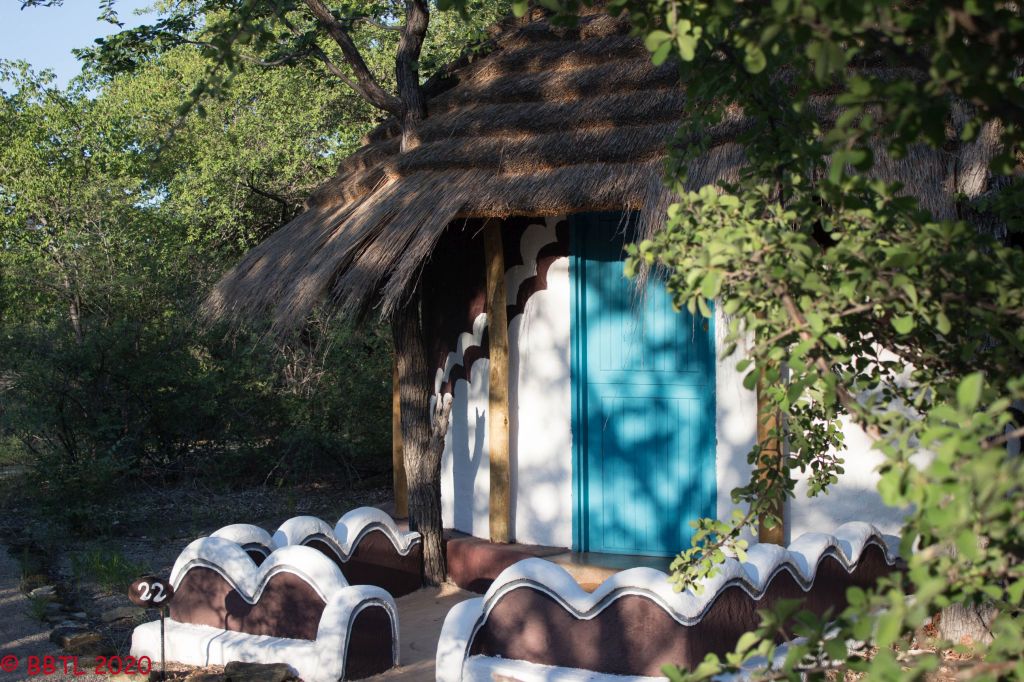
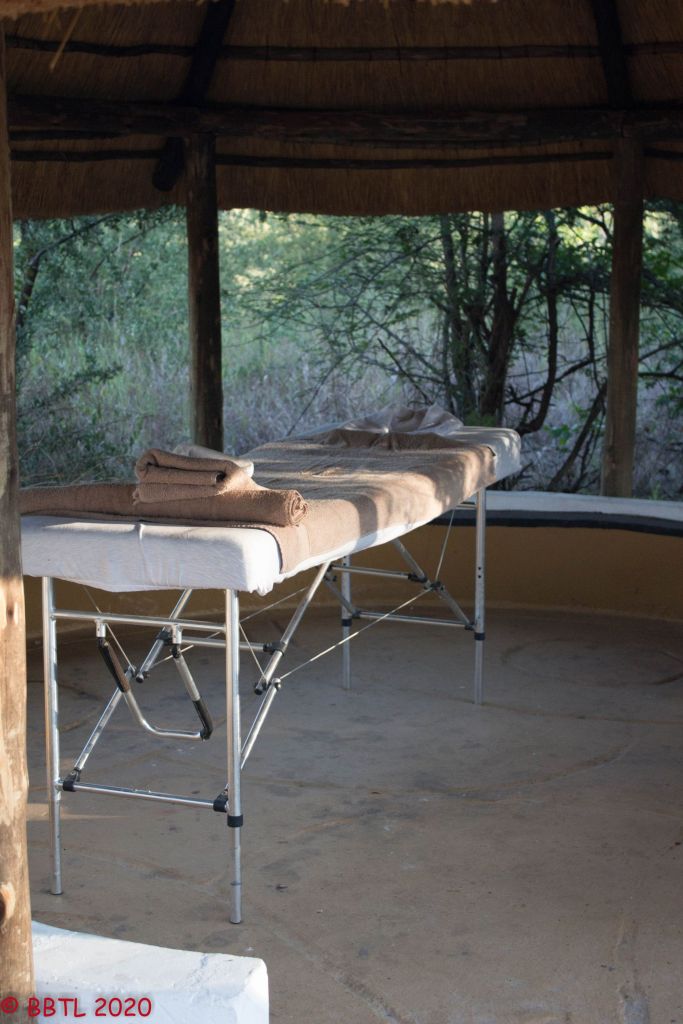
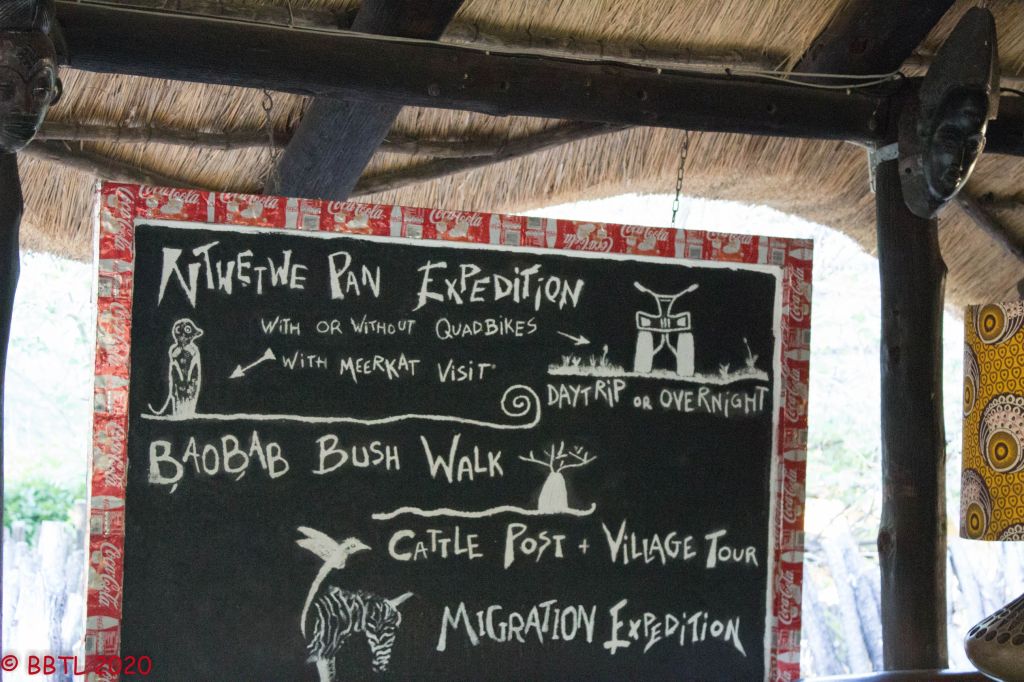
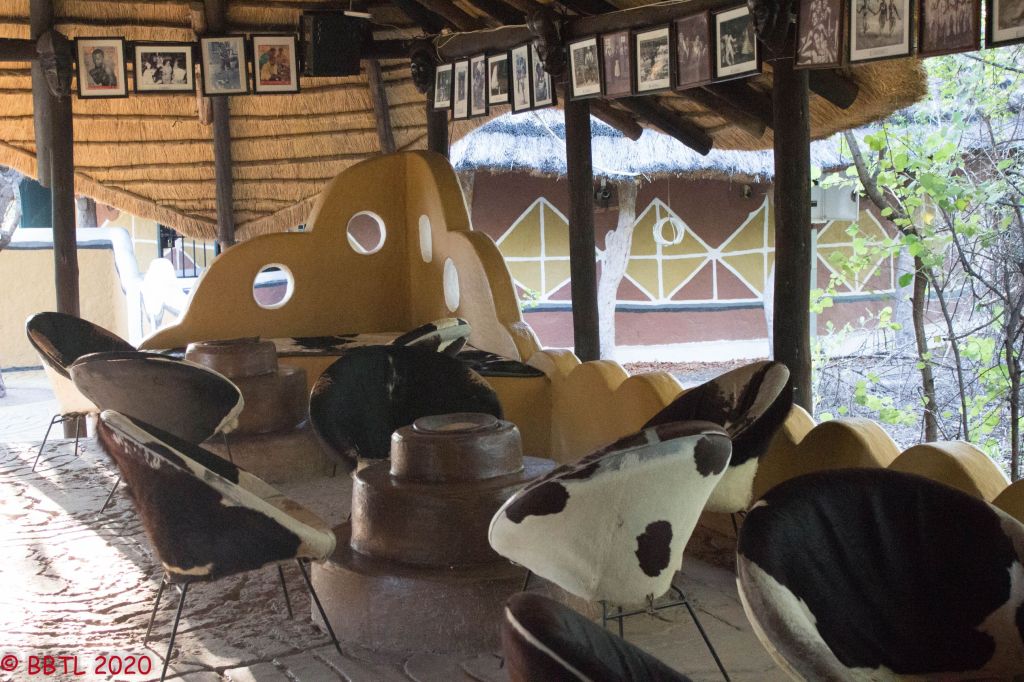
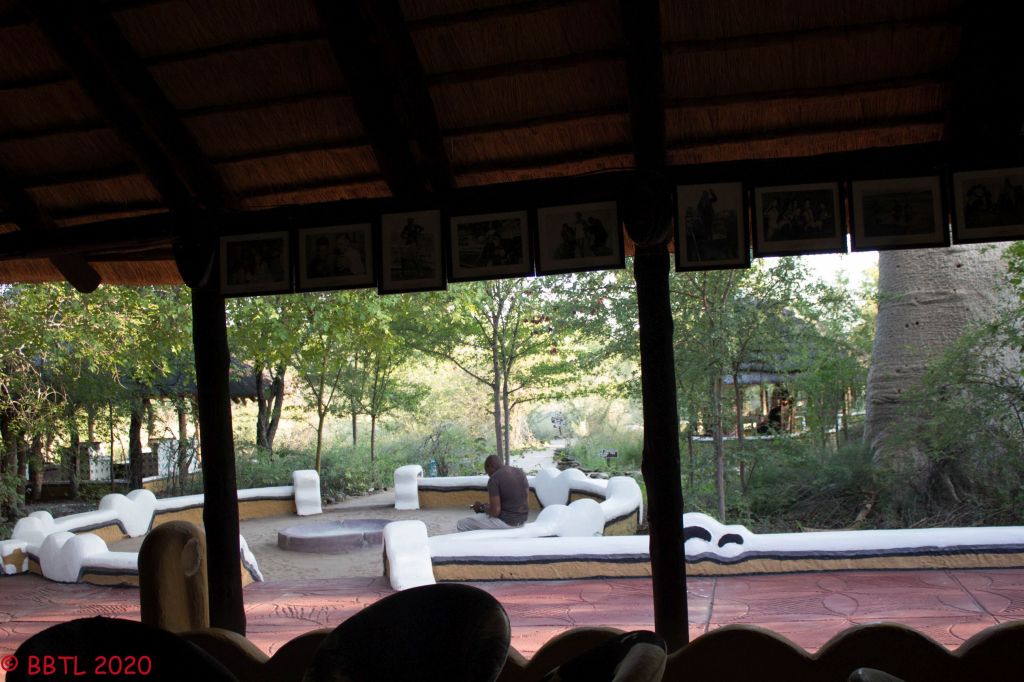
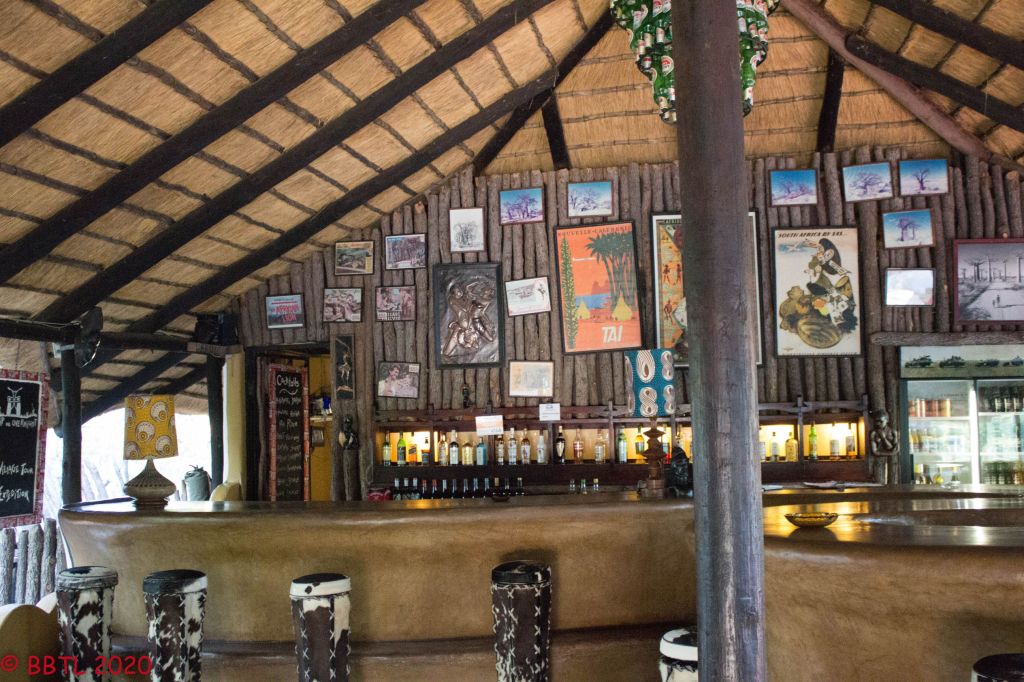
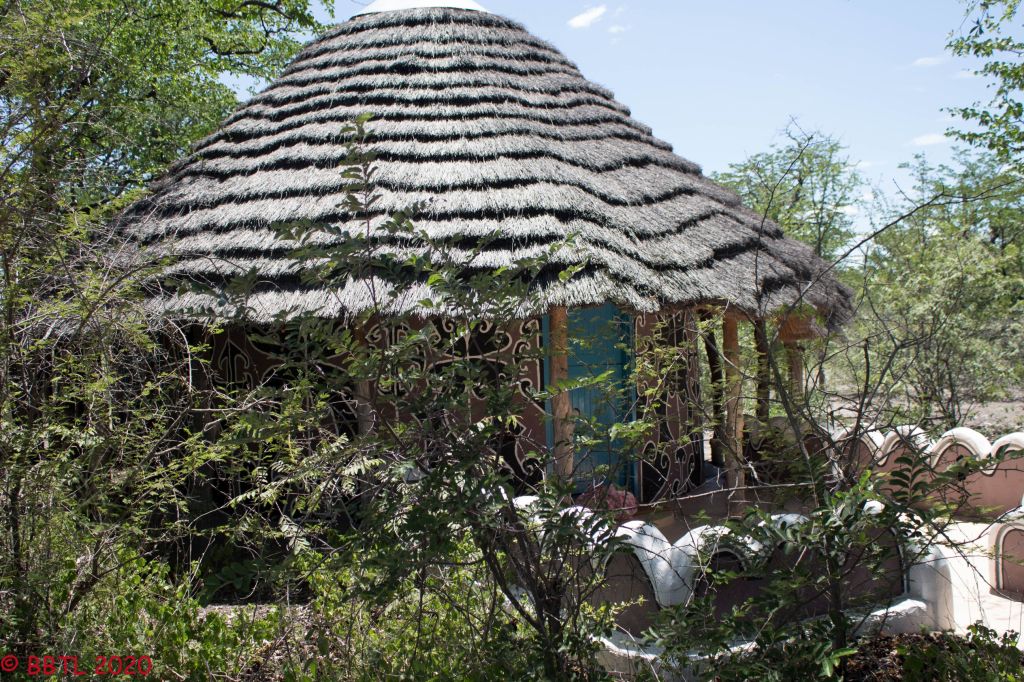
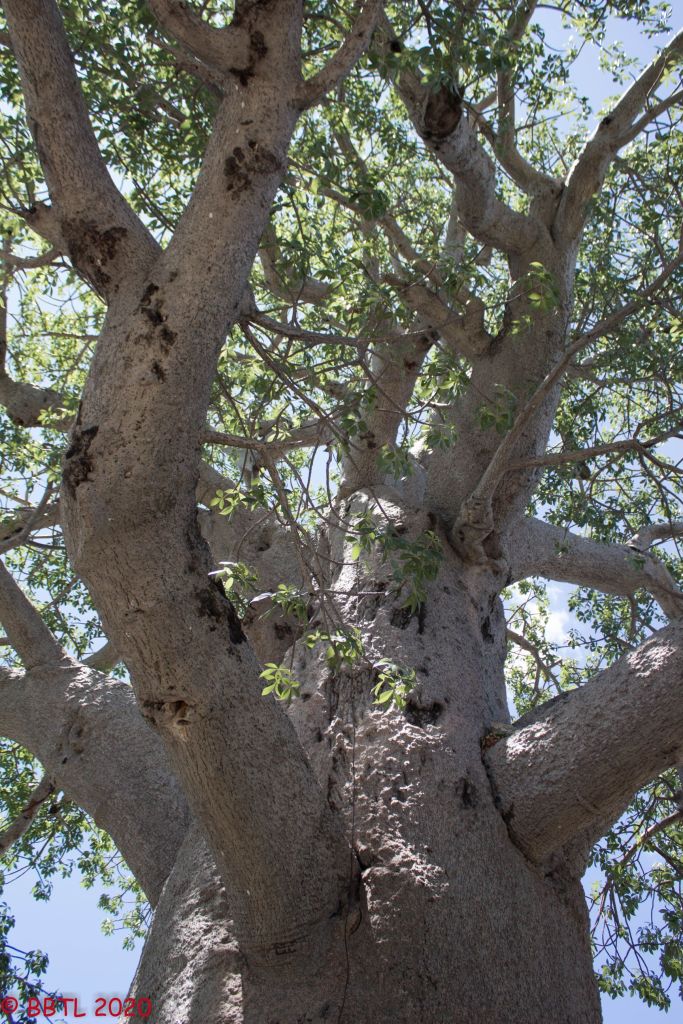
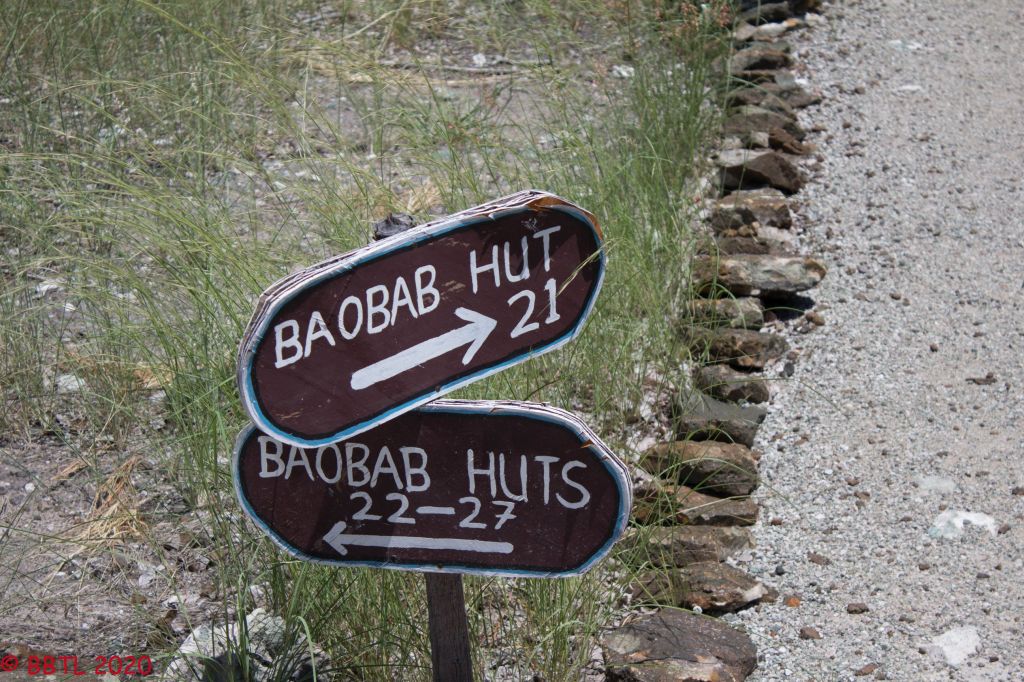
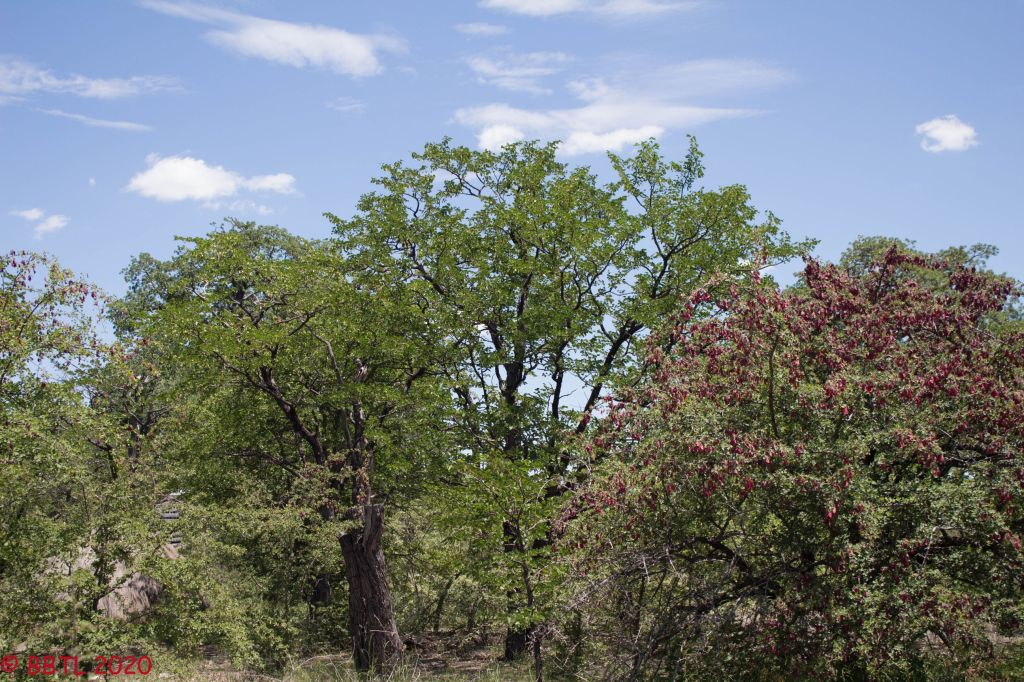
Next stop would be the Nata Bird Sanctuary, where I was quite disappointed. the place looks quite run down, no one where to see at the gate, the signs, if they where there, where not readable, the roads in a bad condition, so I was not able to find the platform nor the lake with its pelicans and flamingos. At least I was able to get some shoots done there.
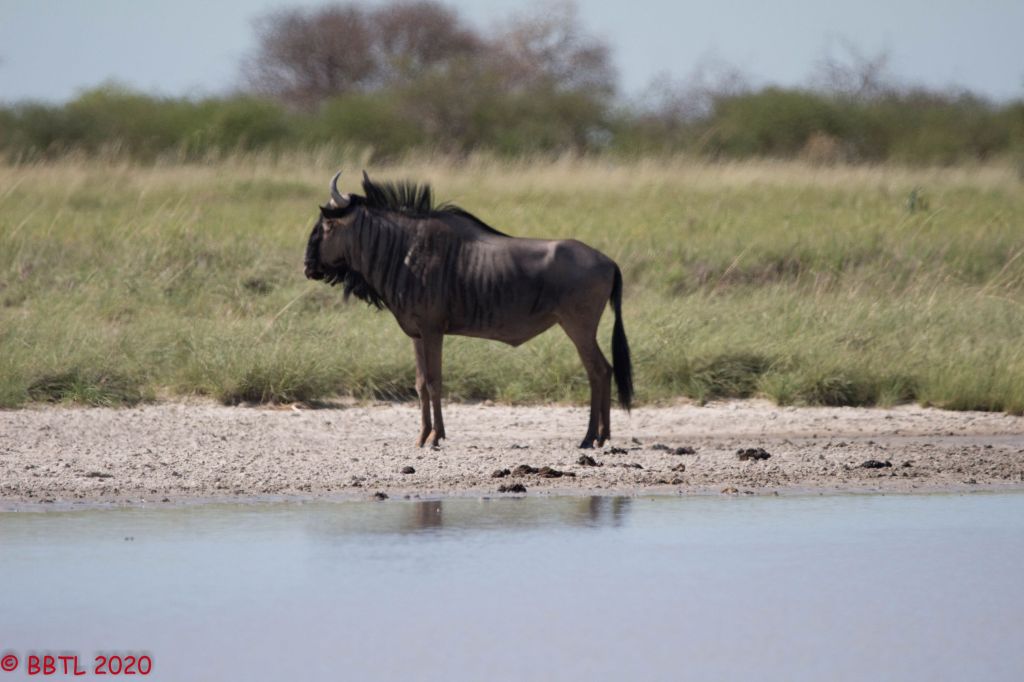
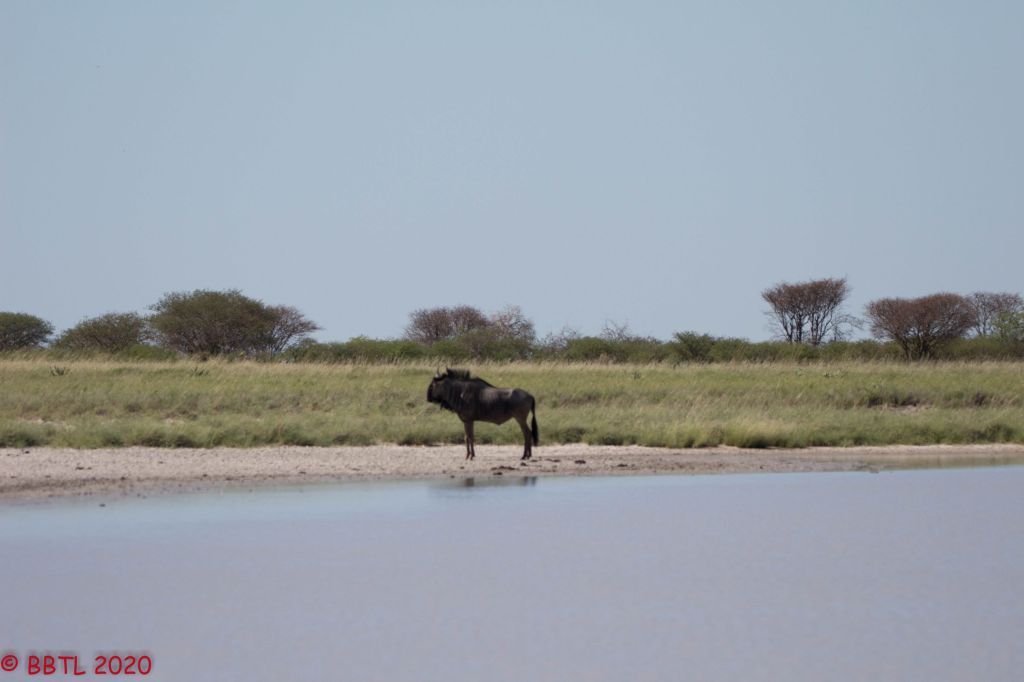
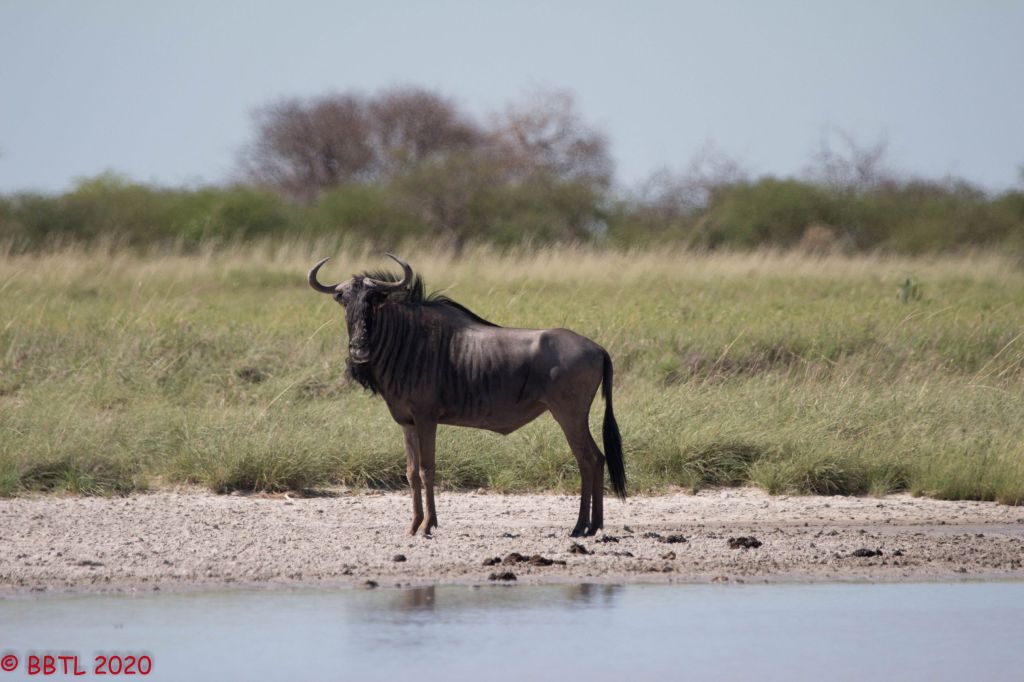
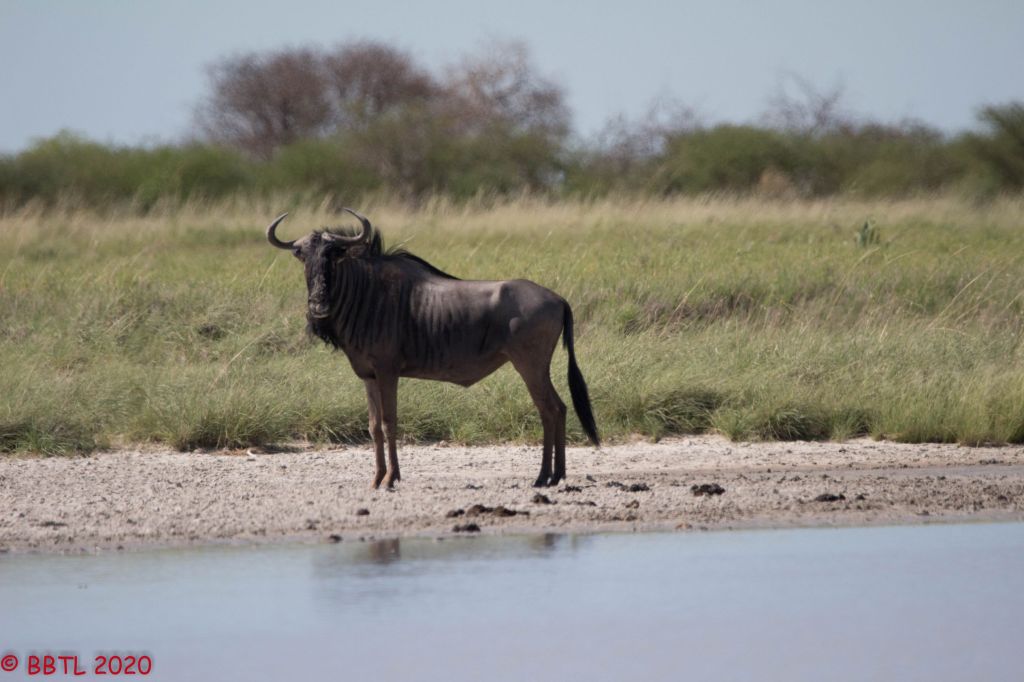
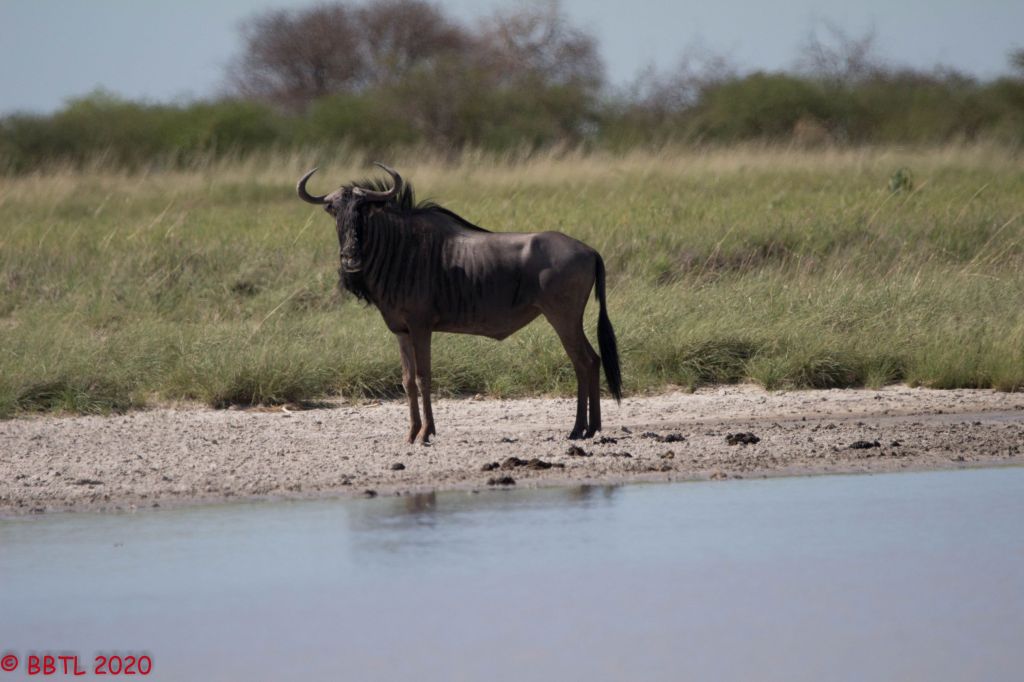
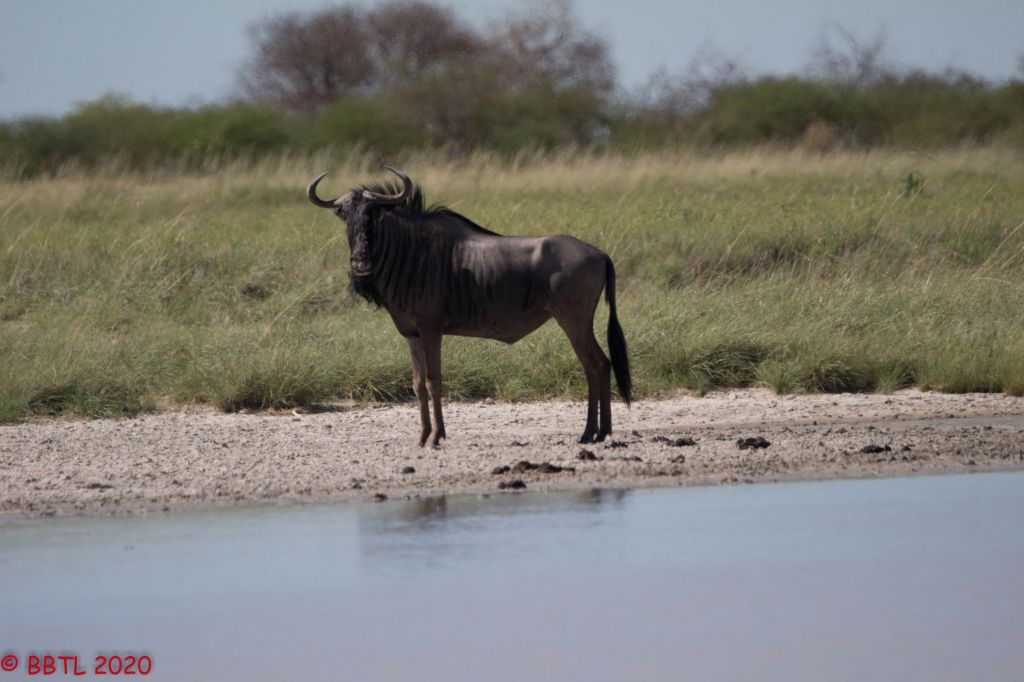
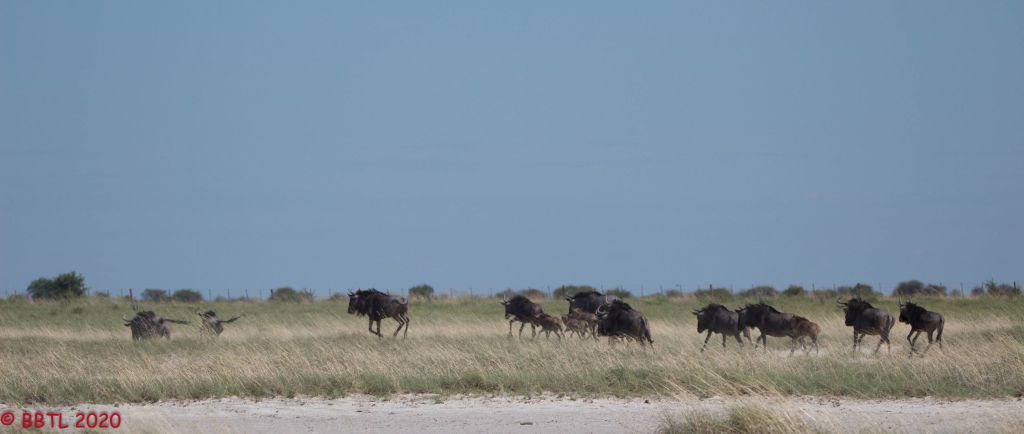
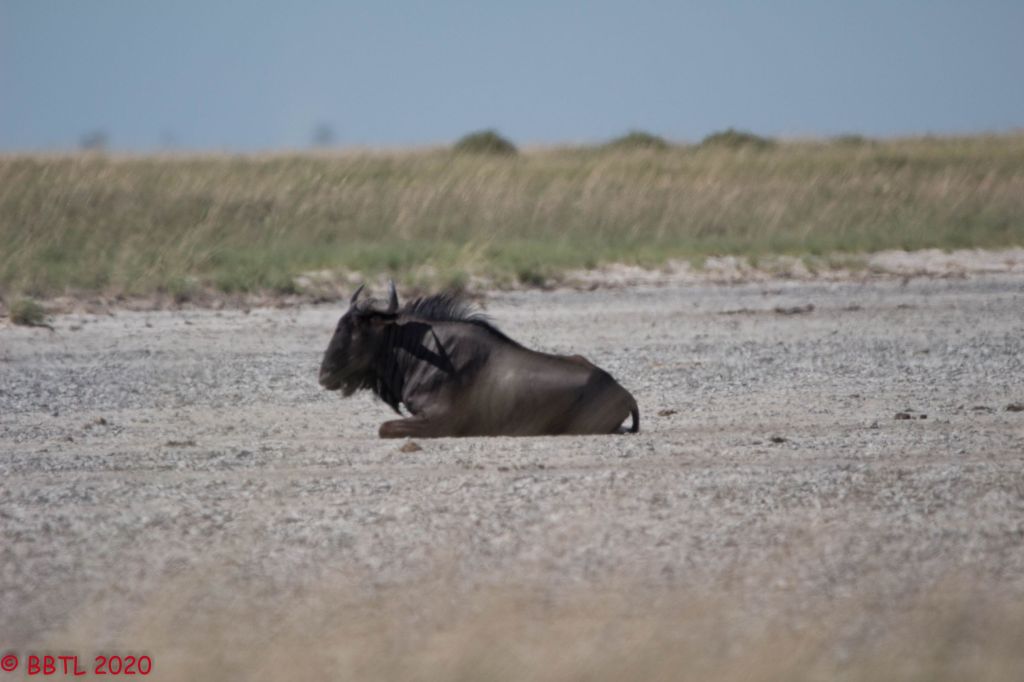
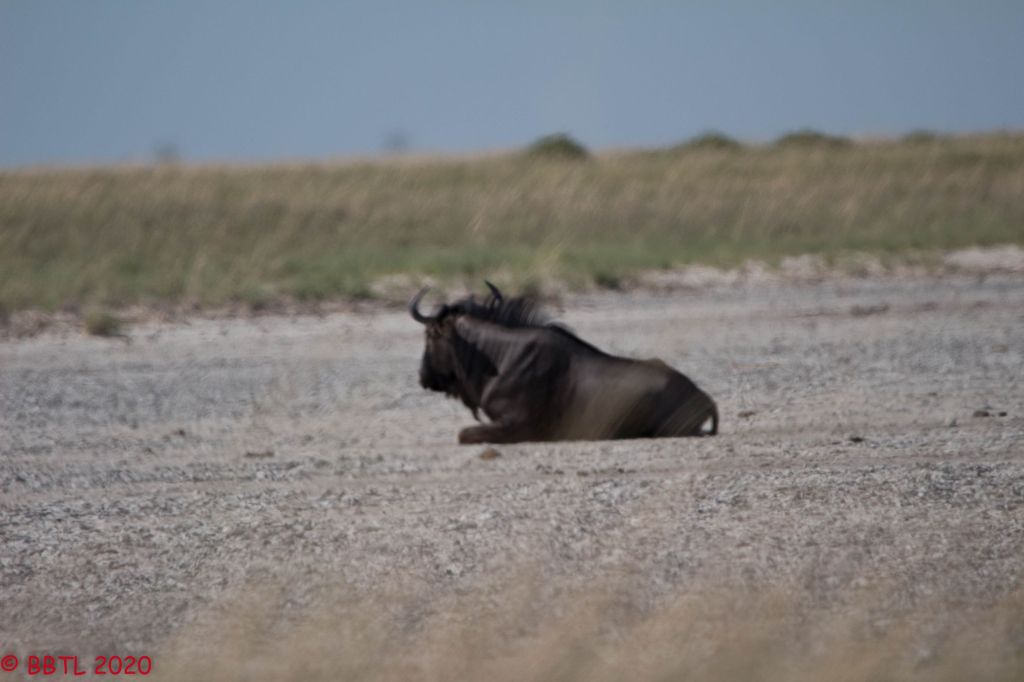
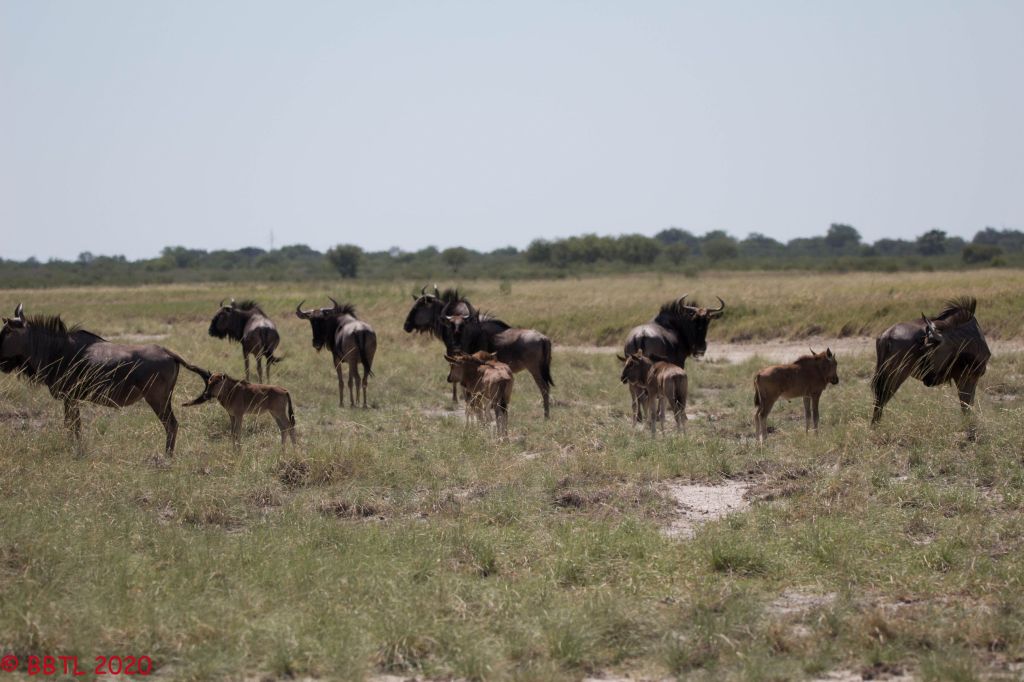
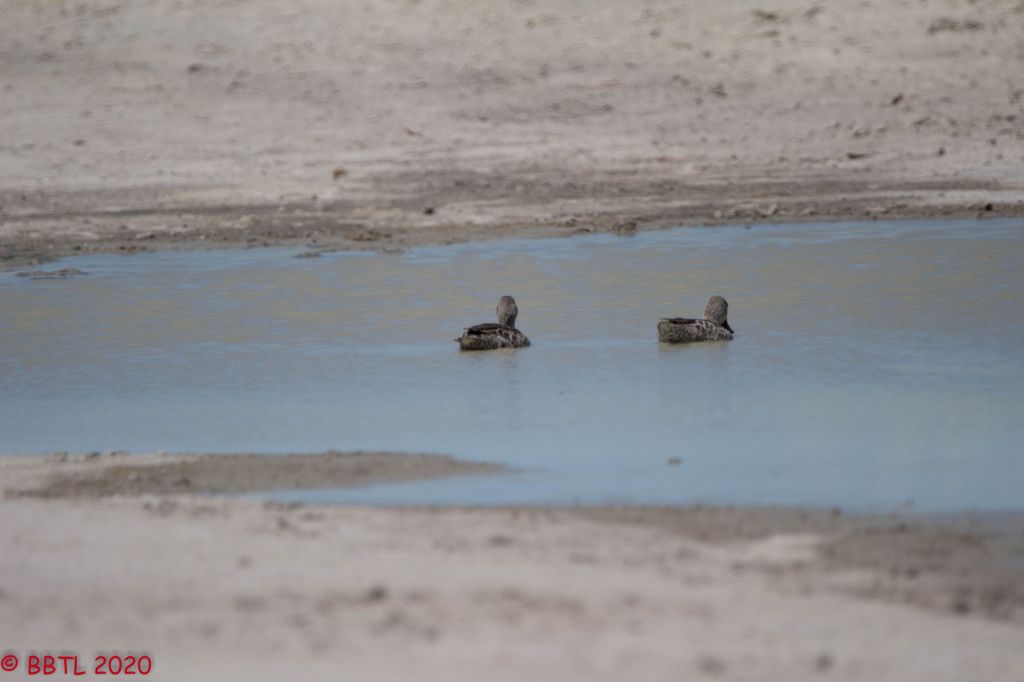
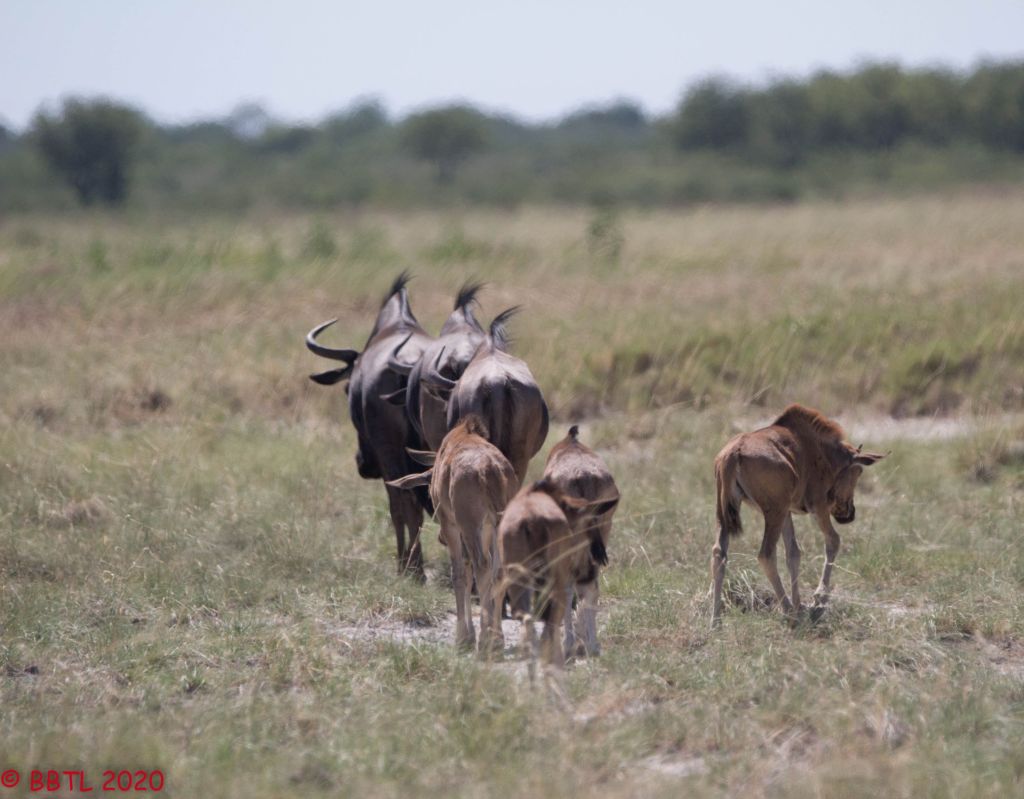
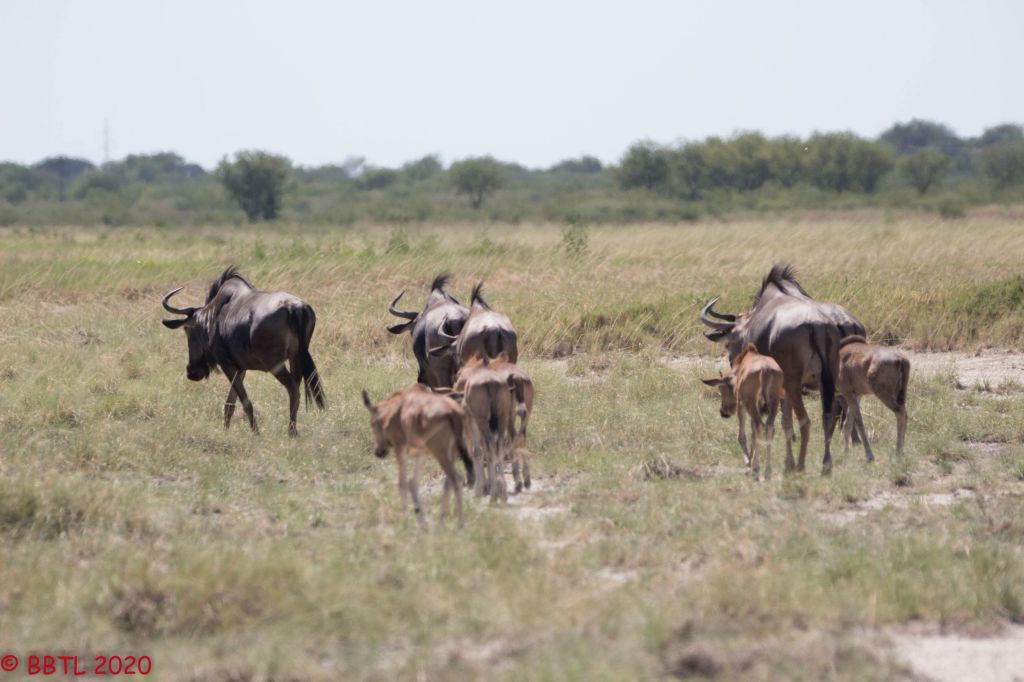
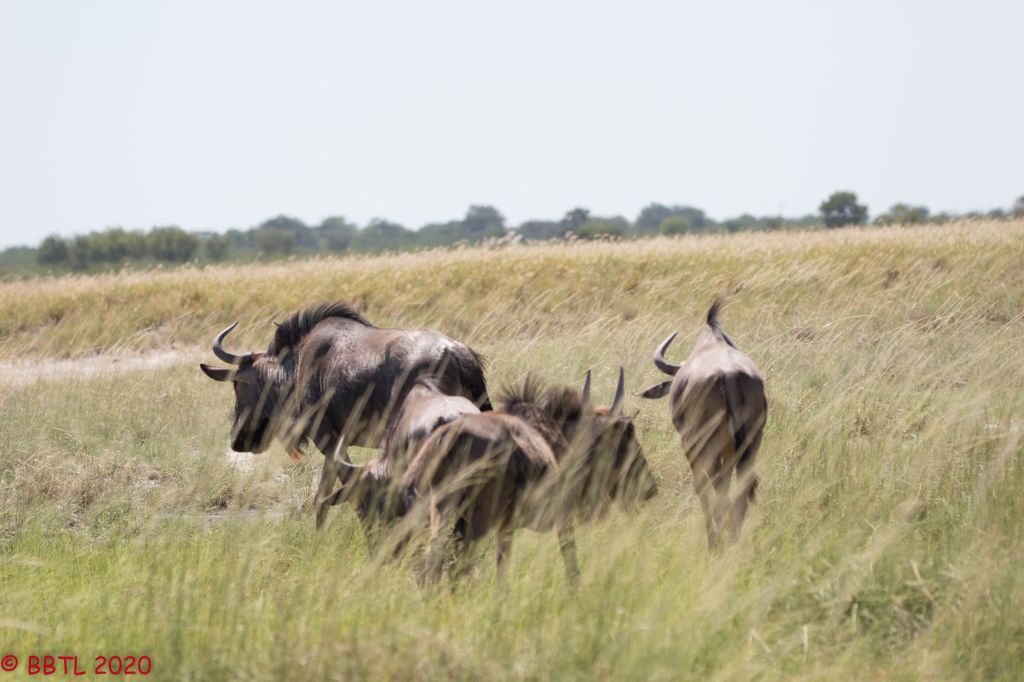
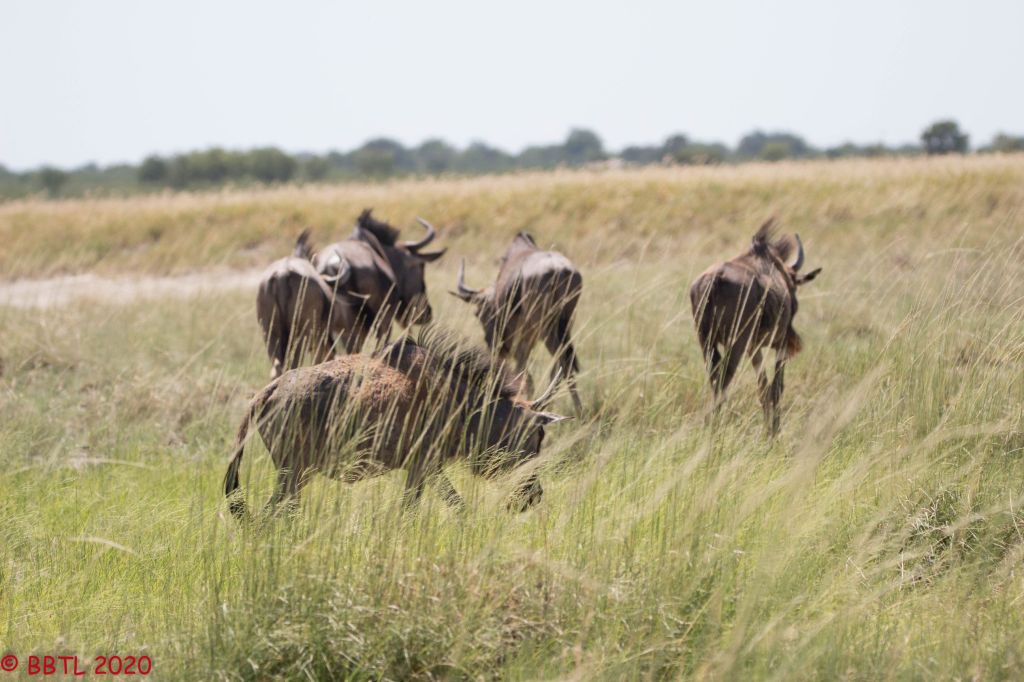
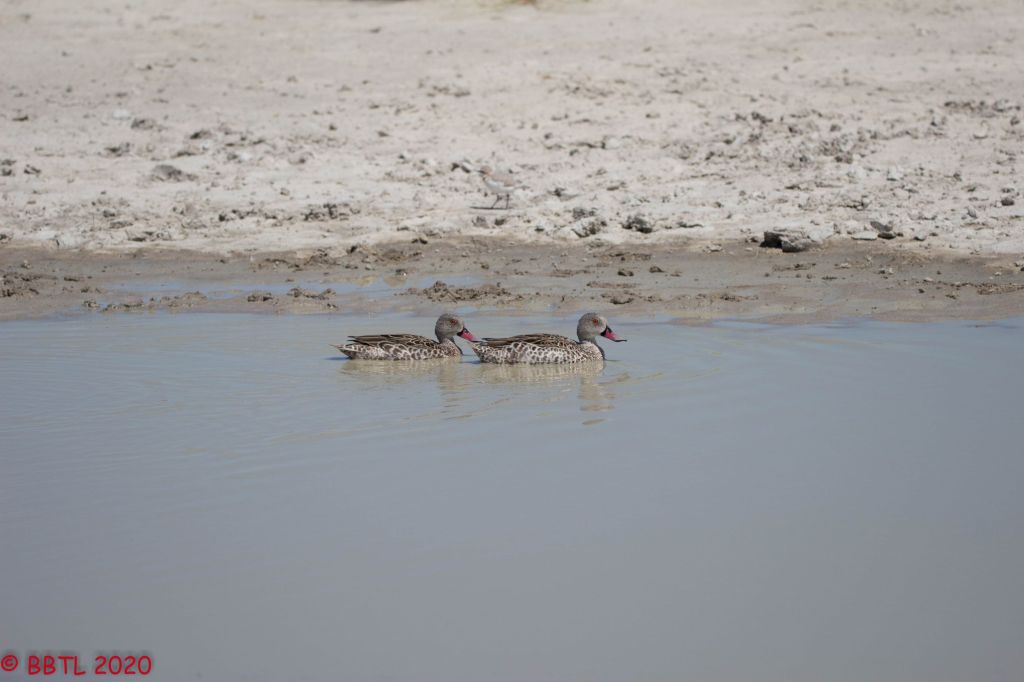
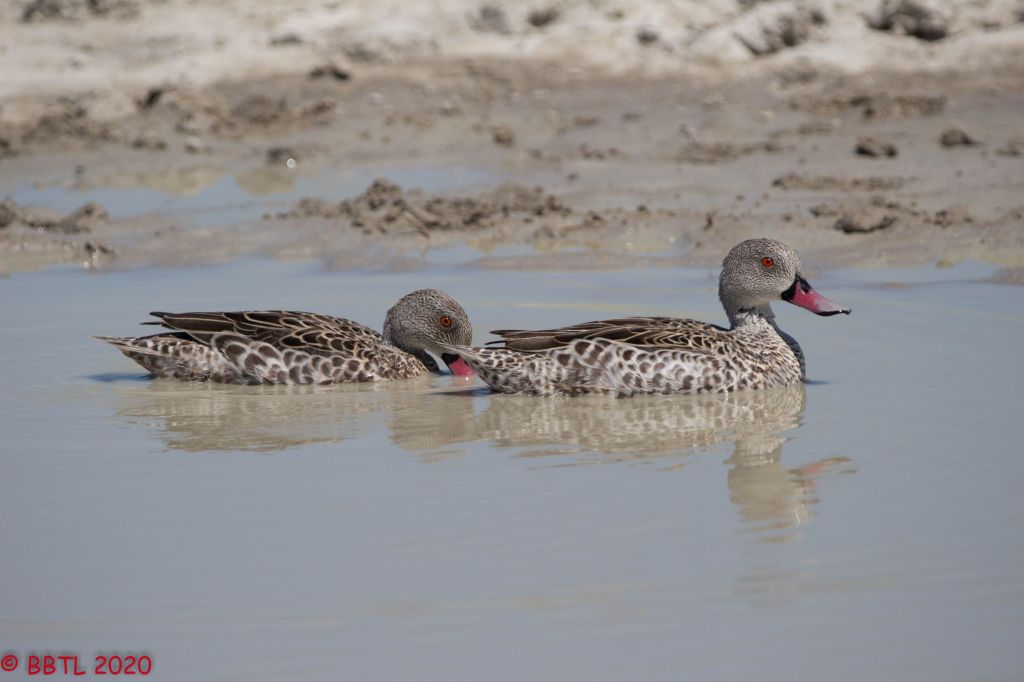
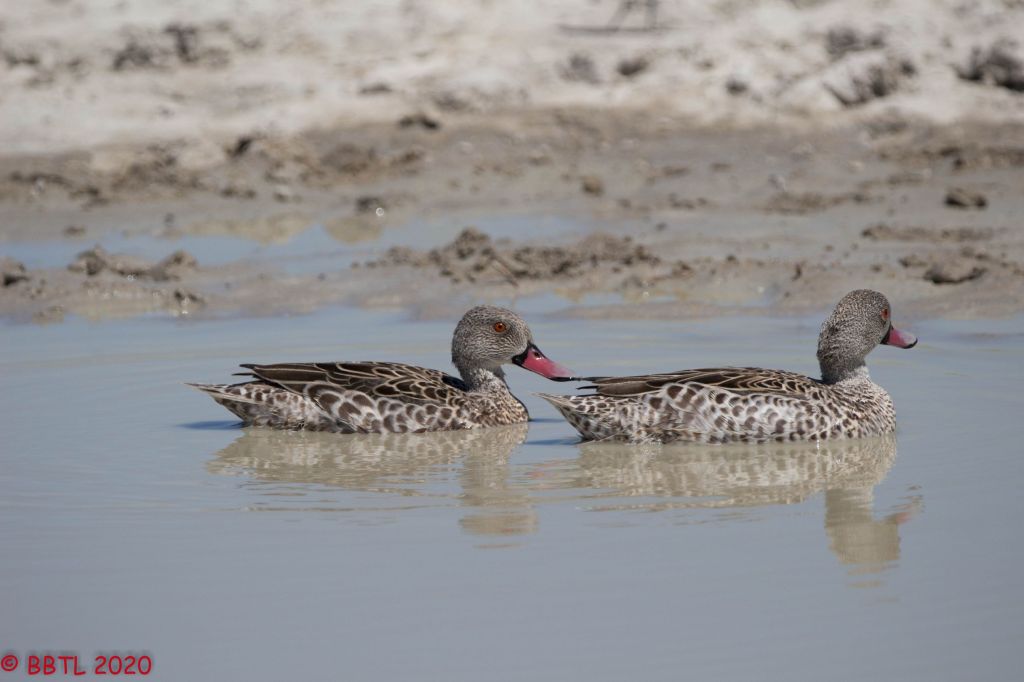
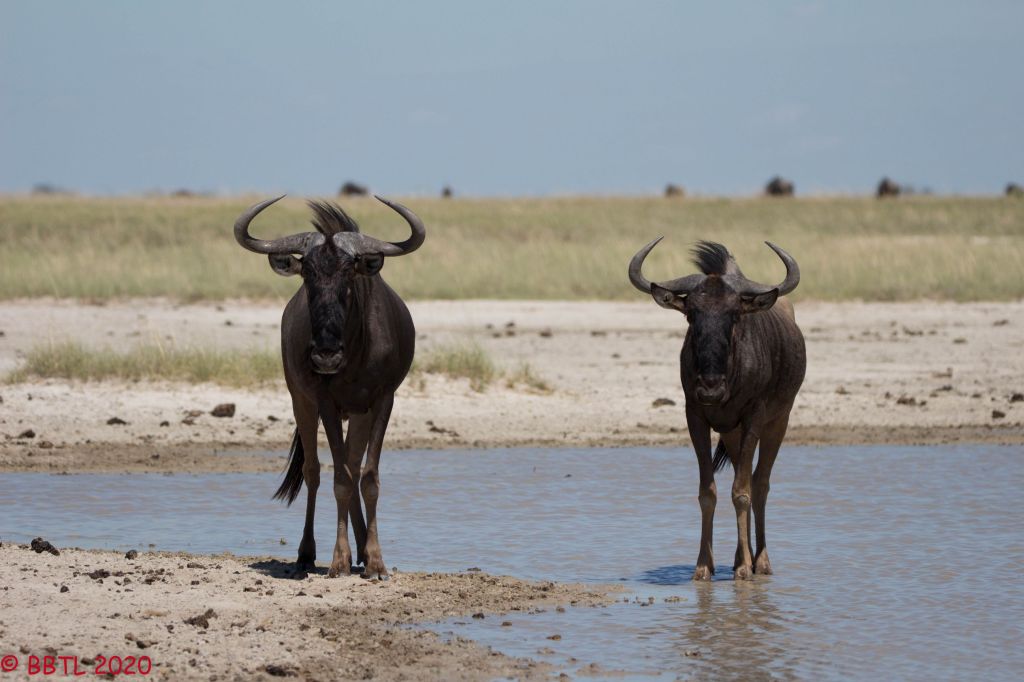
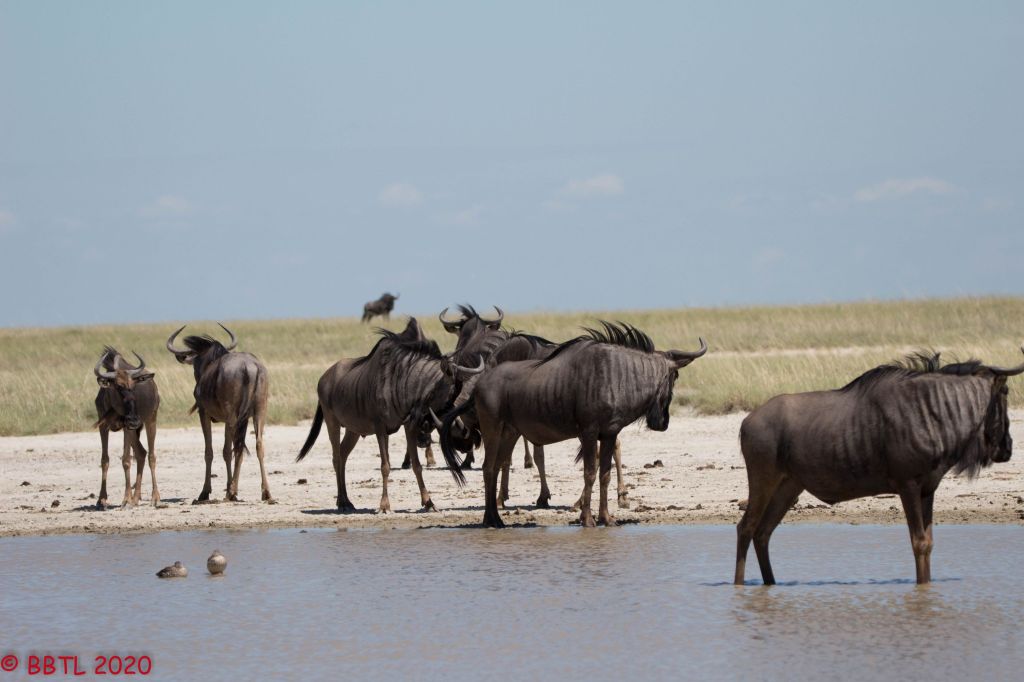
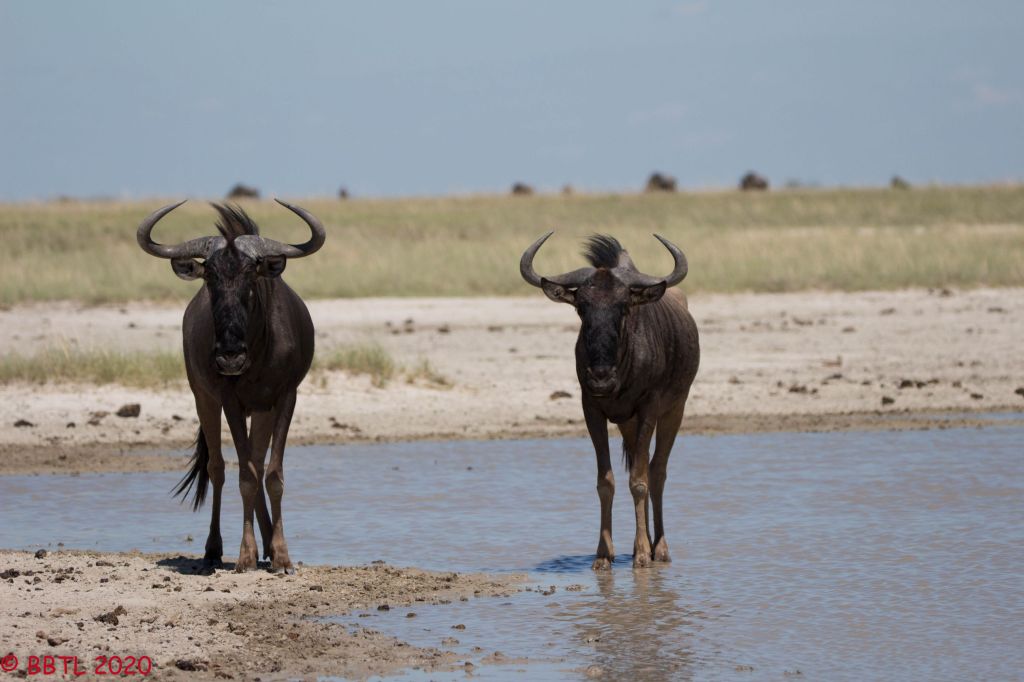
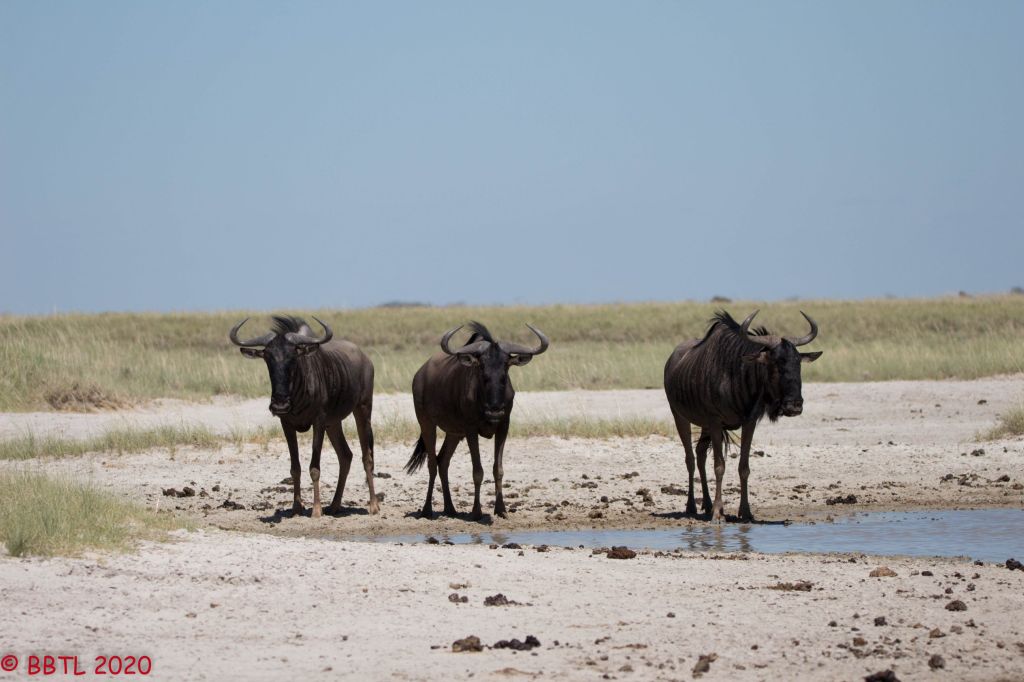
Next stop would be the good old Nata Lodge, where I just had a peck at the rooms, been there a few times before.
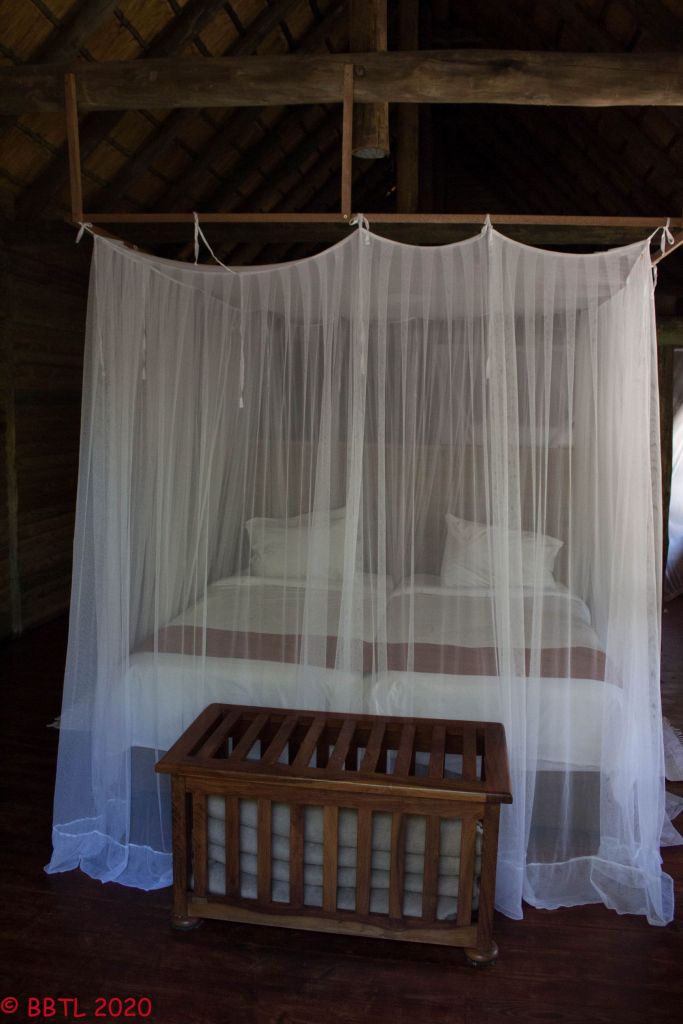
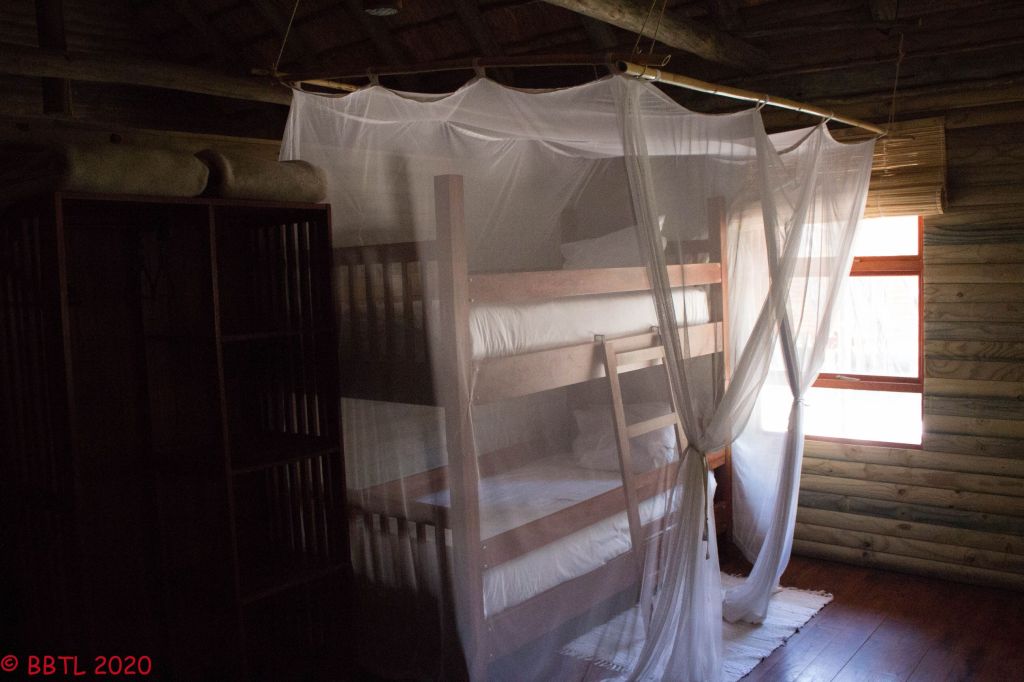
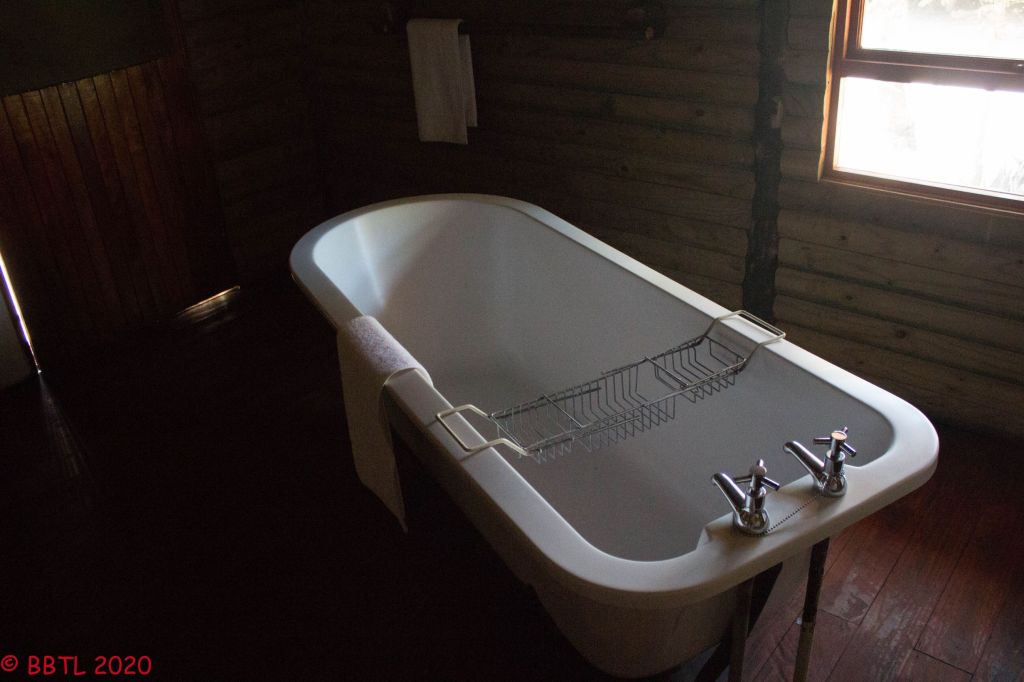
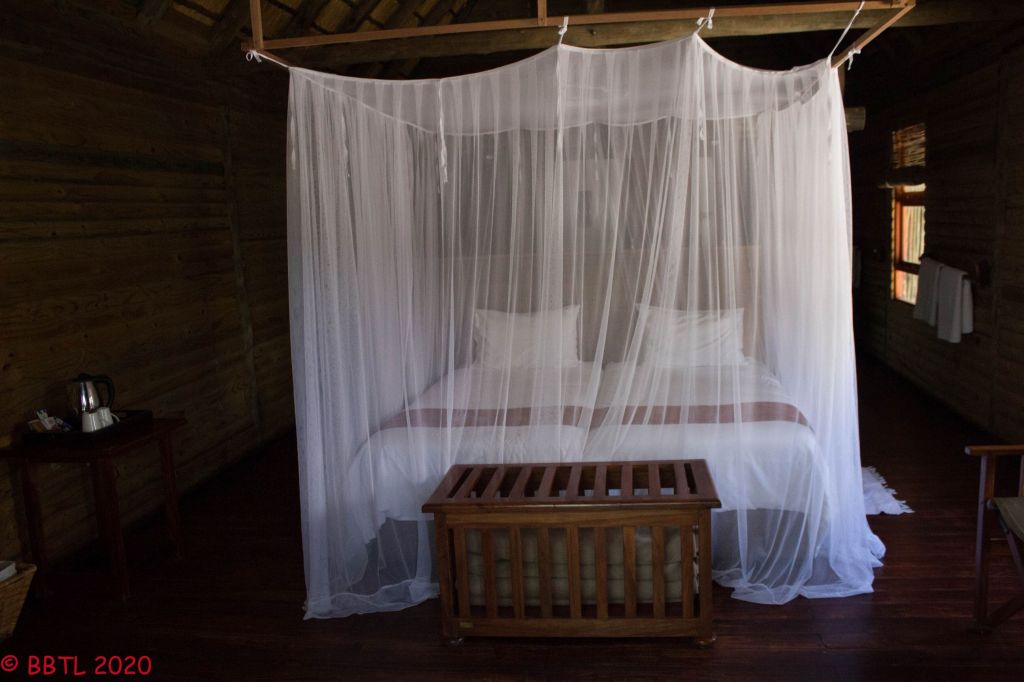
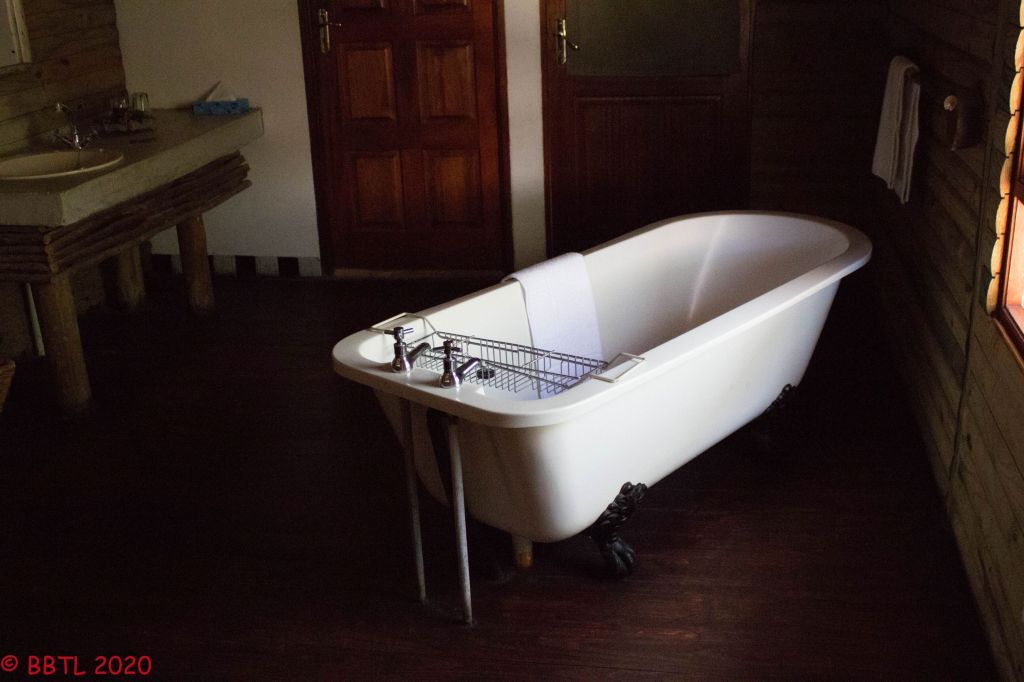
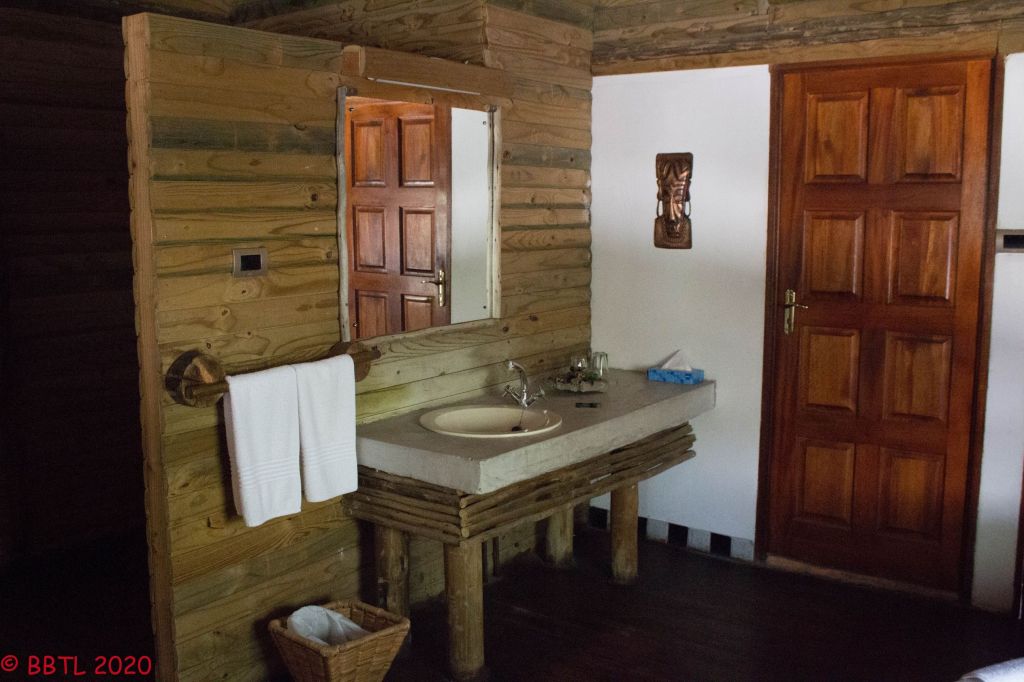
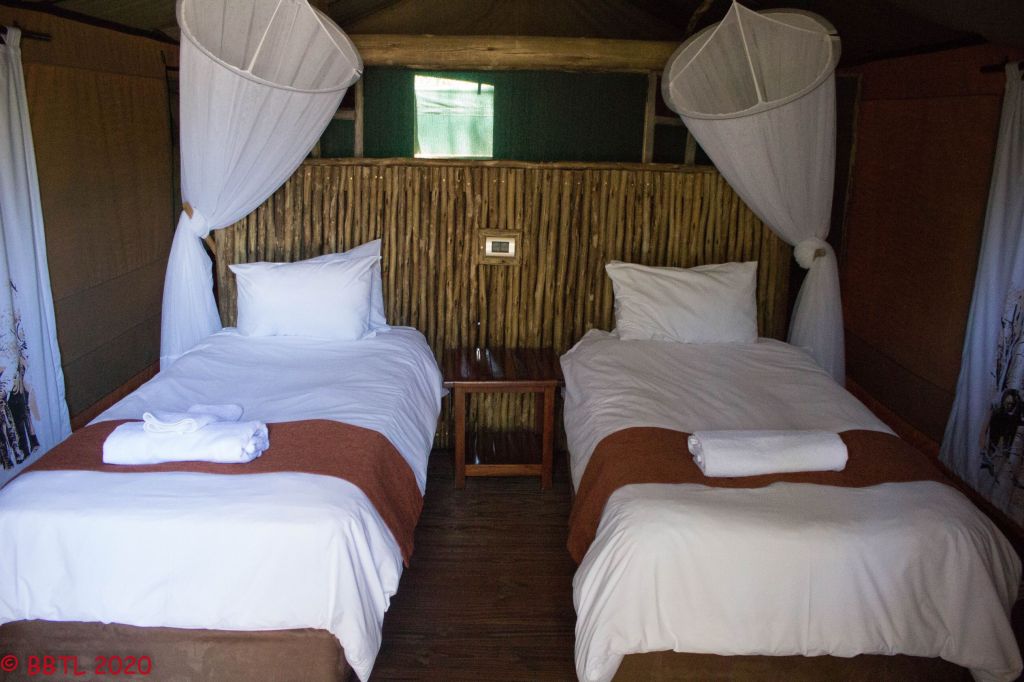
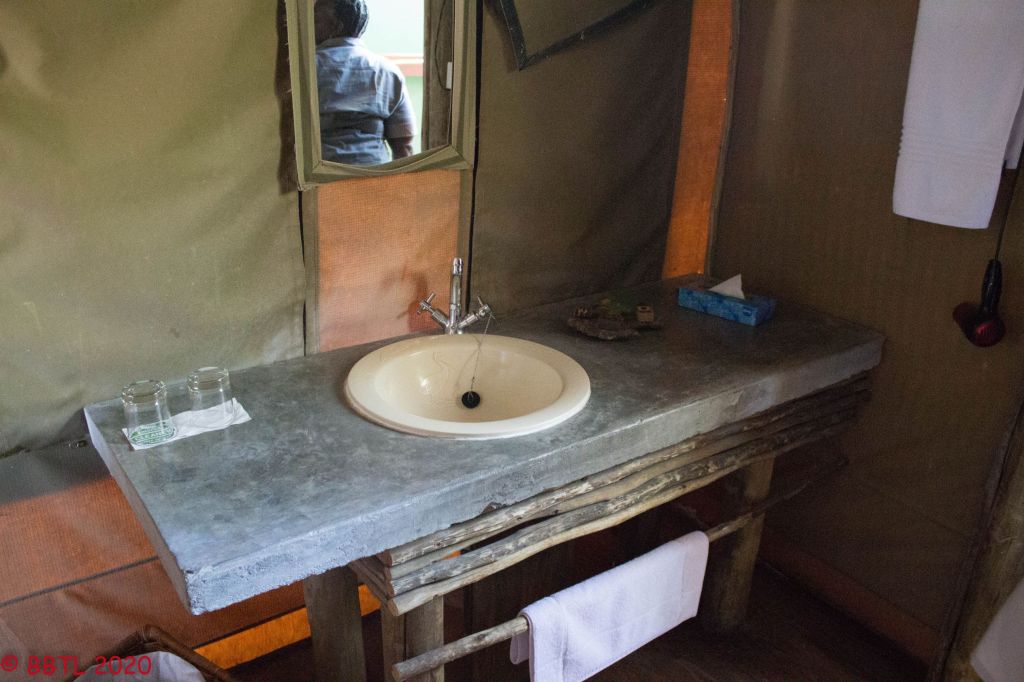
Next stop would be the Pelican Lodge, which is 2 km from the Nata Lodge, the rooms there are quite big and most of the rooms have an outside shower and a bath. They all come with a TV and mini fridge
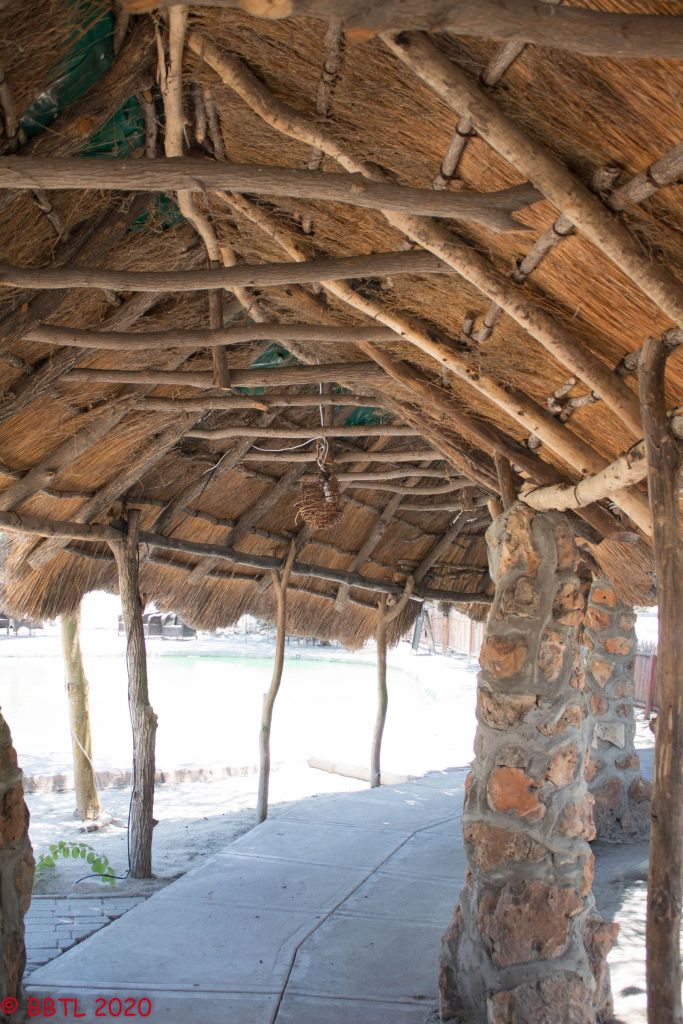
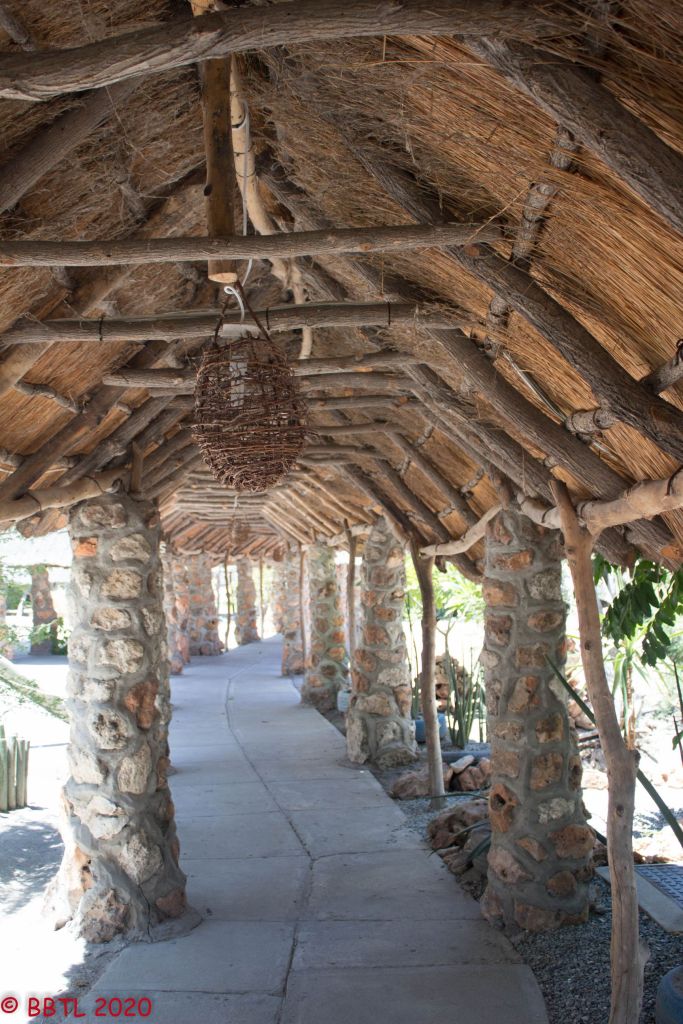
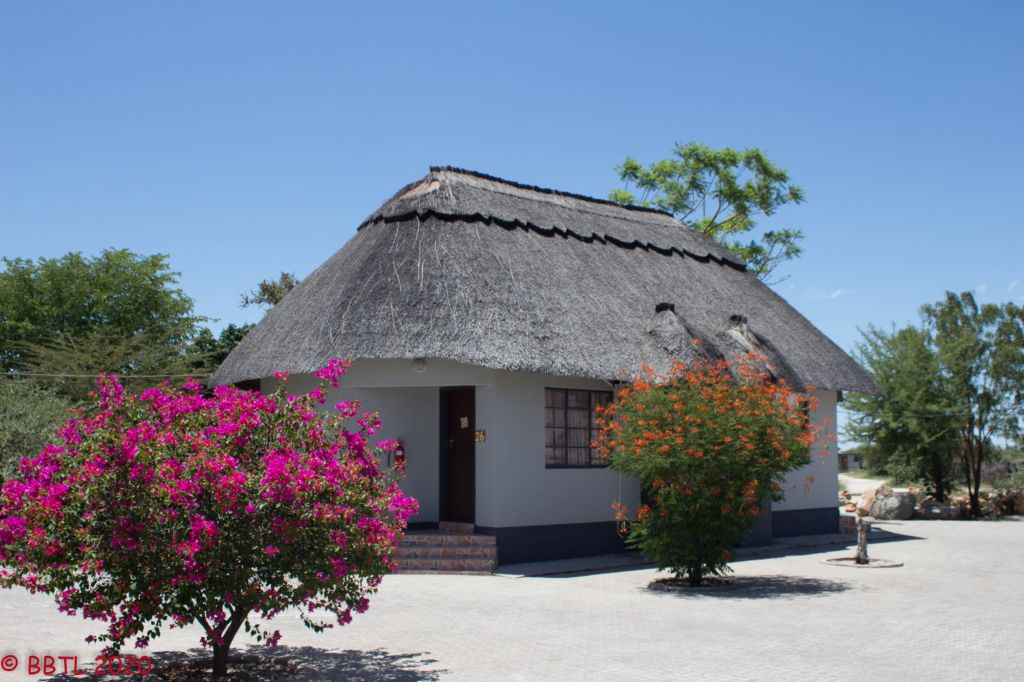
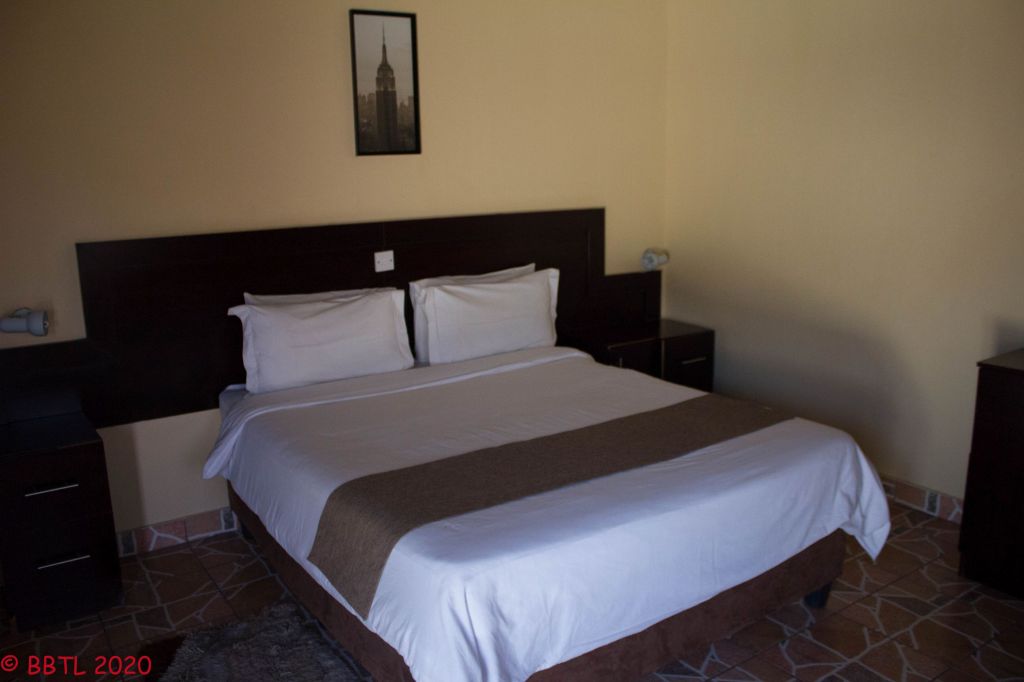
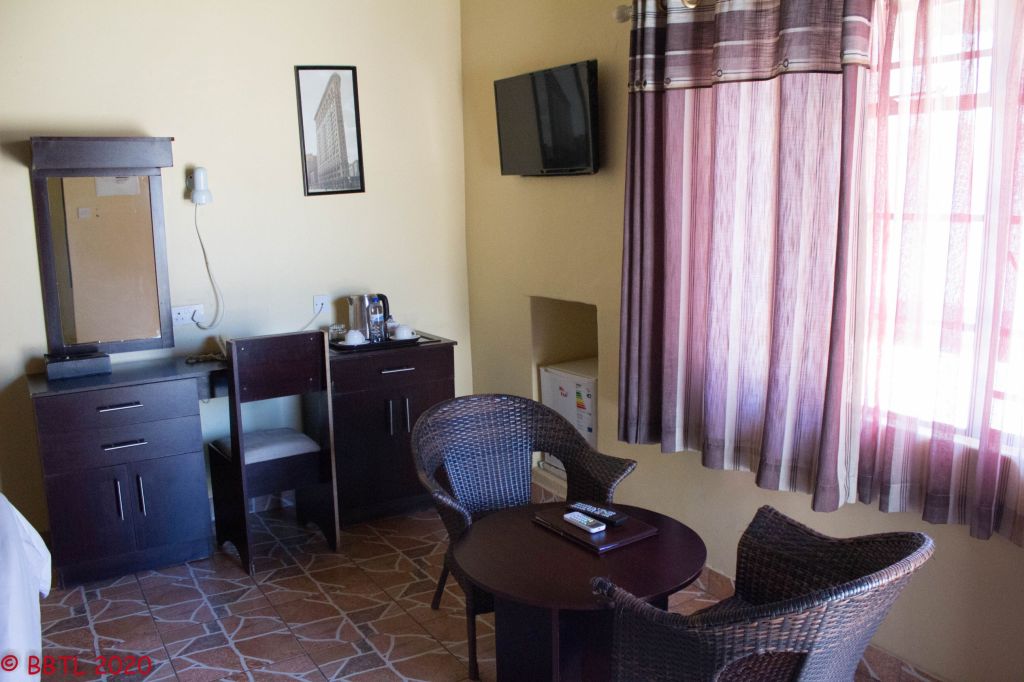
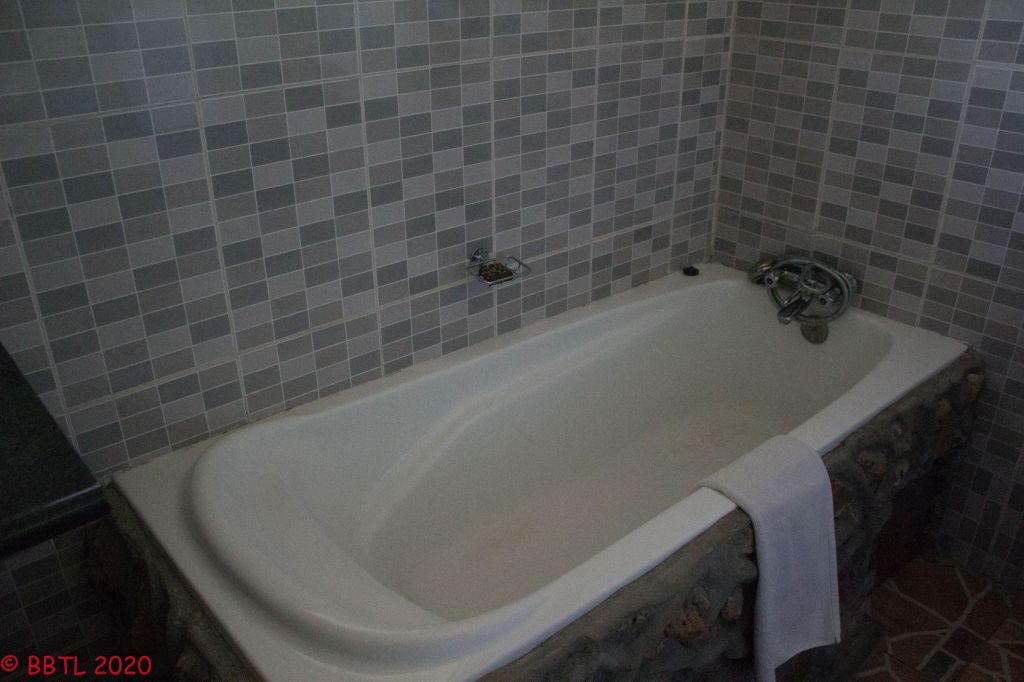
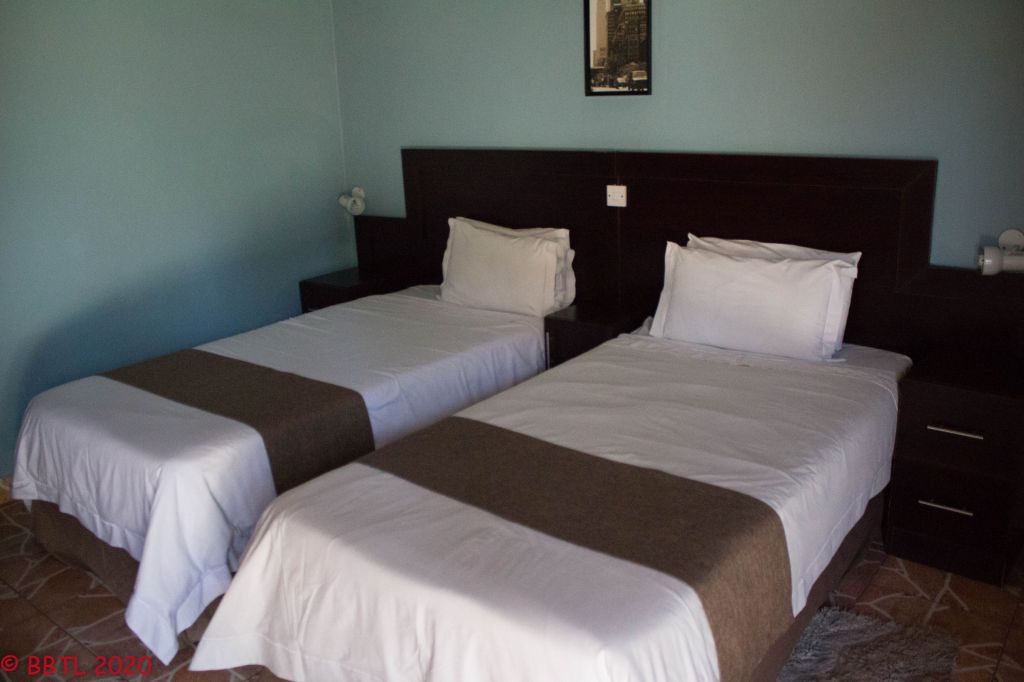
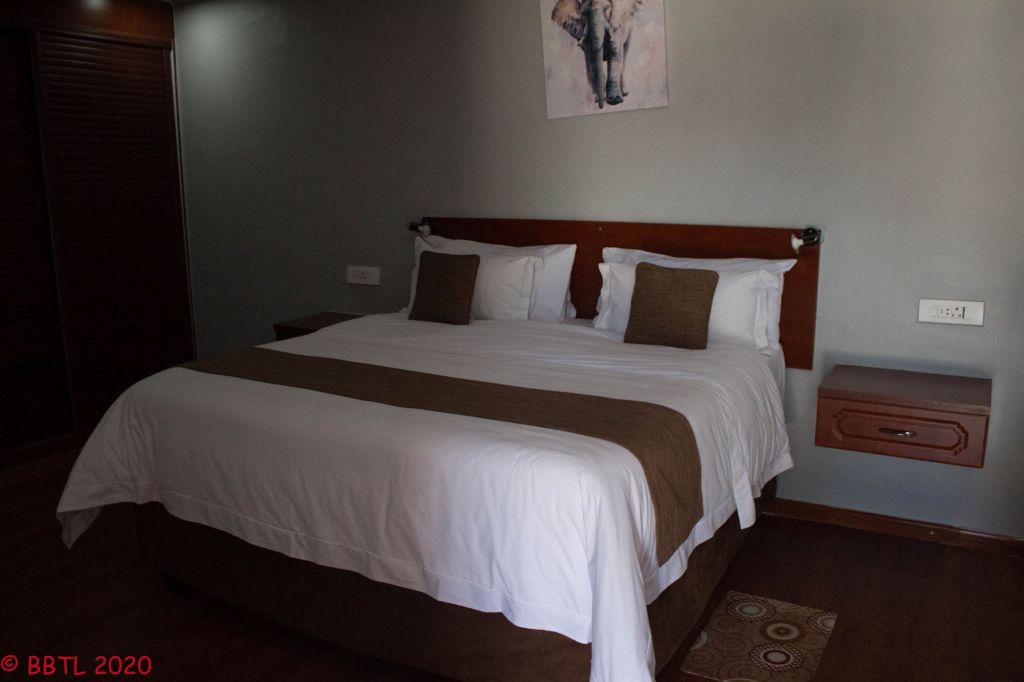
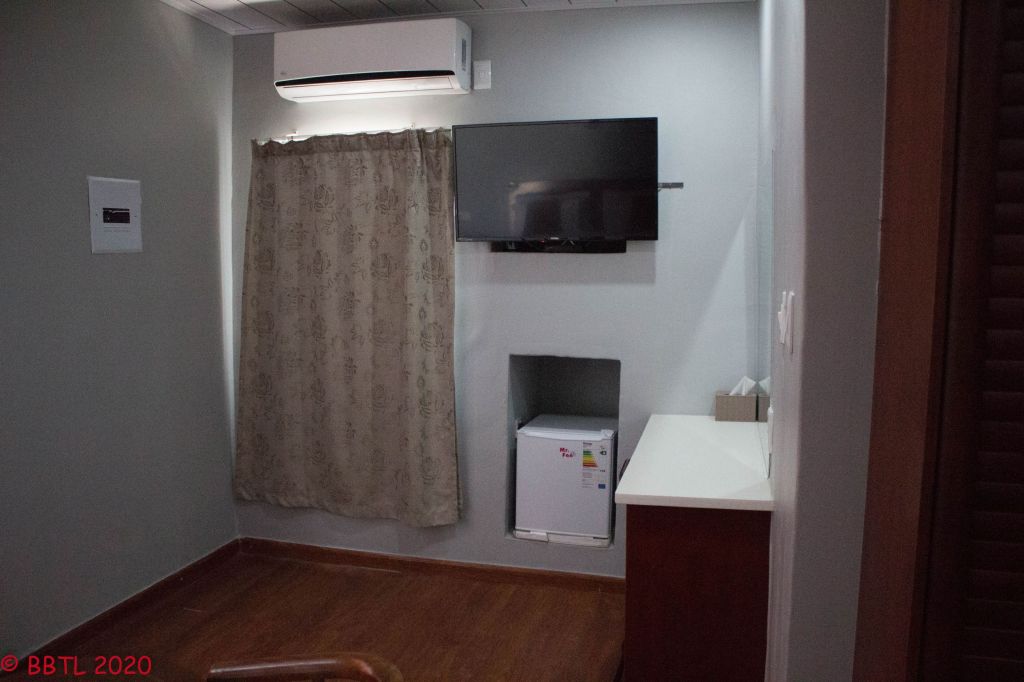
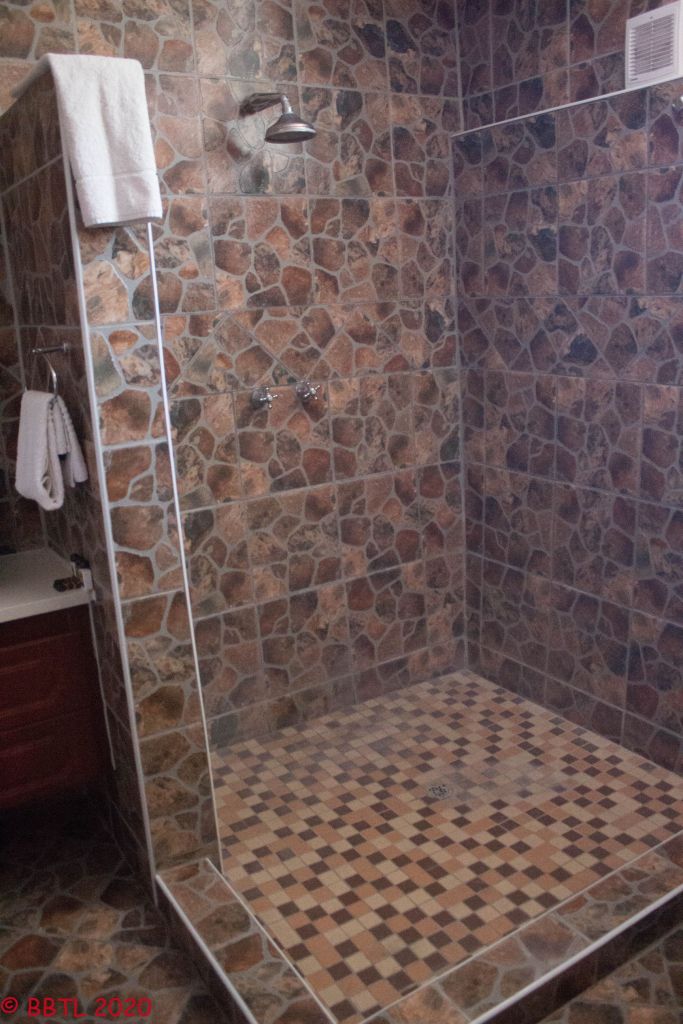
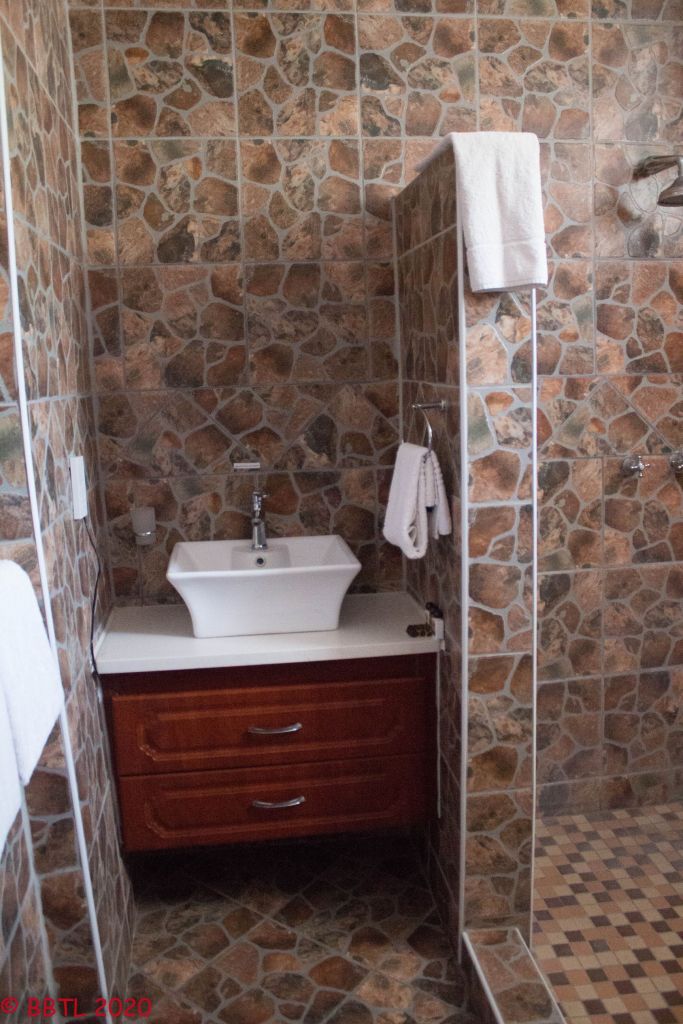
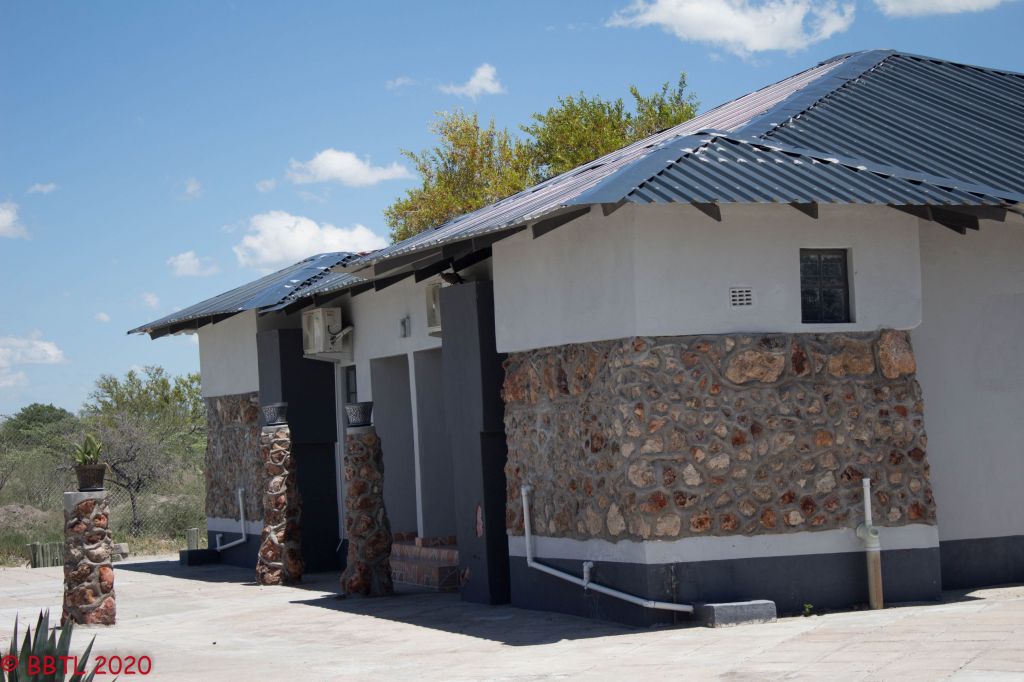
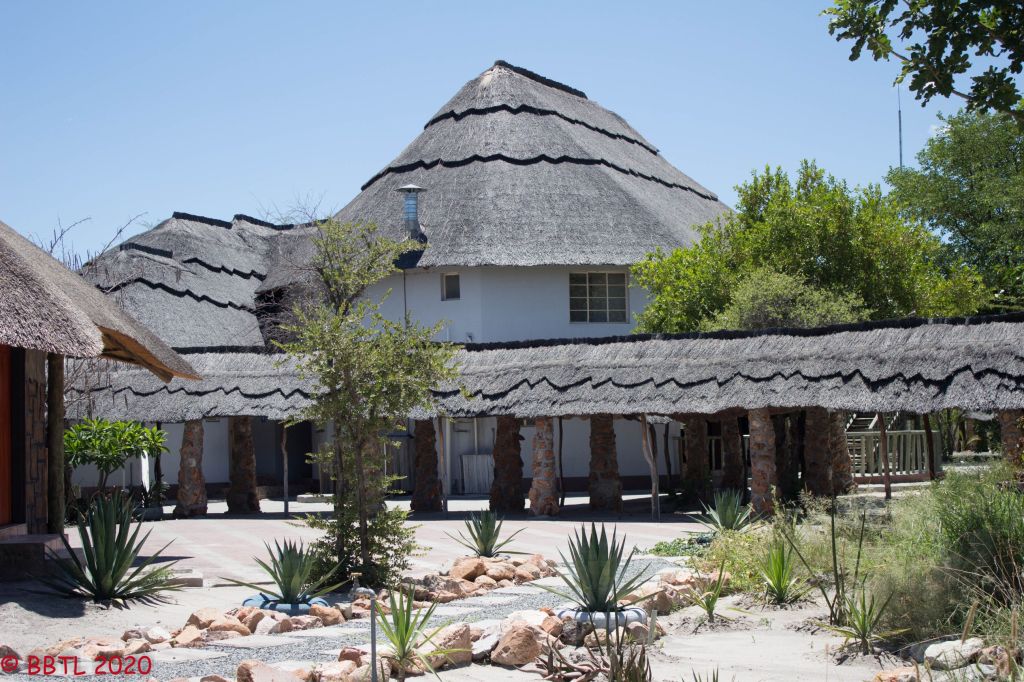
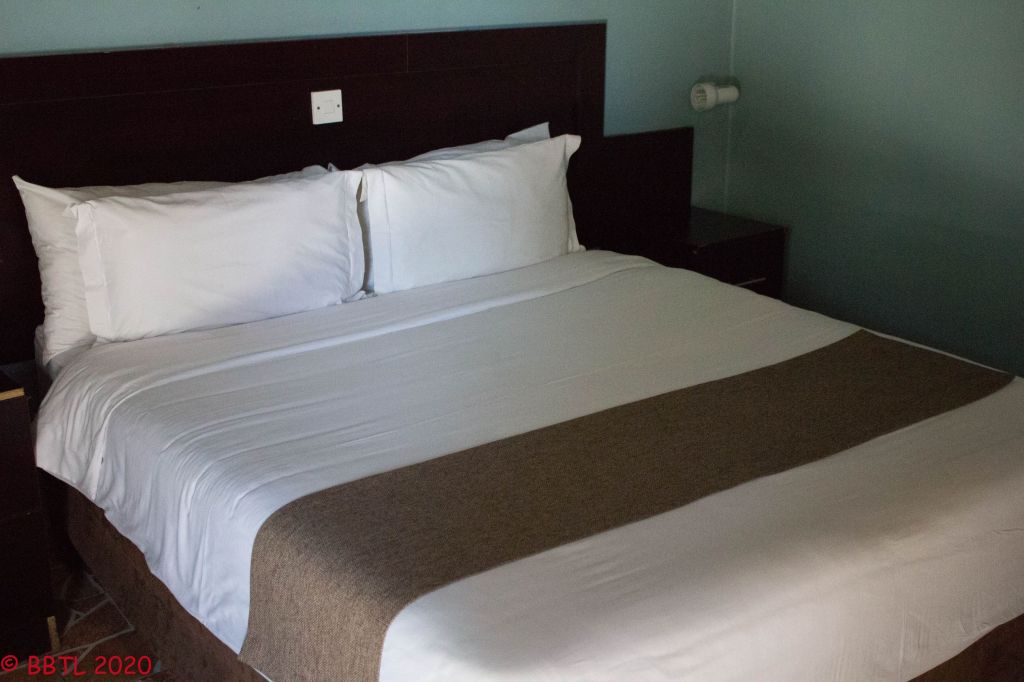
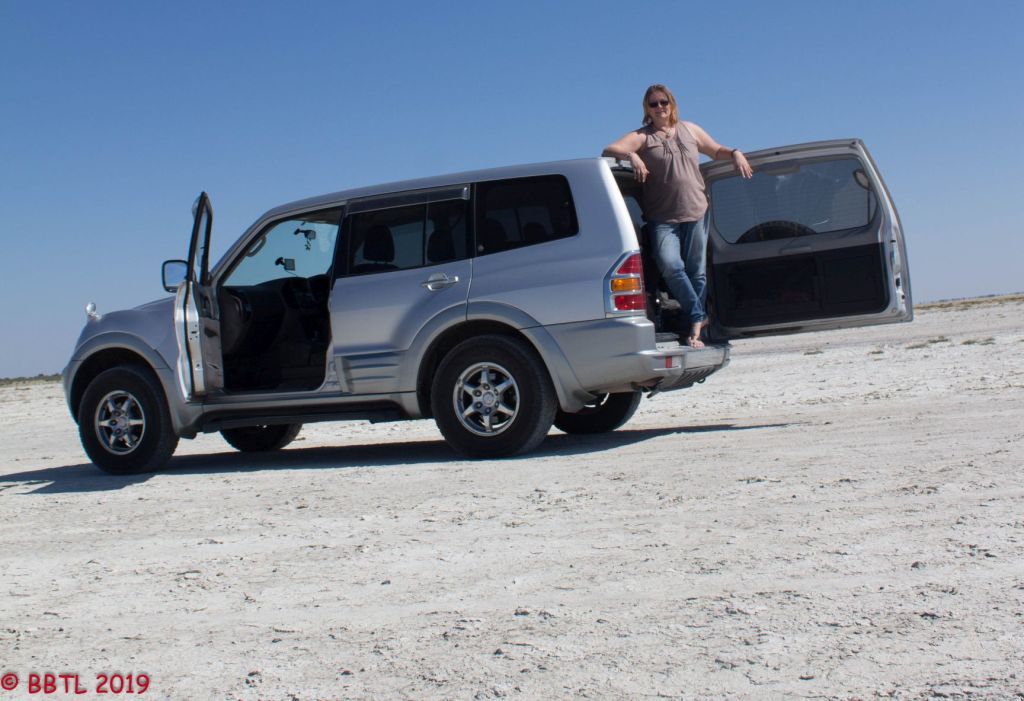
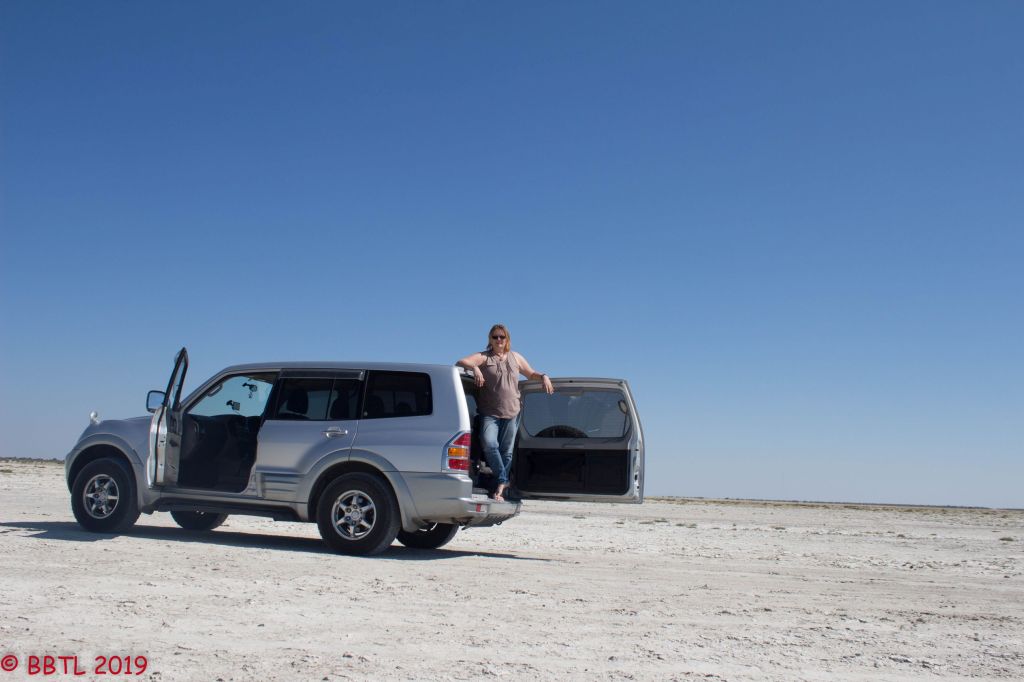
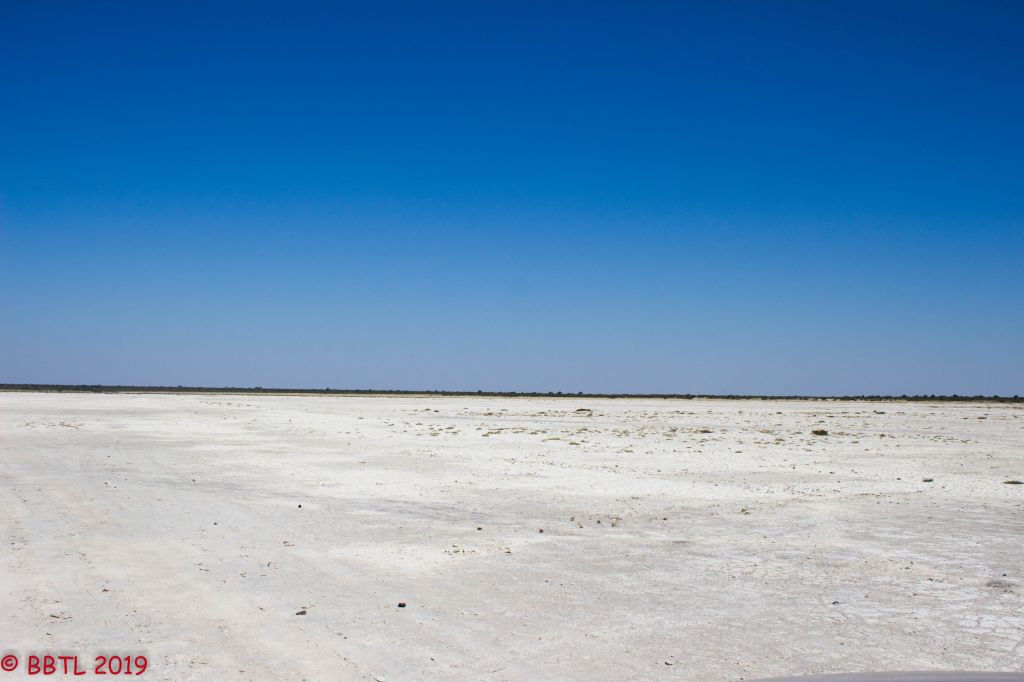
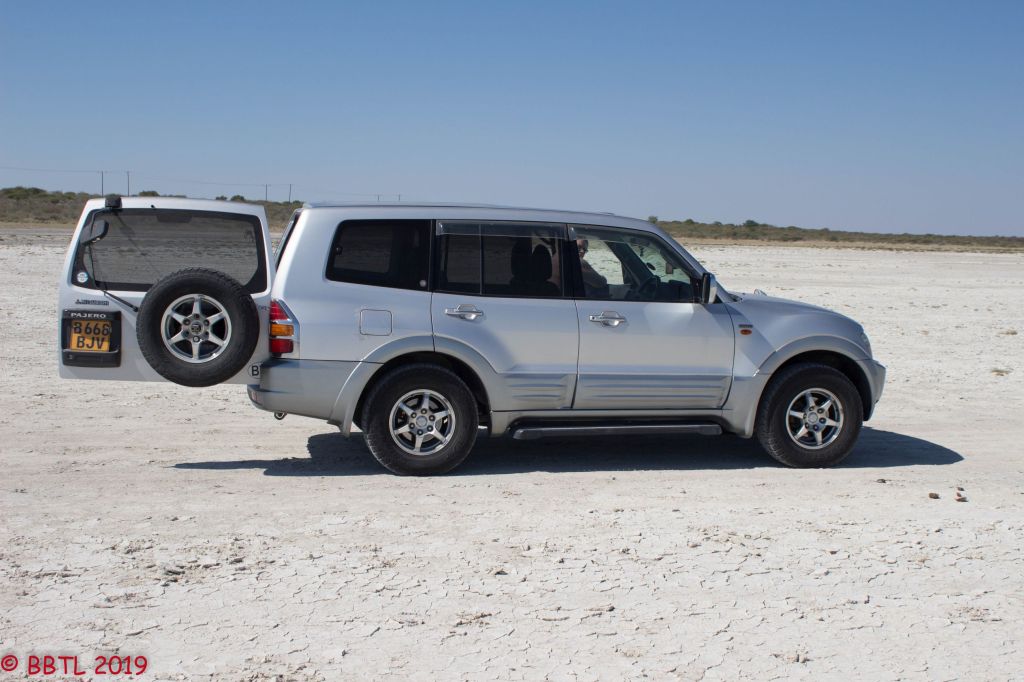
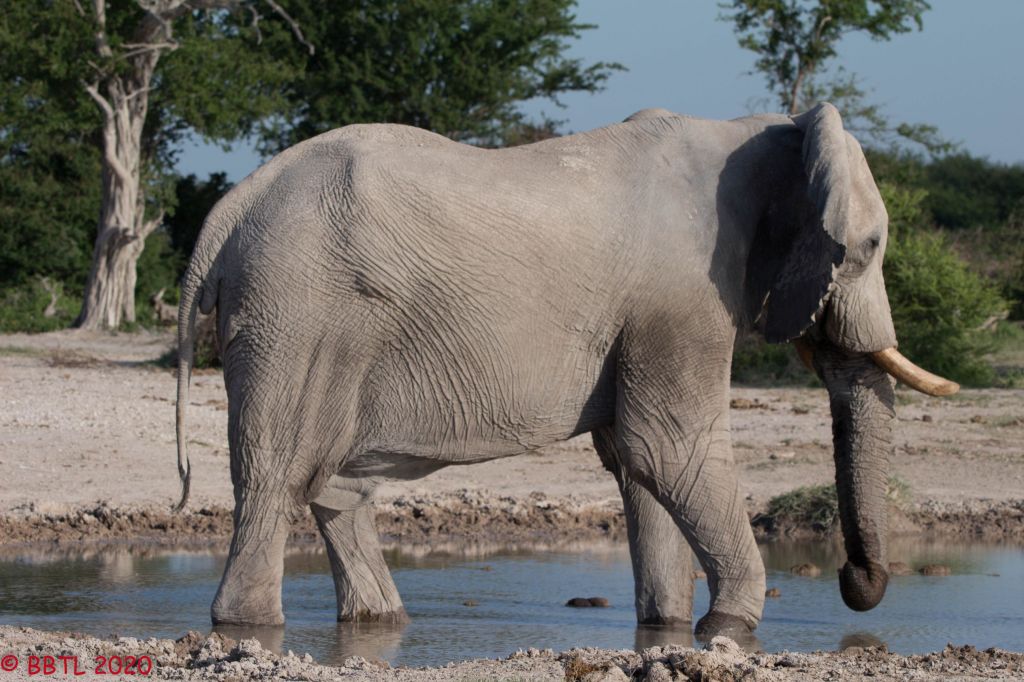
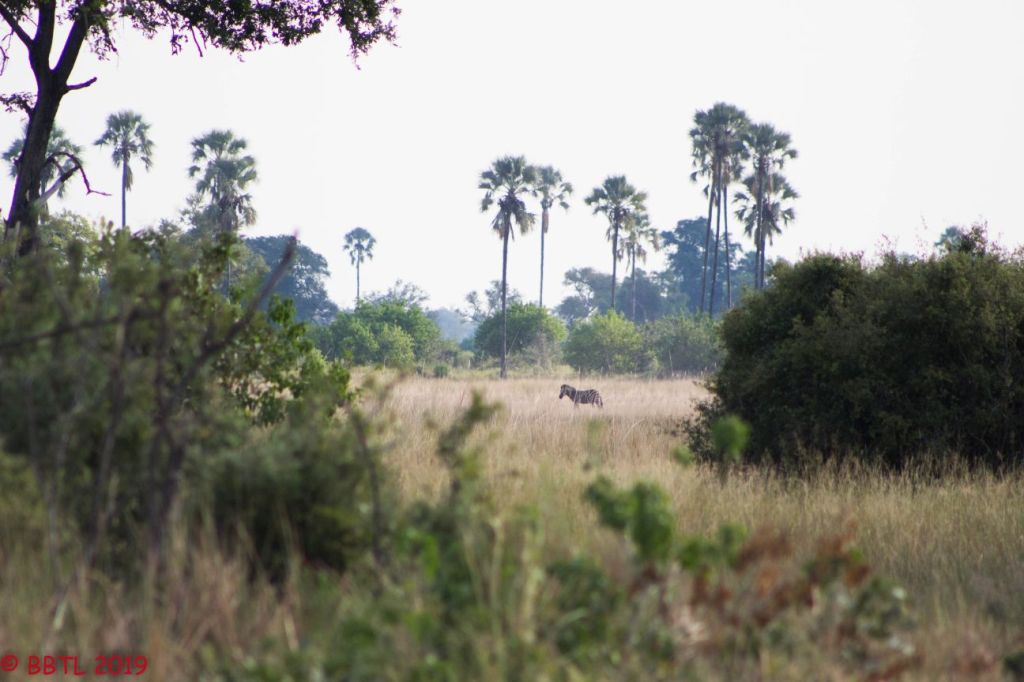
Then on Sunday it was to explore the Nxai Pans, which are at this time green and lots and lots of animals to see… see for yourself..!
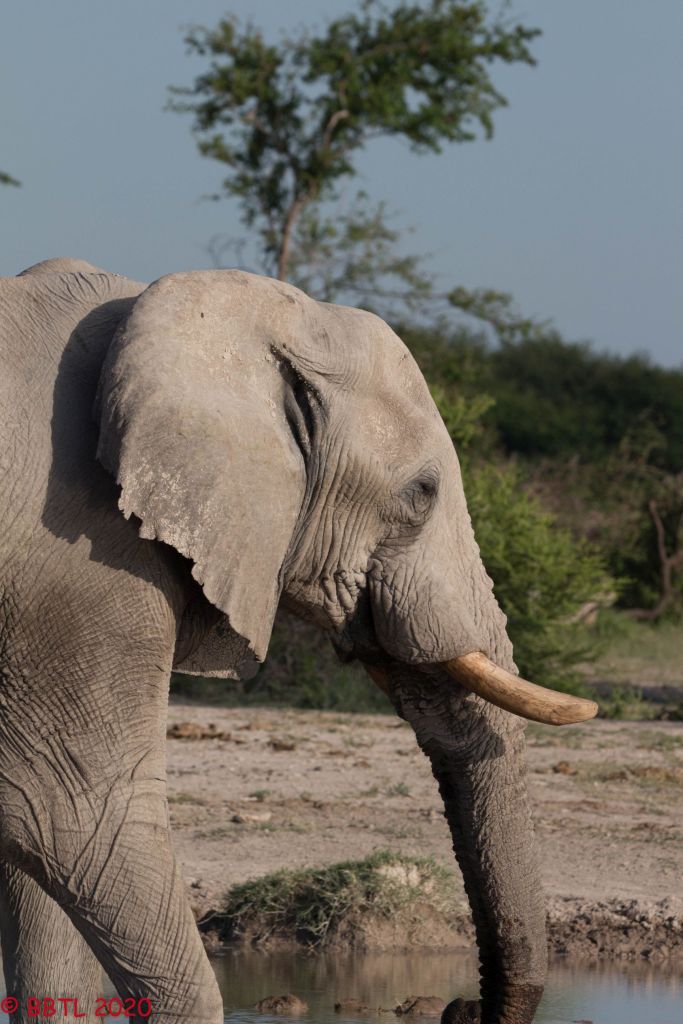
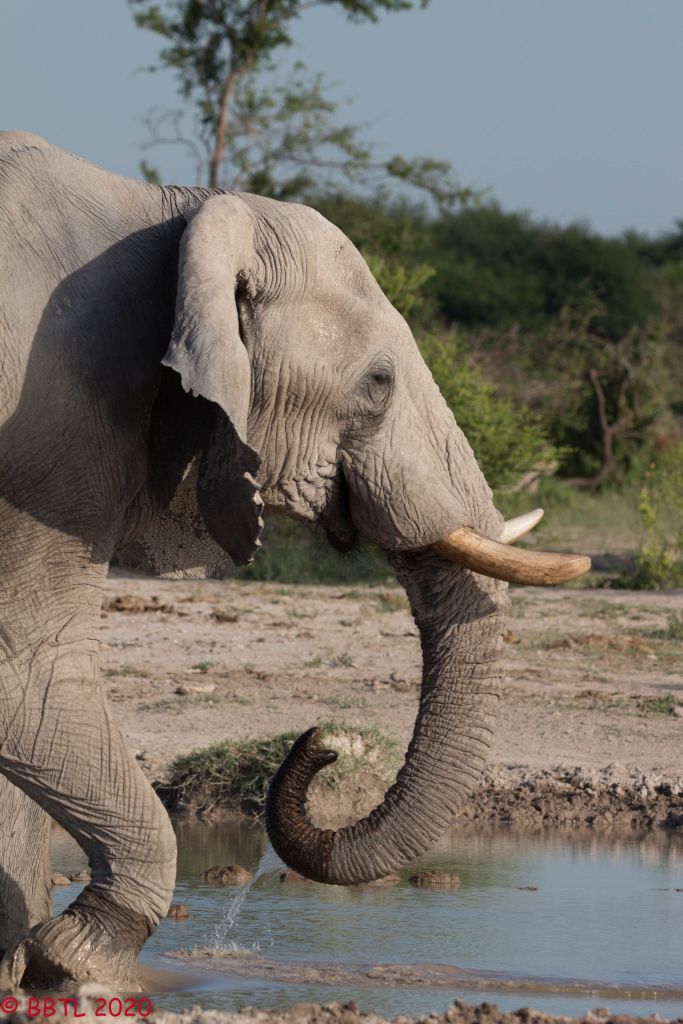
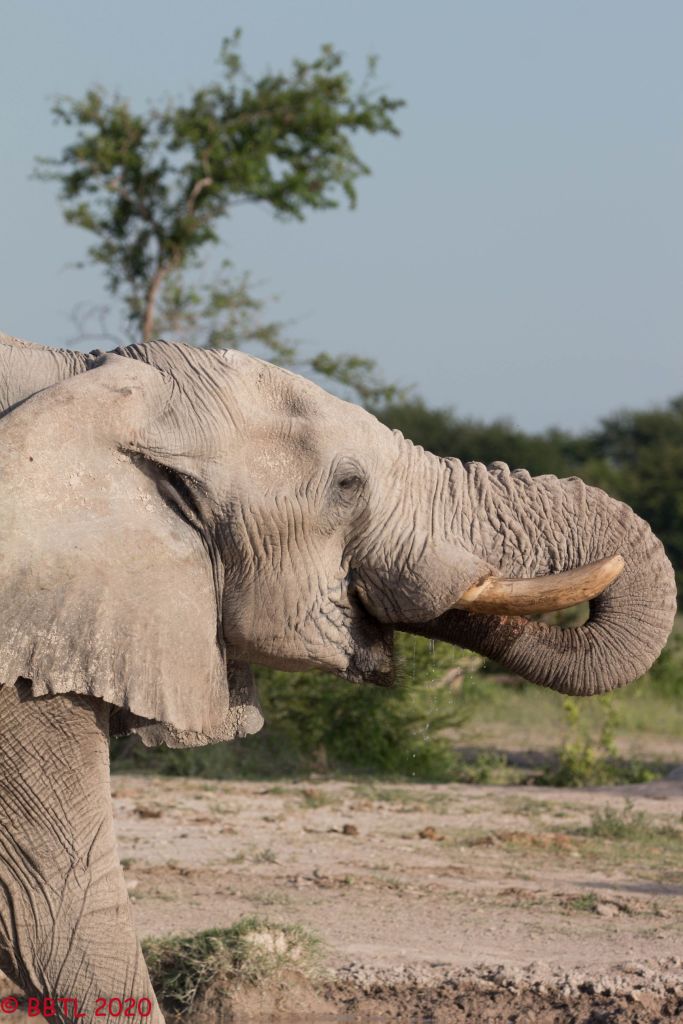
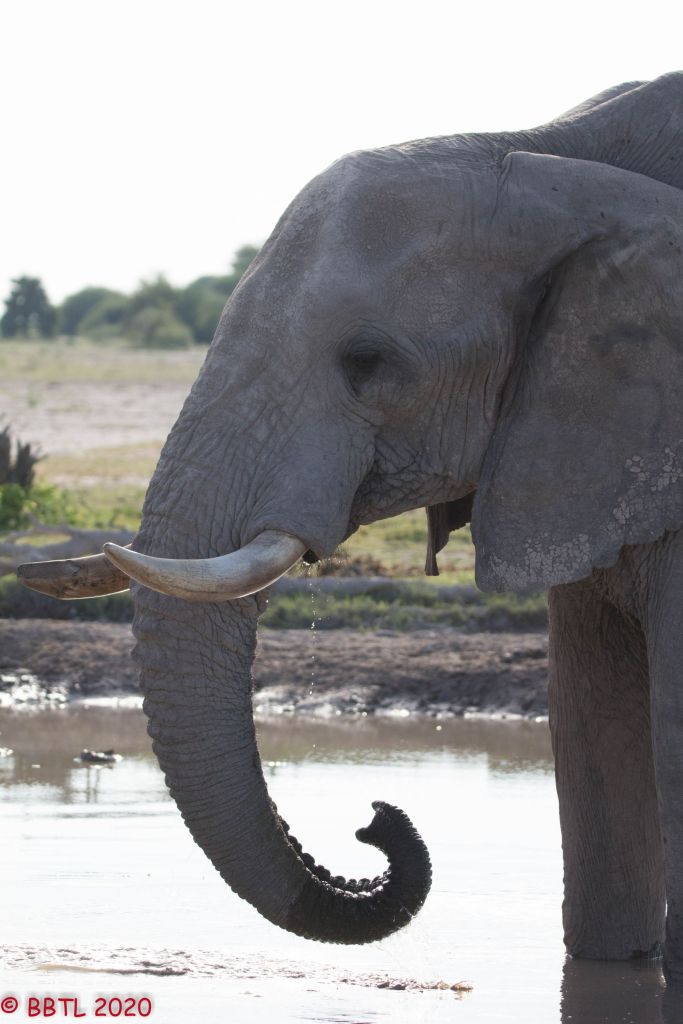
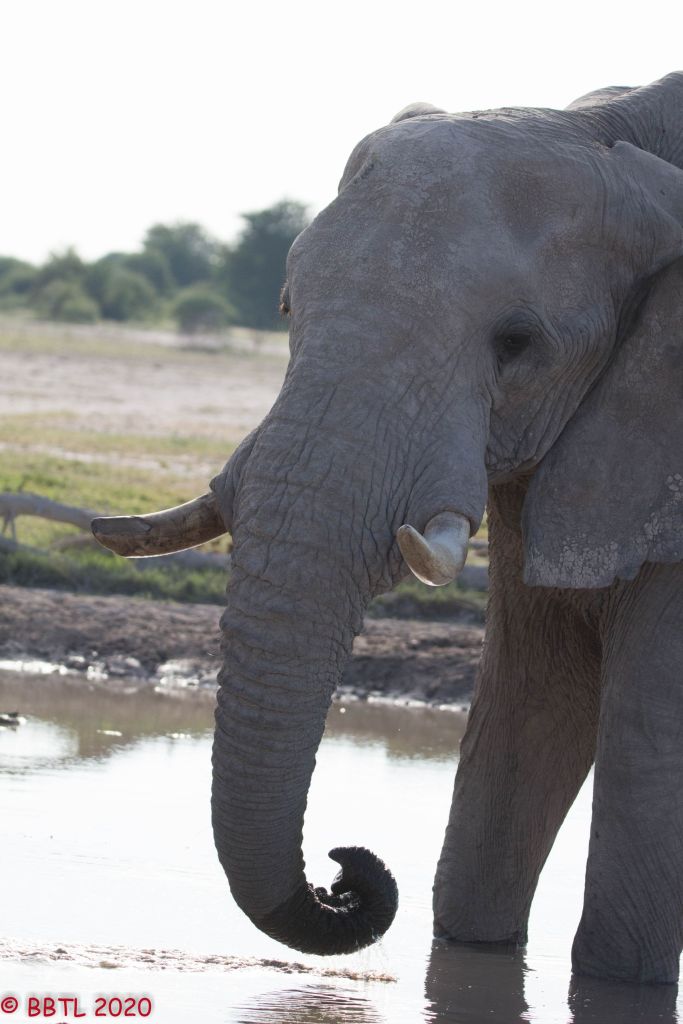
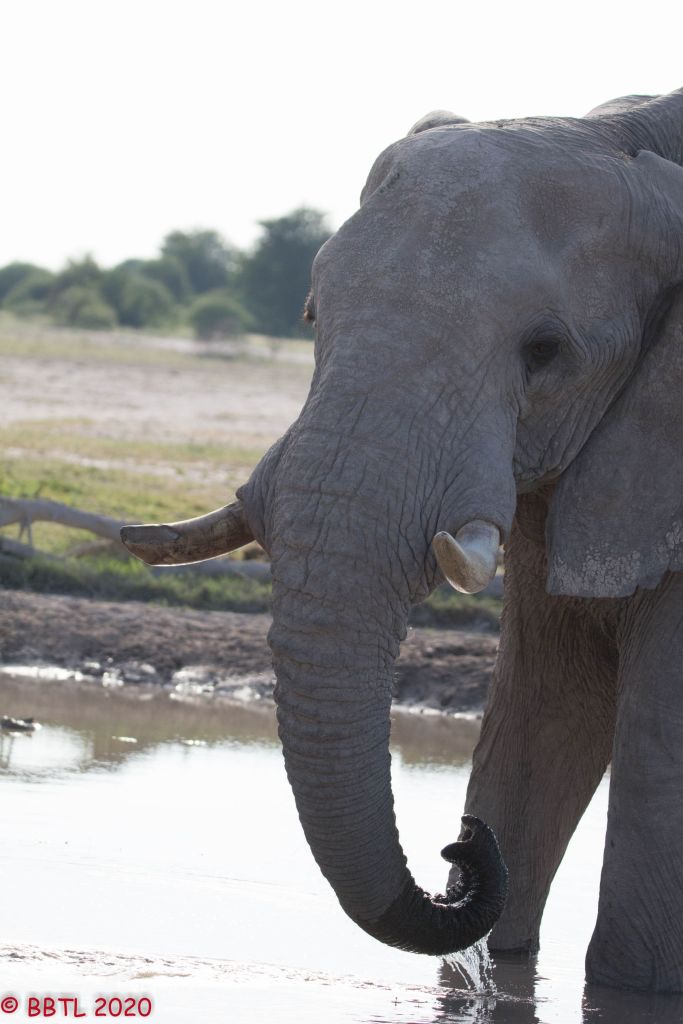
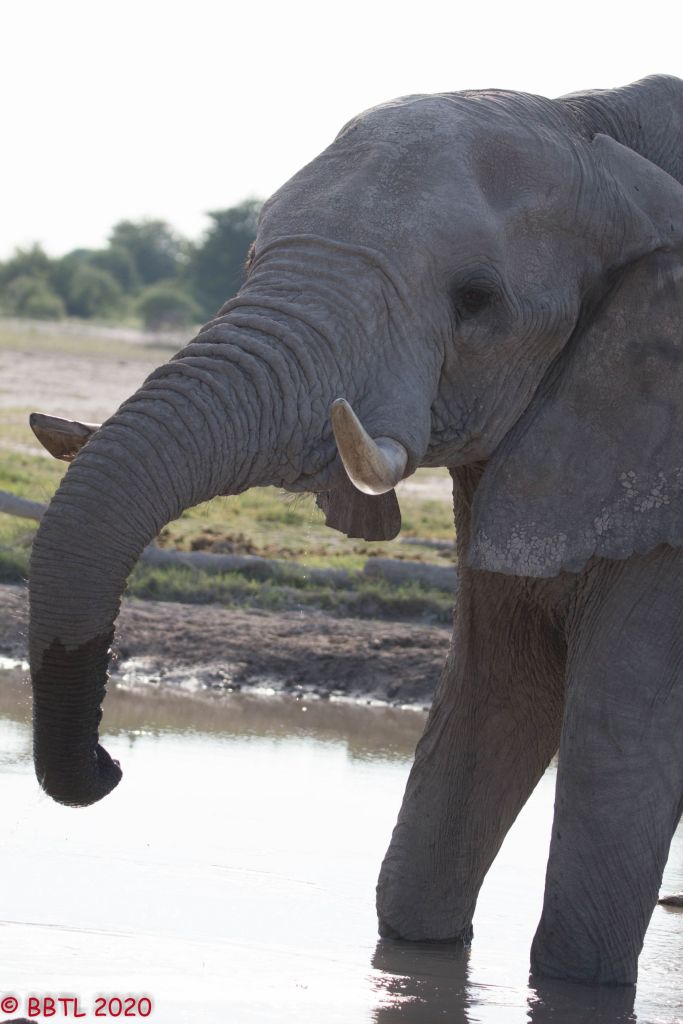
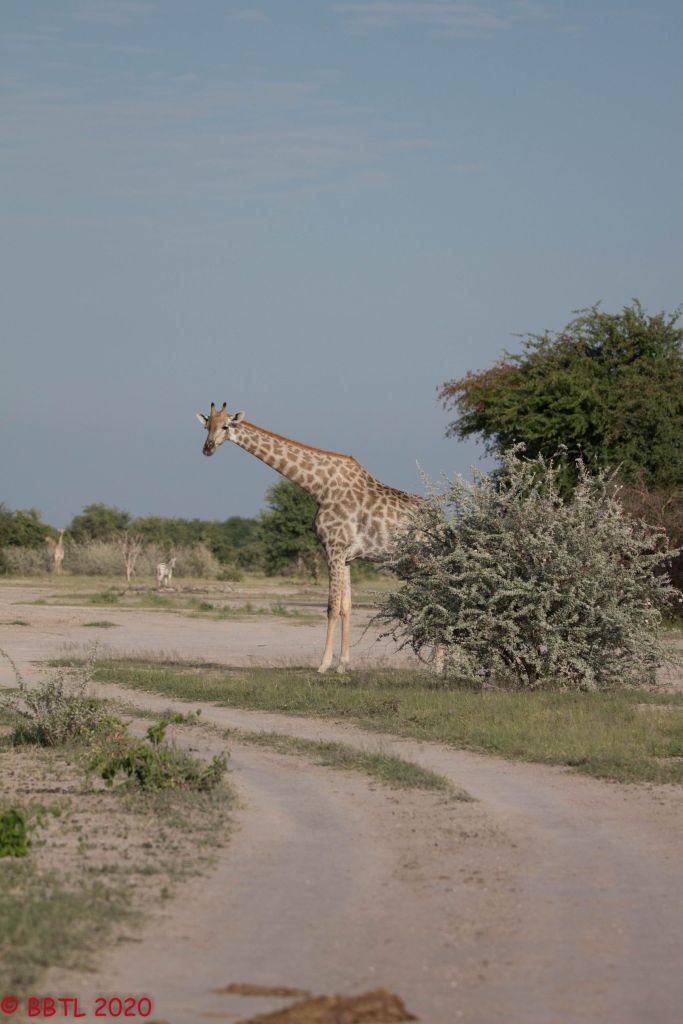
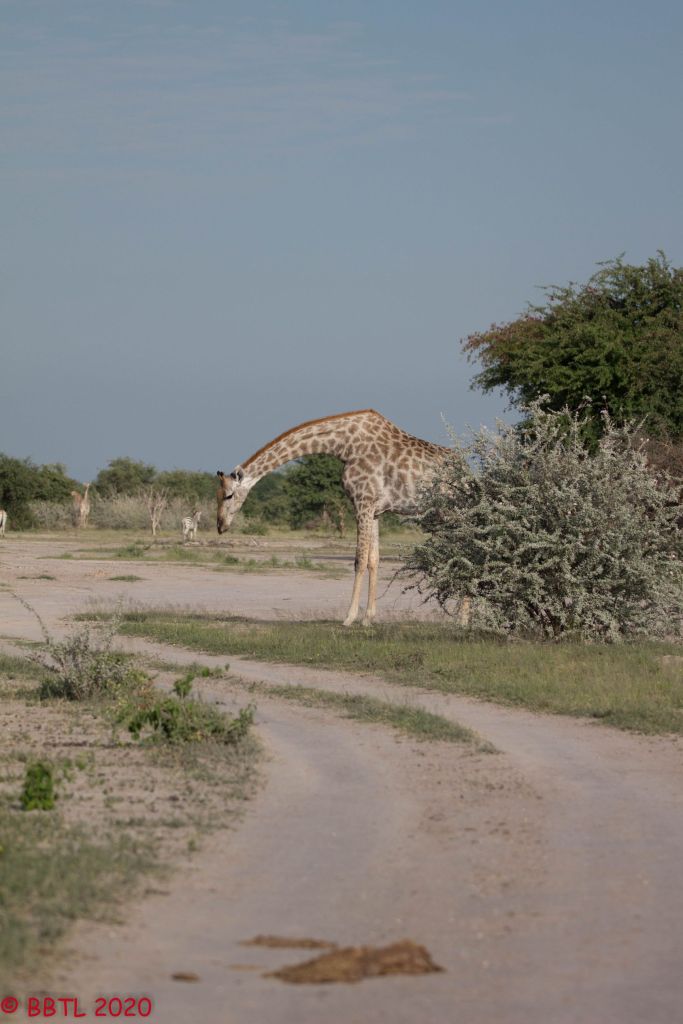
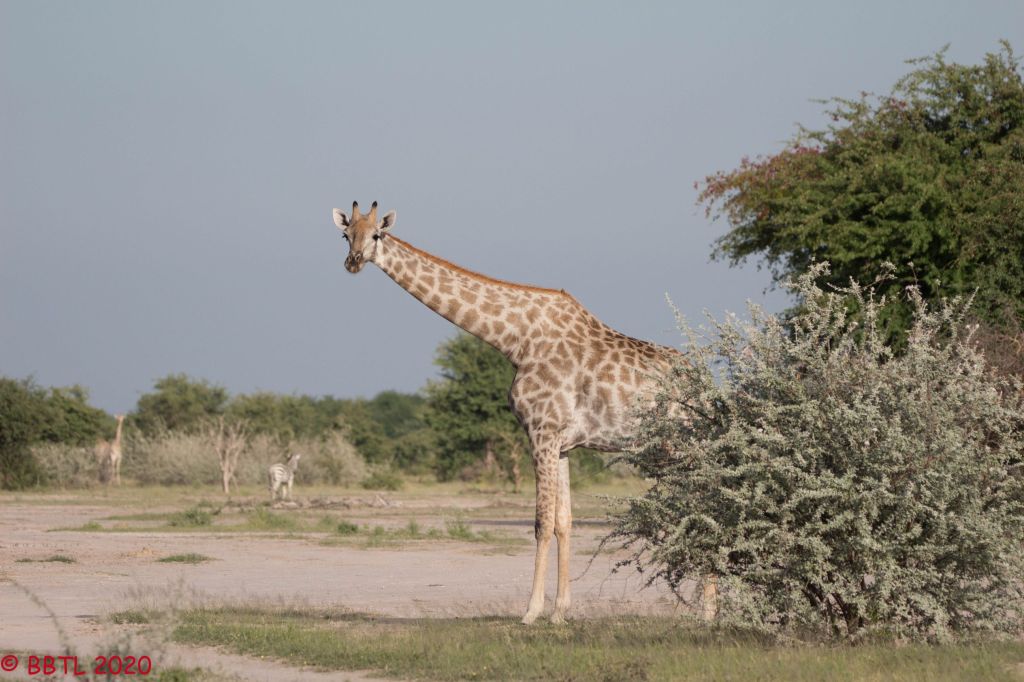
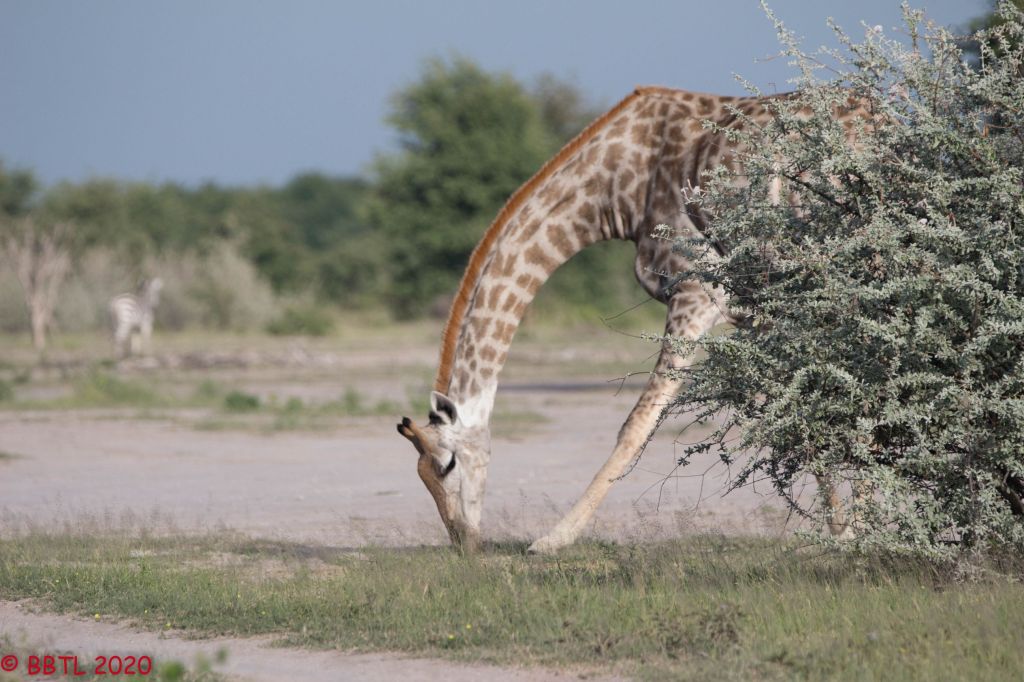
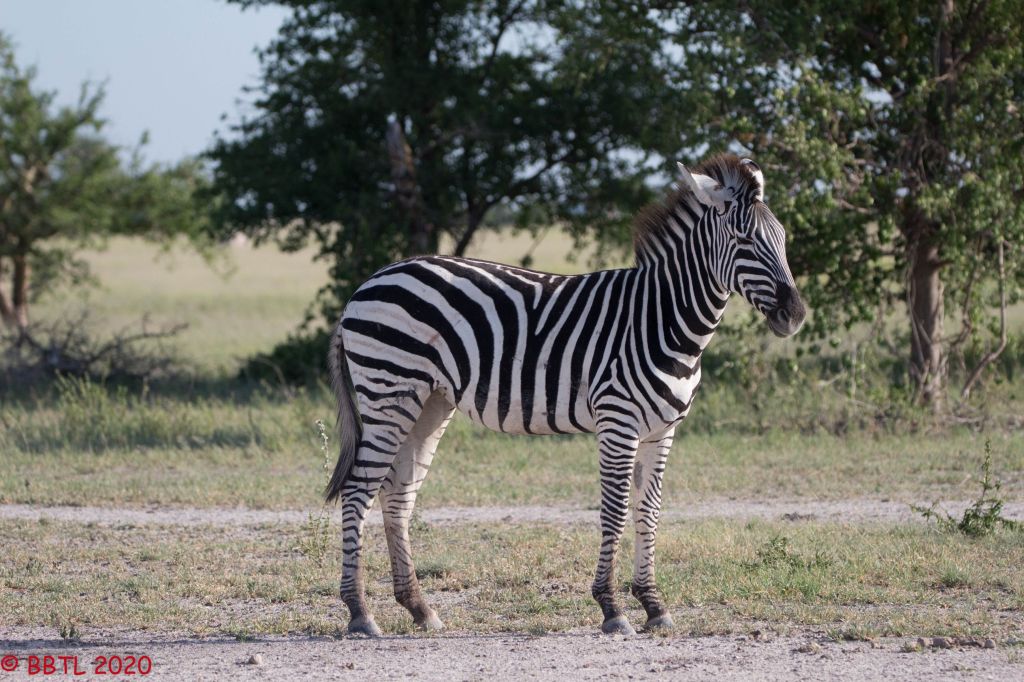
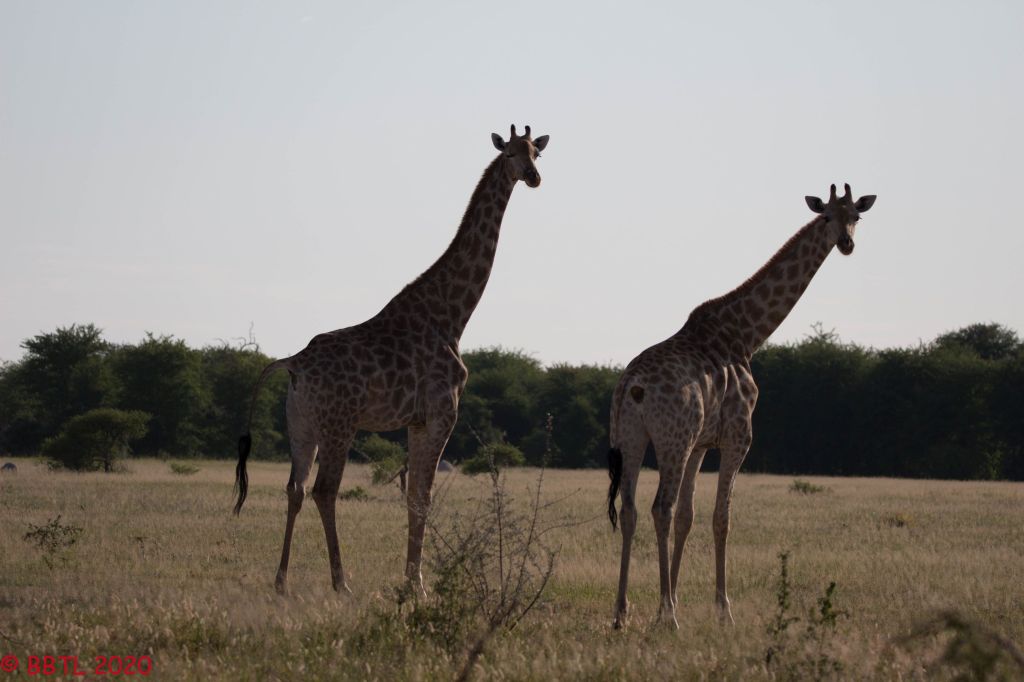
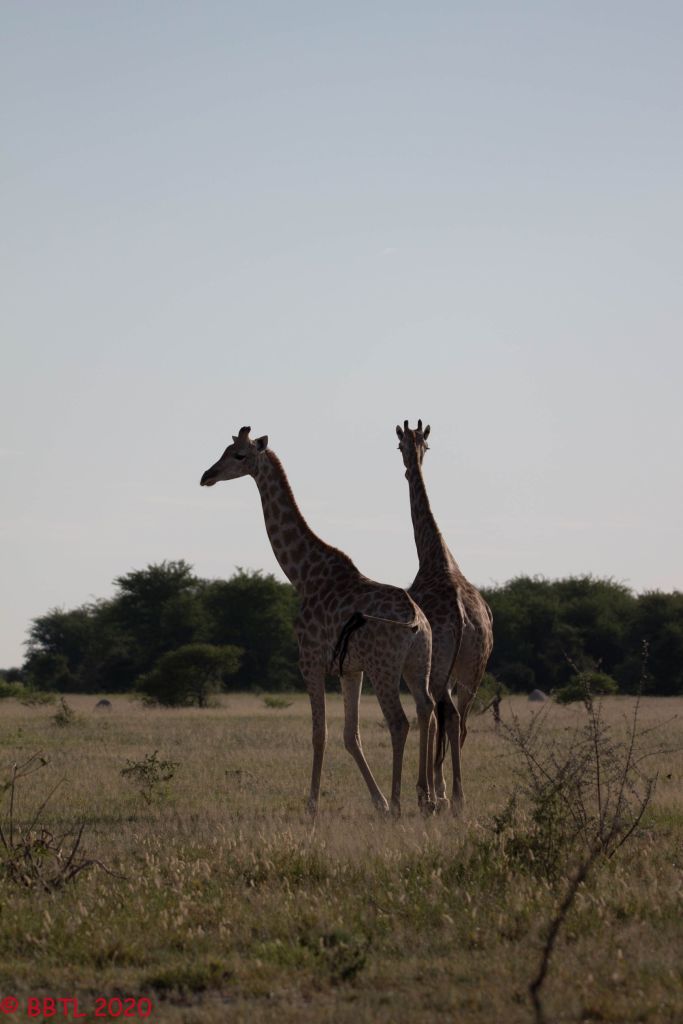
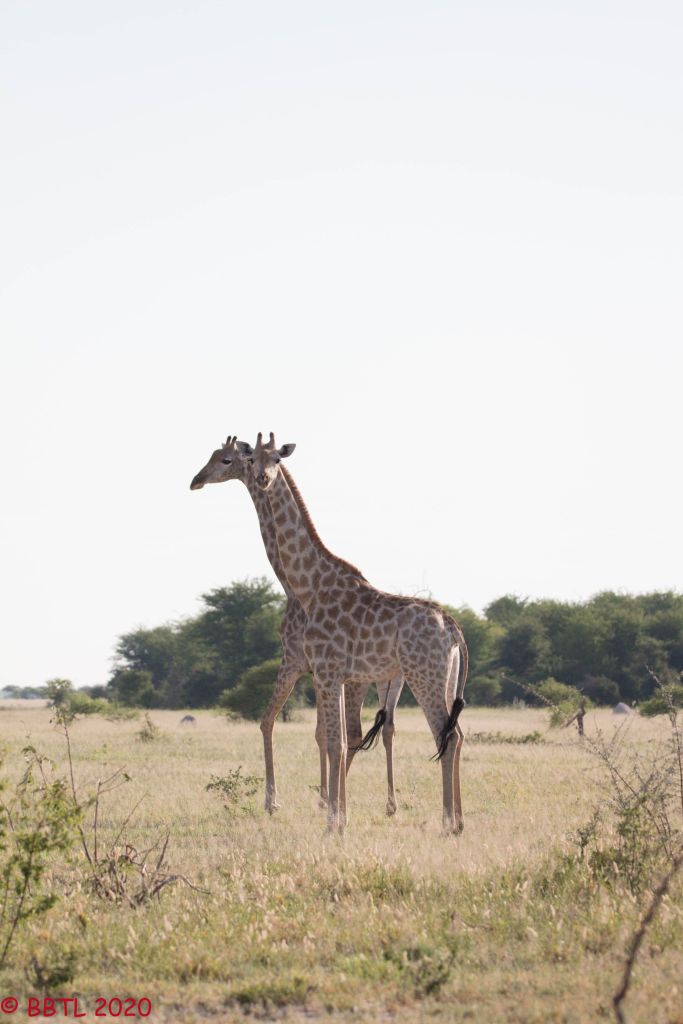
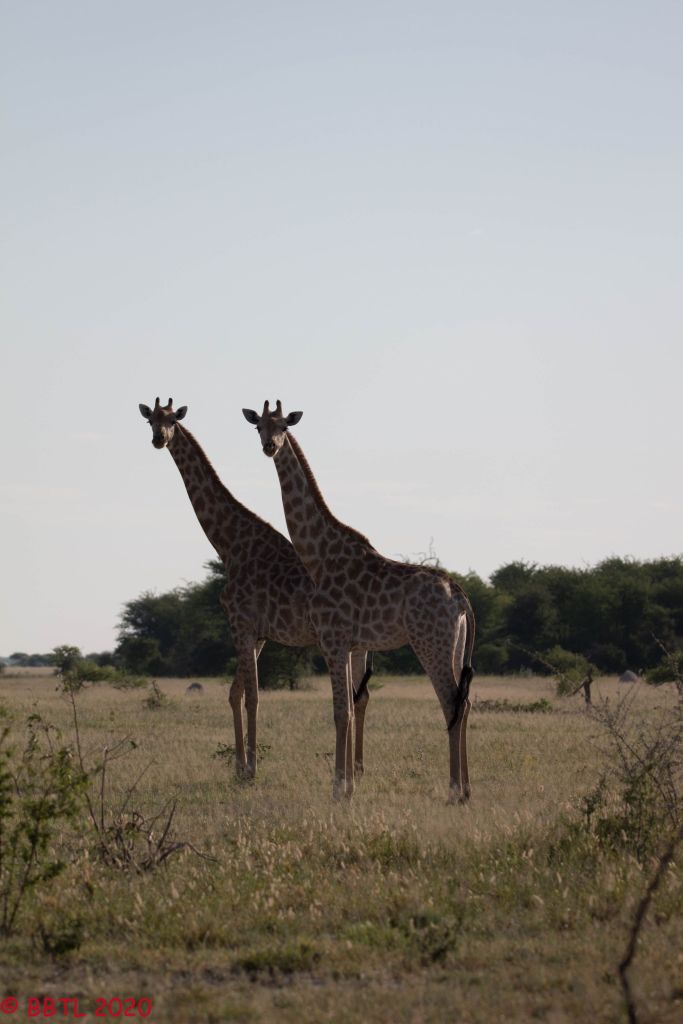
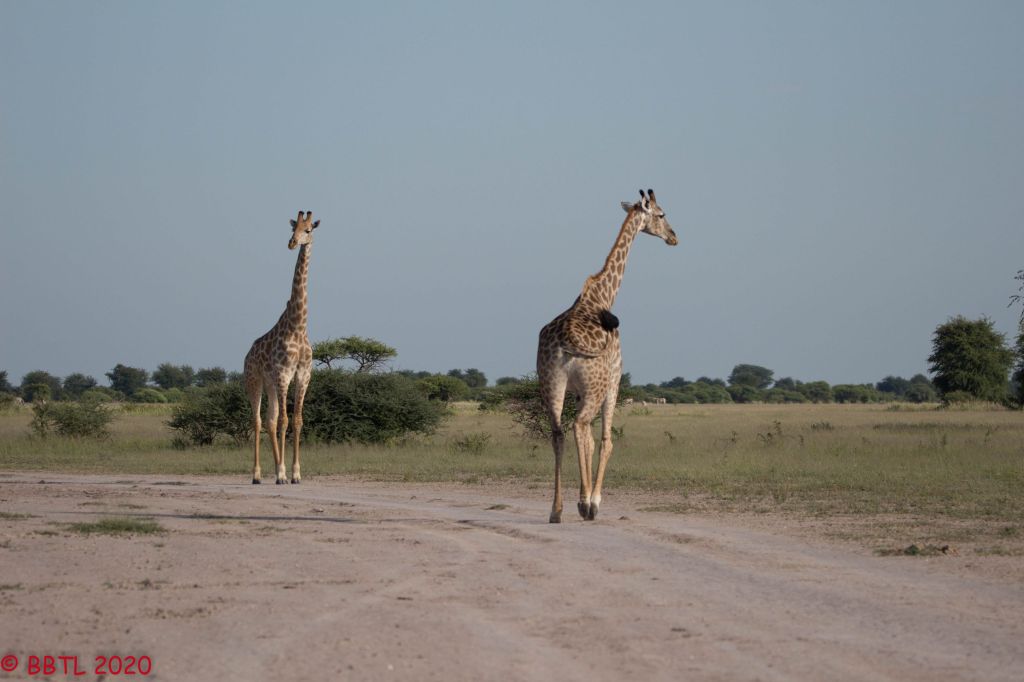
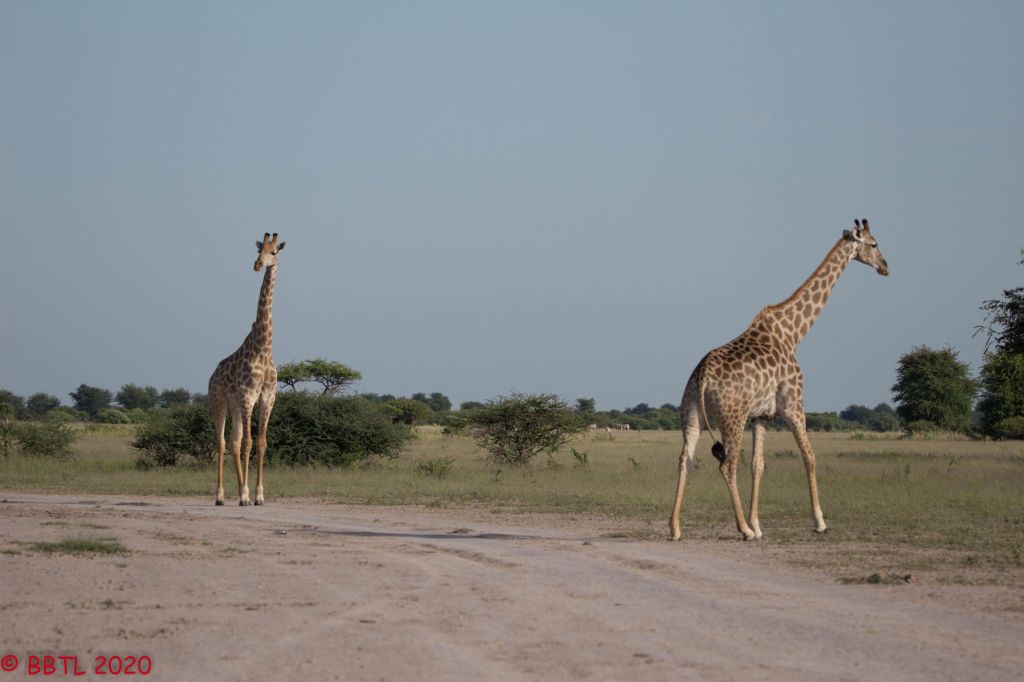
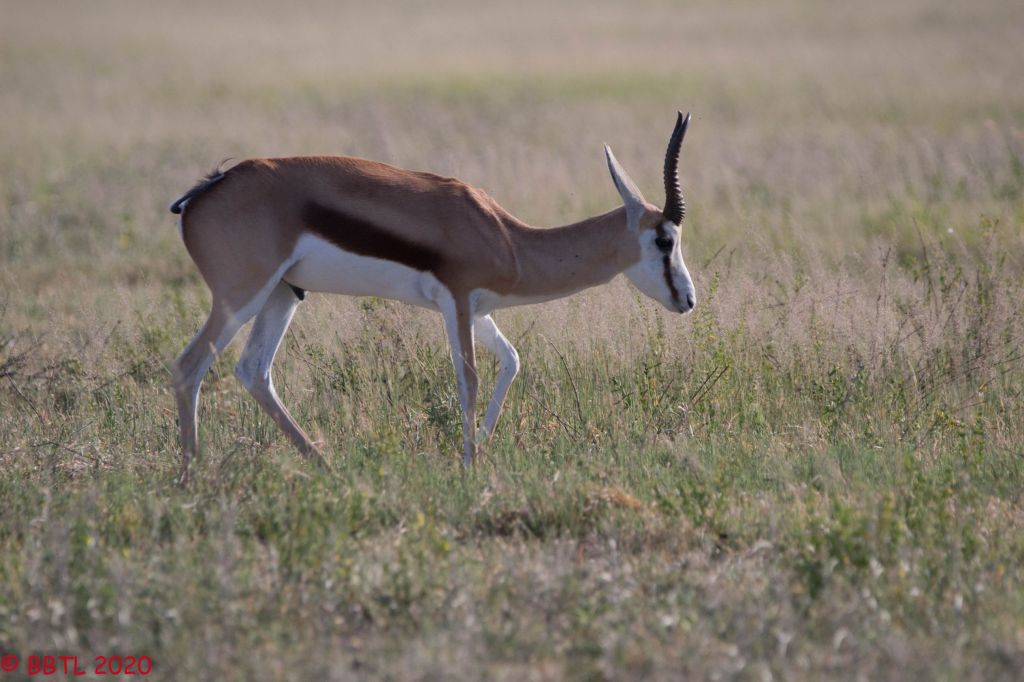
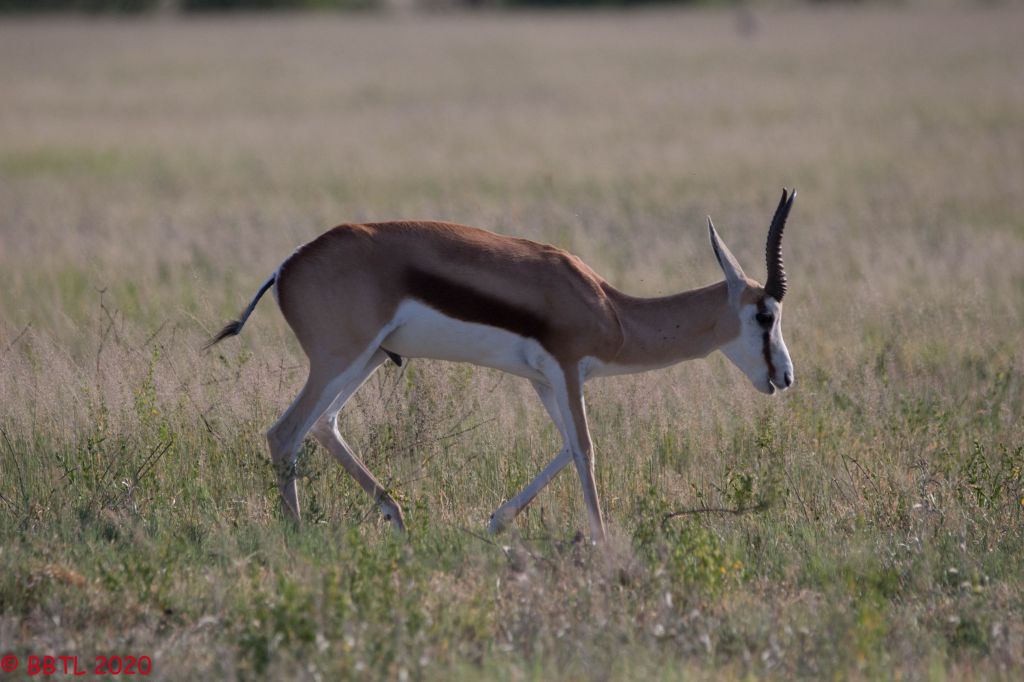
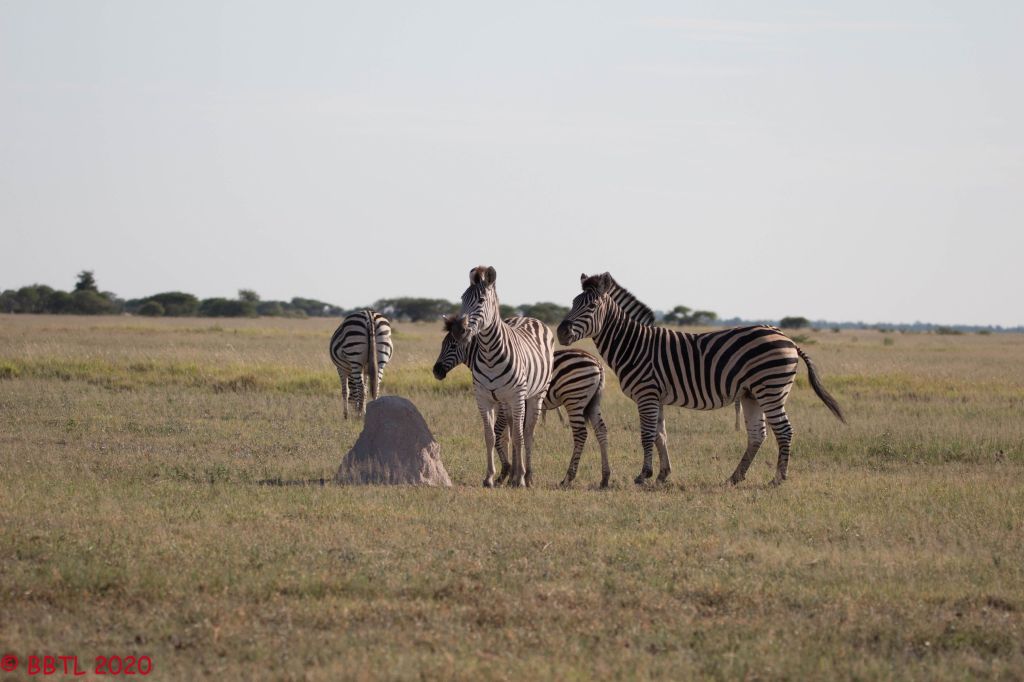
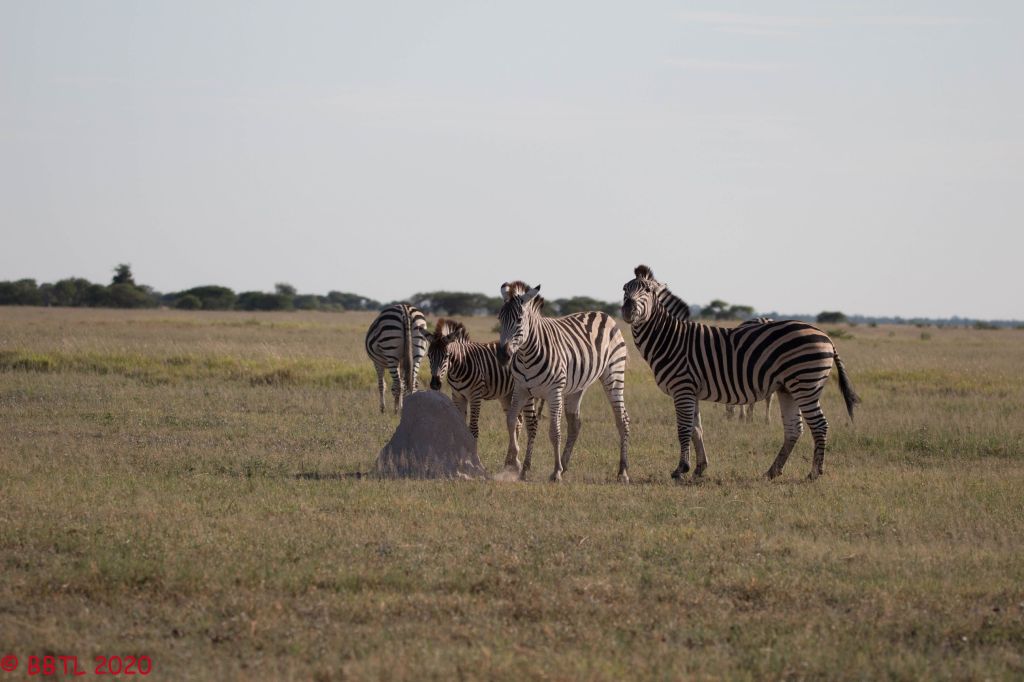
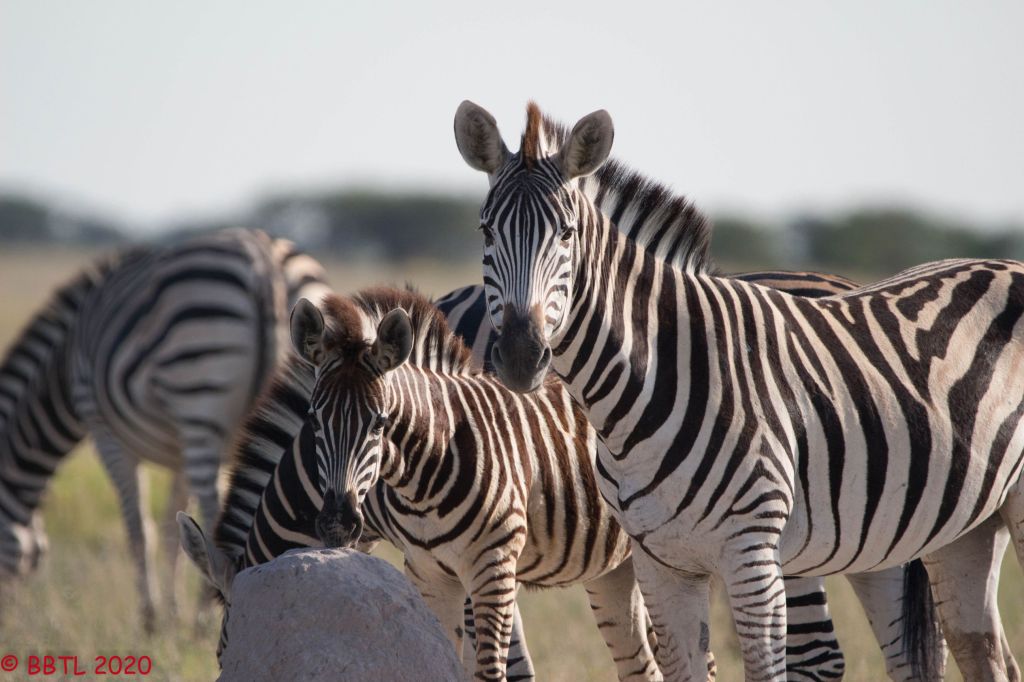
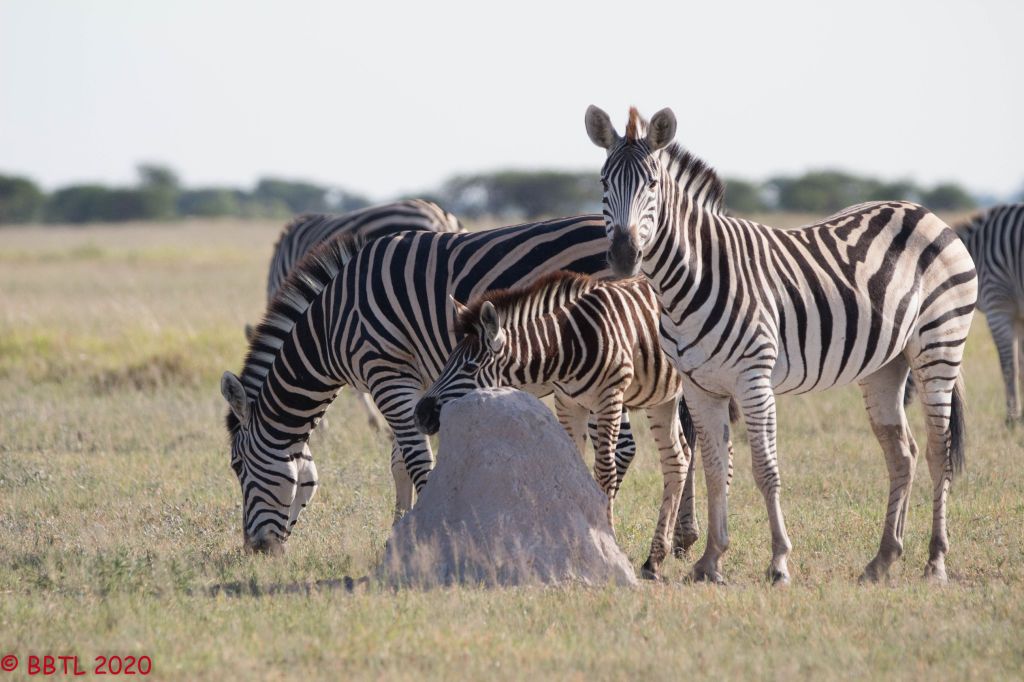
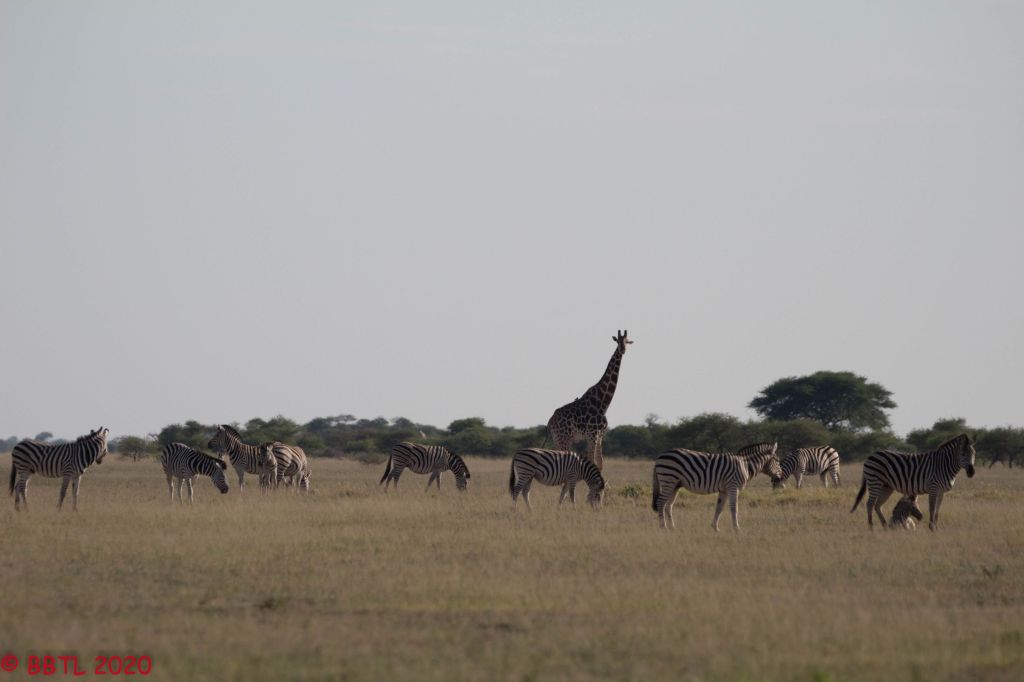
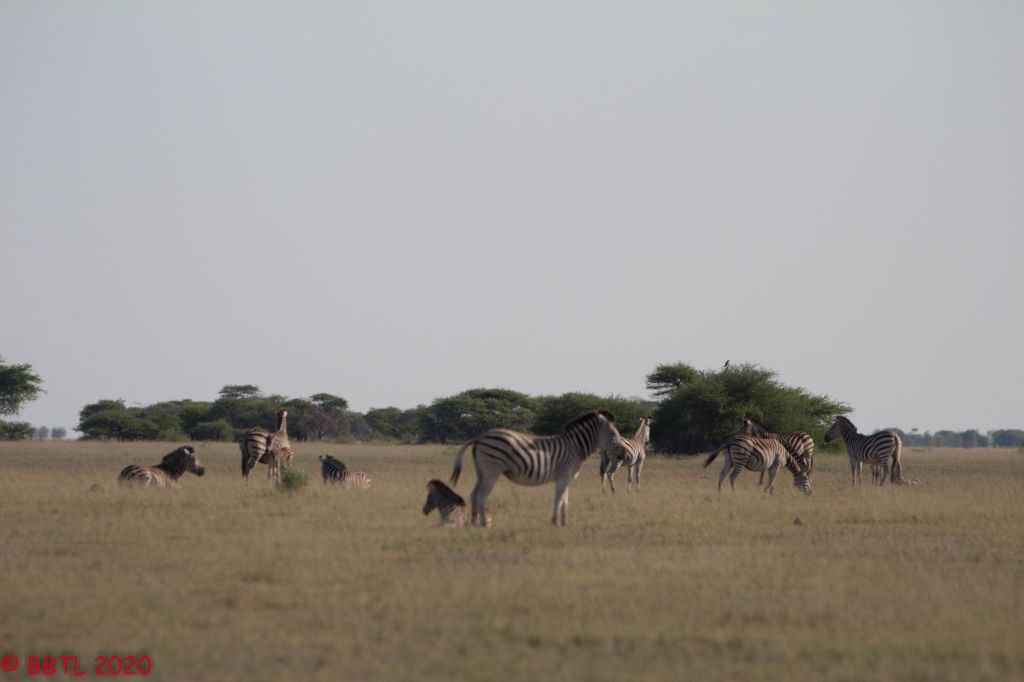
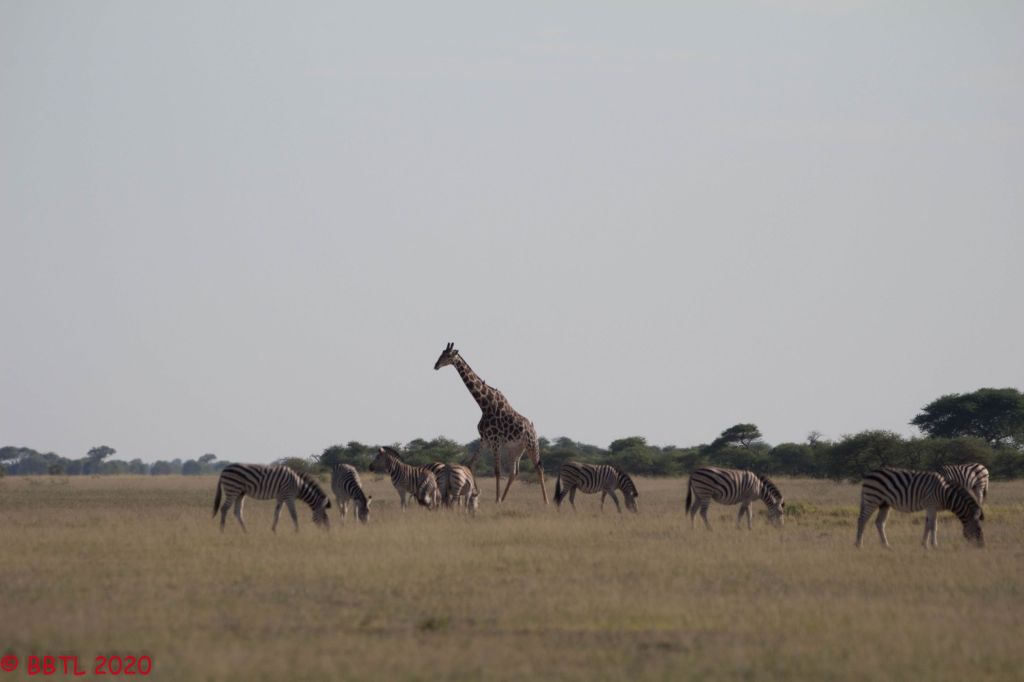
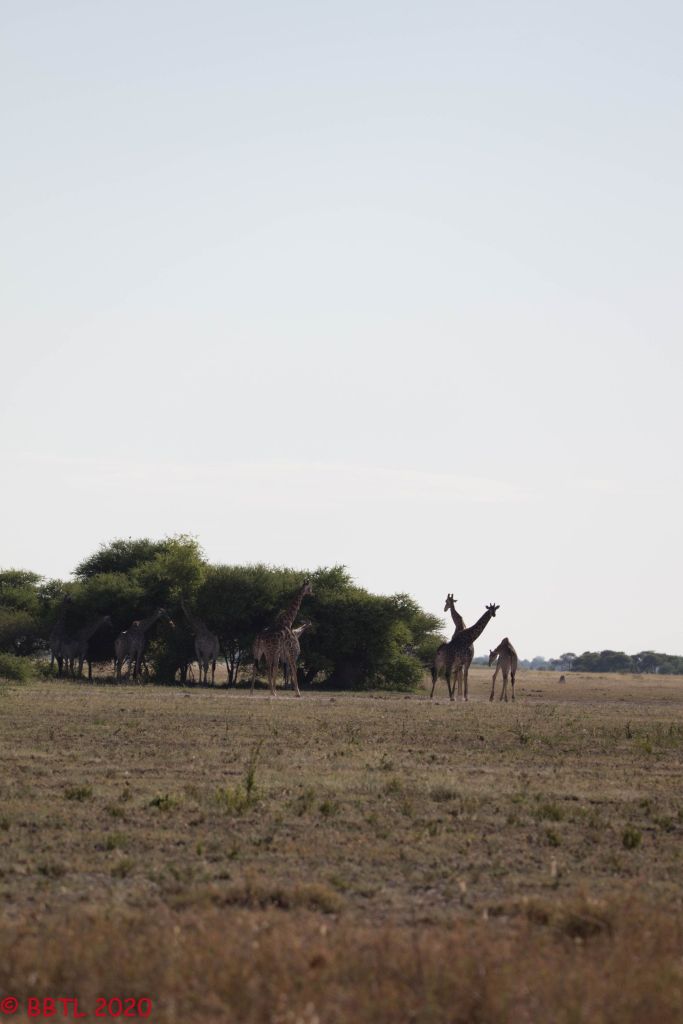
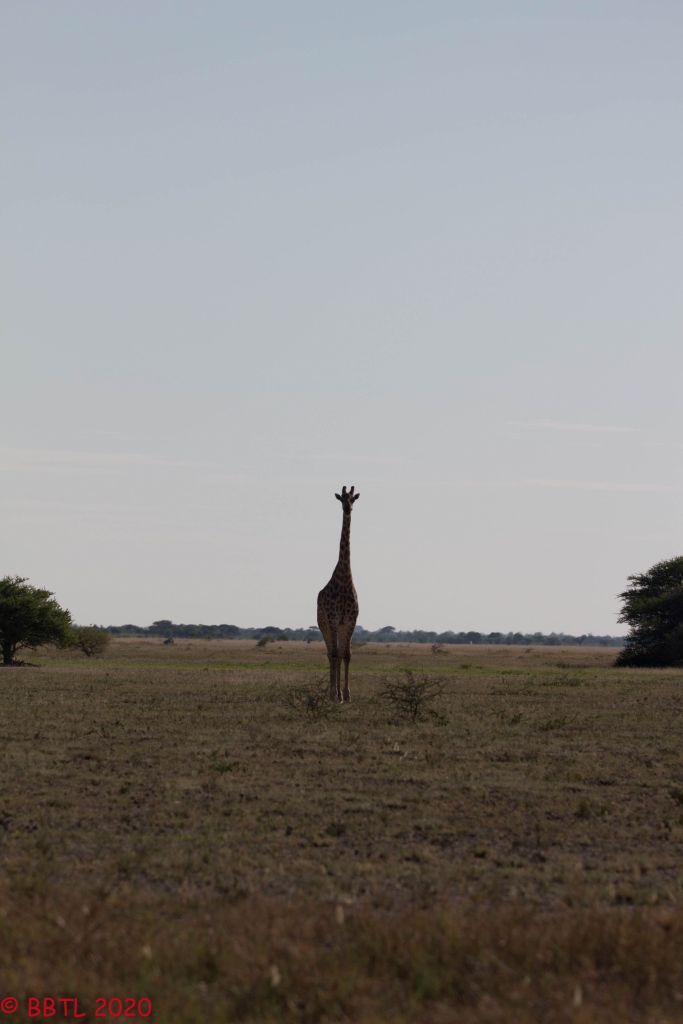
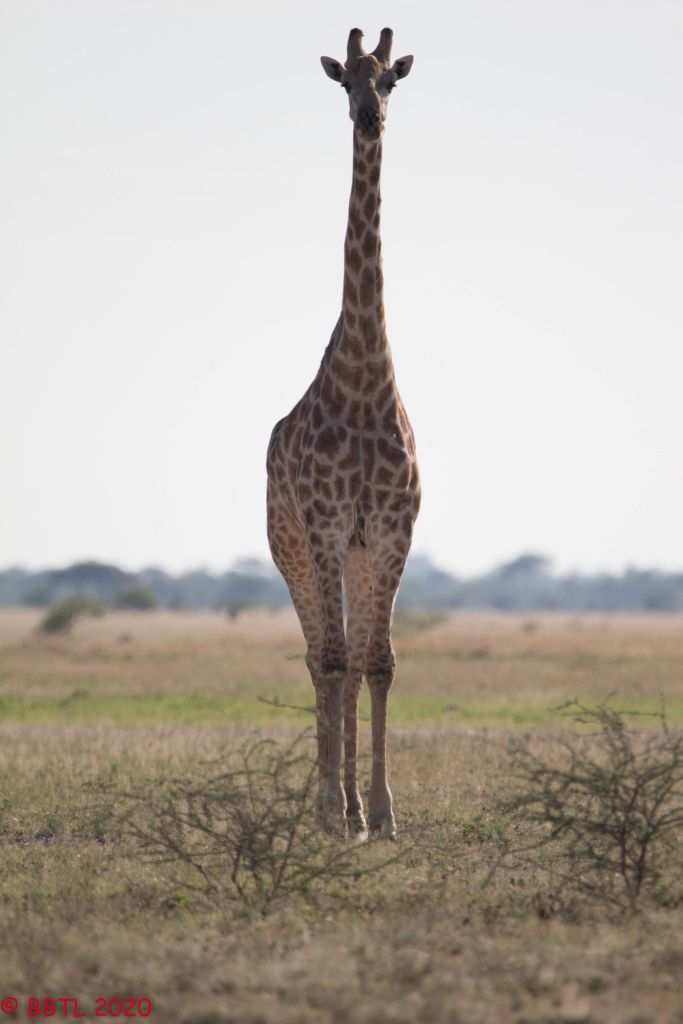
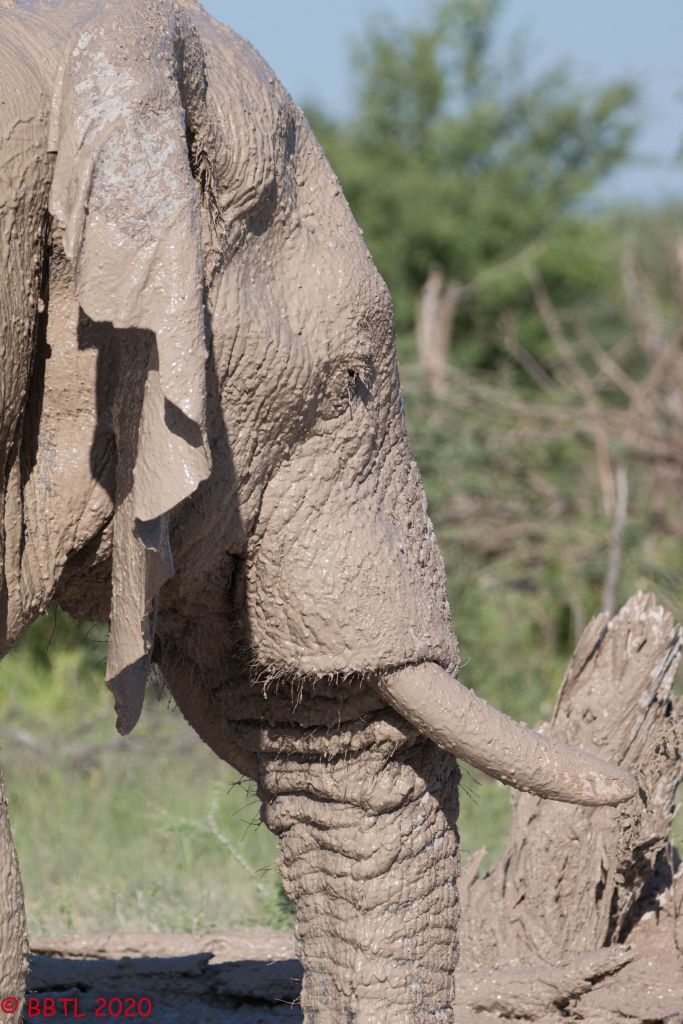
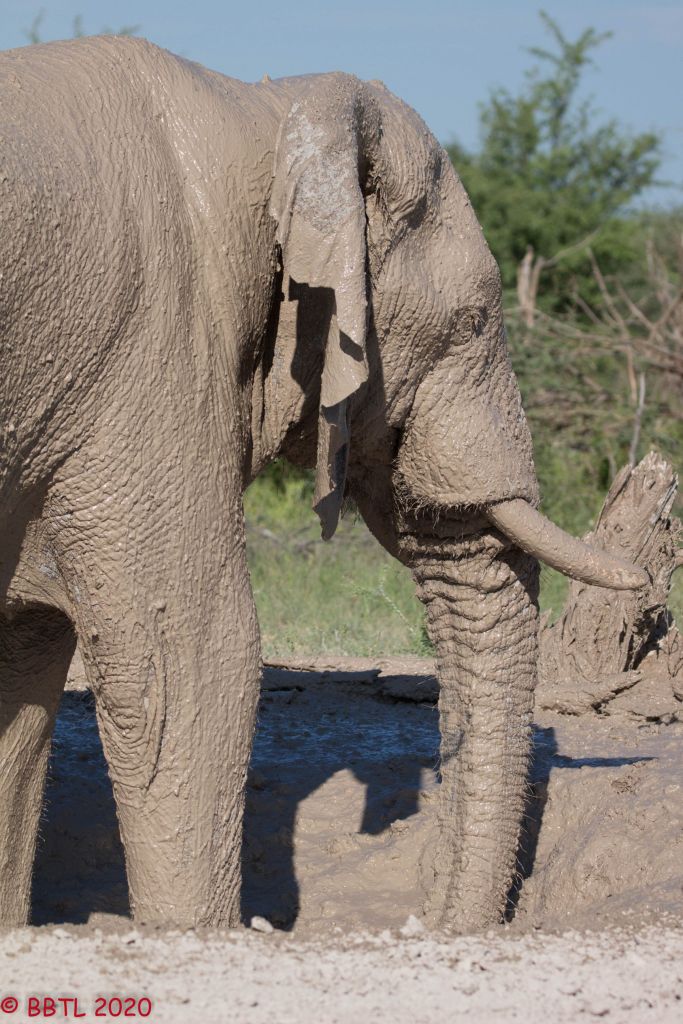
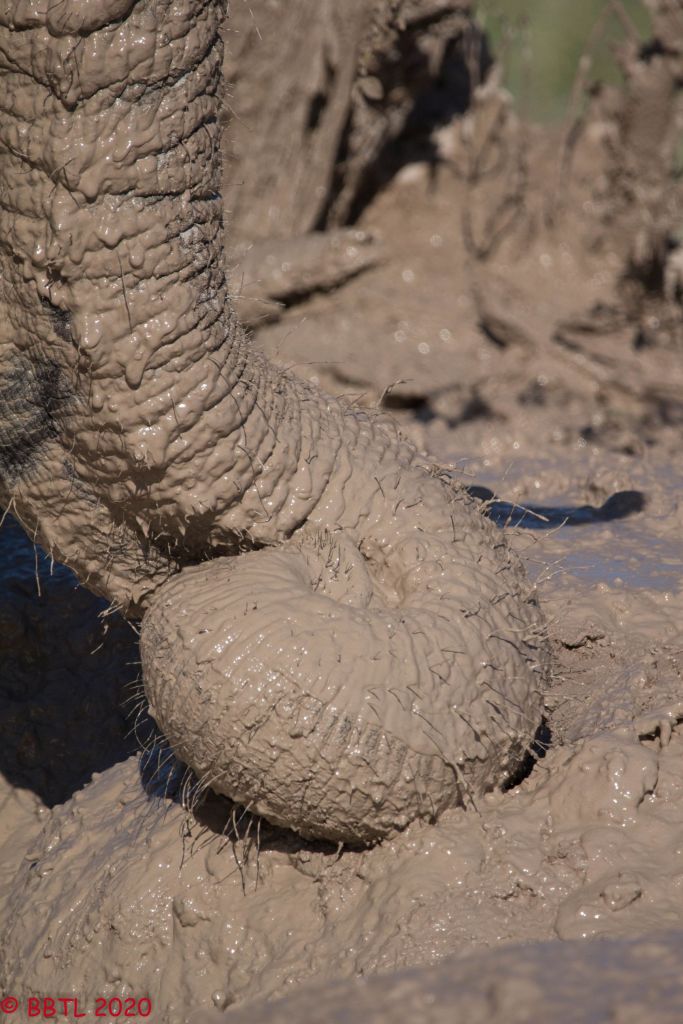
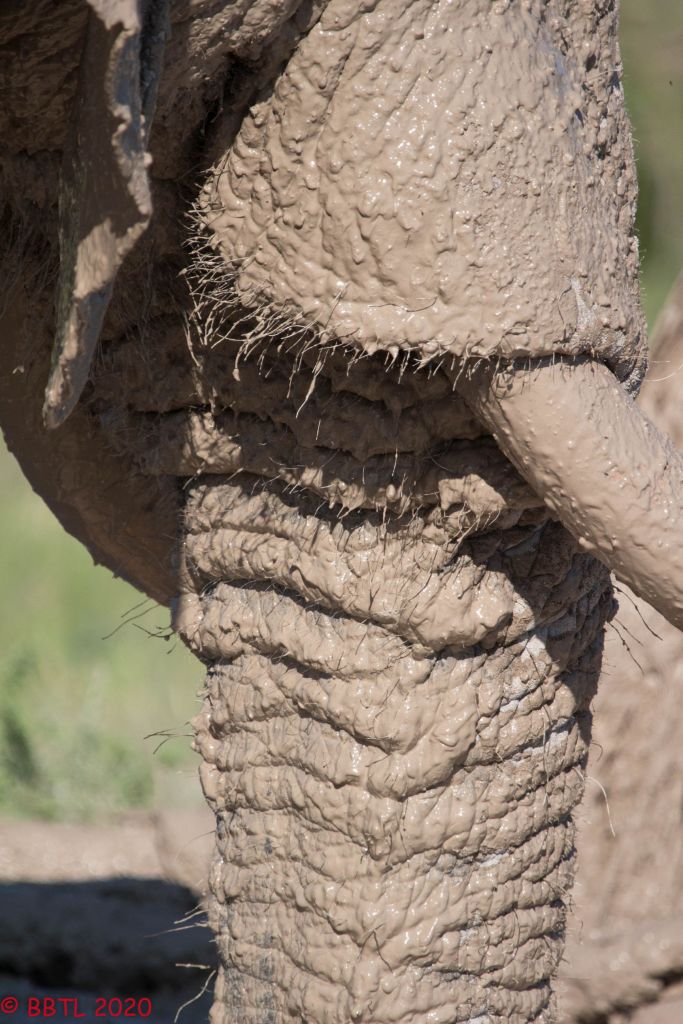
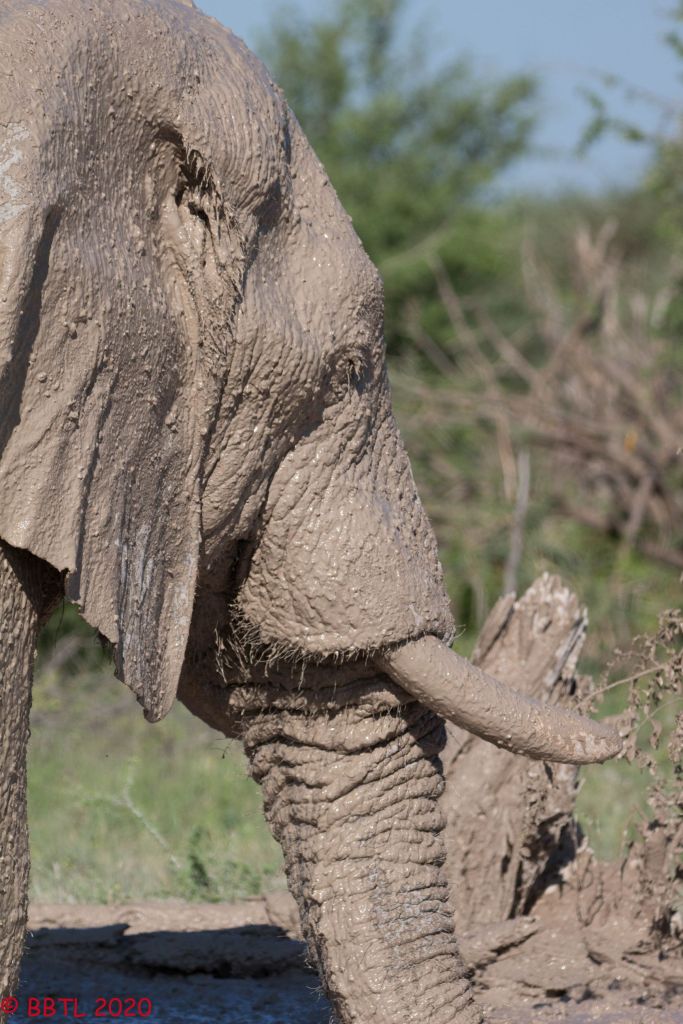
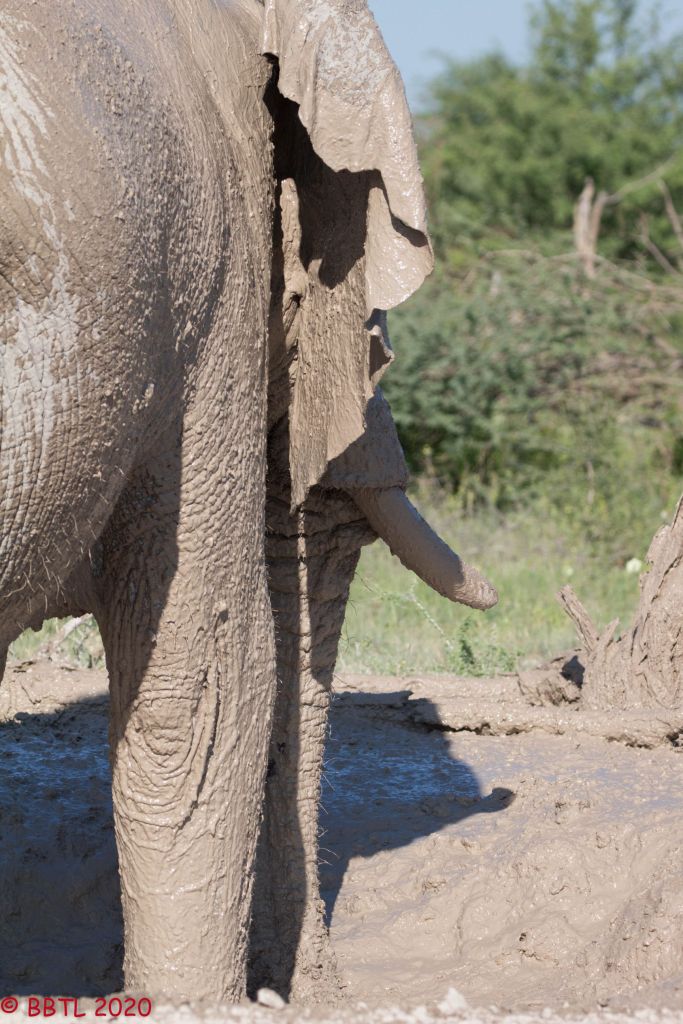
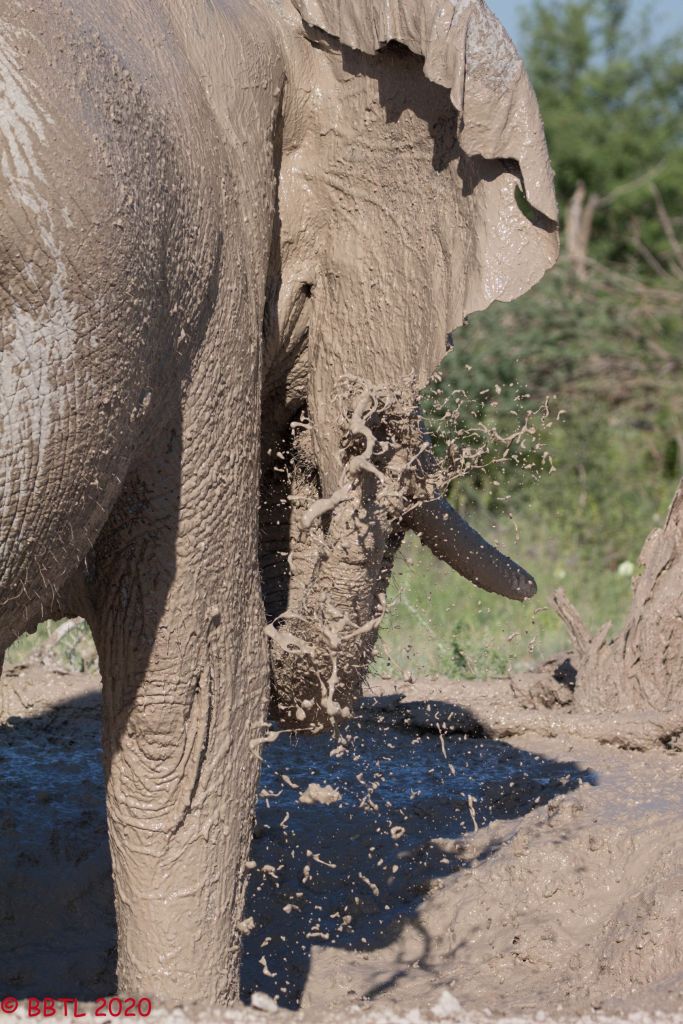
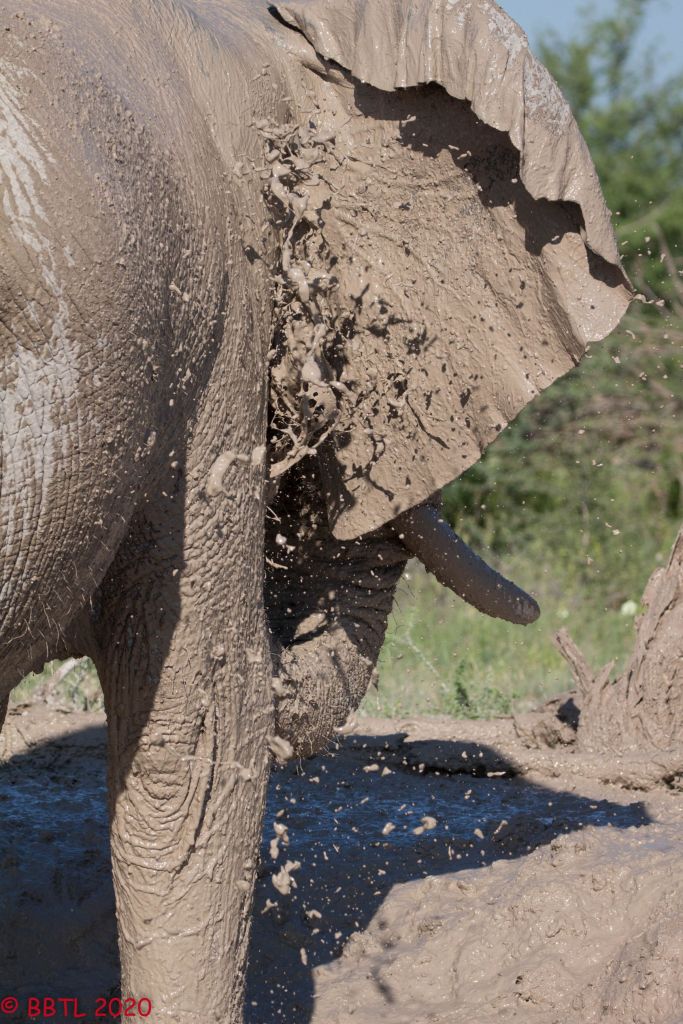
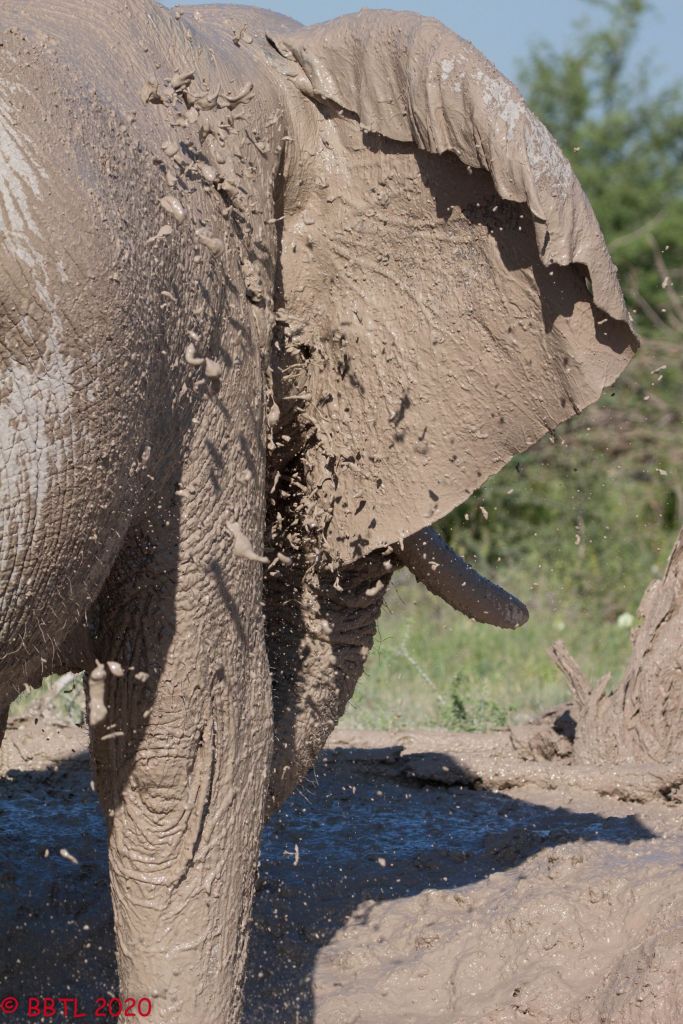
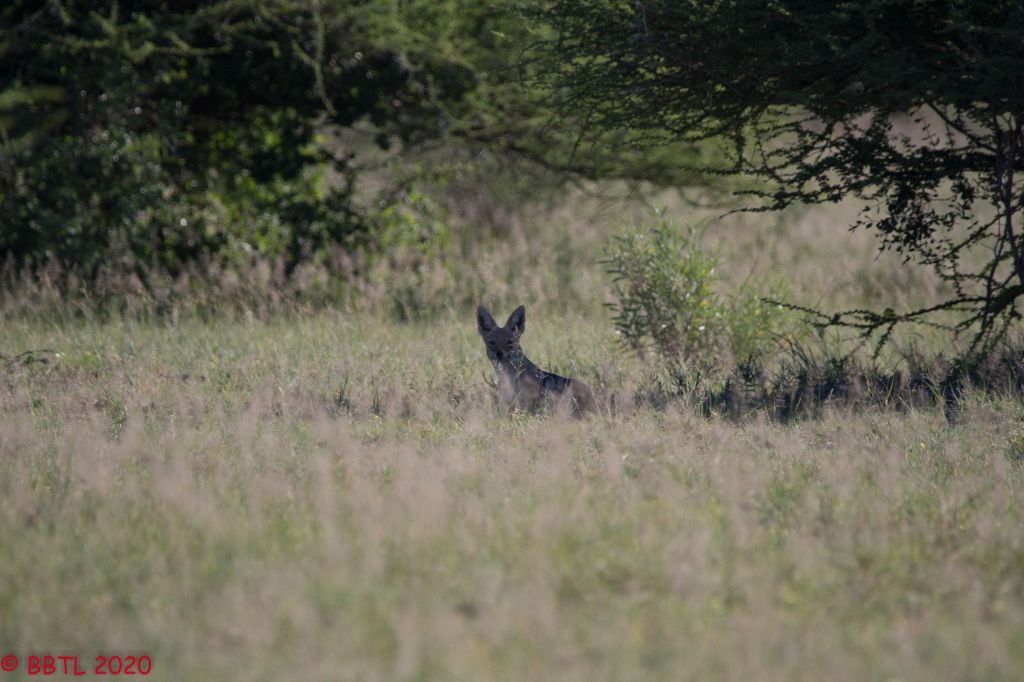
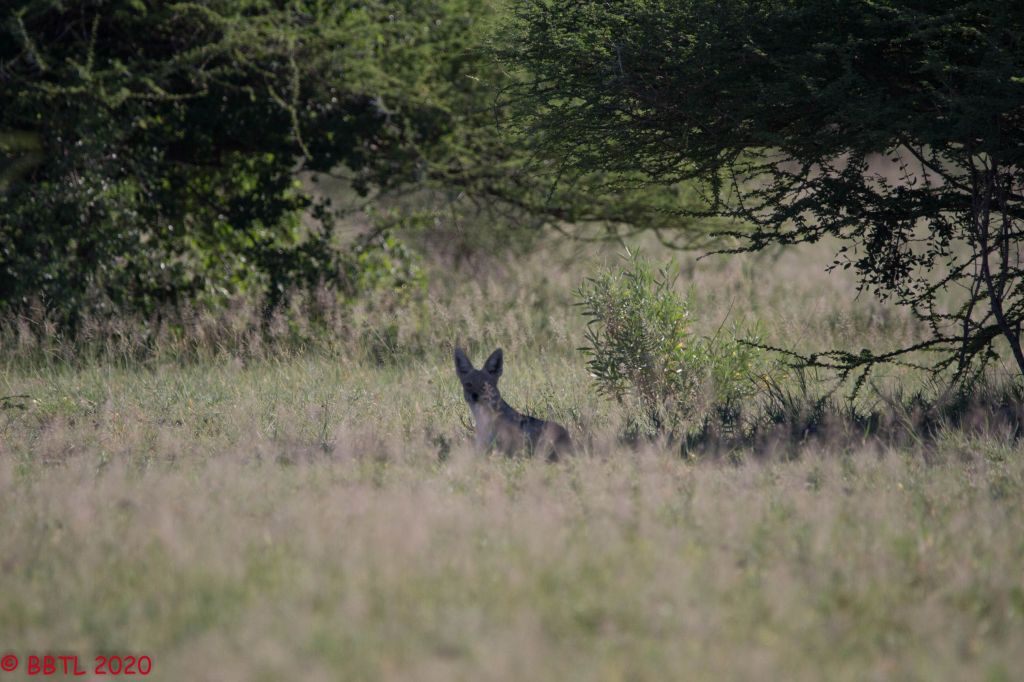
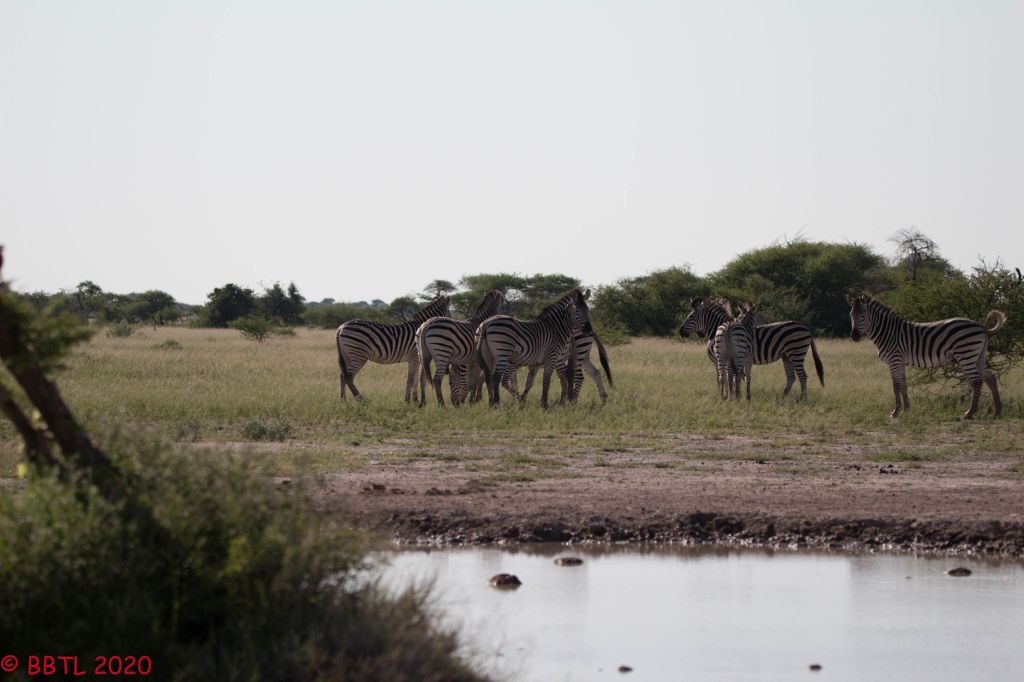
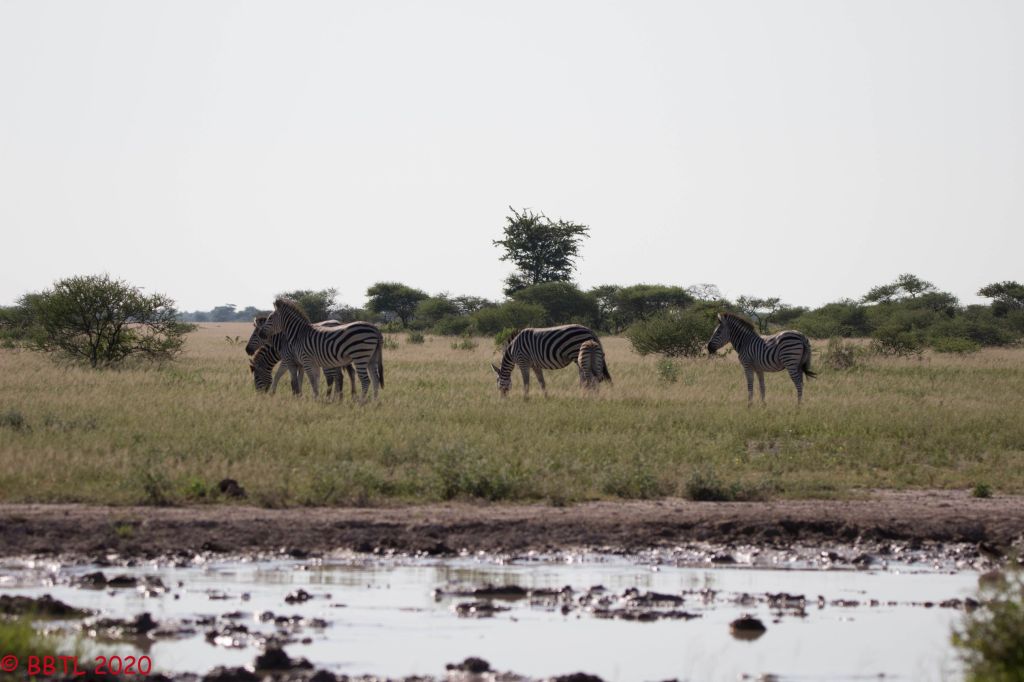
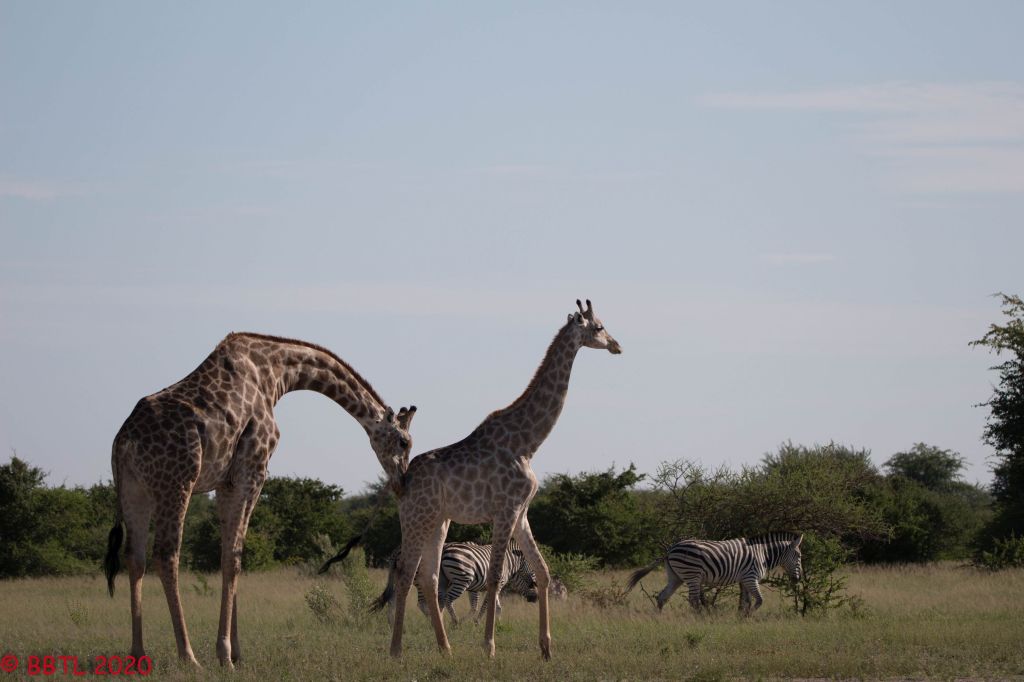
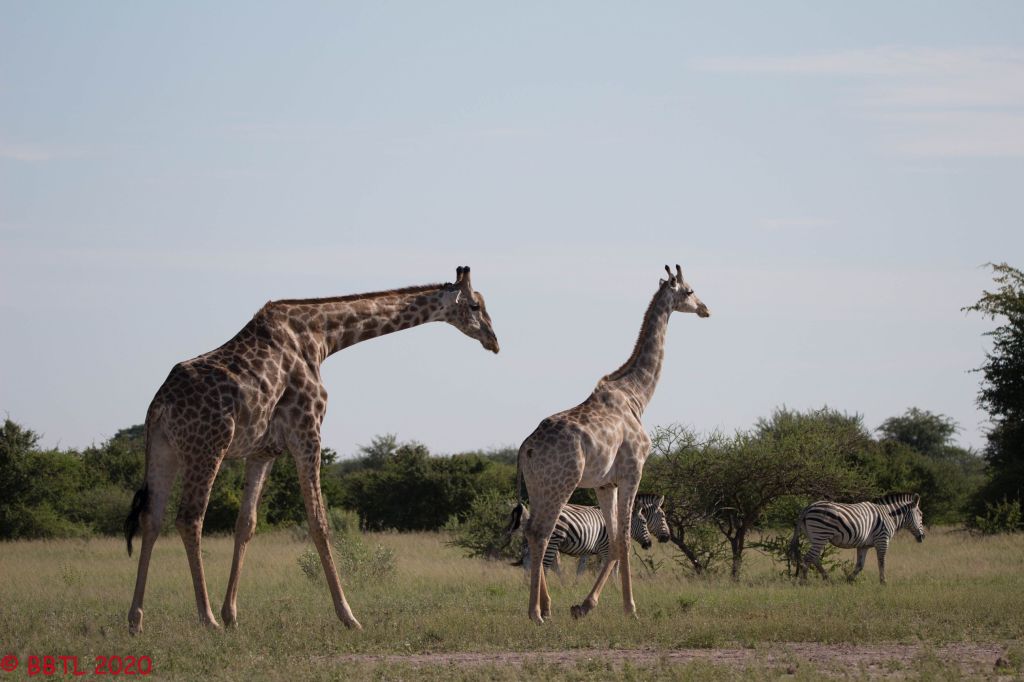
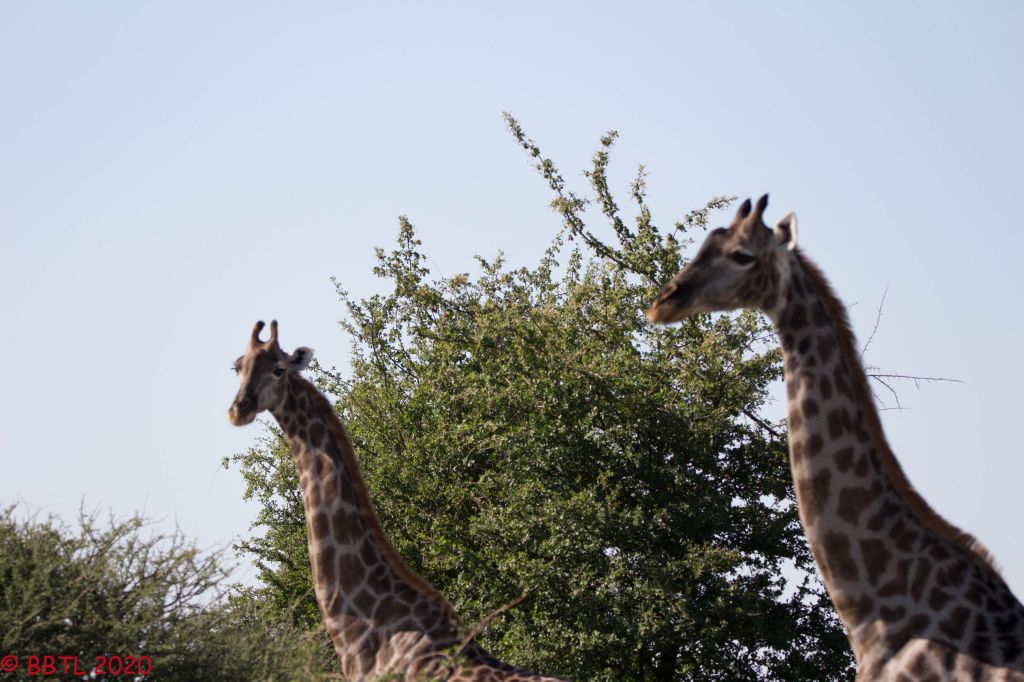
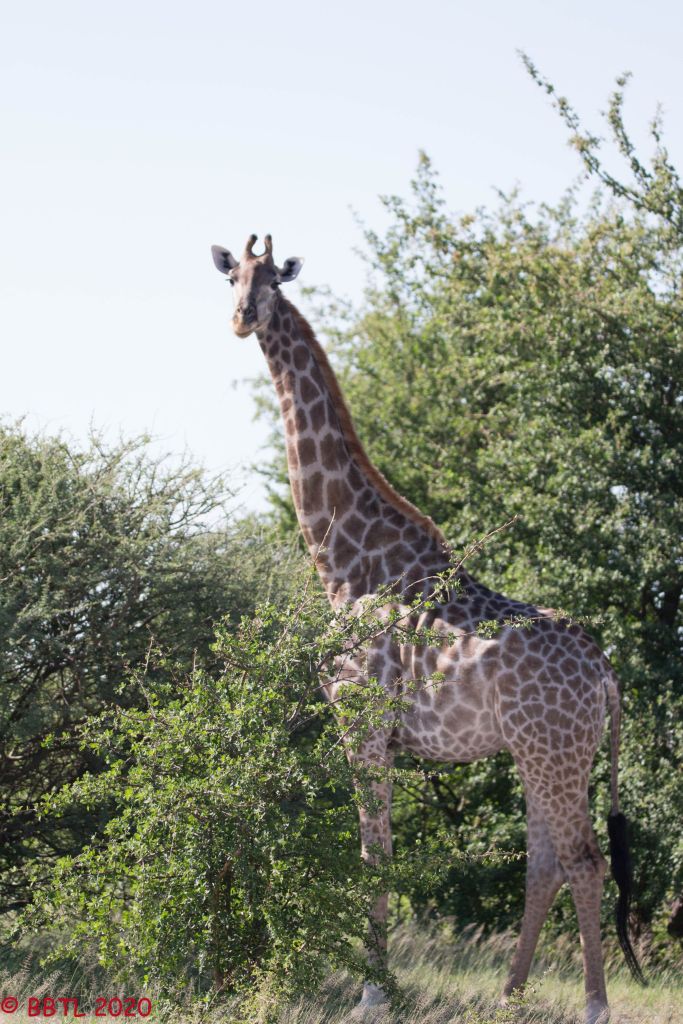
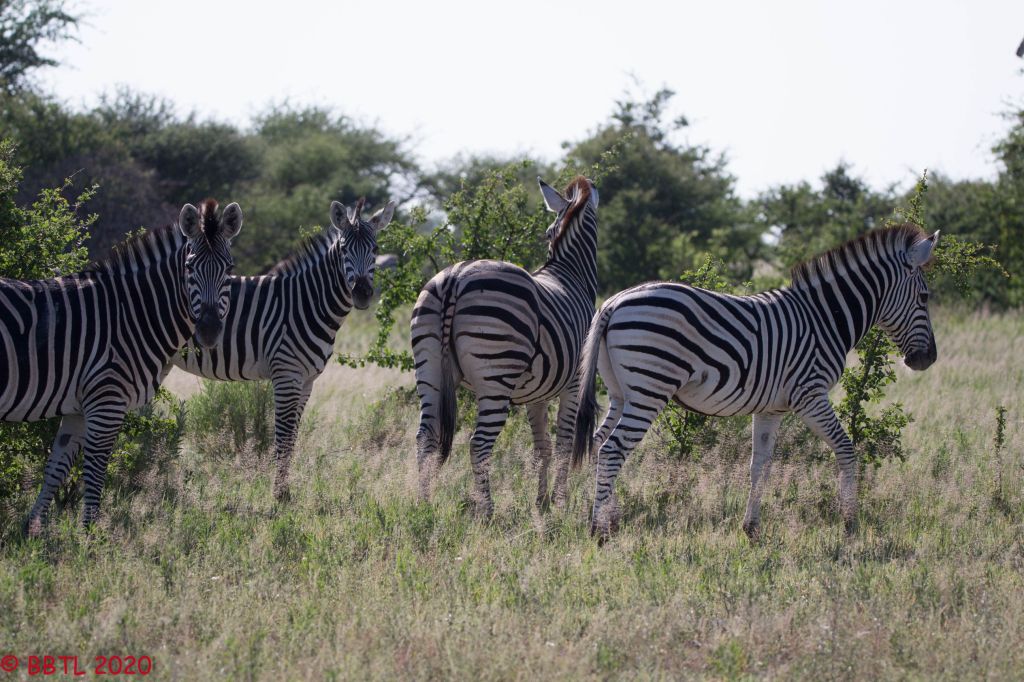
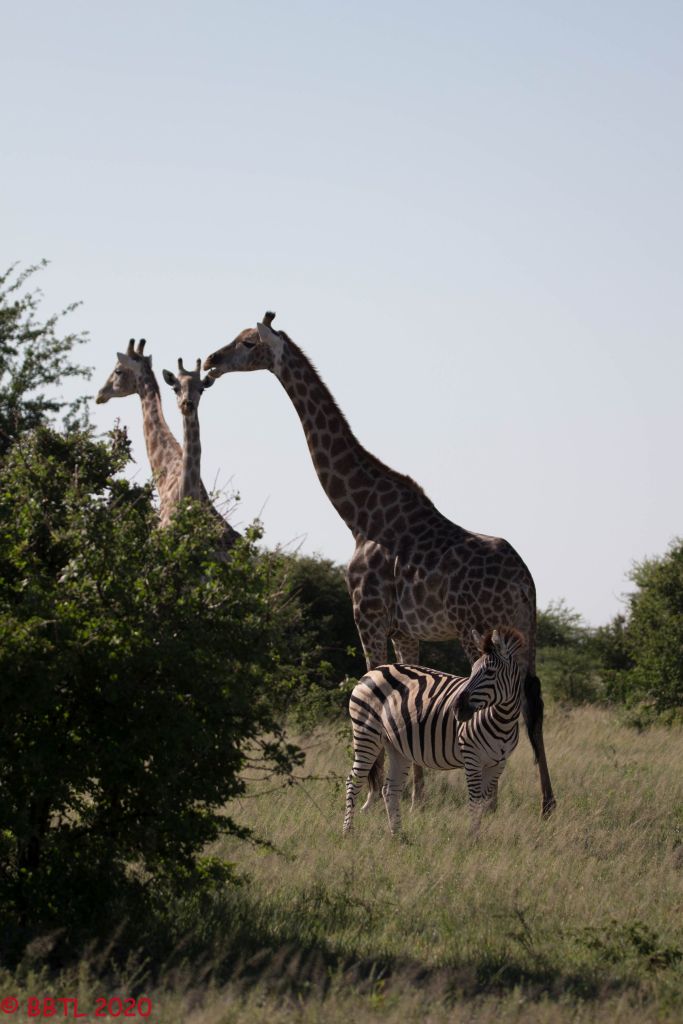
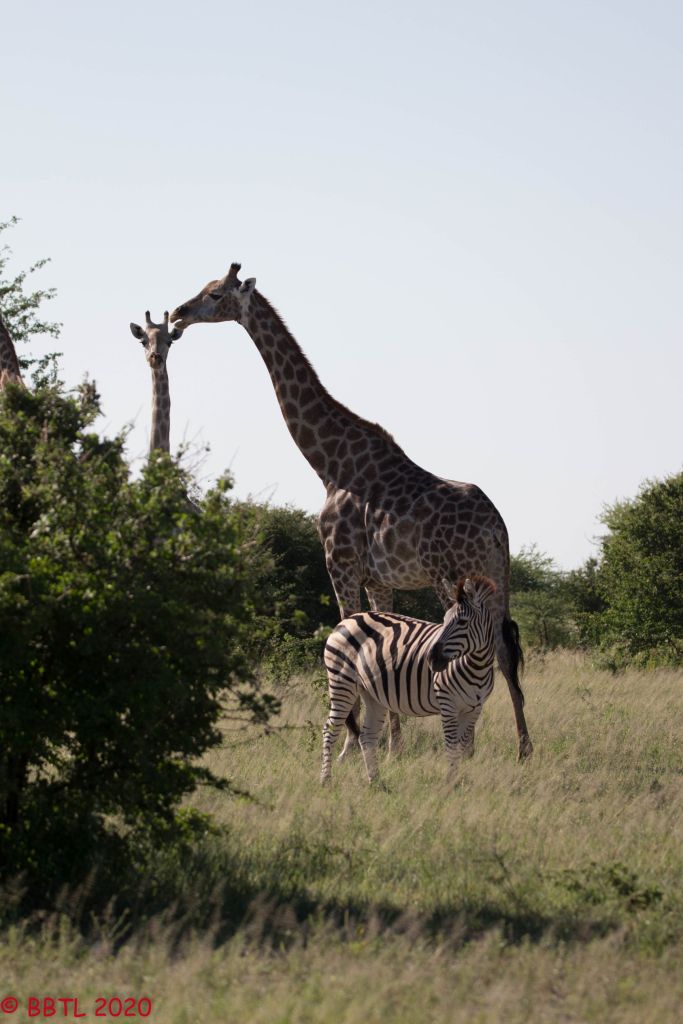
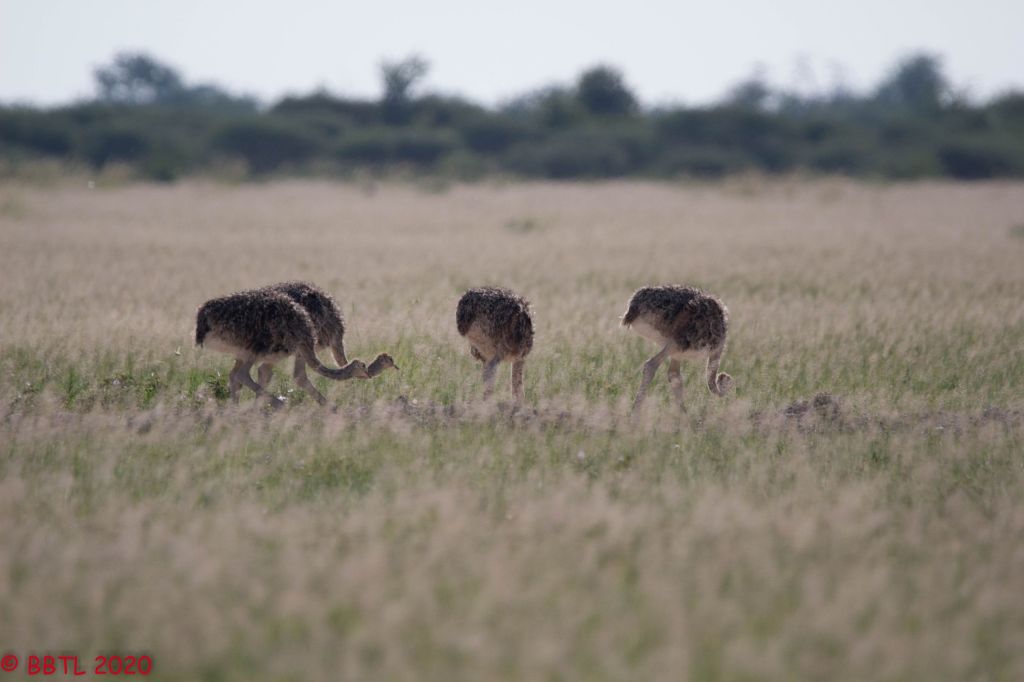
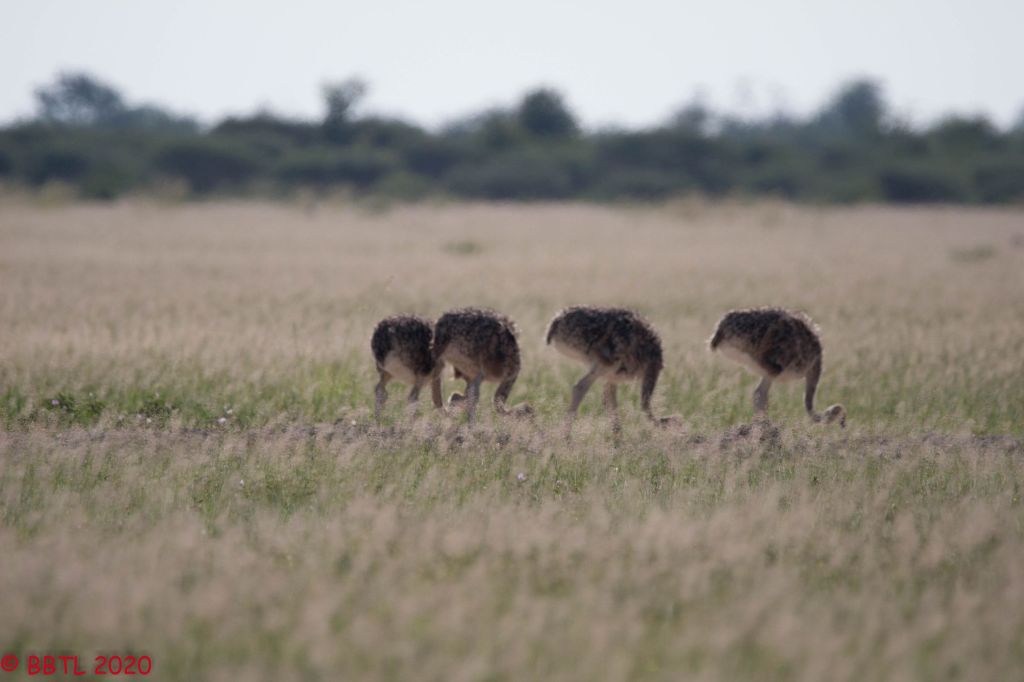
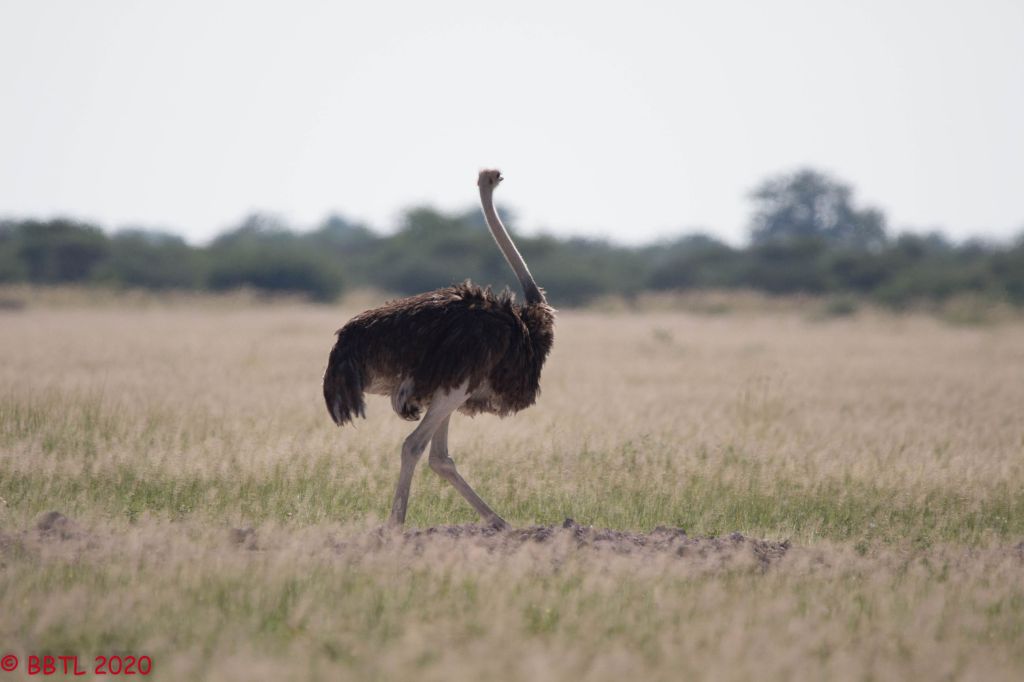
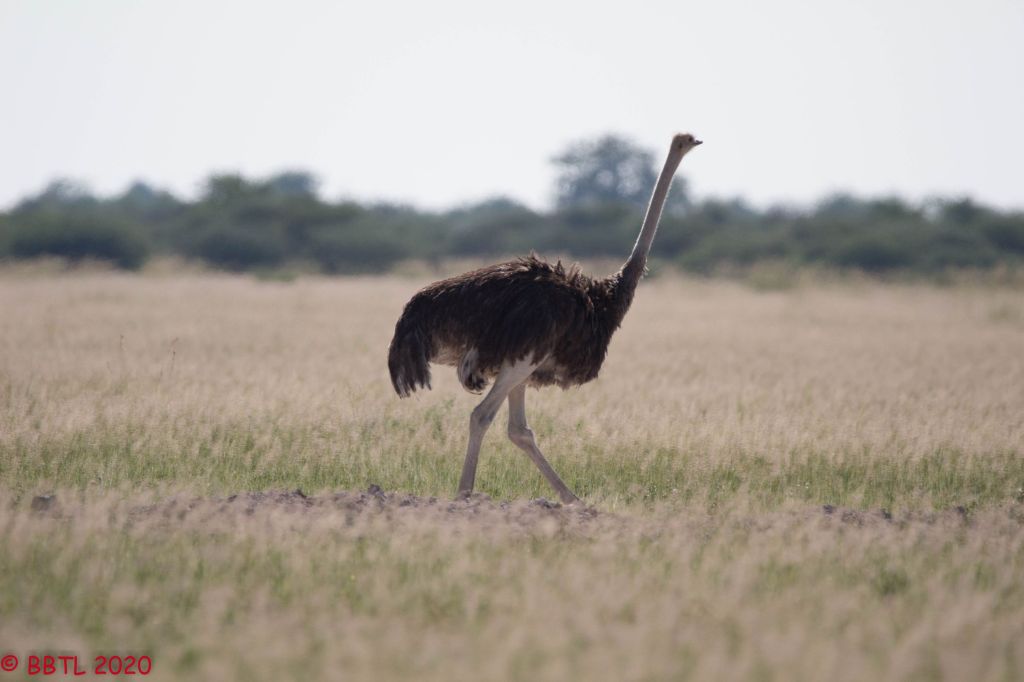
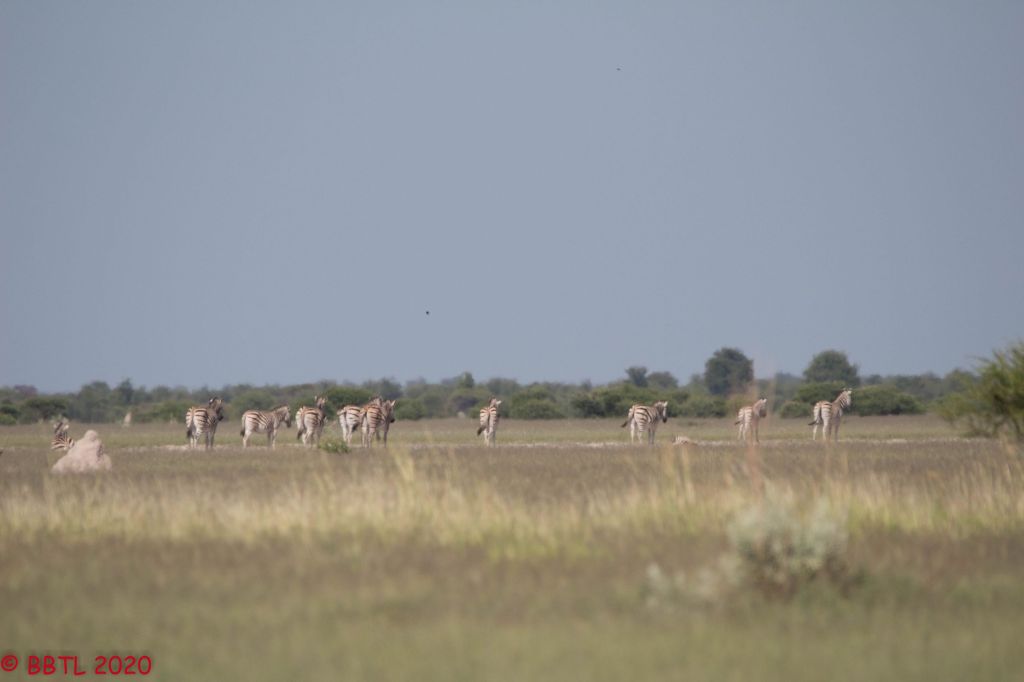
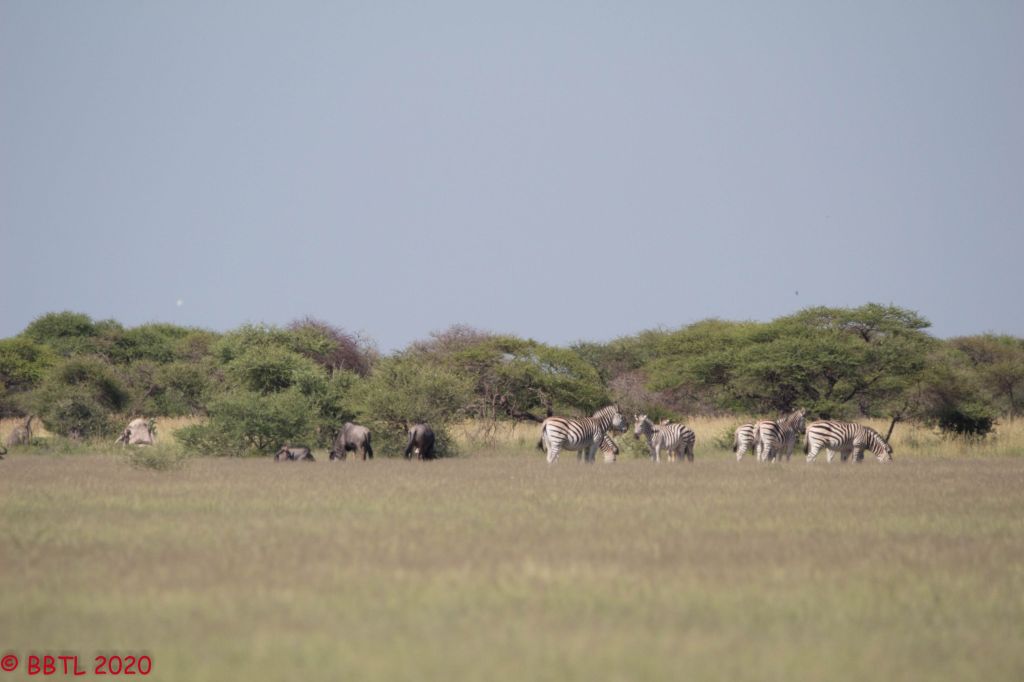
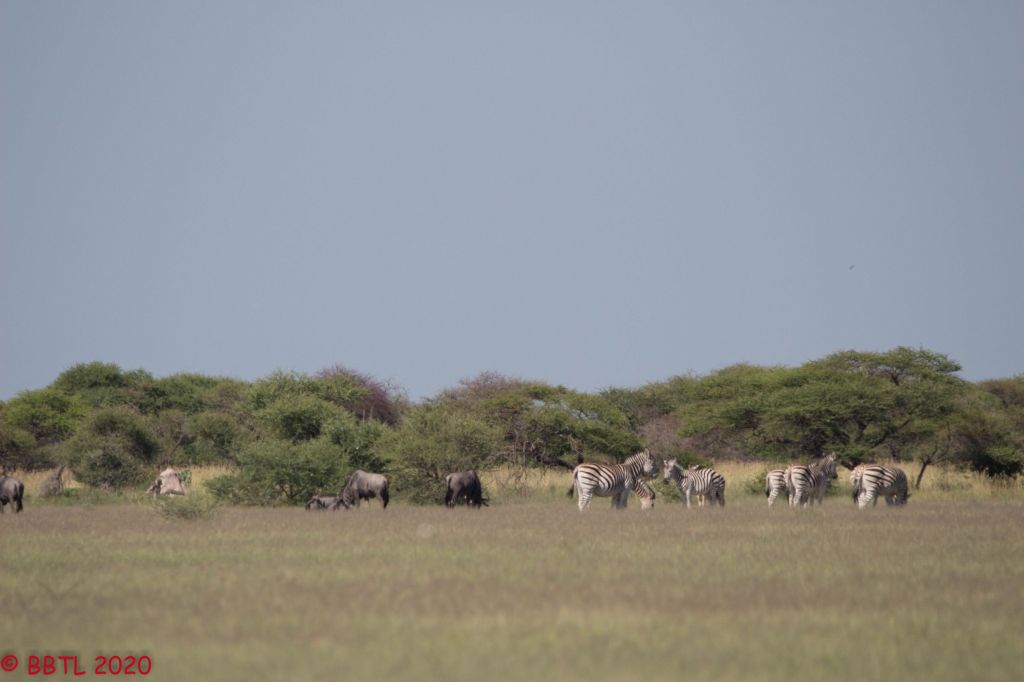
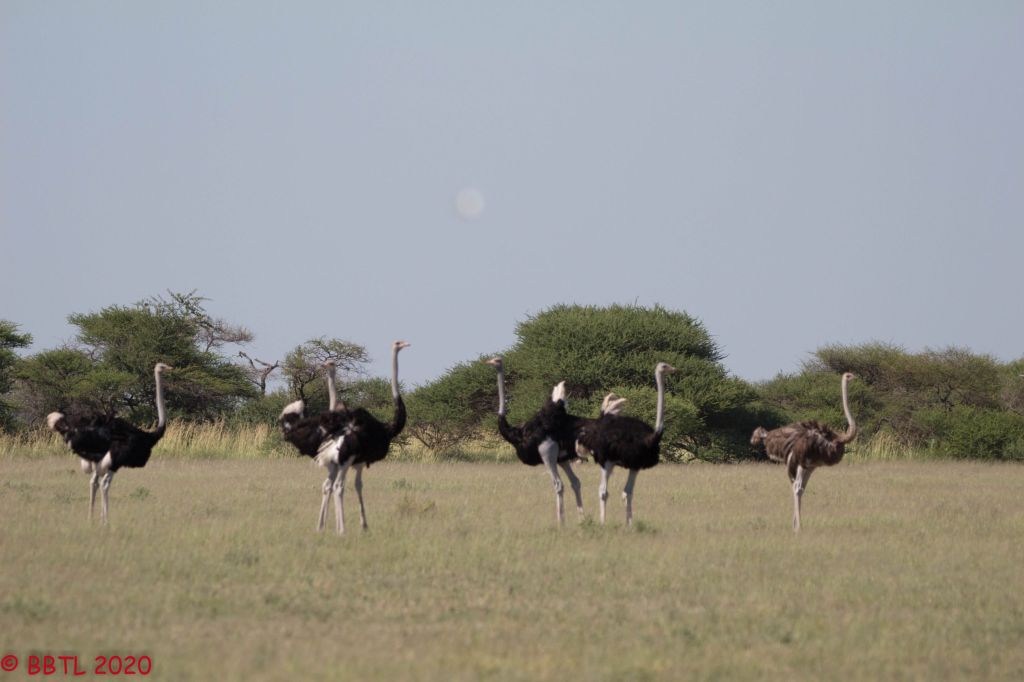
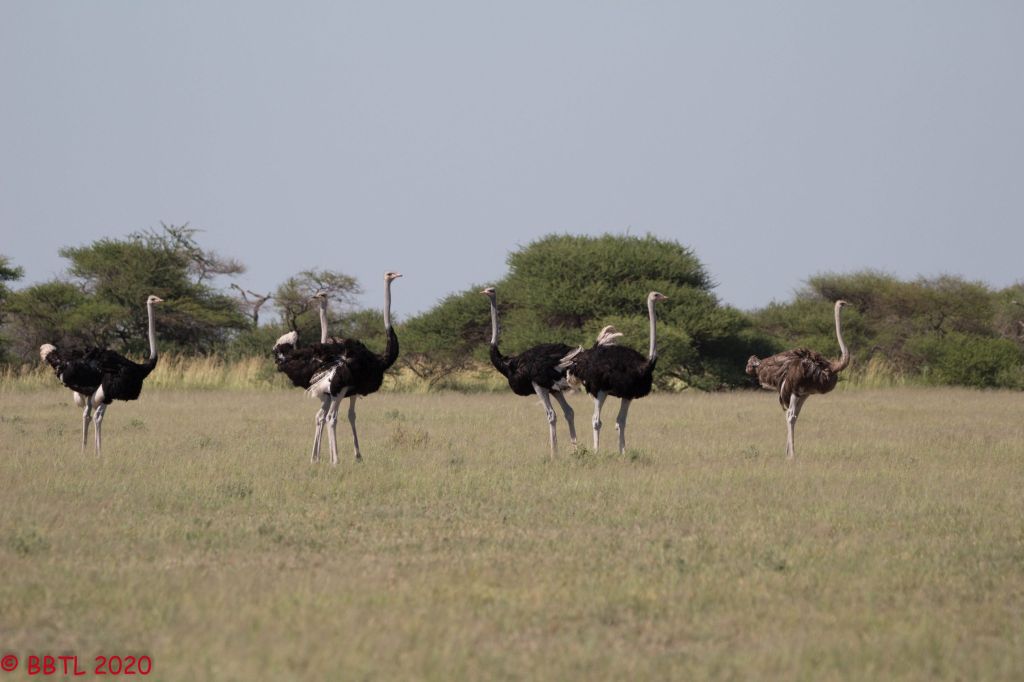
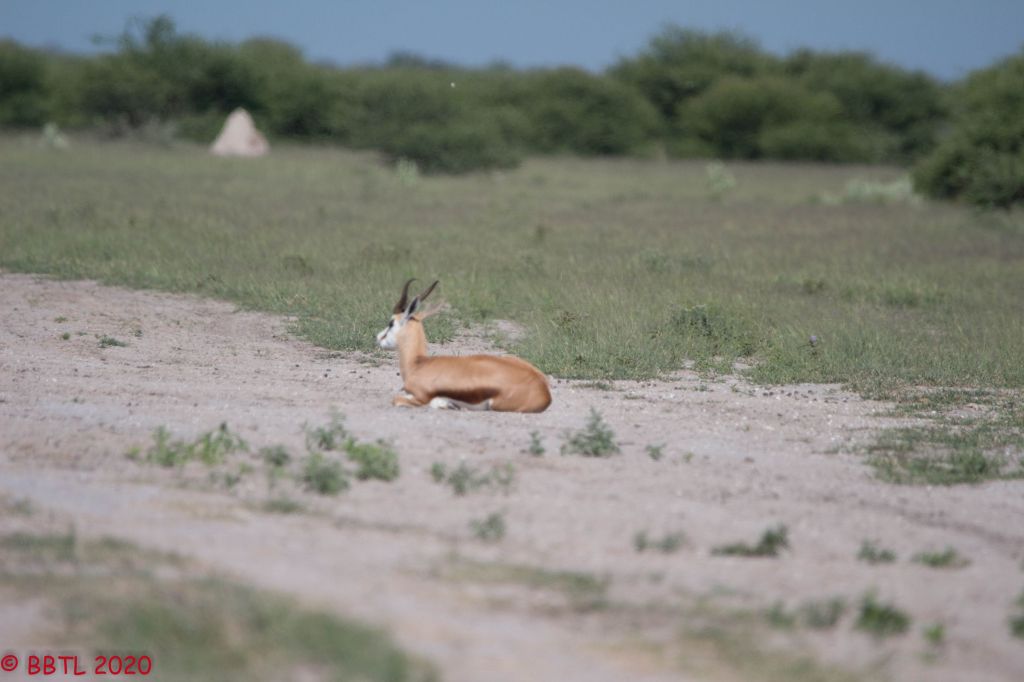
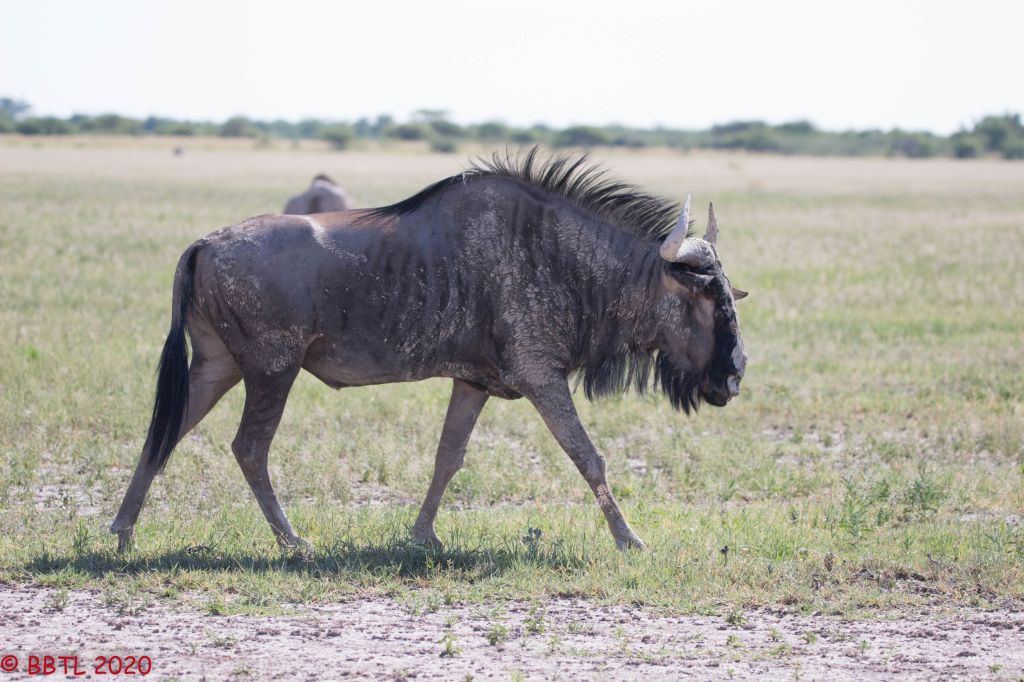
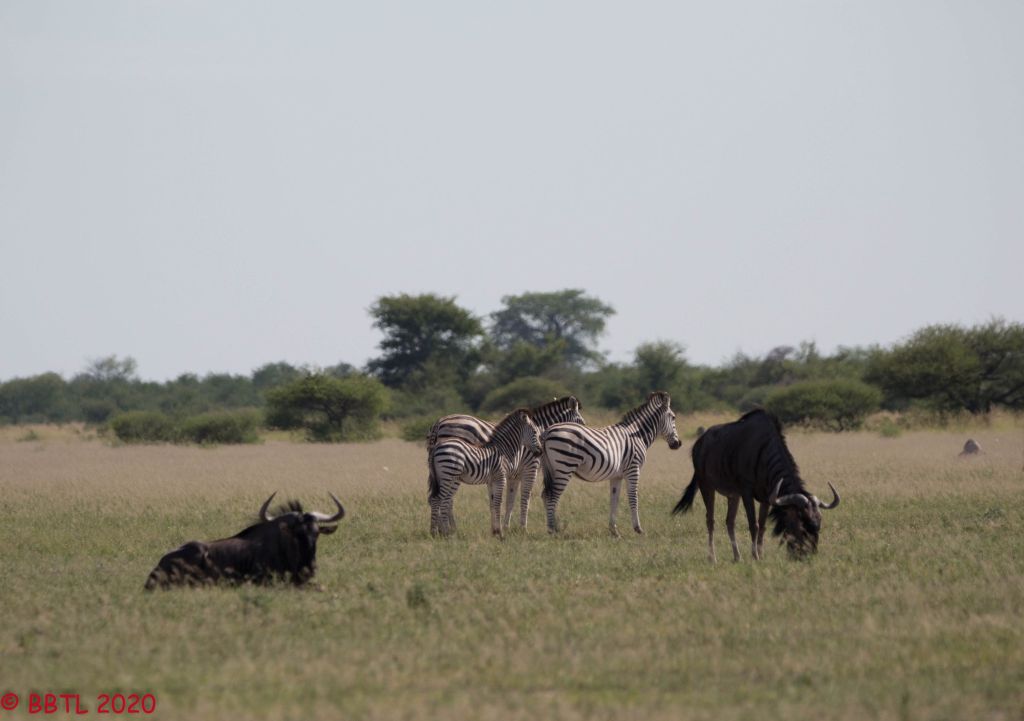
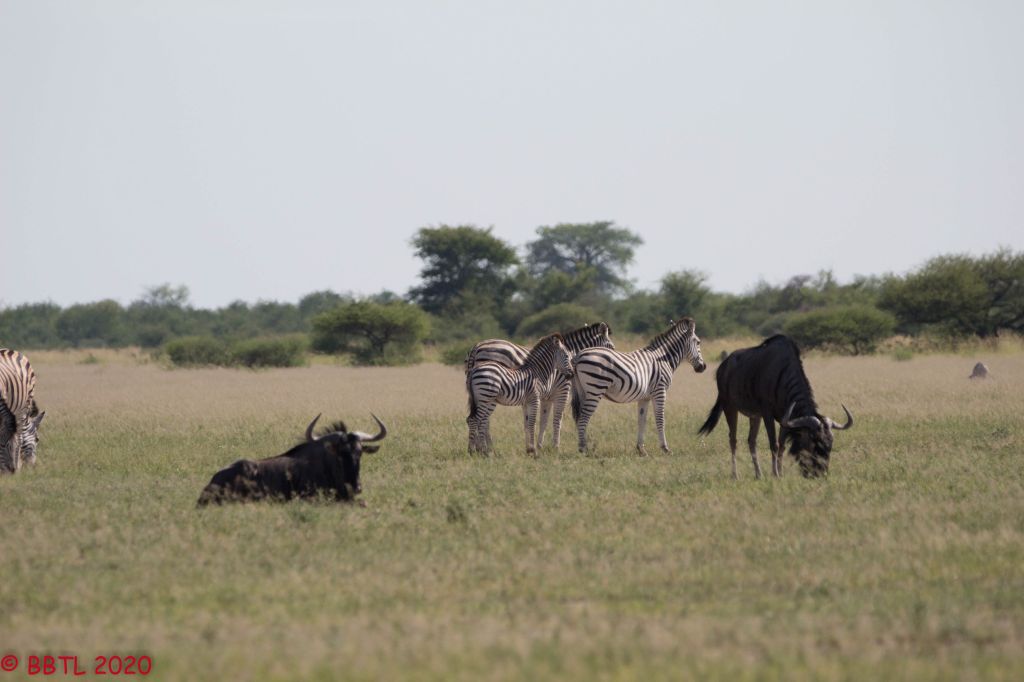
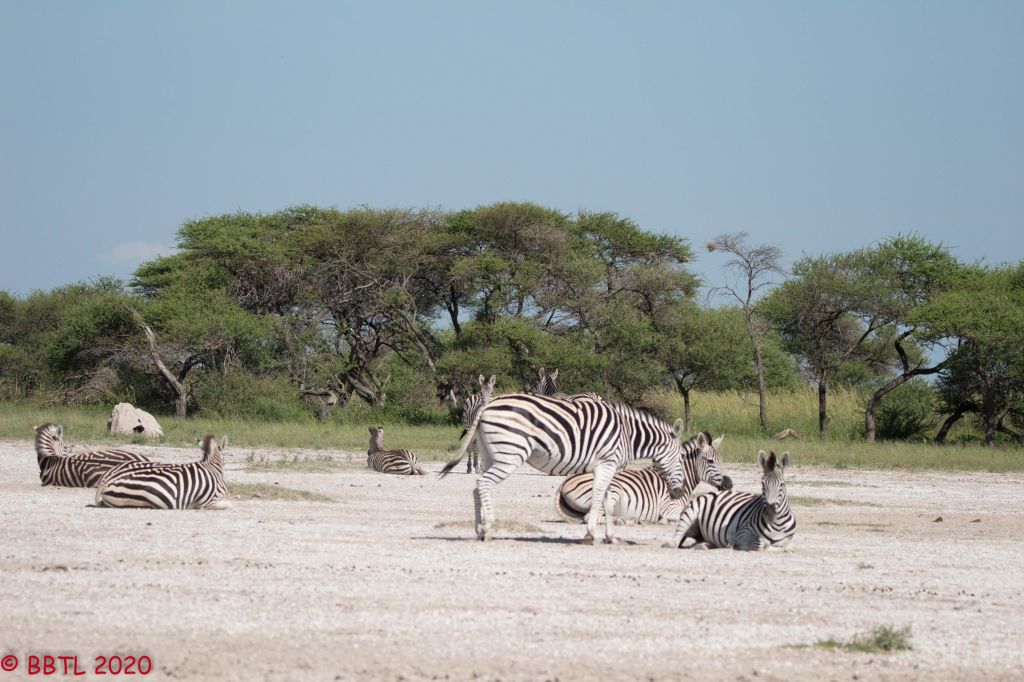
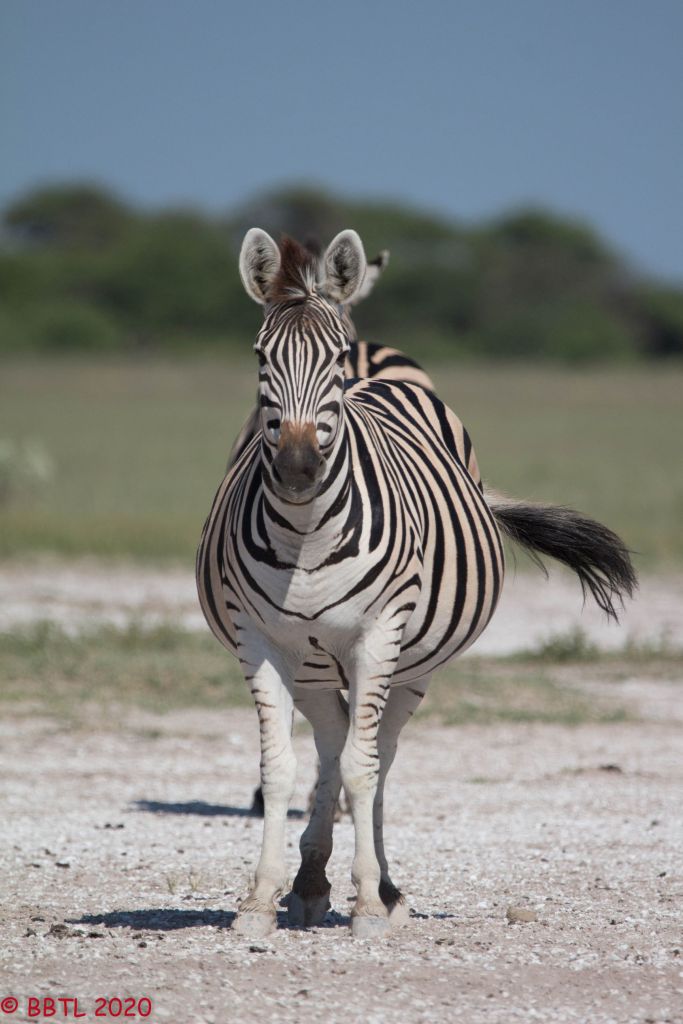
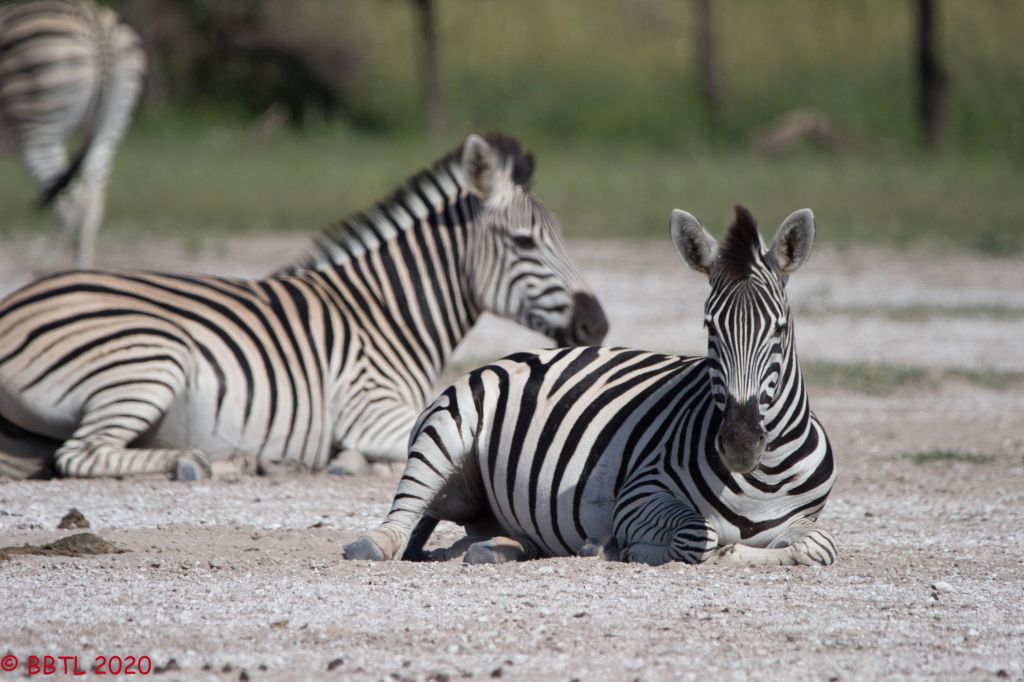
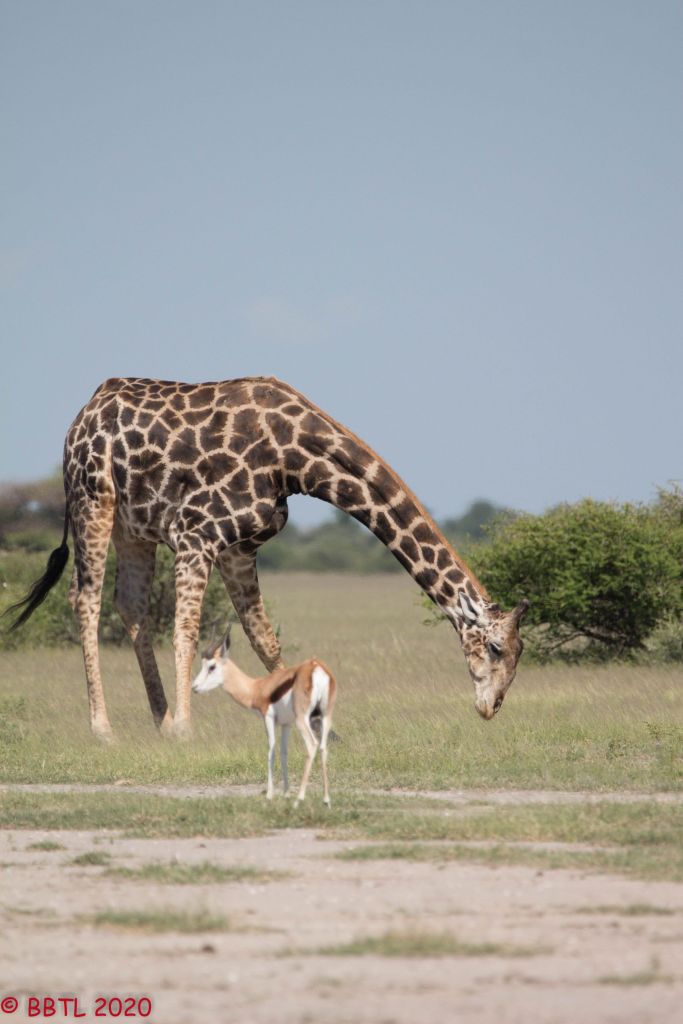
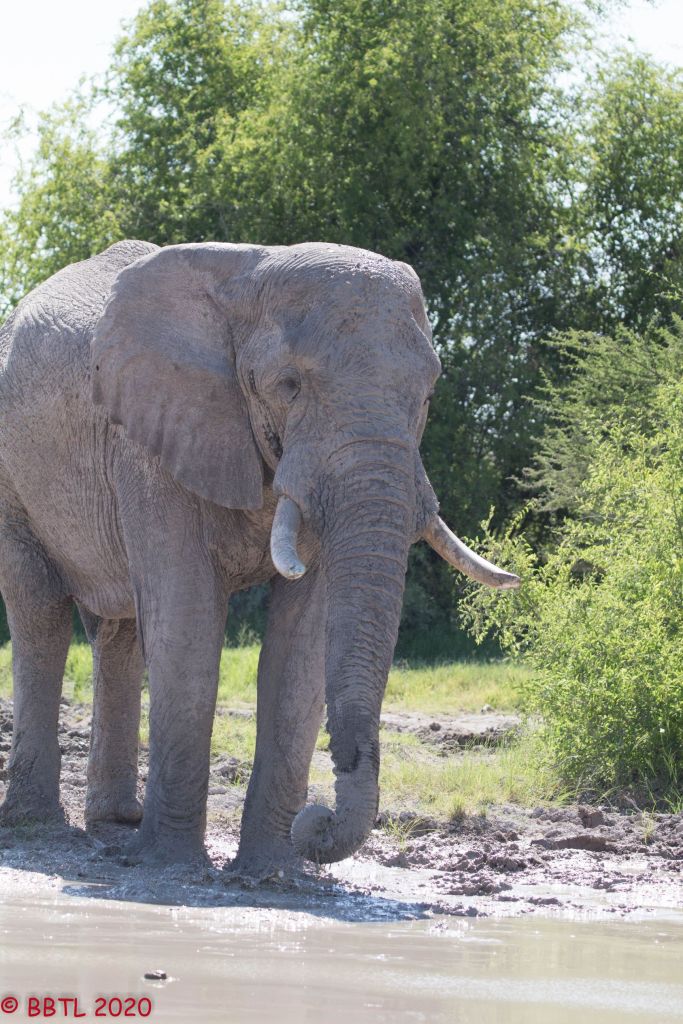
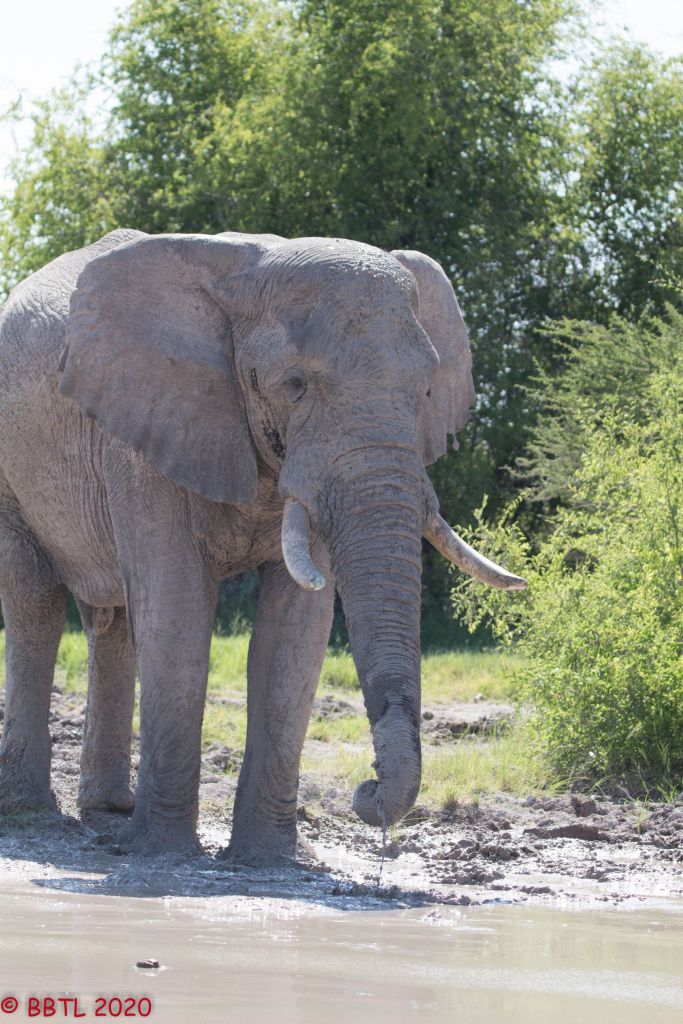
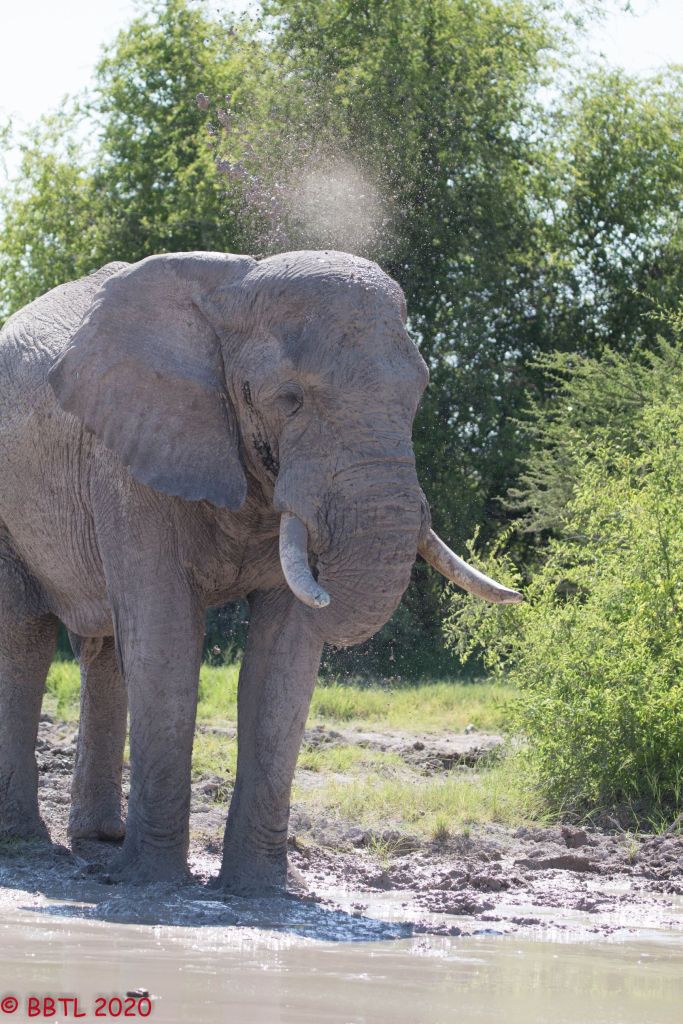
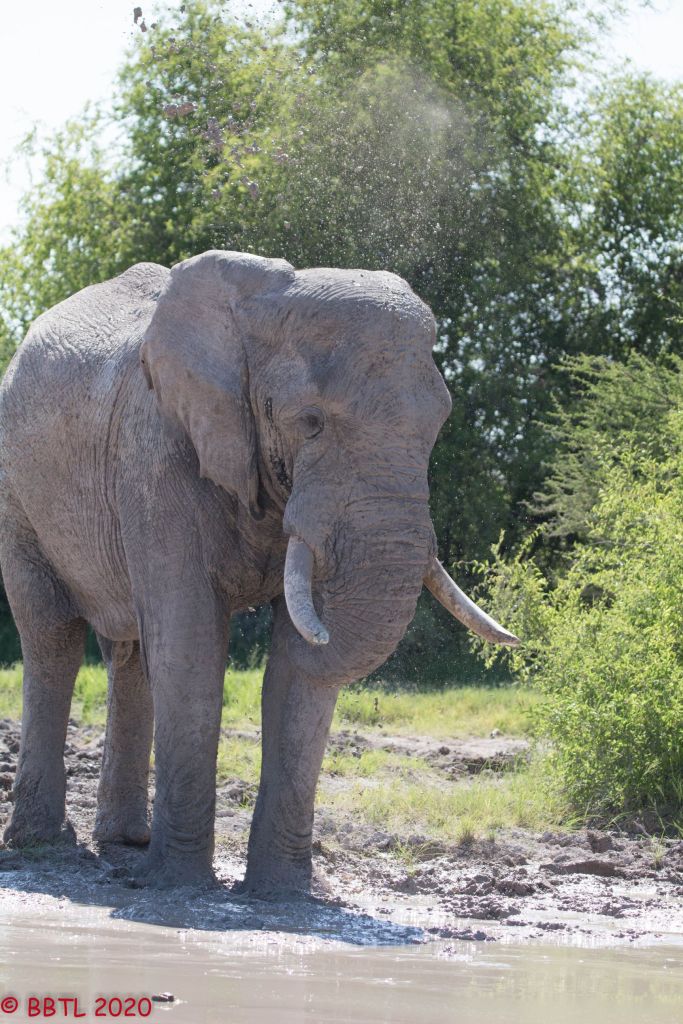
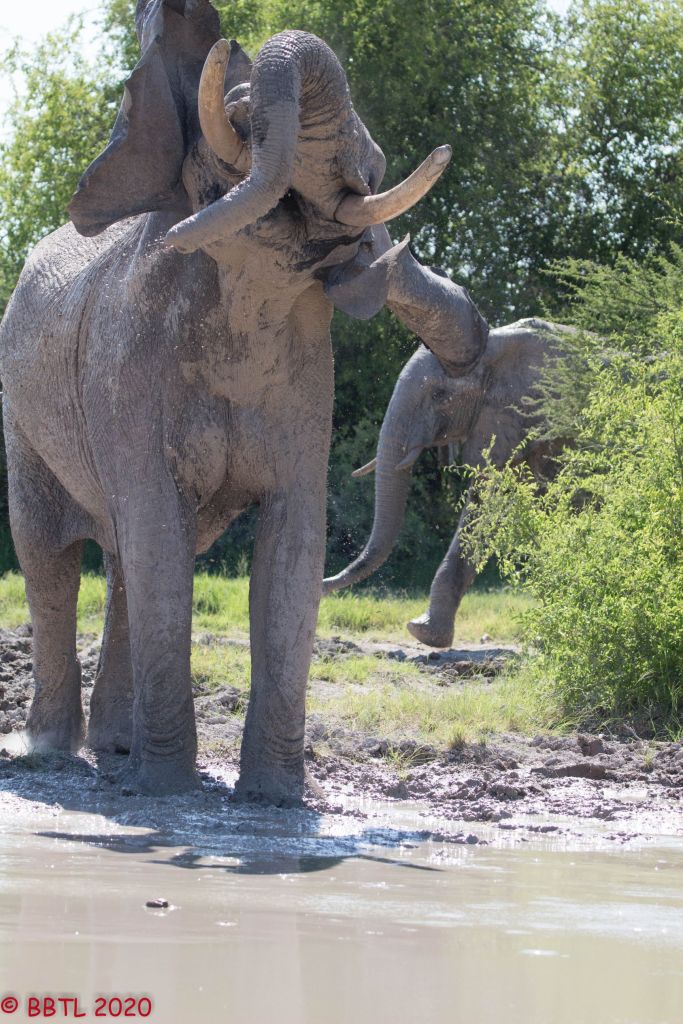
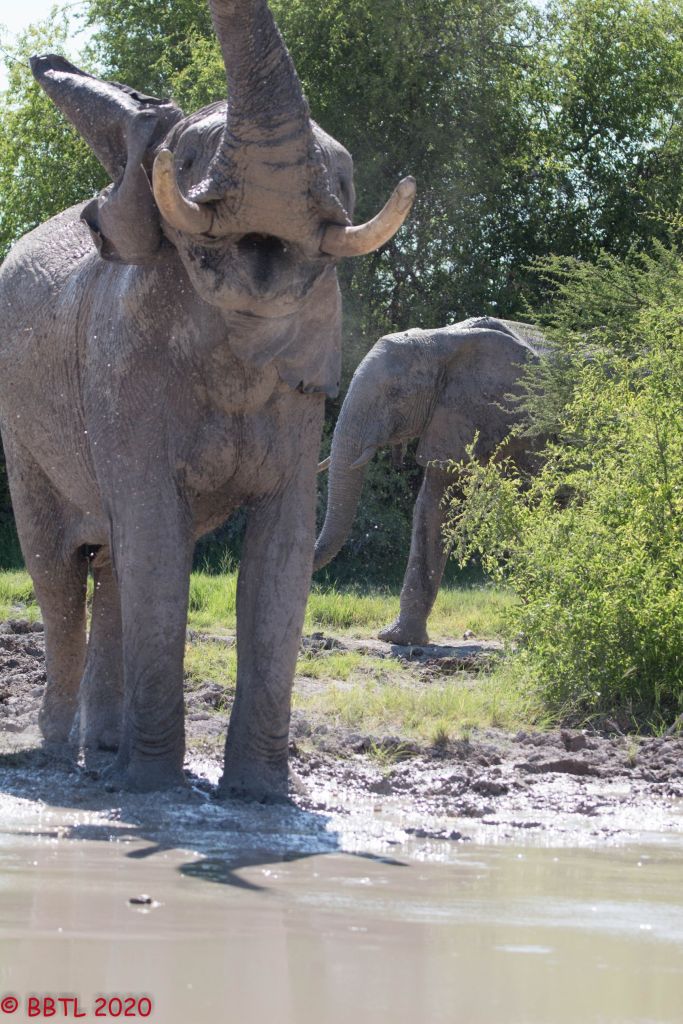
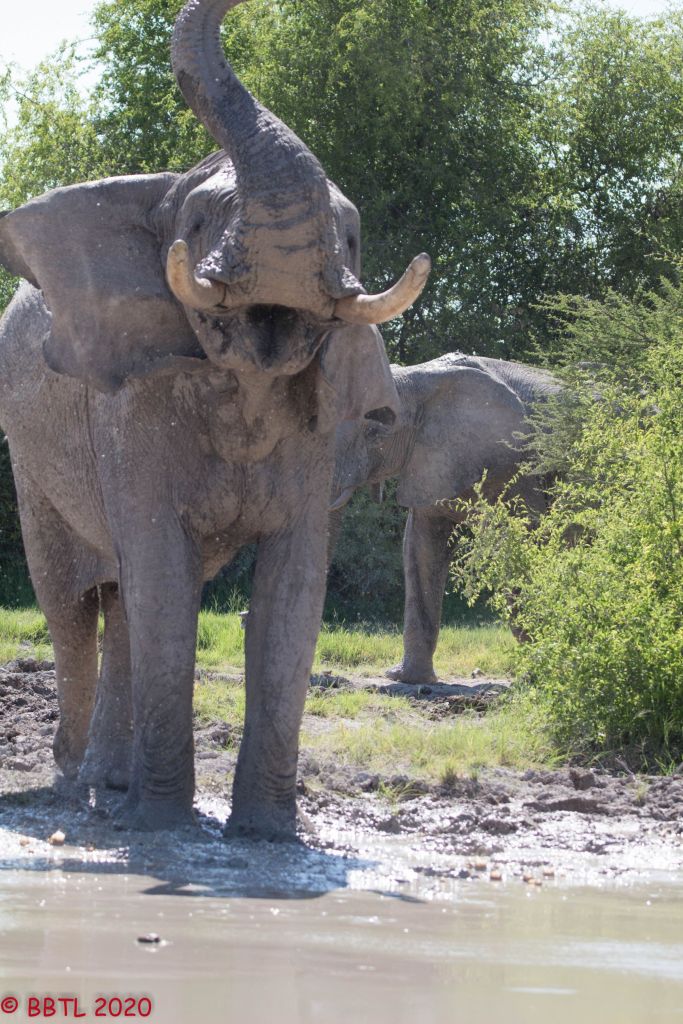
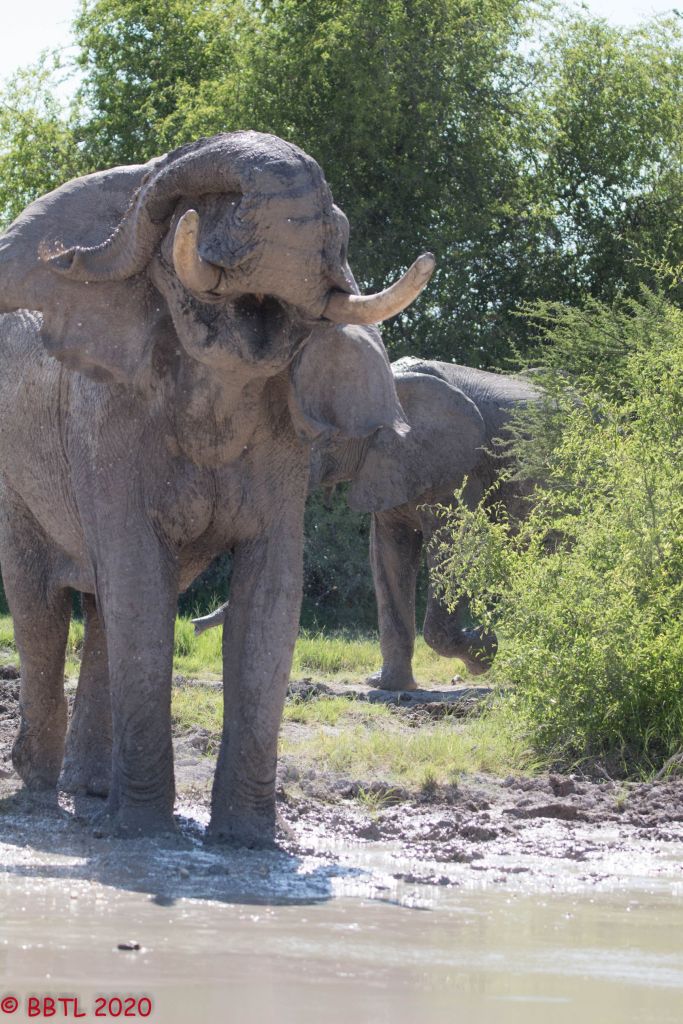
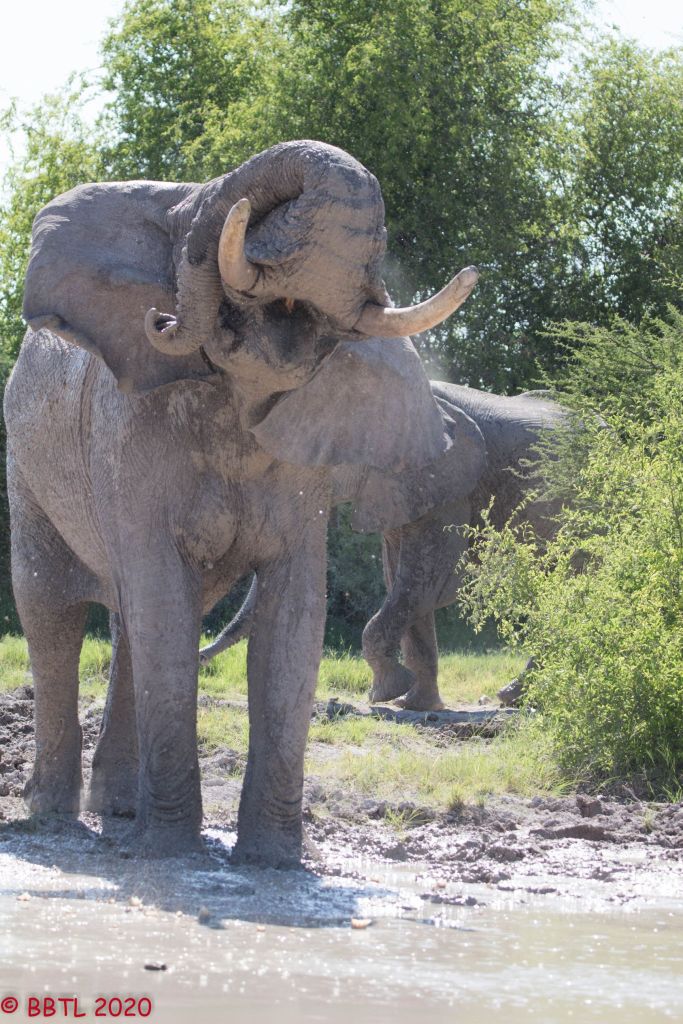
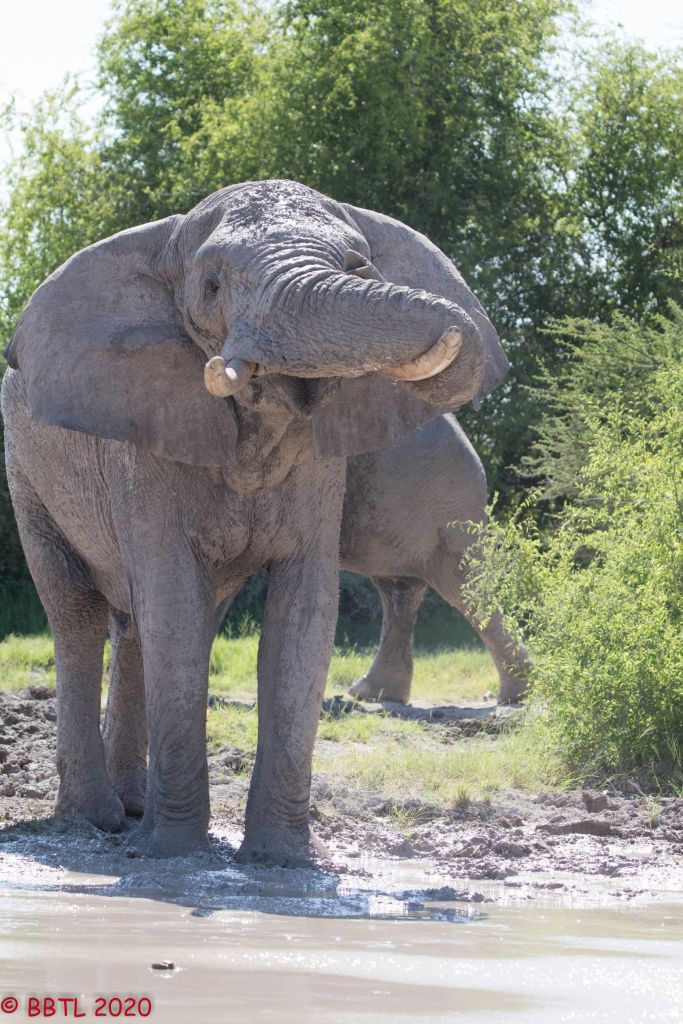
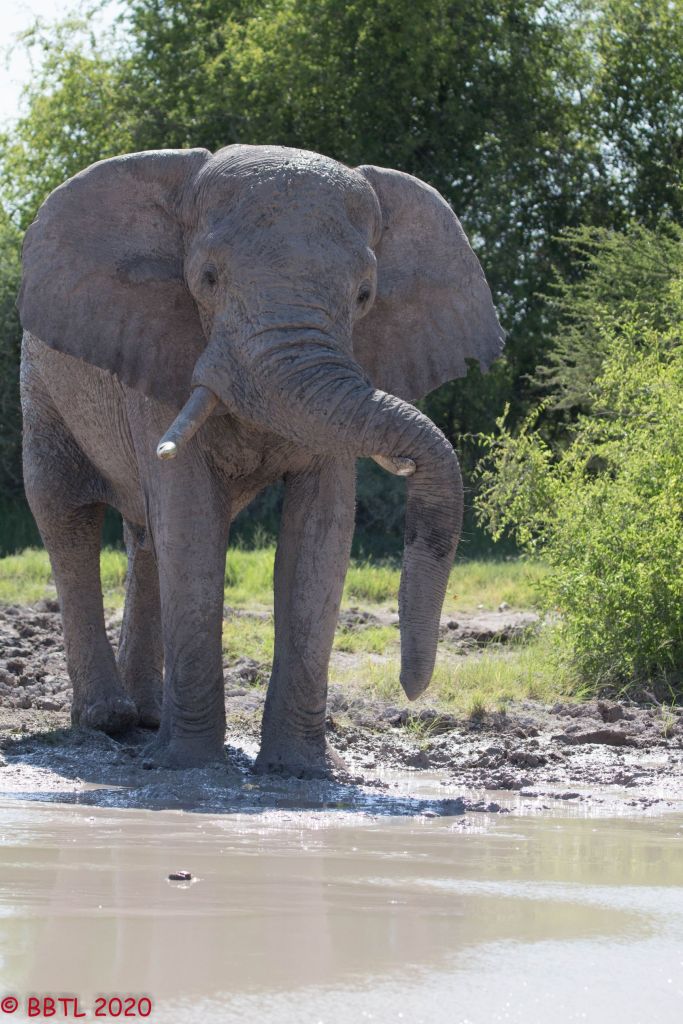
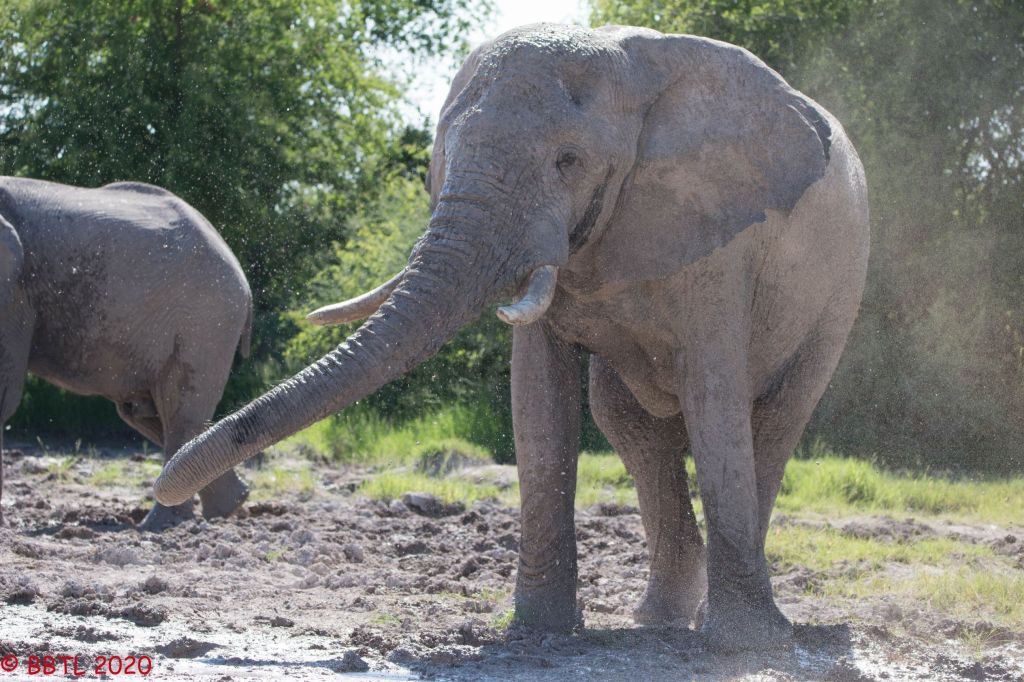
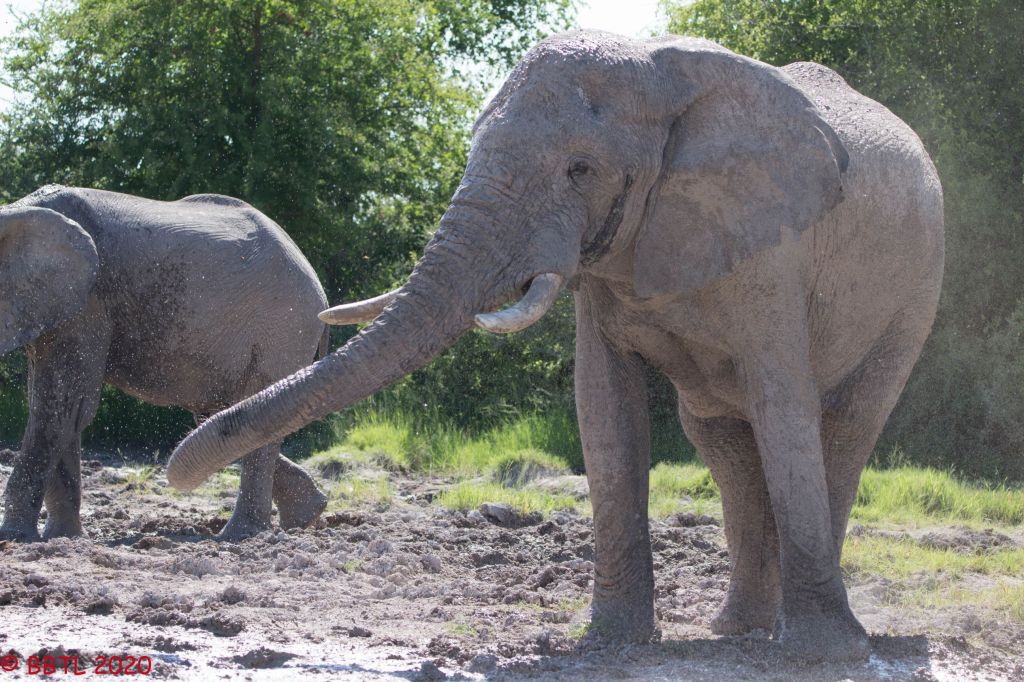
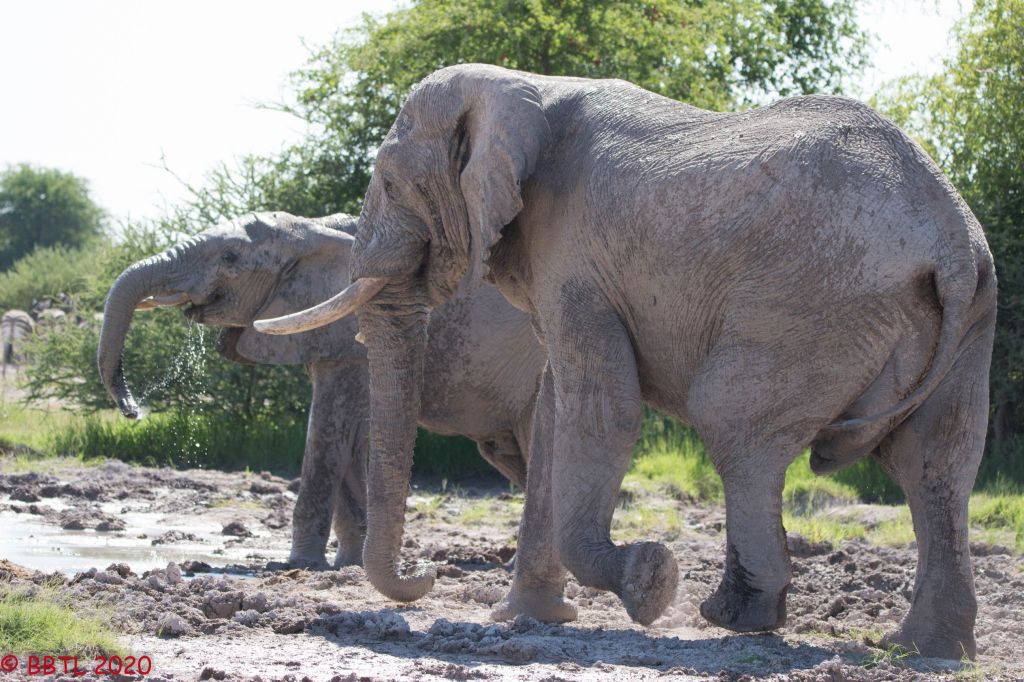
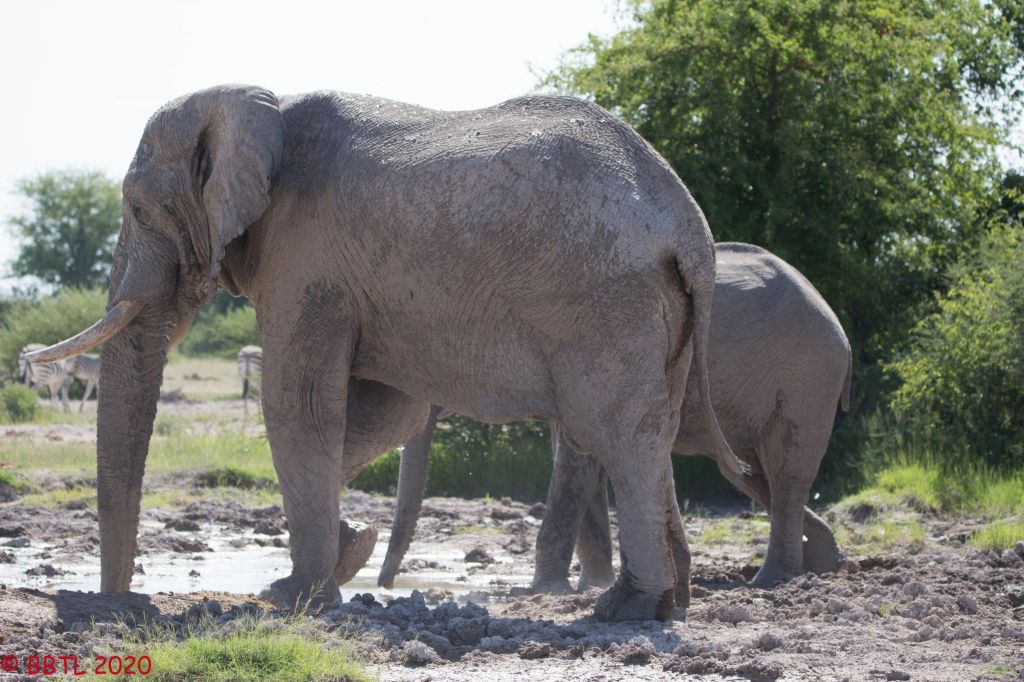
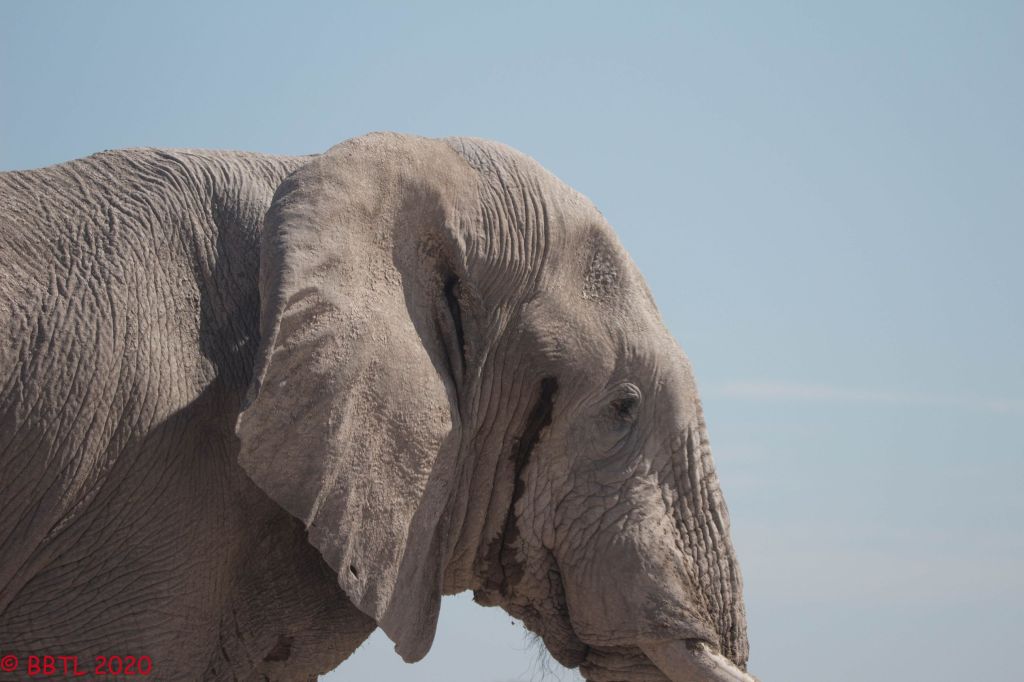
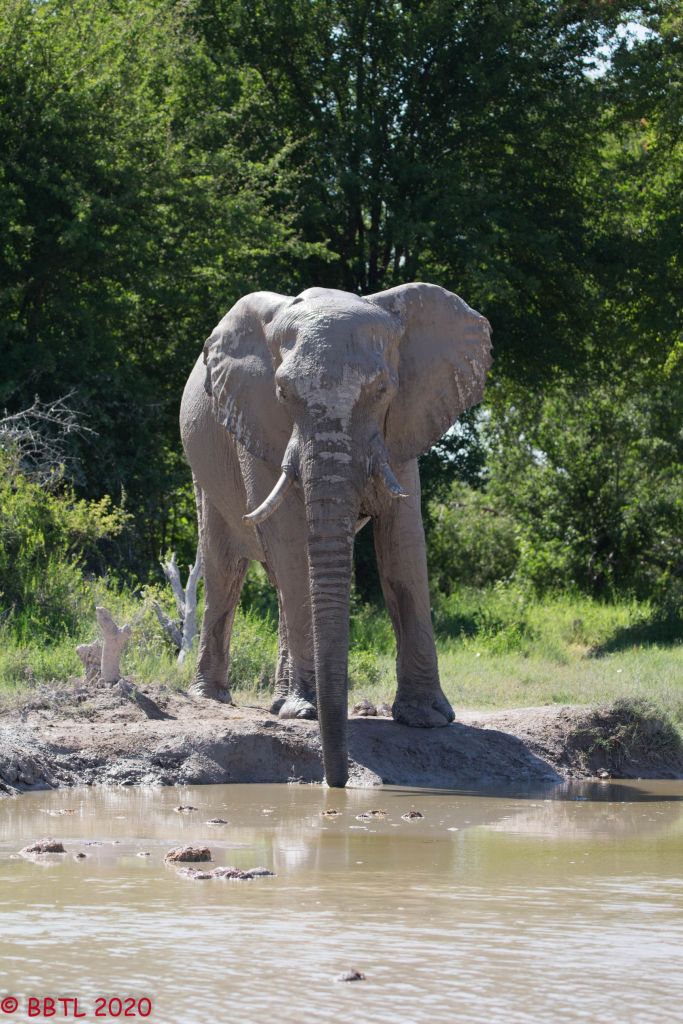
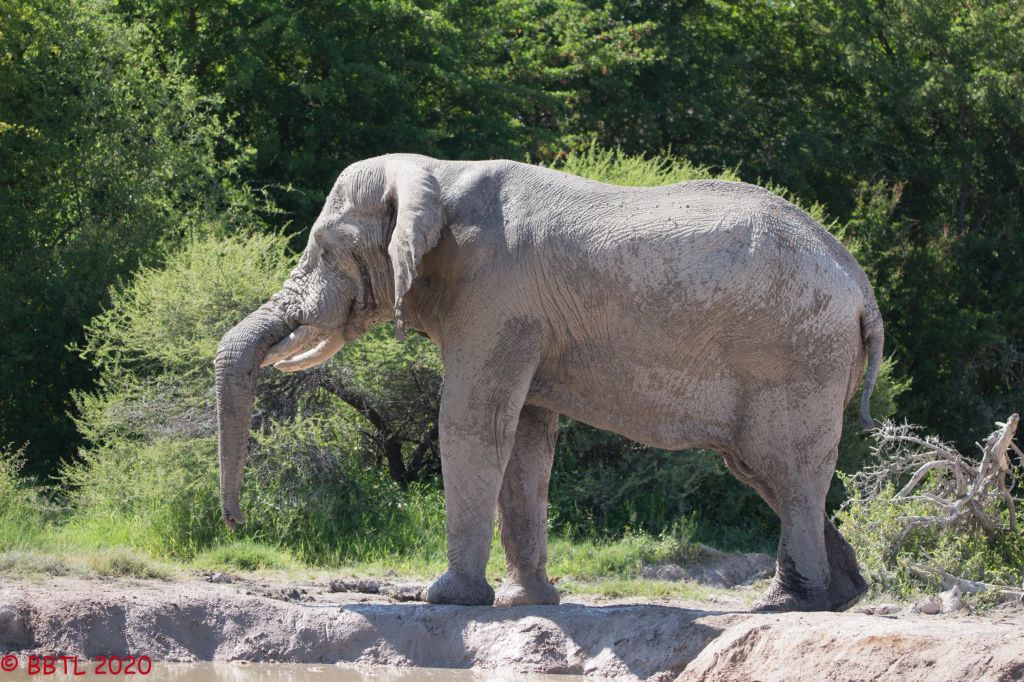
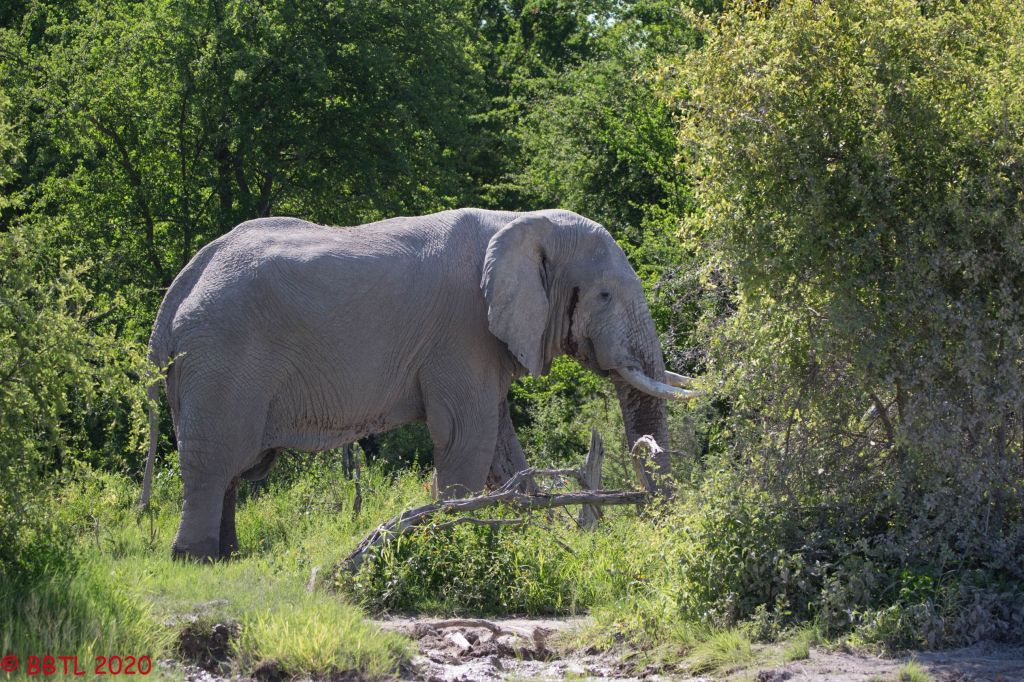
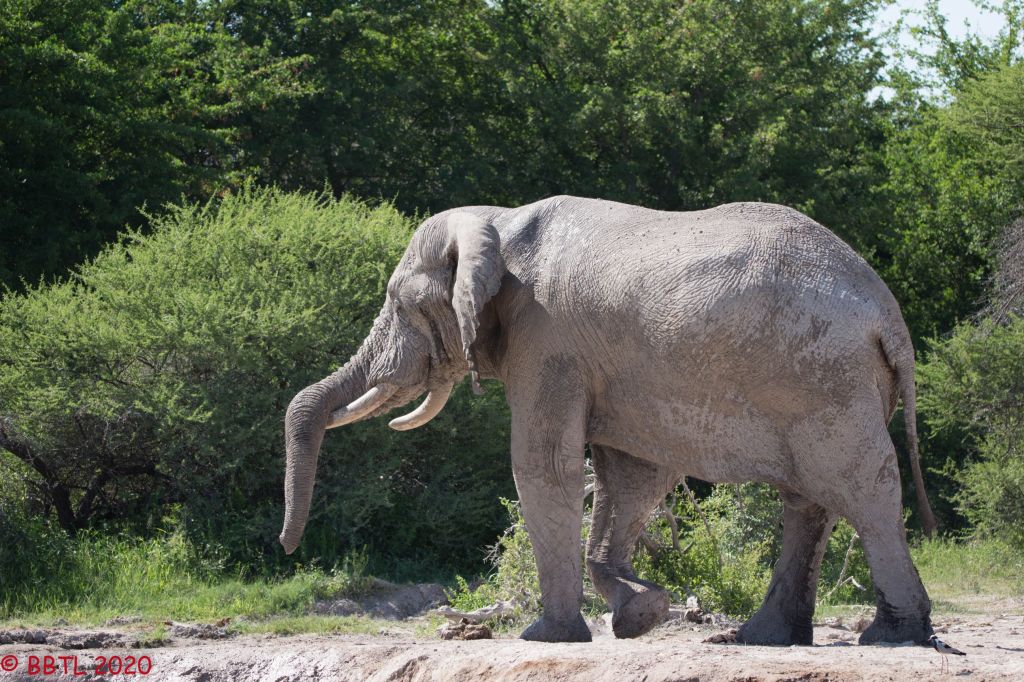
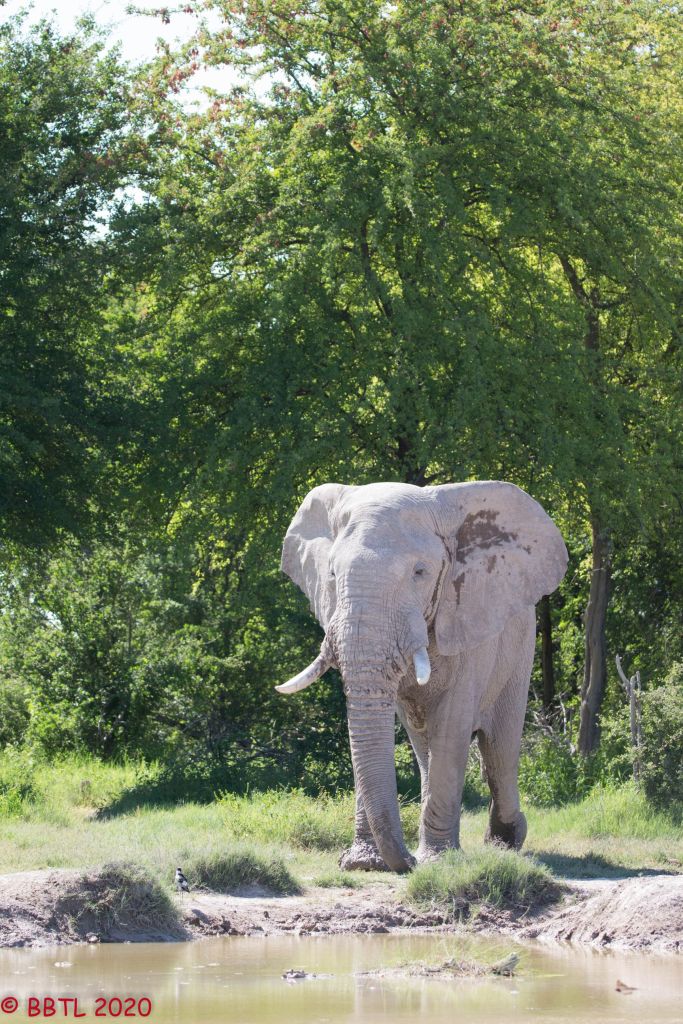
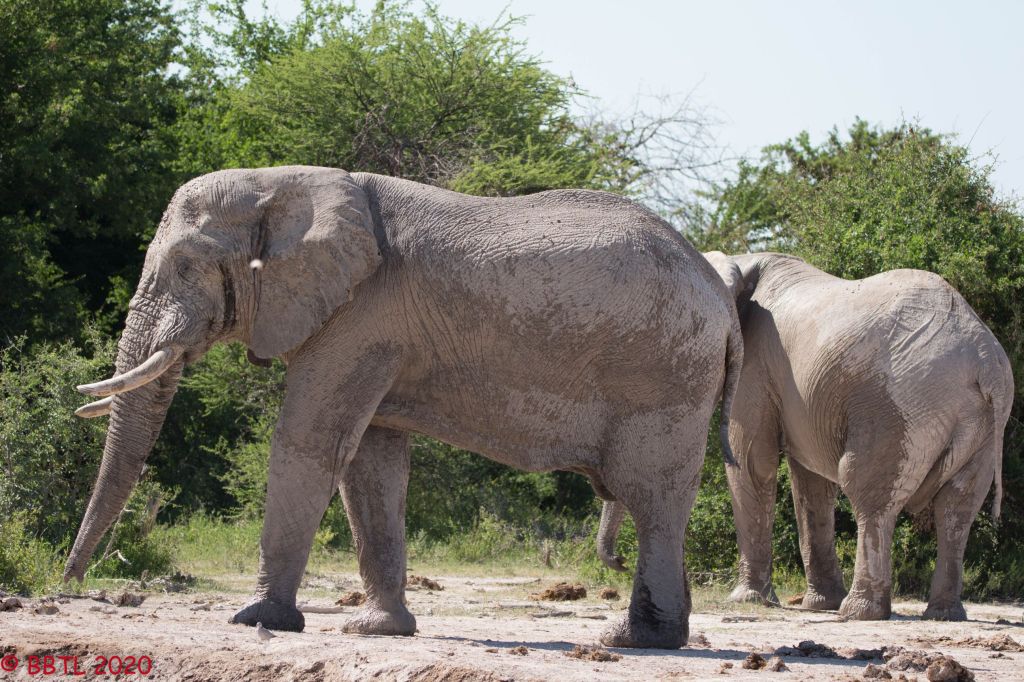
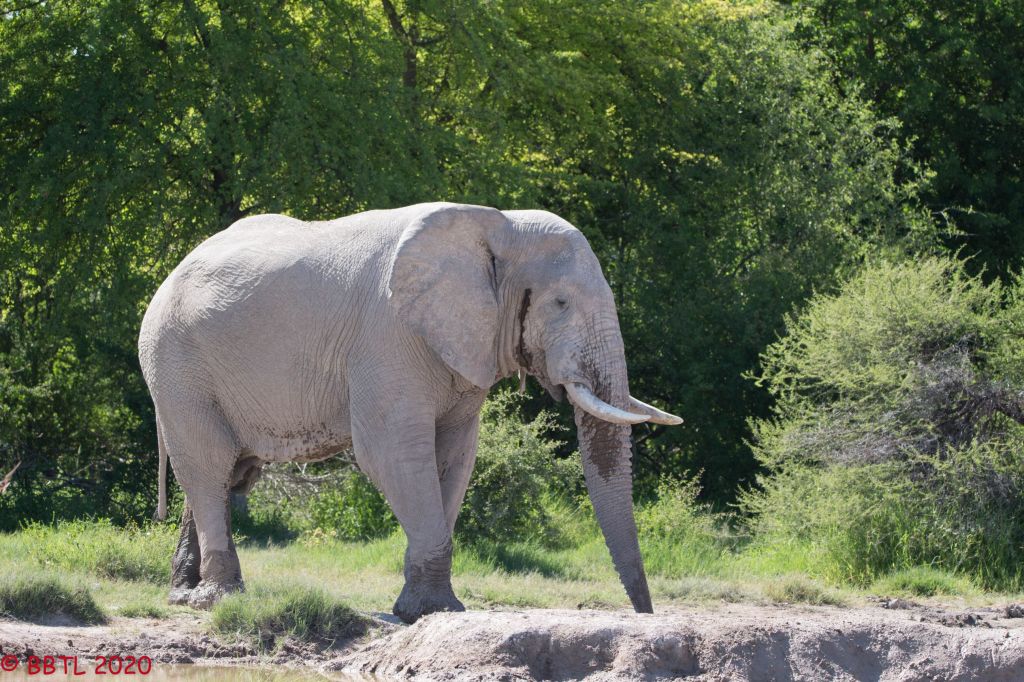
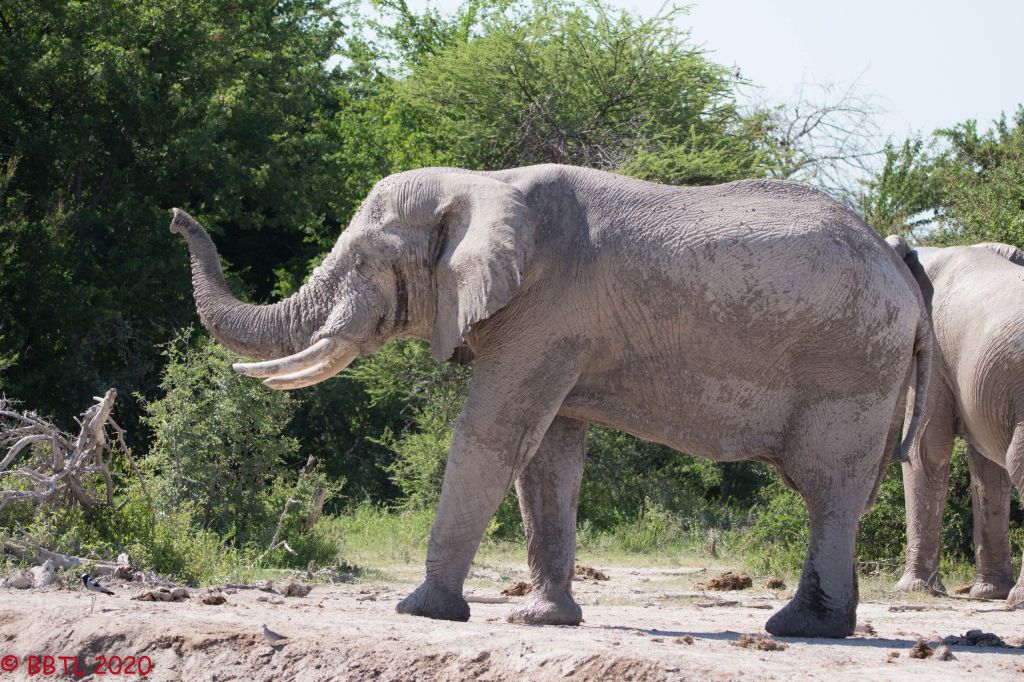
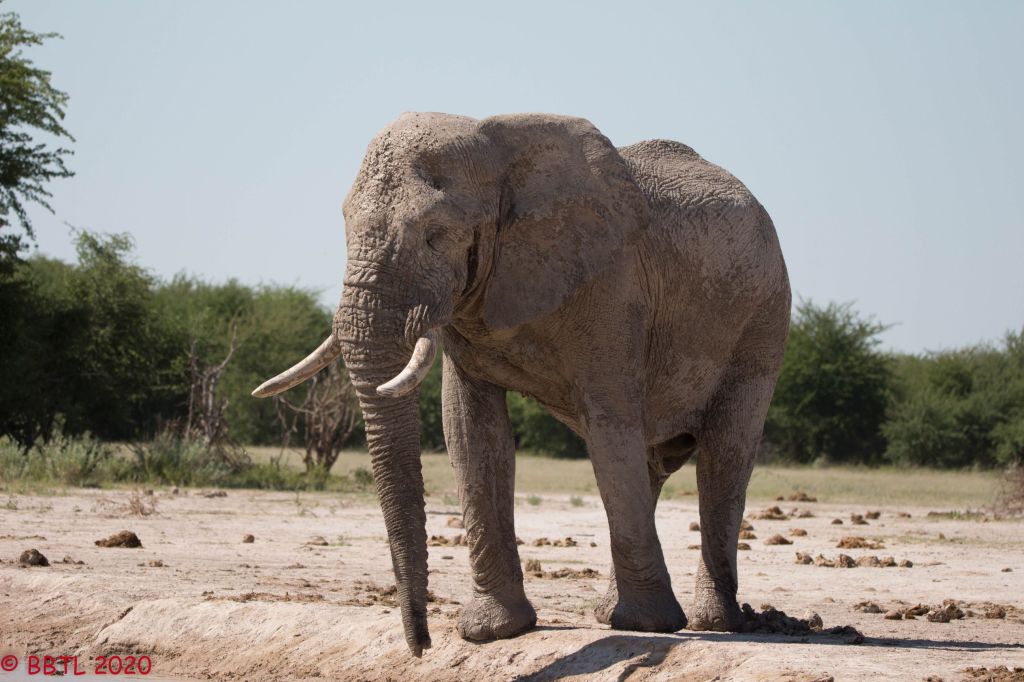
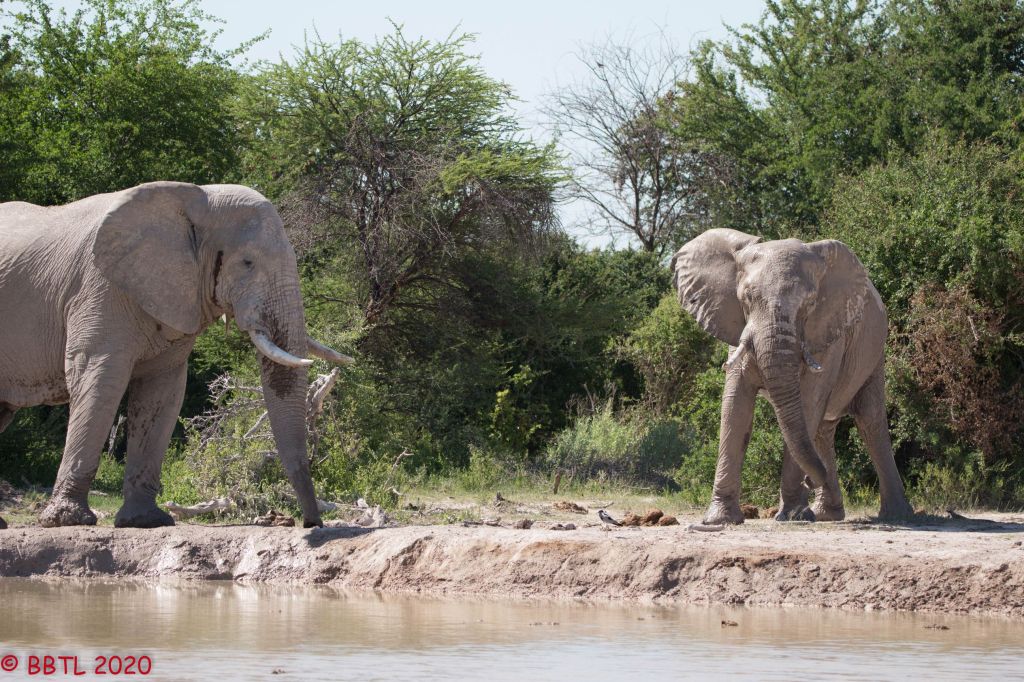
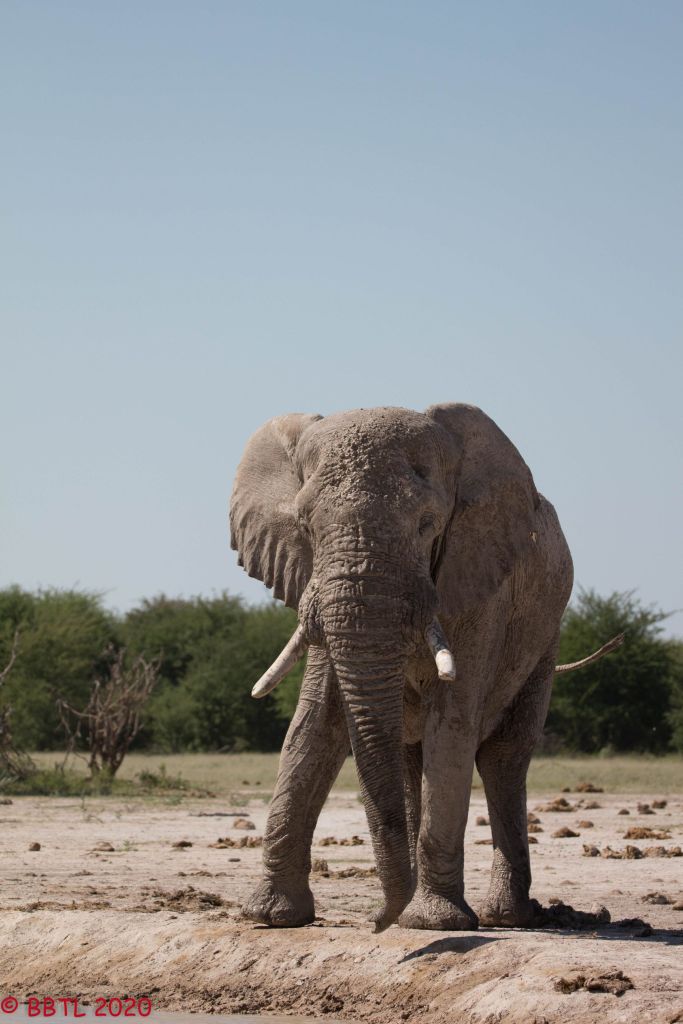
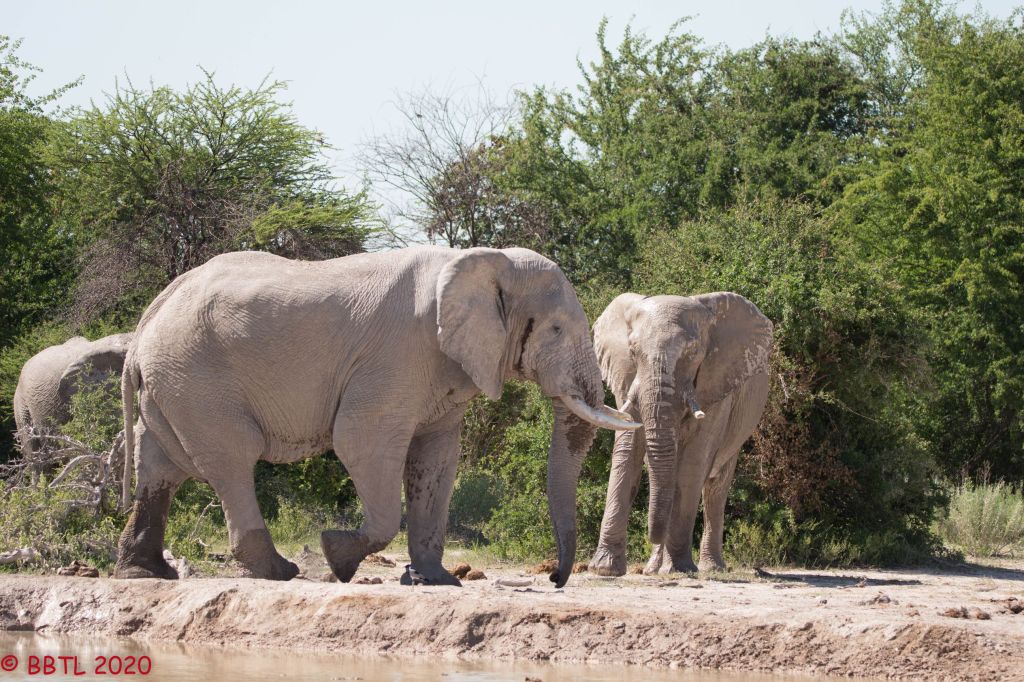
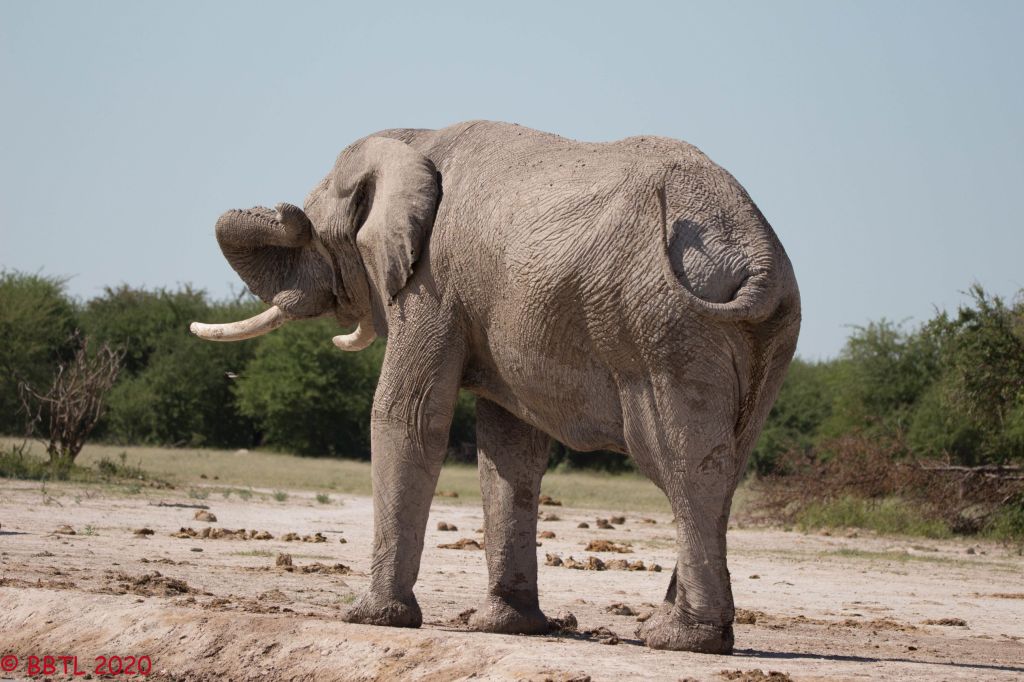
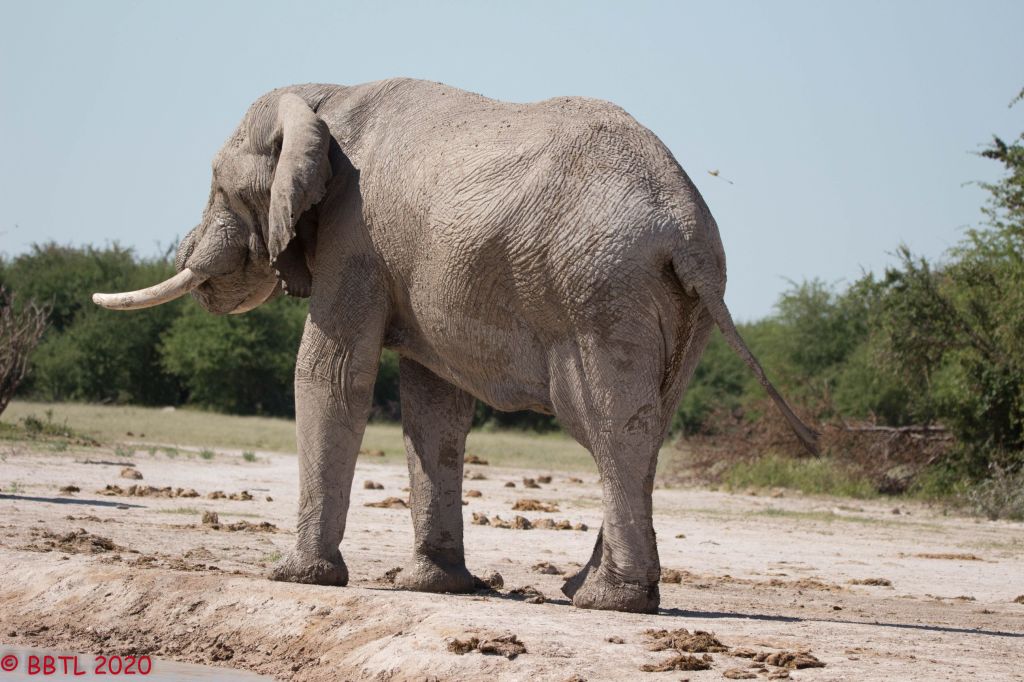
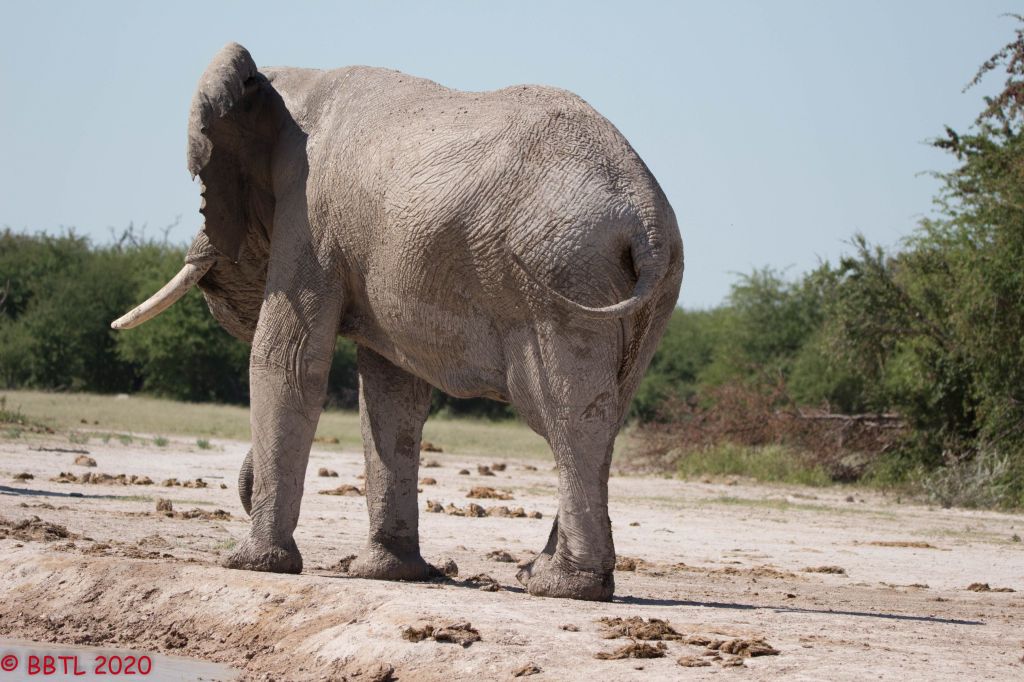
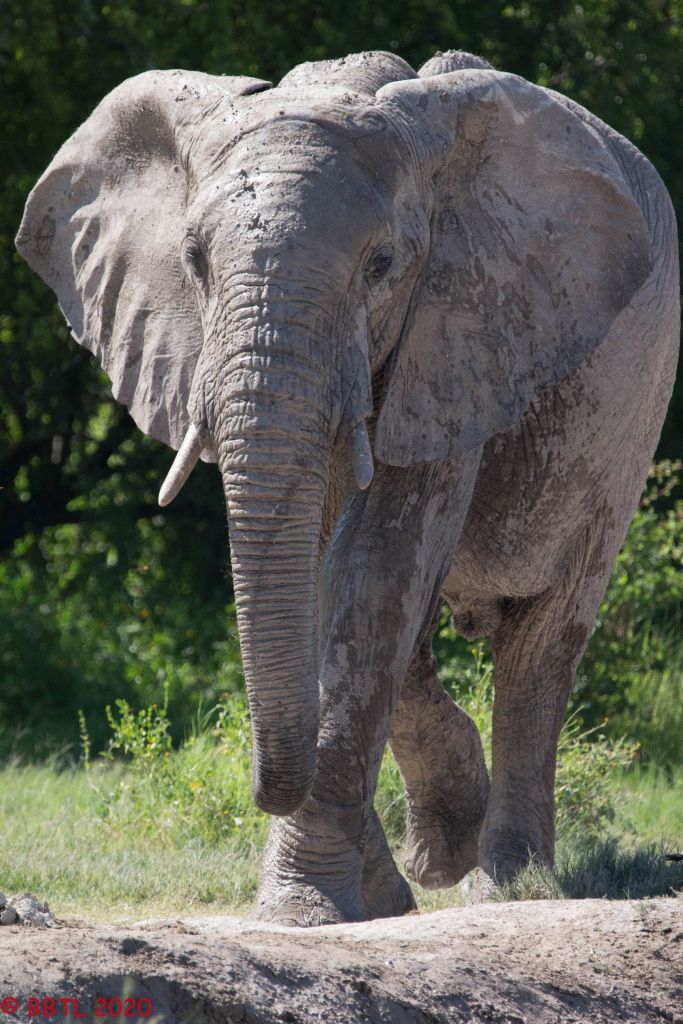
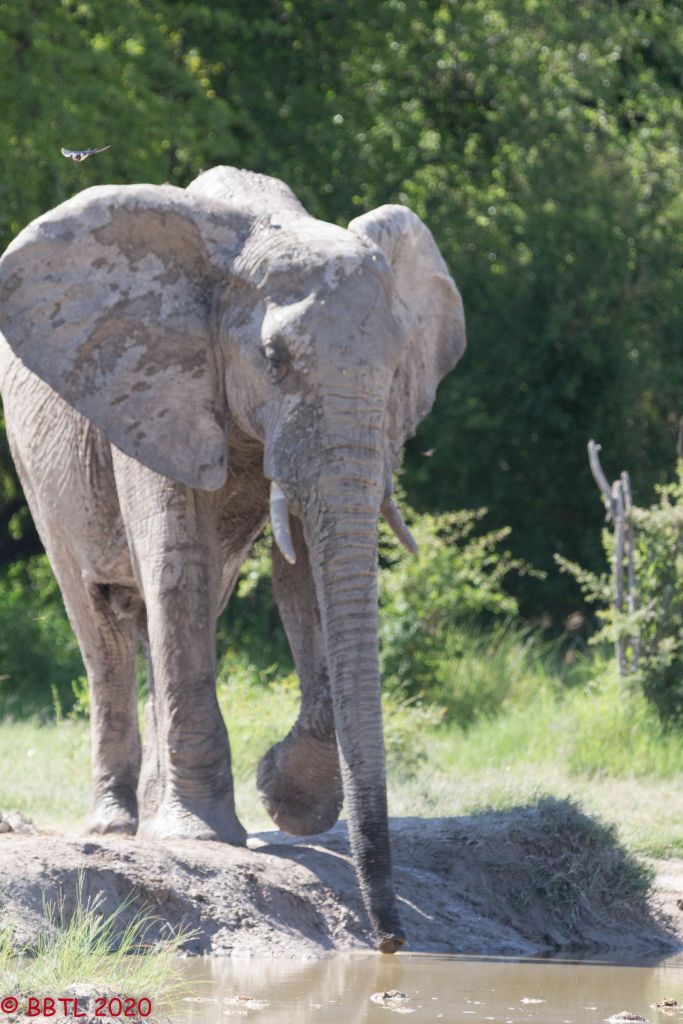
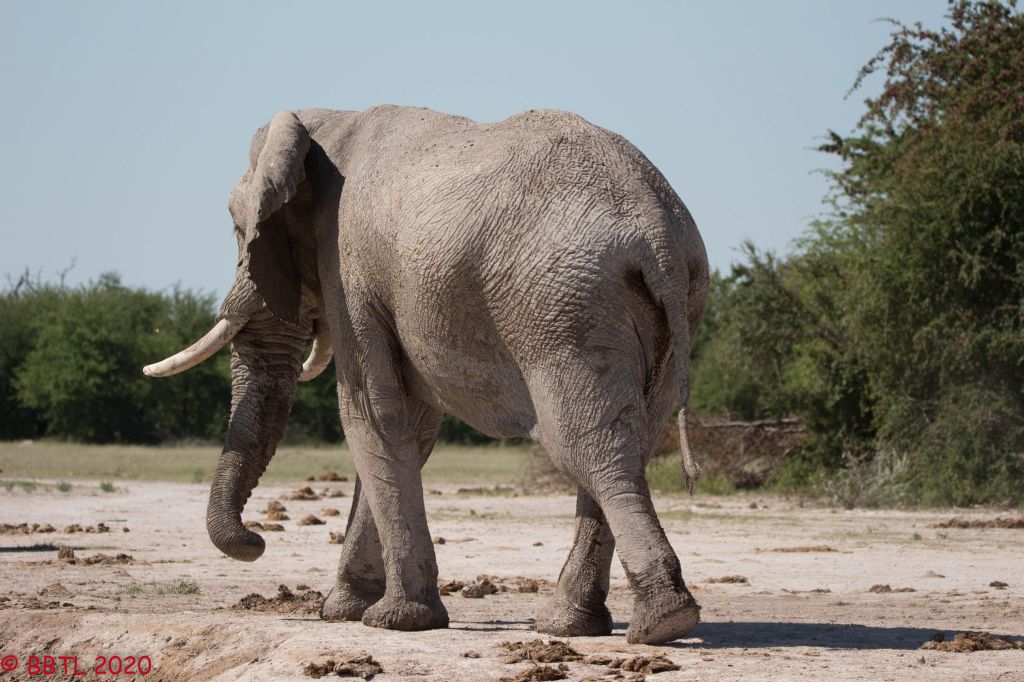
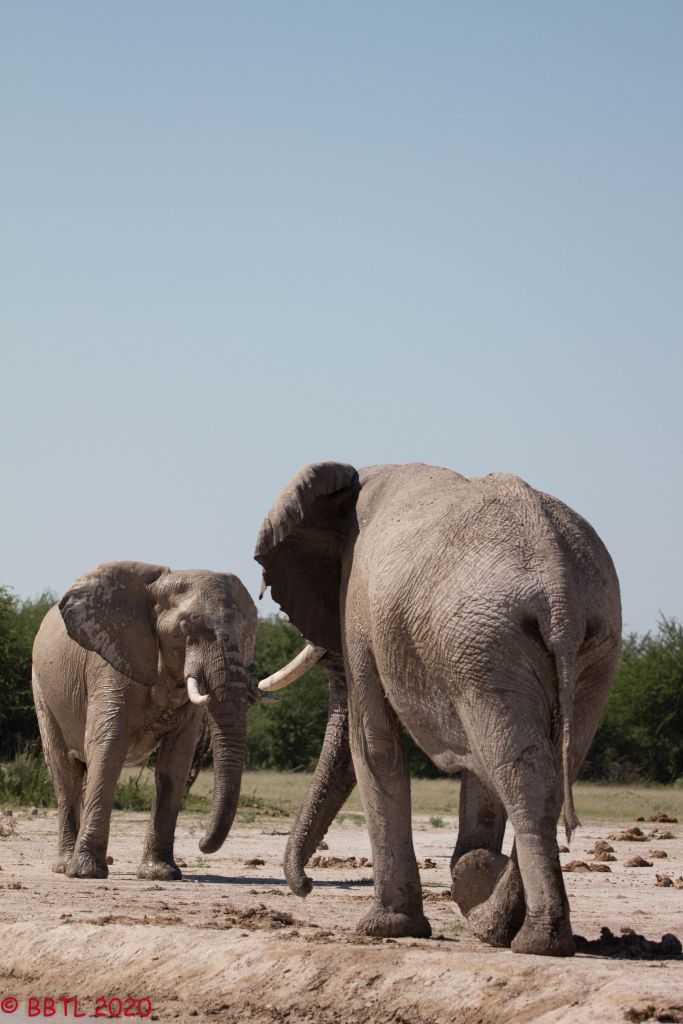
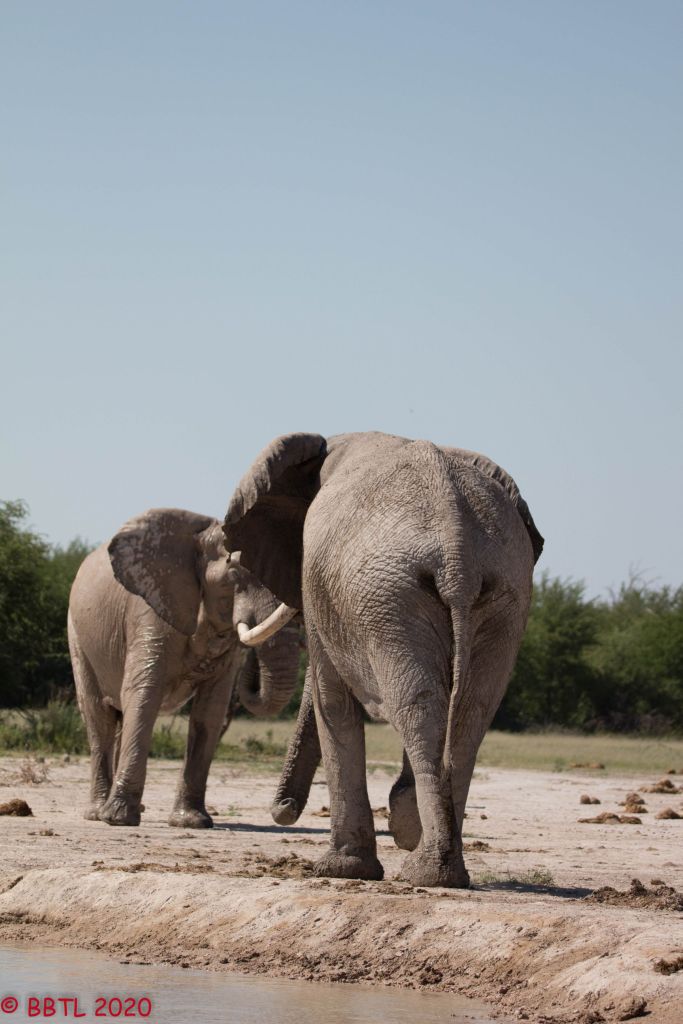
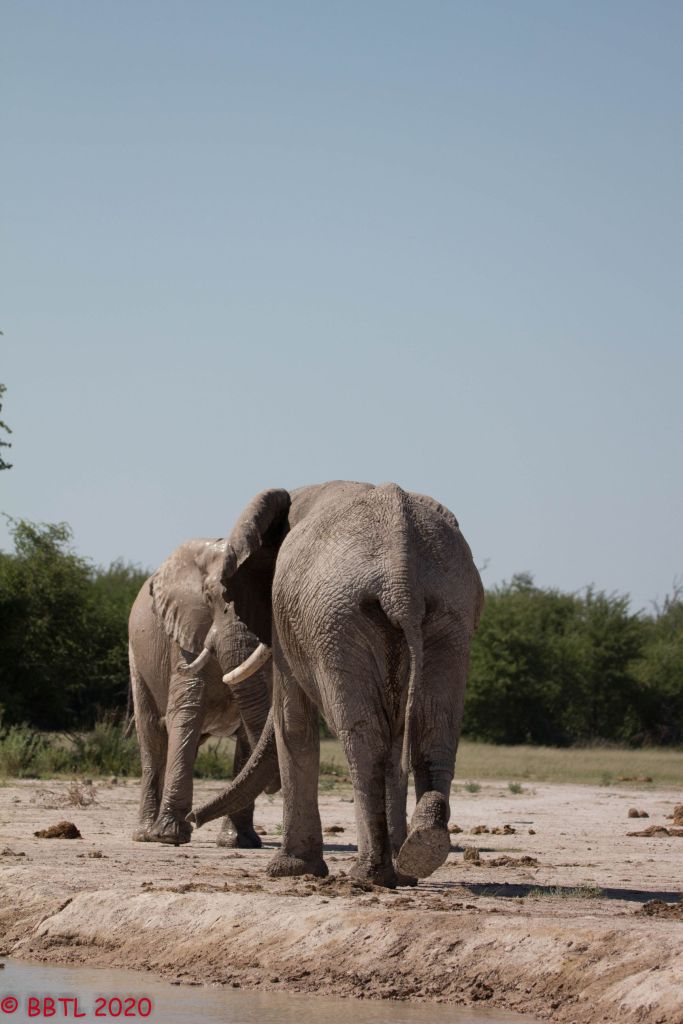
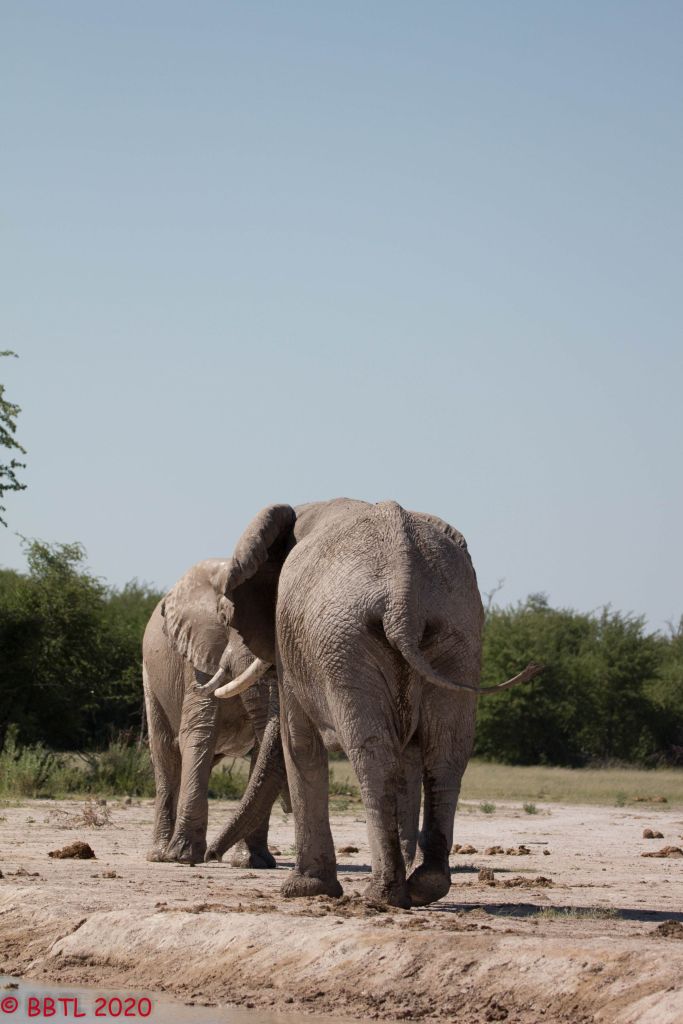
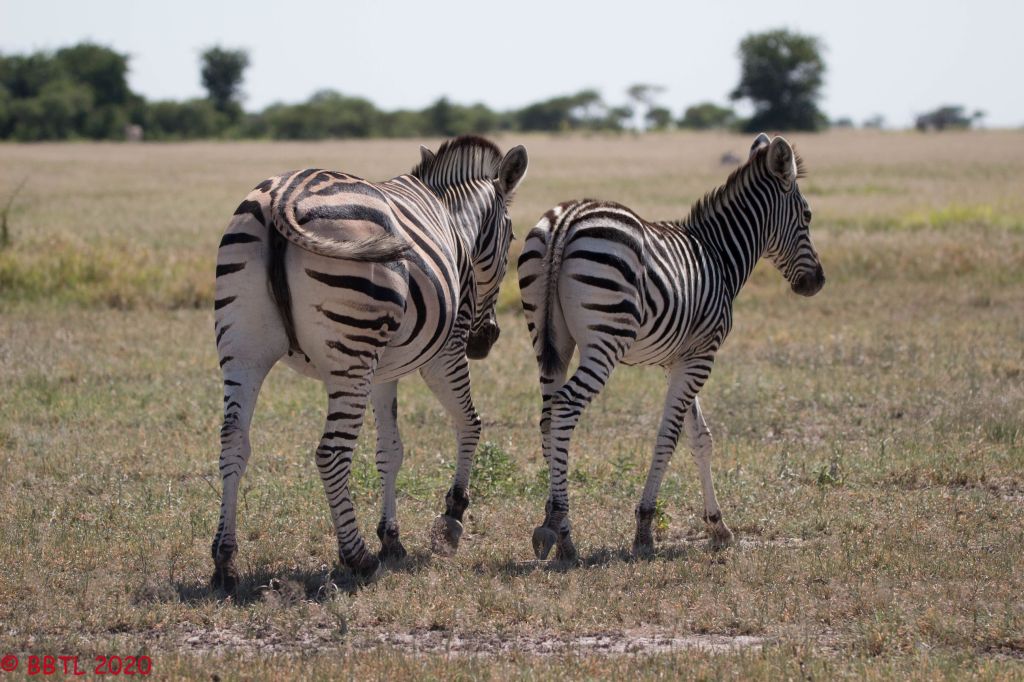
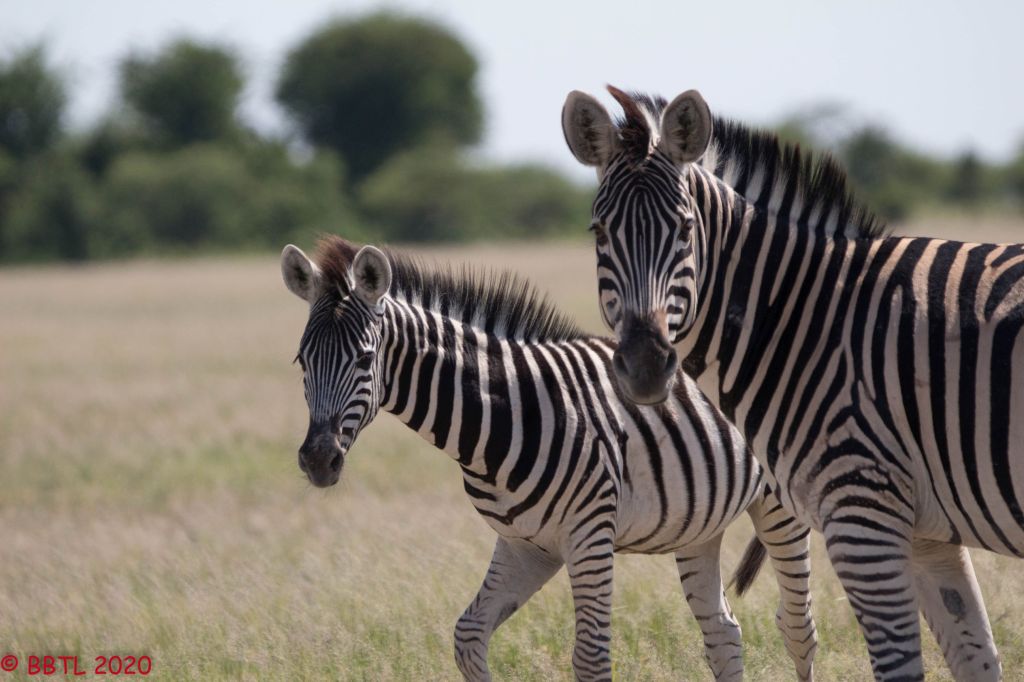
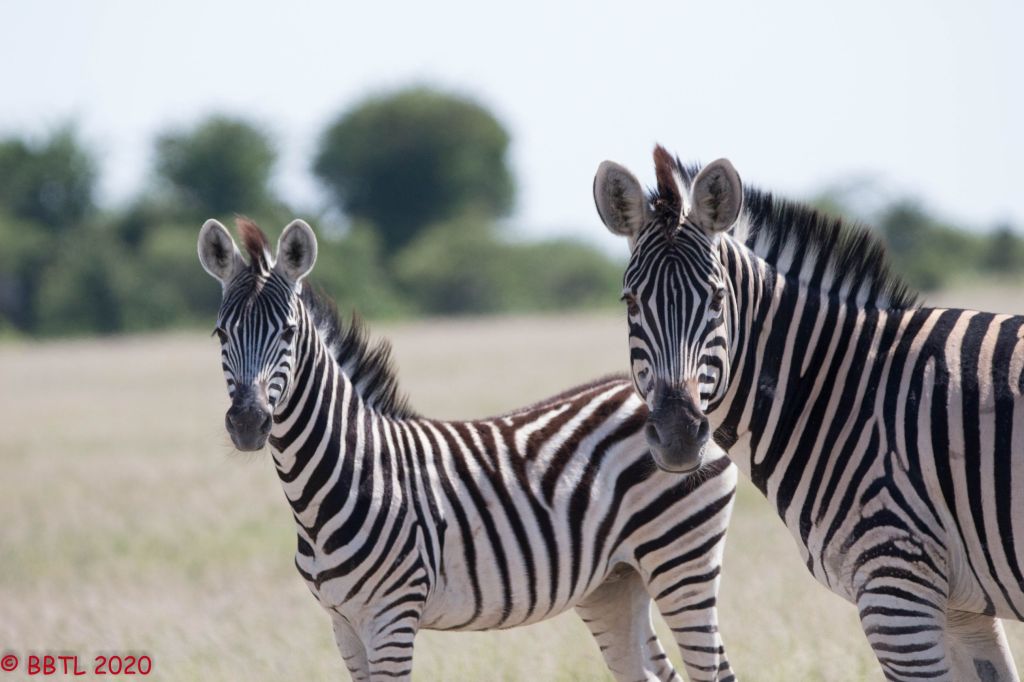
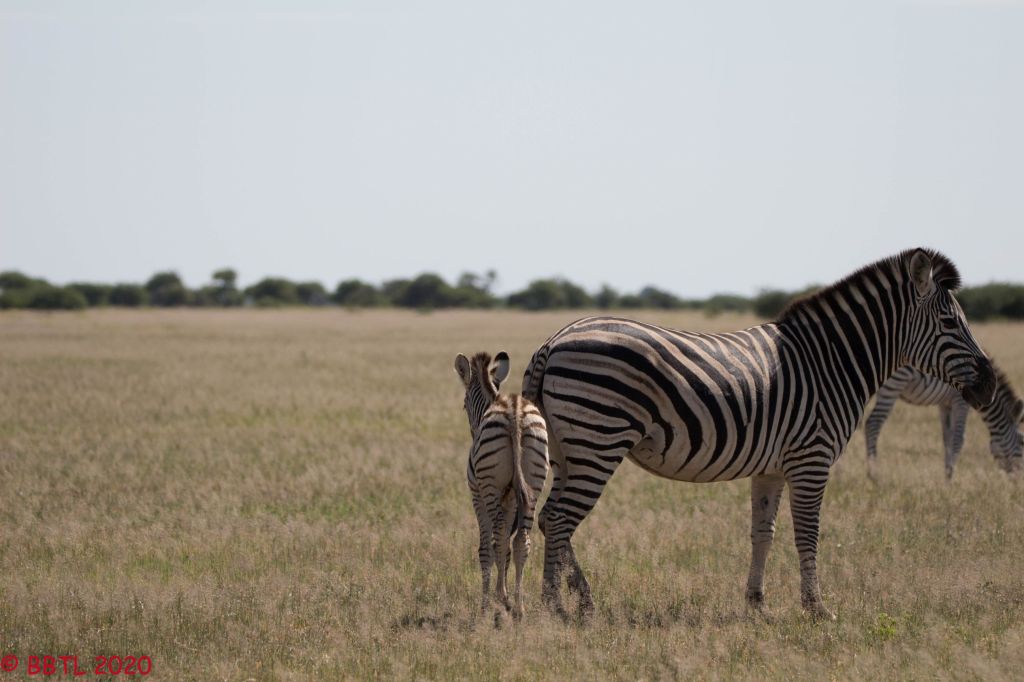
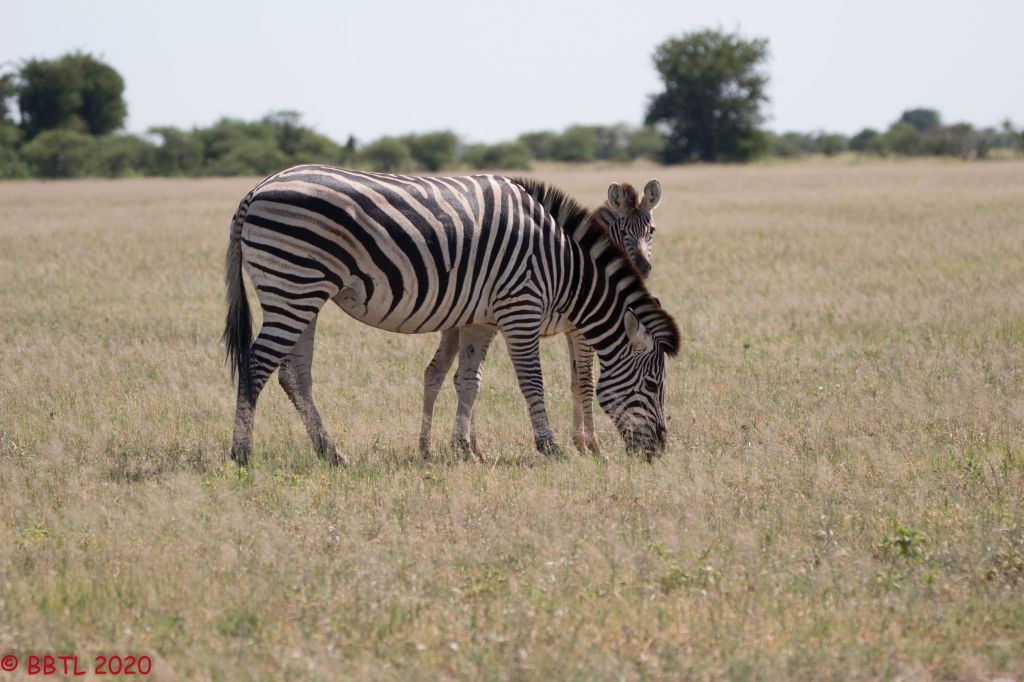
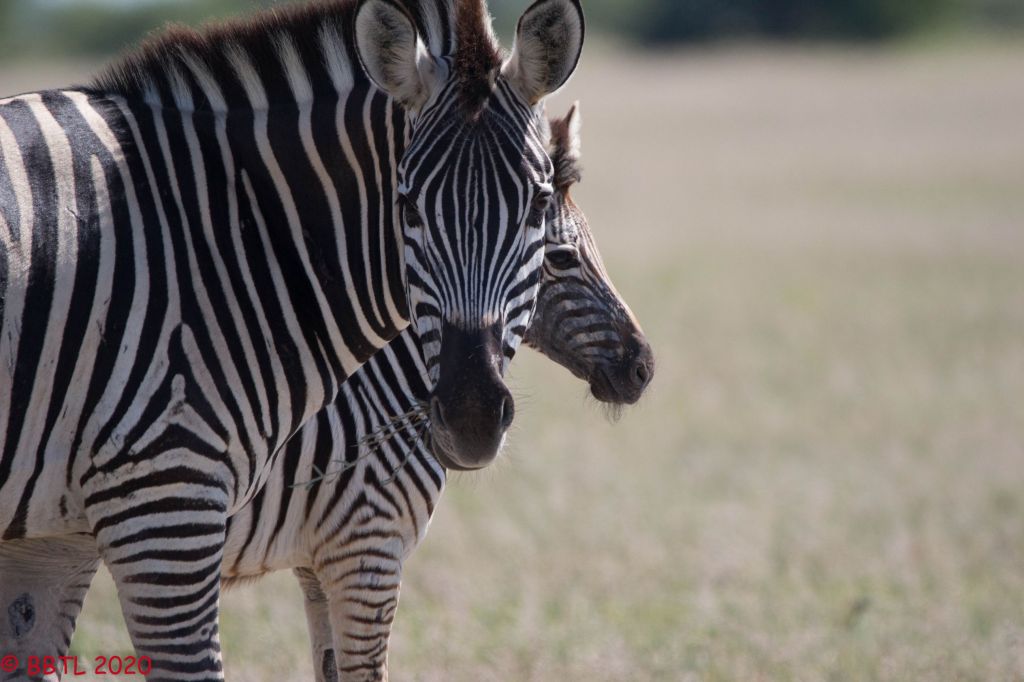
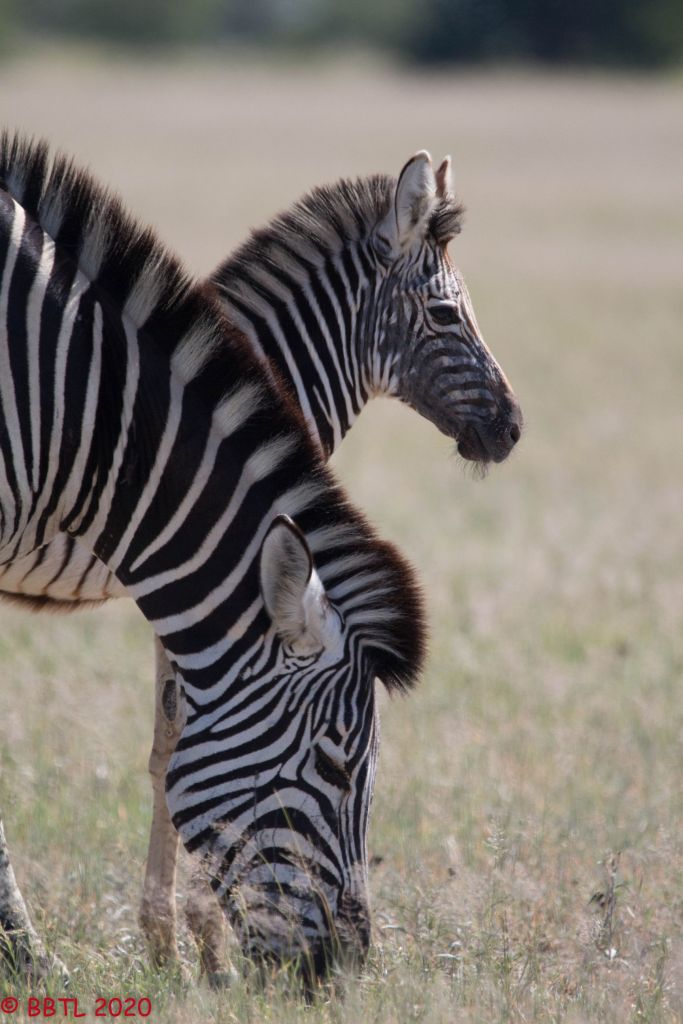
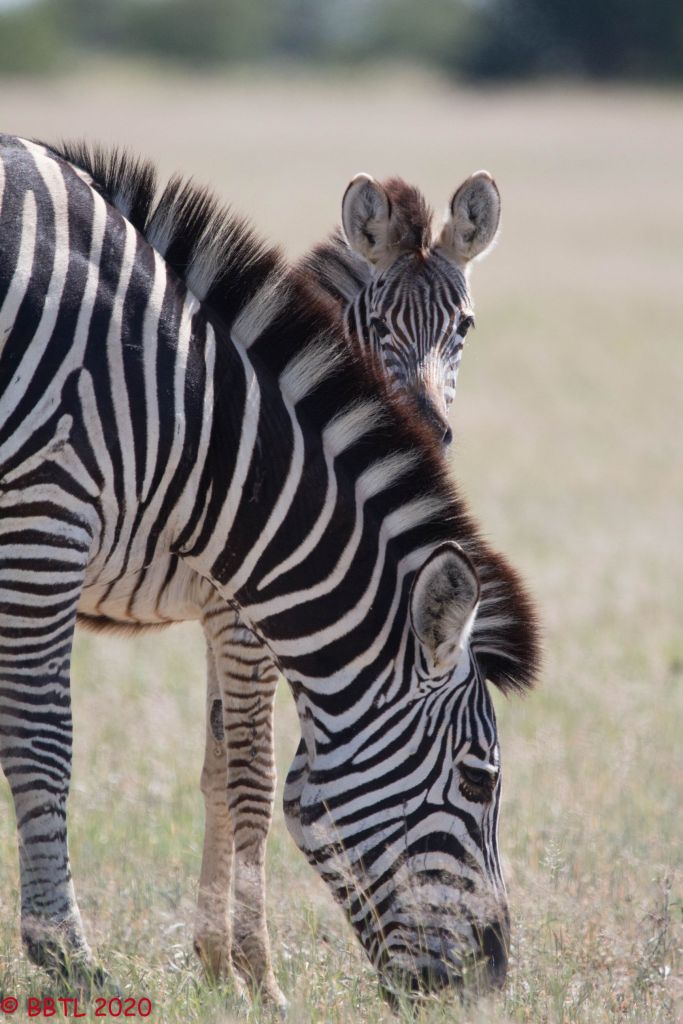
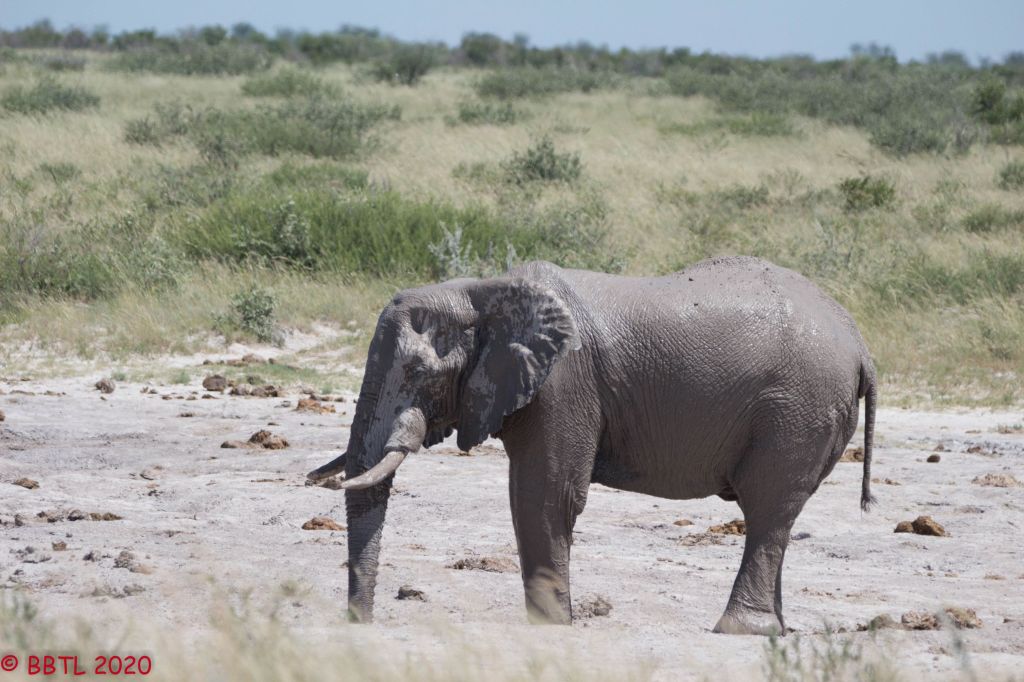
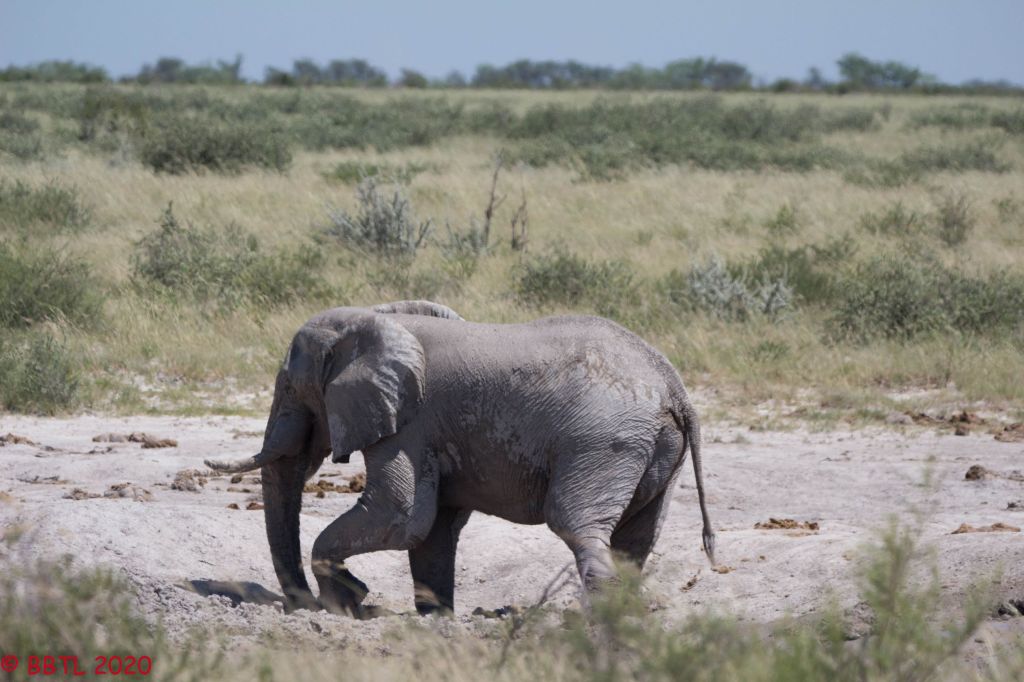
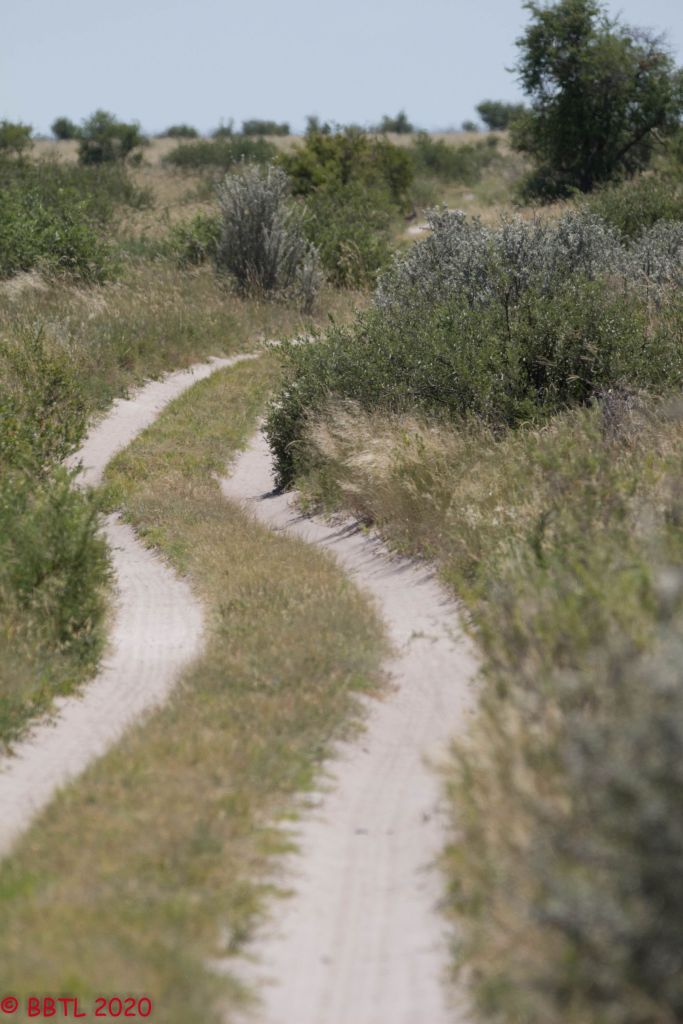
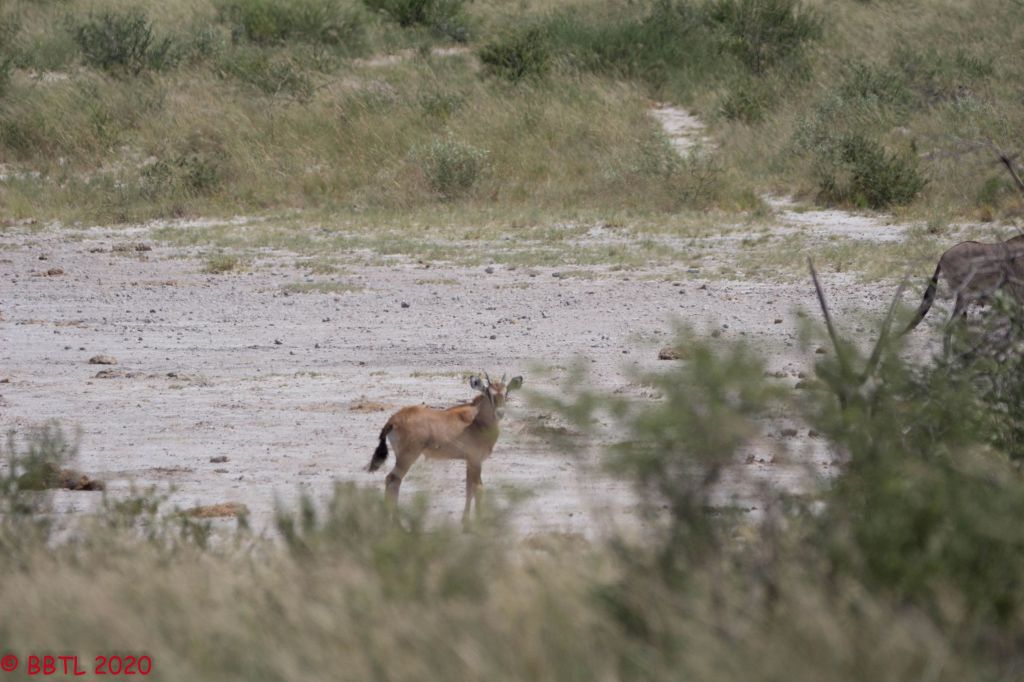
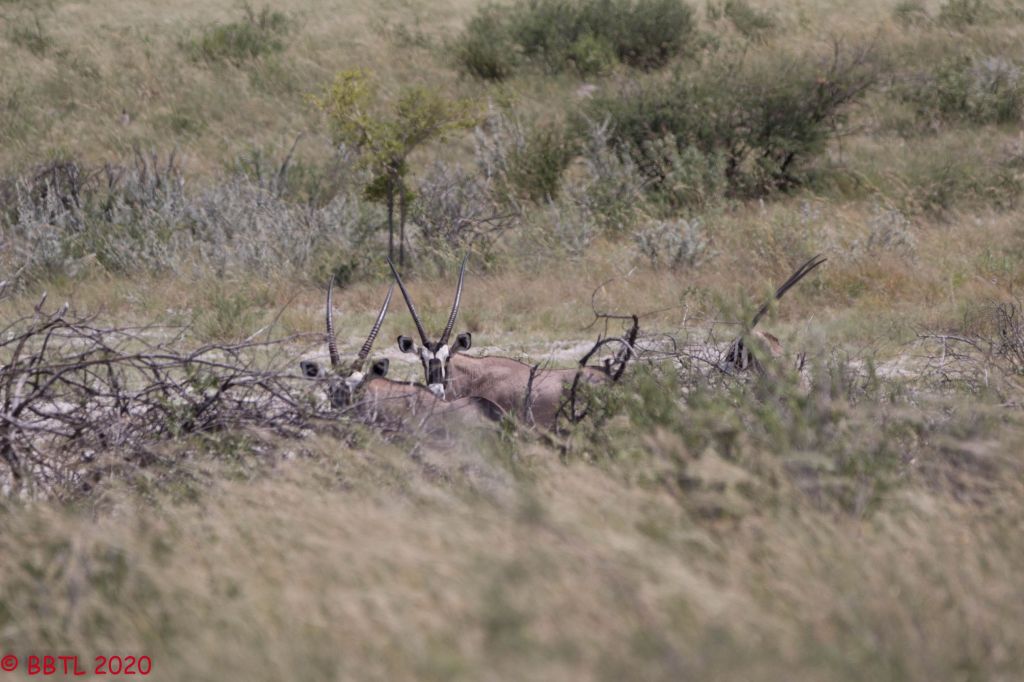
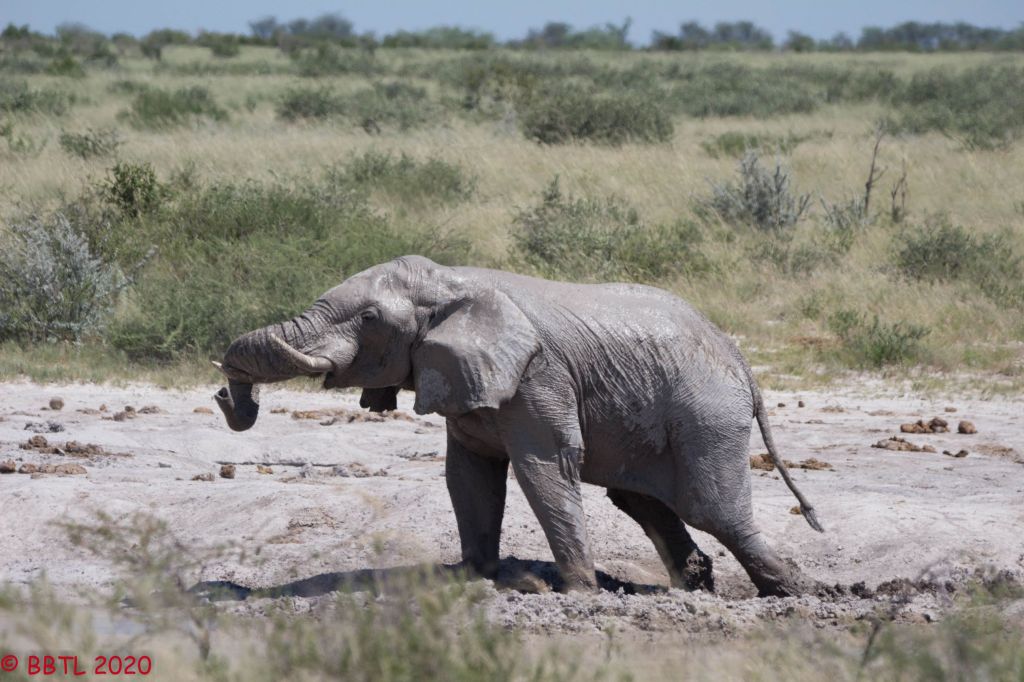
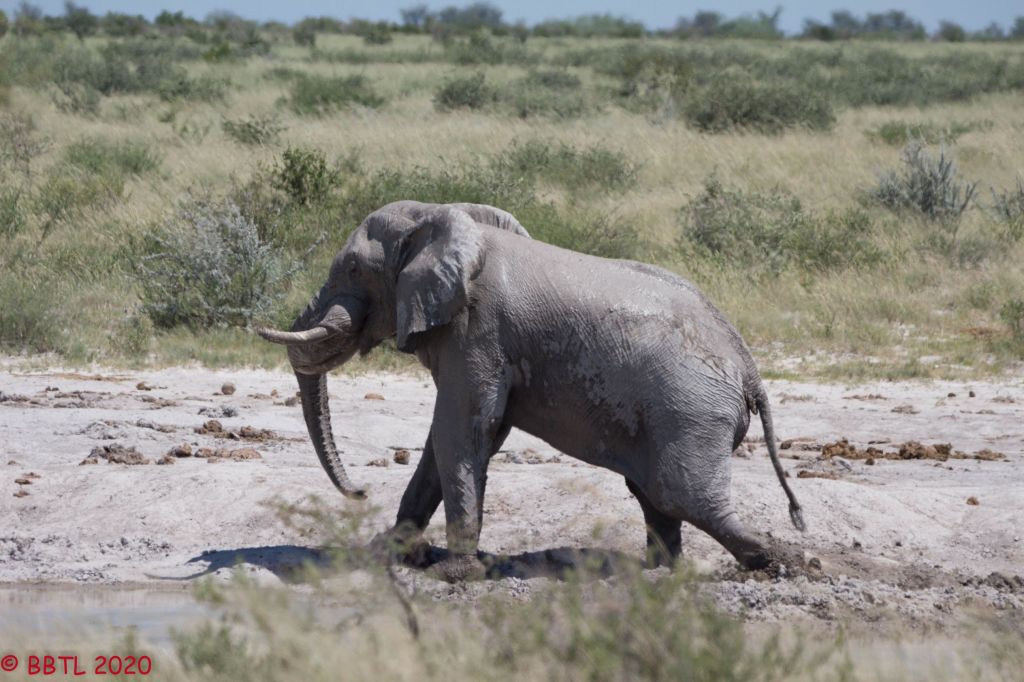
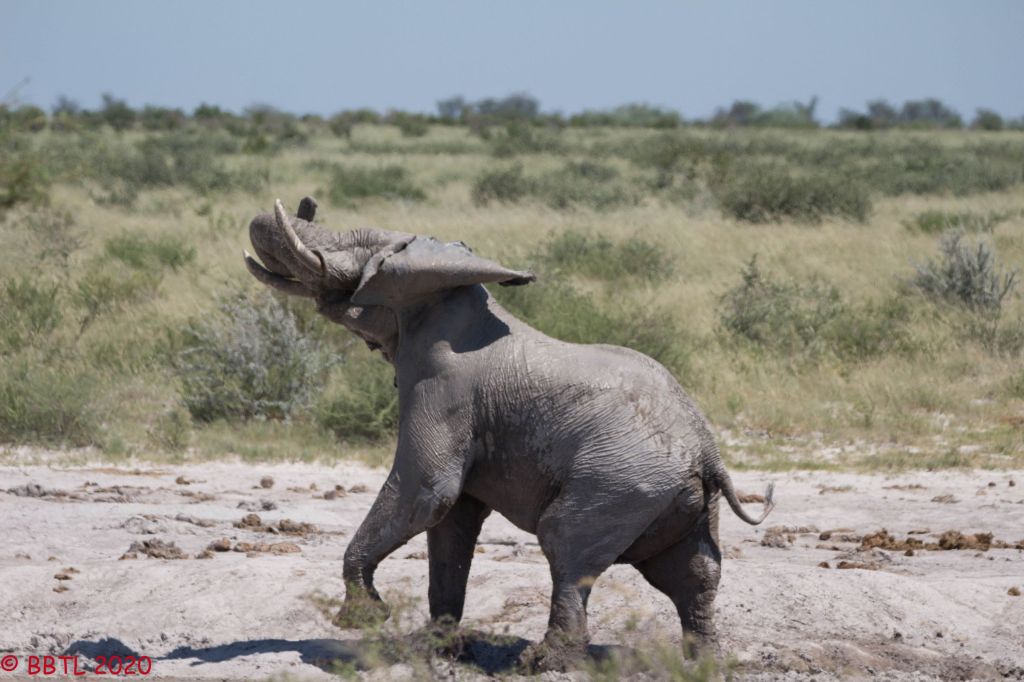
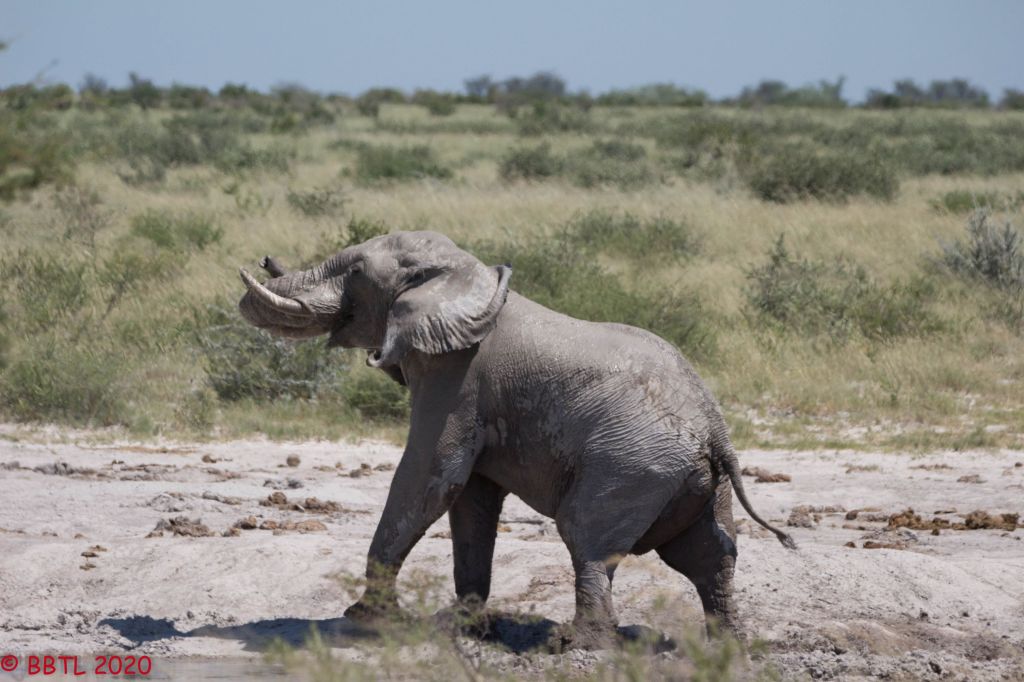
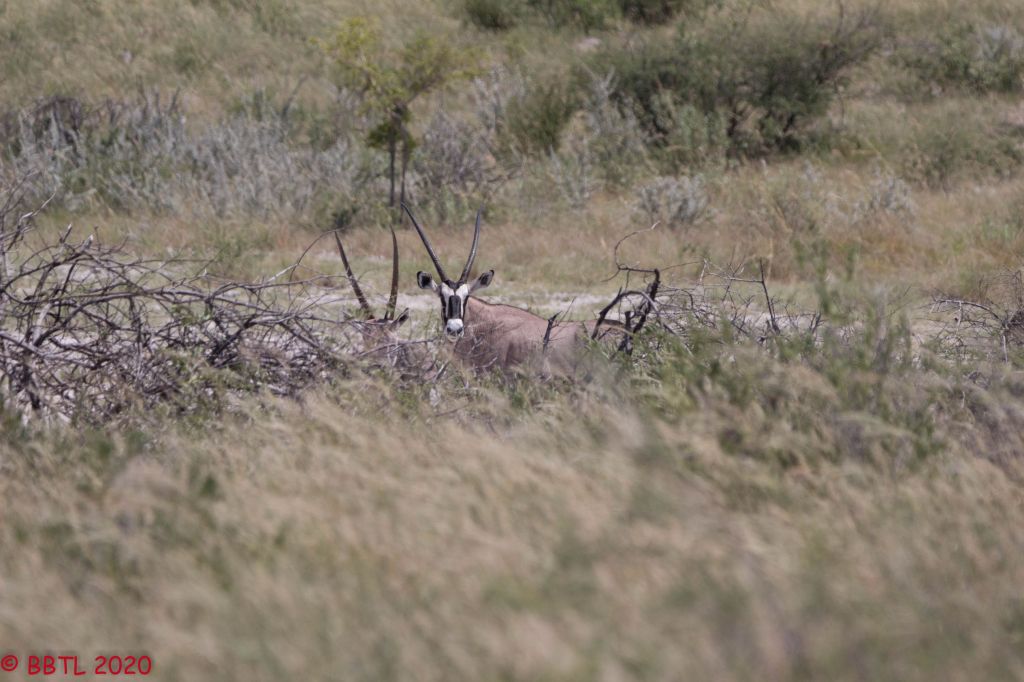
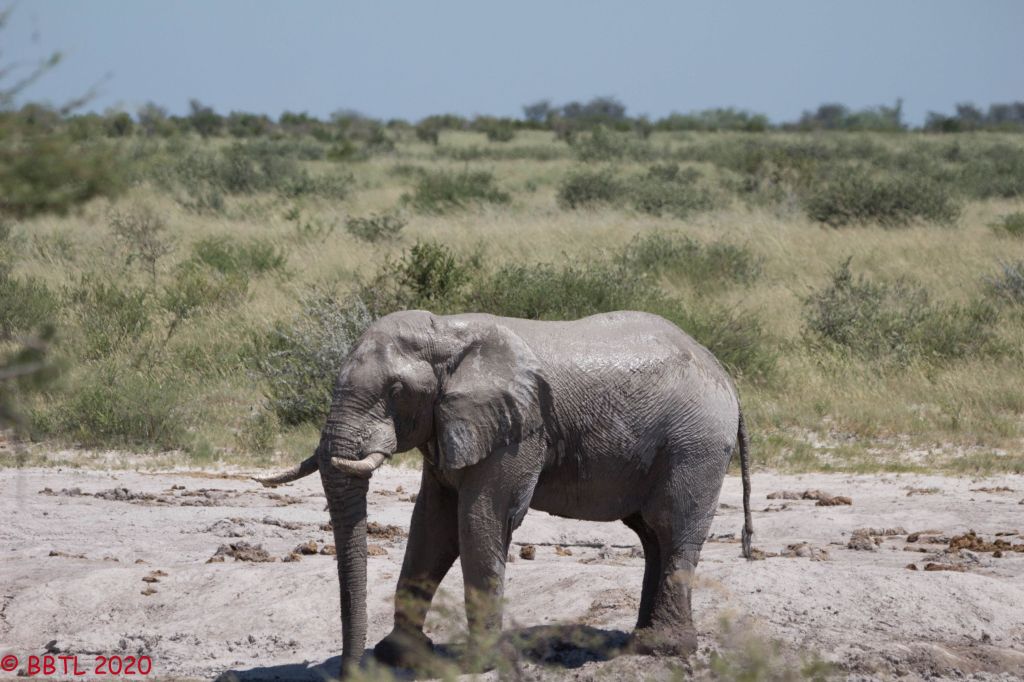
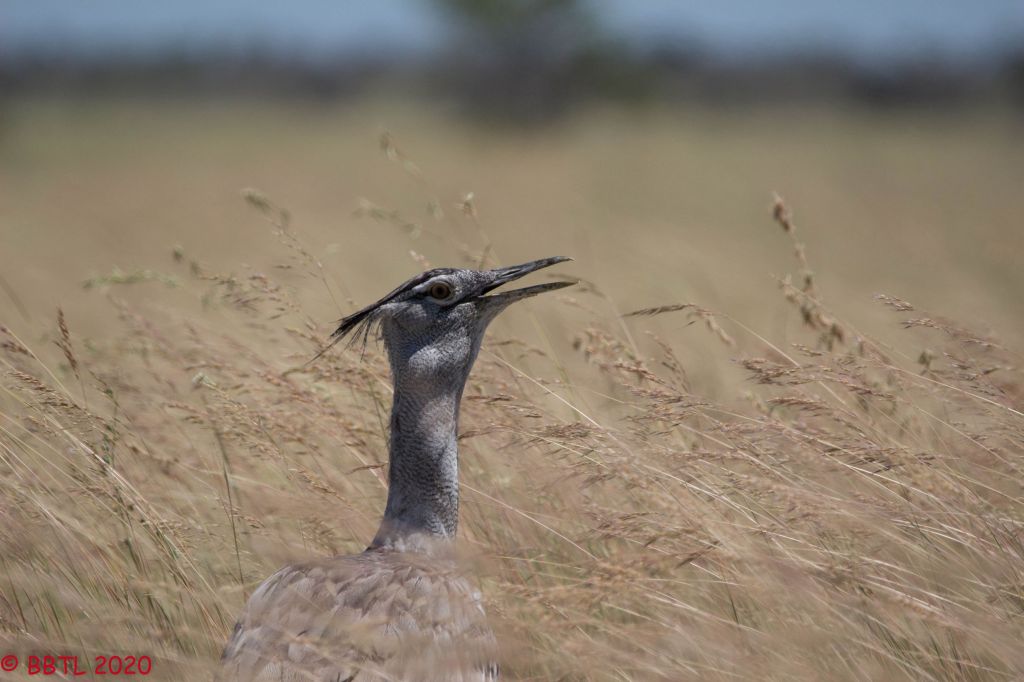
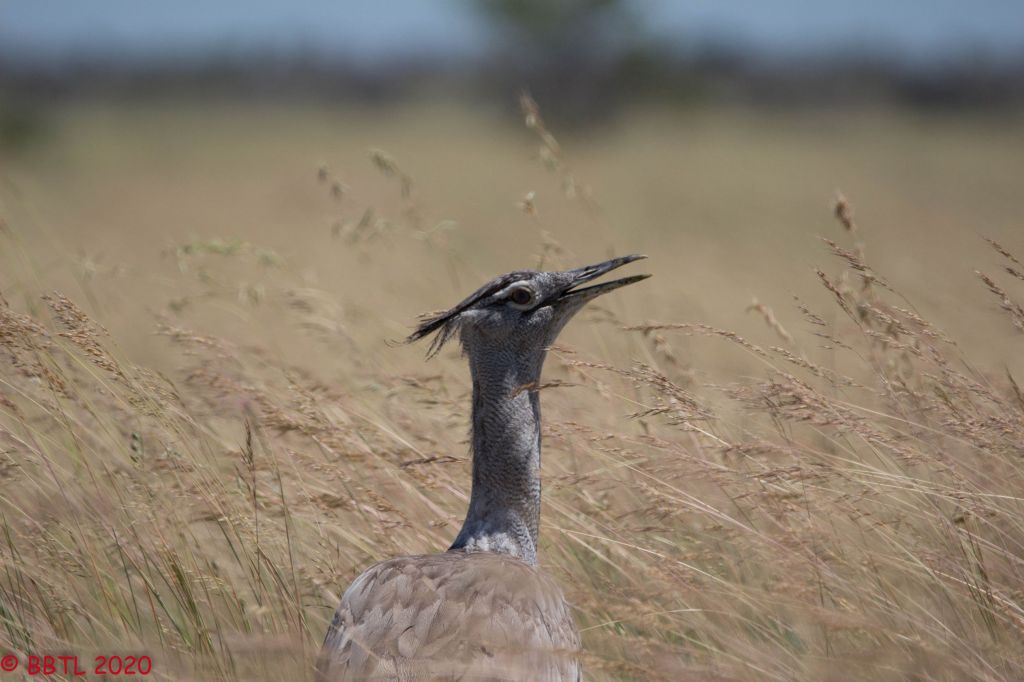
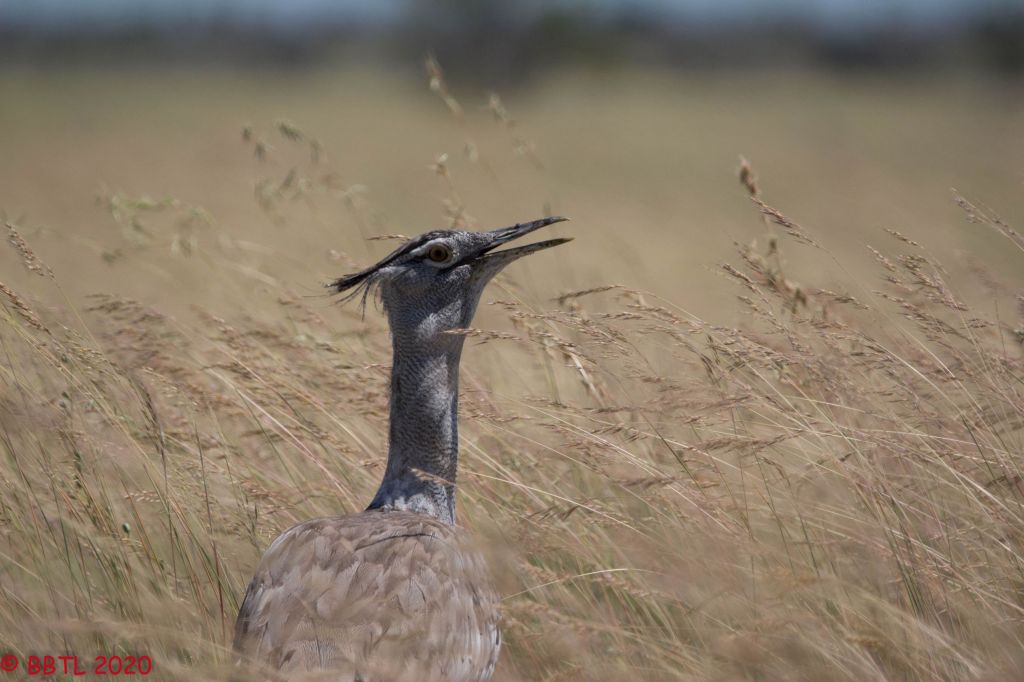
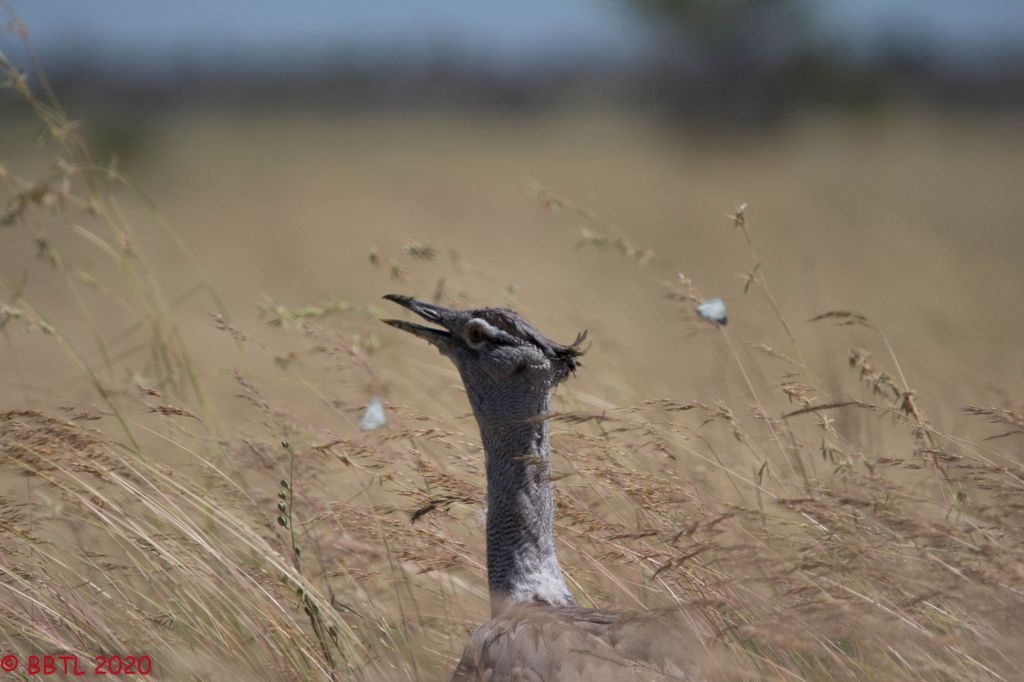
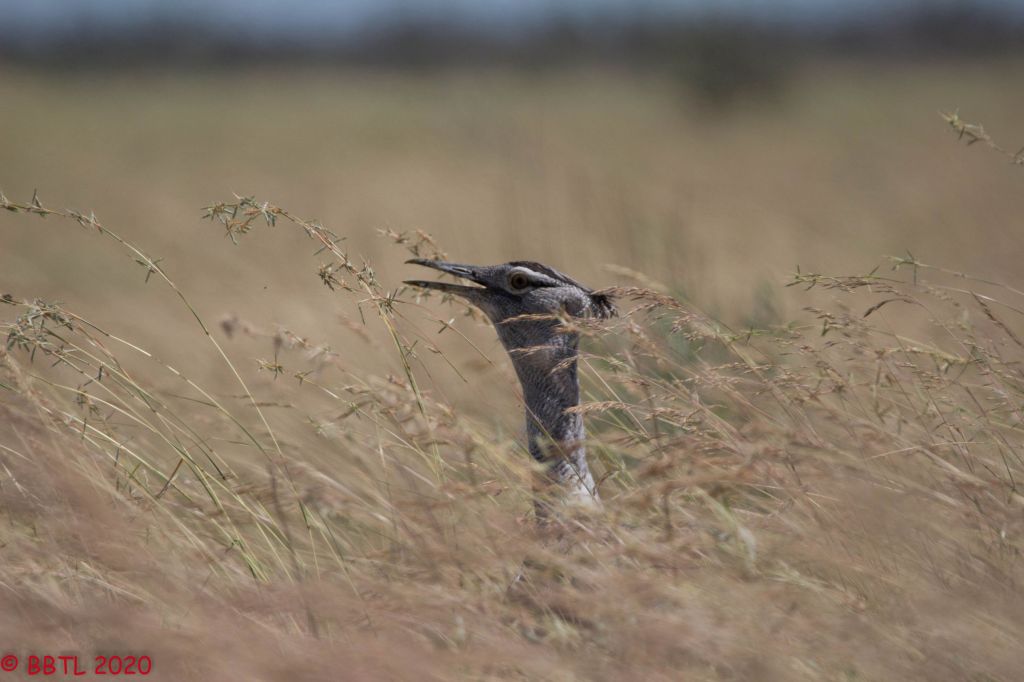
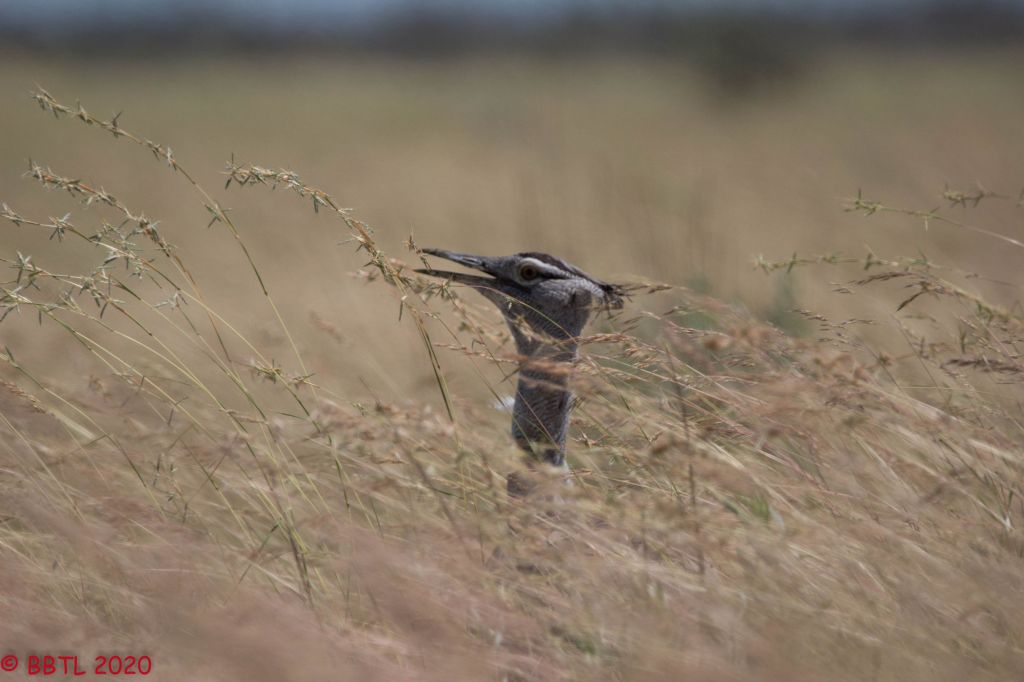
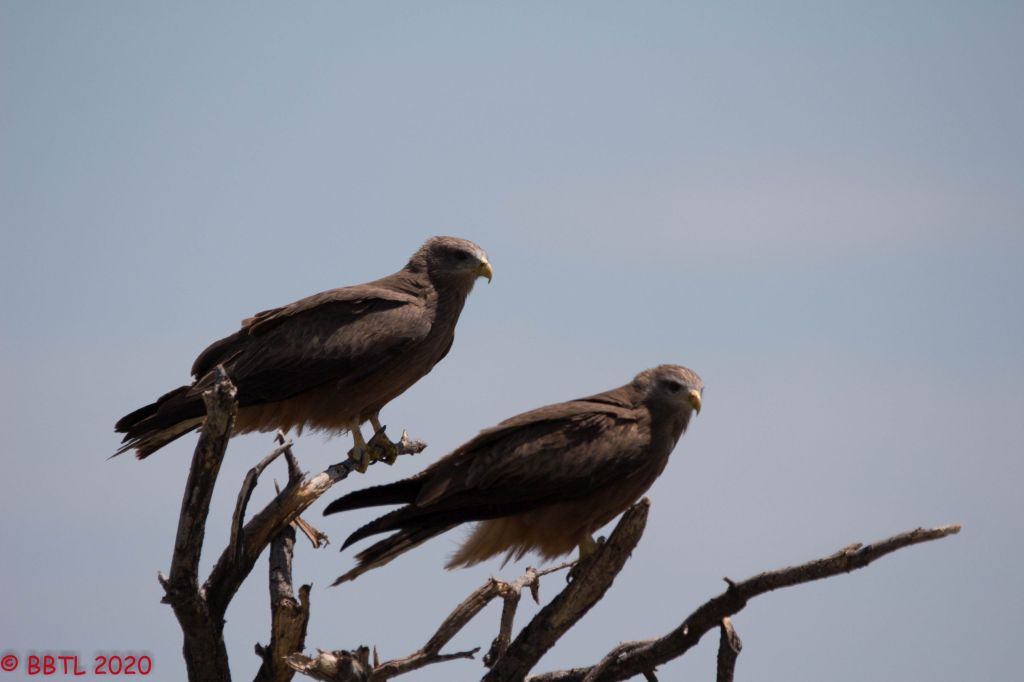
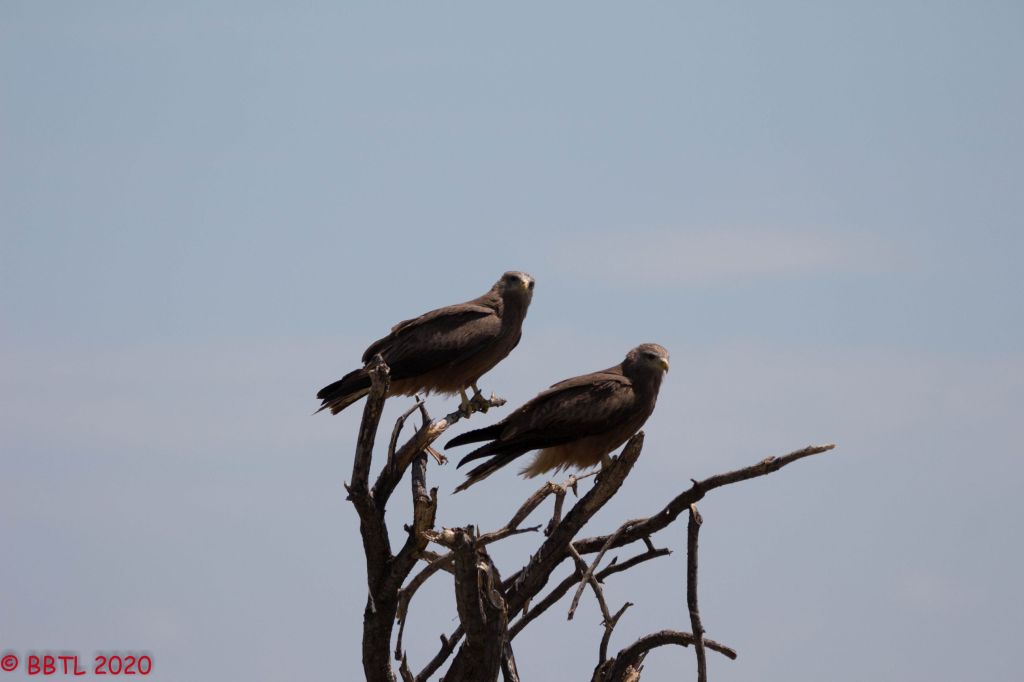
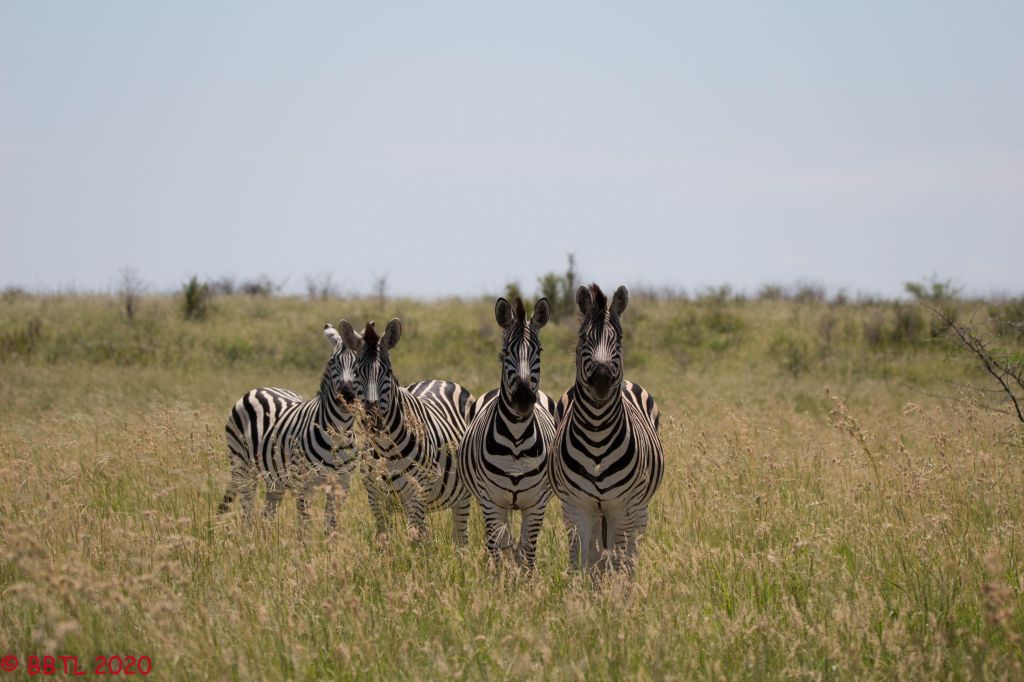
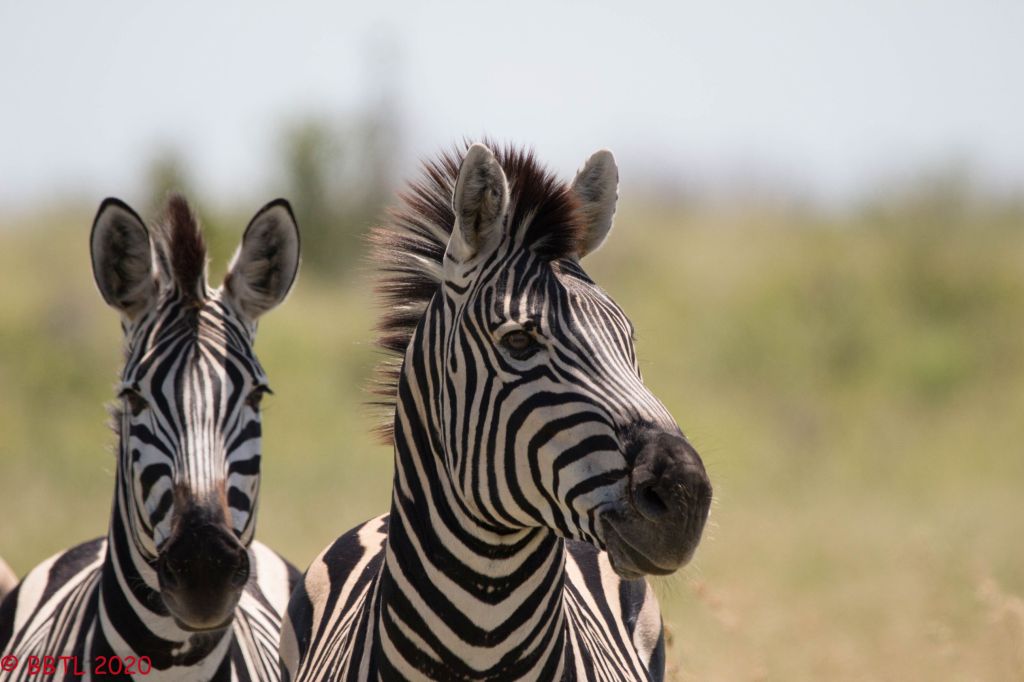
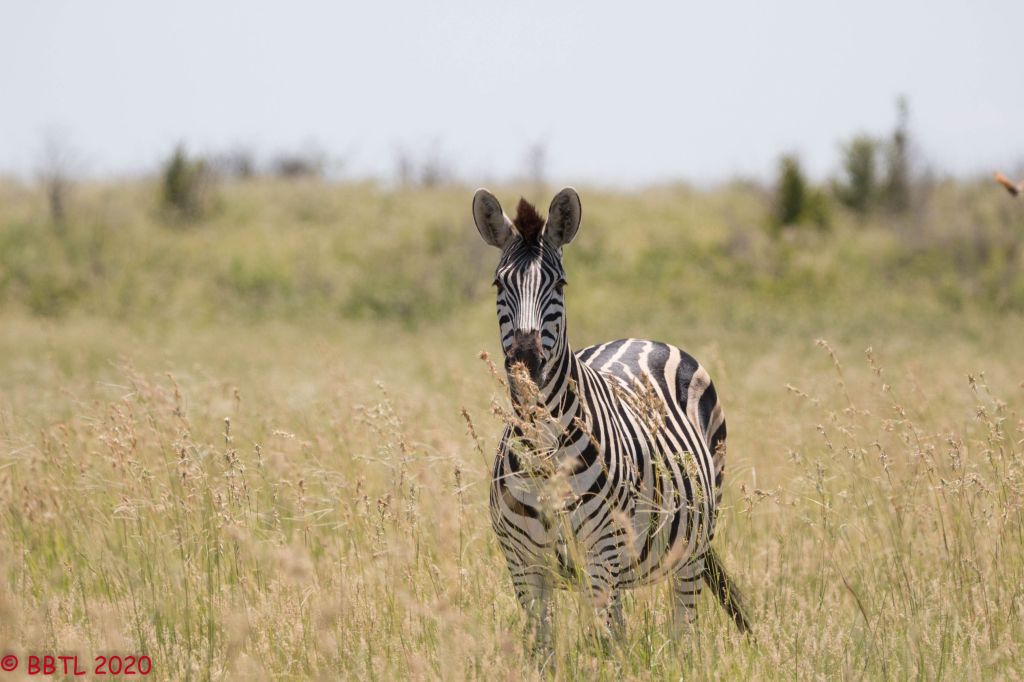
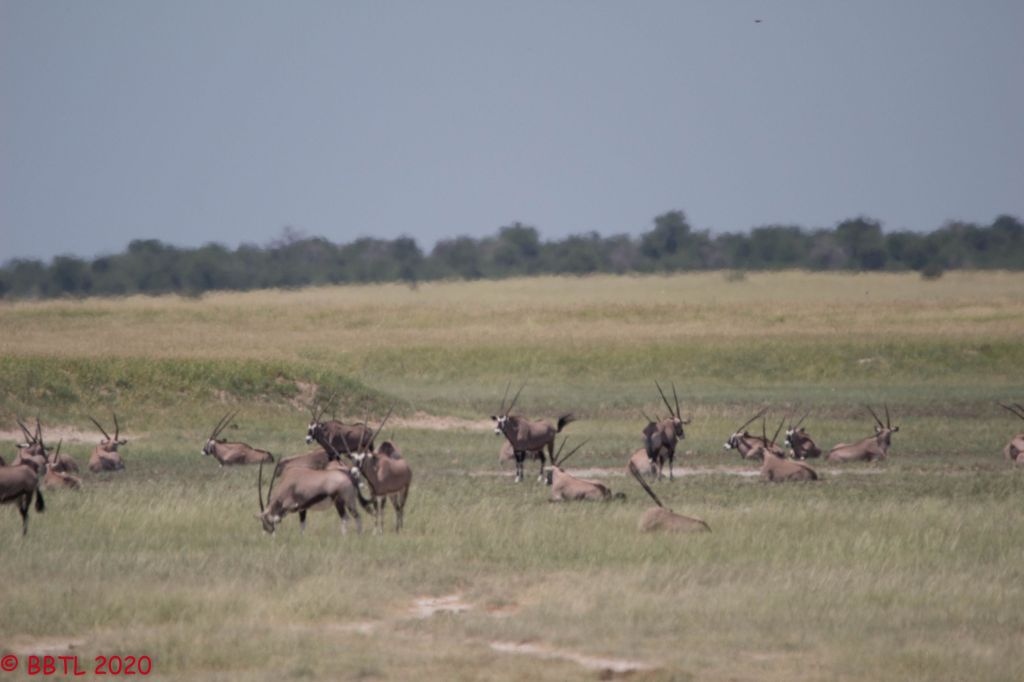
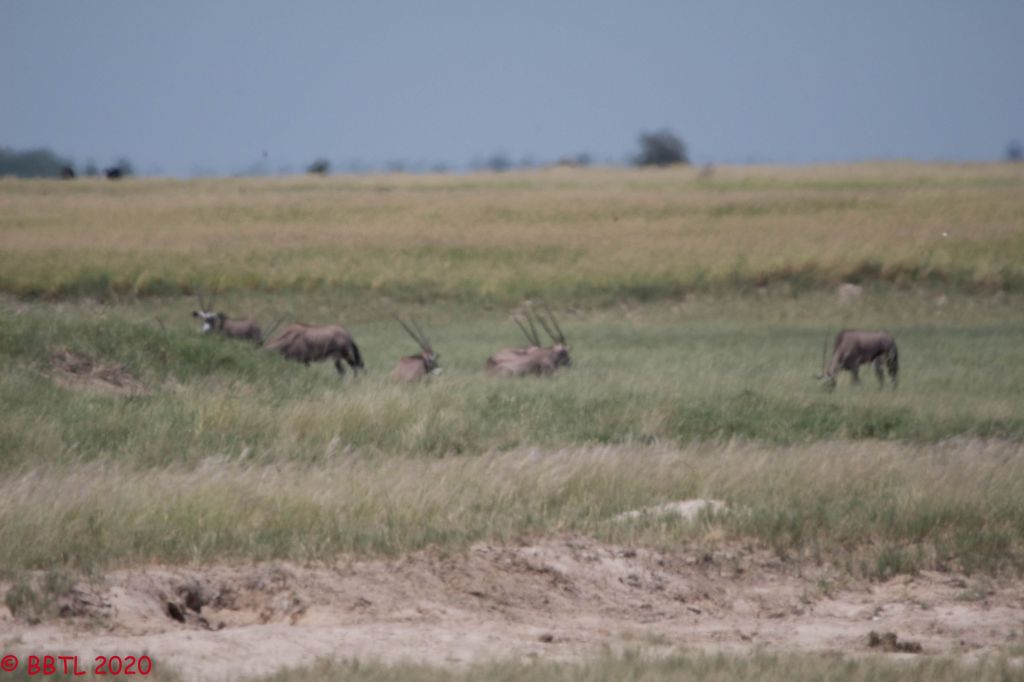
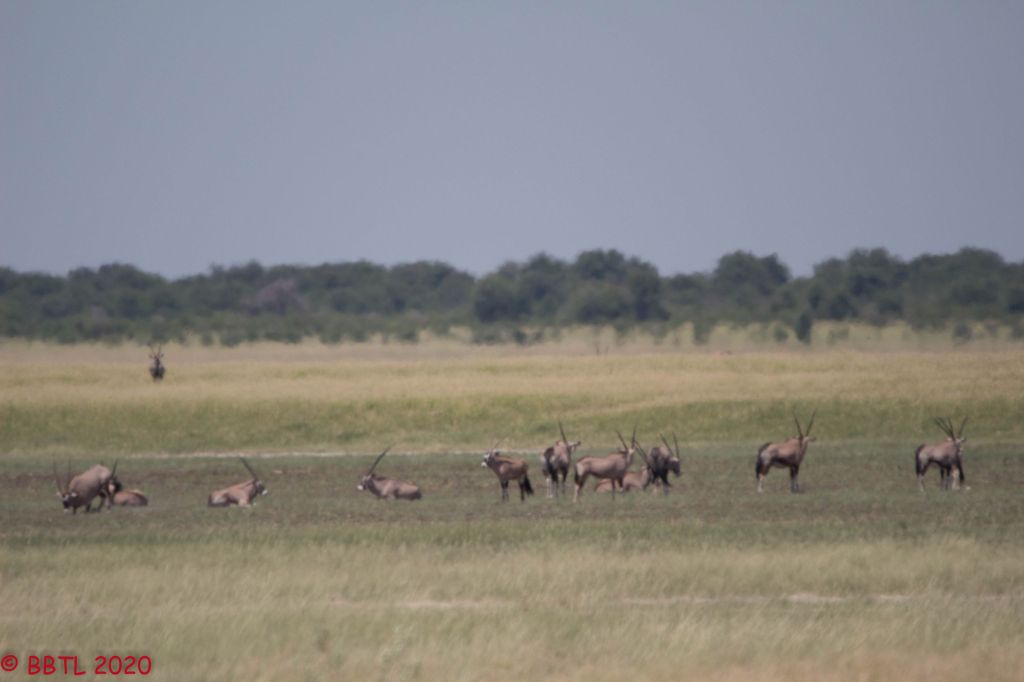
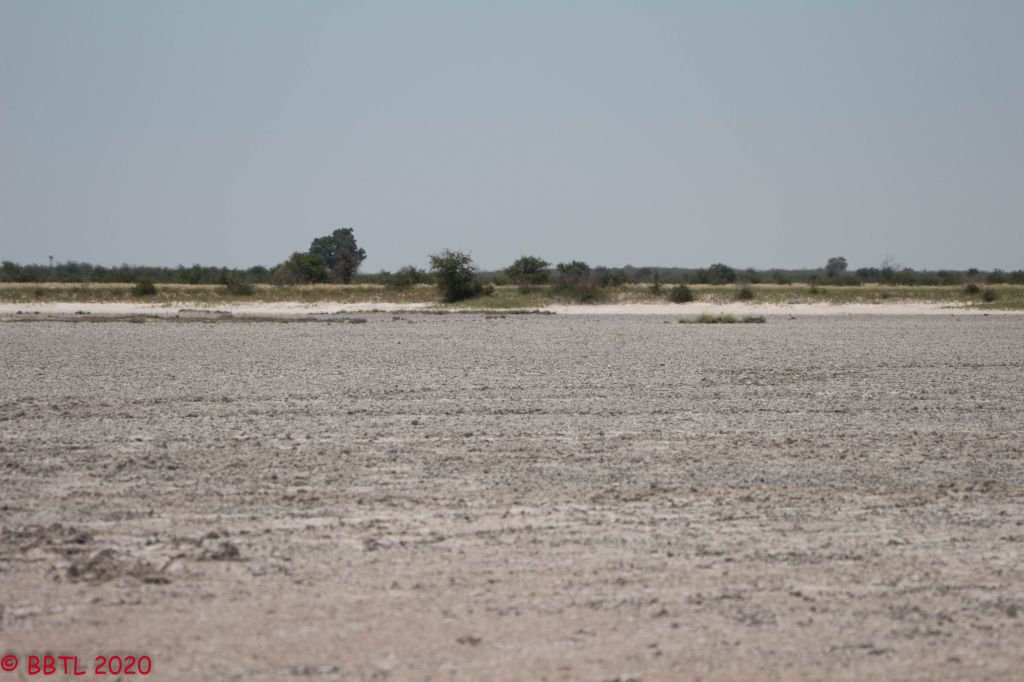
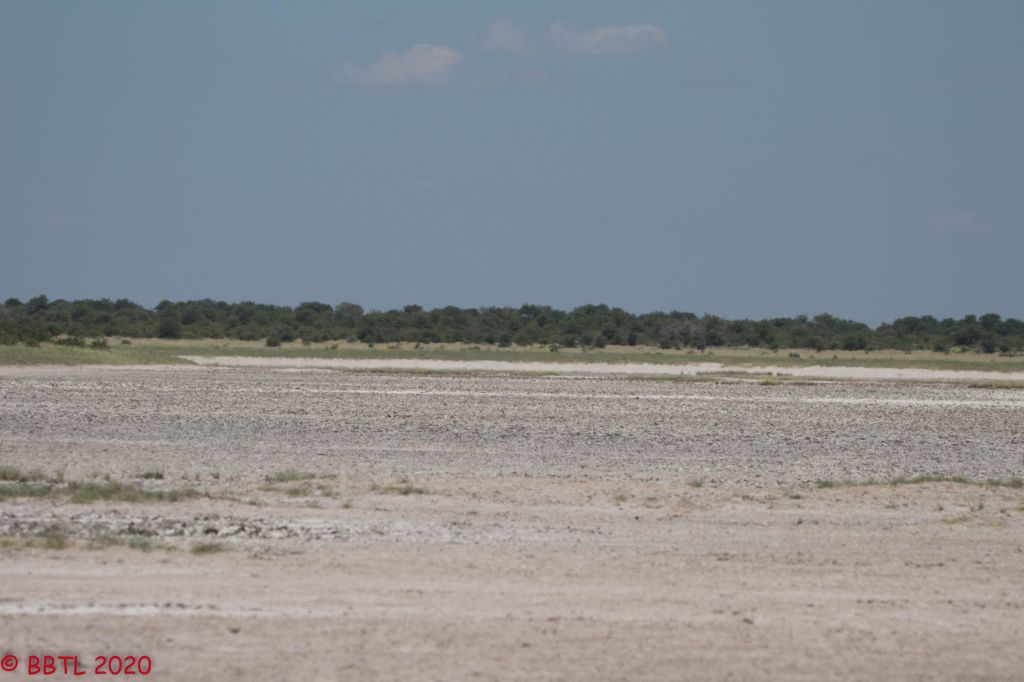
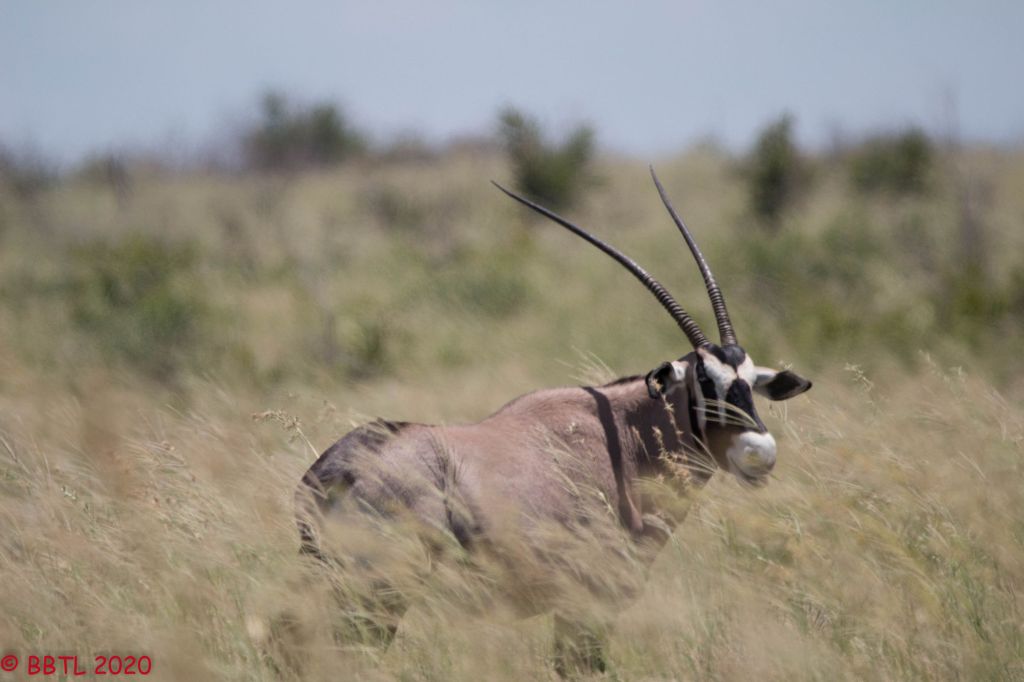
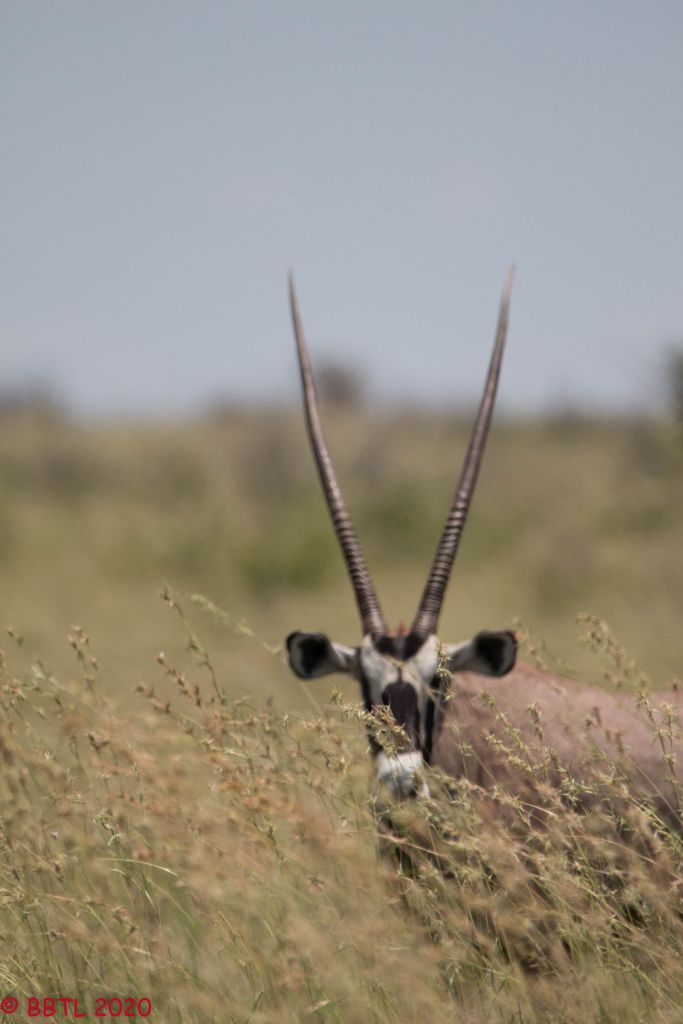
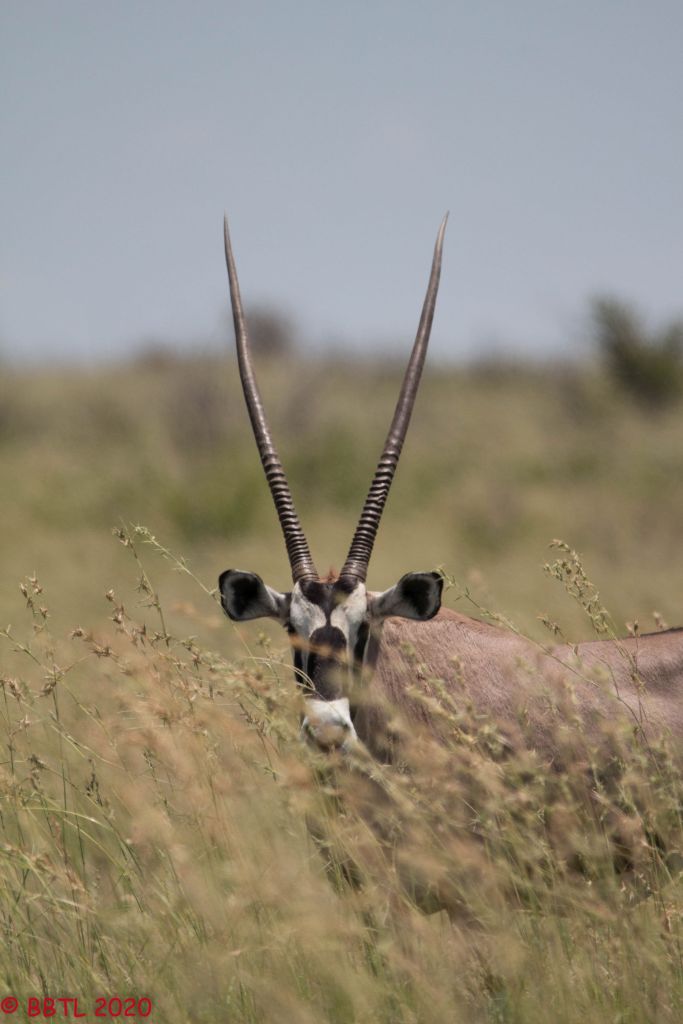
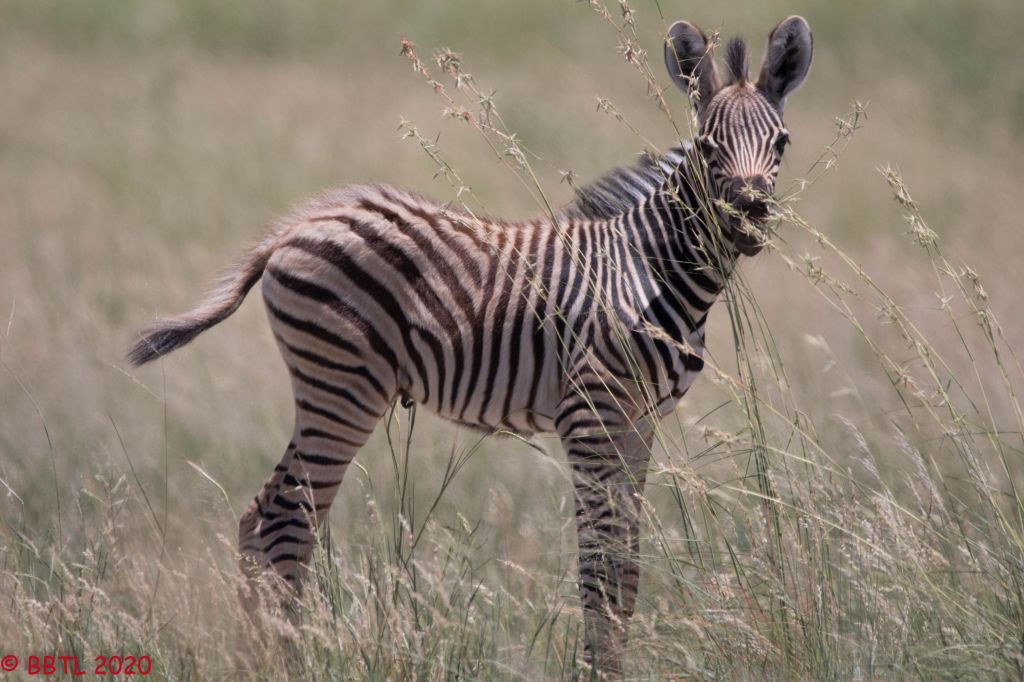
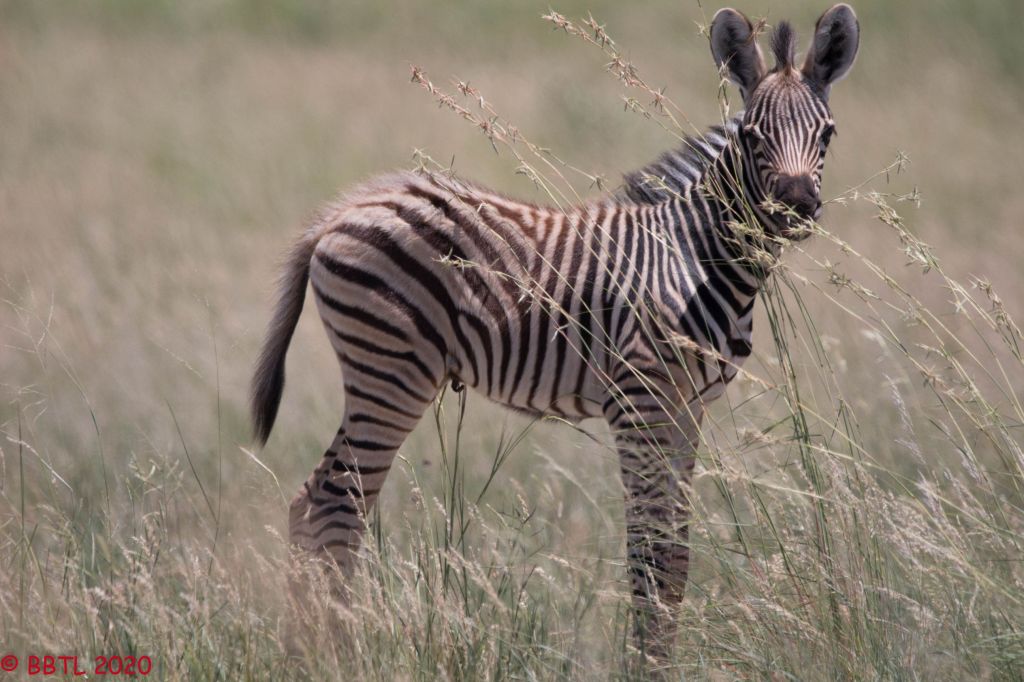
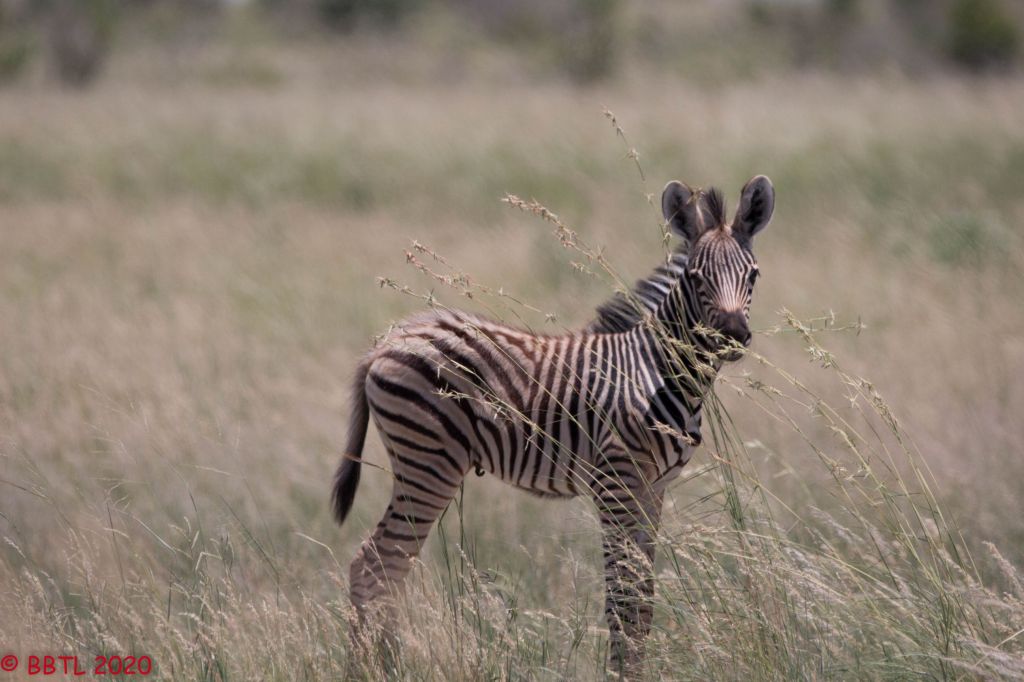
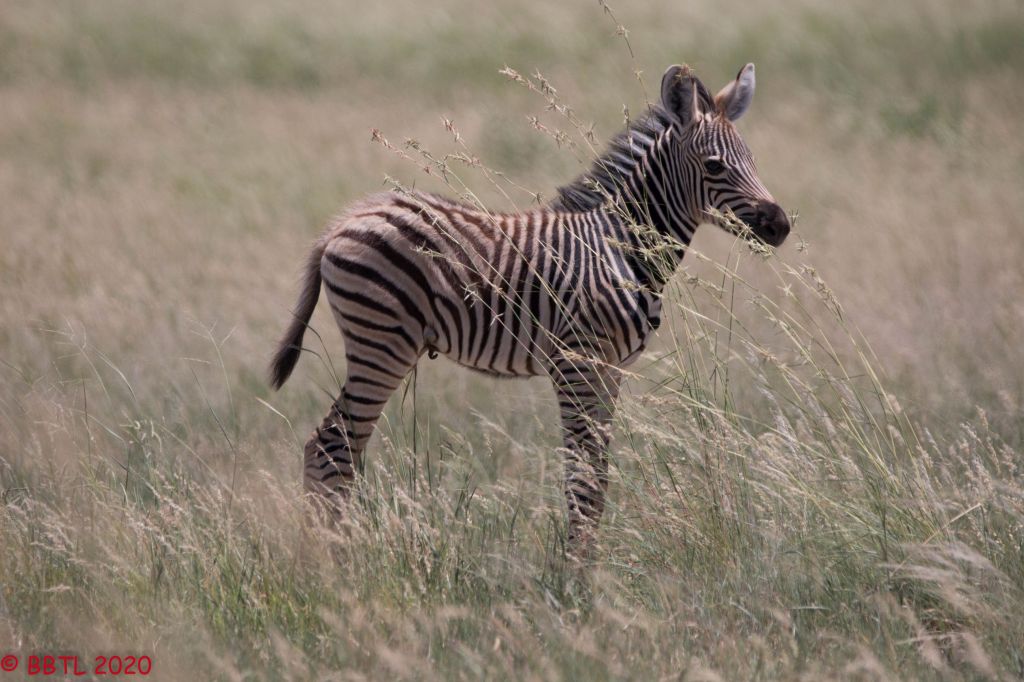
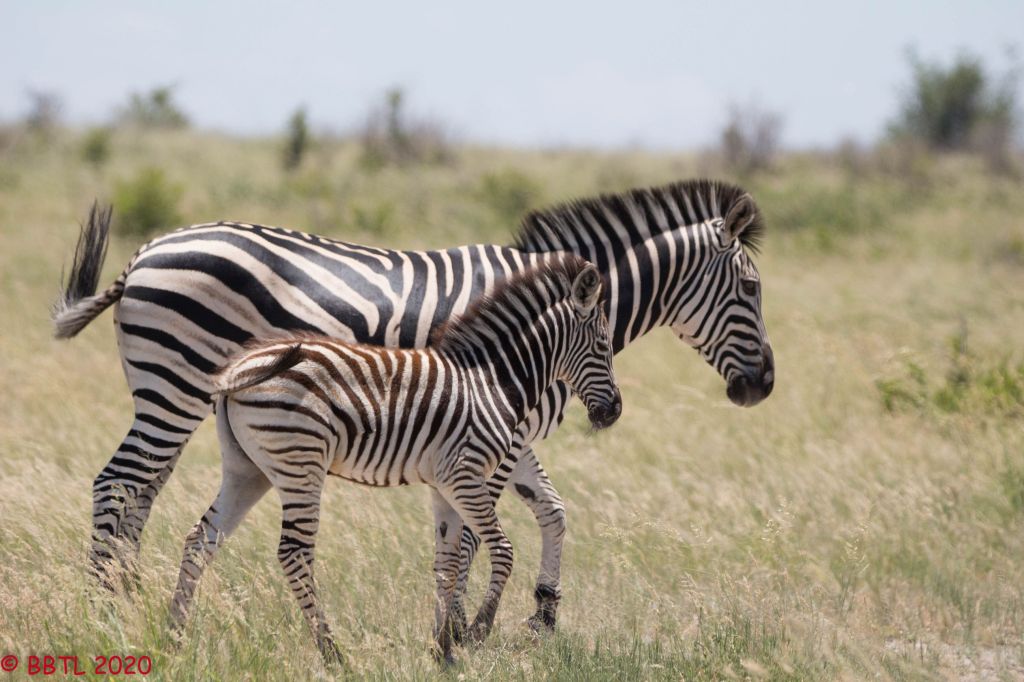
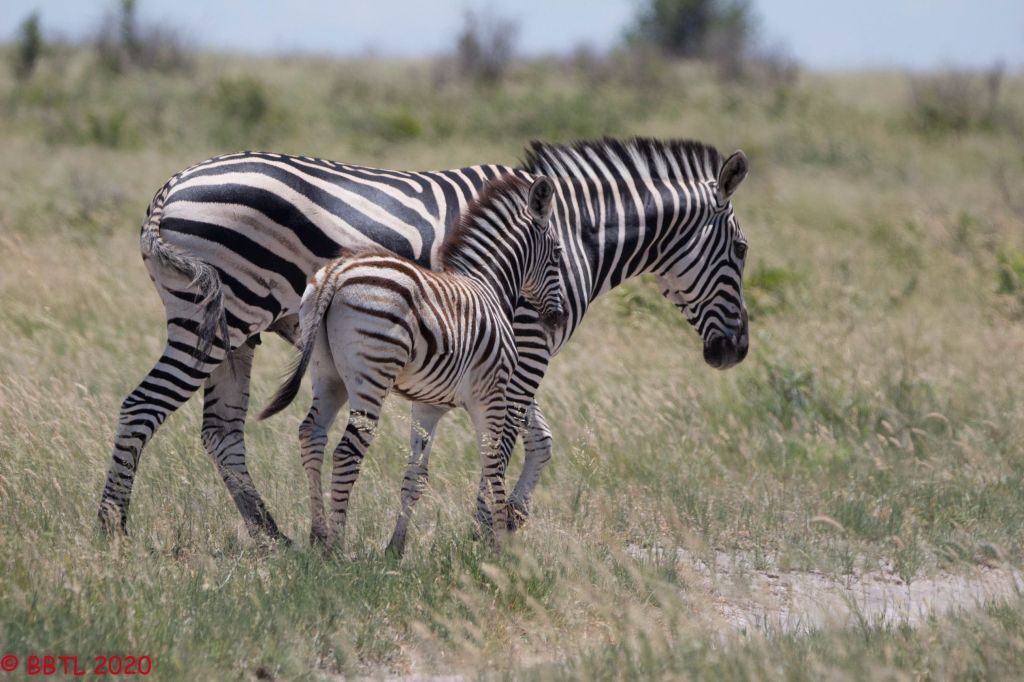
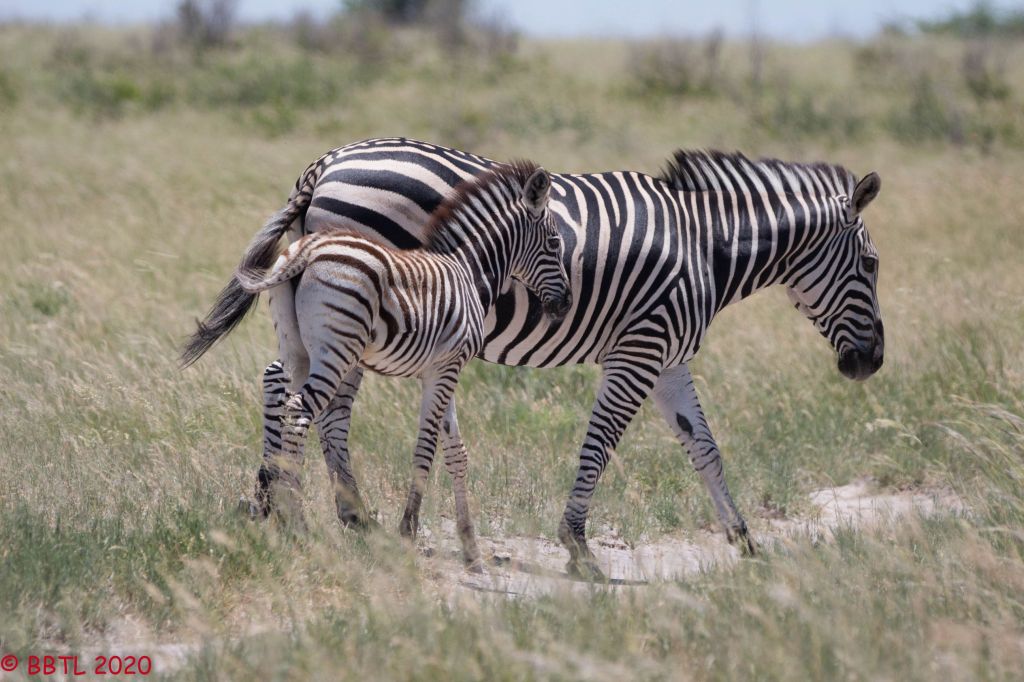
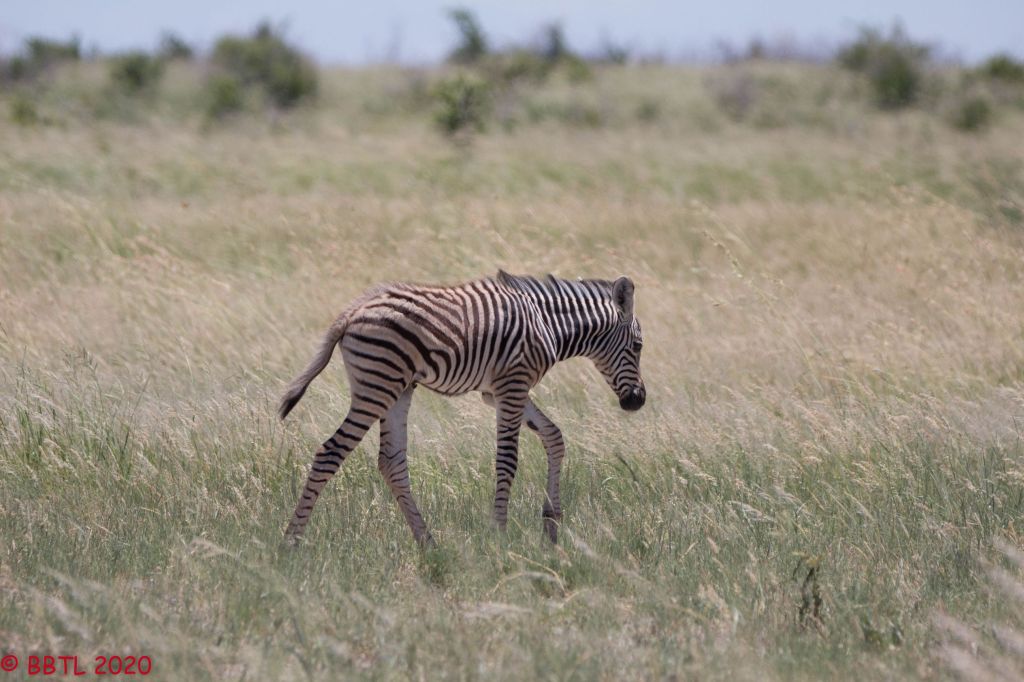
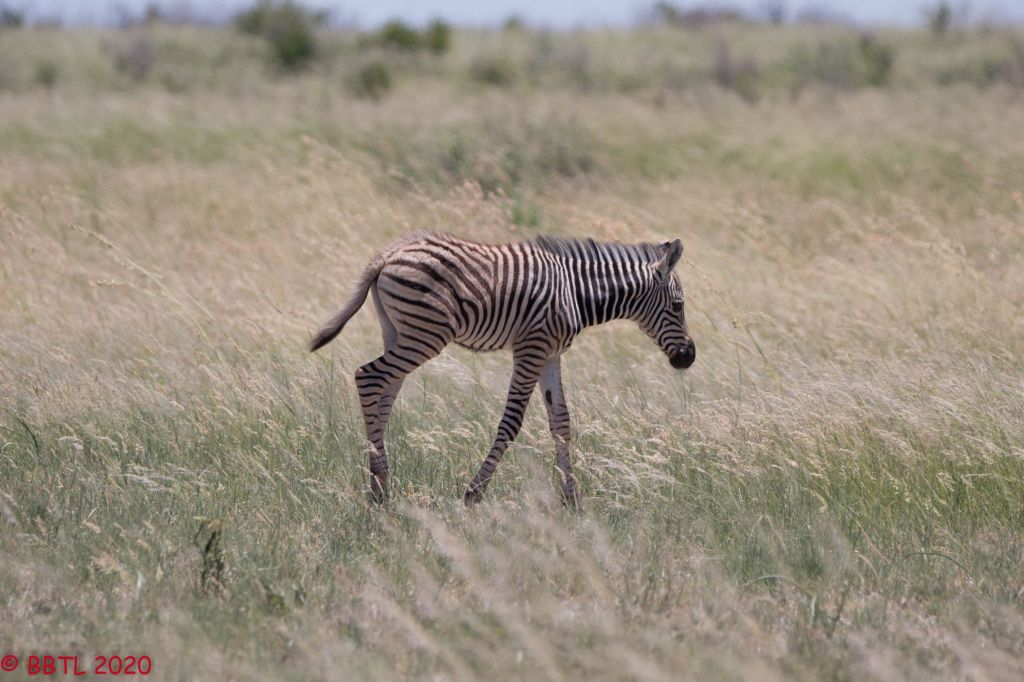
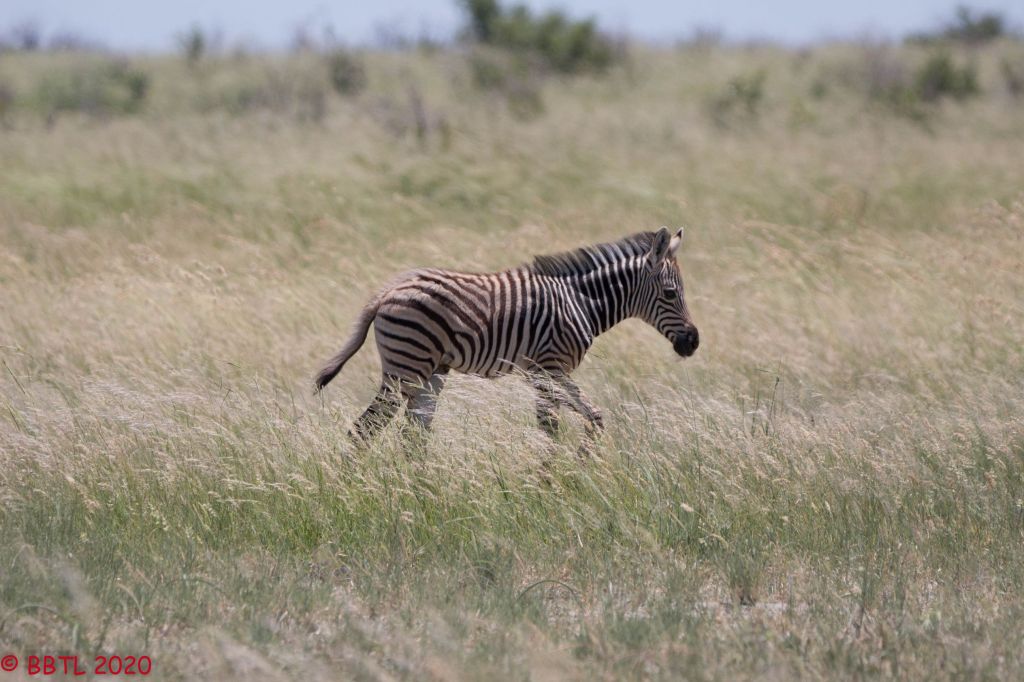
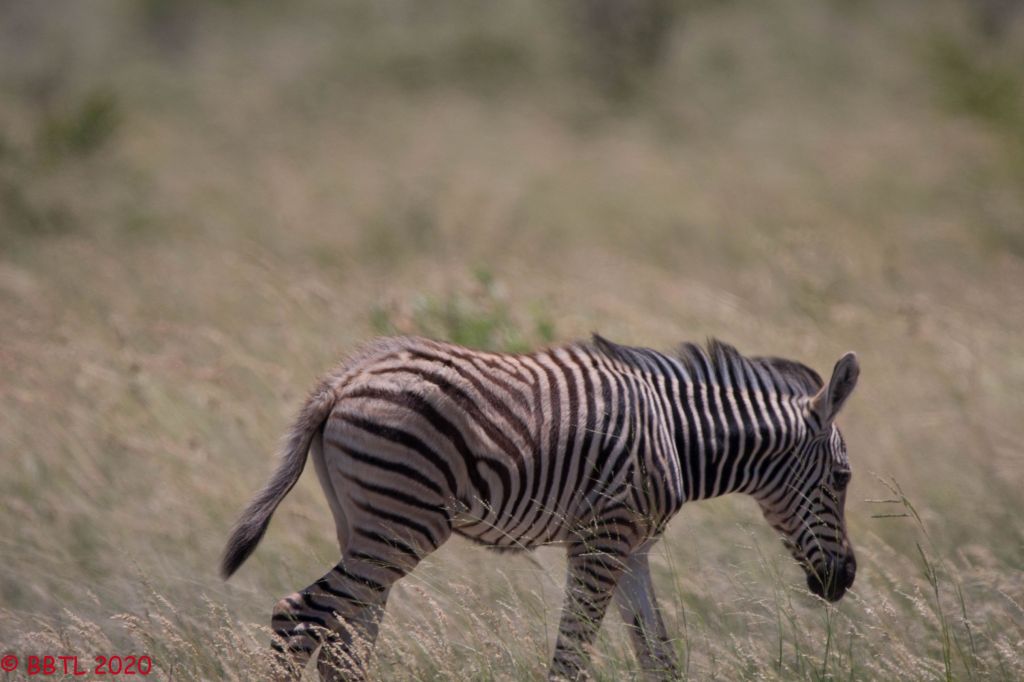
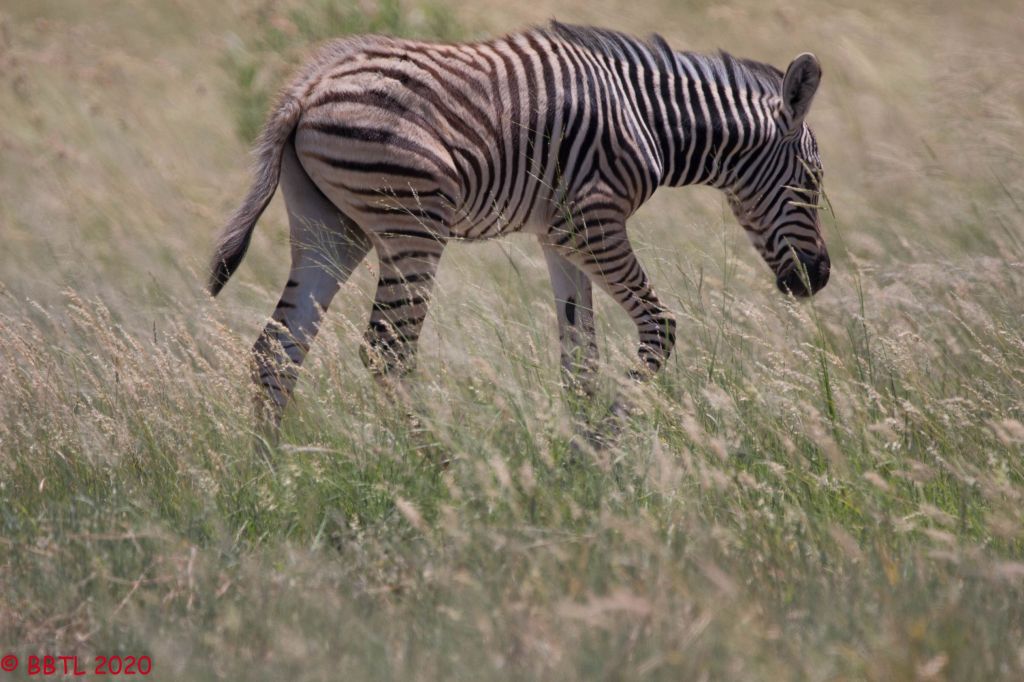
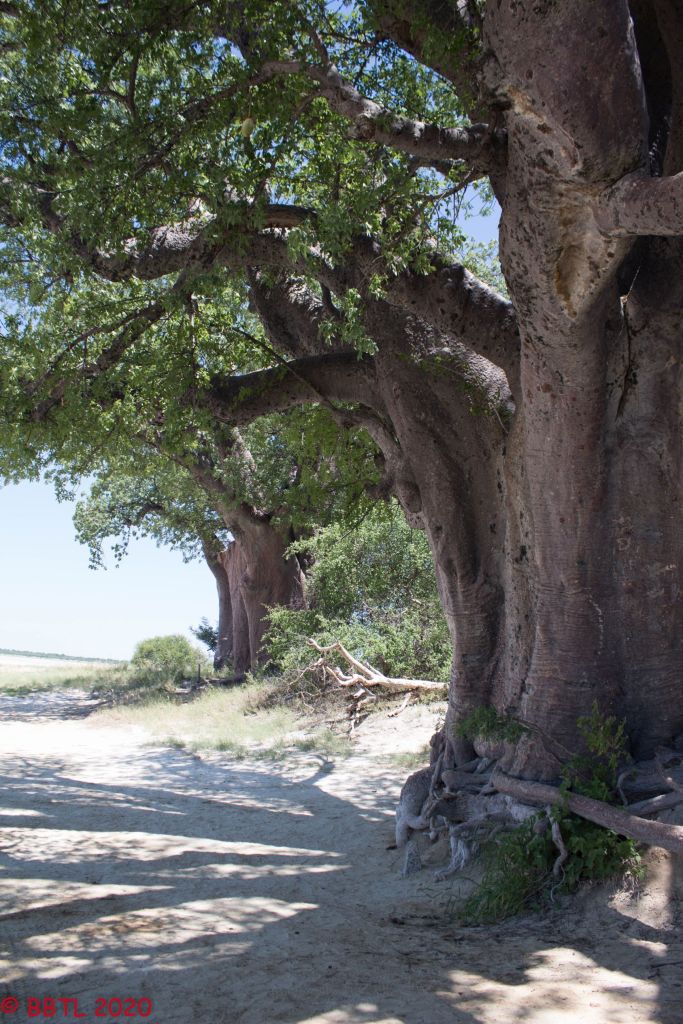
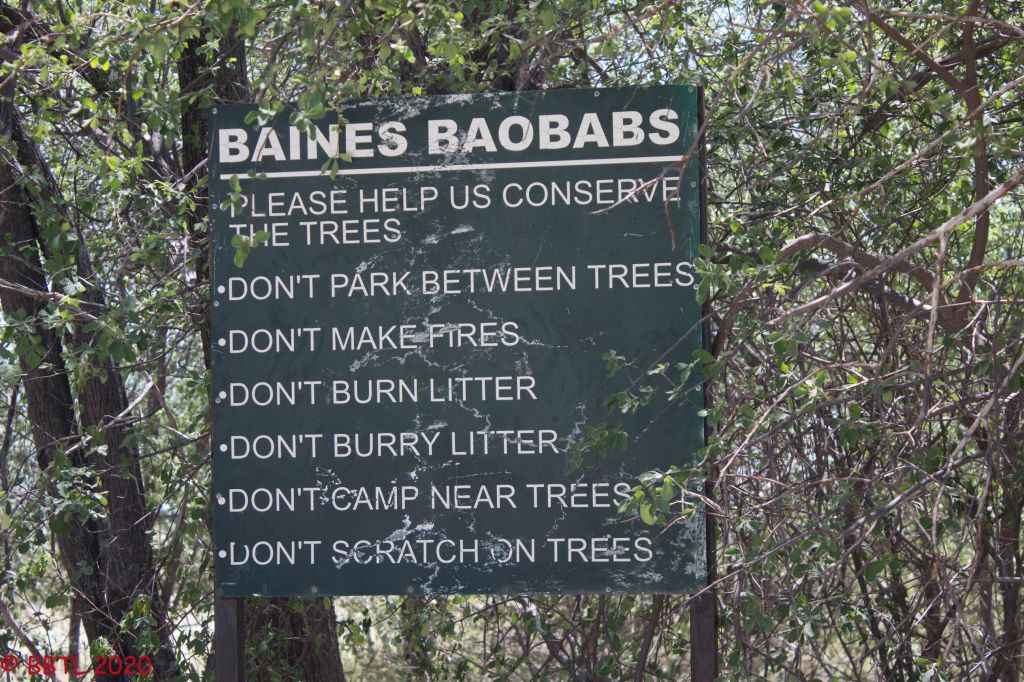
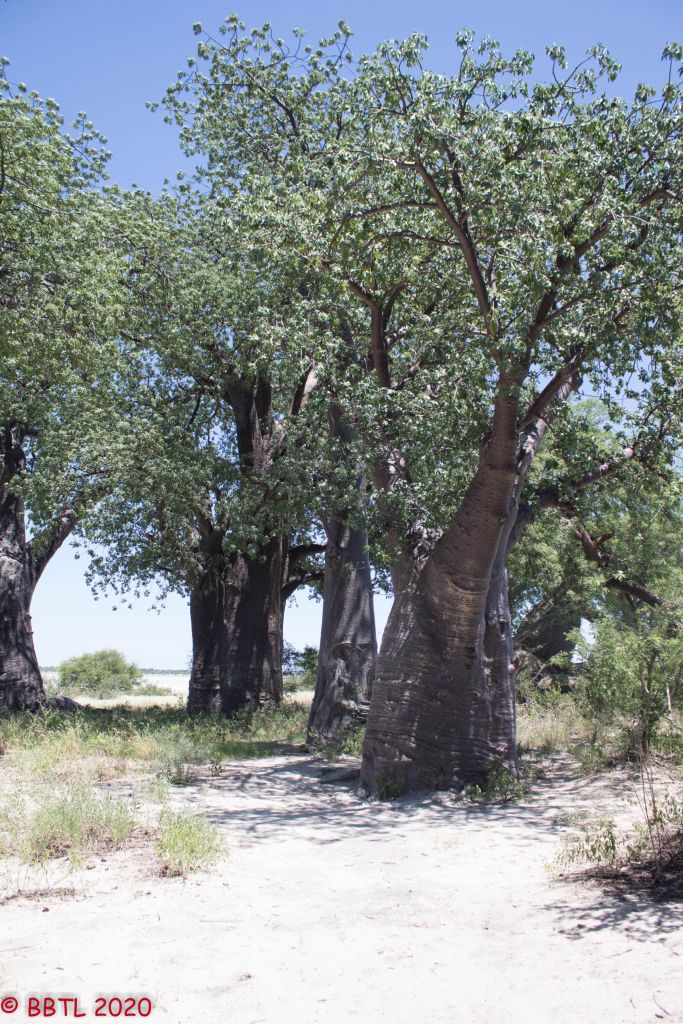
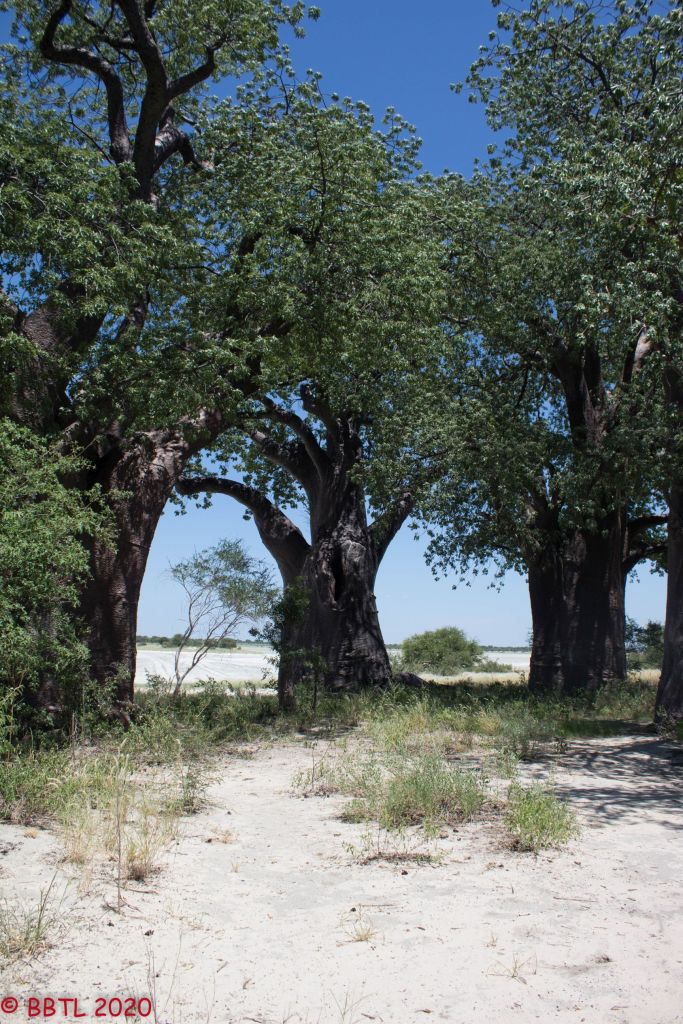
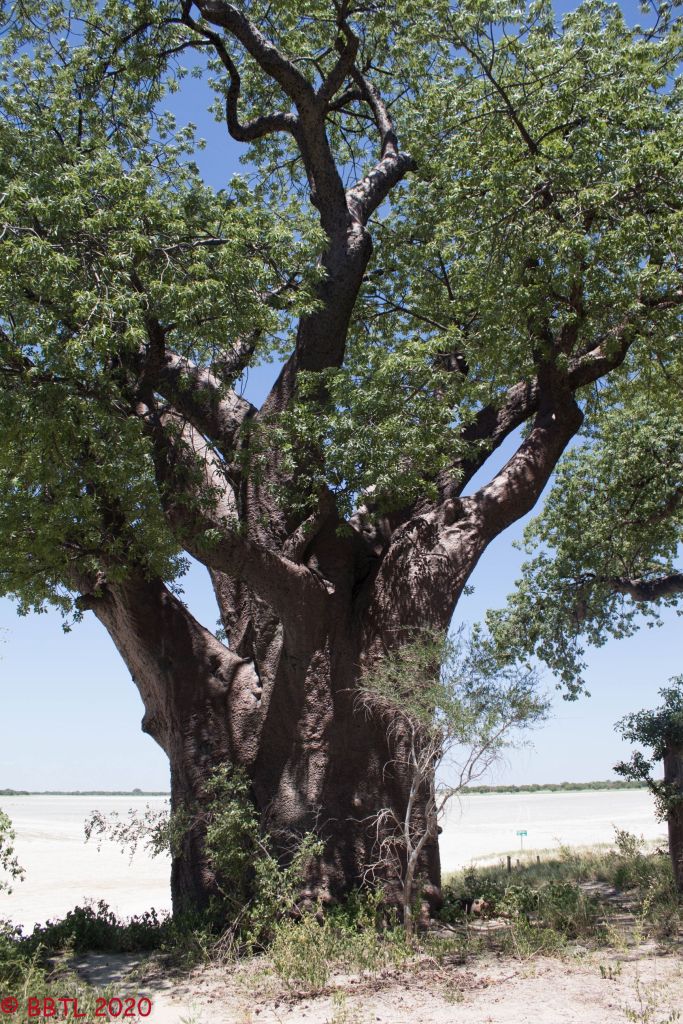
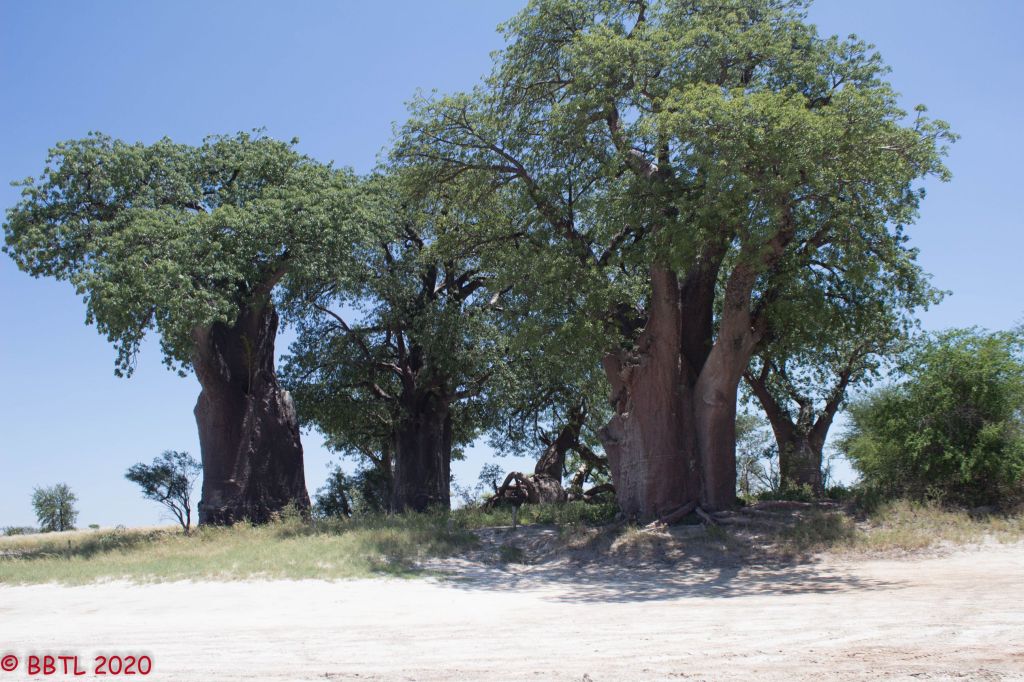
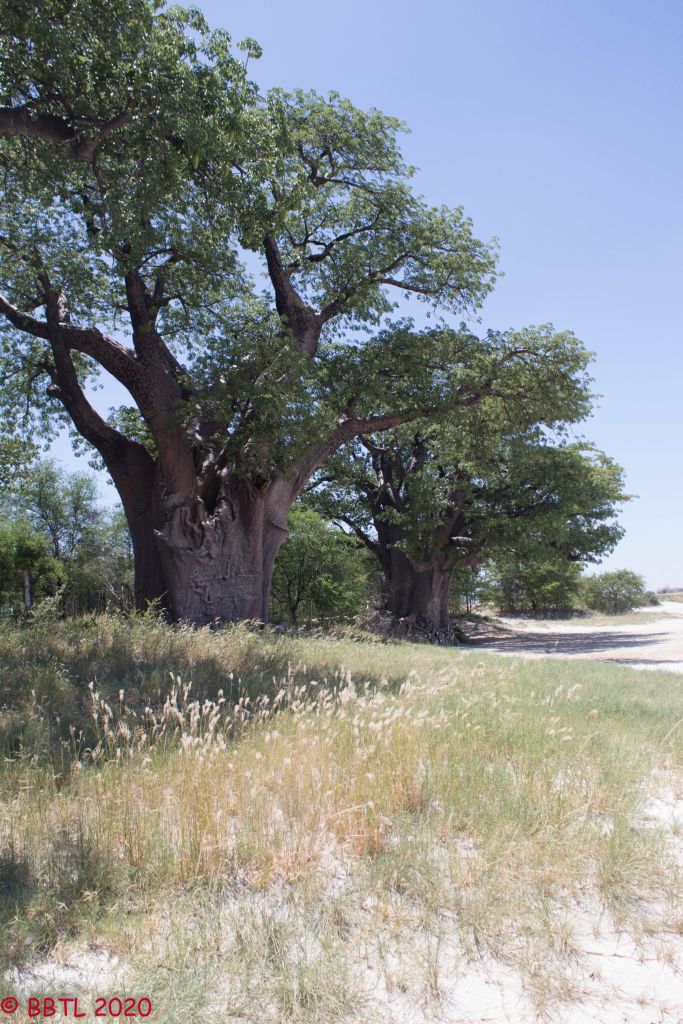
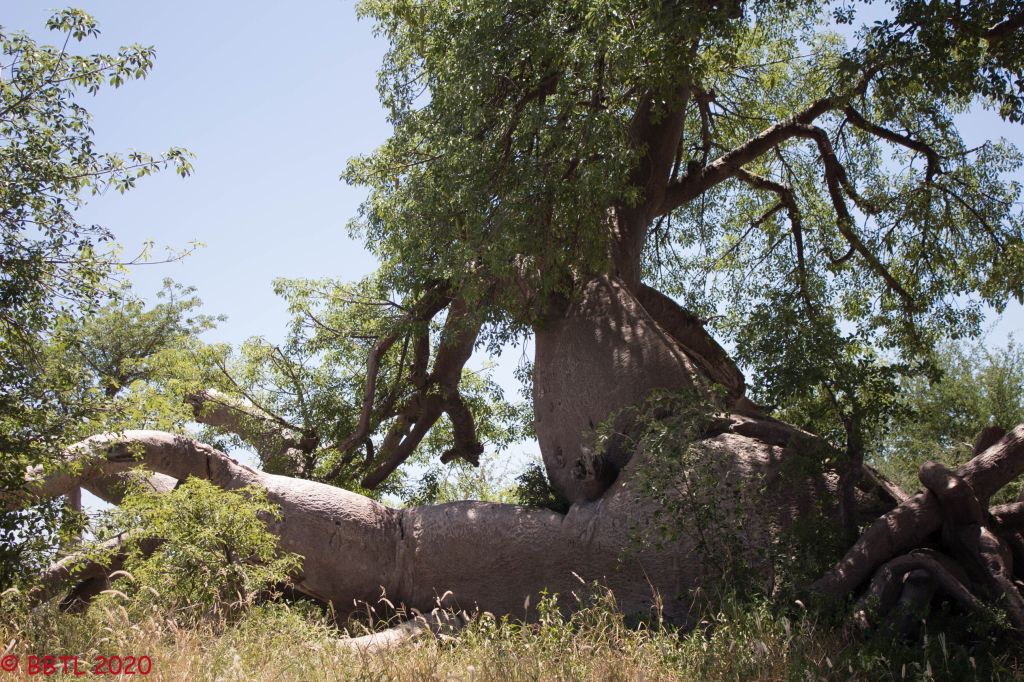
The last stop was at the famous Baines Baobabs.
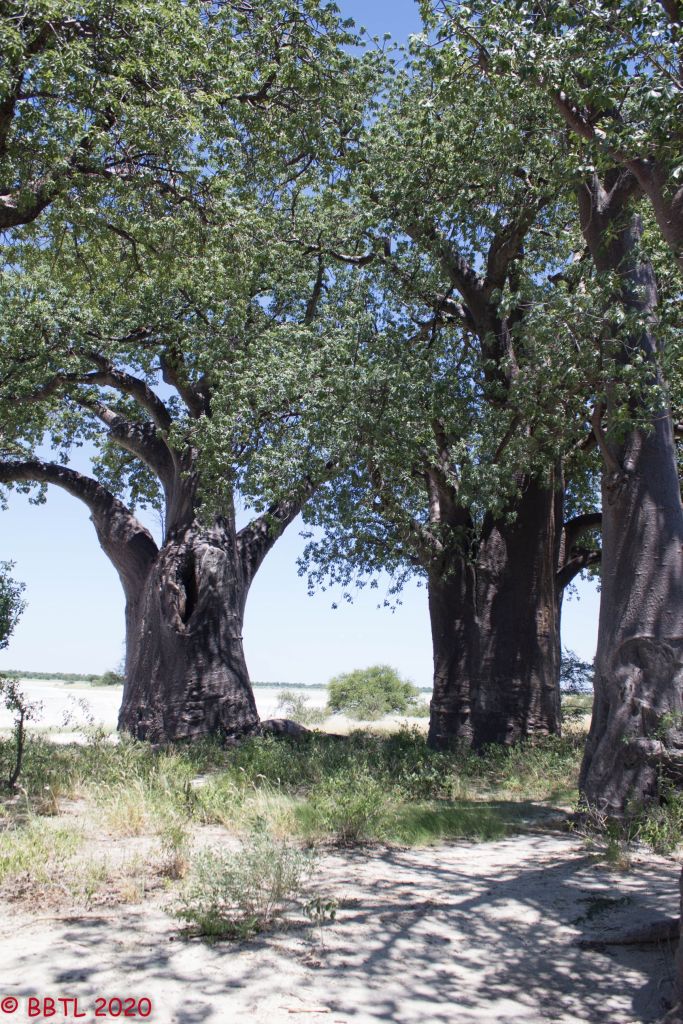
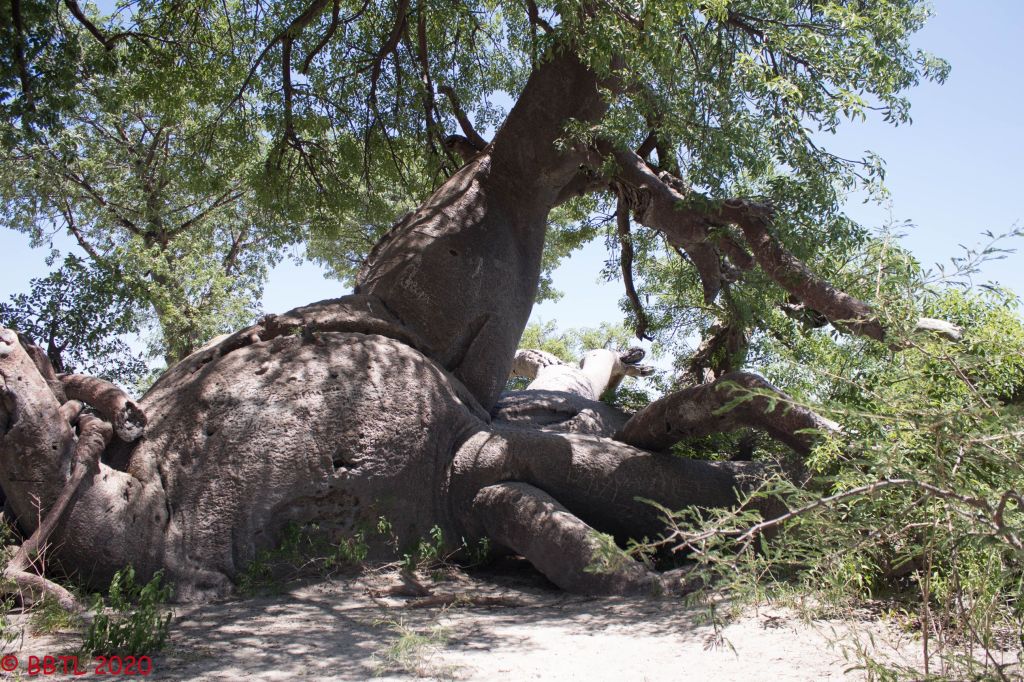
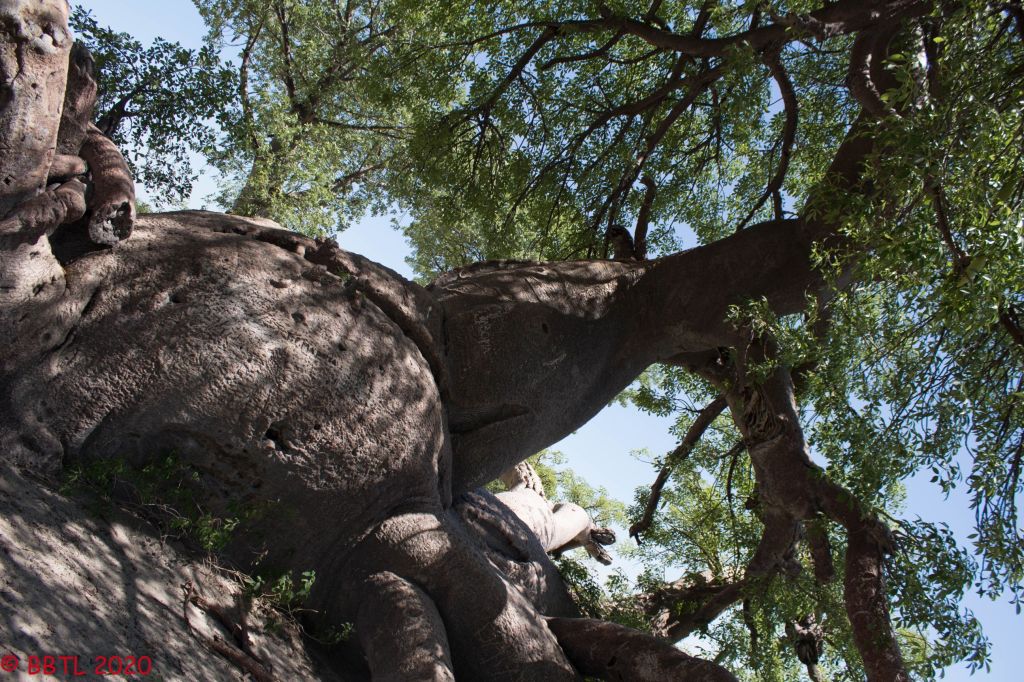
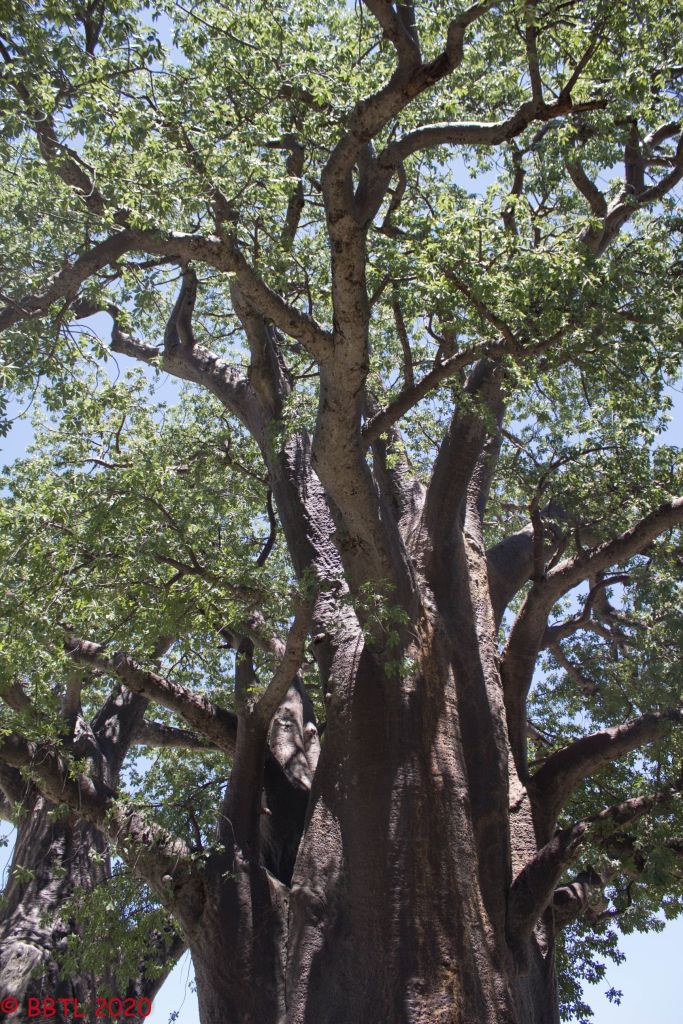
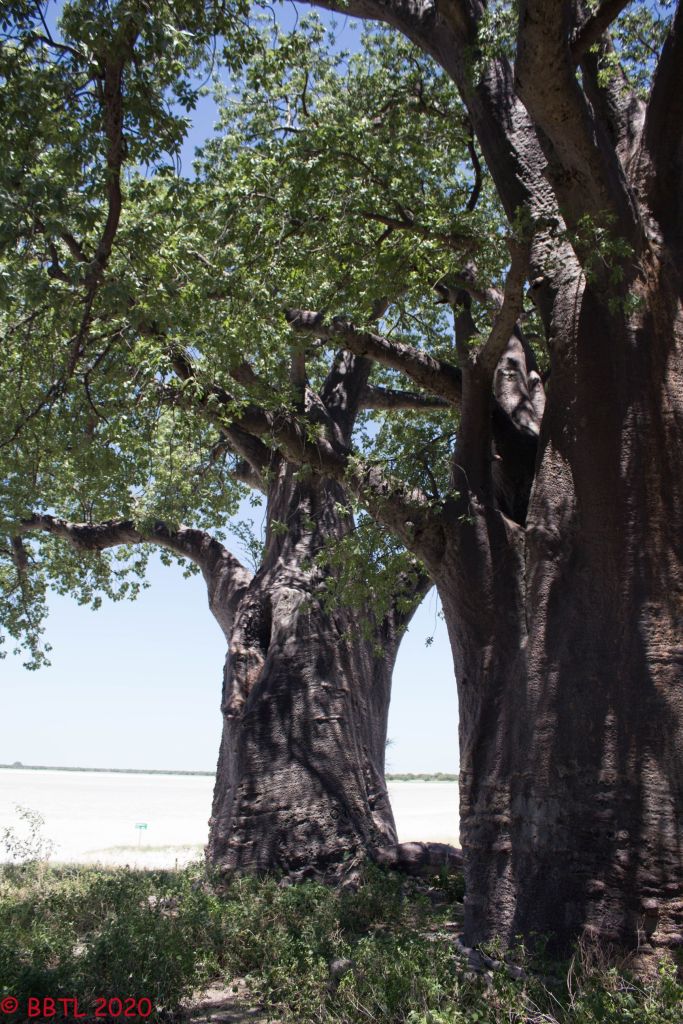
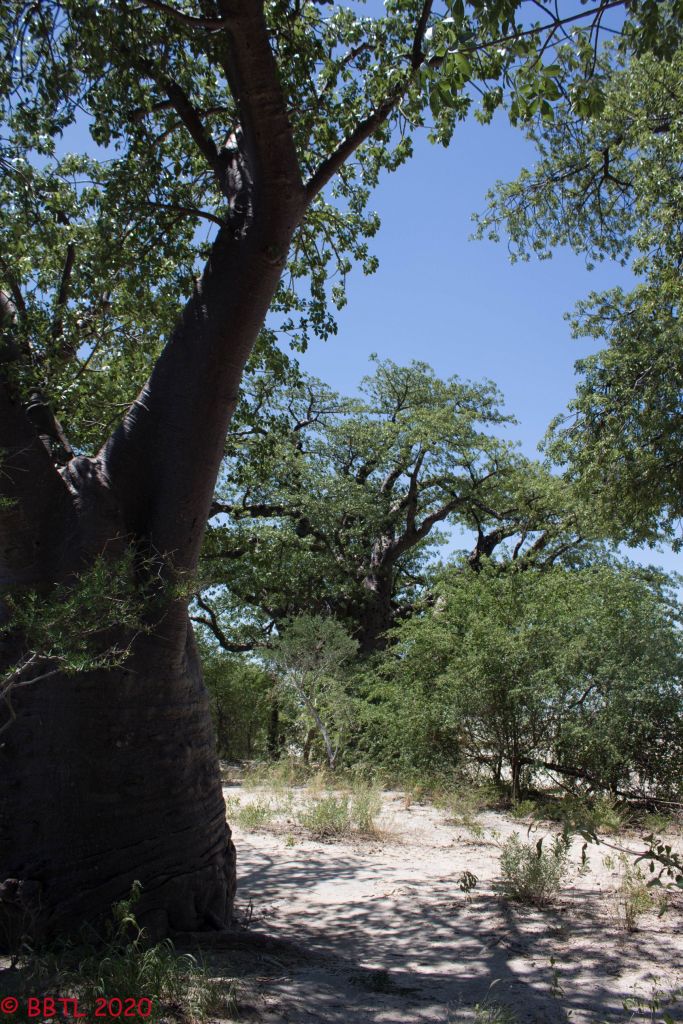
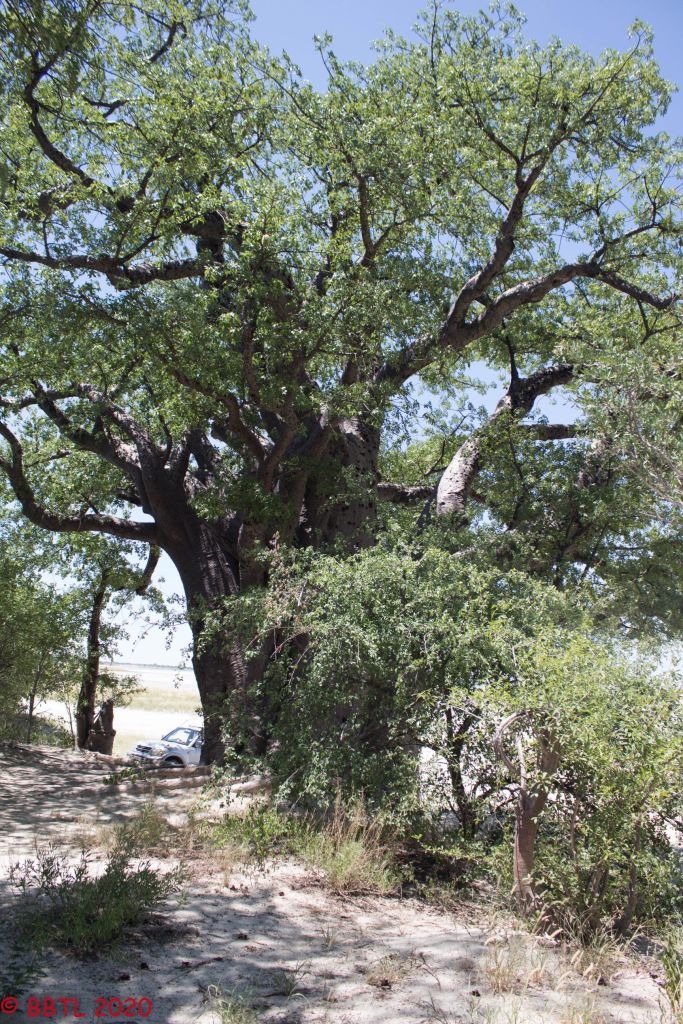
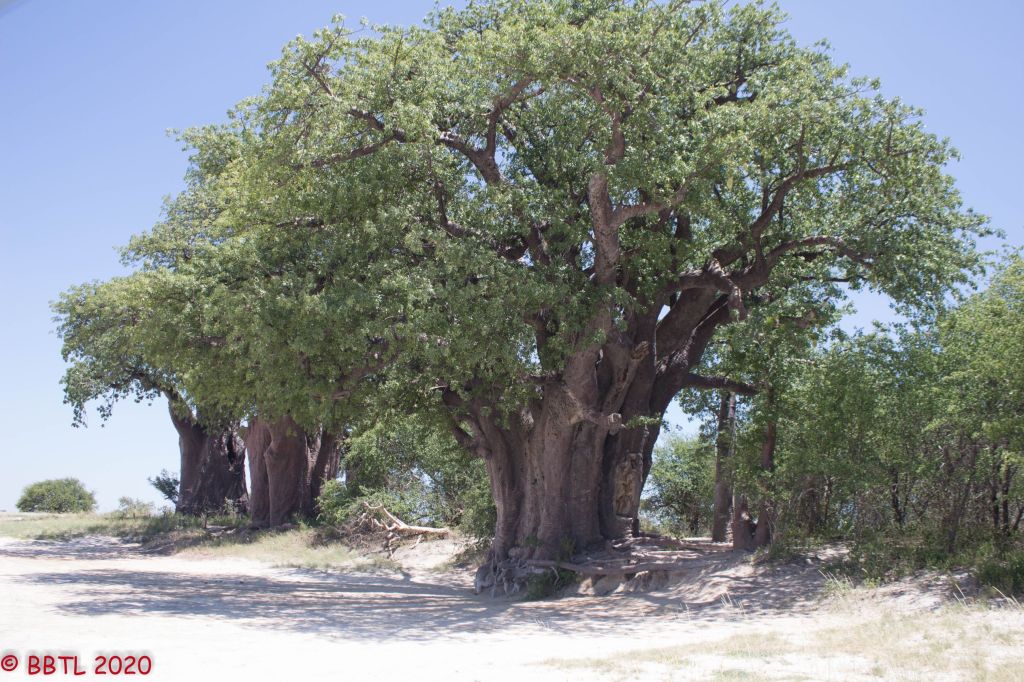
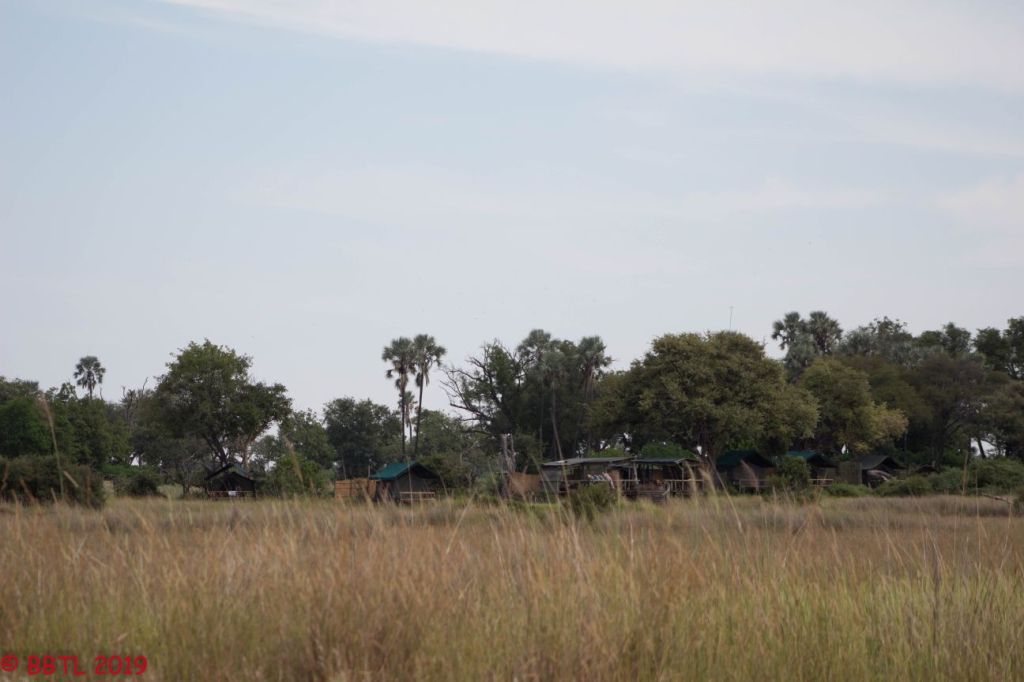
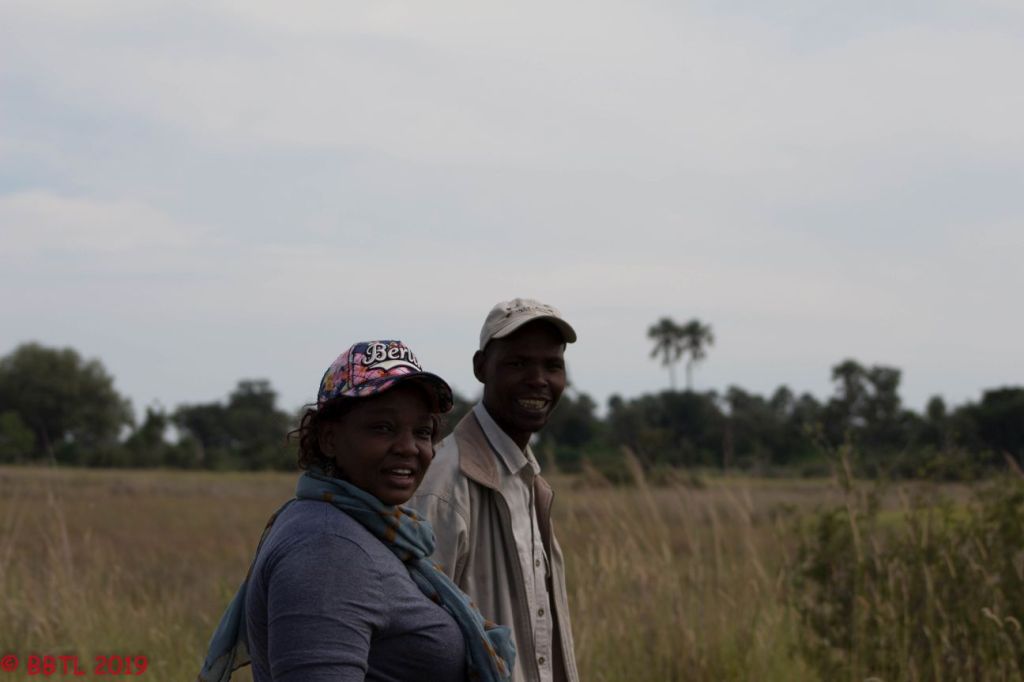
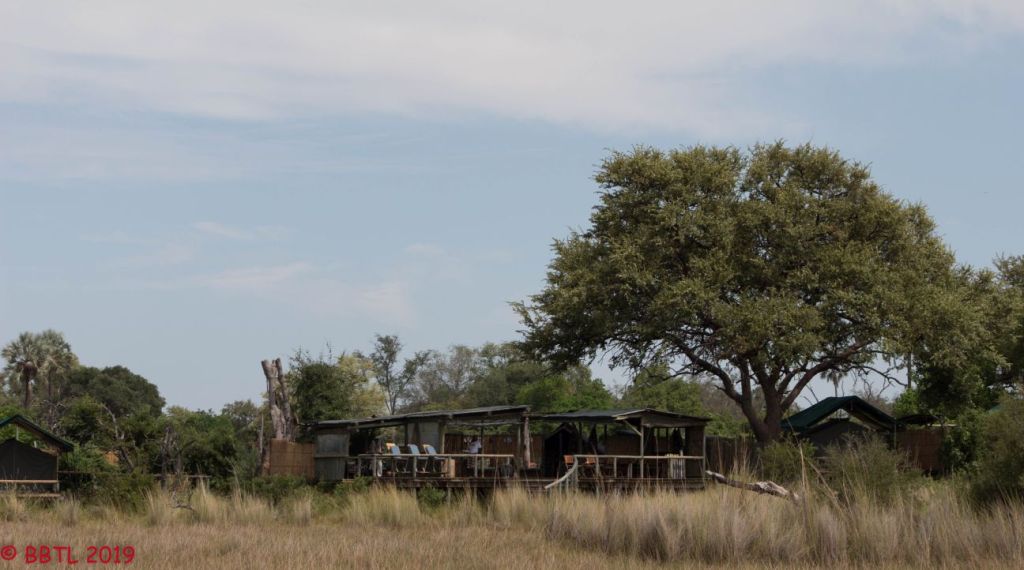
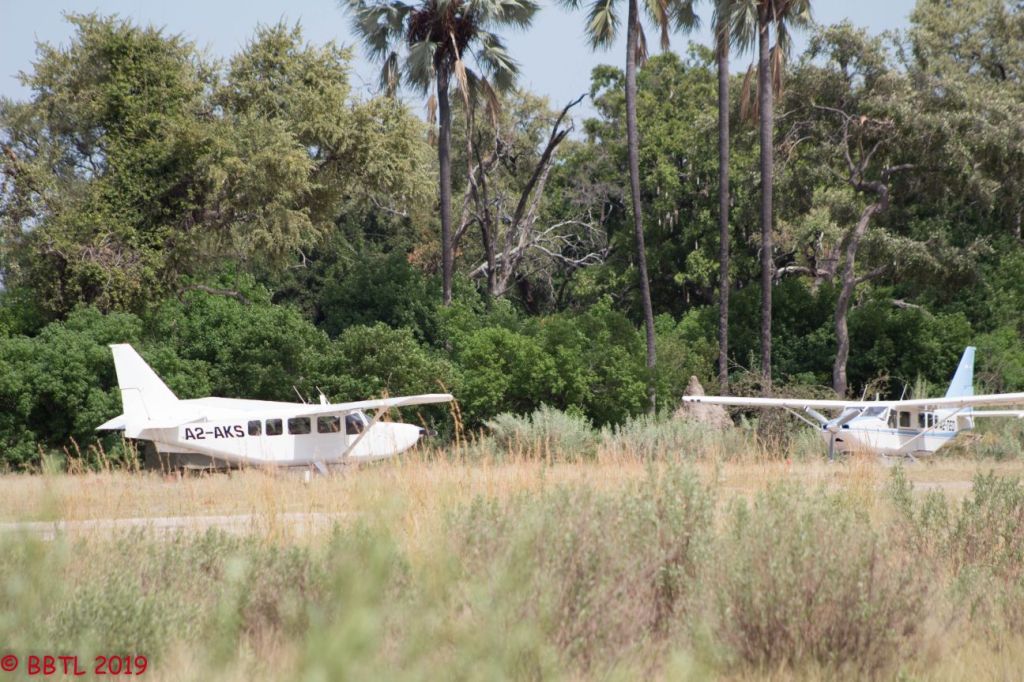
April 2019 Educational at Delta Camp with site inspections at Oddballs and Oddballs enclave
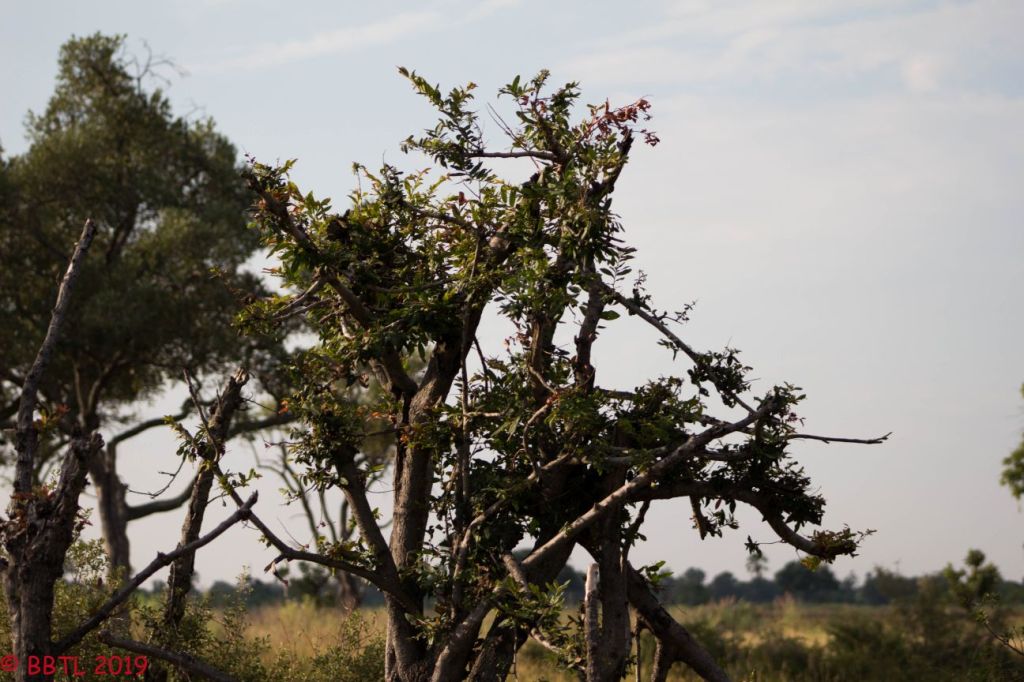
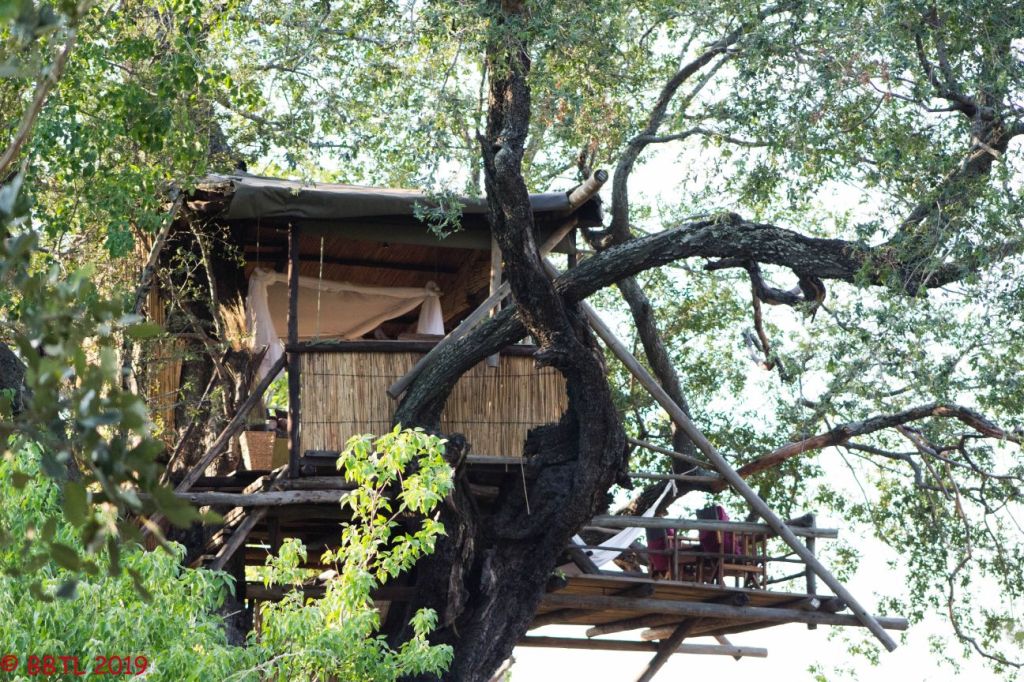
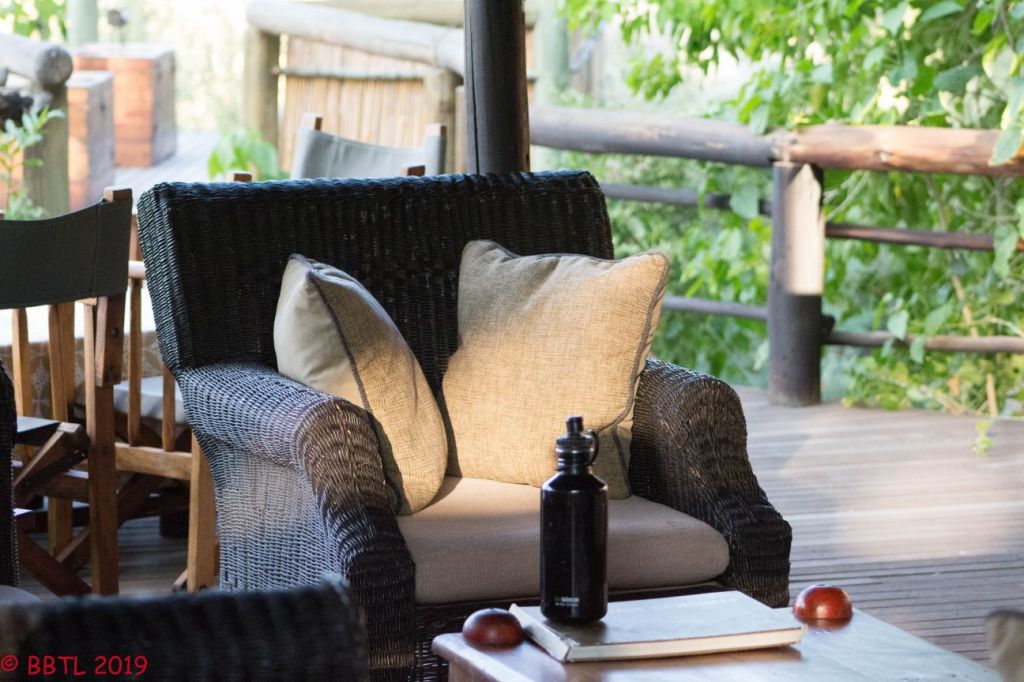
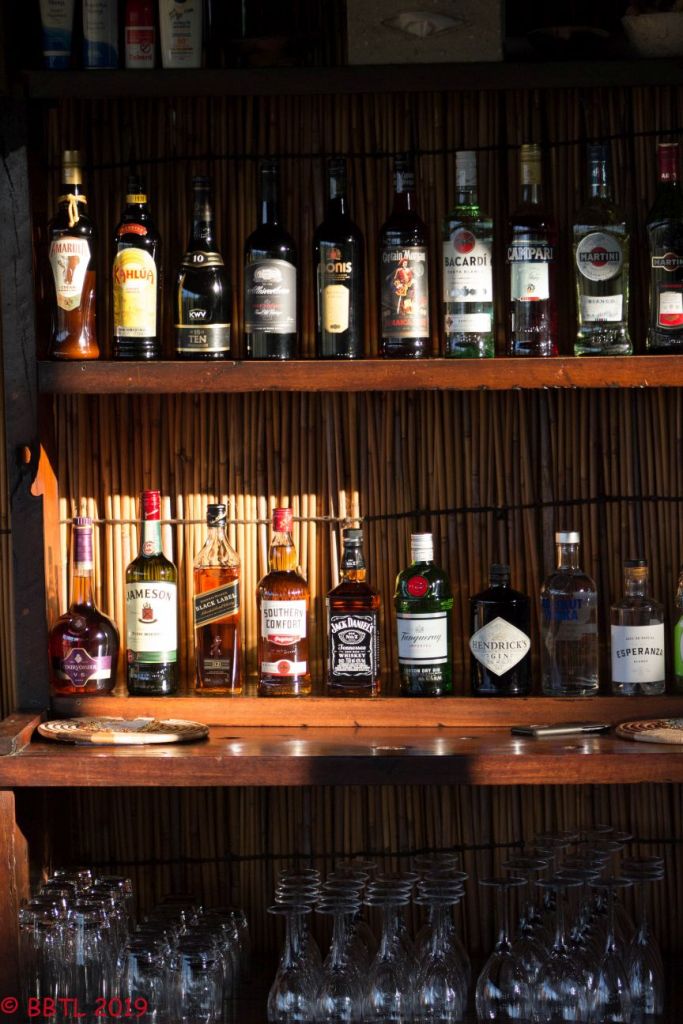
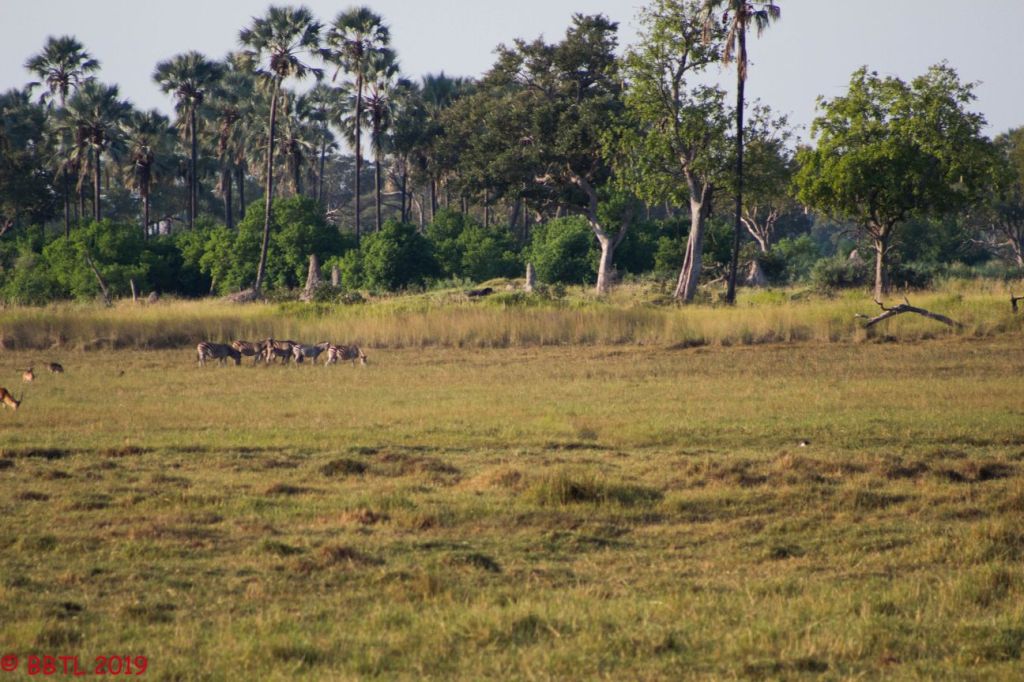
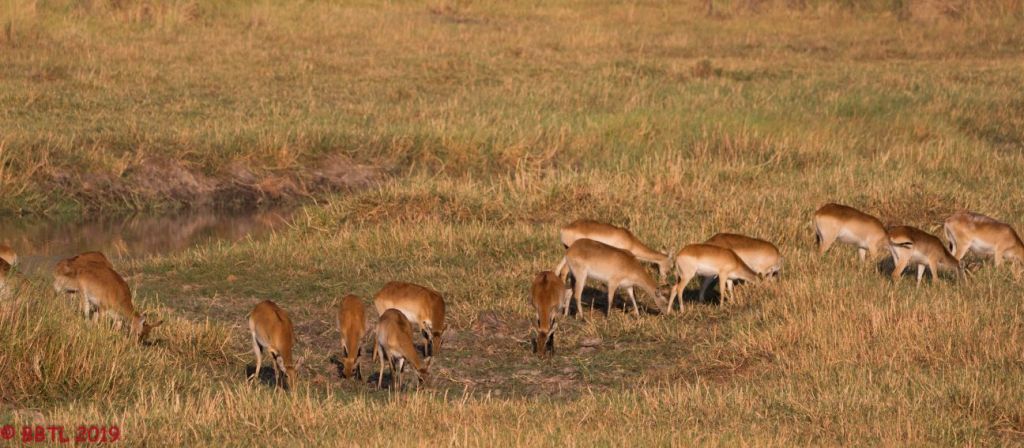
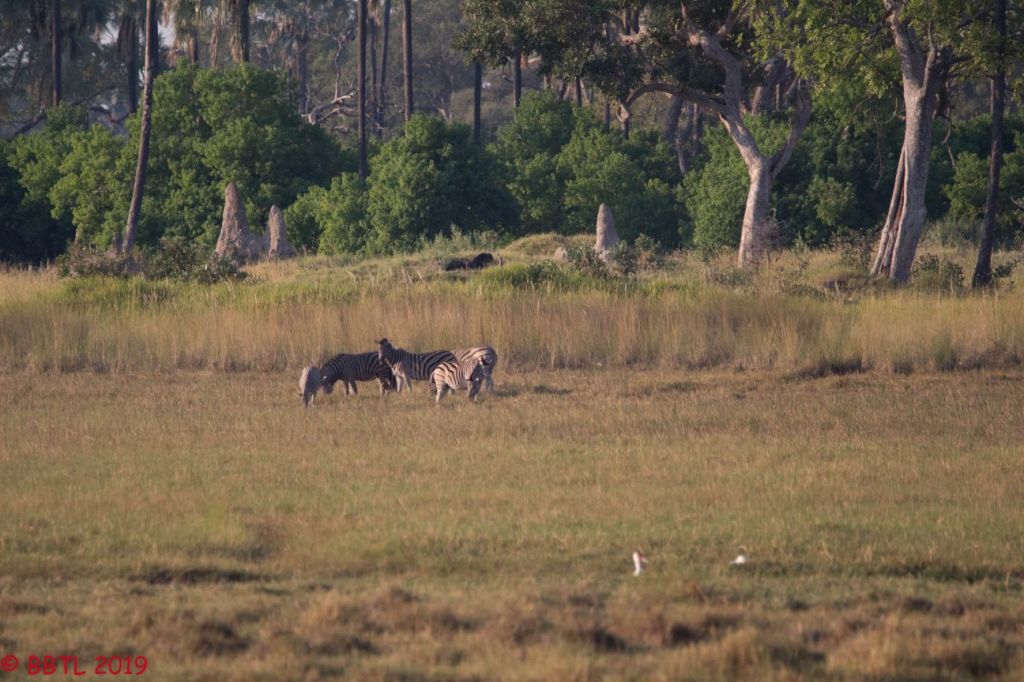
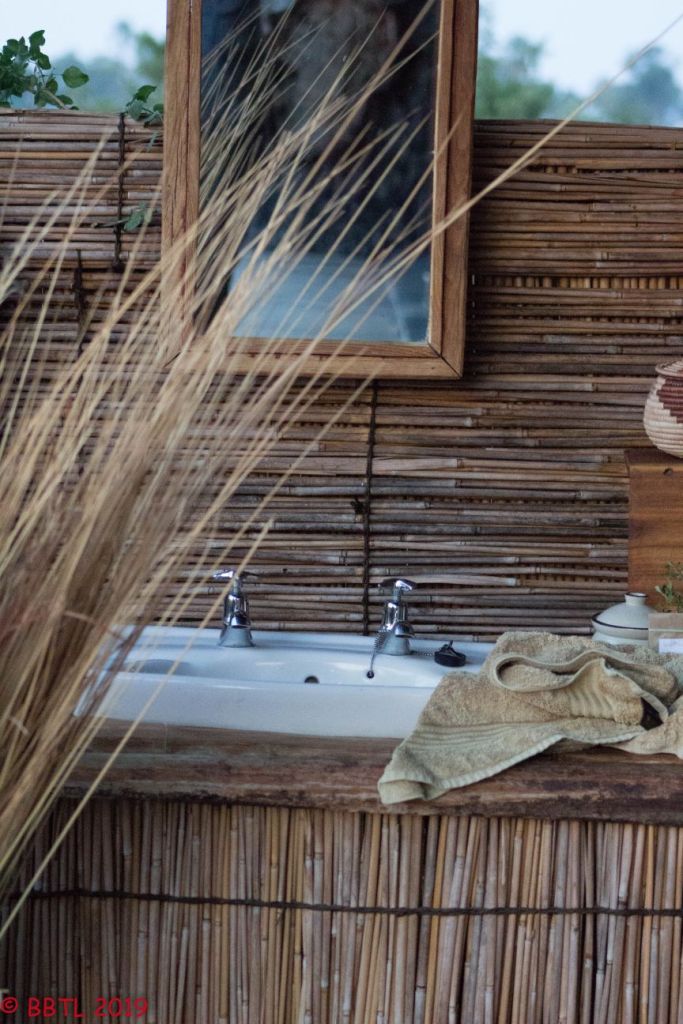
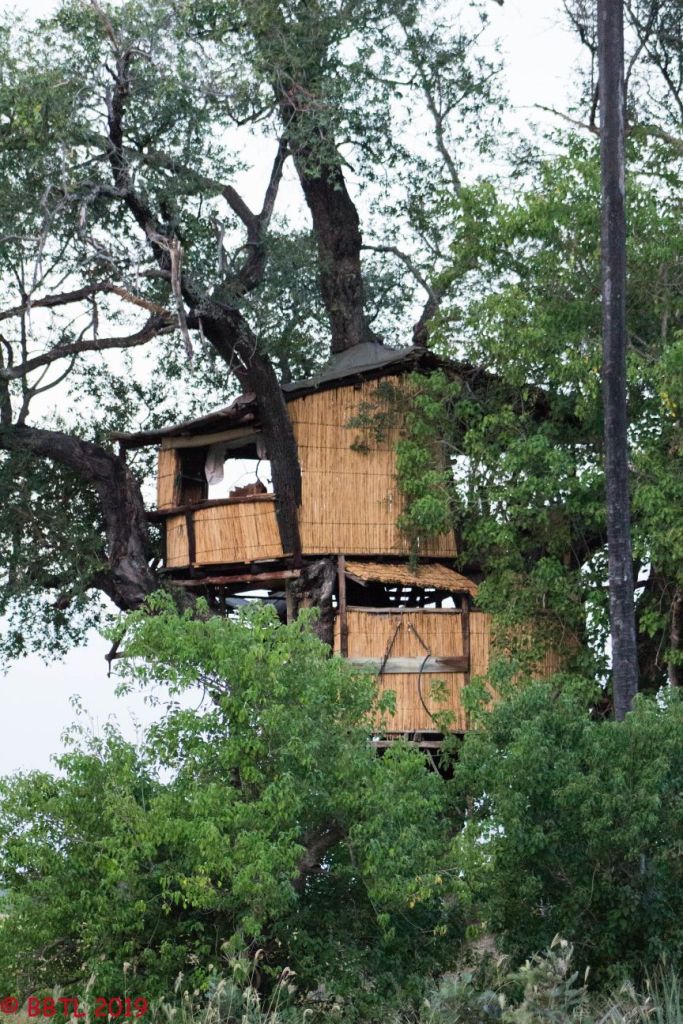
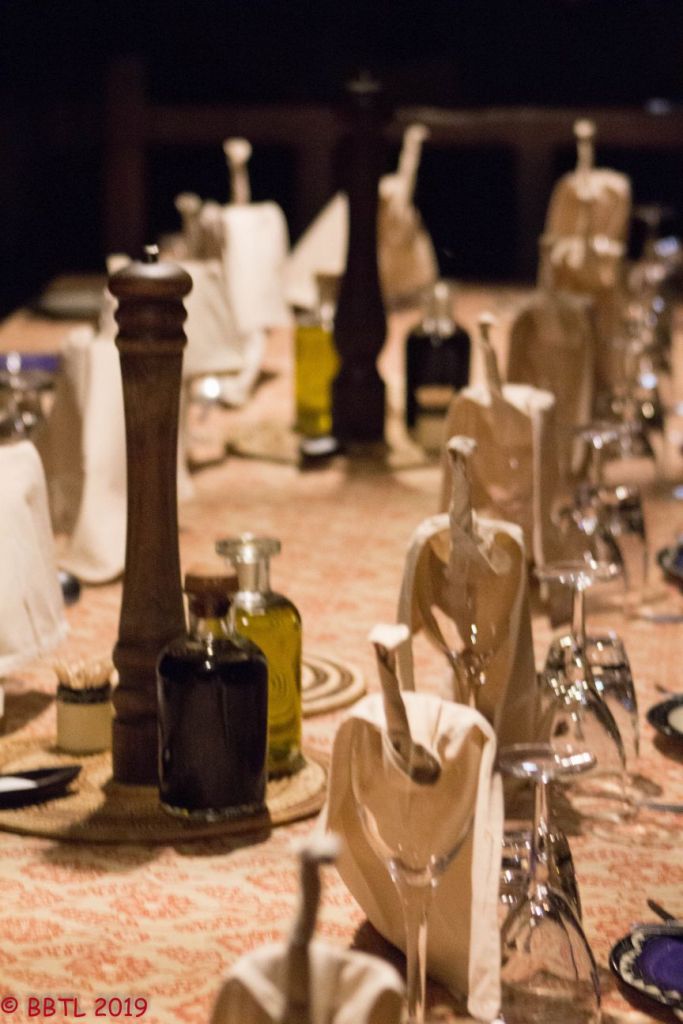
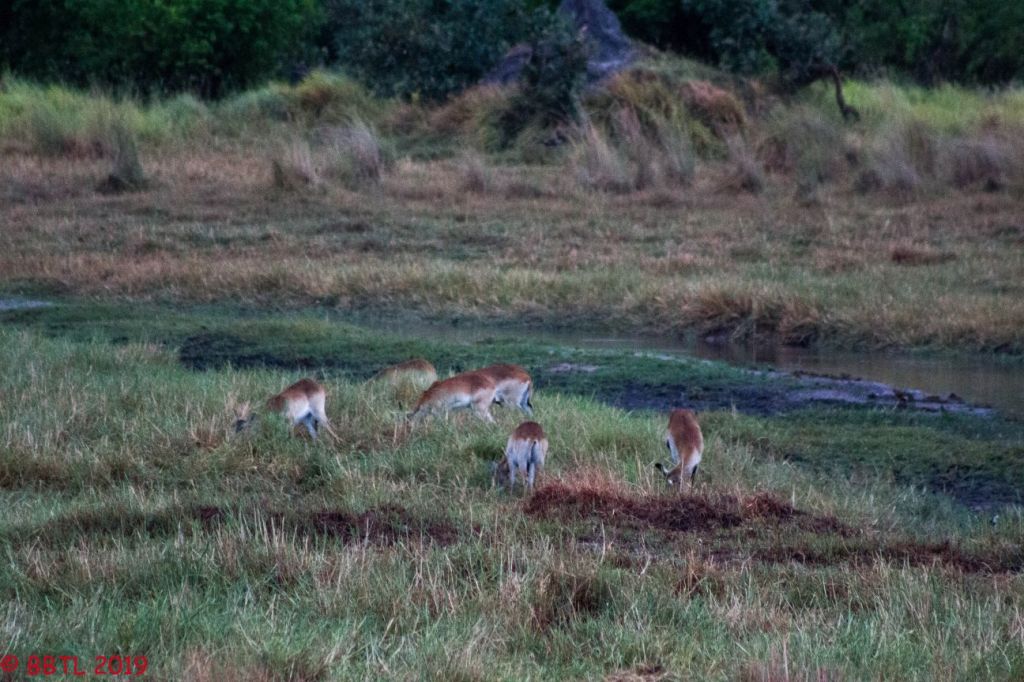
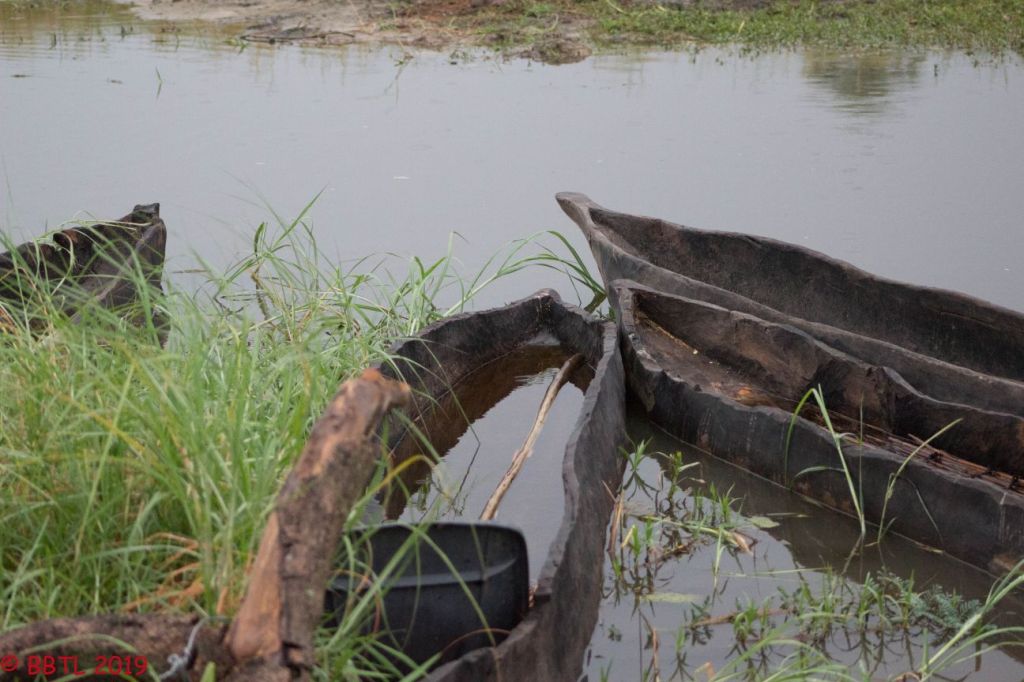
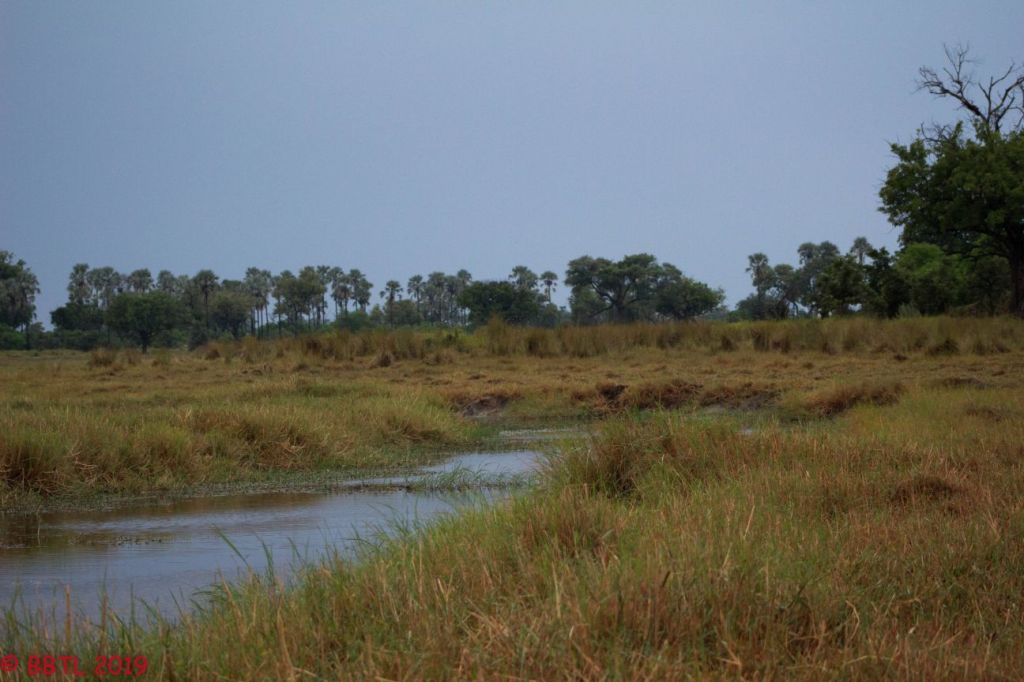
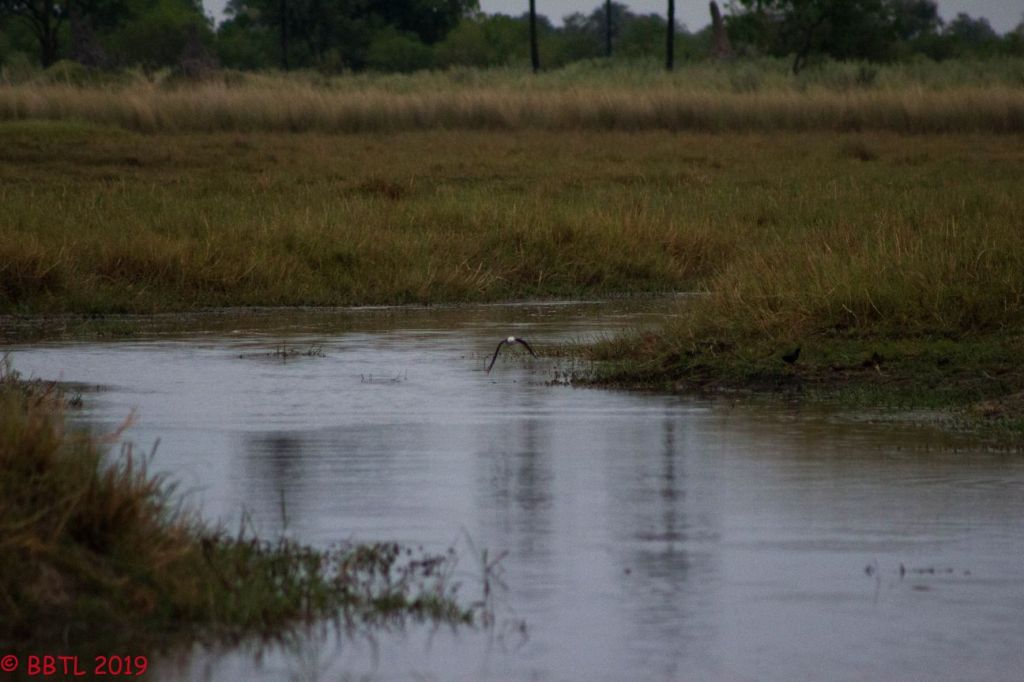
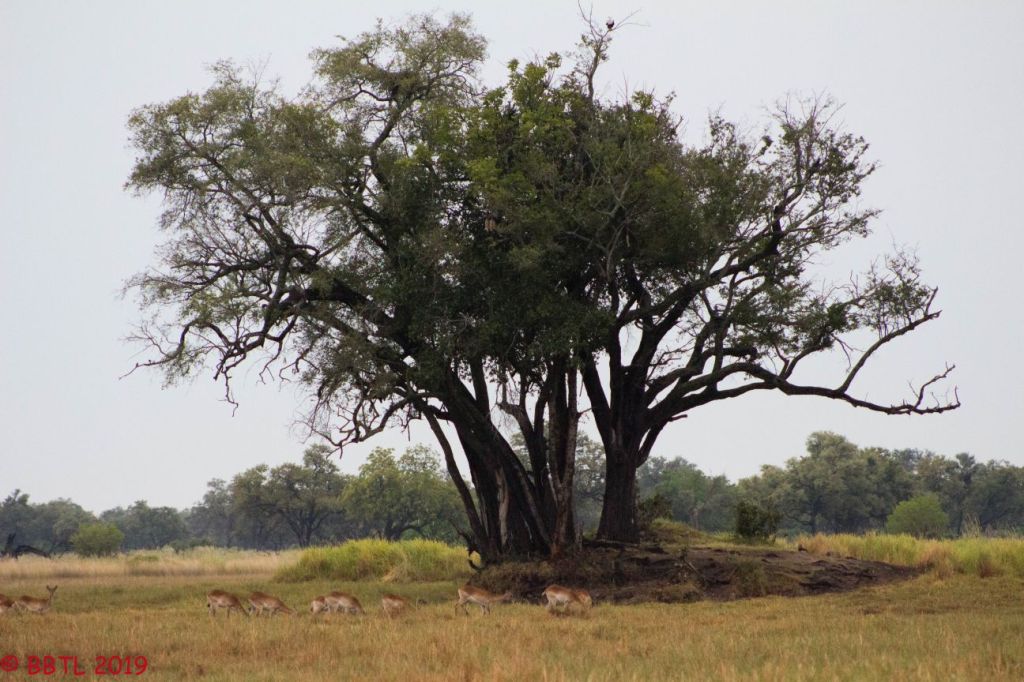
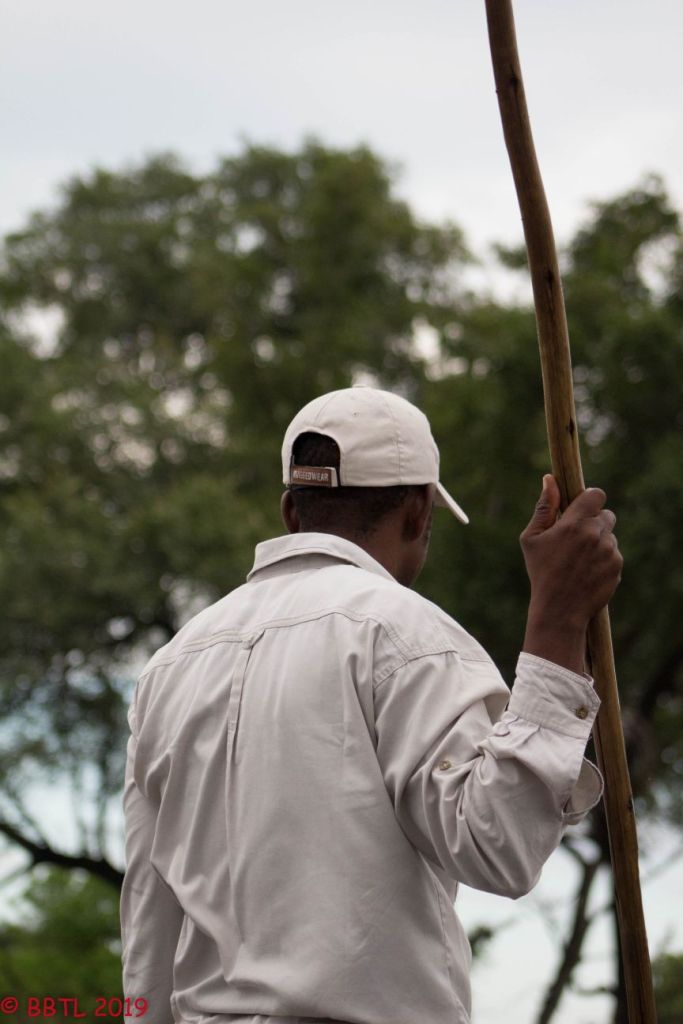
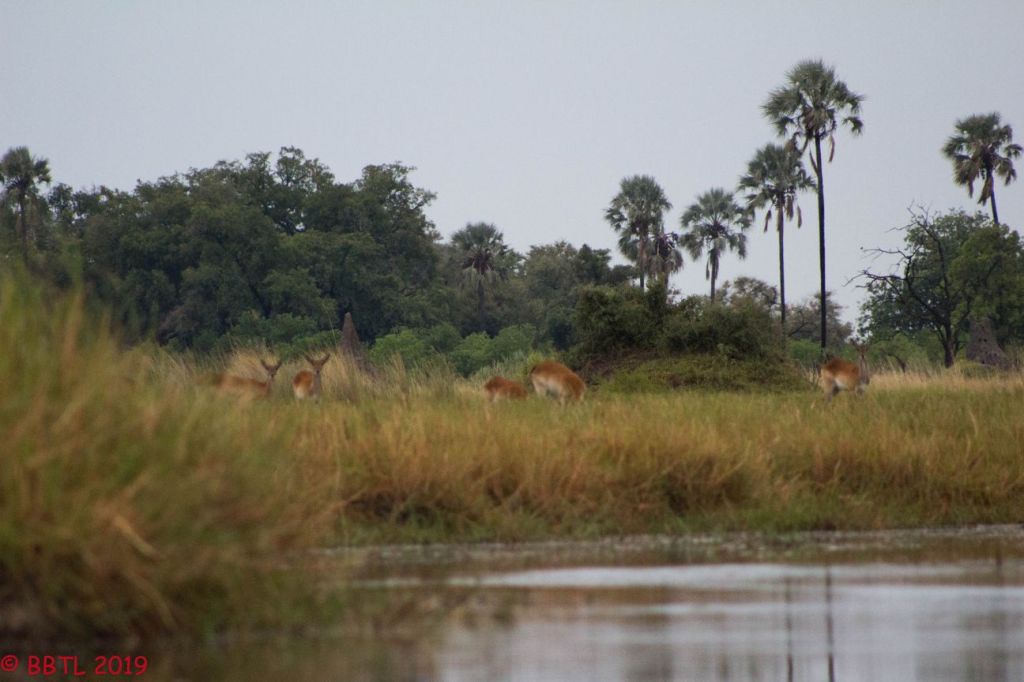
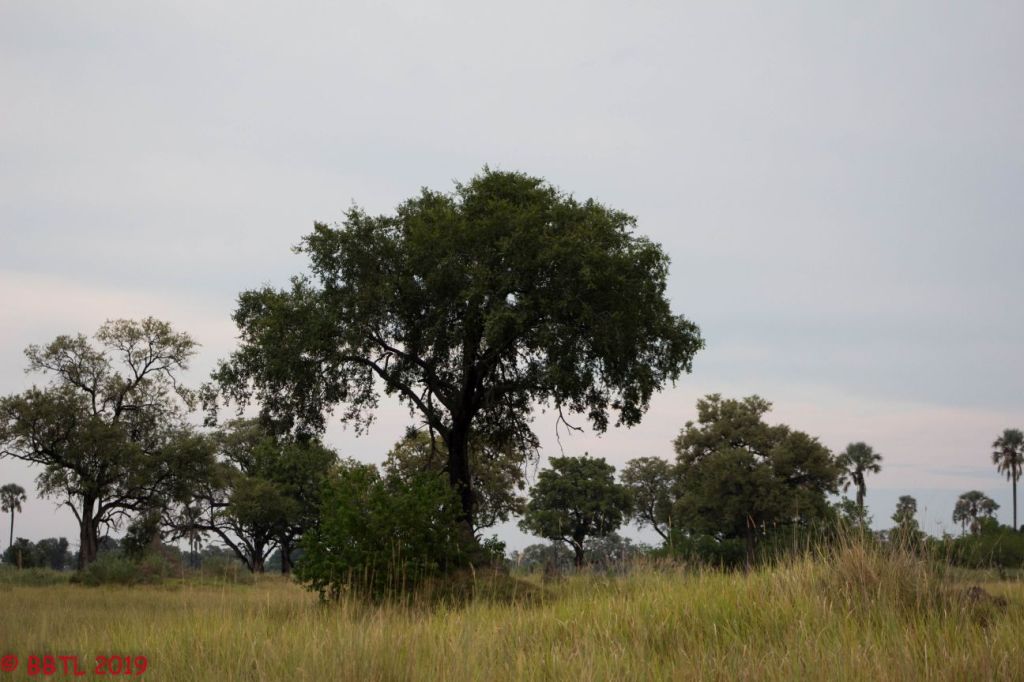
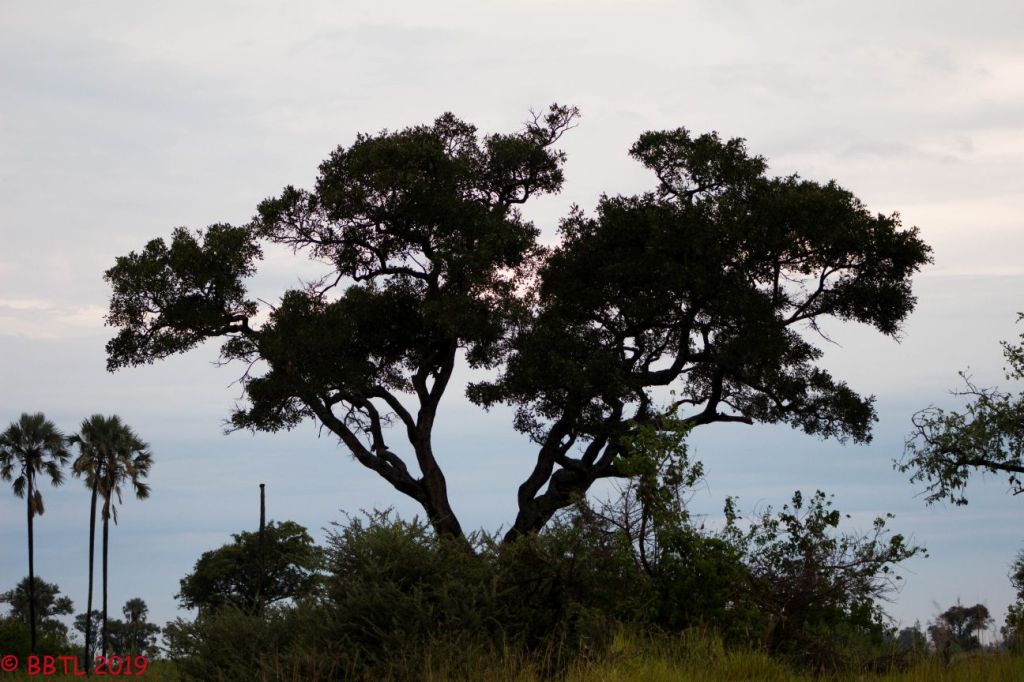
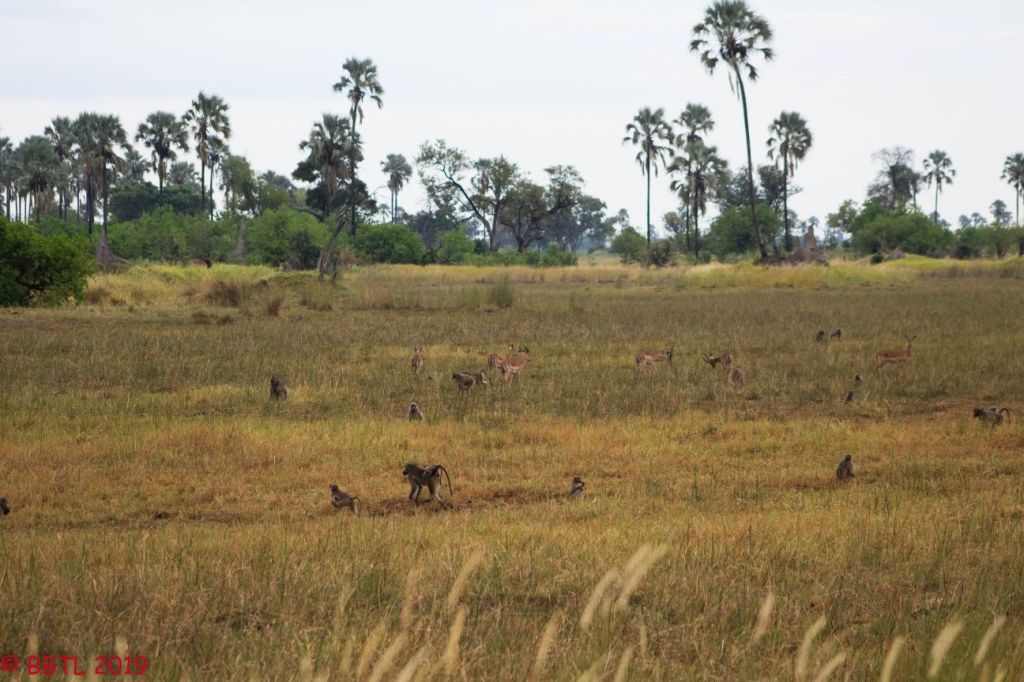
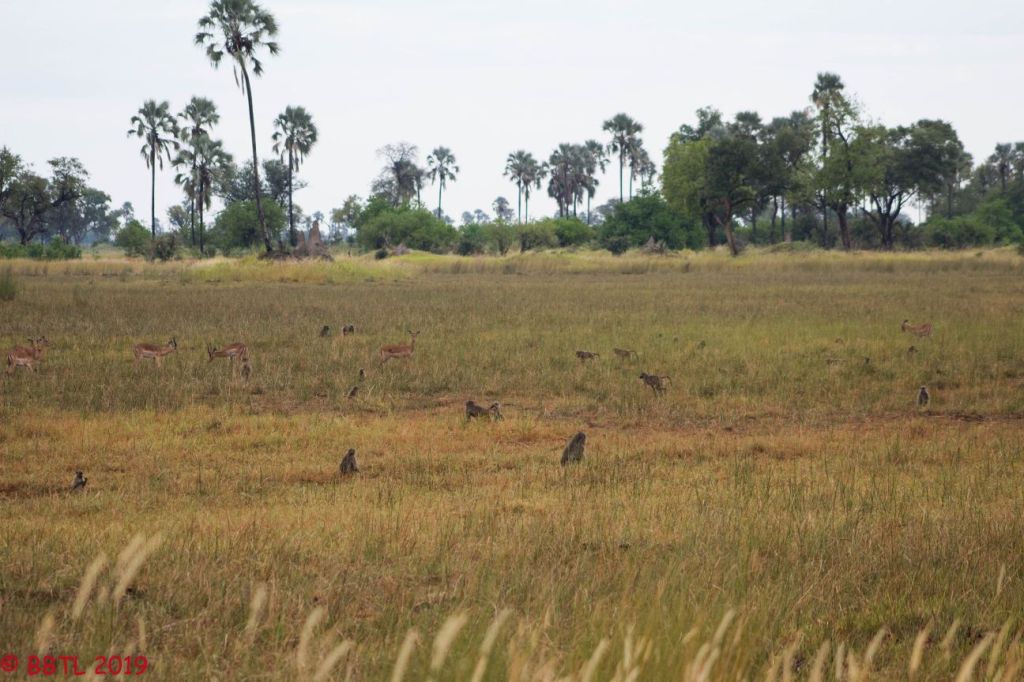
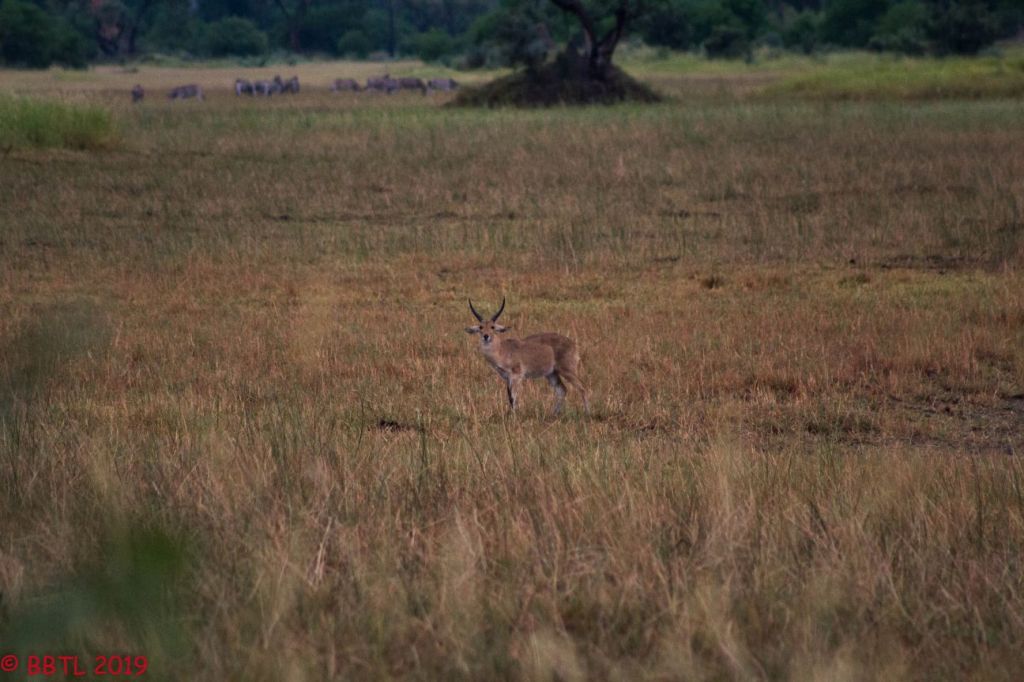
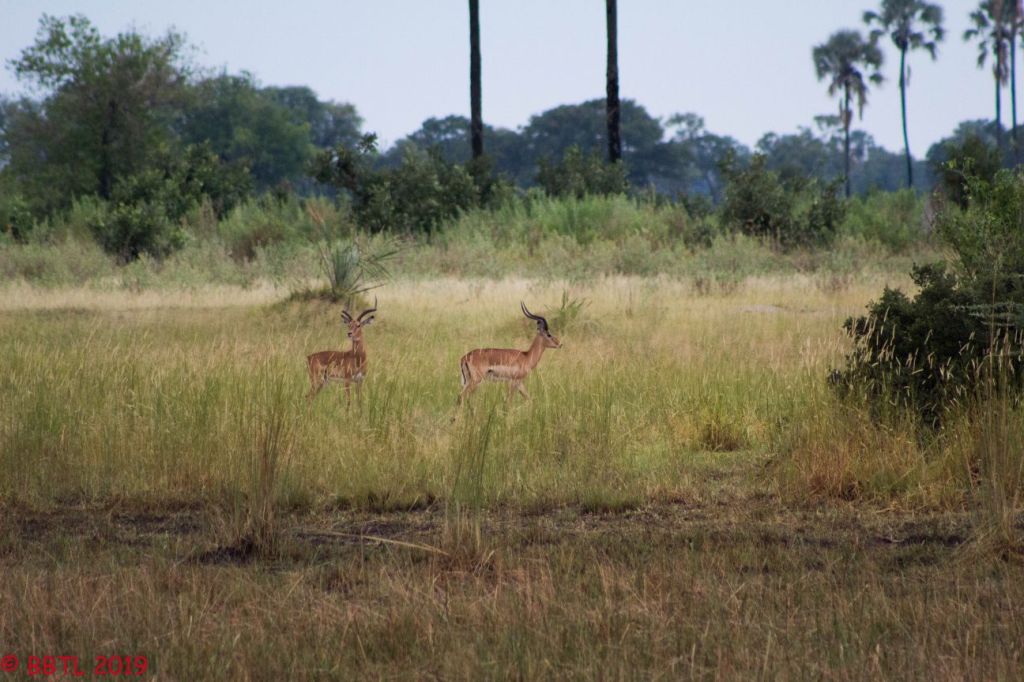
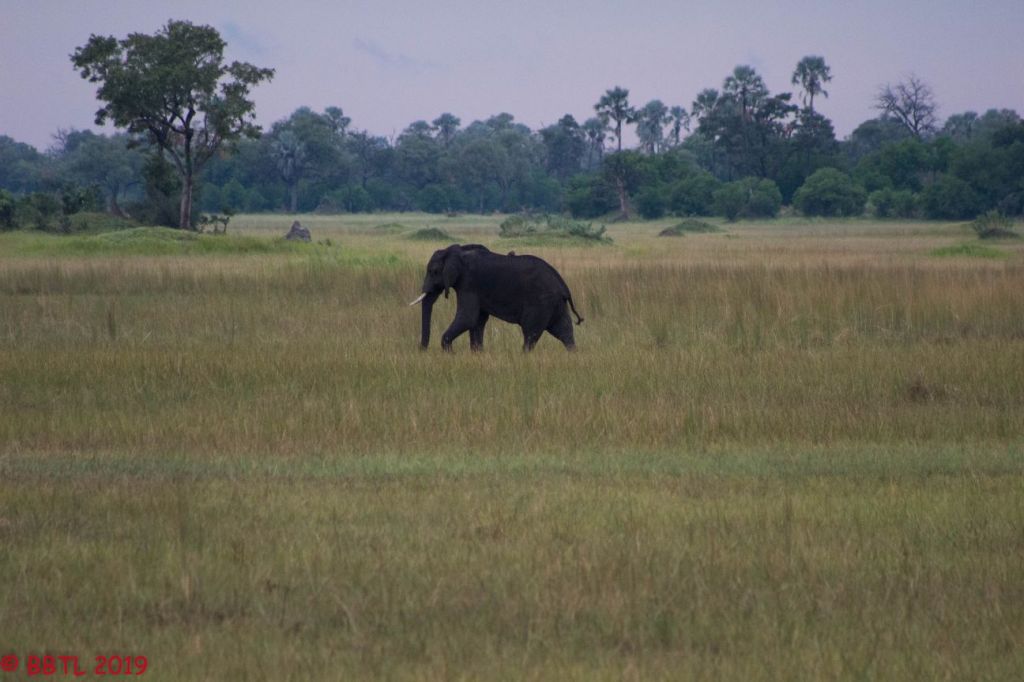
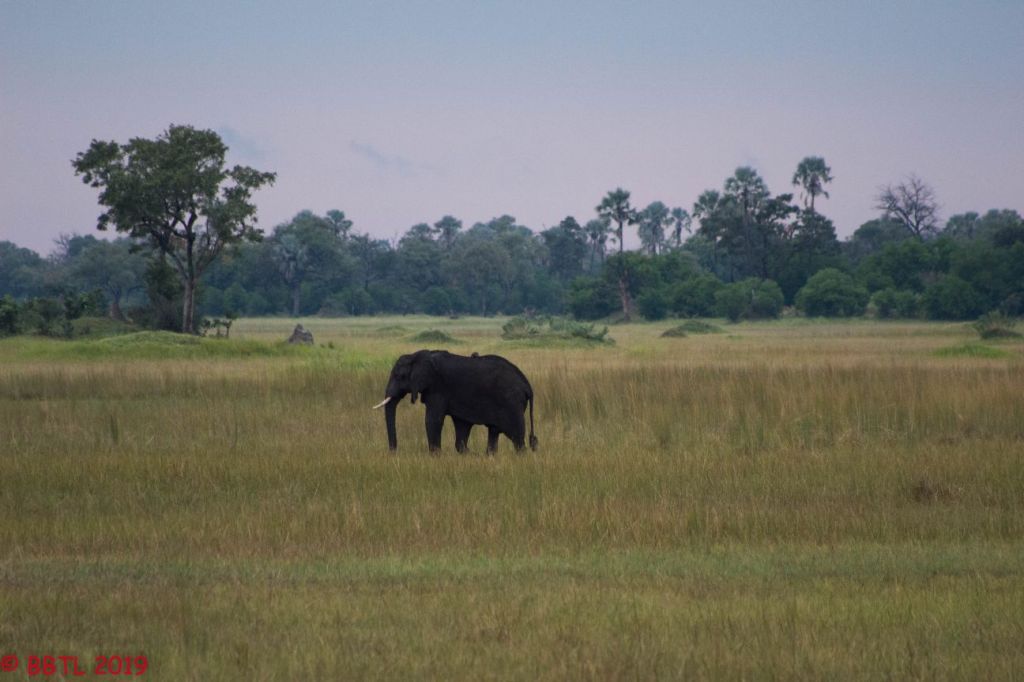
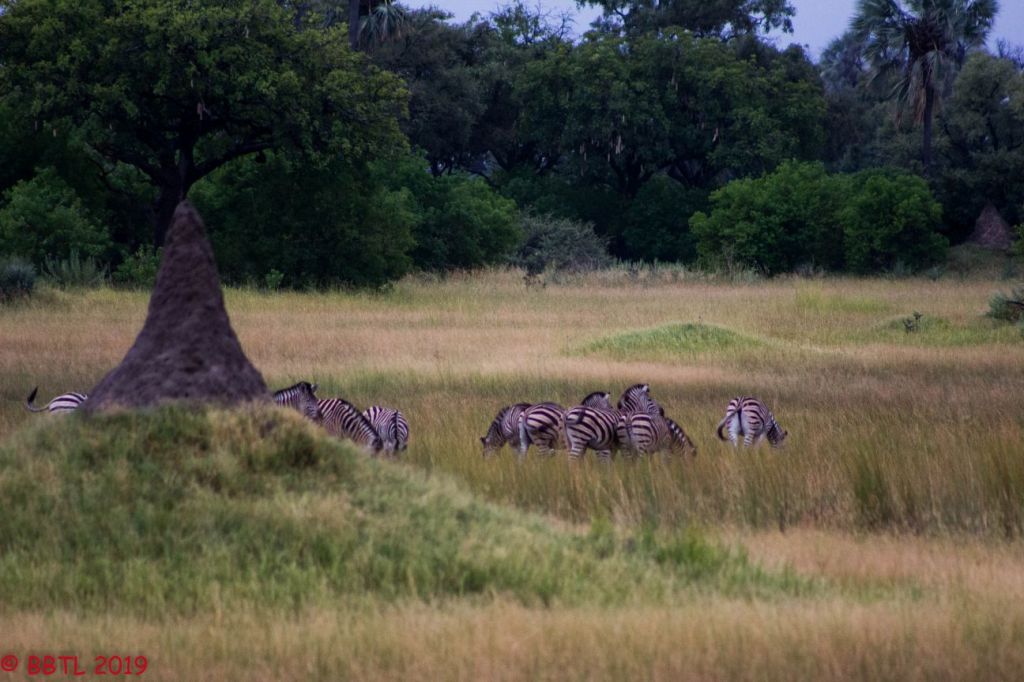
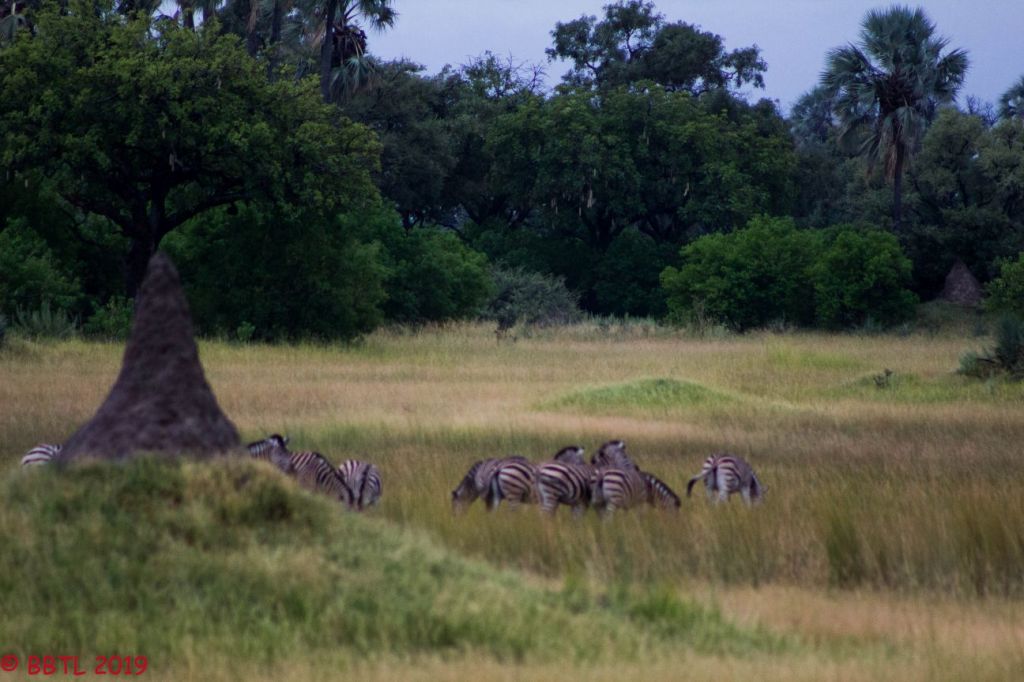
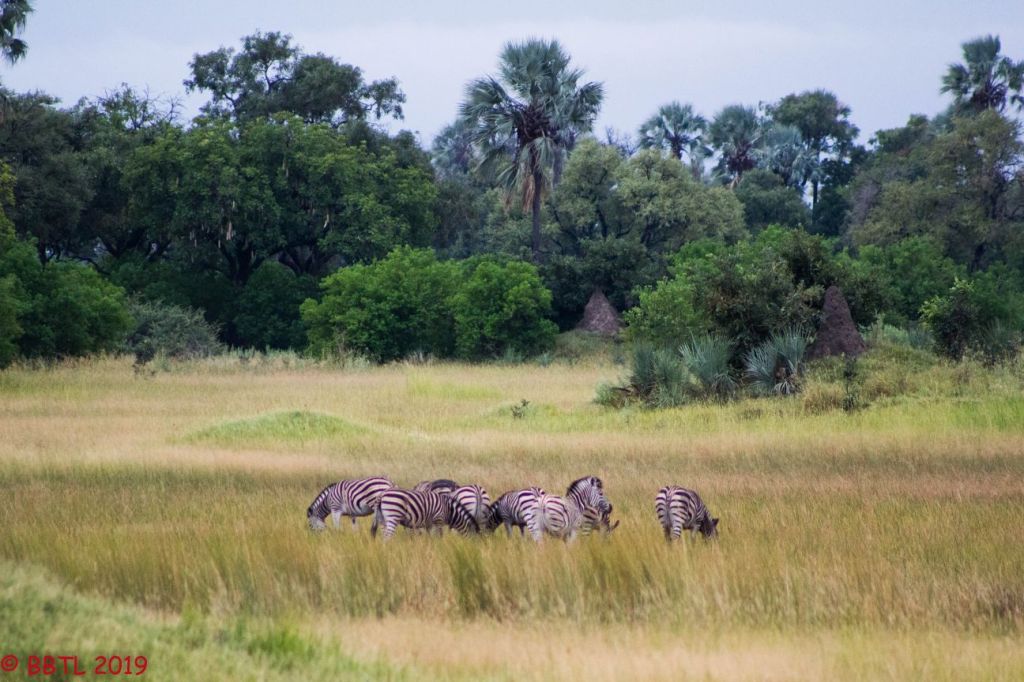
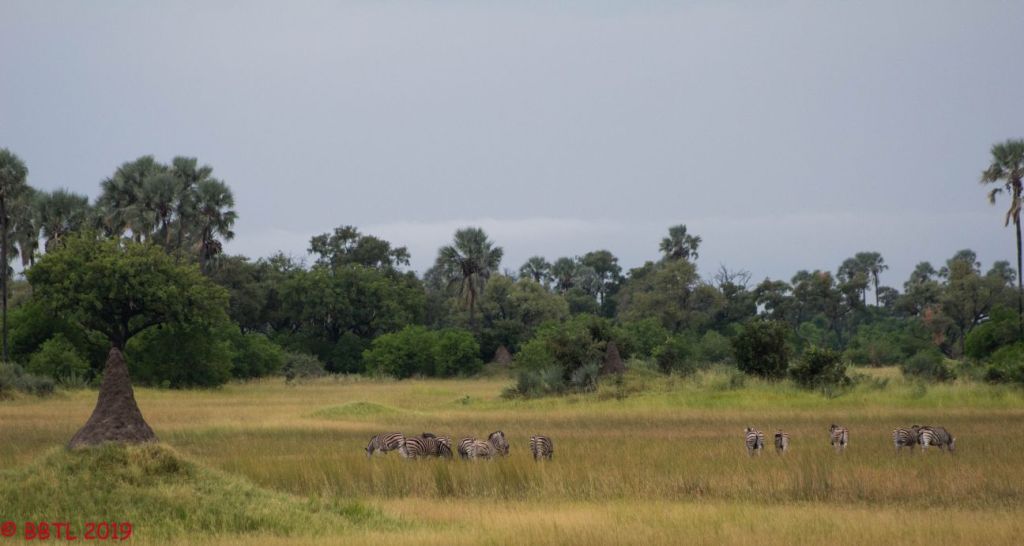
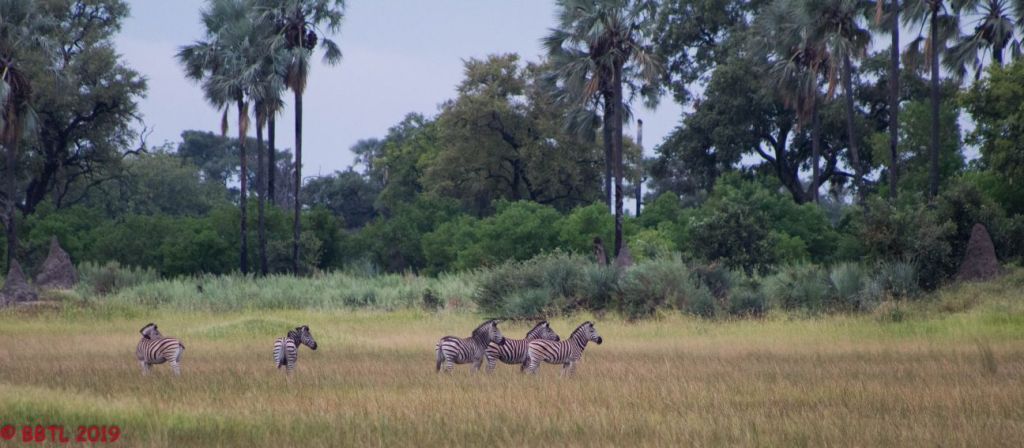
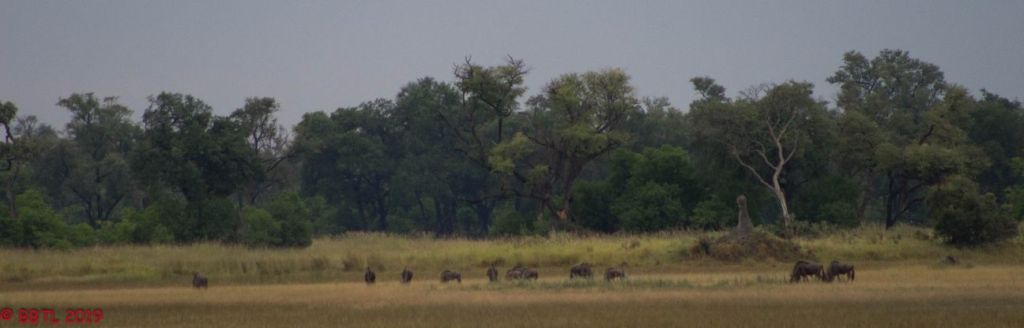
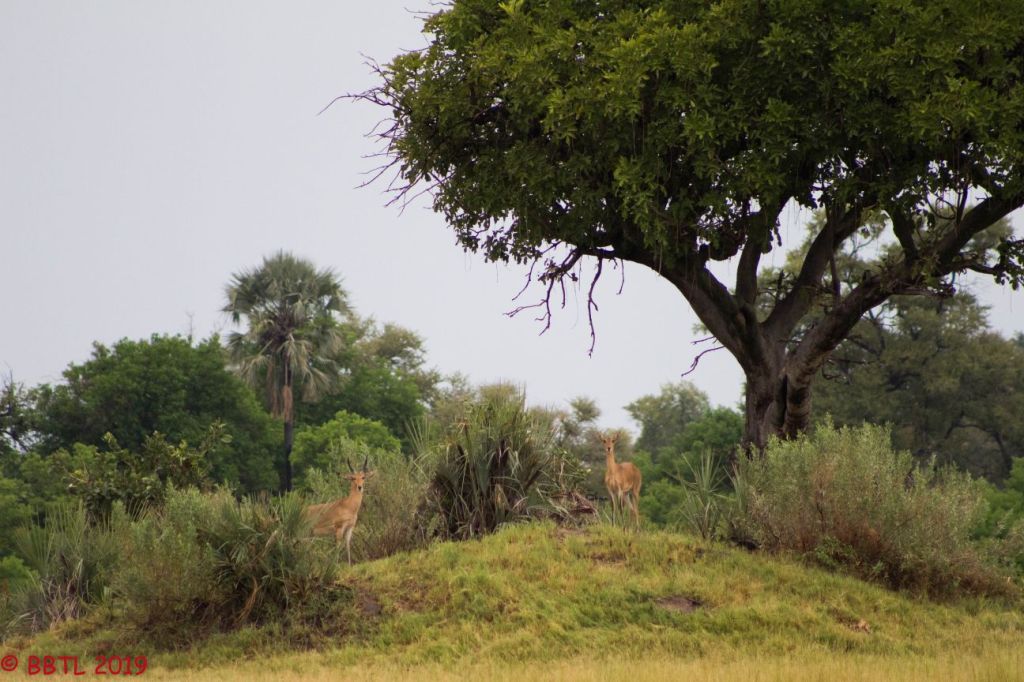
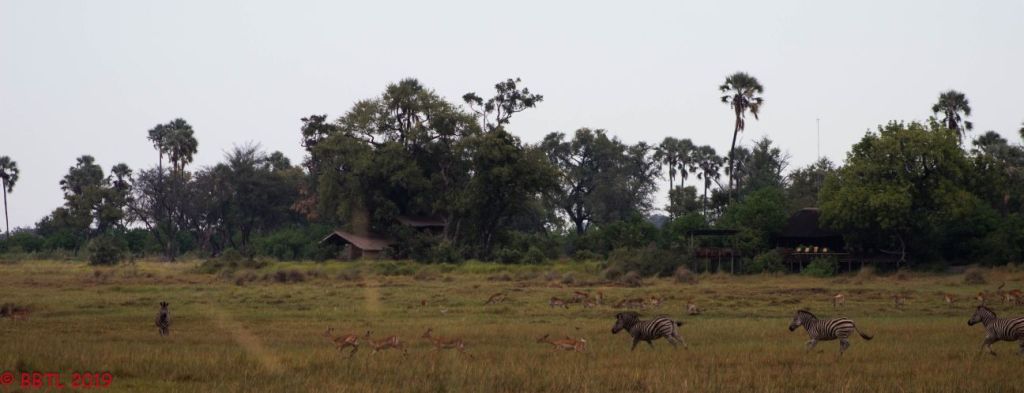
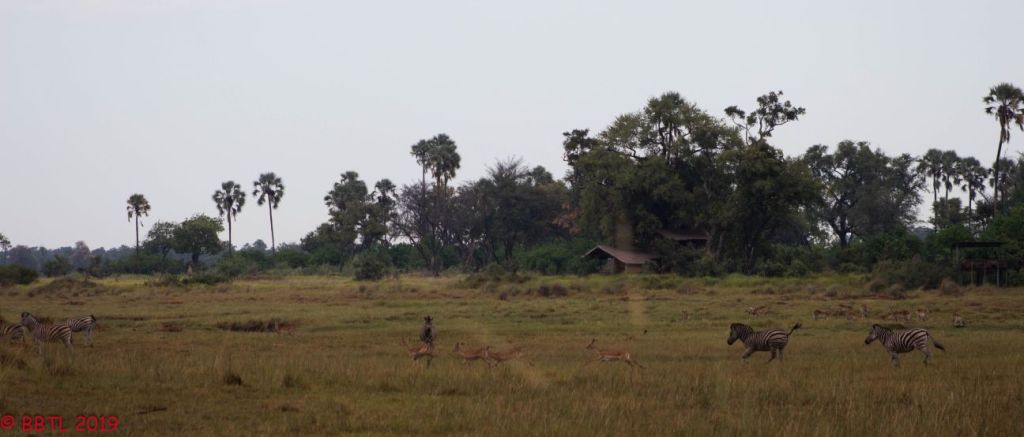
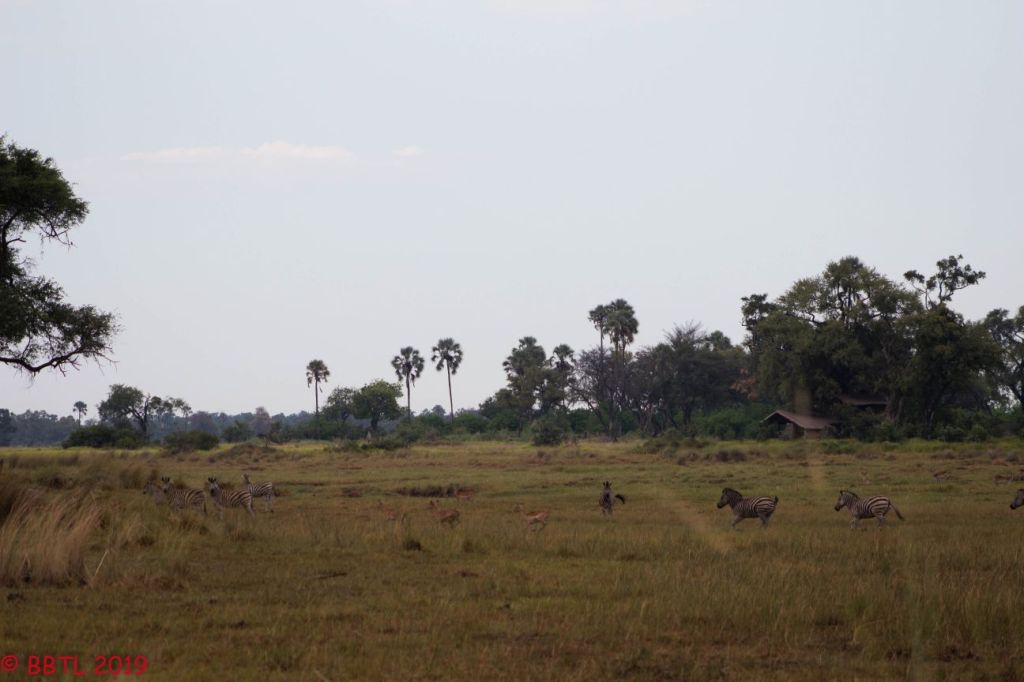
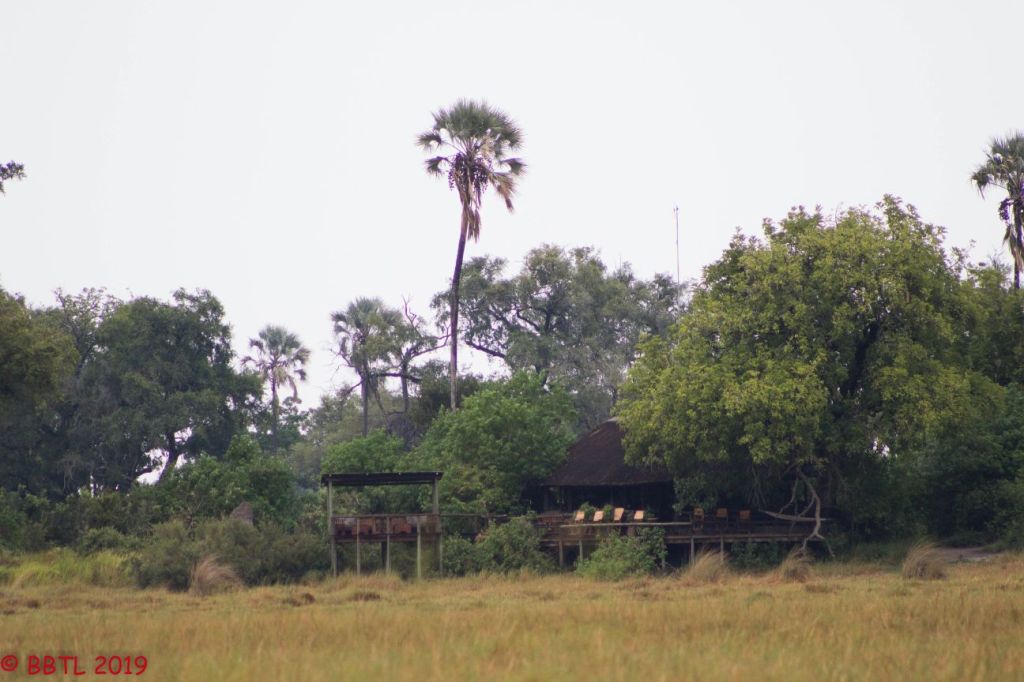
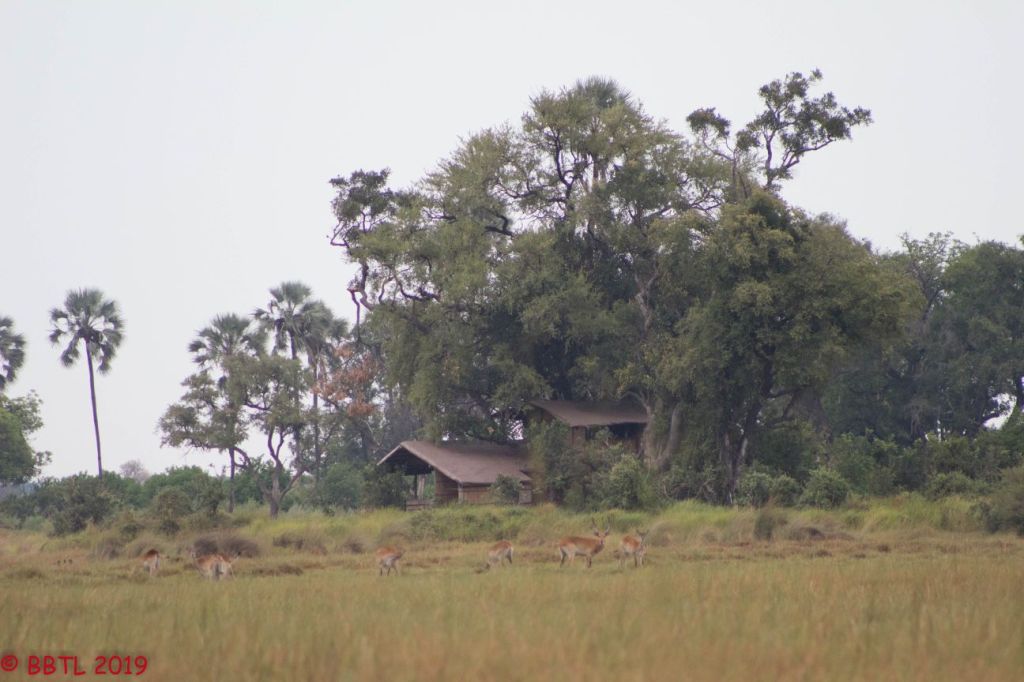
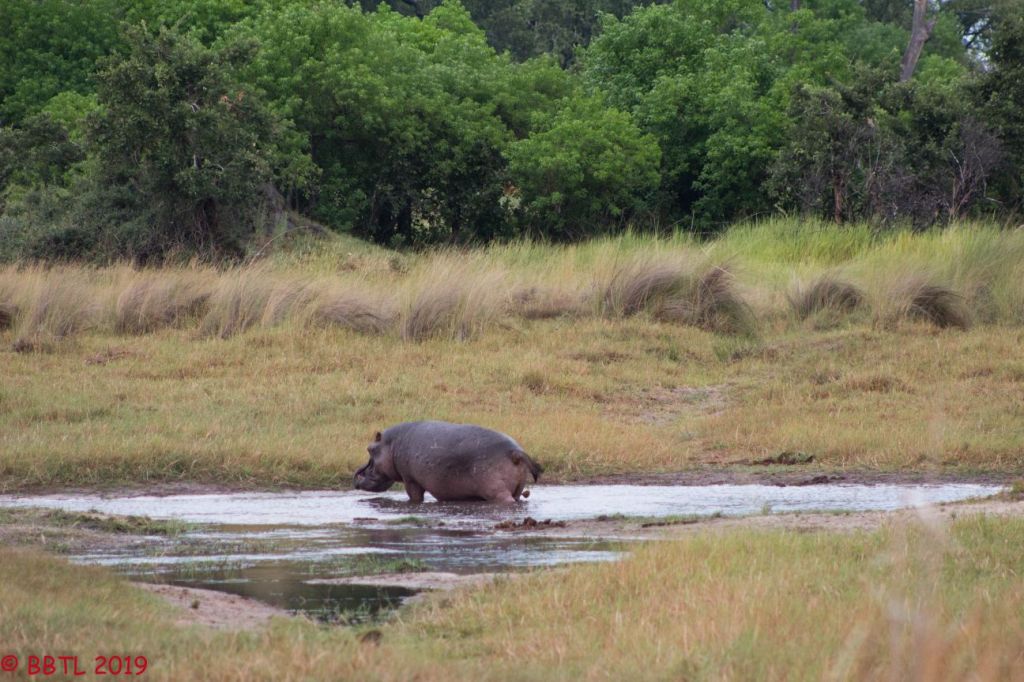
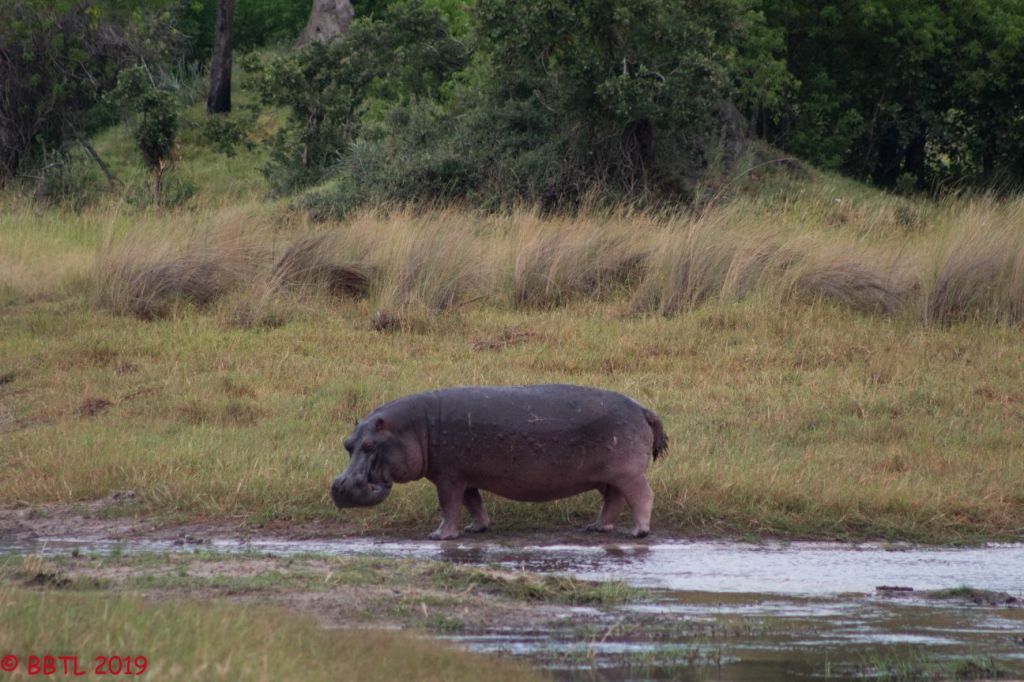
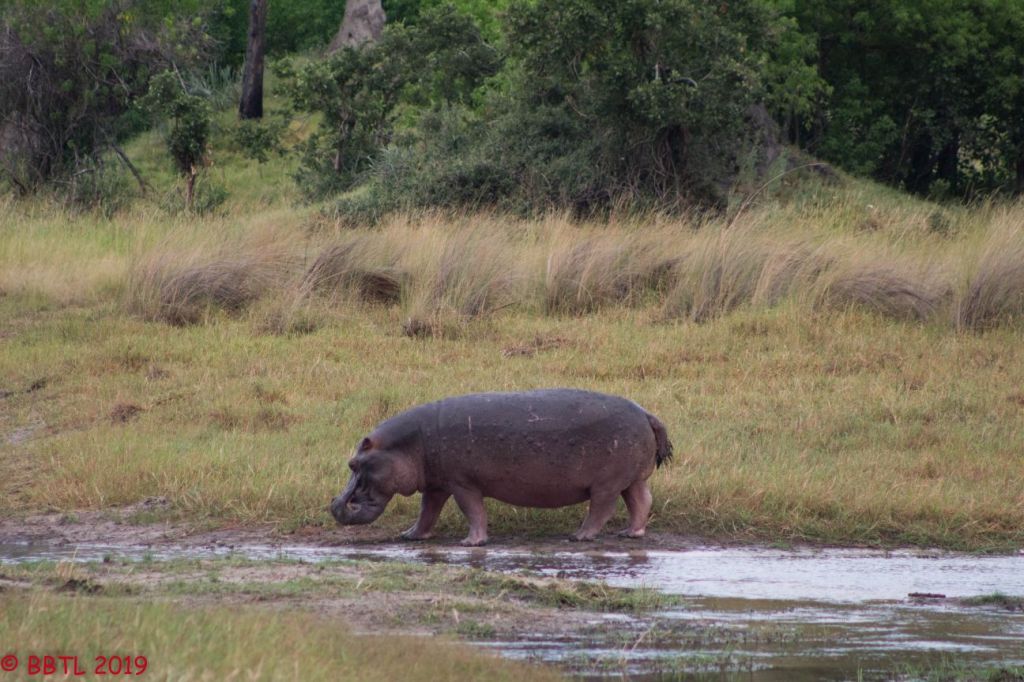
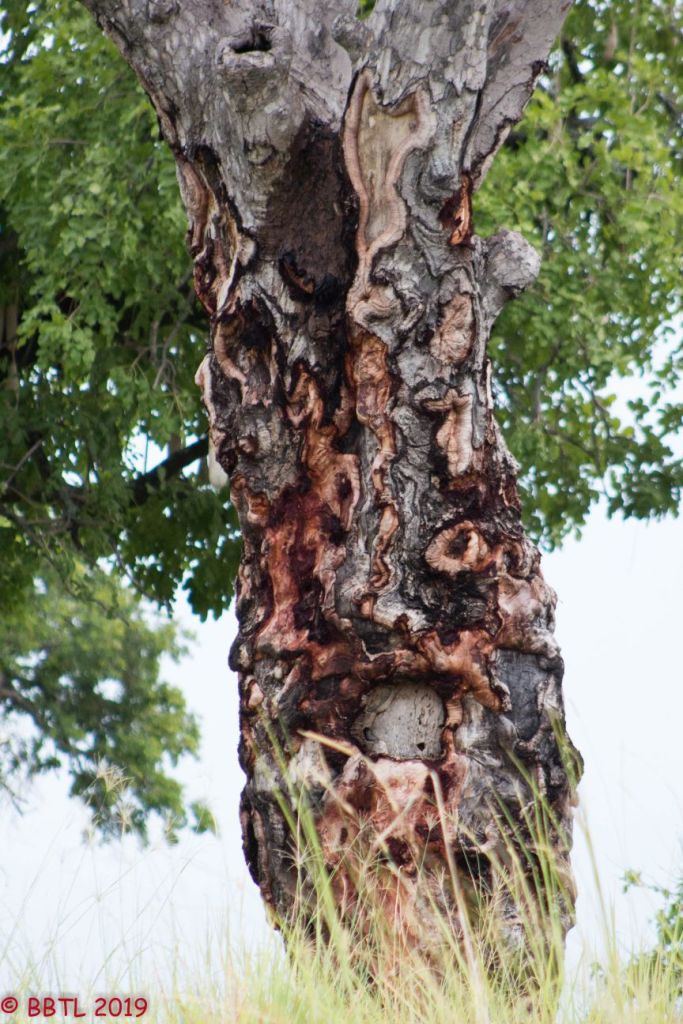
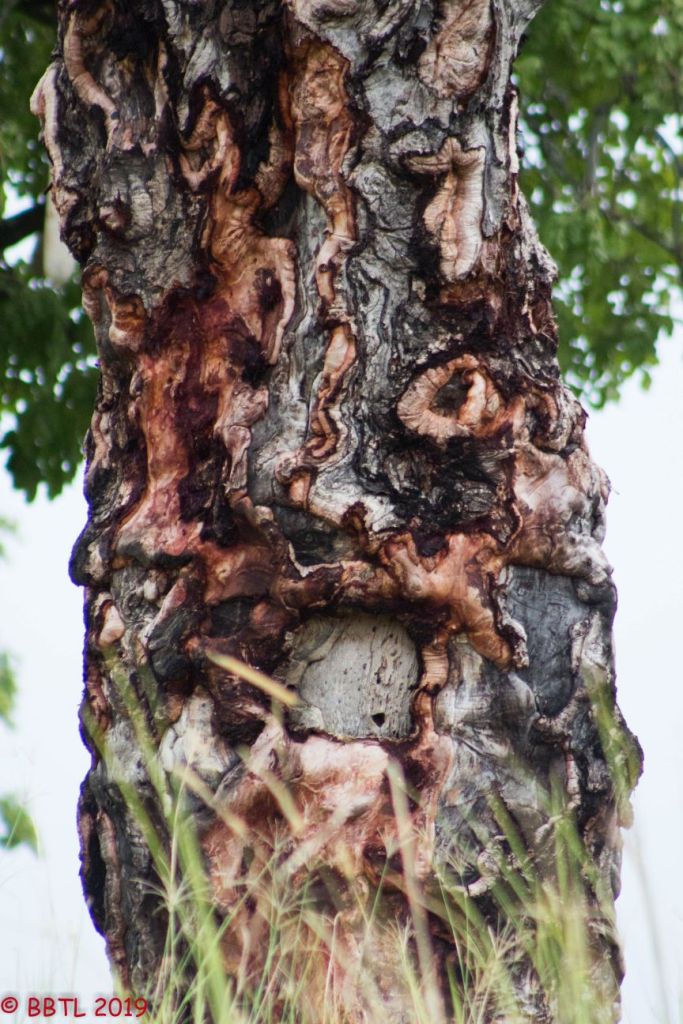
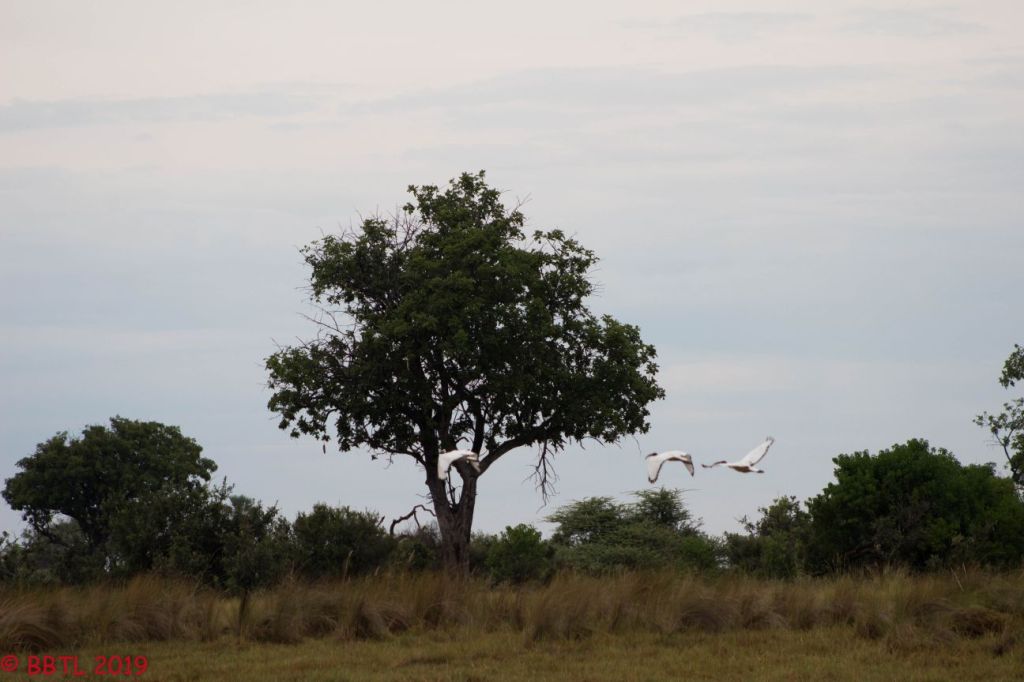
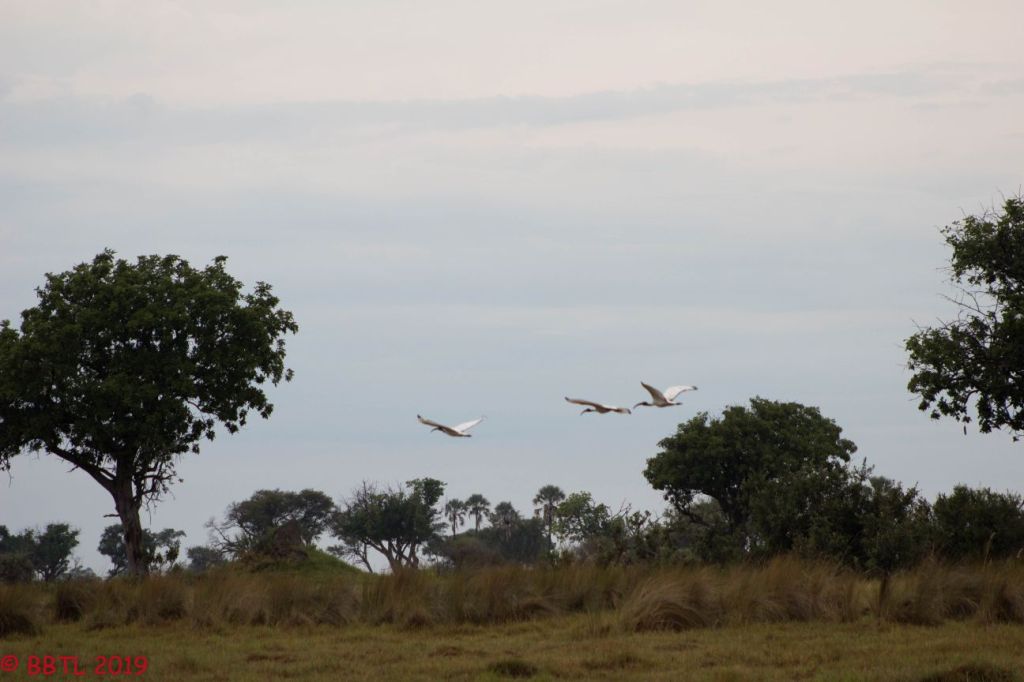
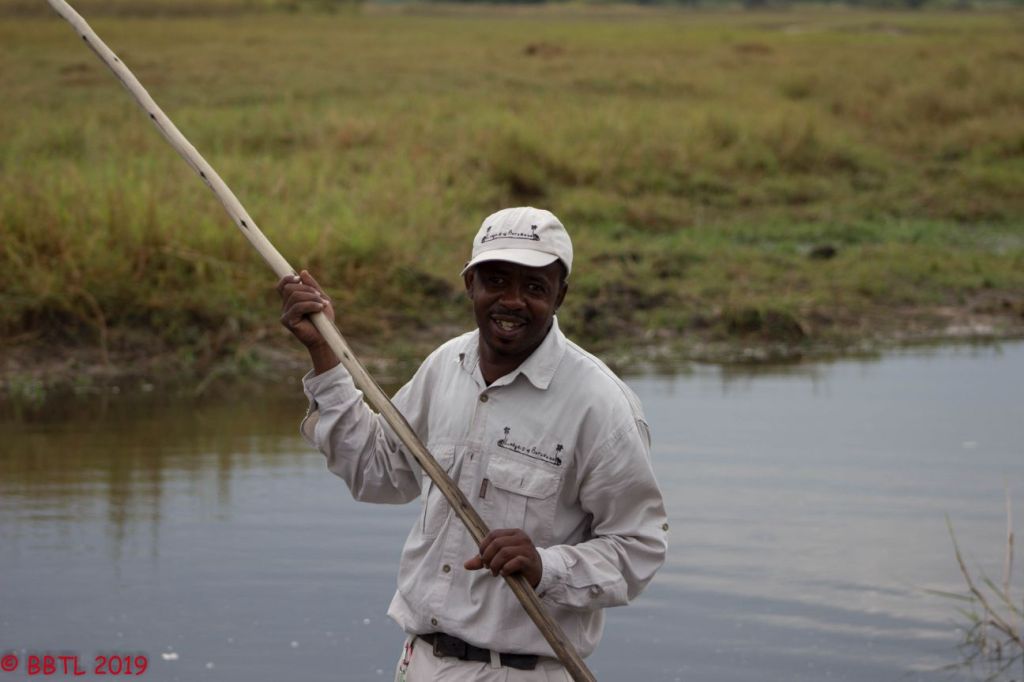
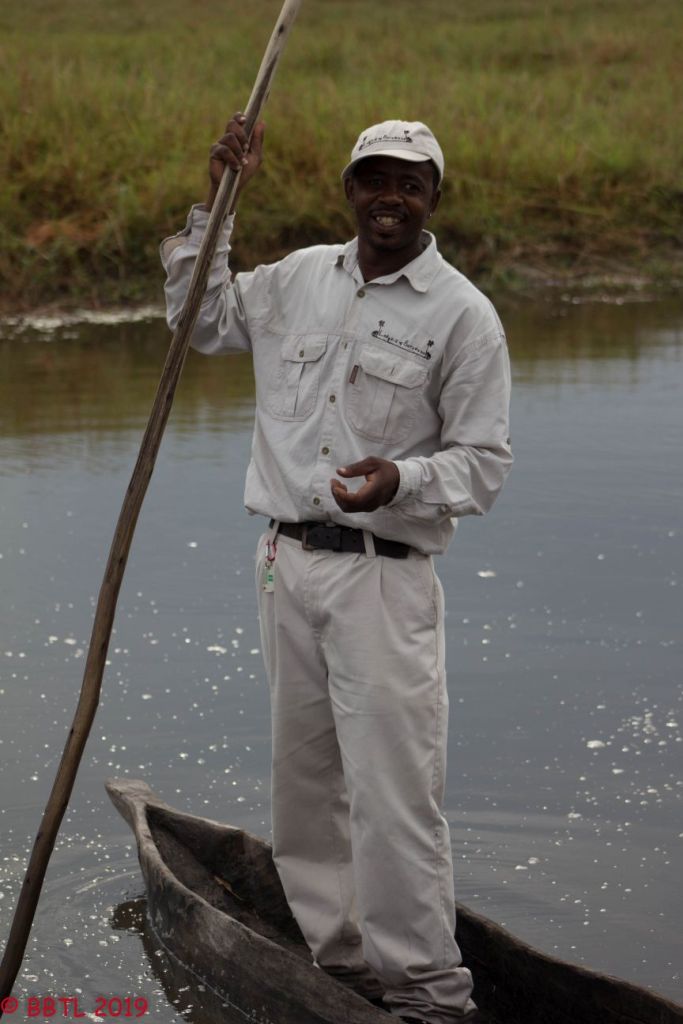
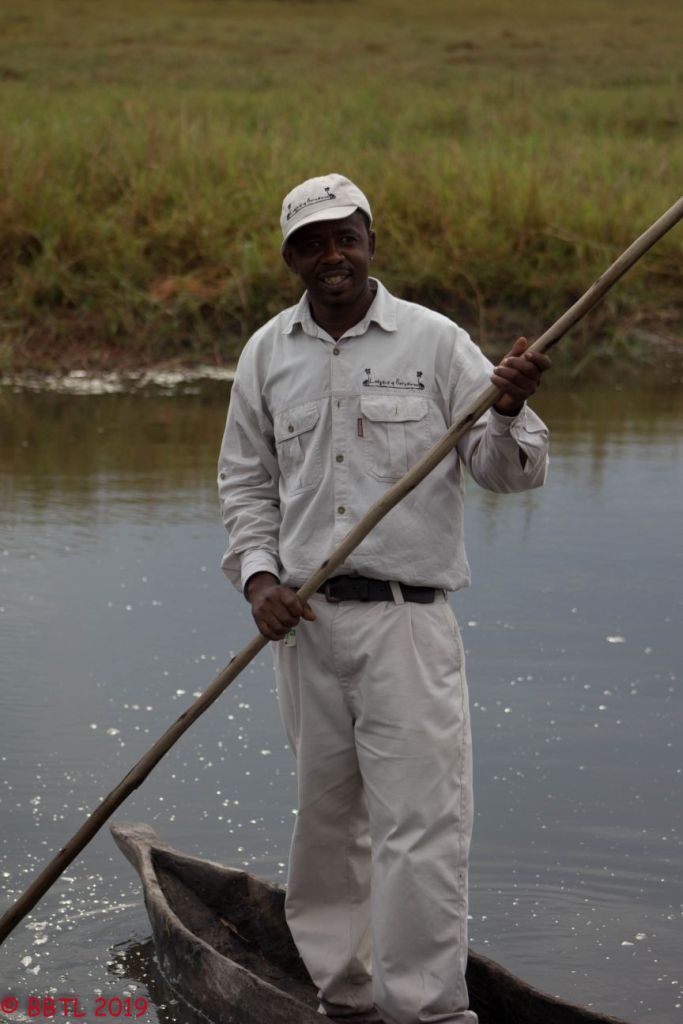
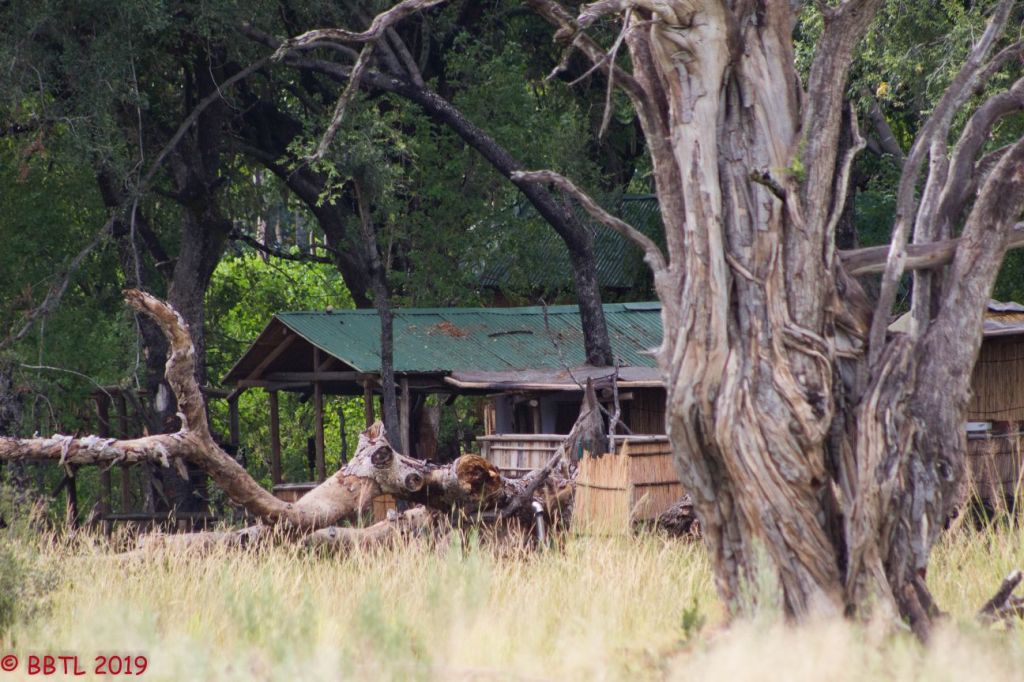
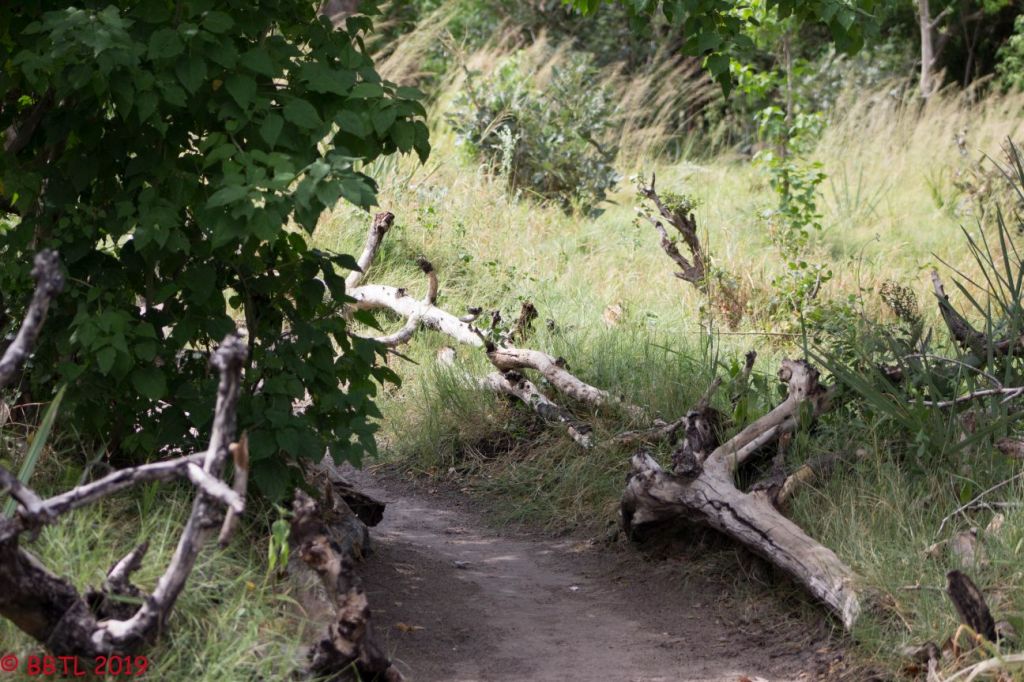
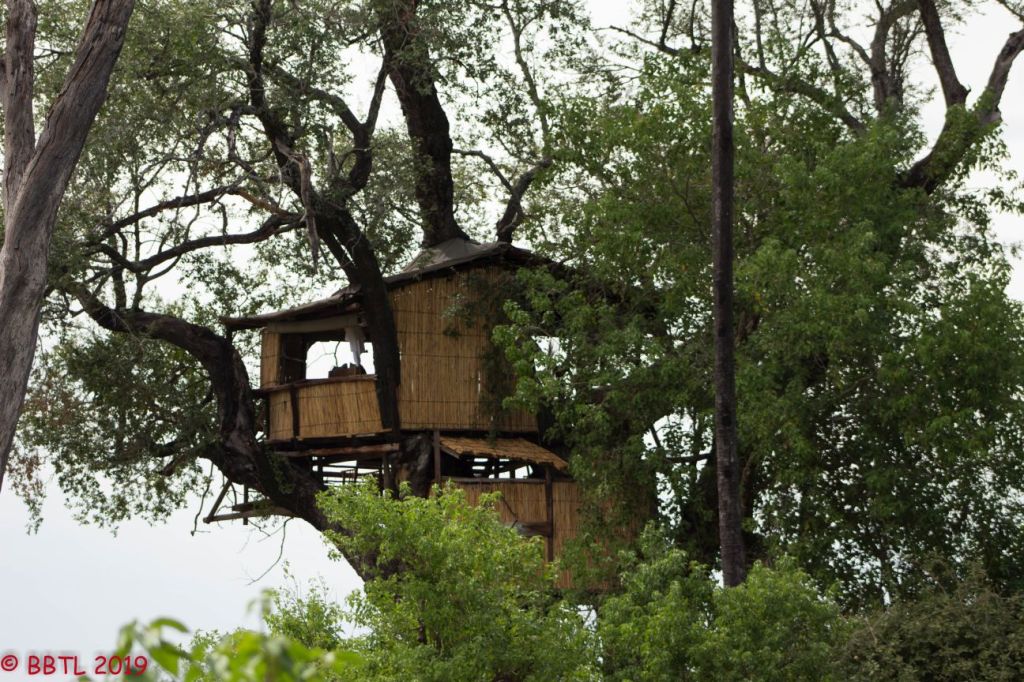
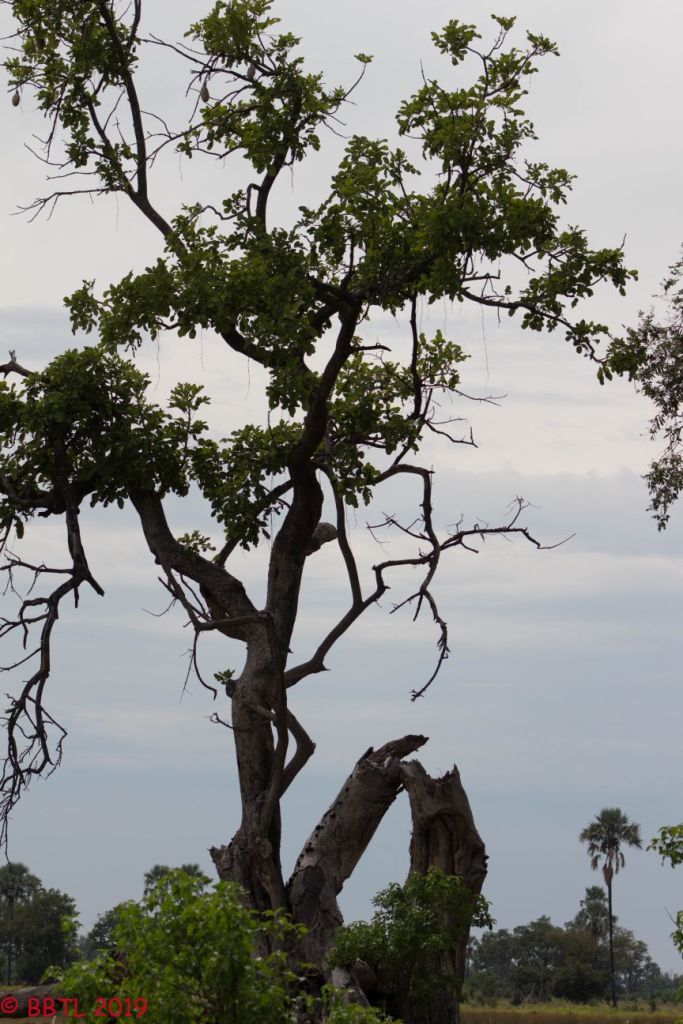
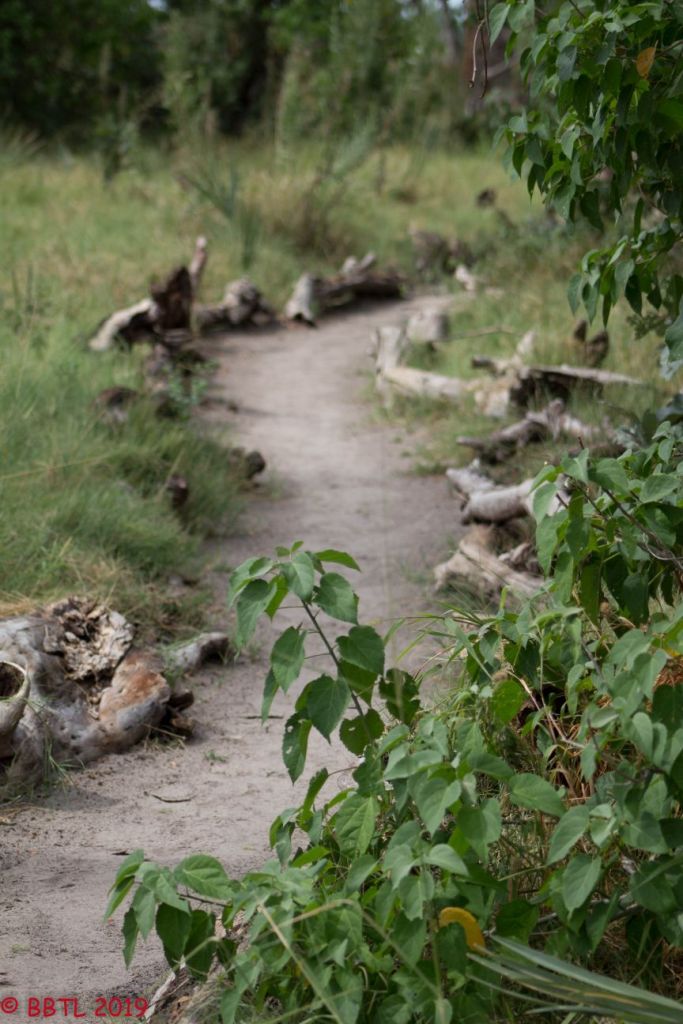
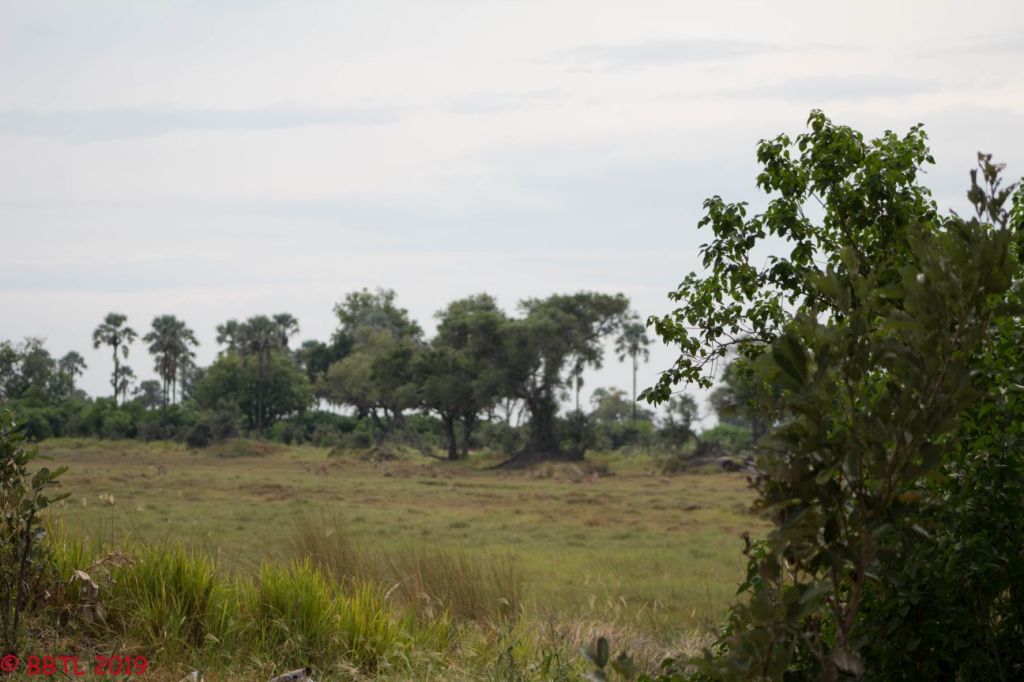
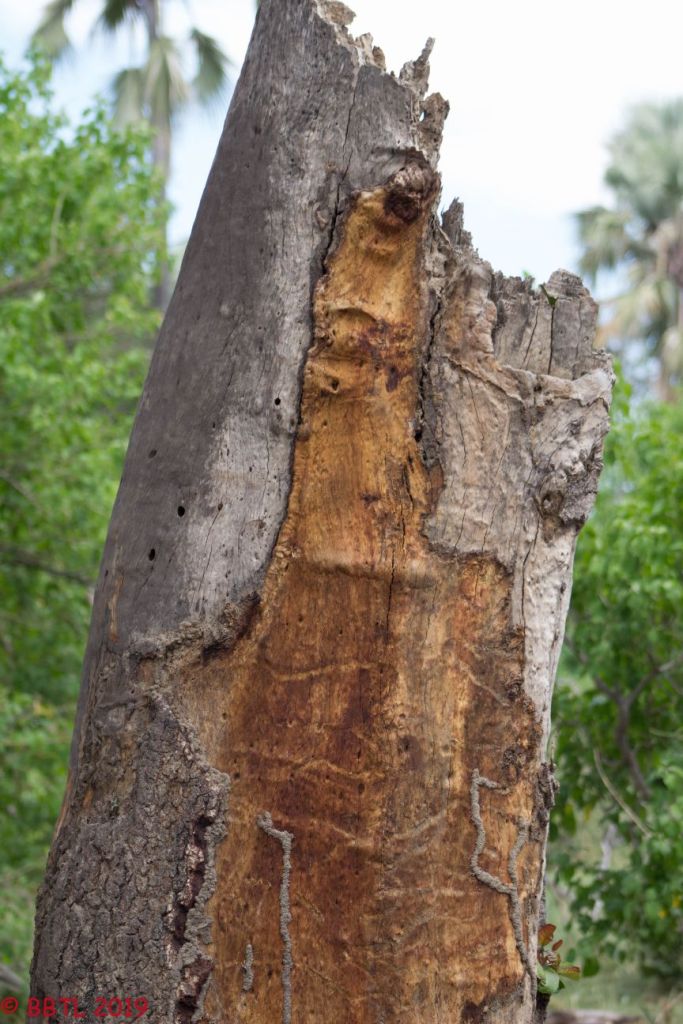
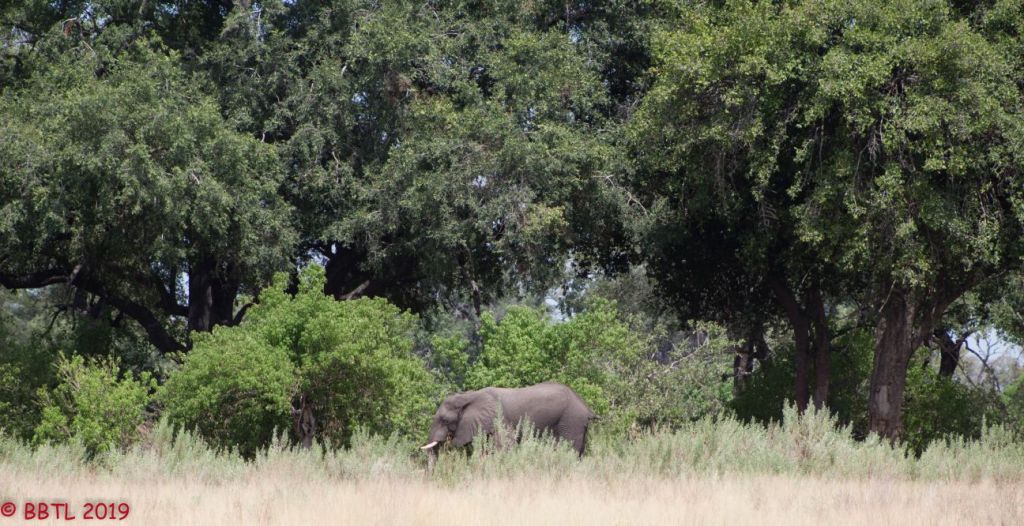
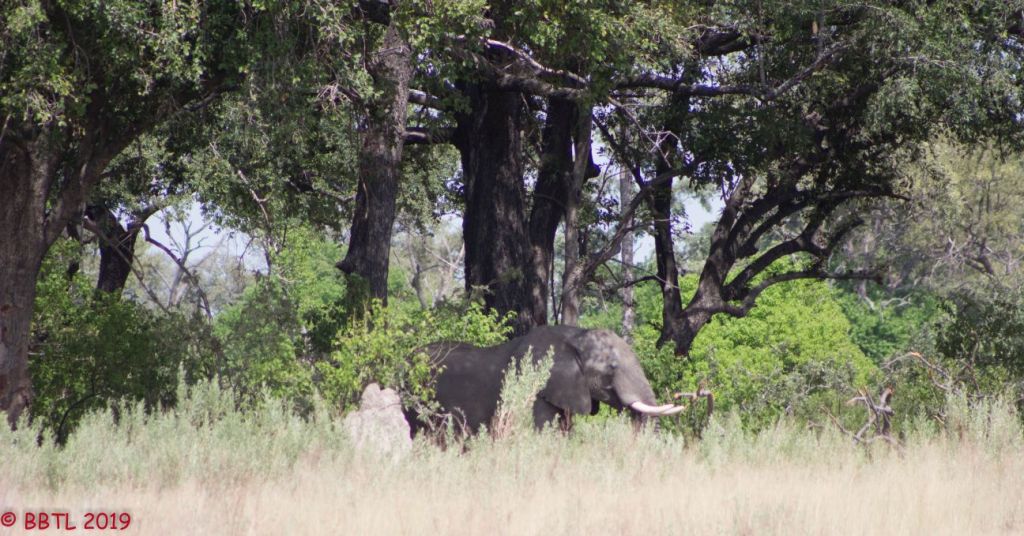
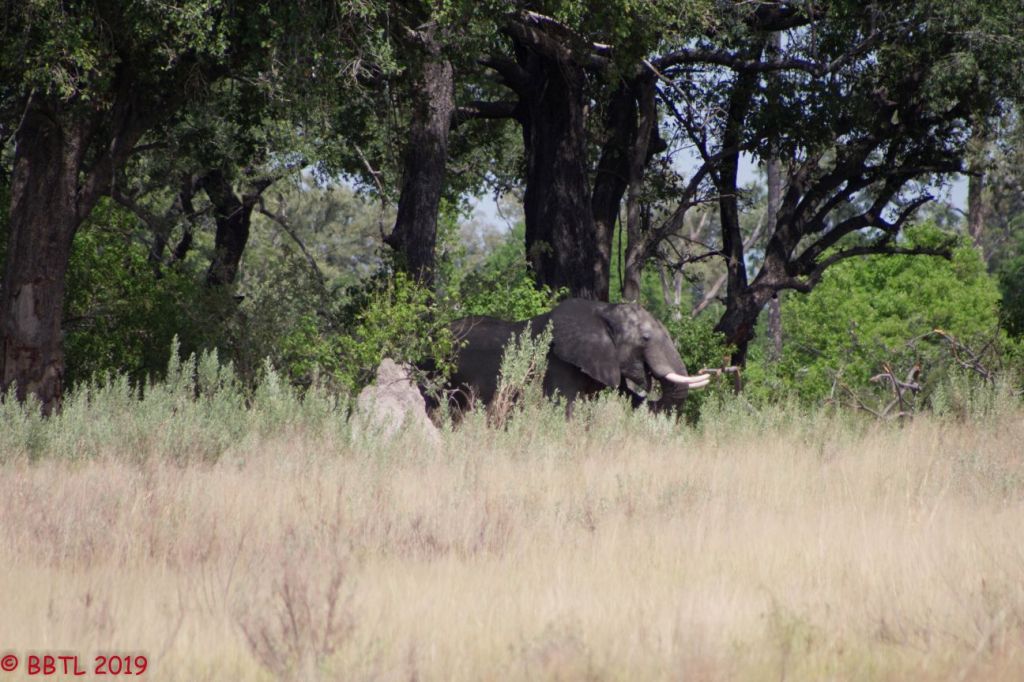
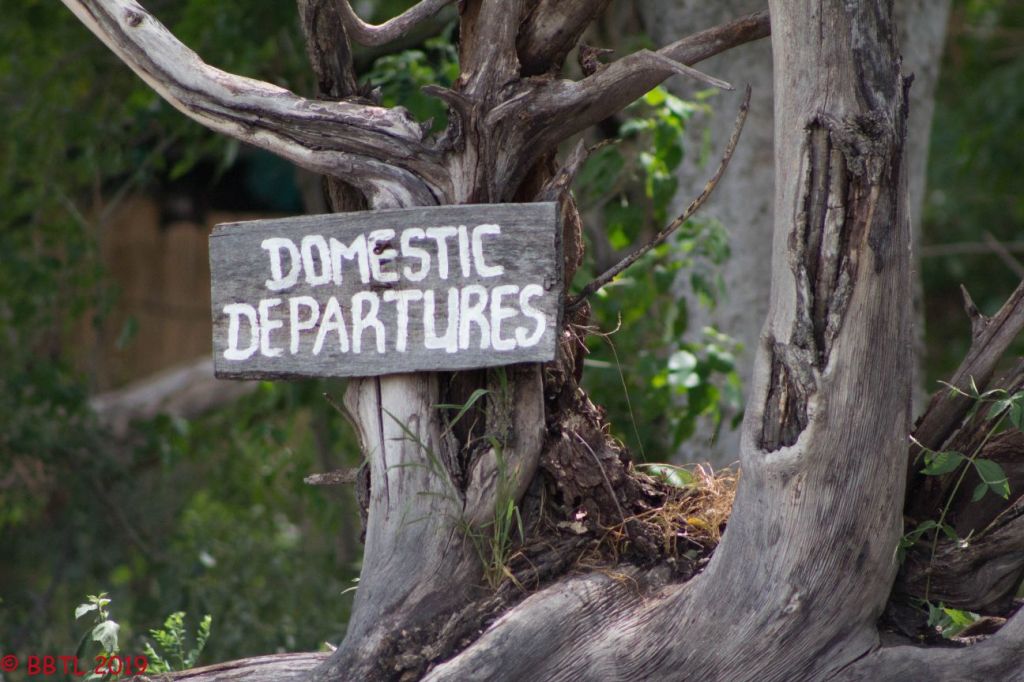
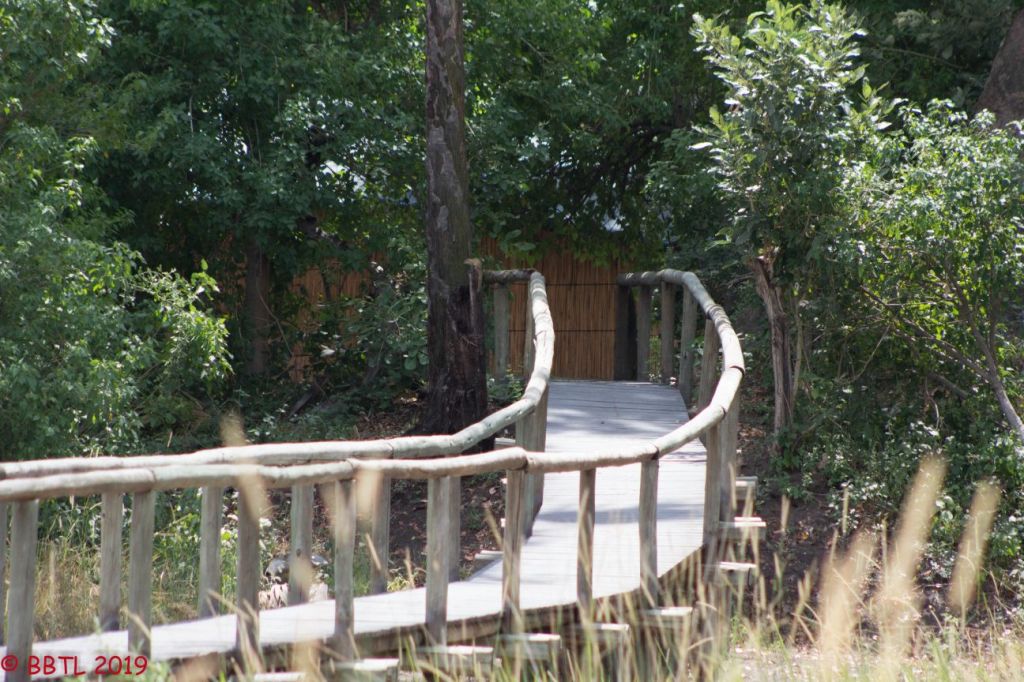
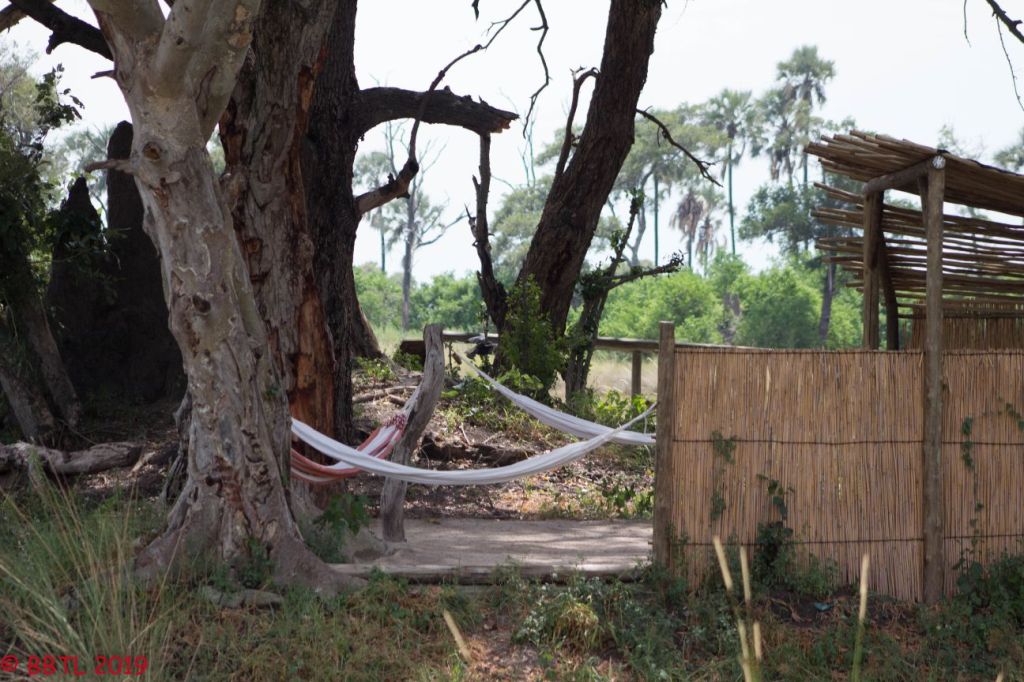
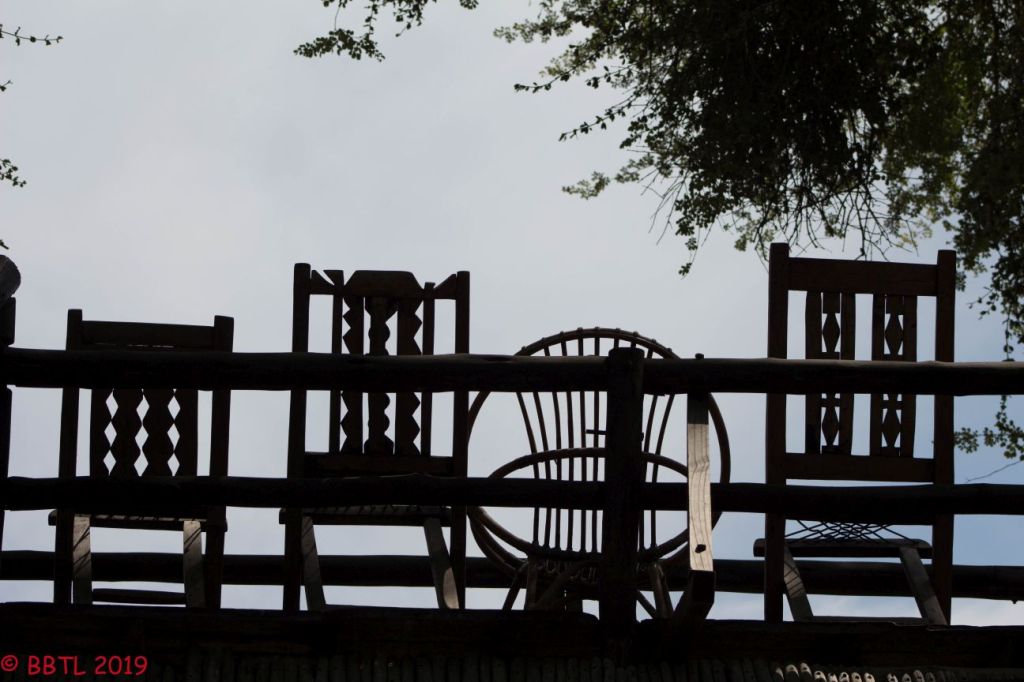
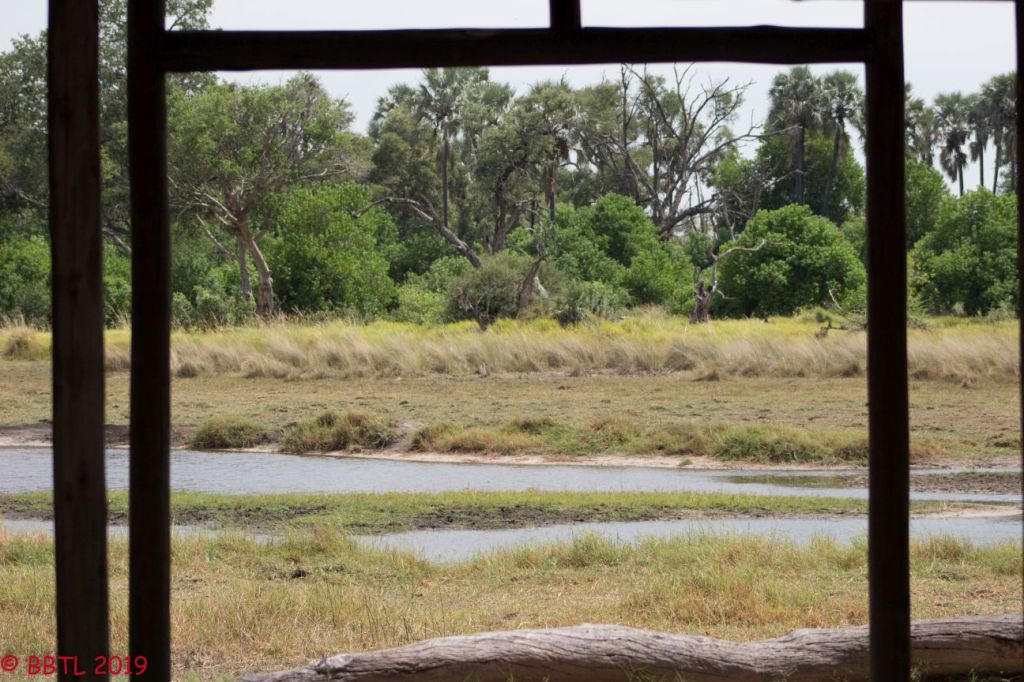
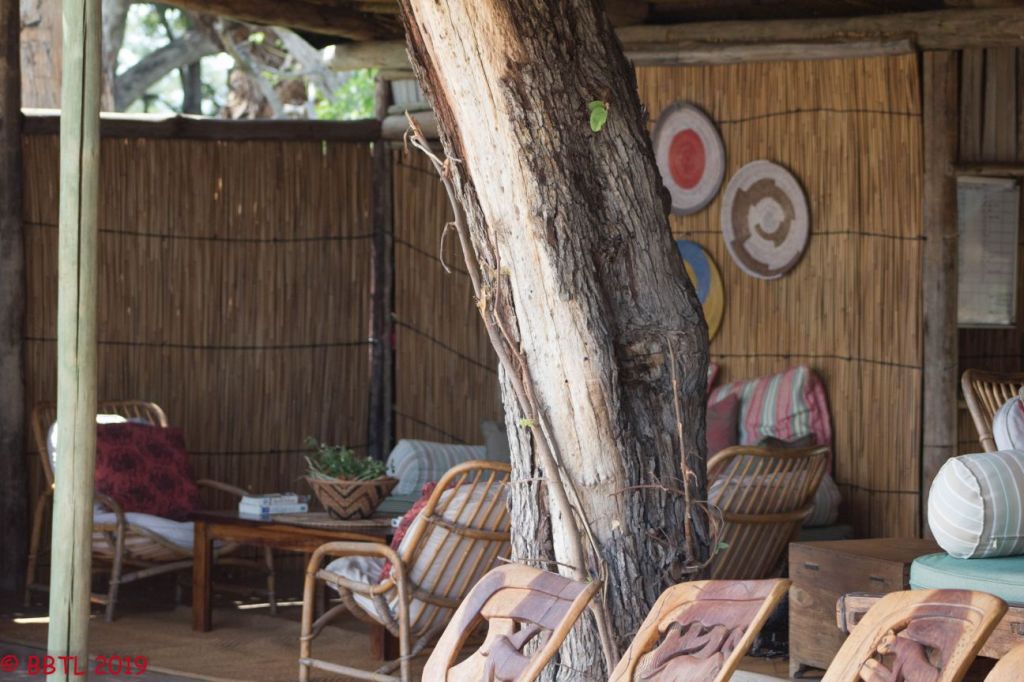
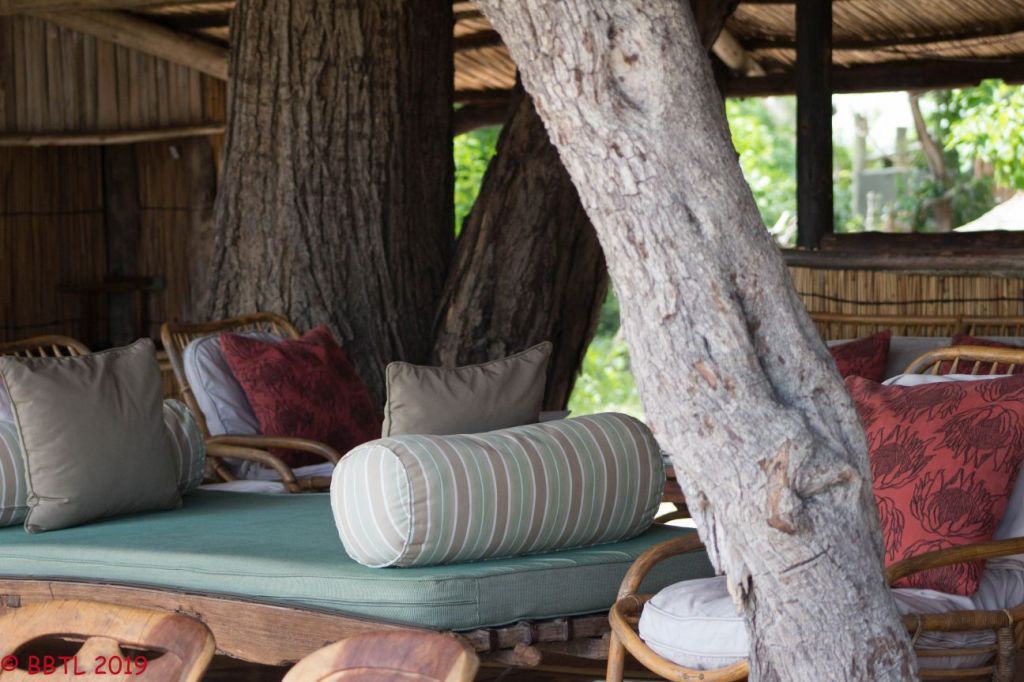
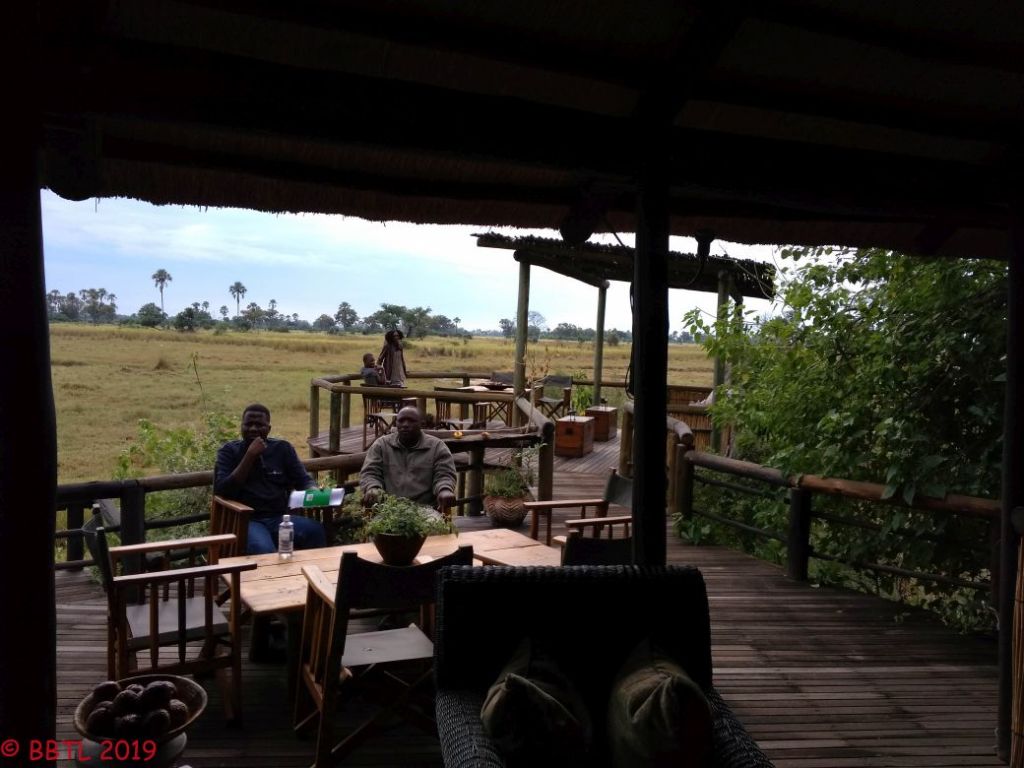
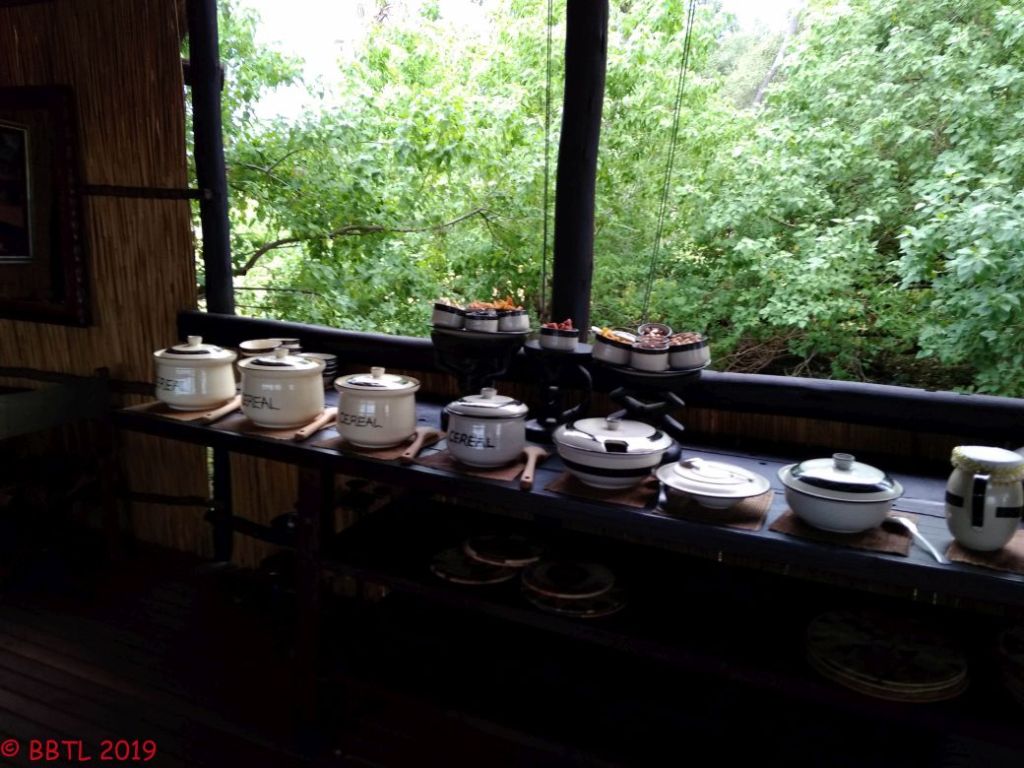
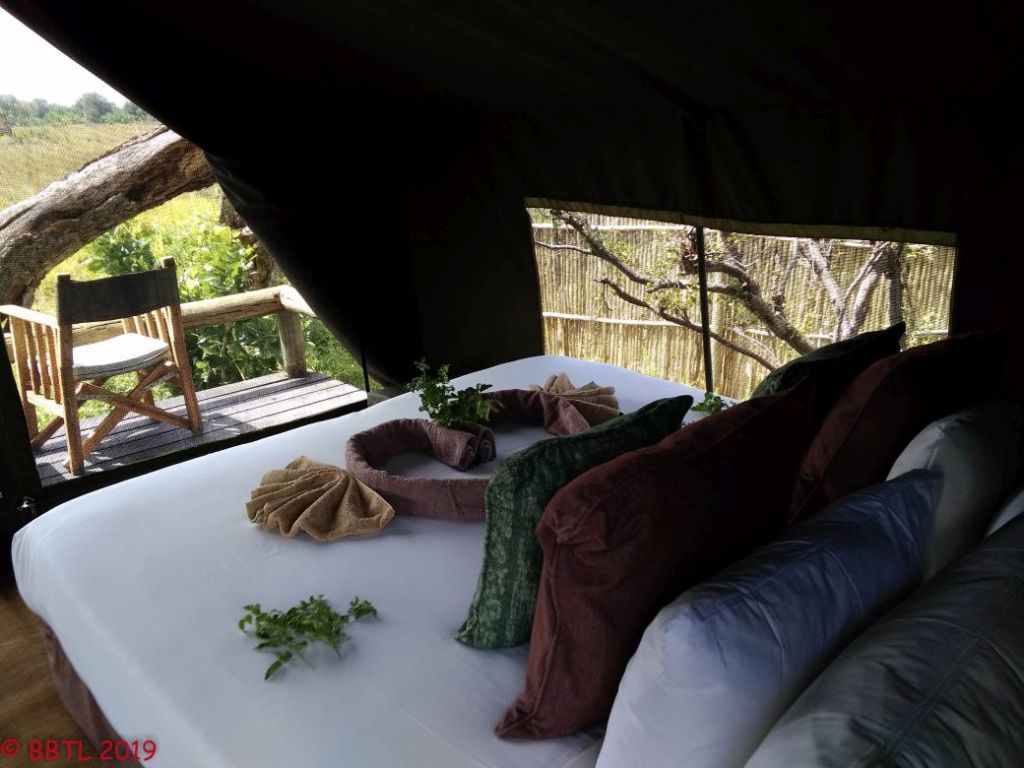
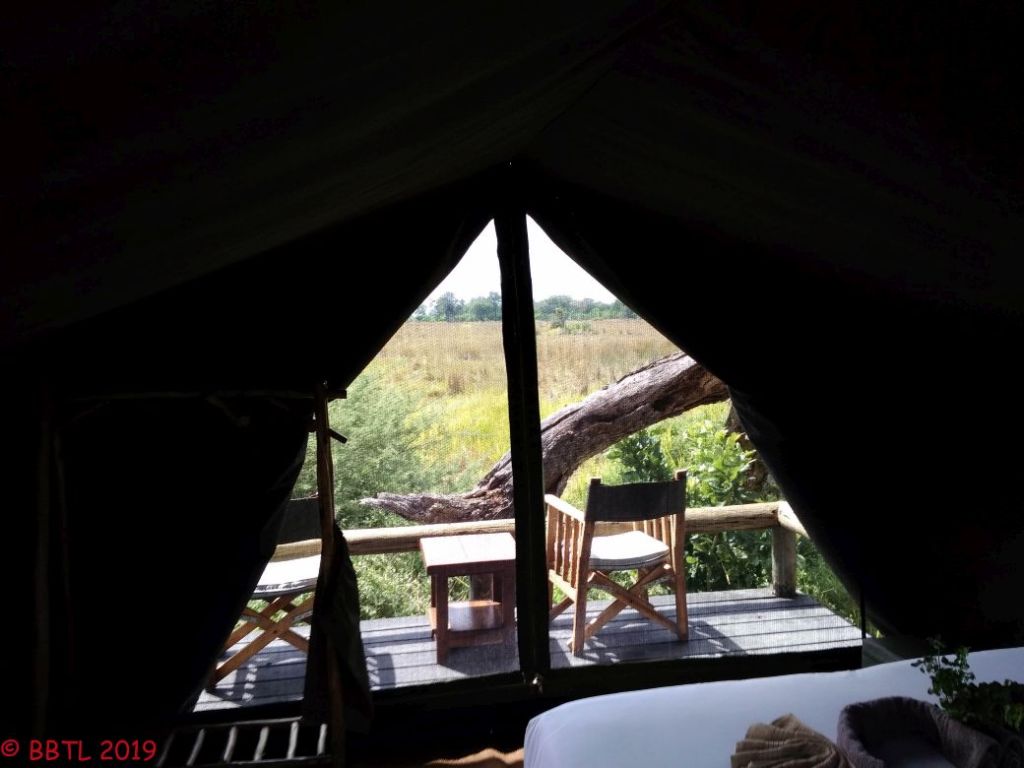
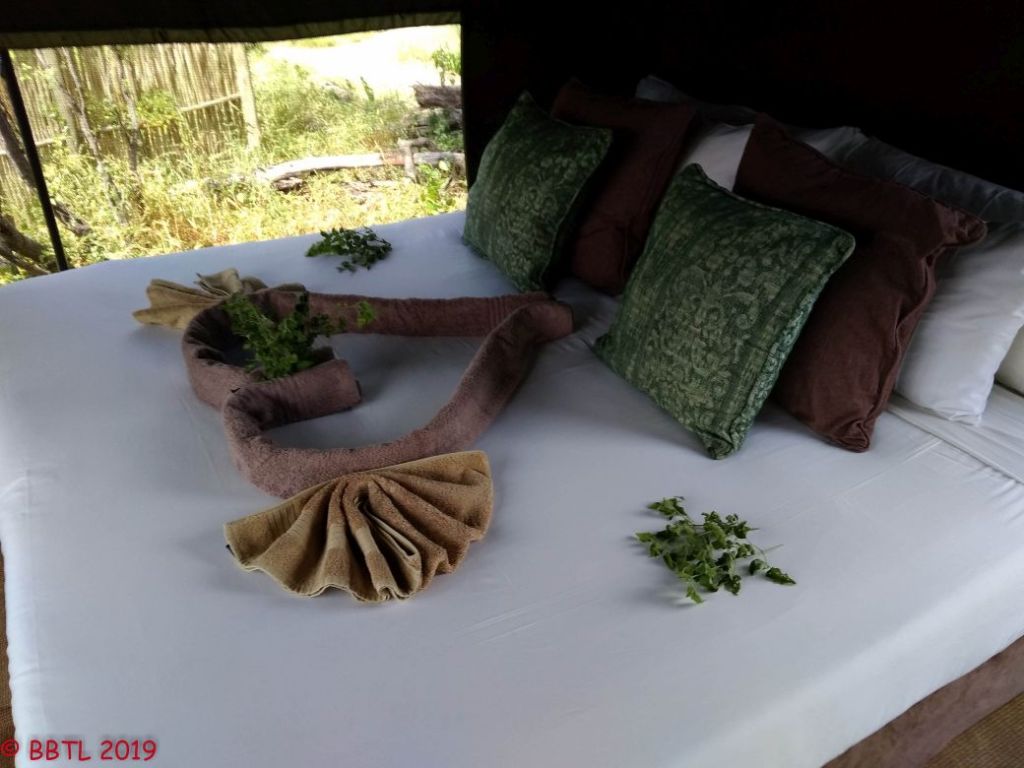
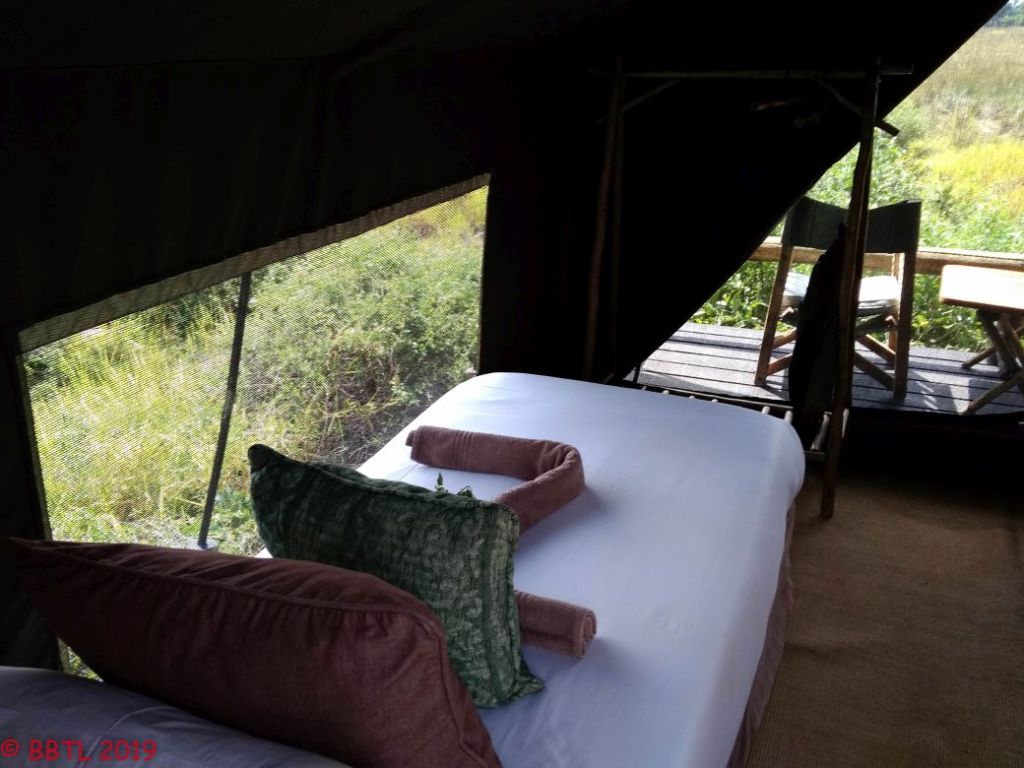
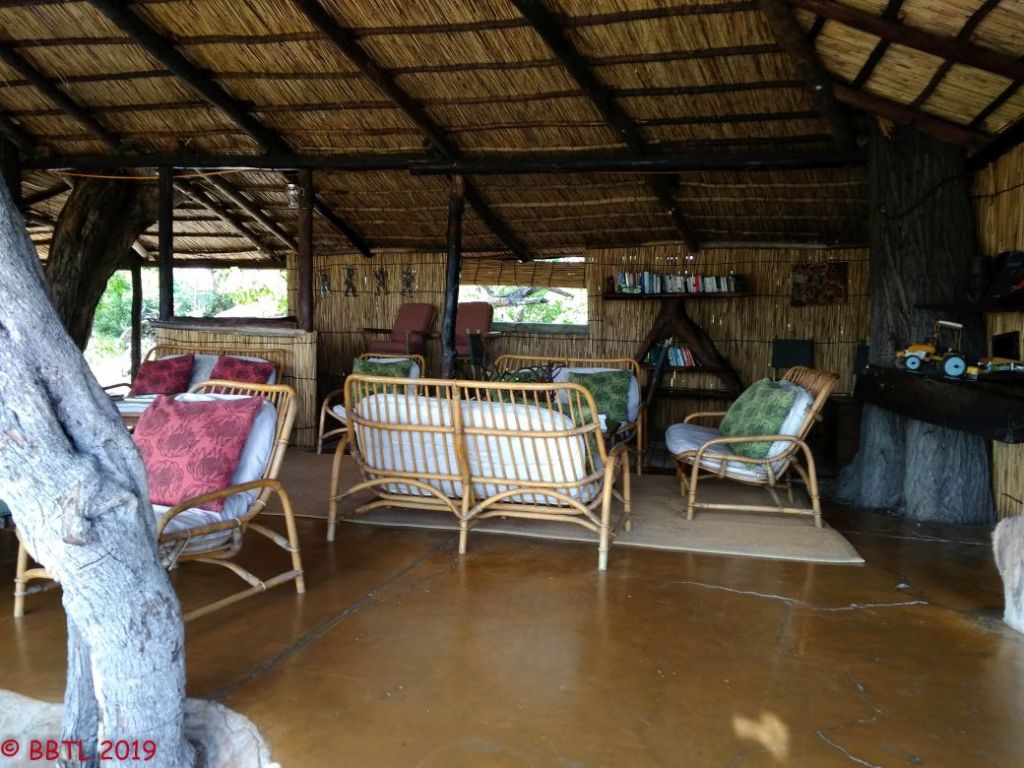
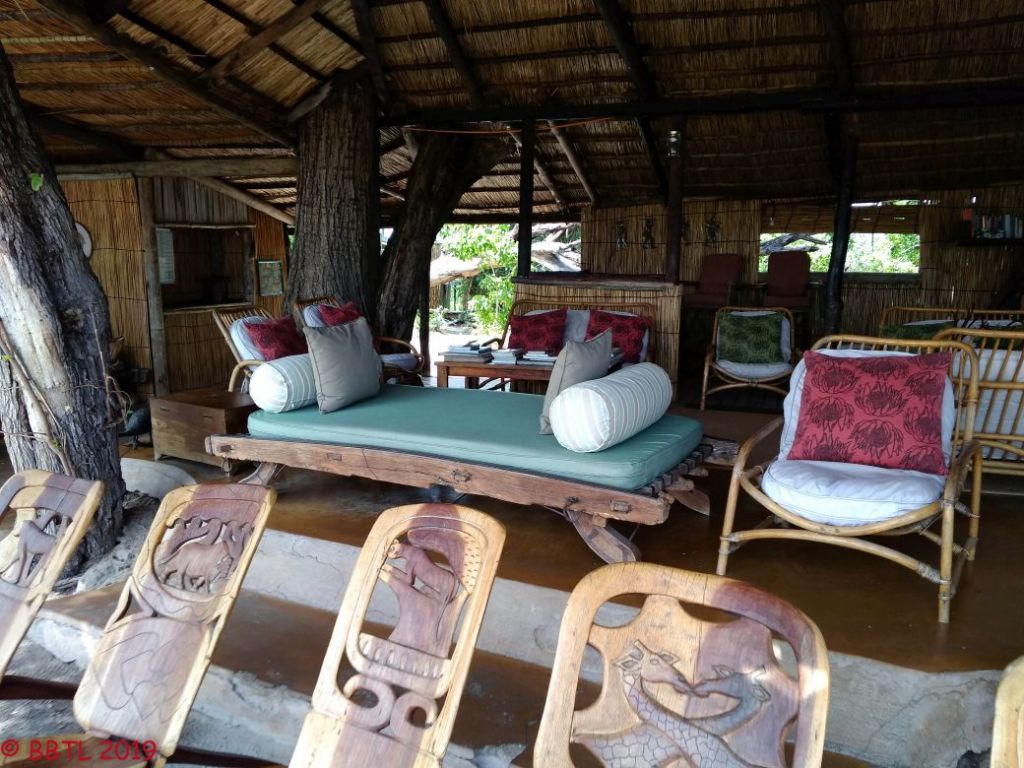
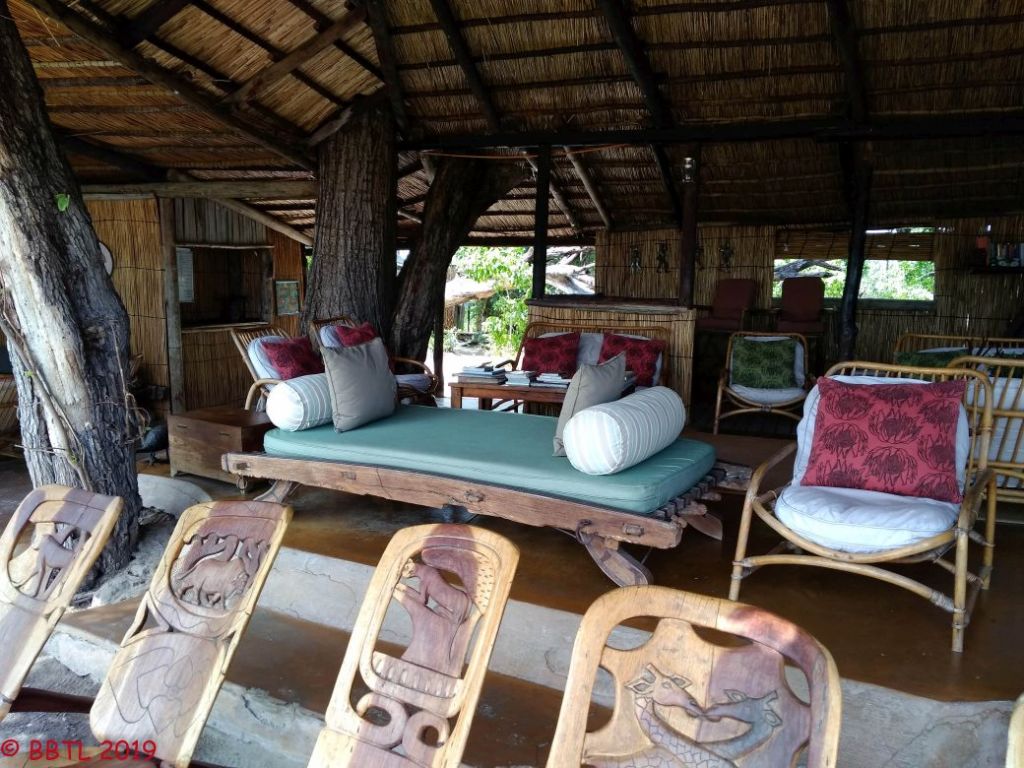
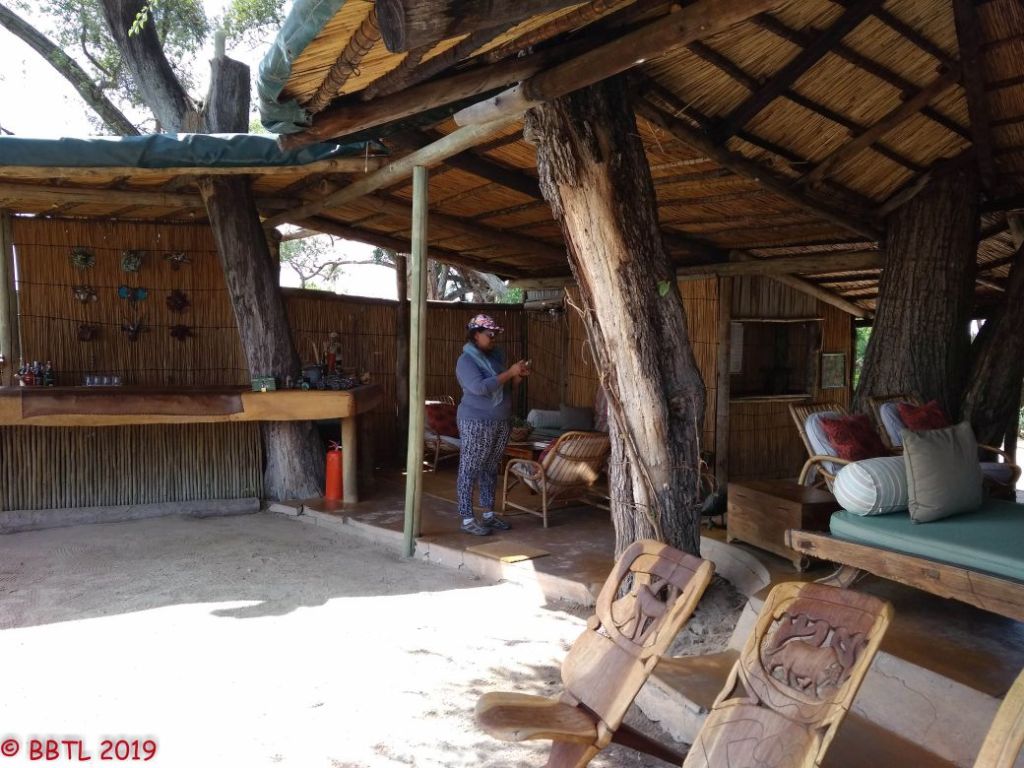
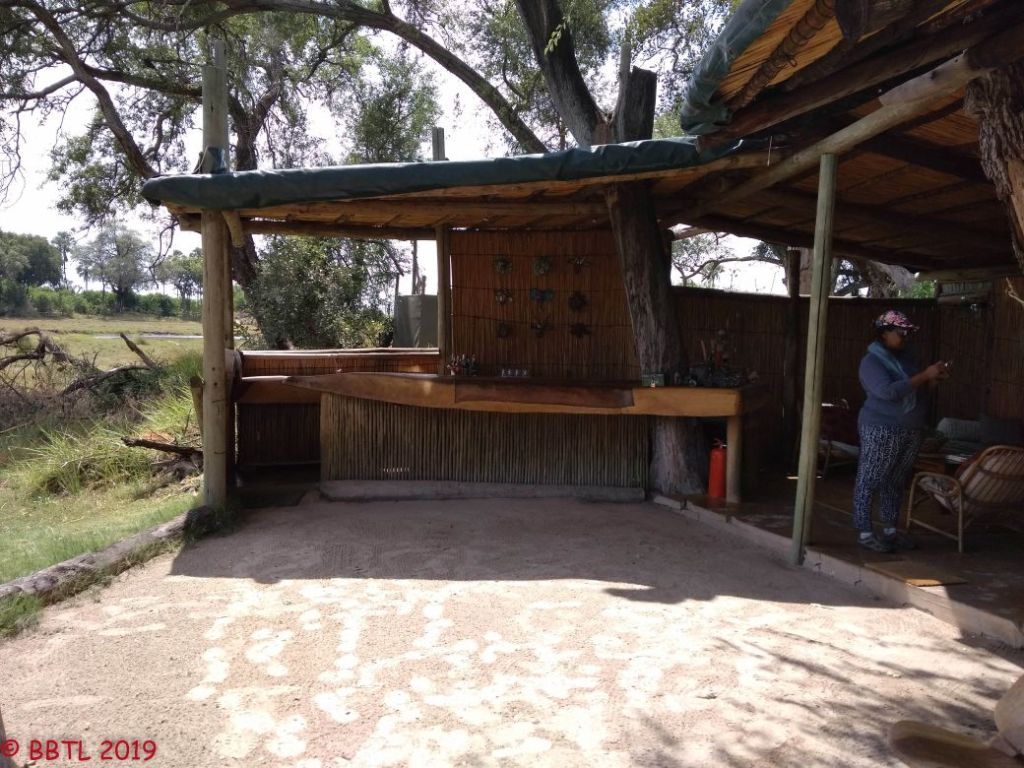
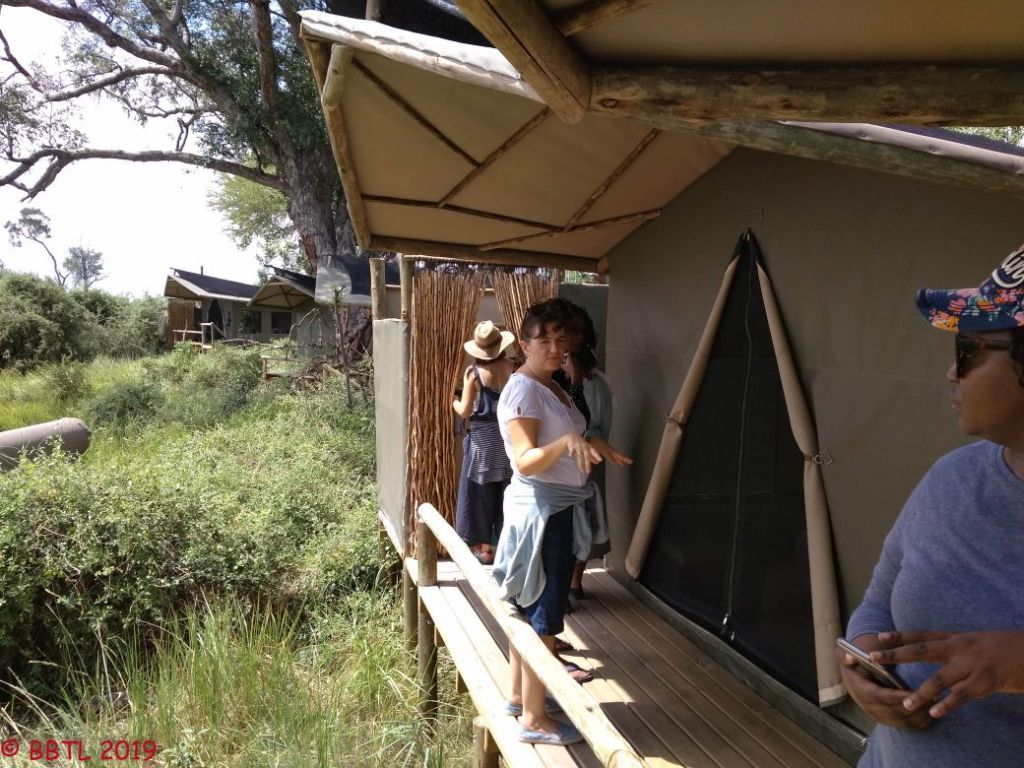
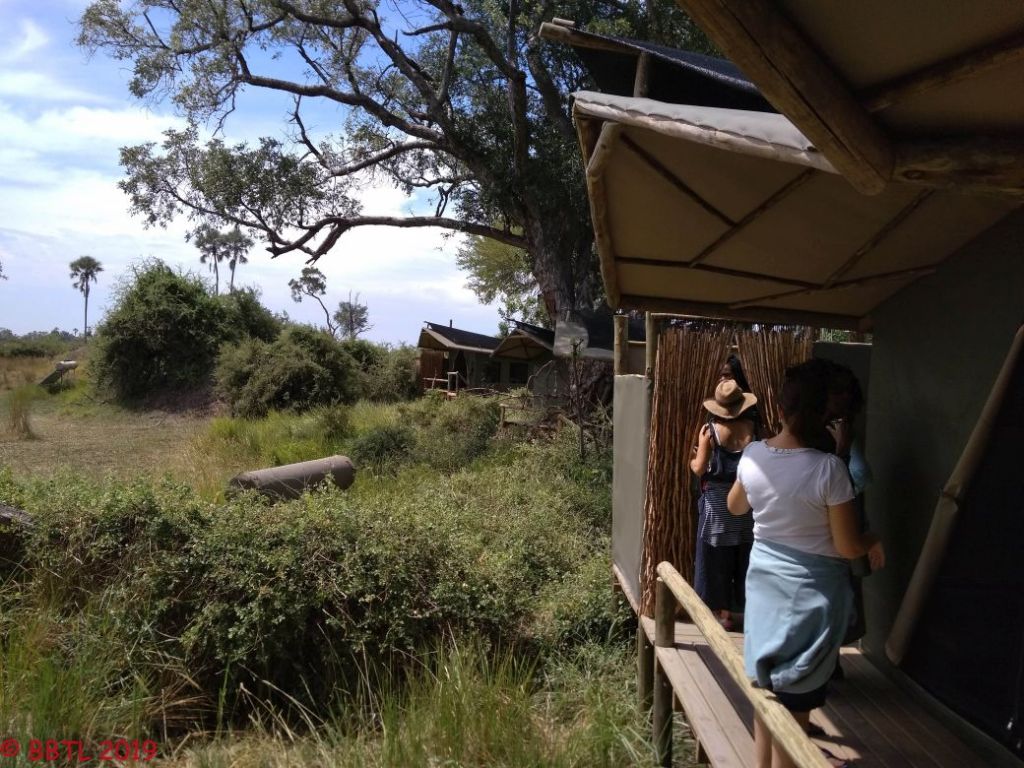
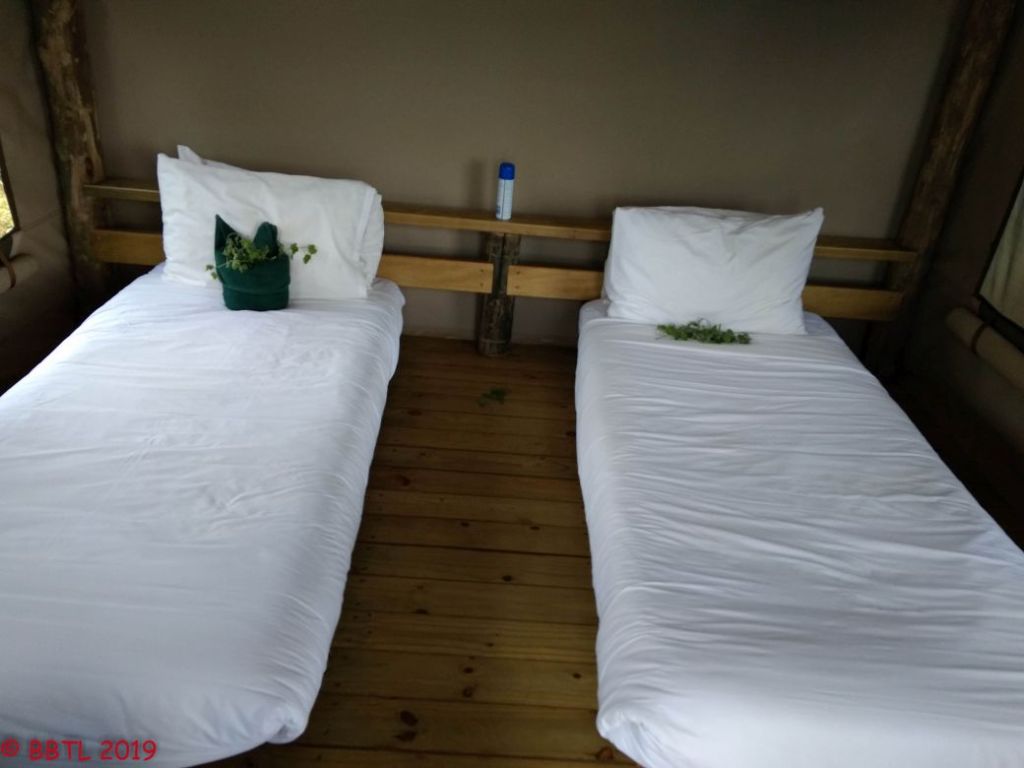
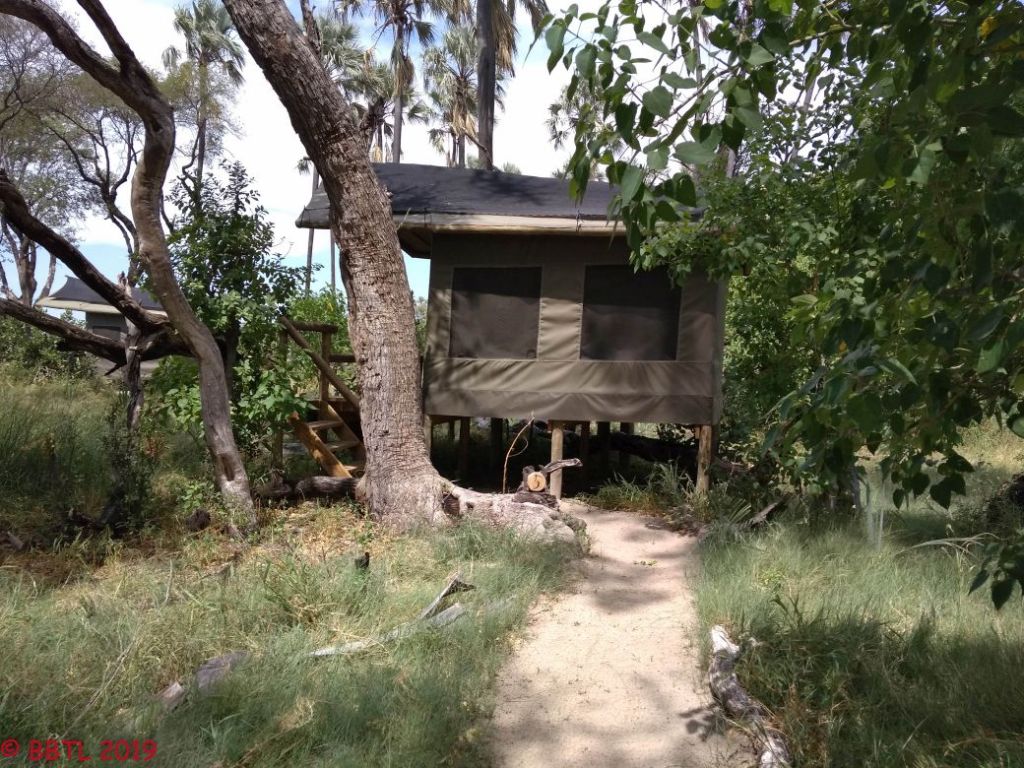
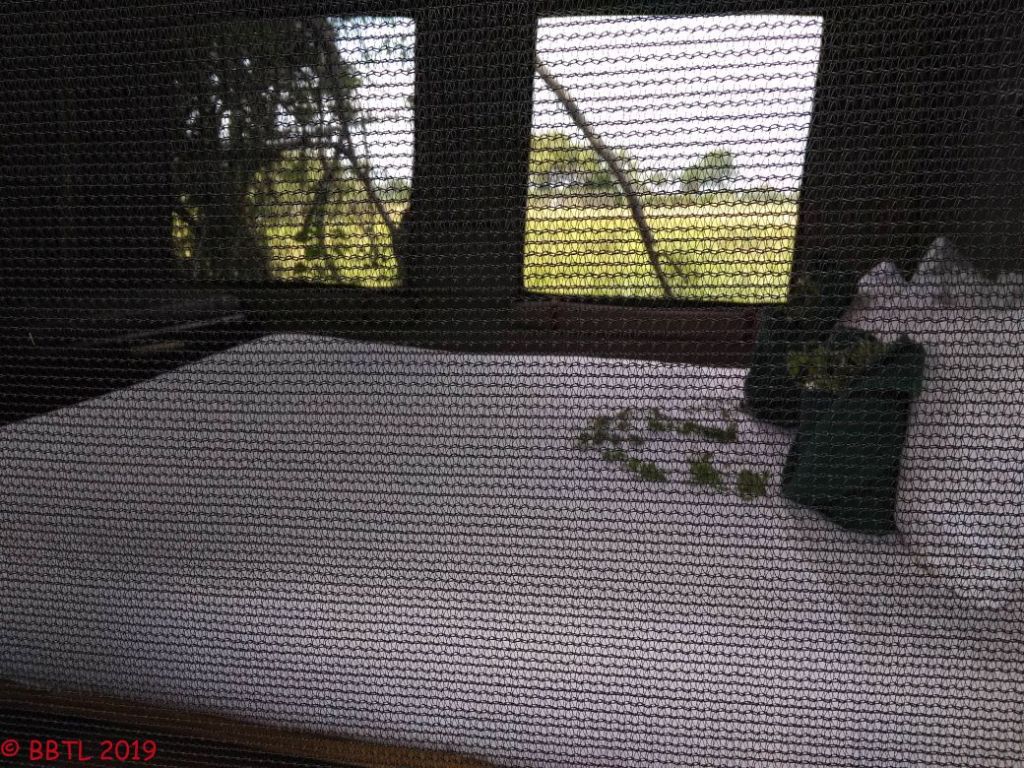
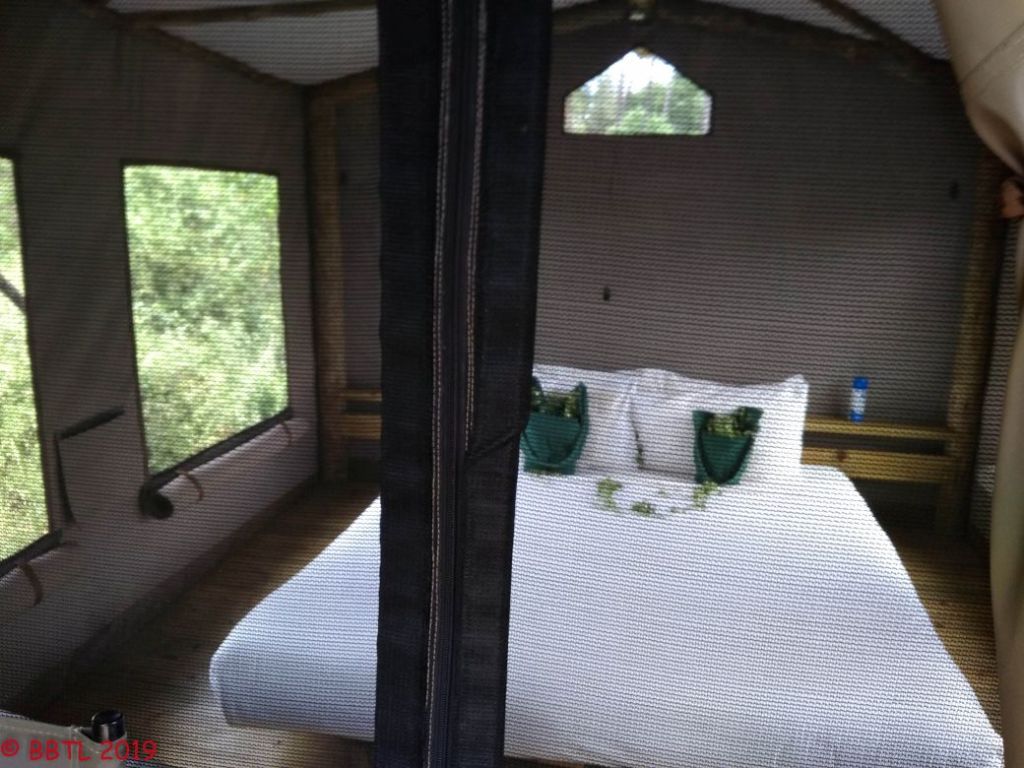
Chobe Safari and Bush Lodge in Kasane
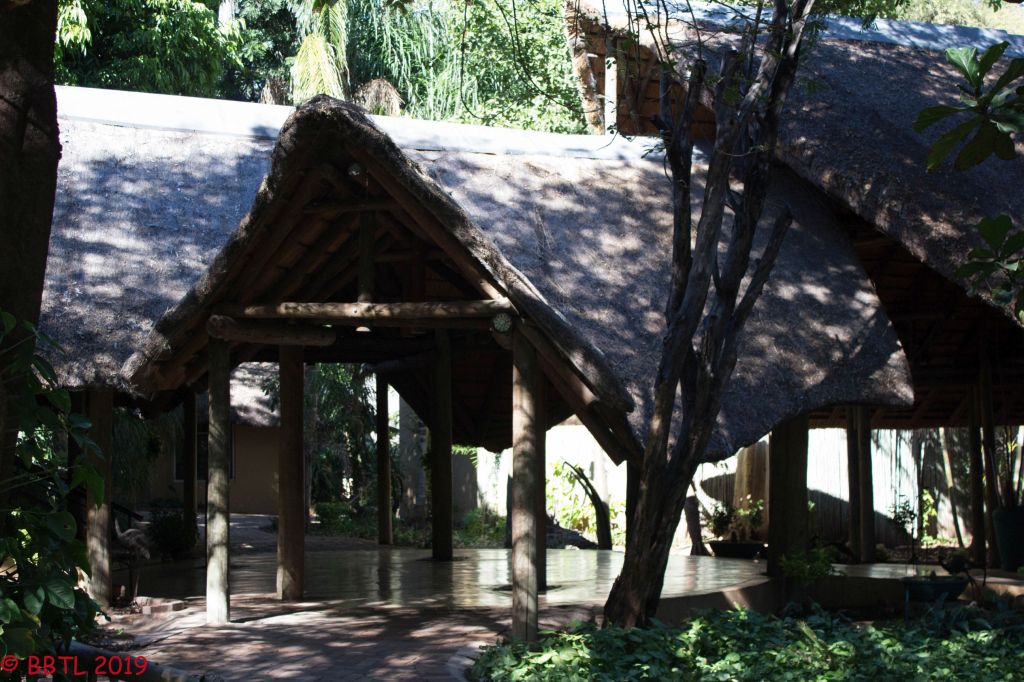
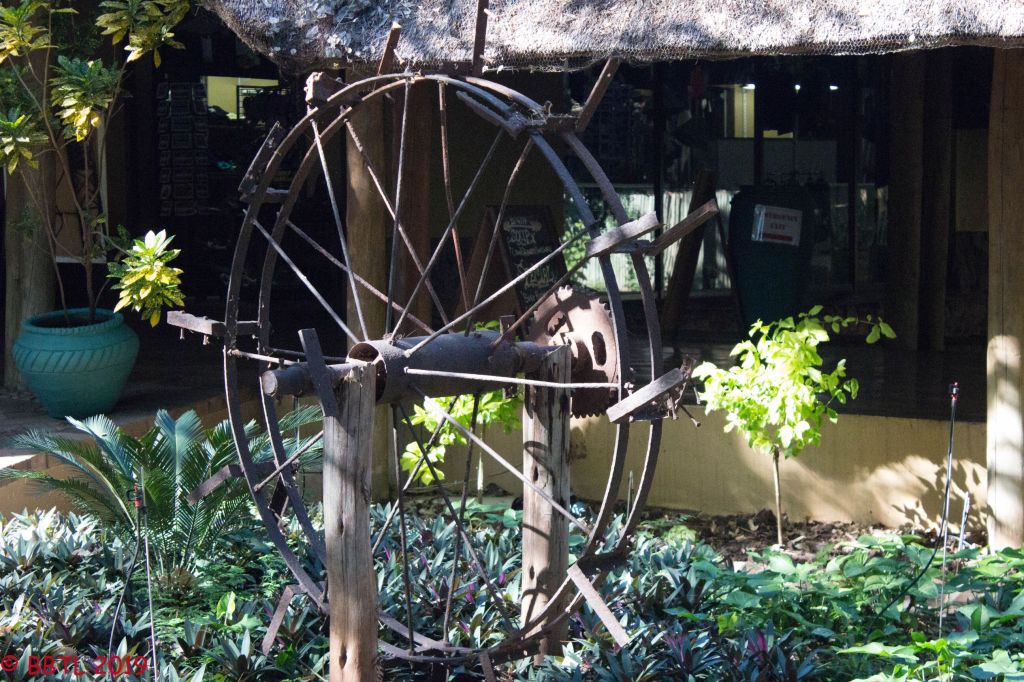
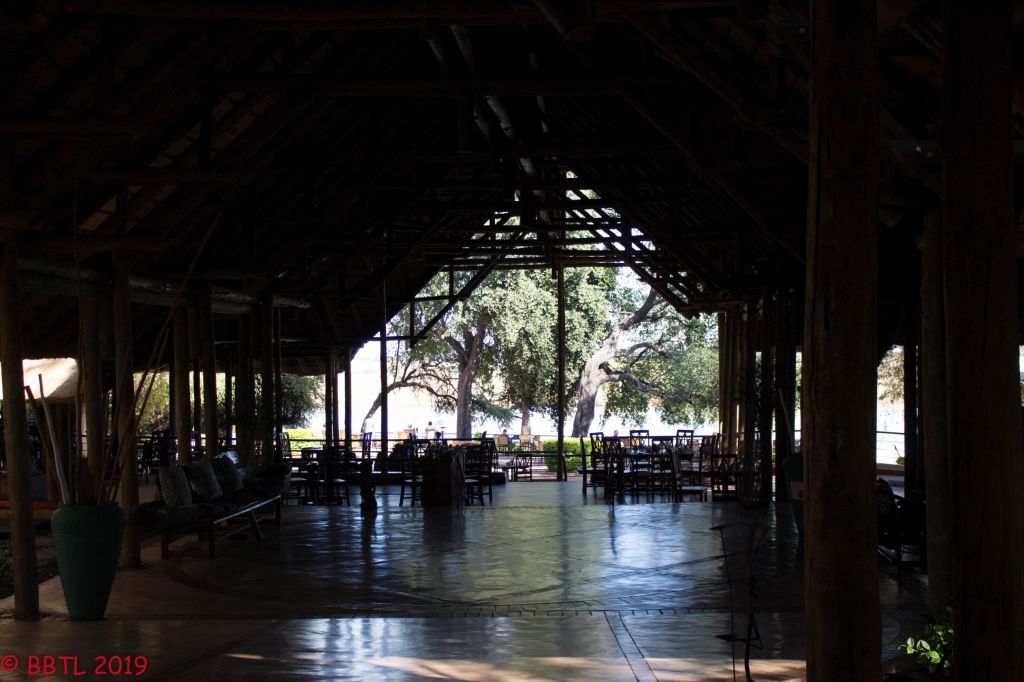
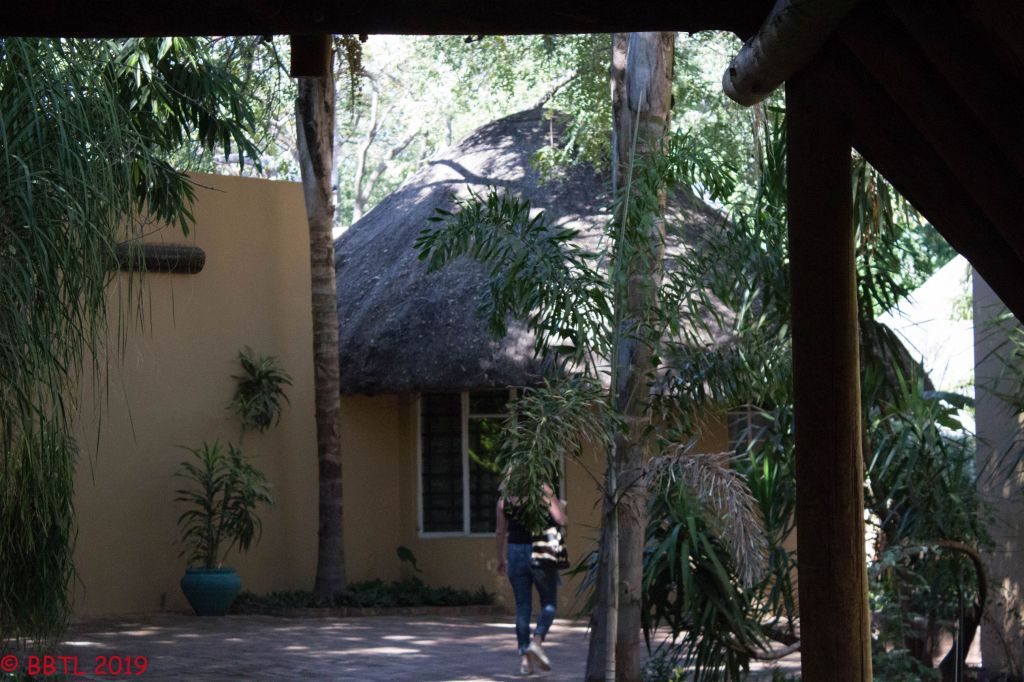
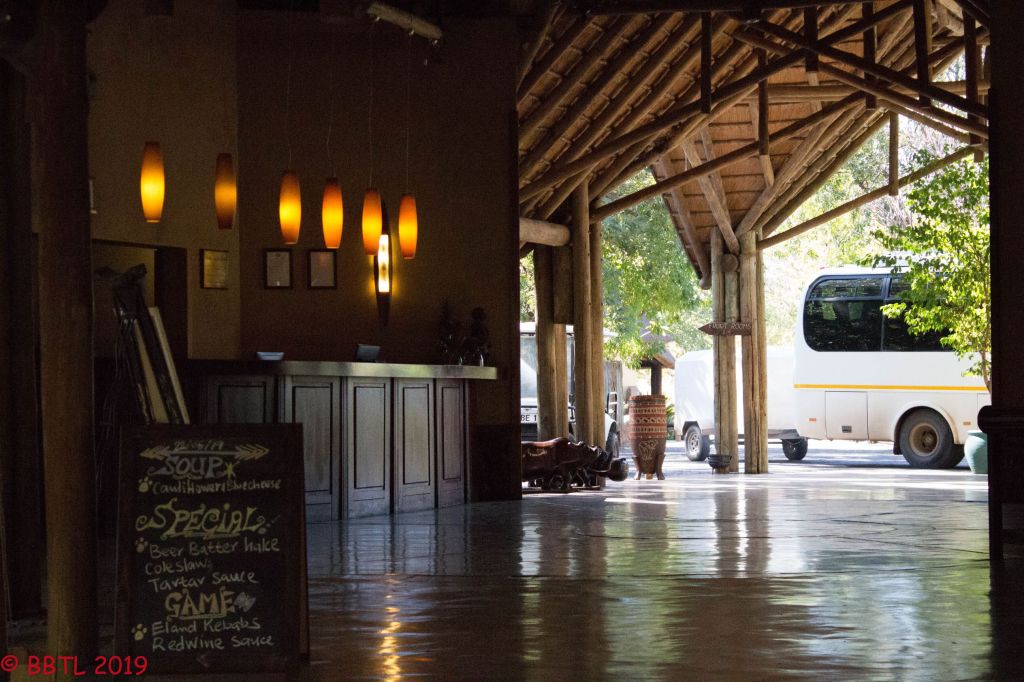
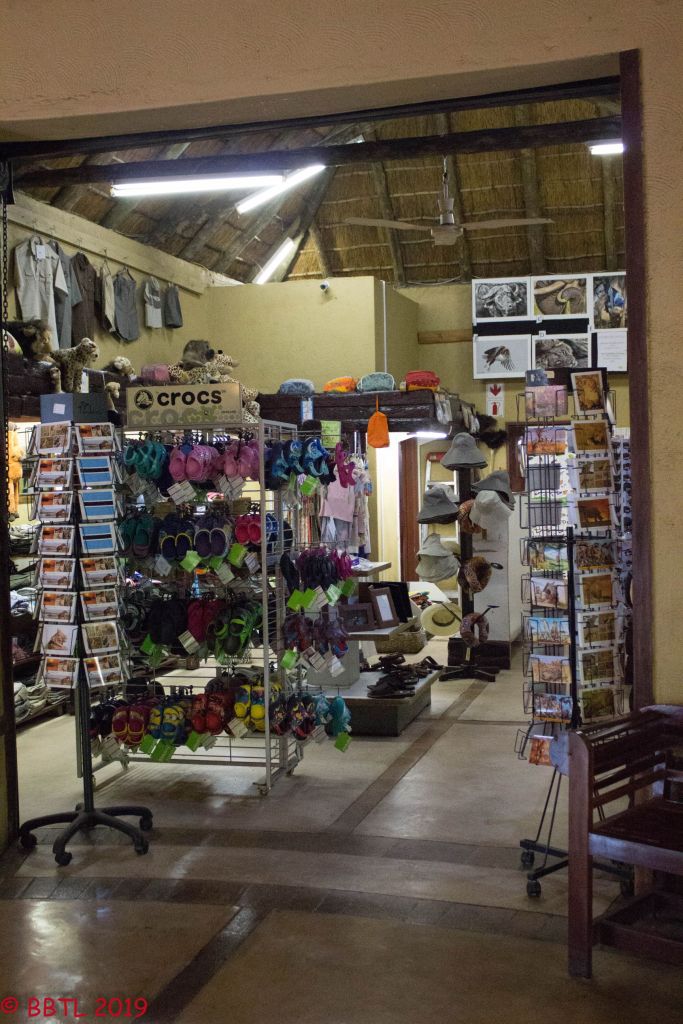
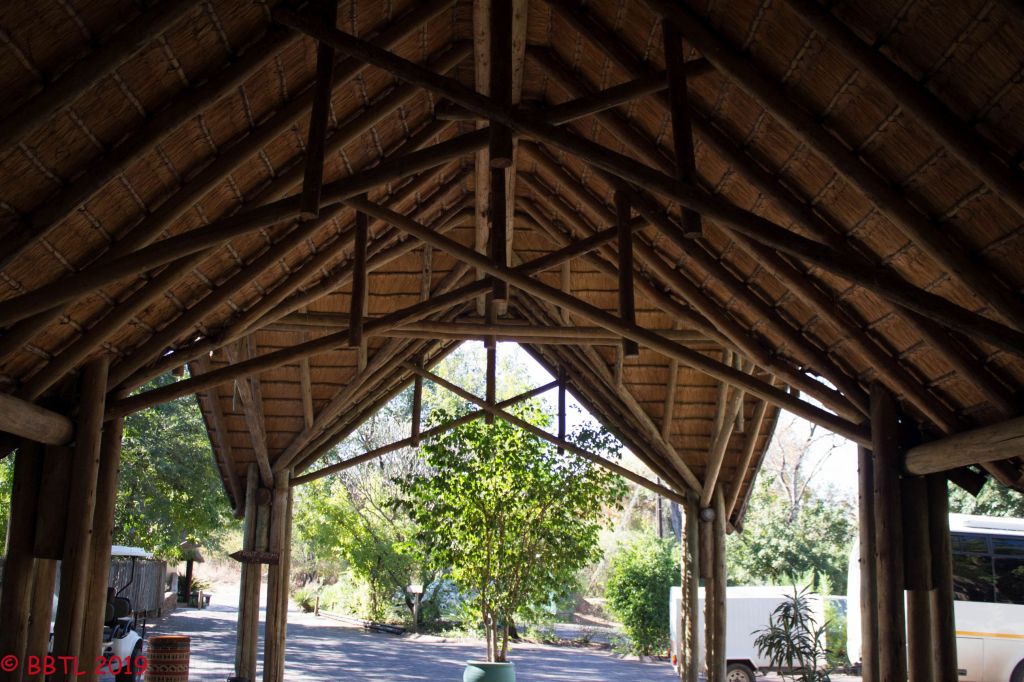
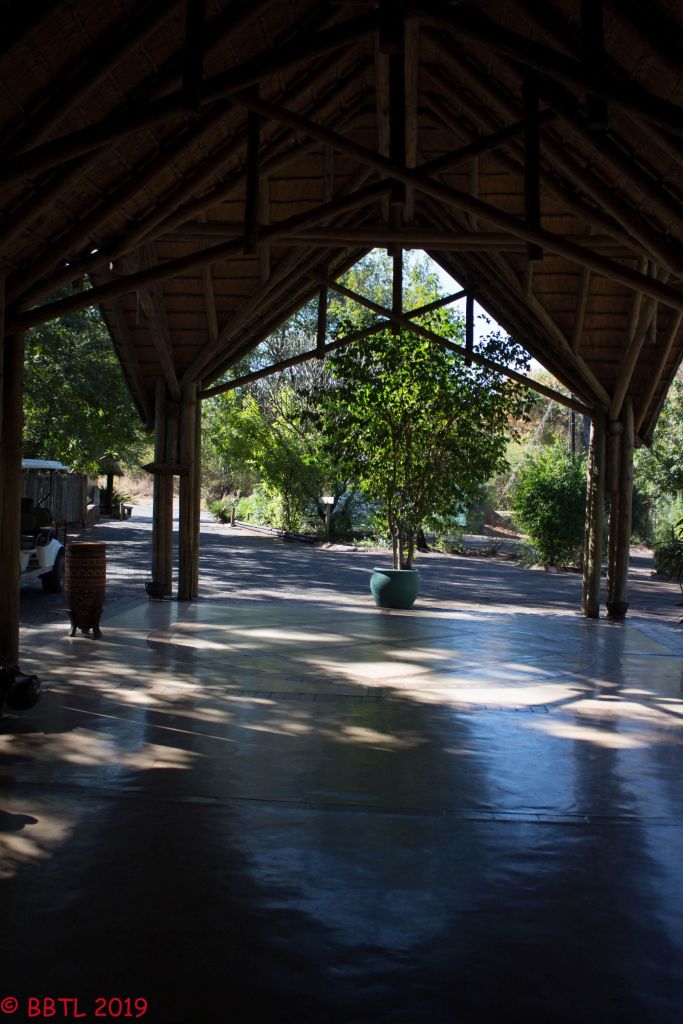
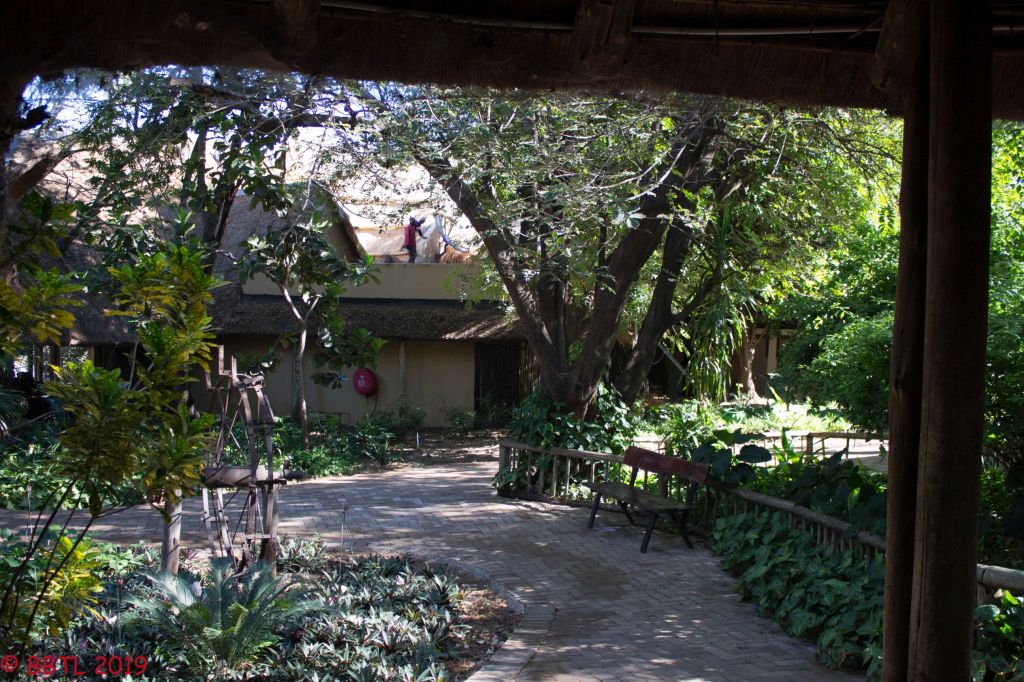
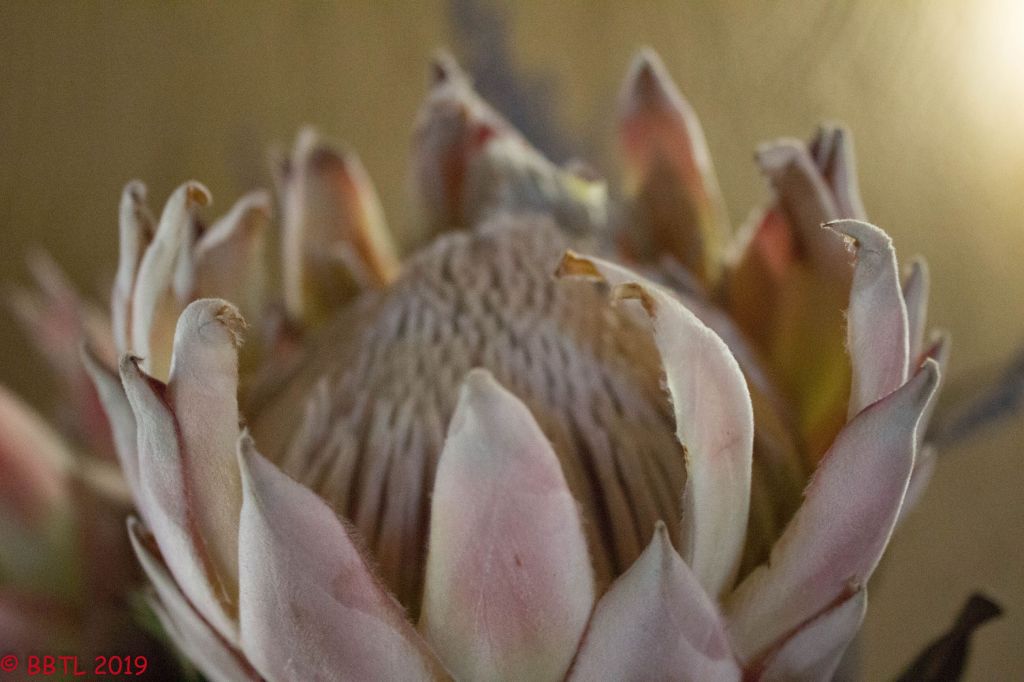
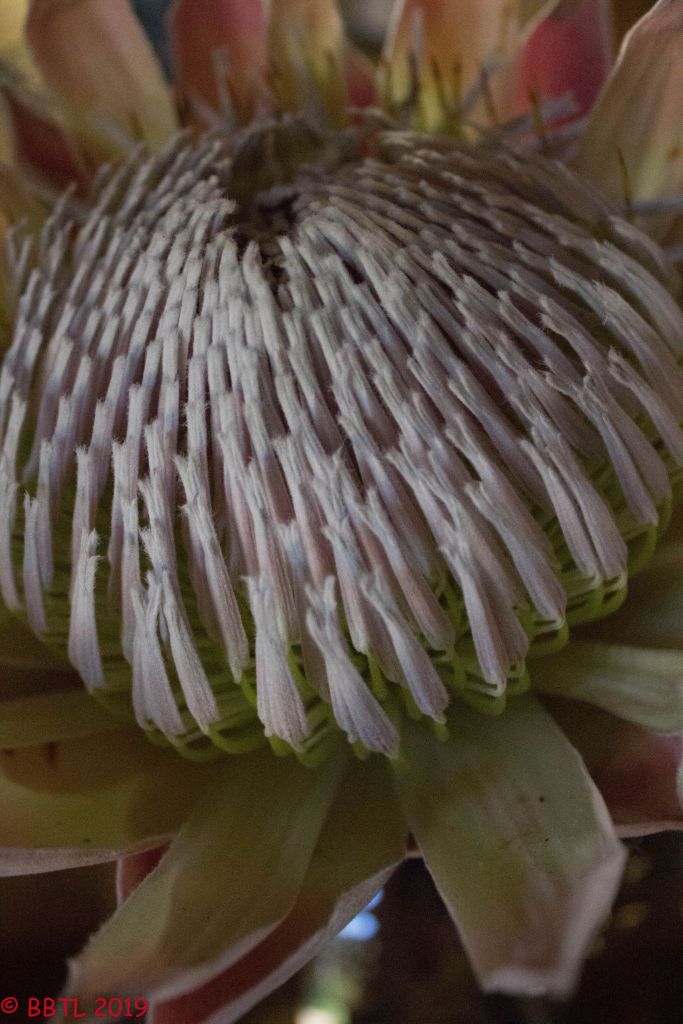
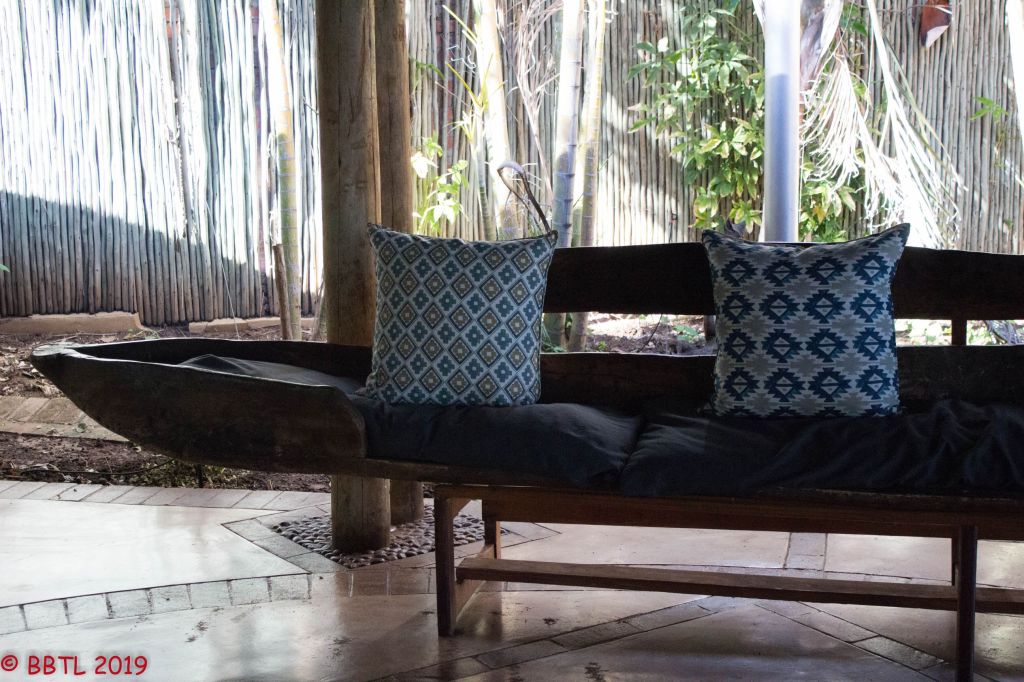
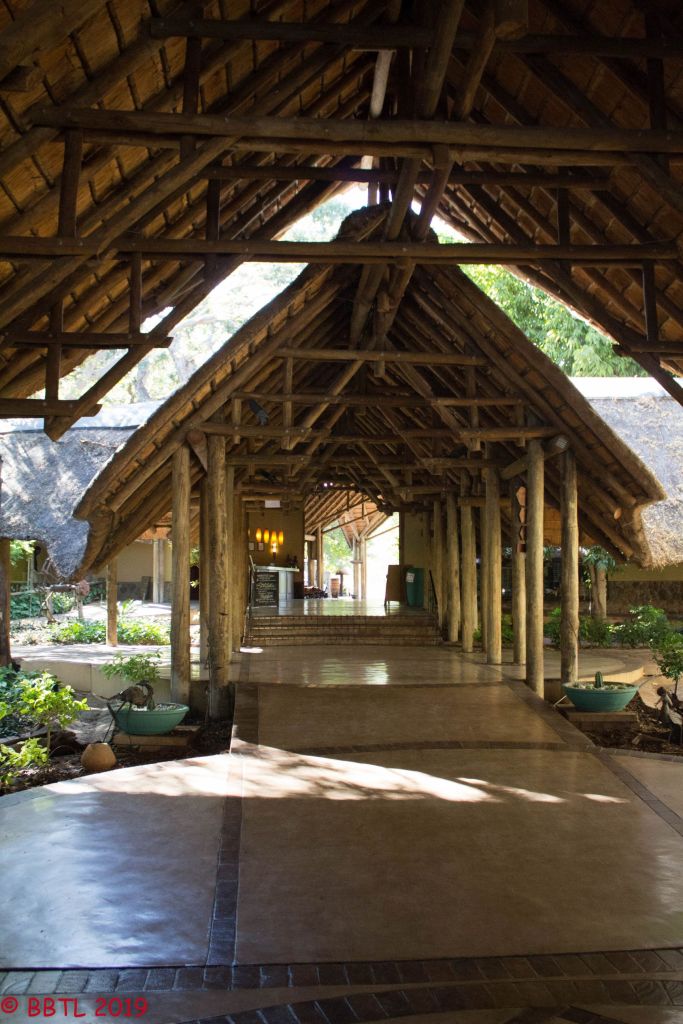
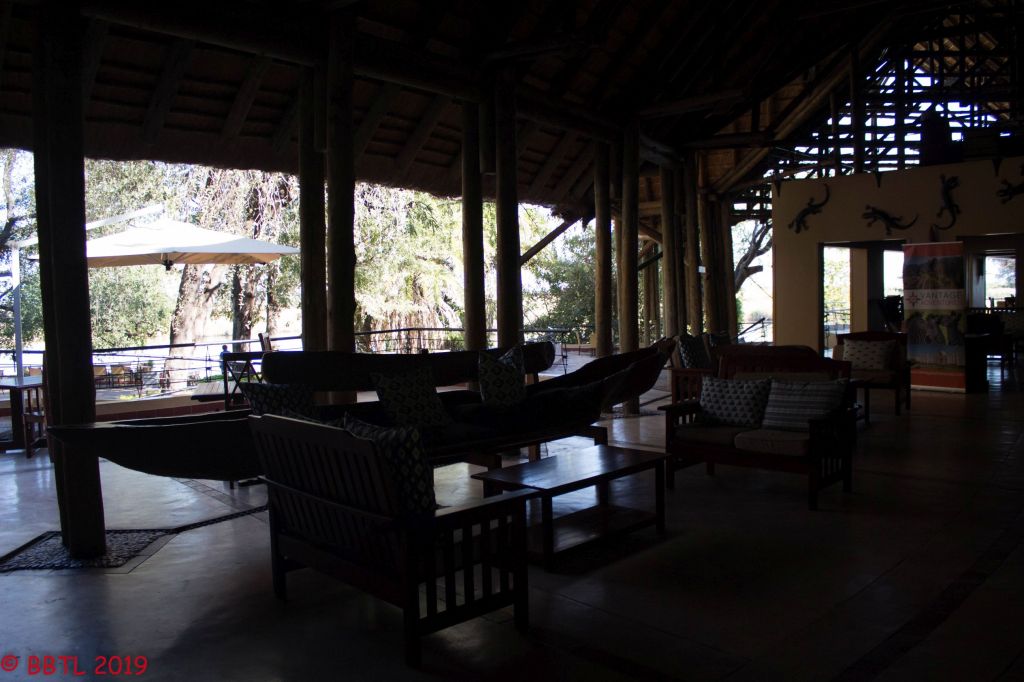
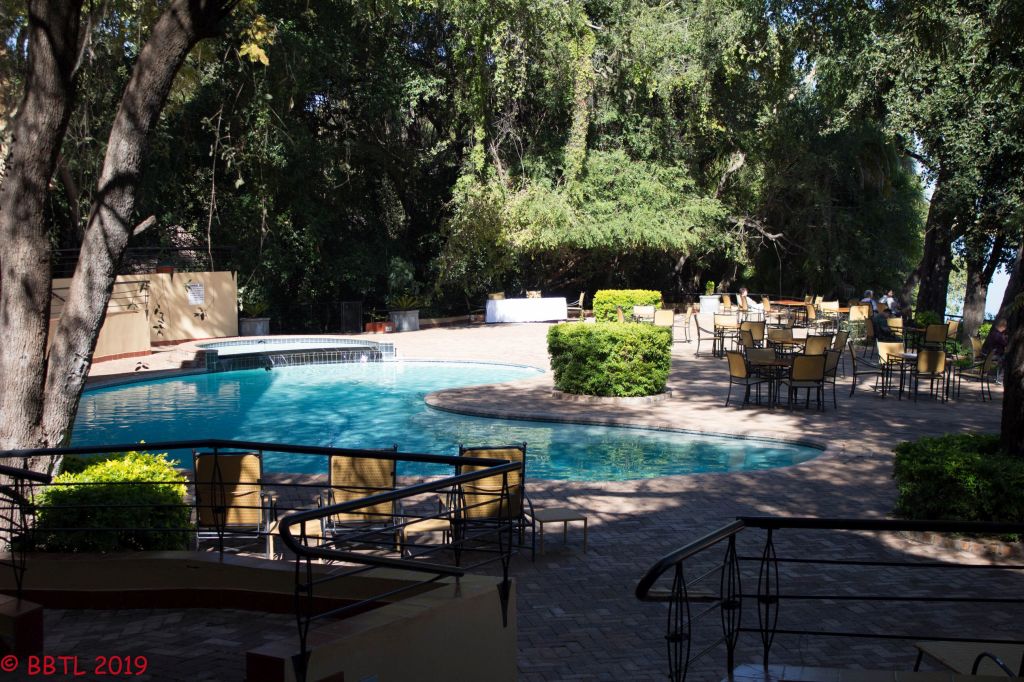
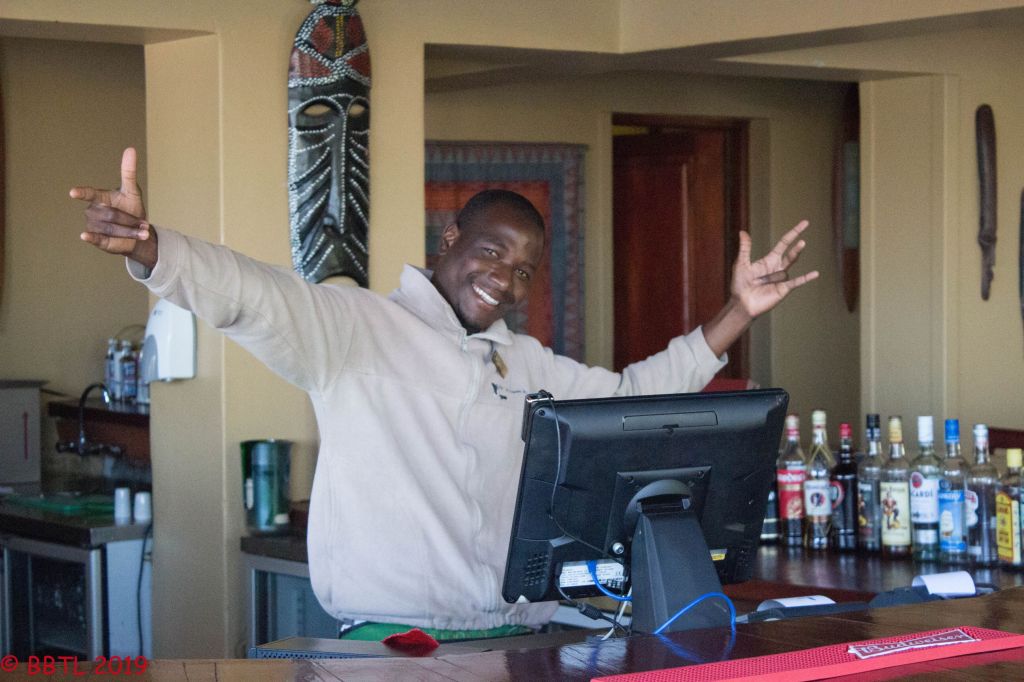
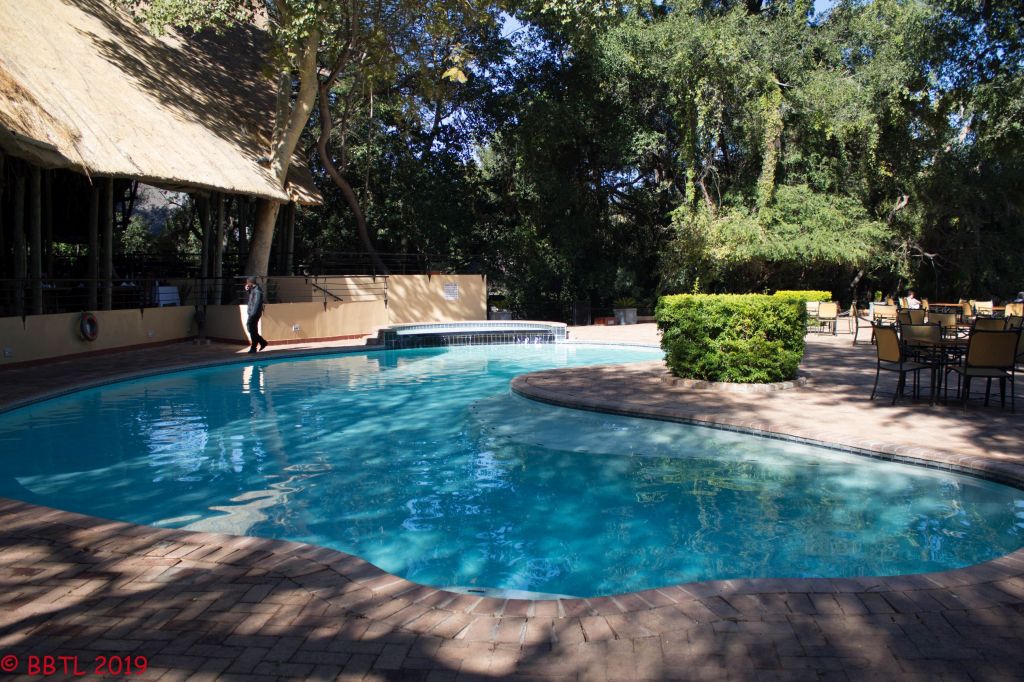
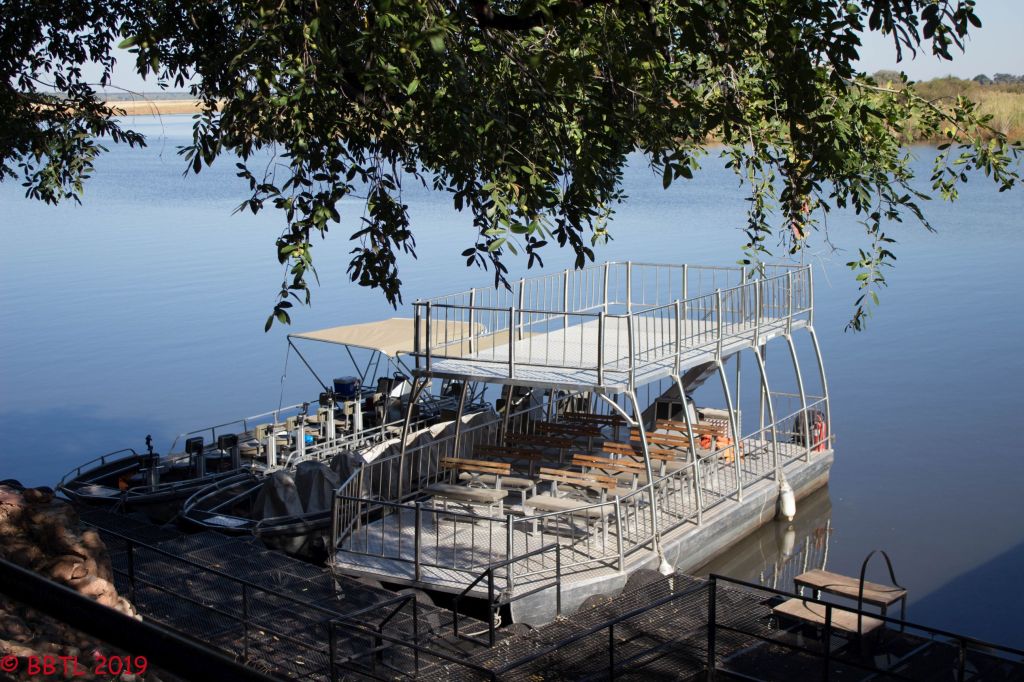
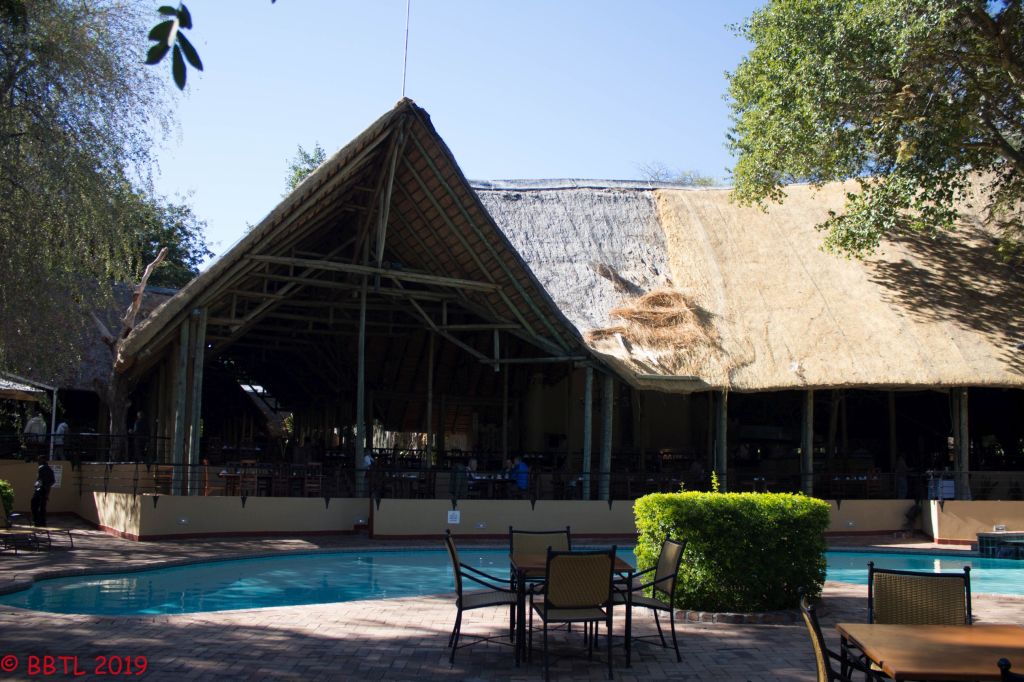
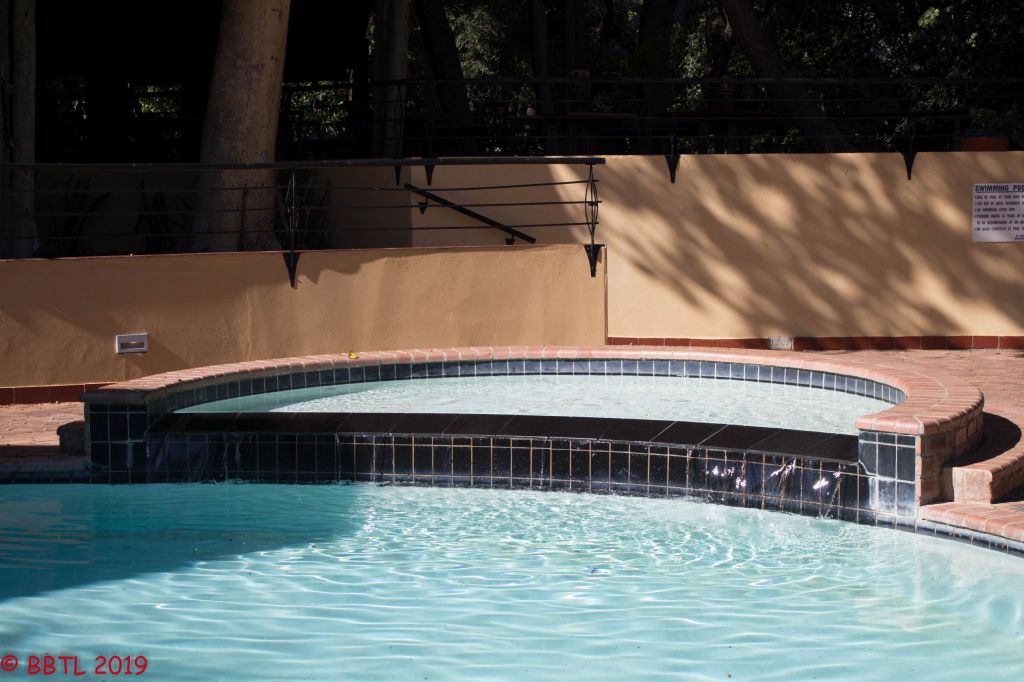
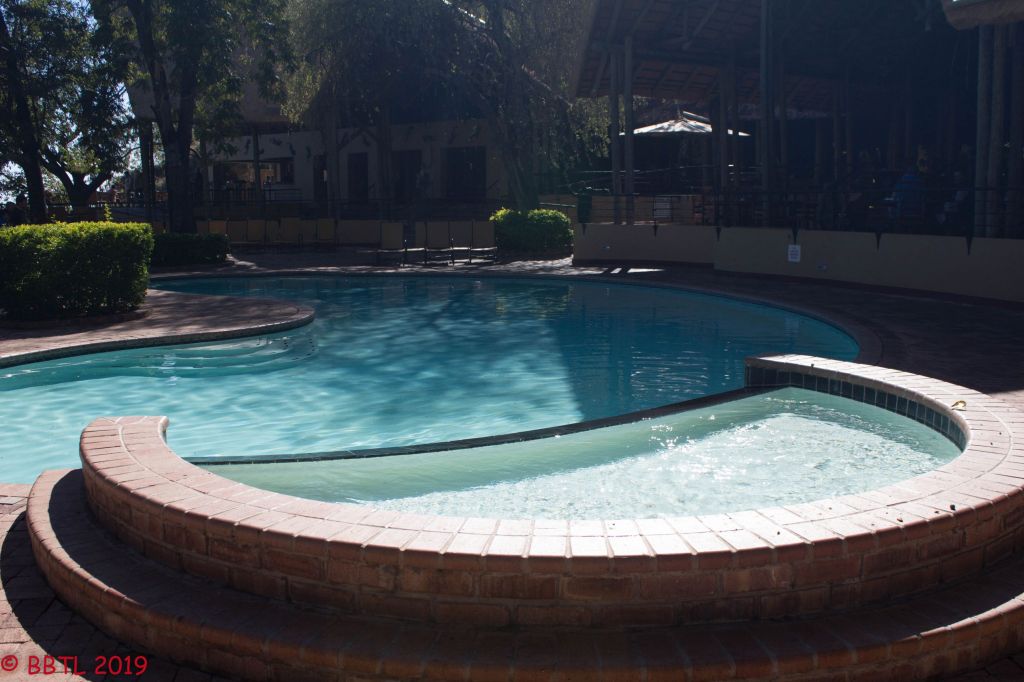
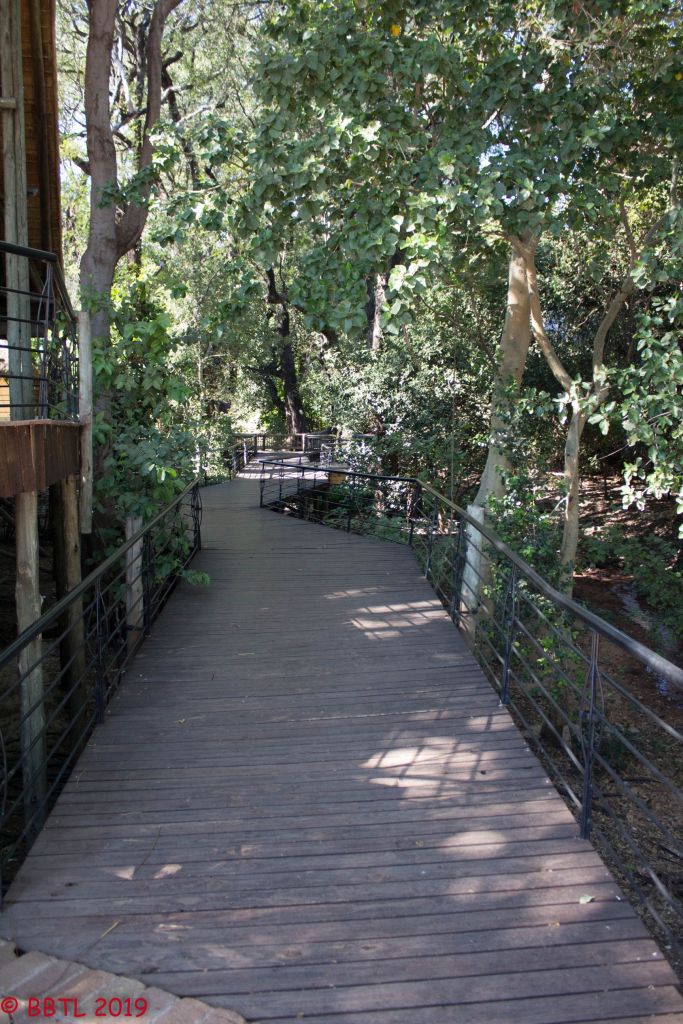
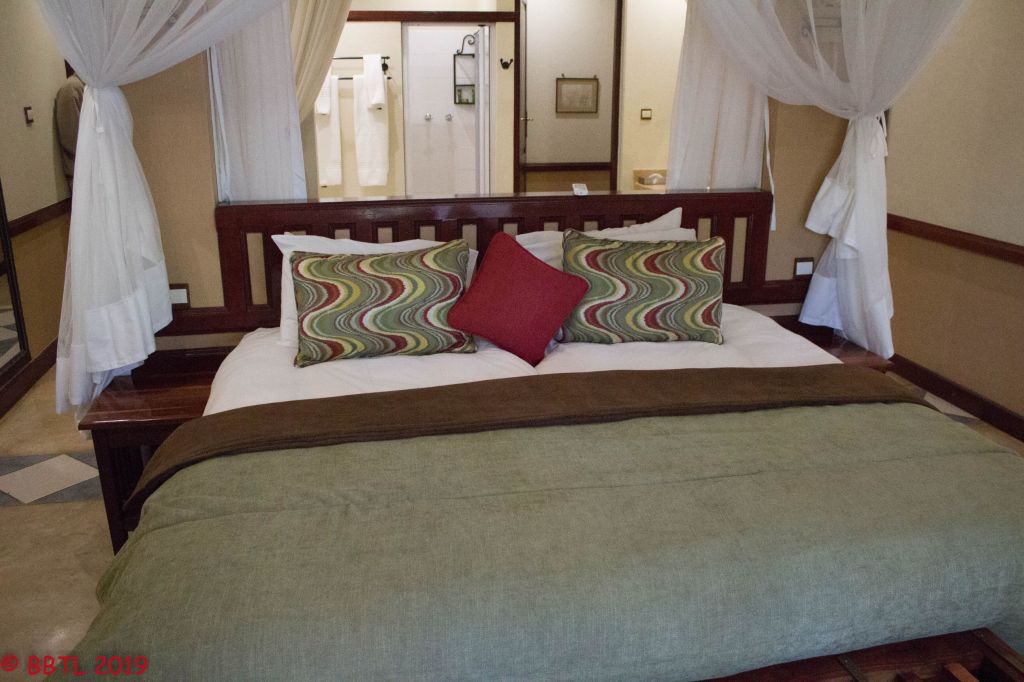
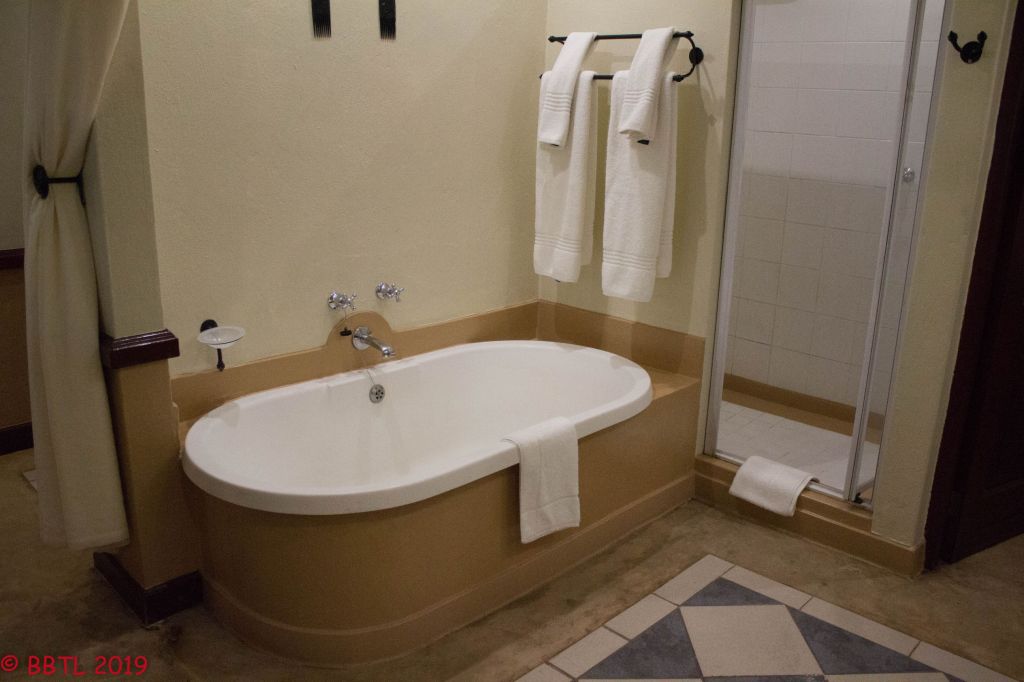
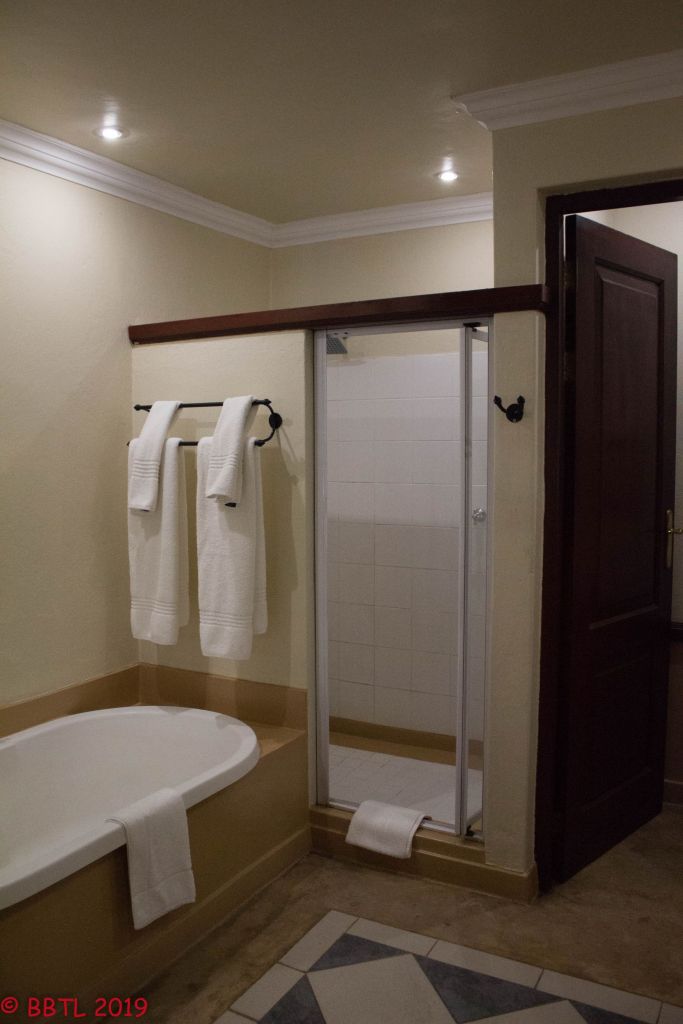
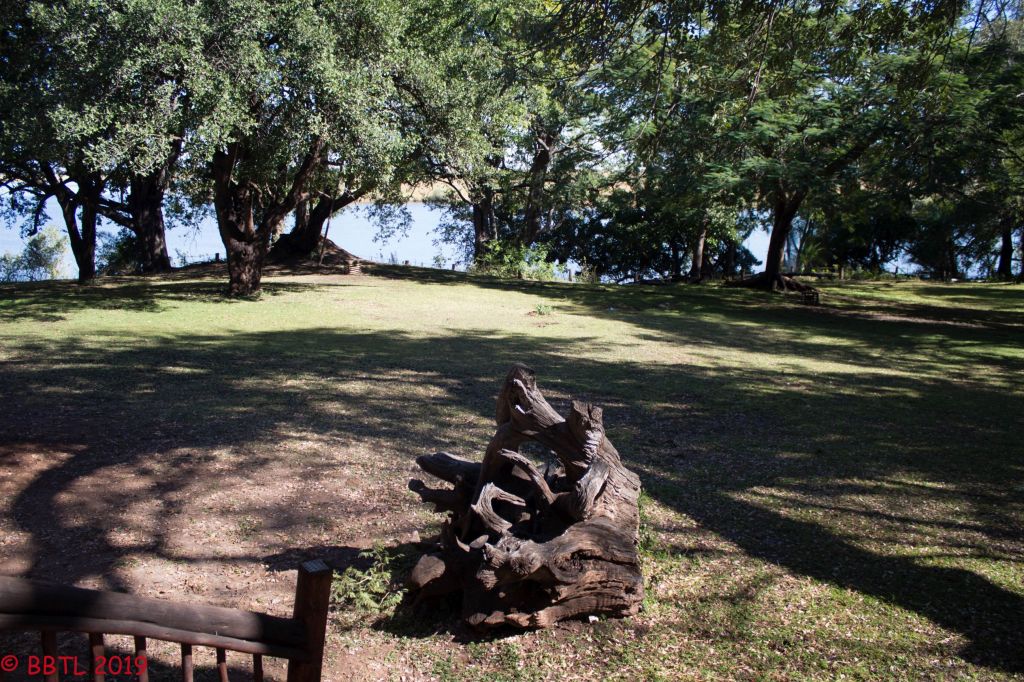
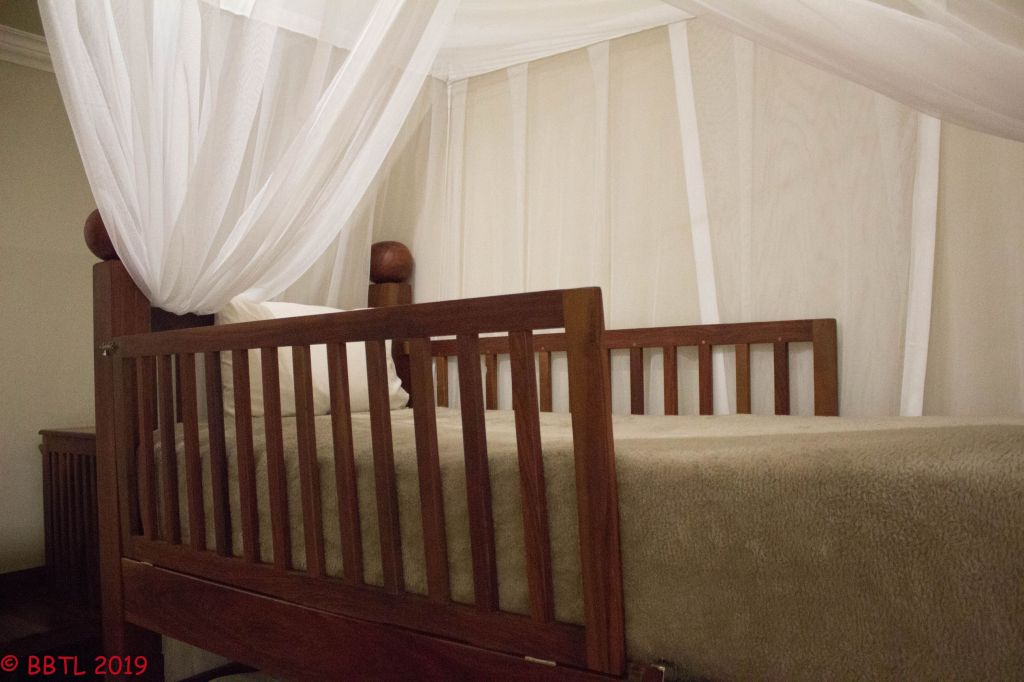
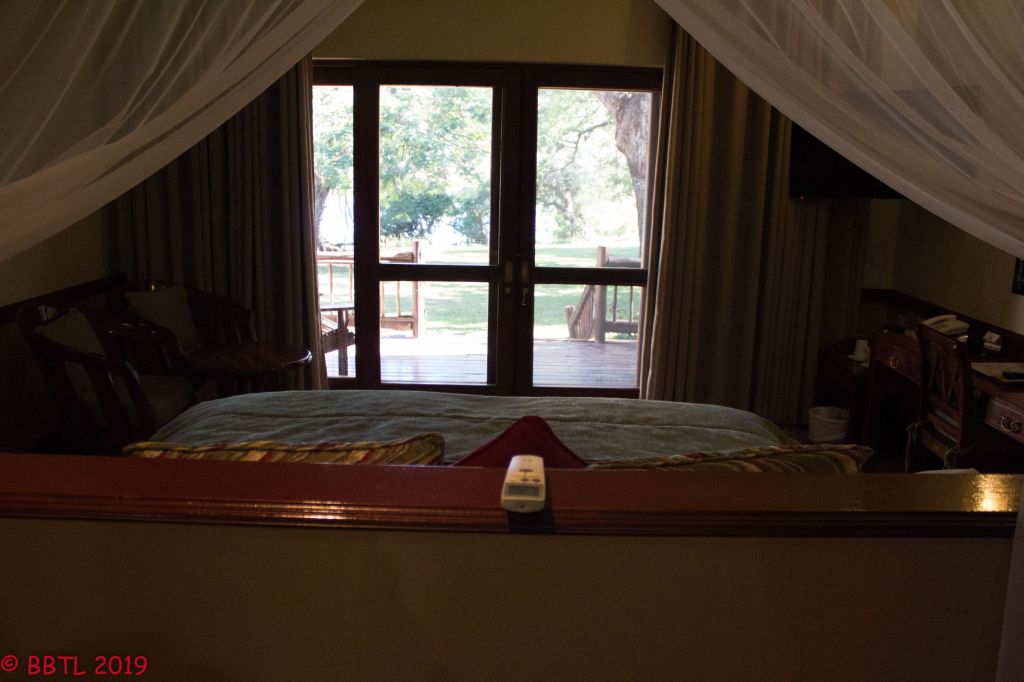
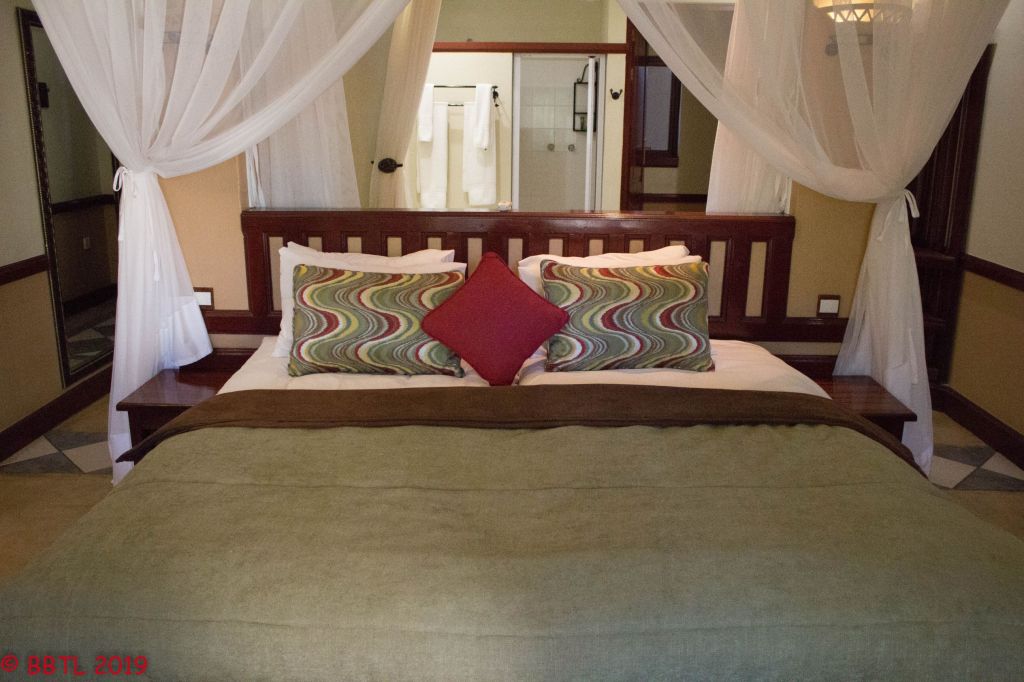
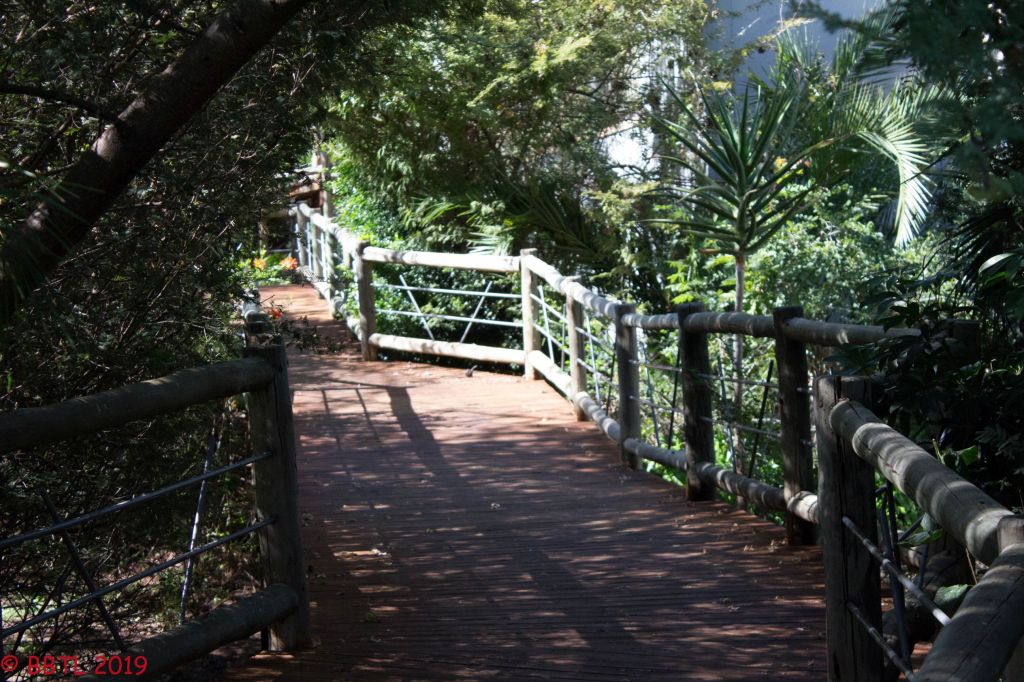
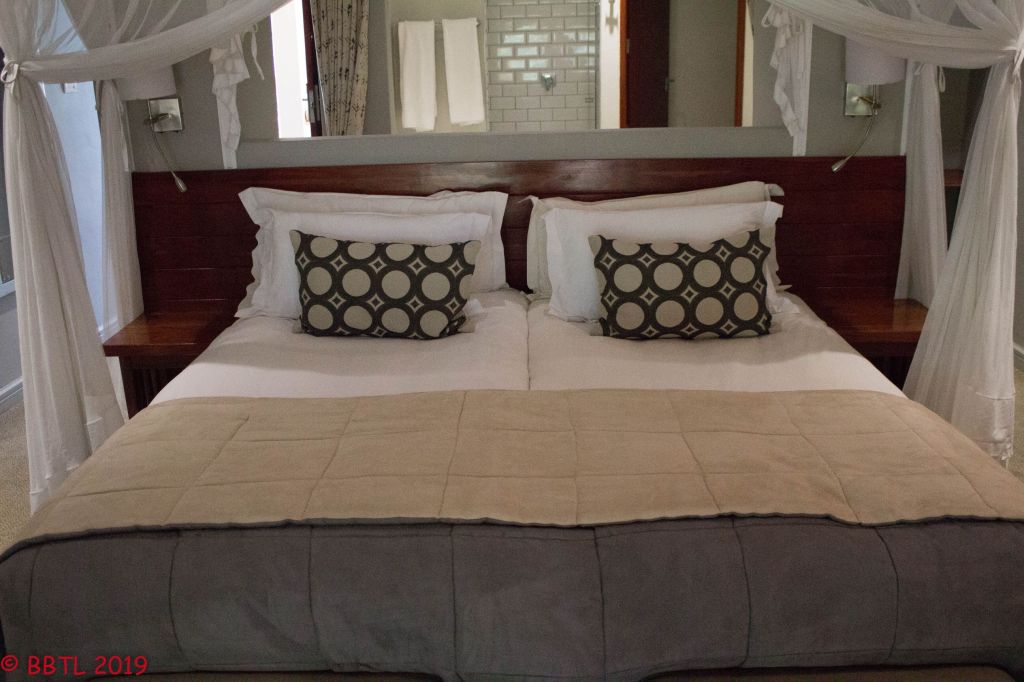
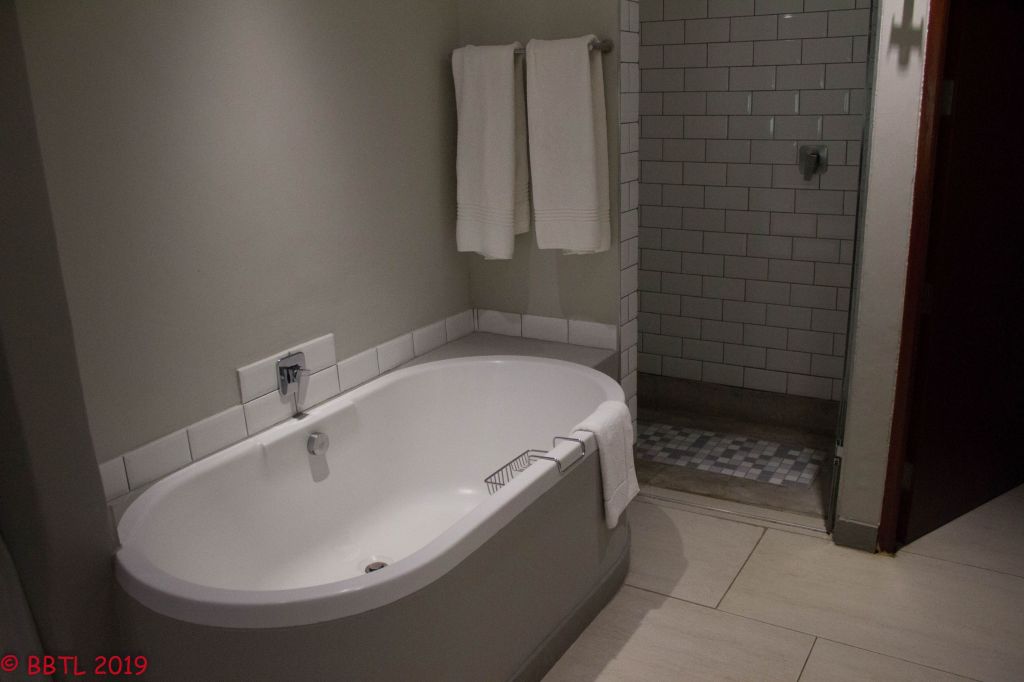
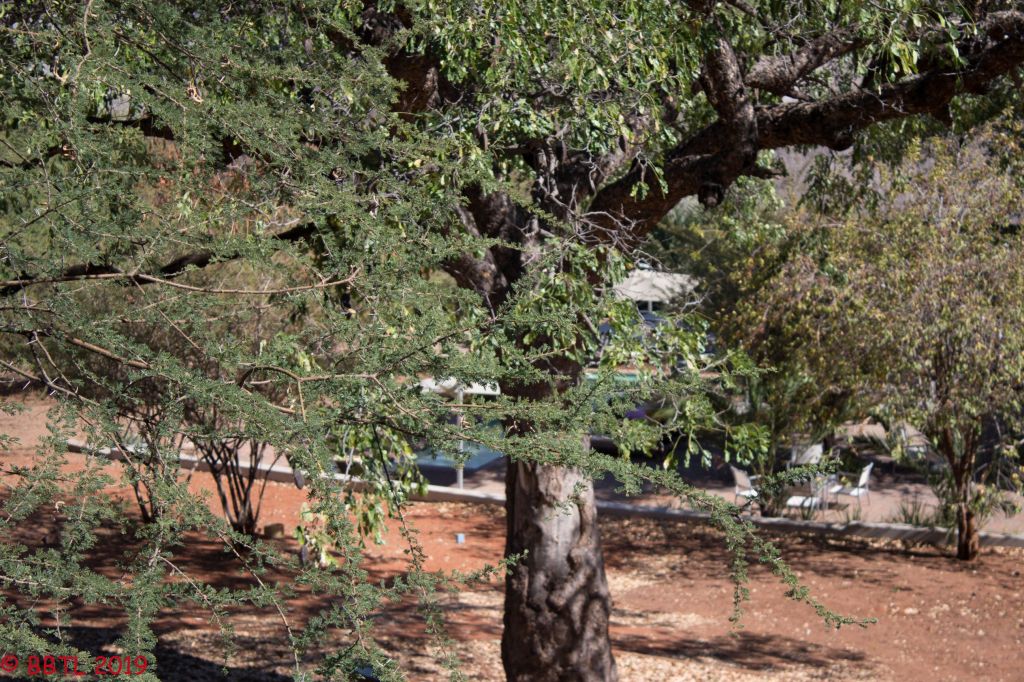
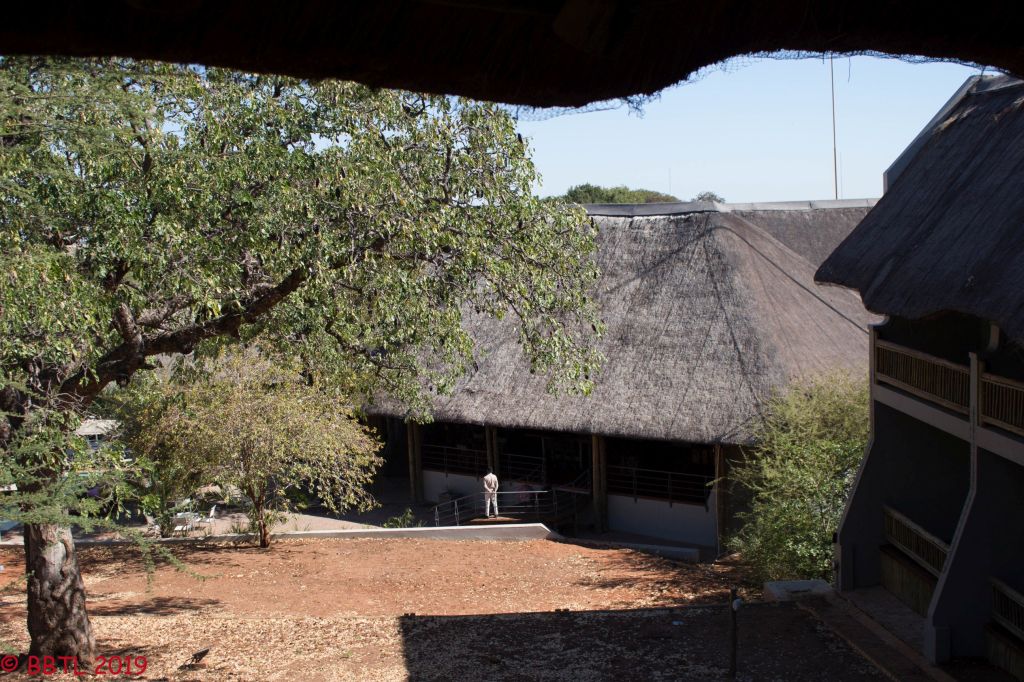
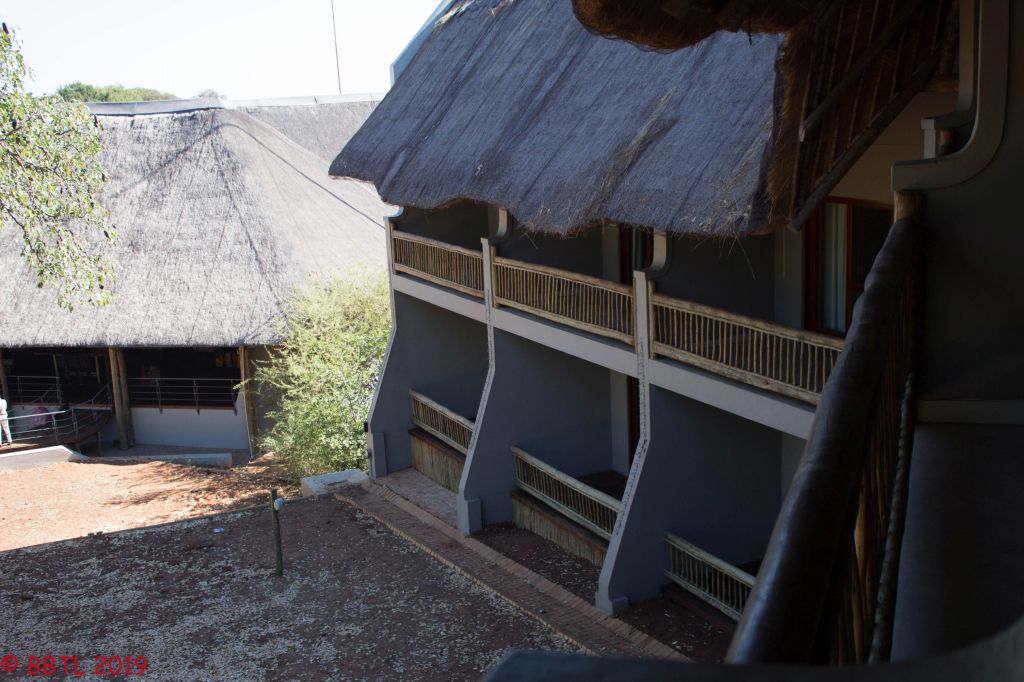
Bayete and Phezulu at Victoria Falls
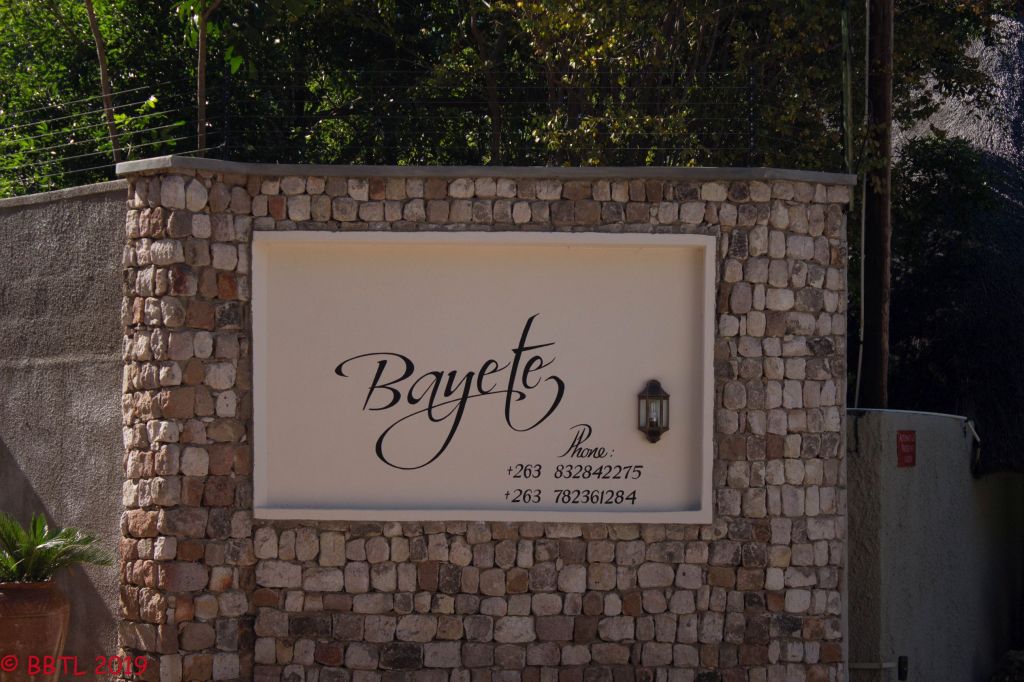
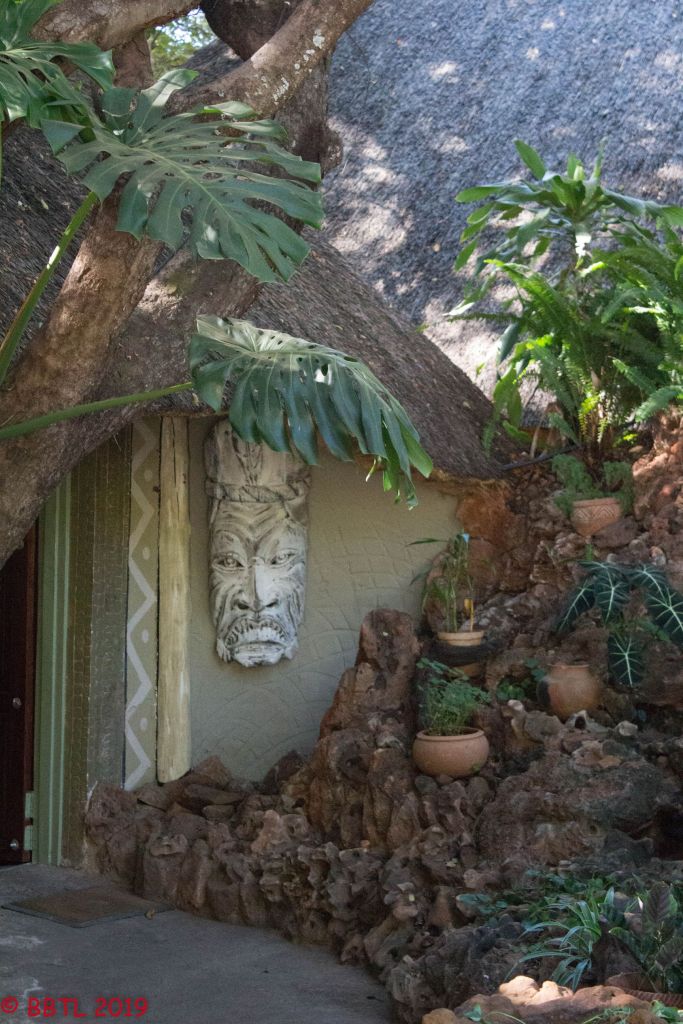
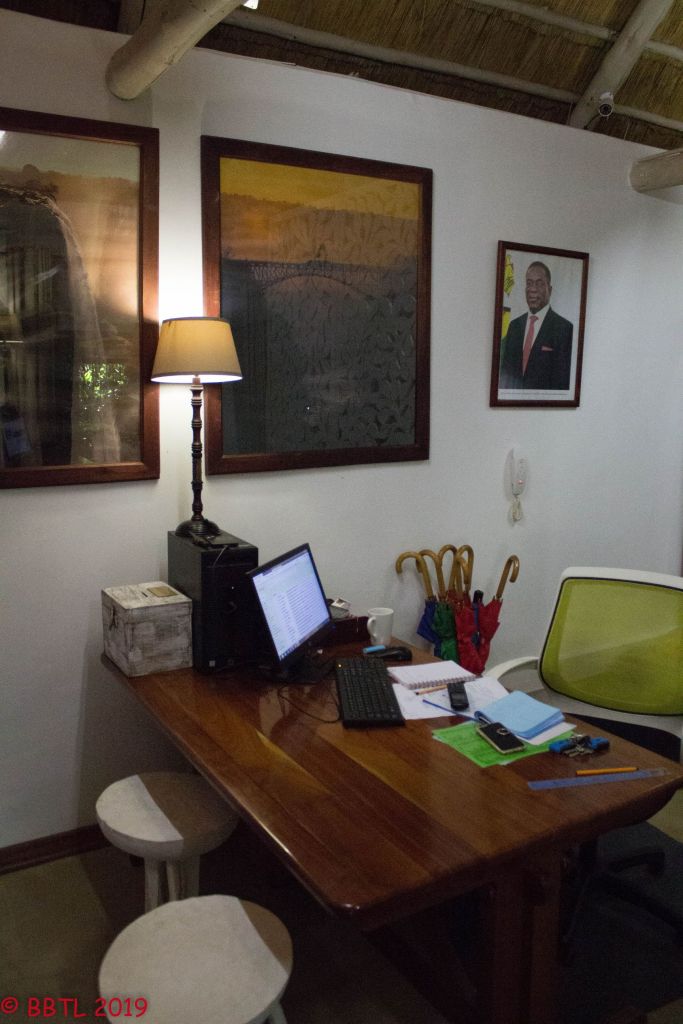
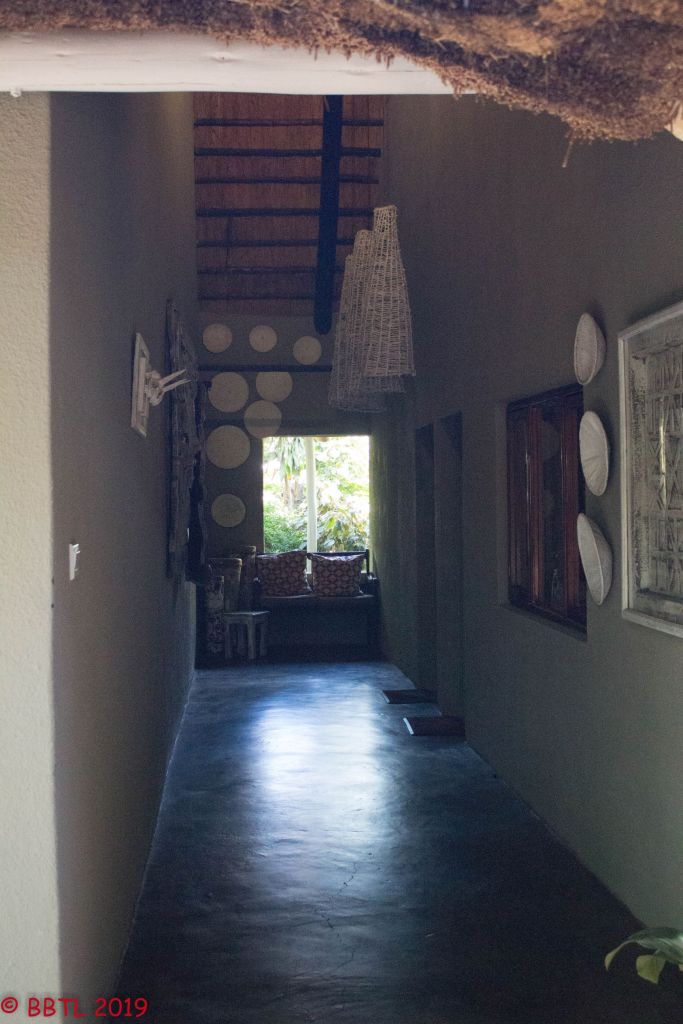
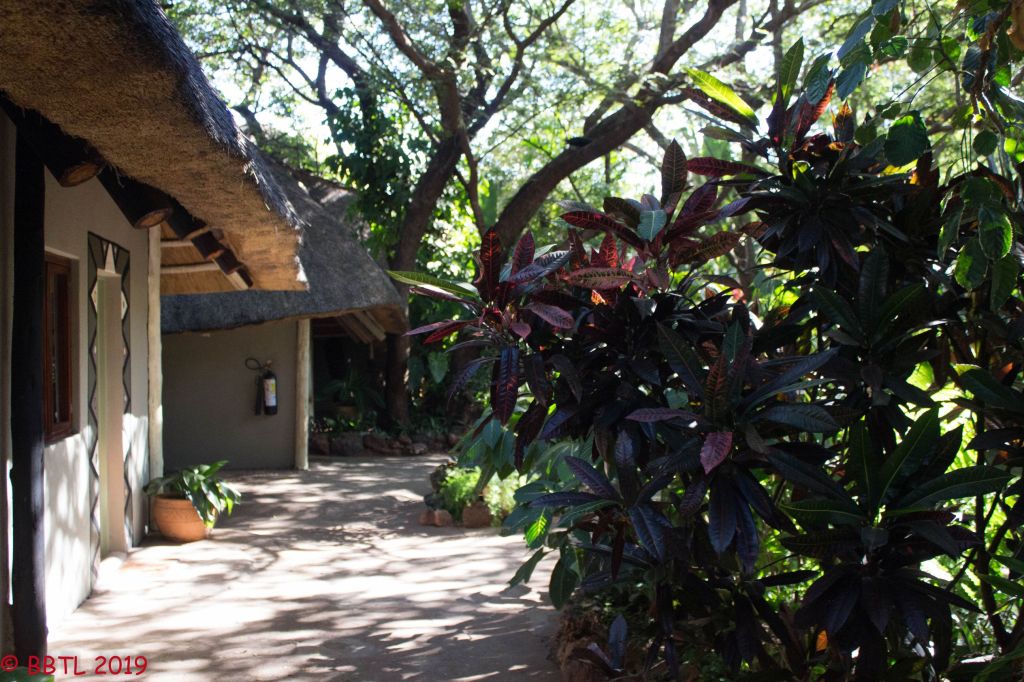
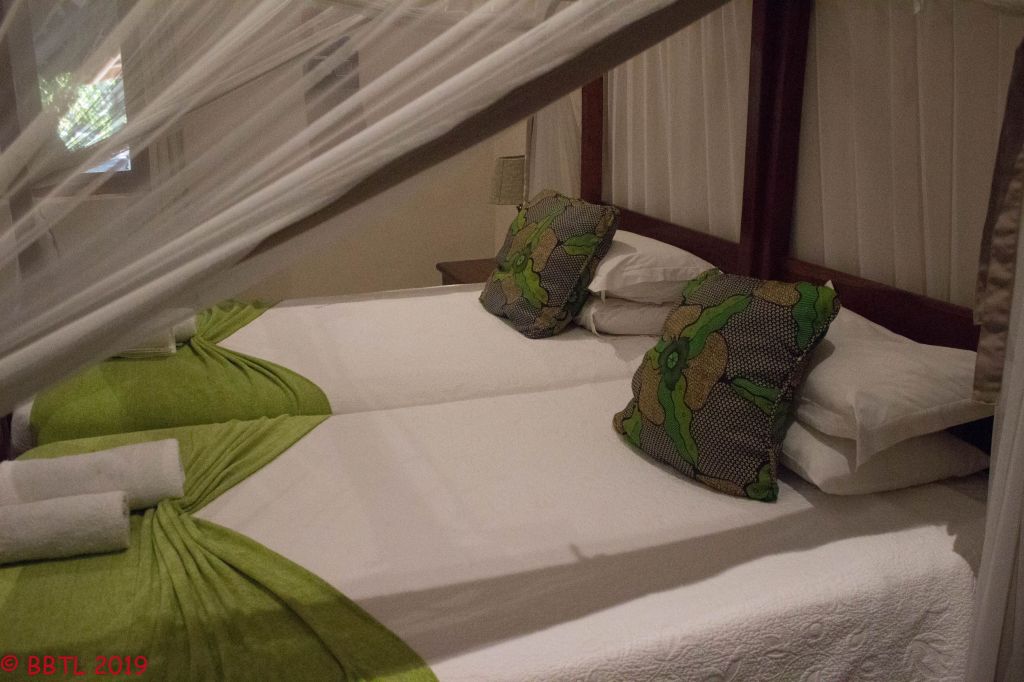
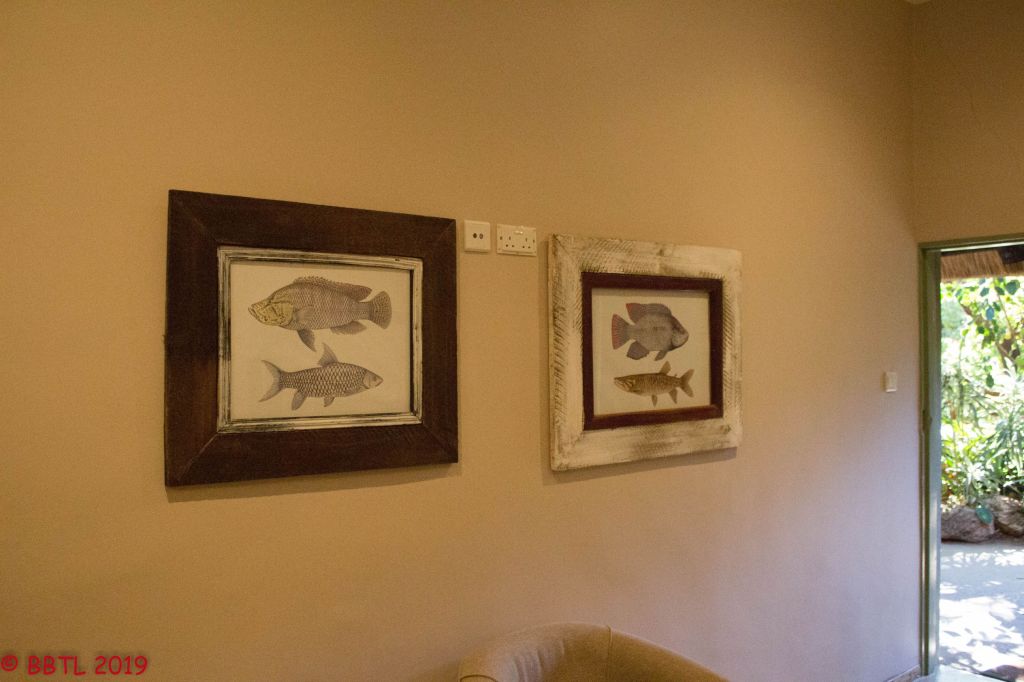
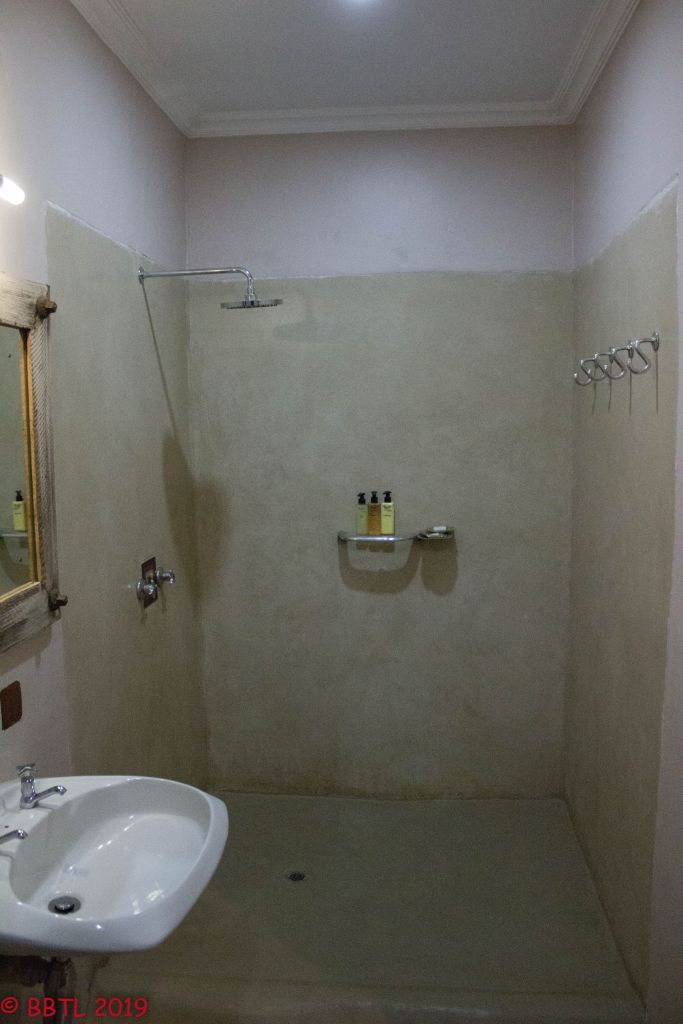
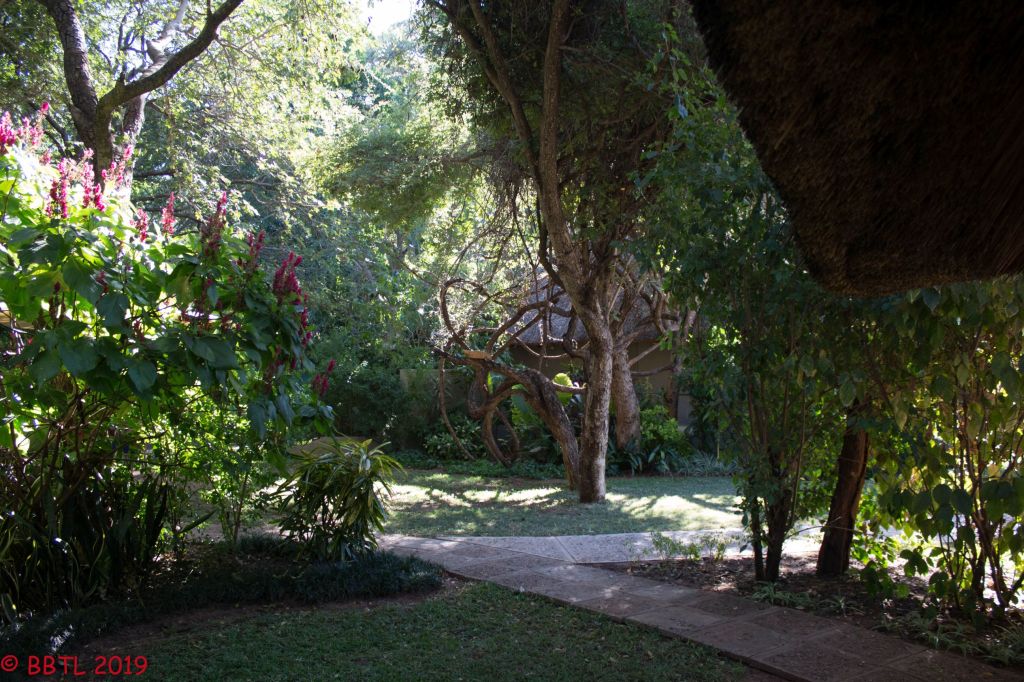
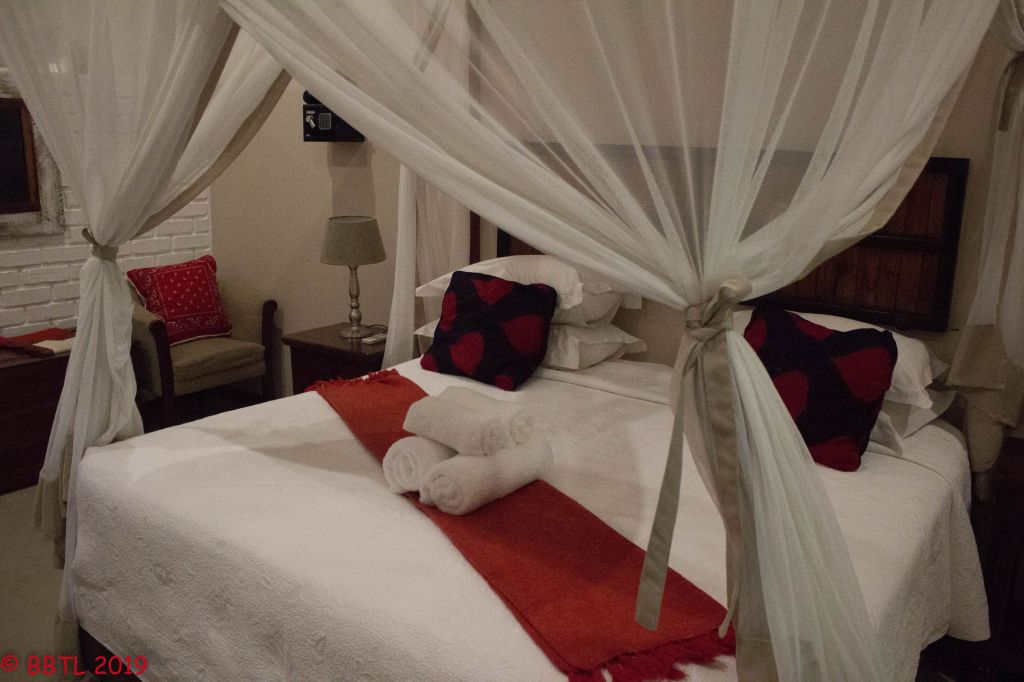
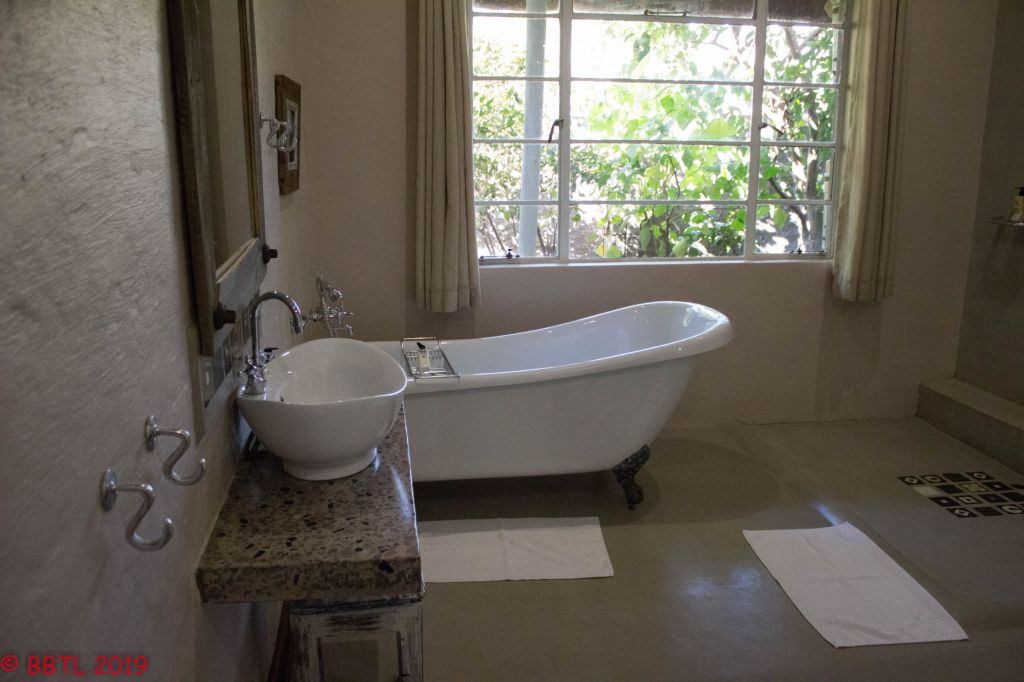
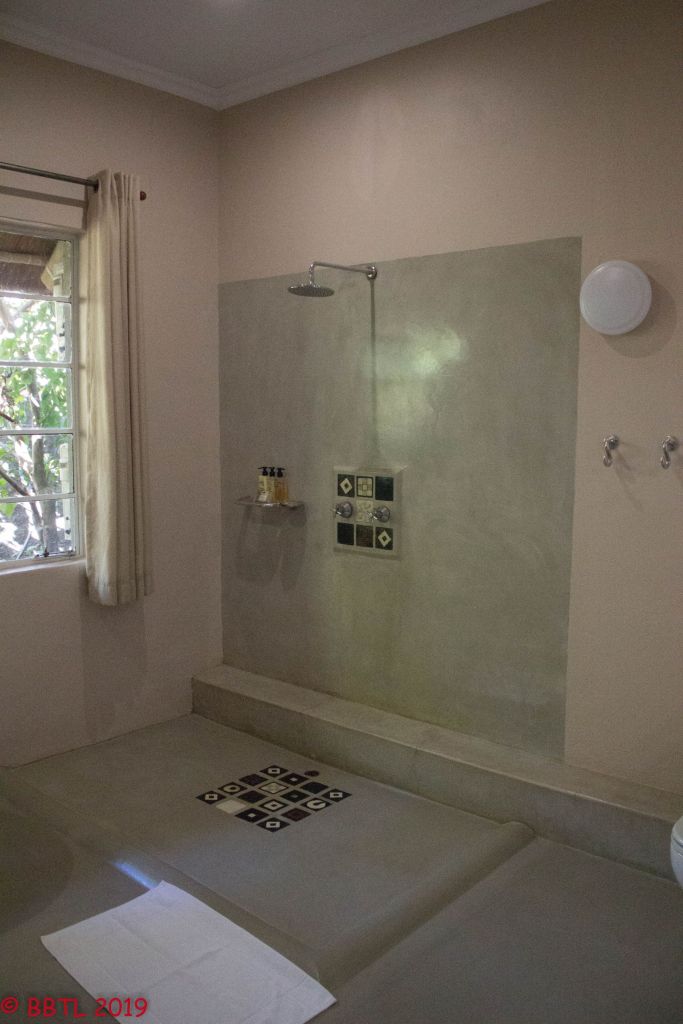
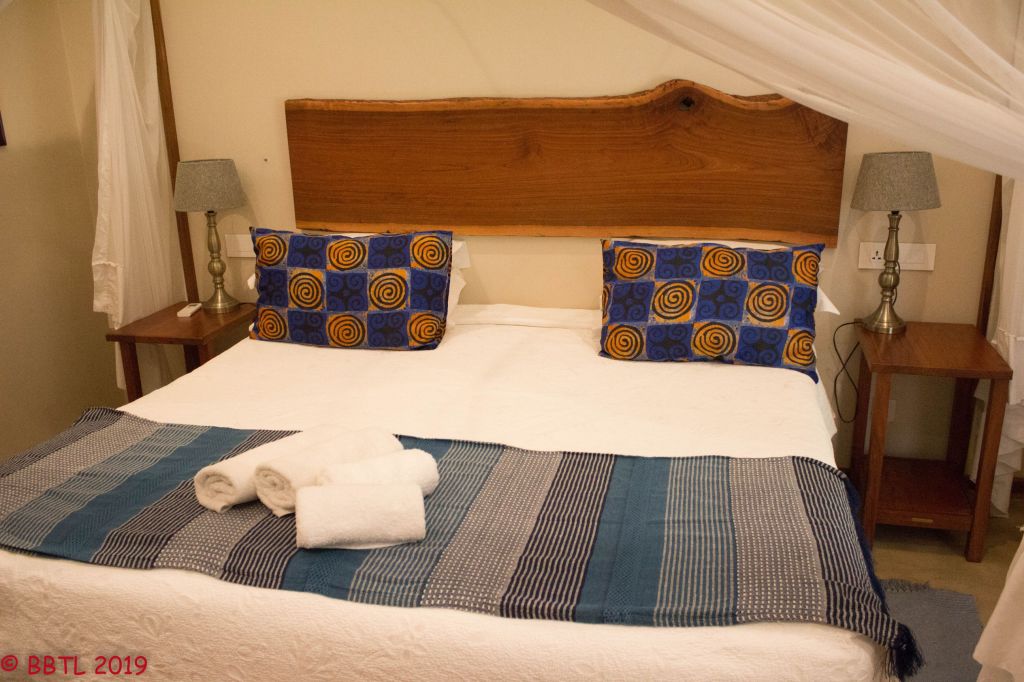
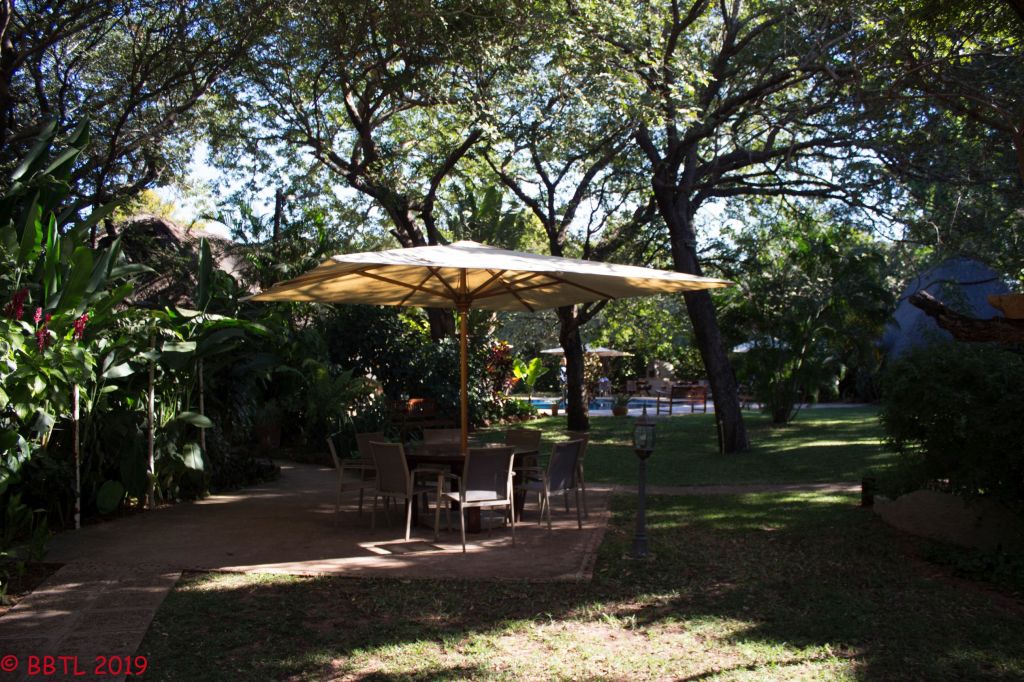
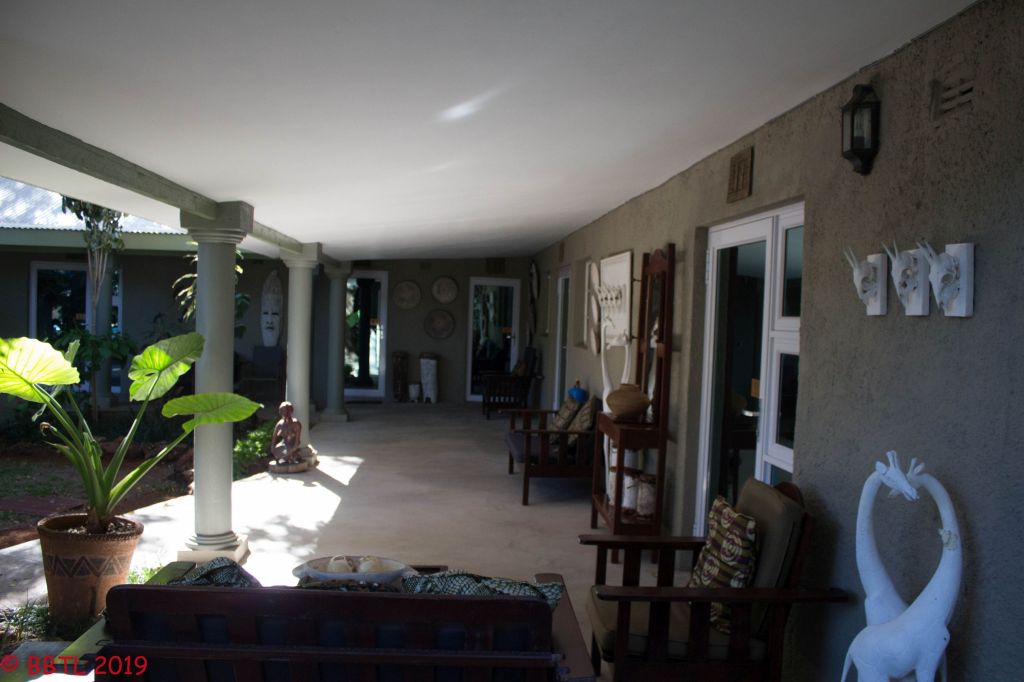
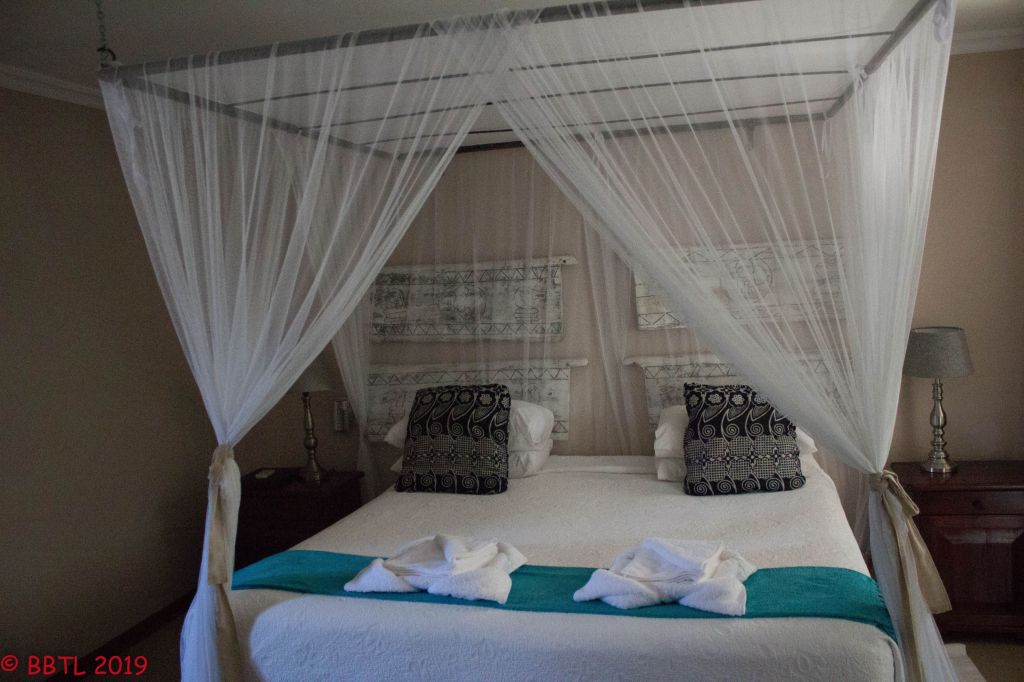
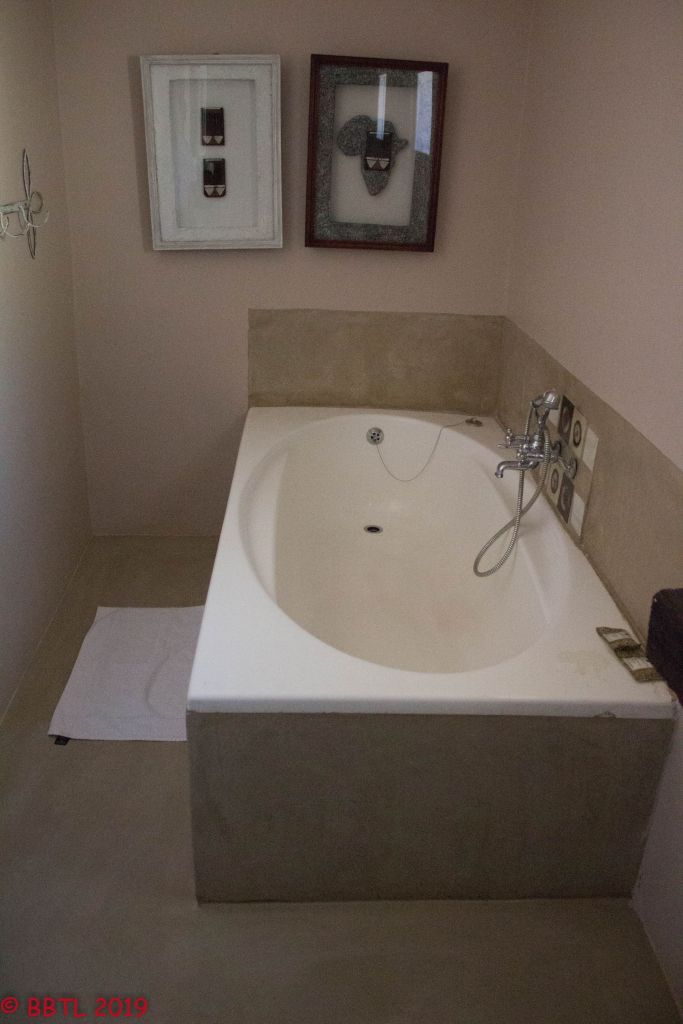
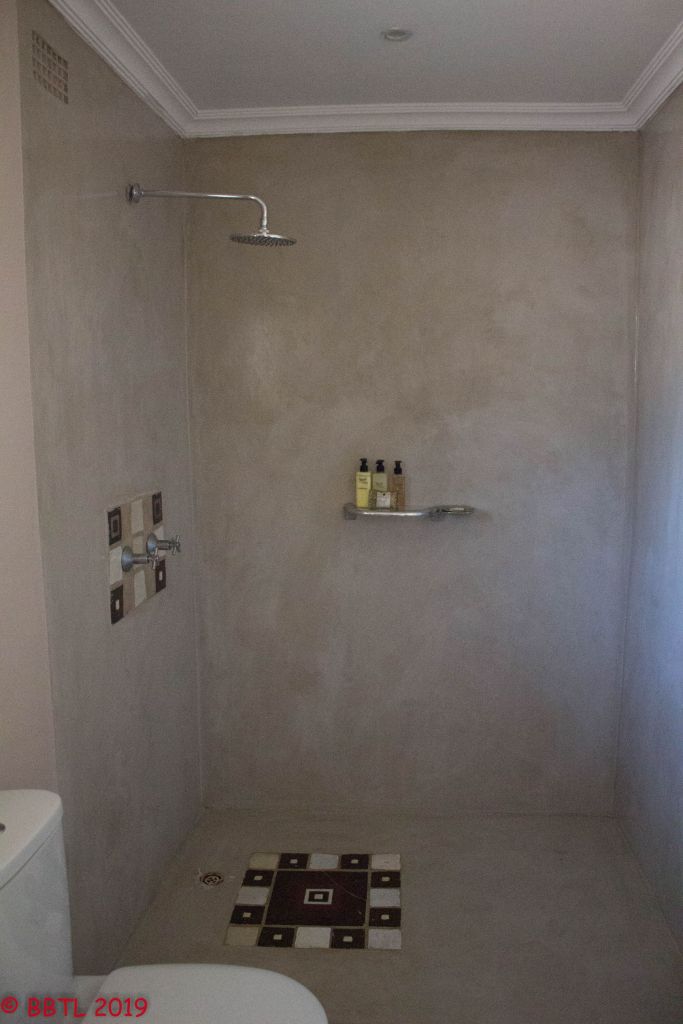
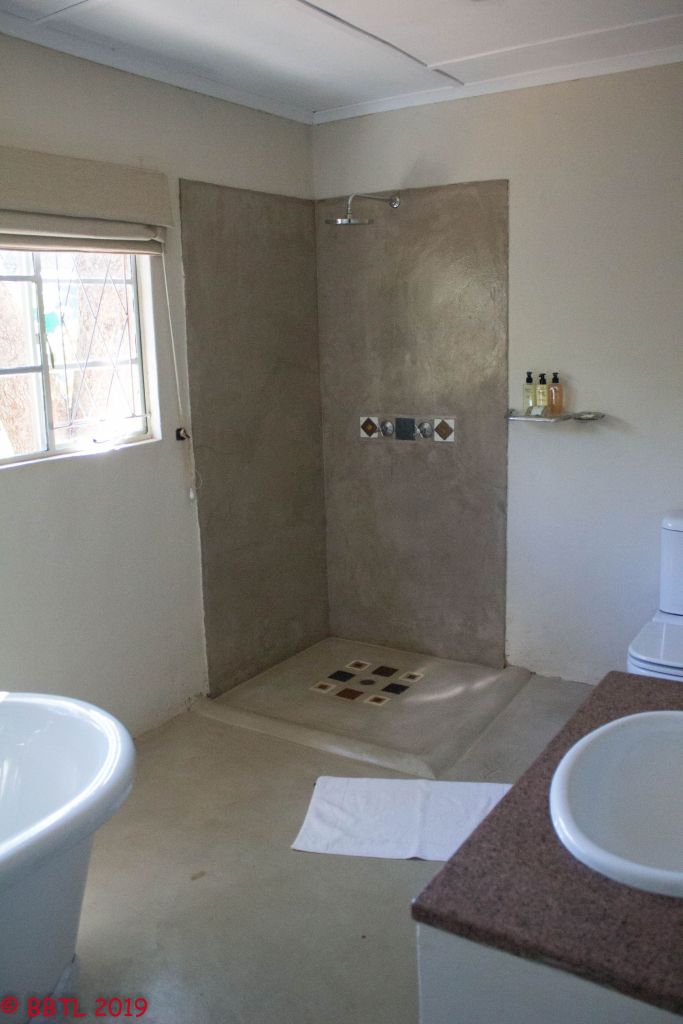
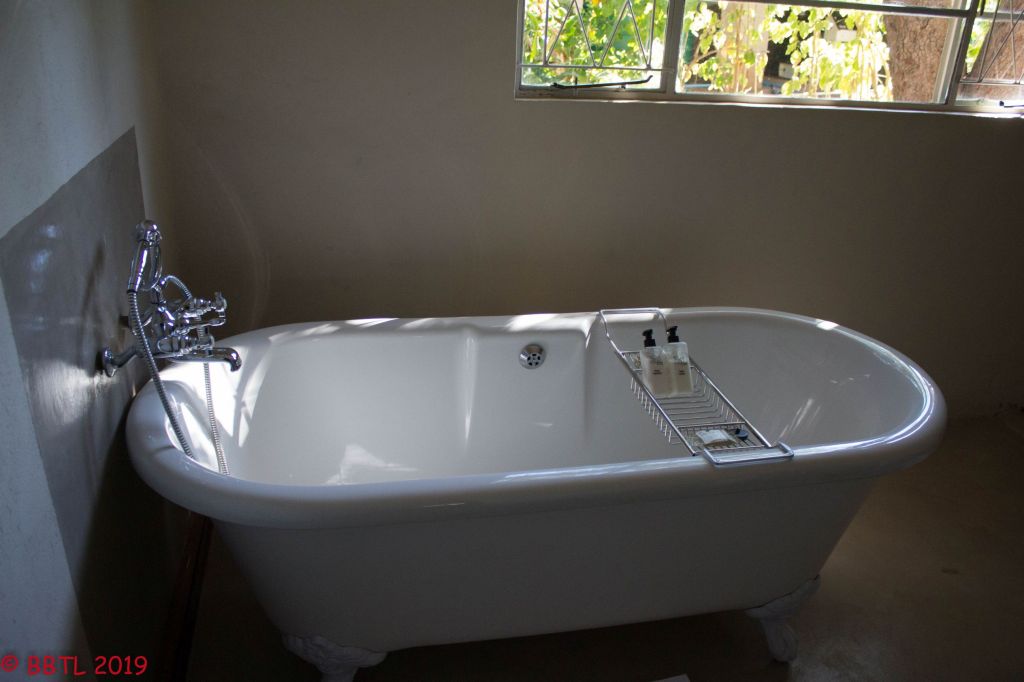
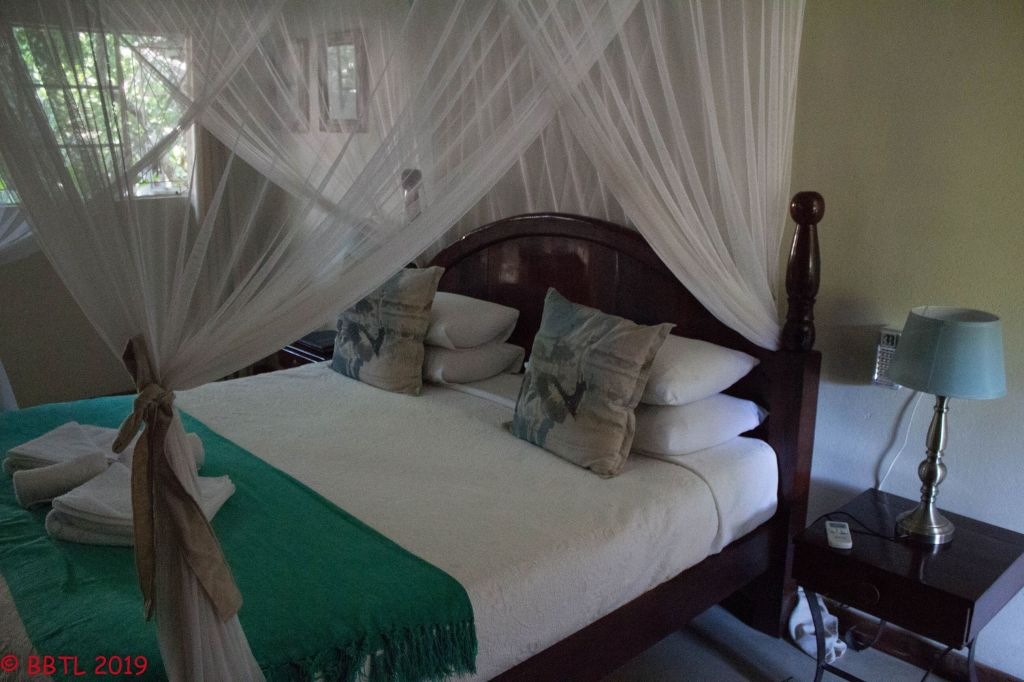
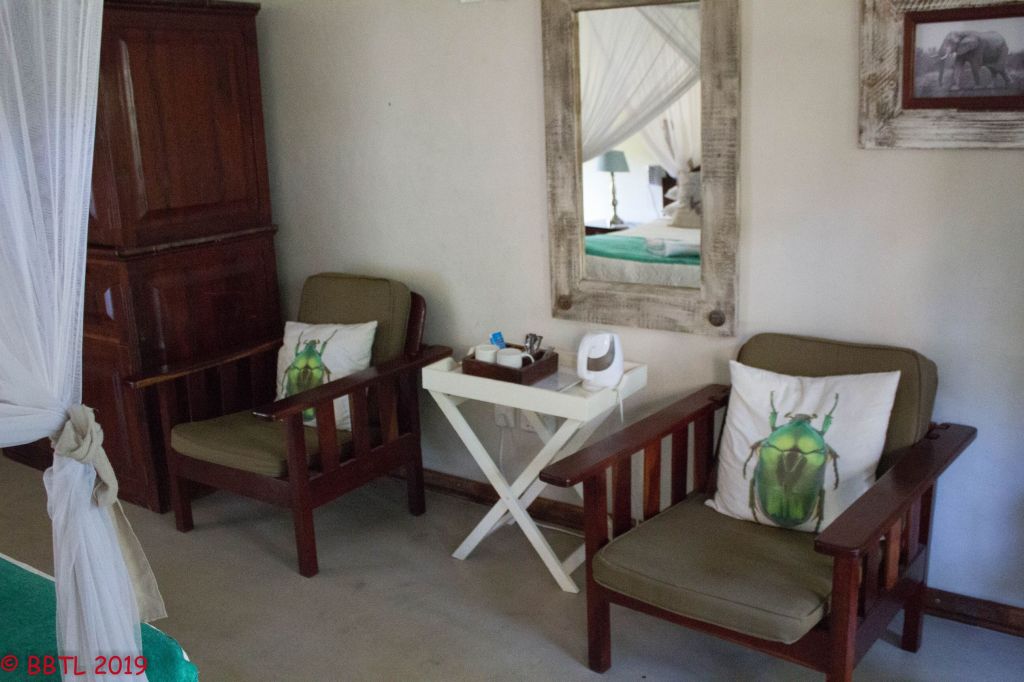
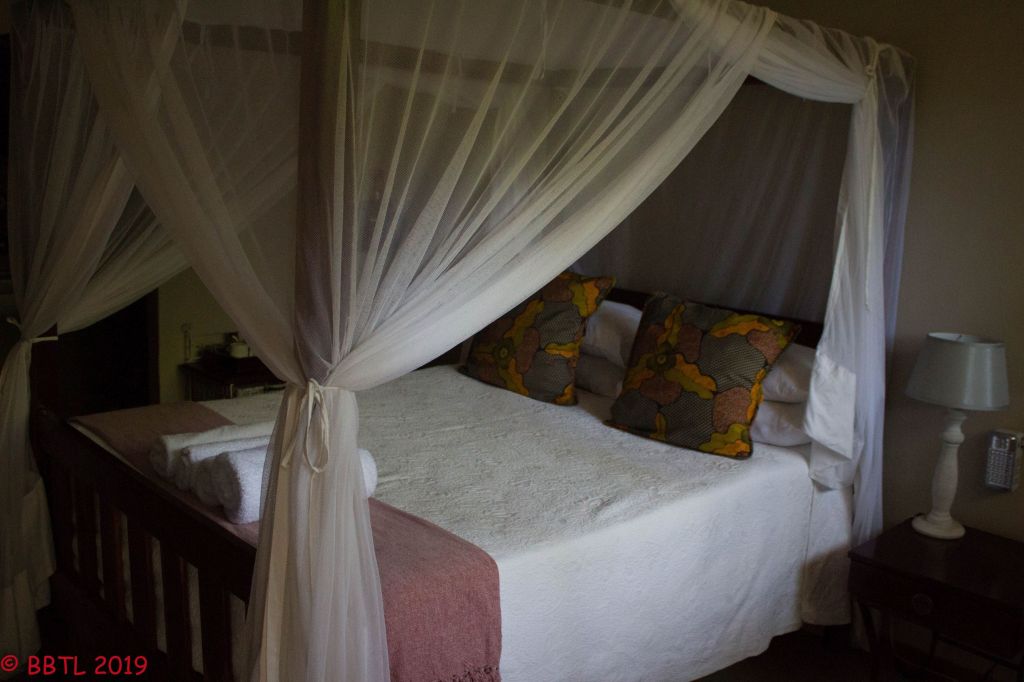
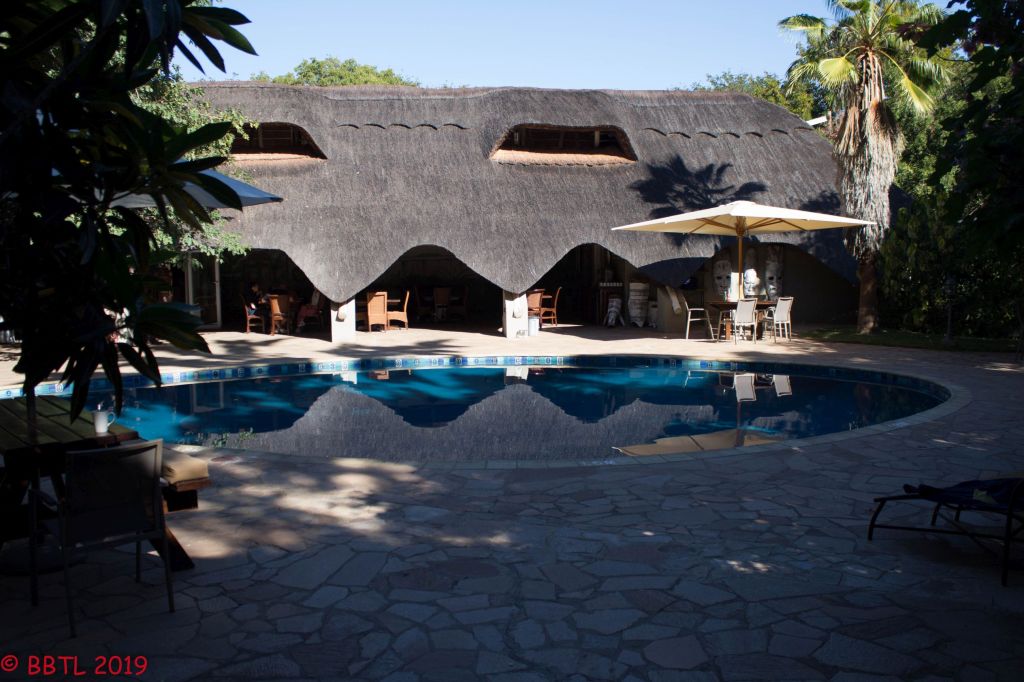
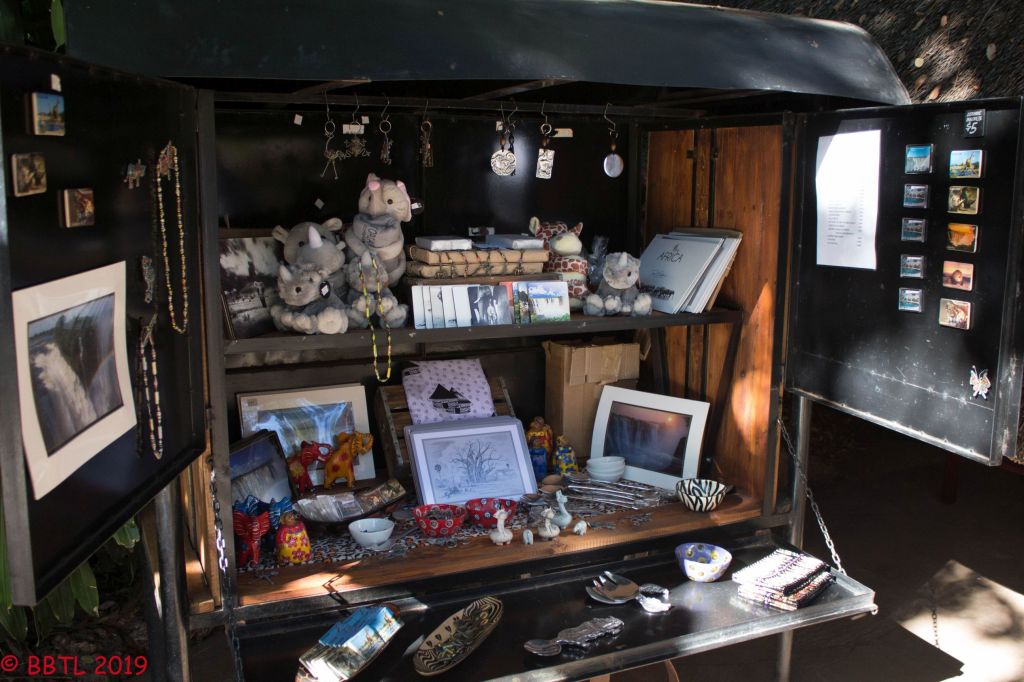
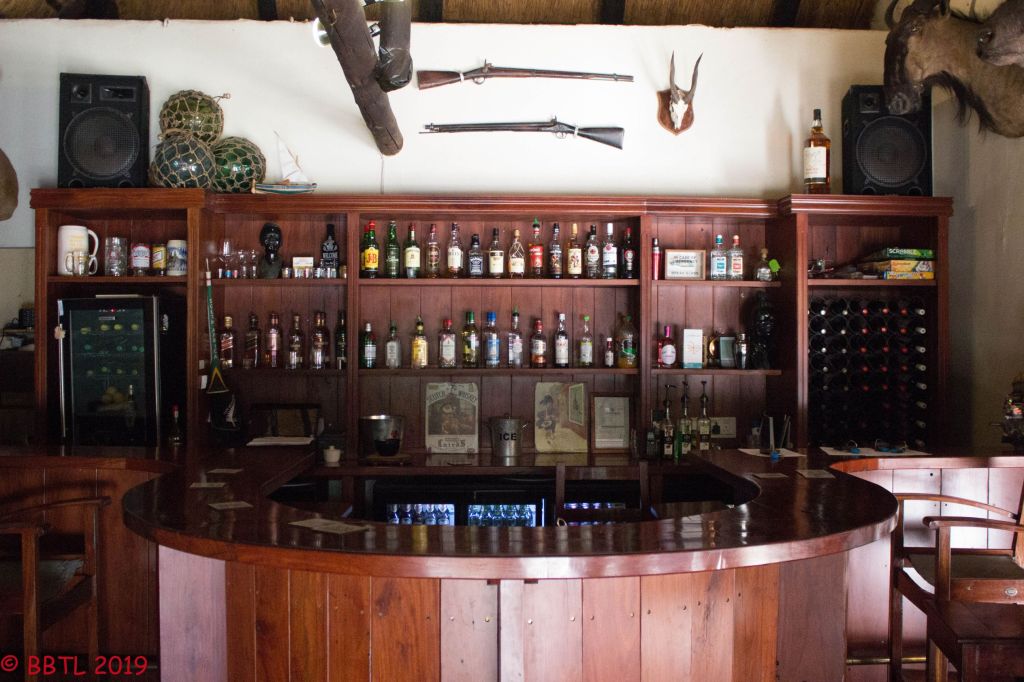
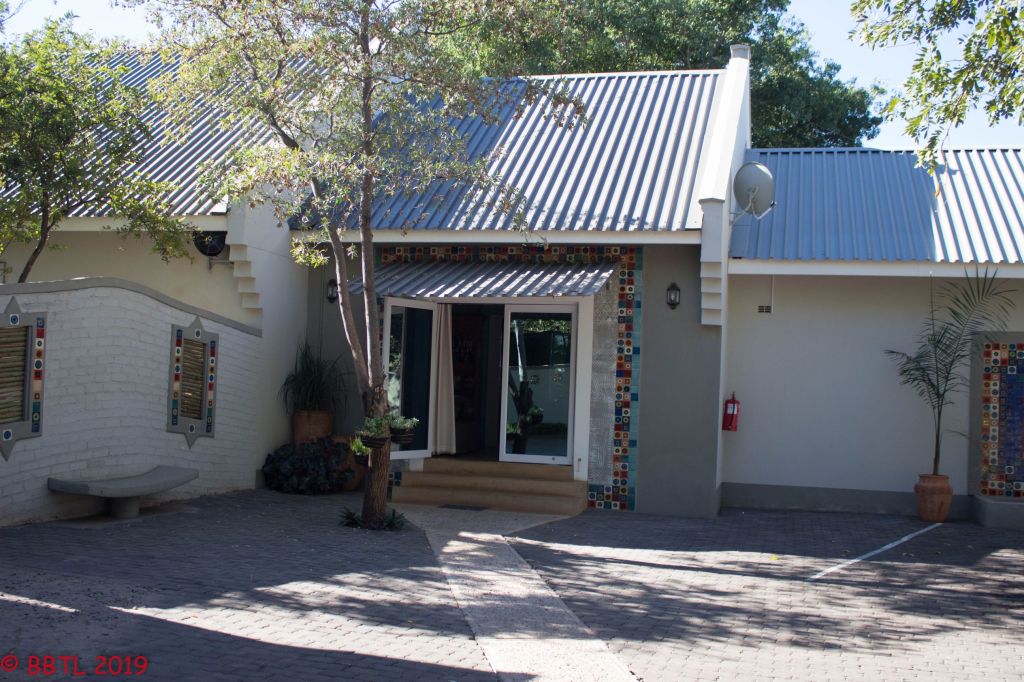
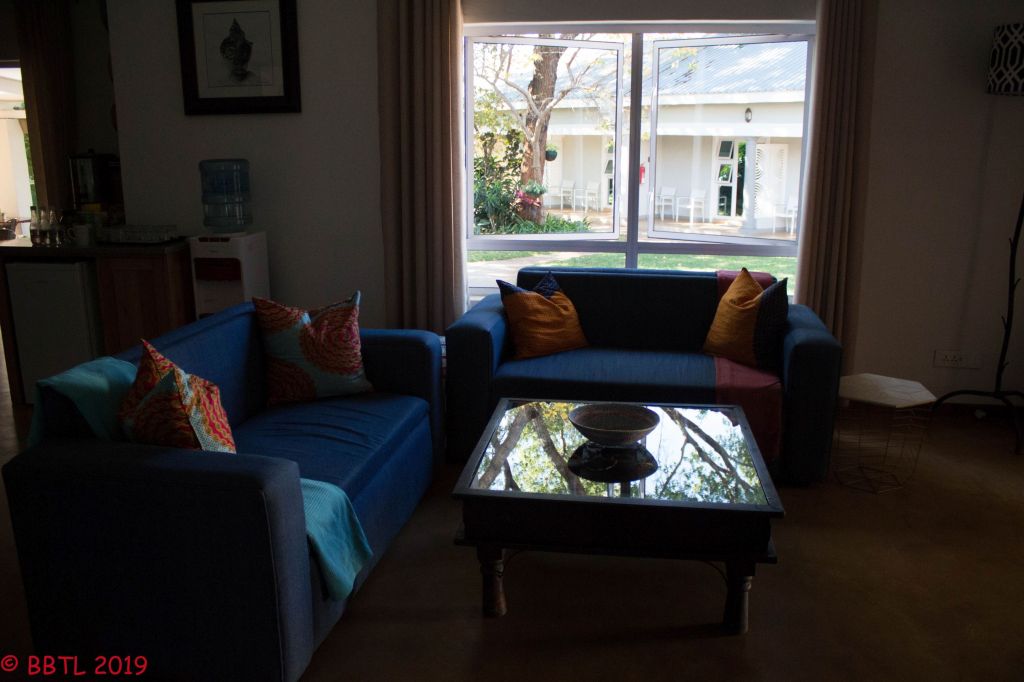
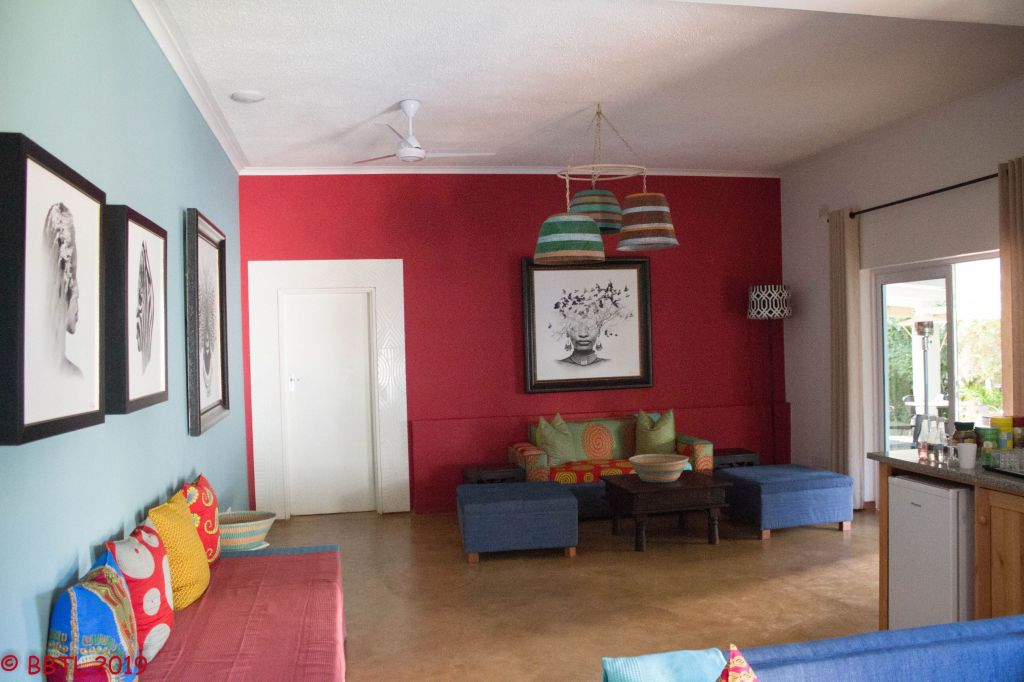
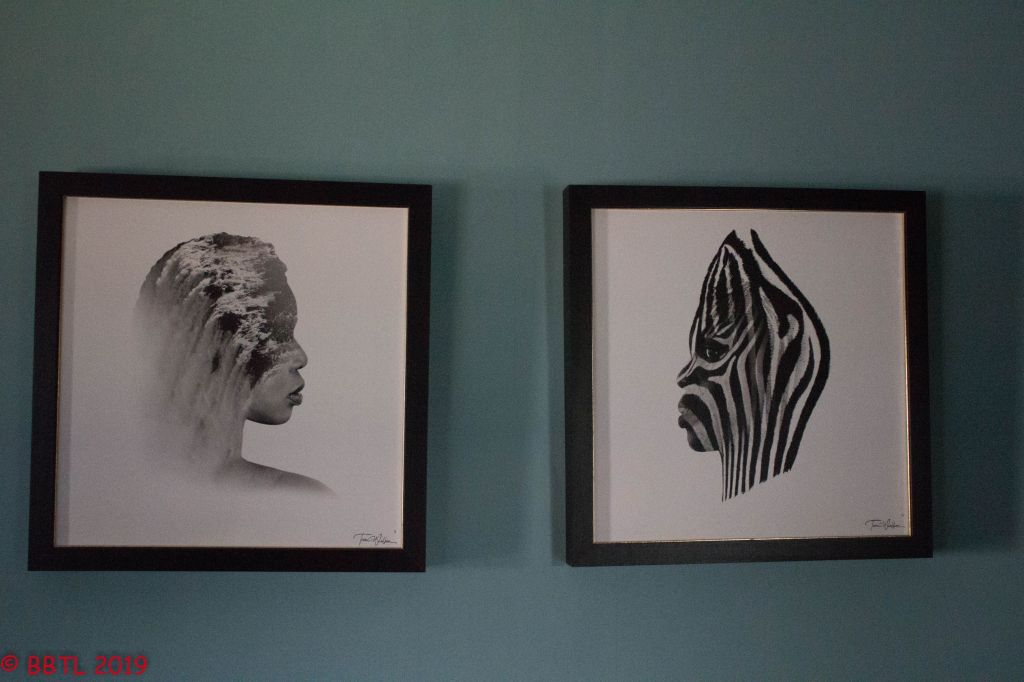
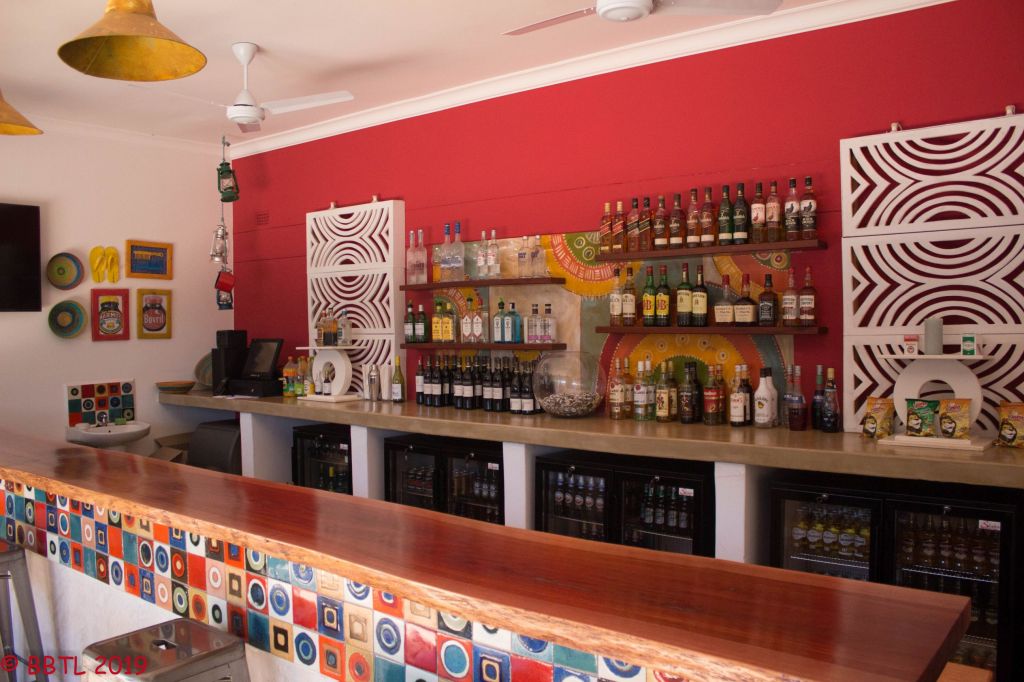
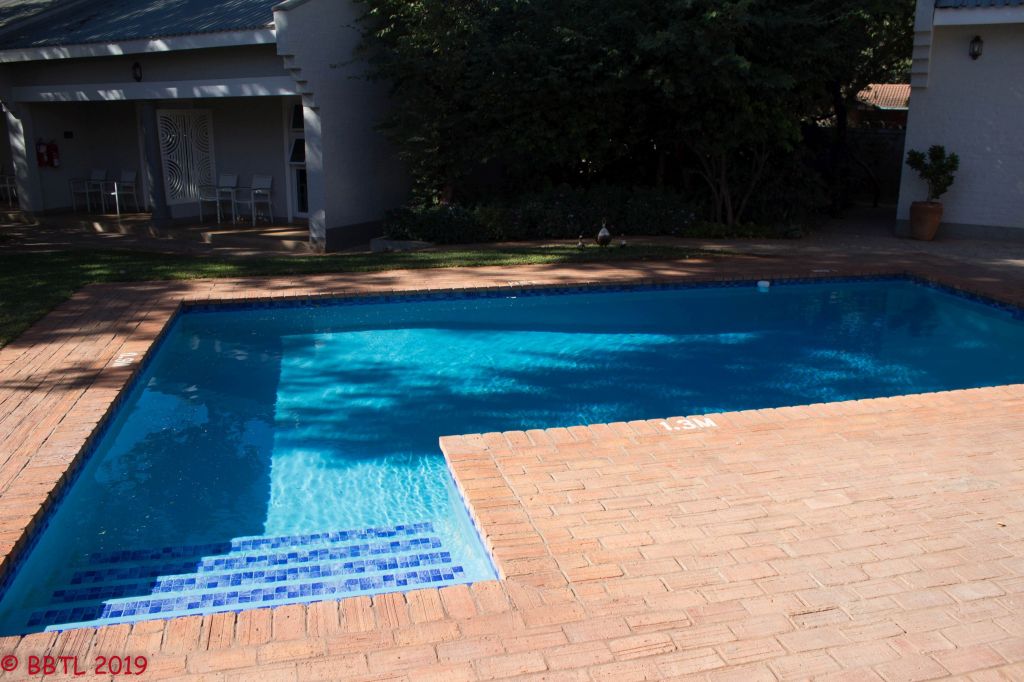
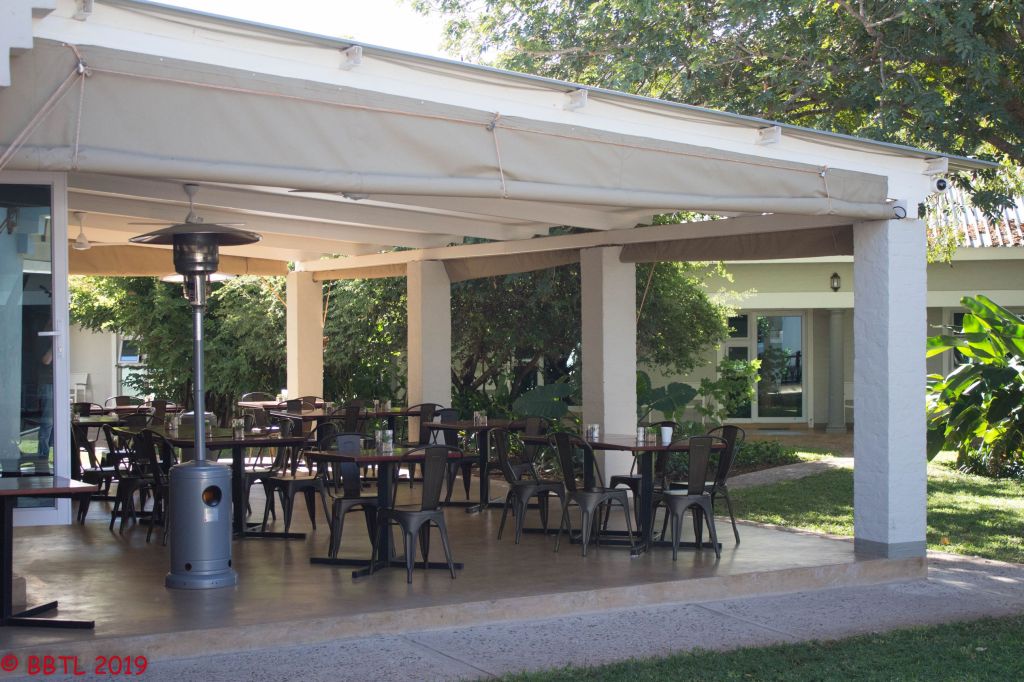
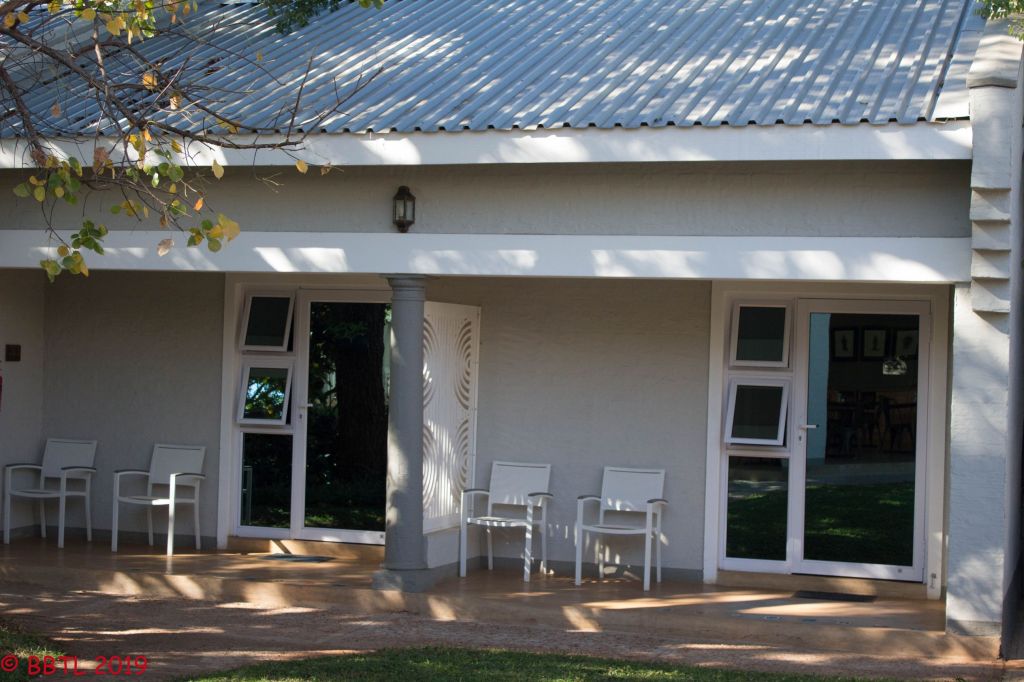
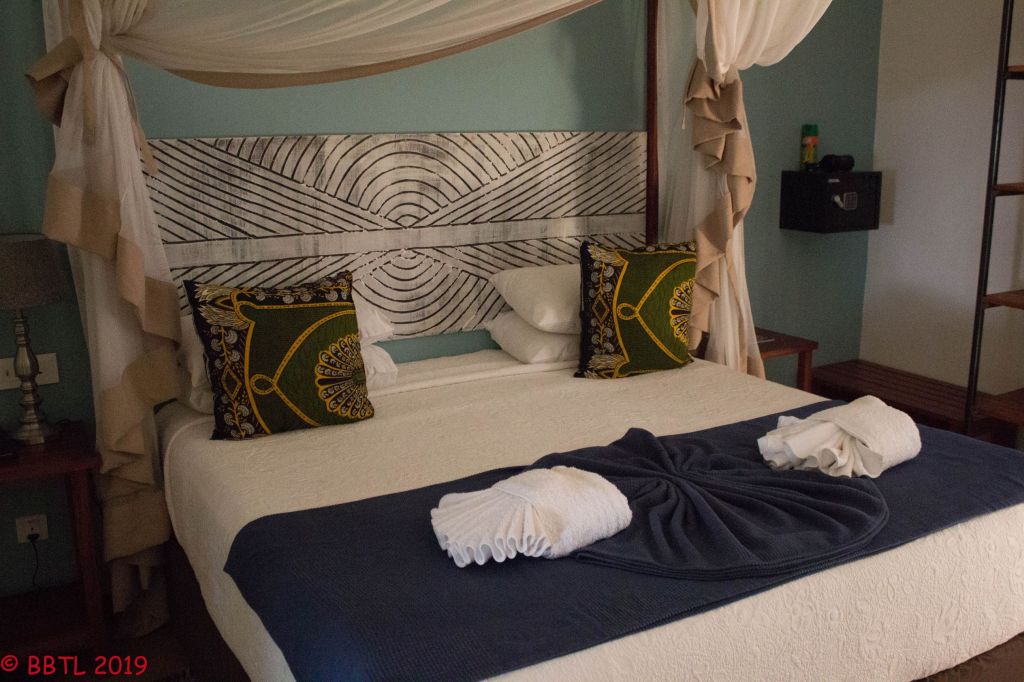
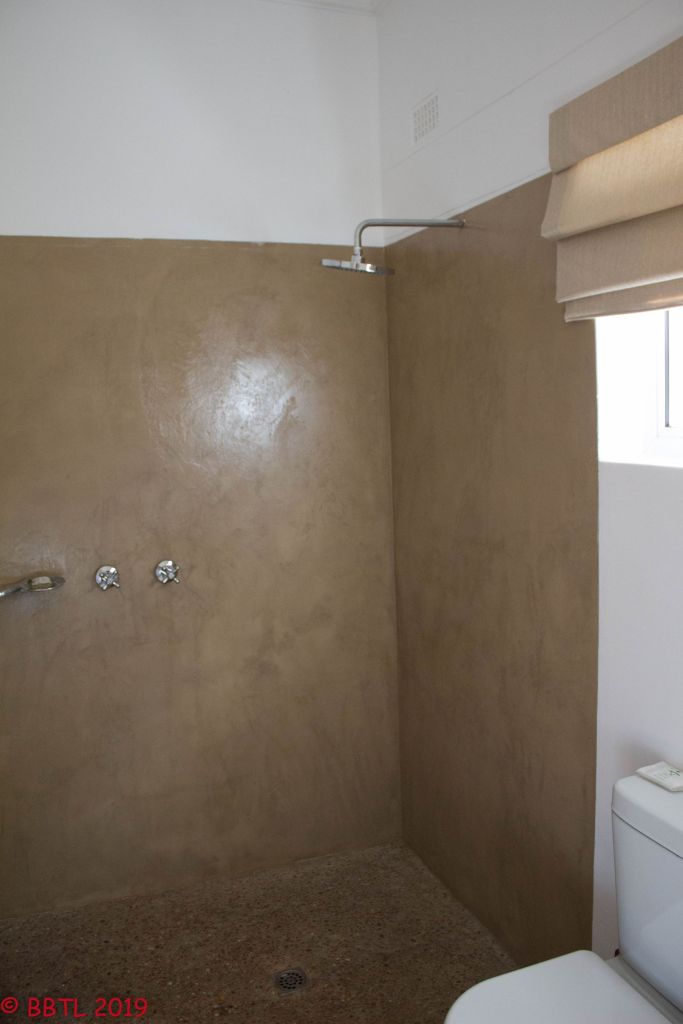
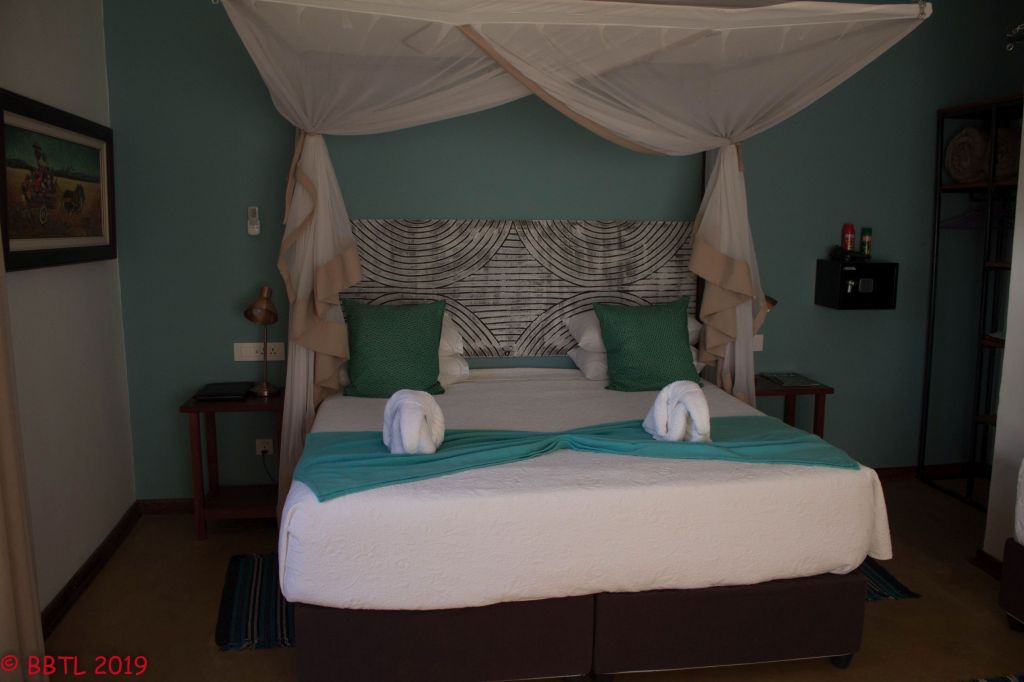
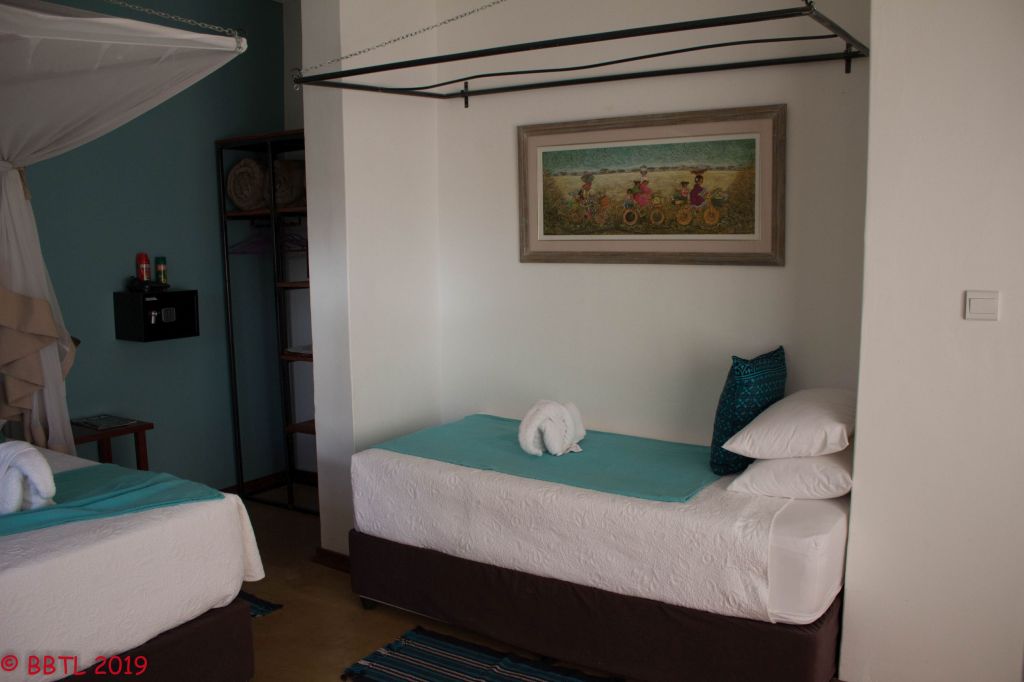
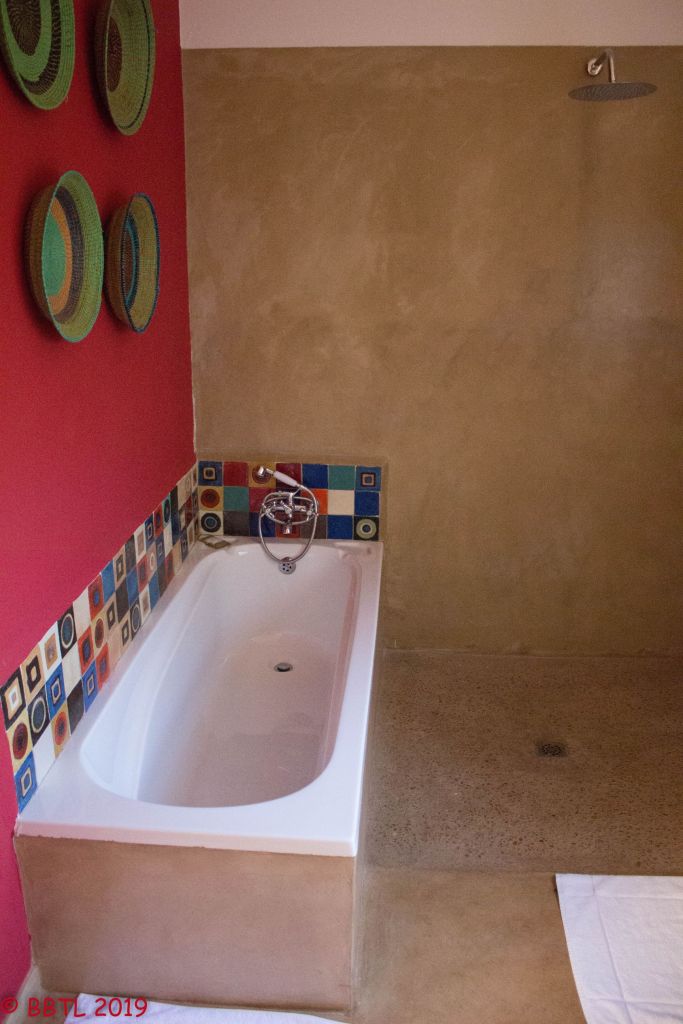
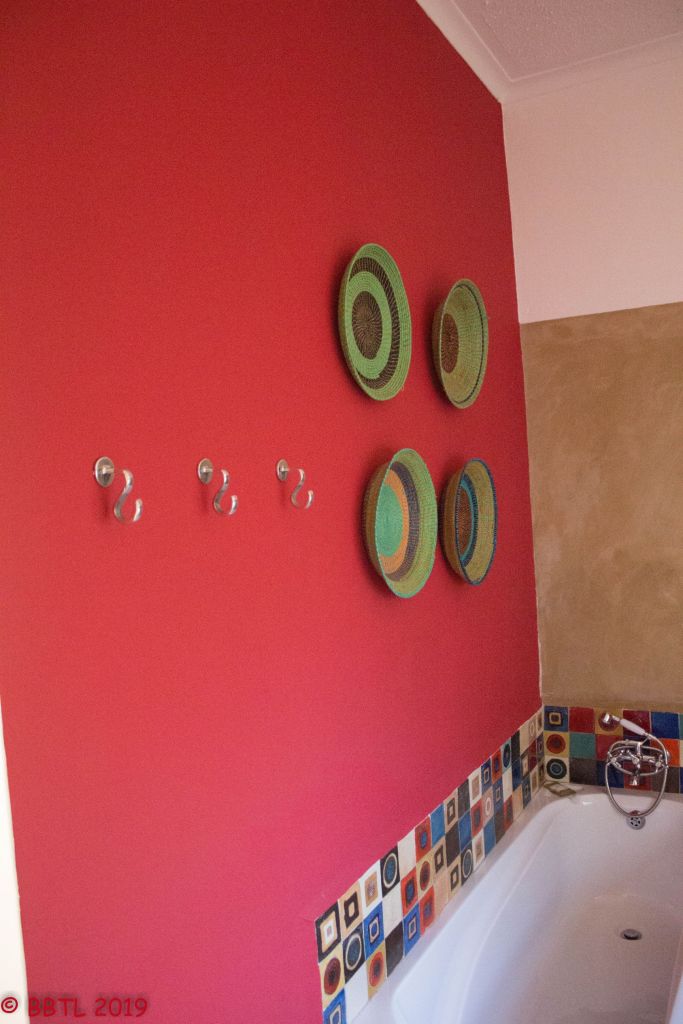
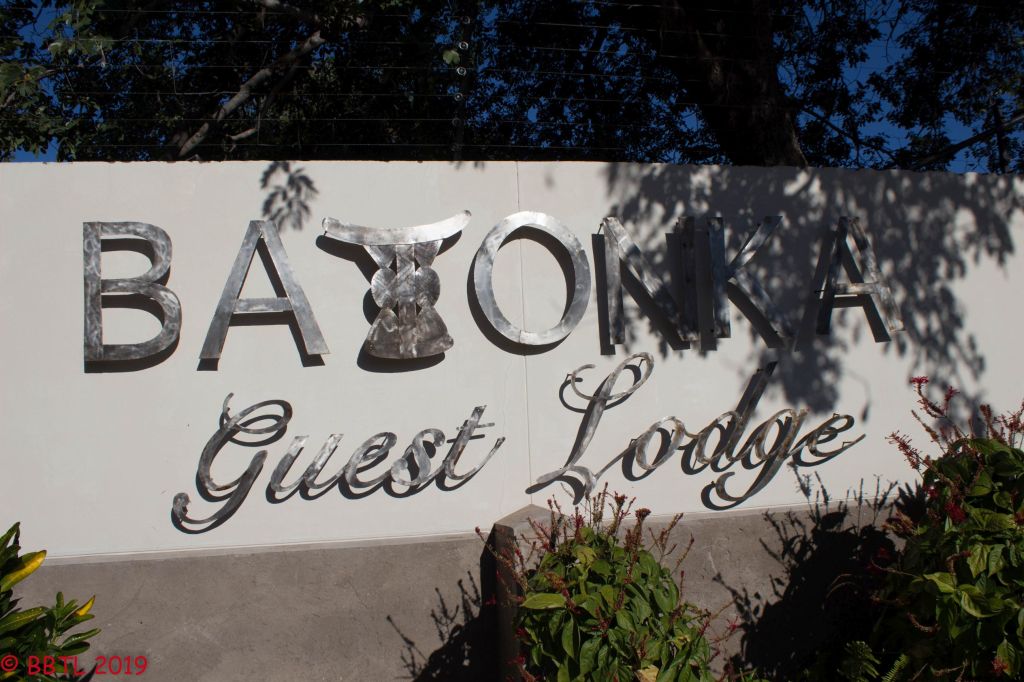
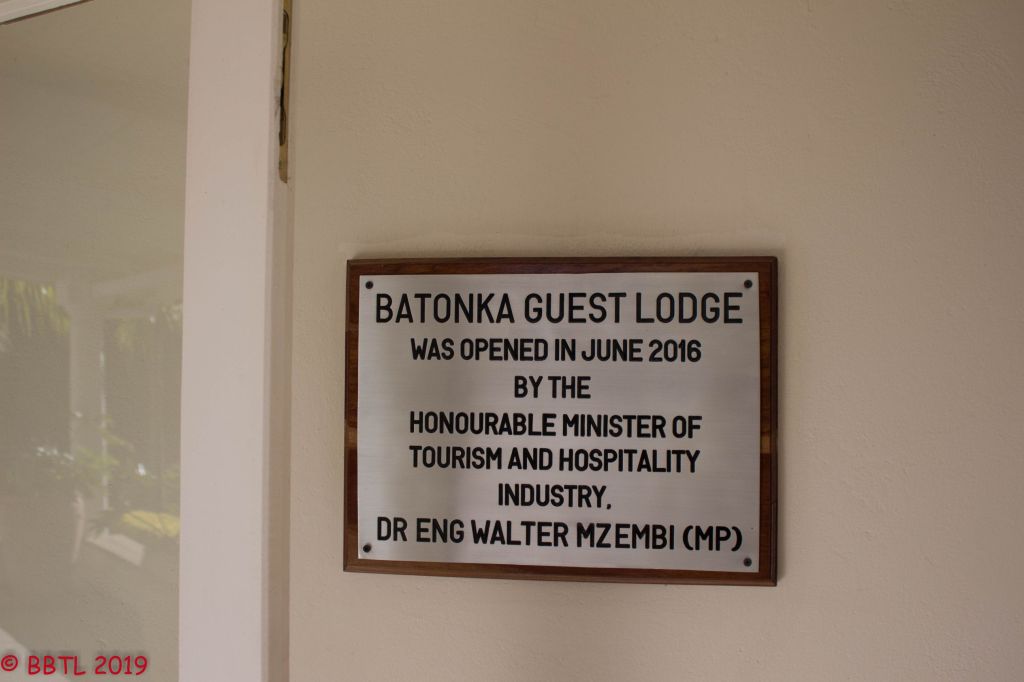
Next stop will be Batonka at Victoria Falls
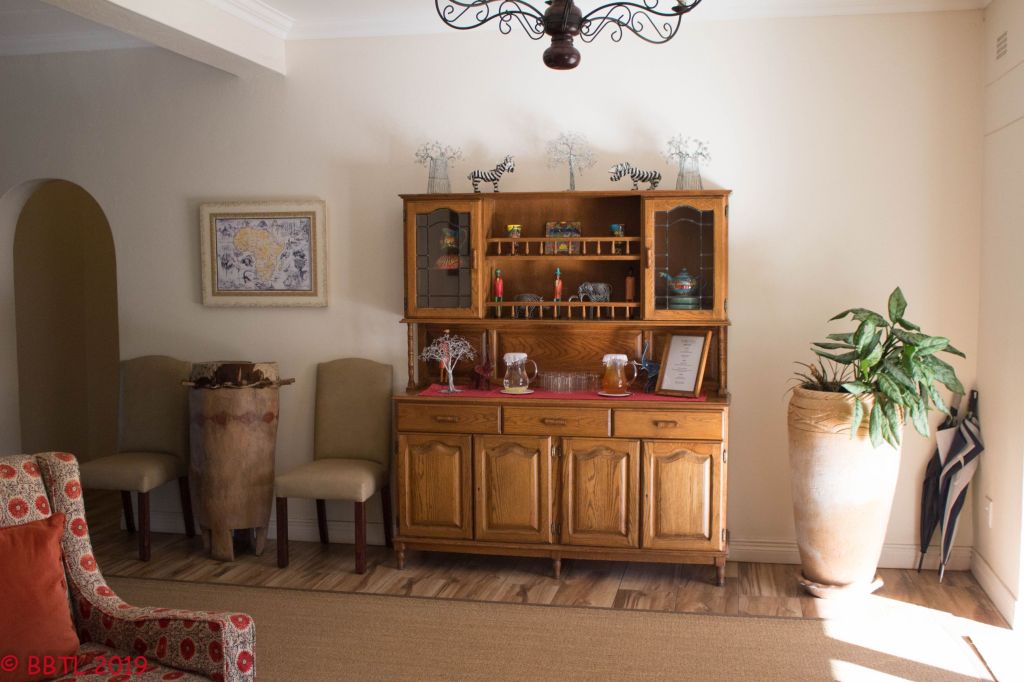
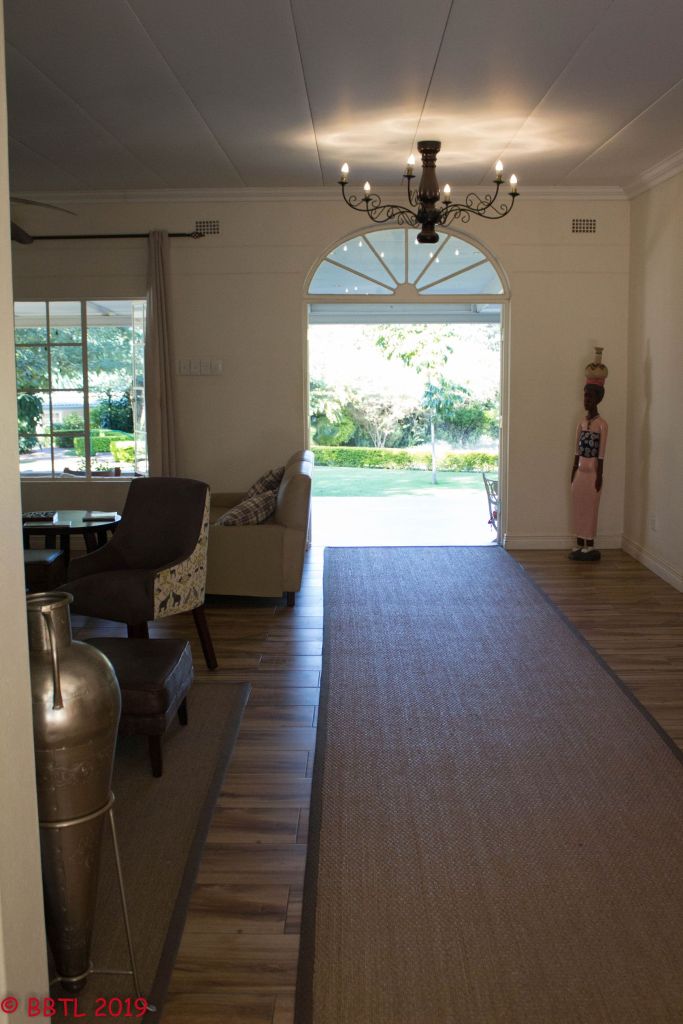
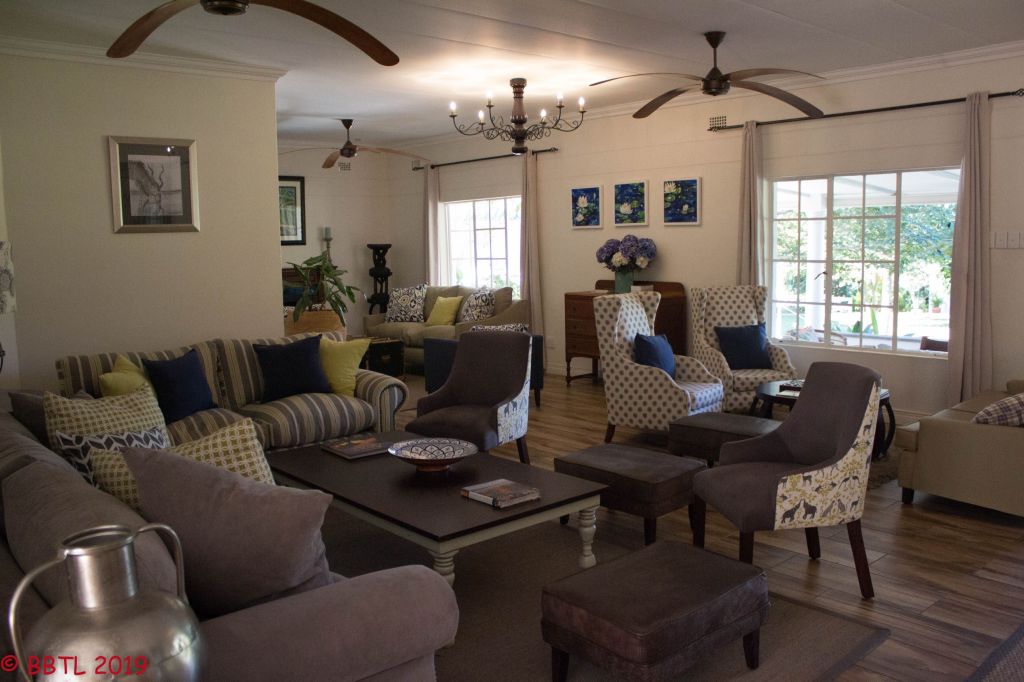
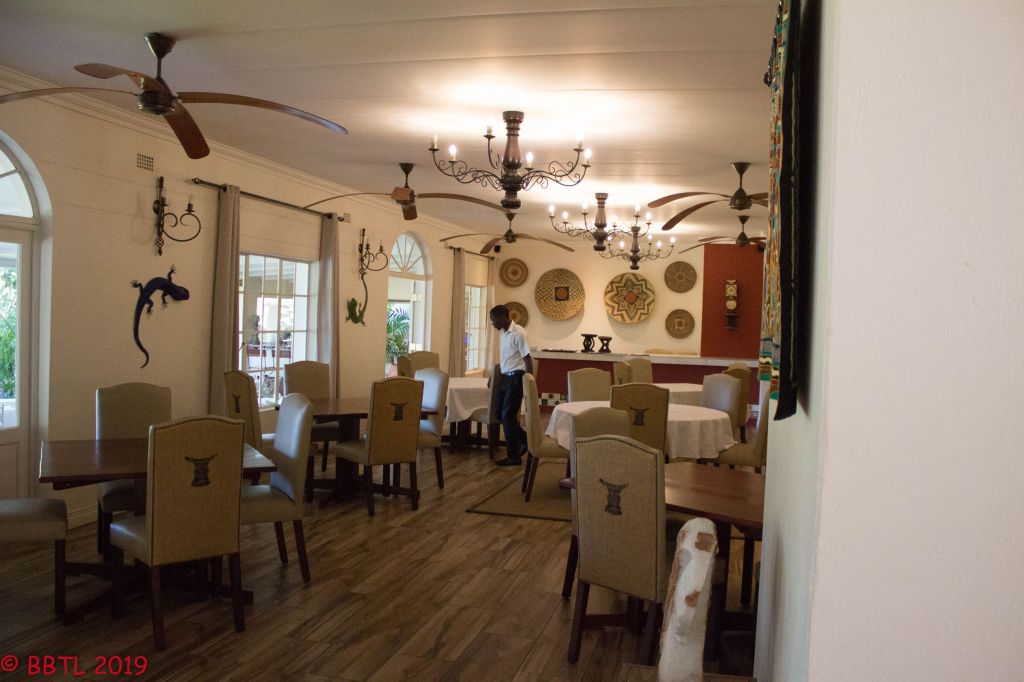
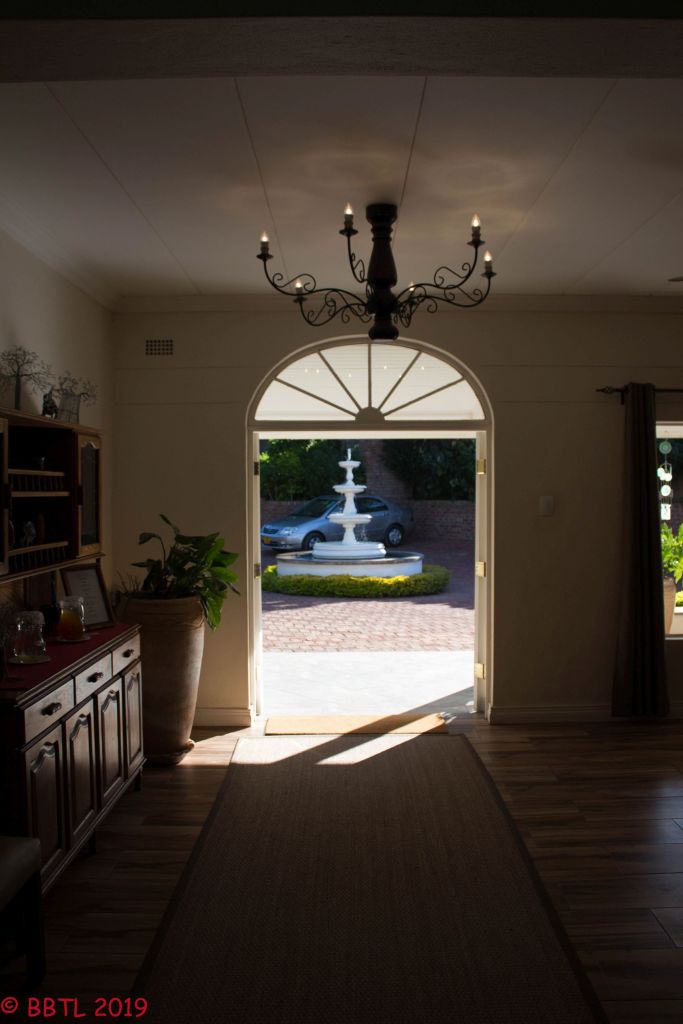
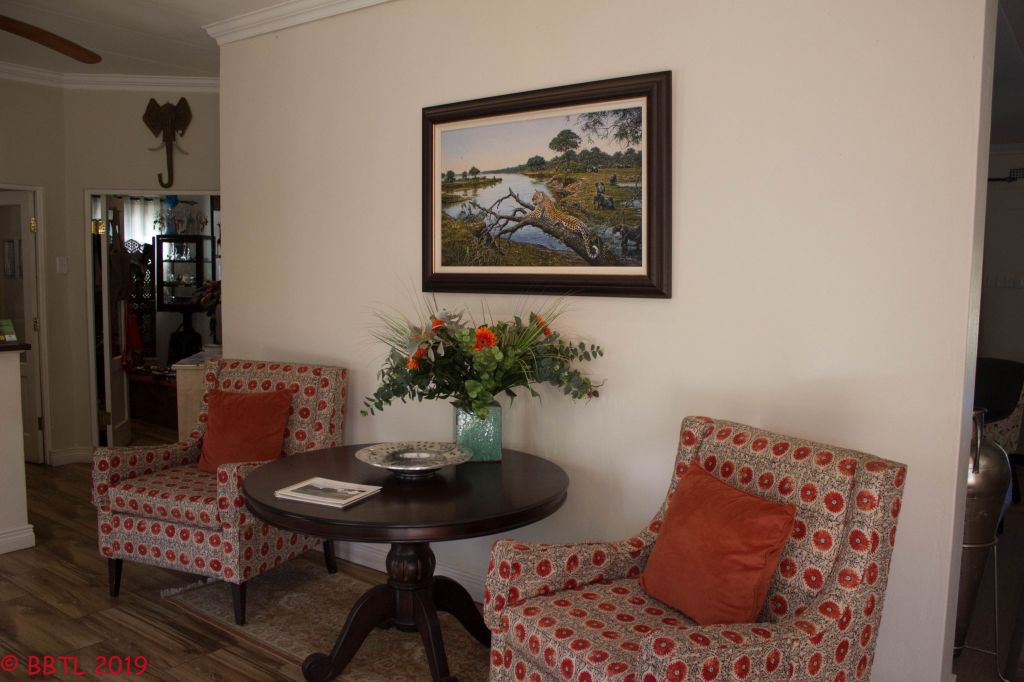
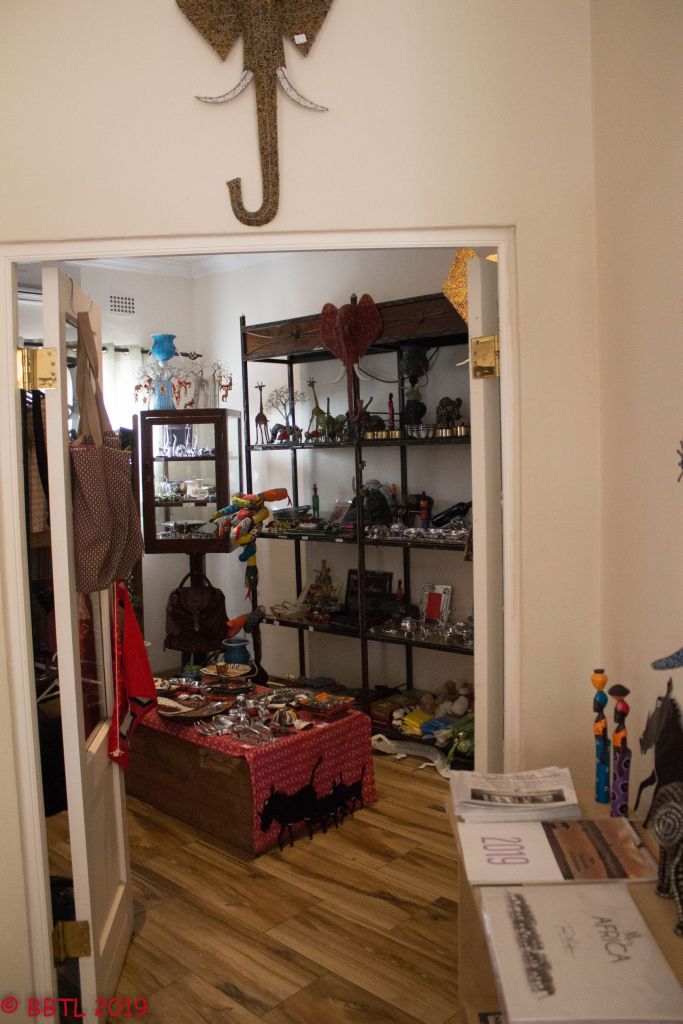
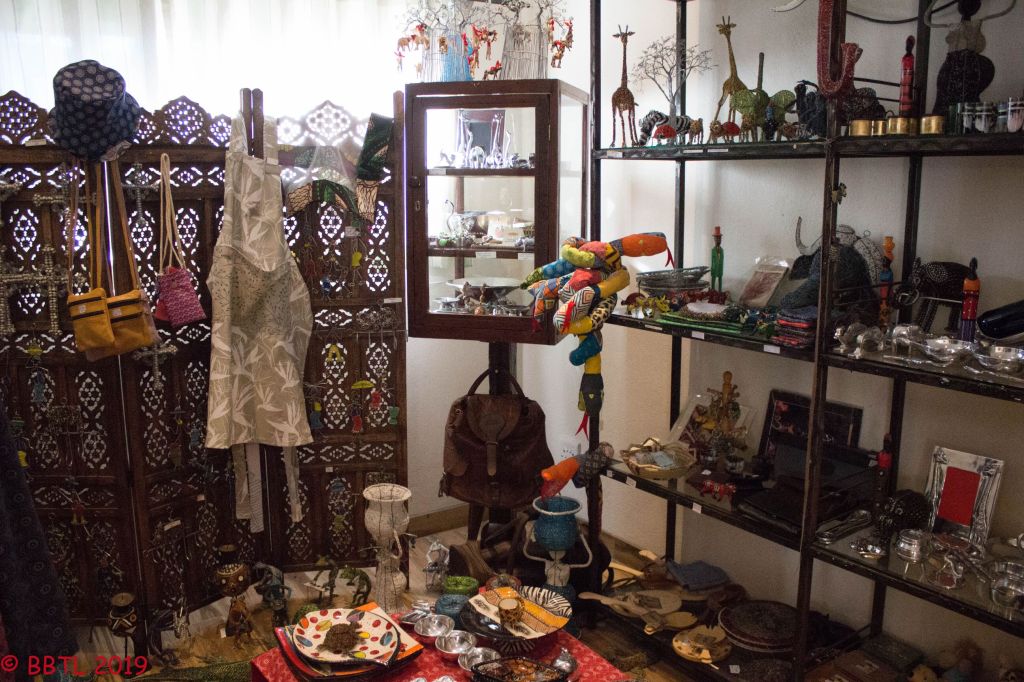
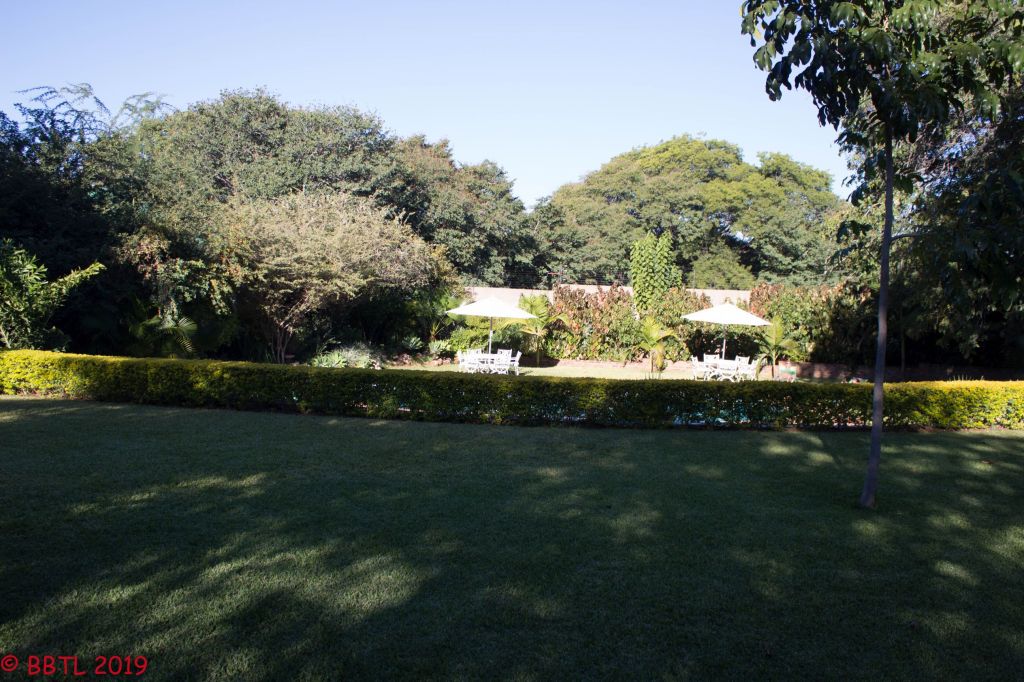
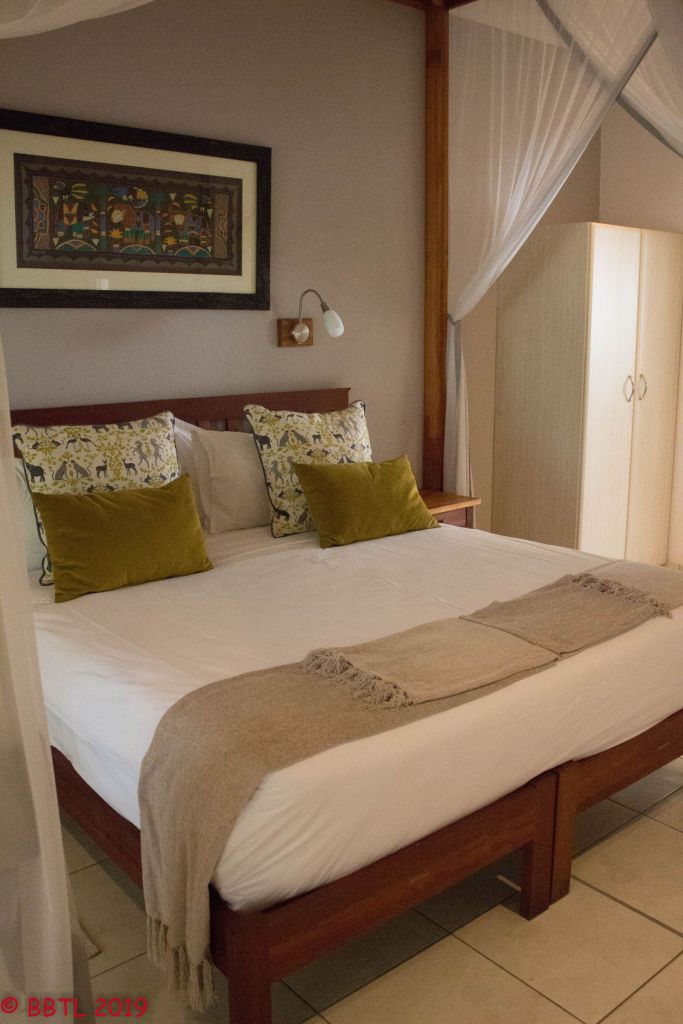
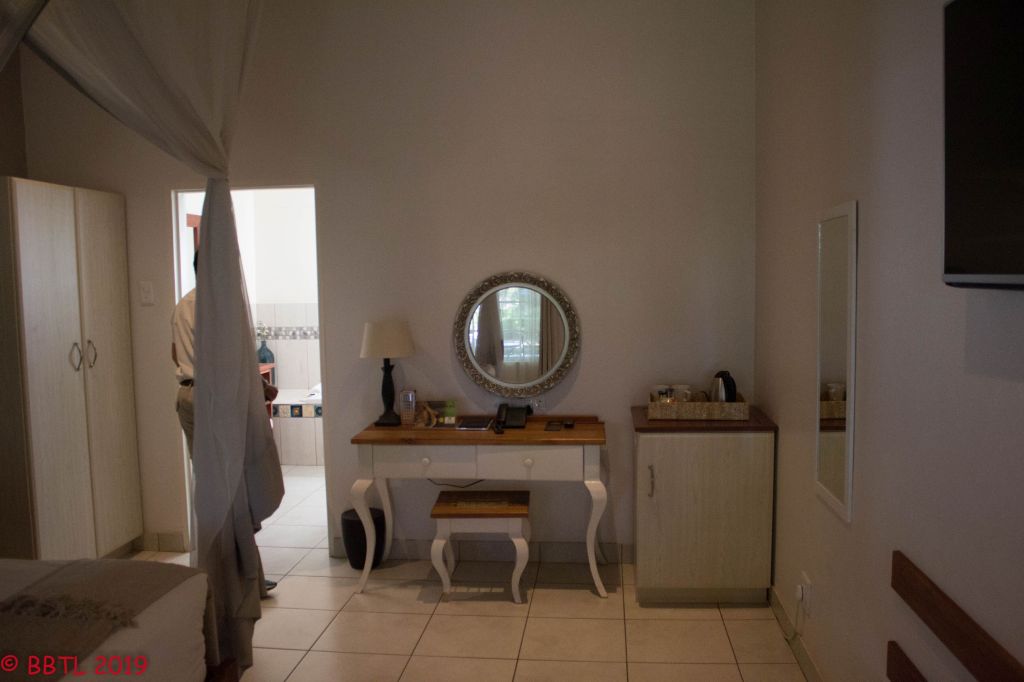
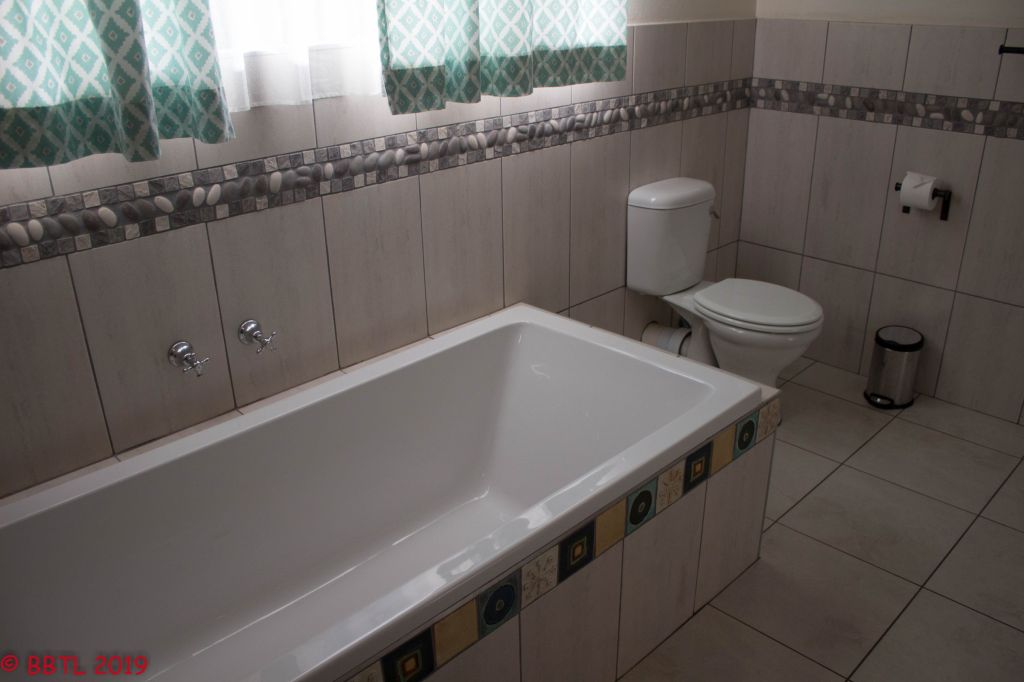
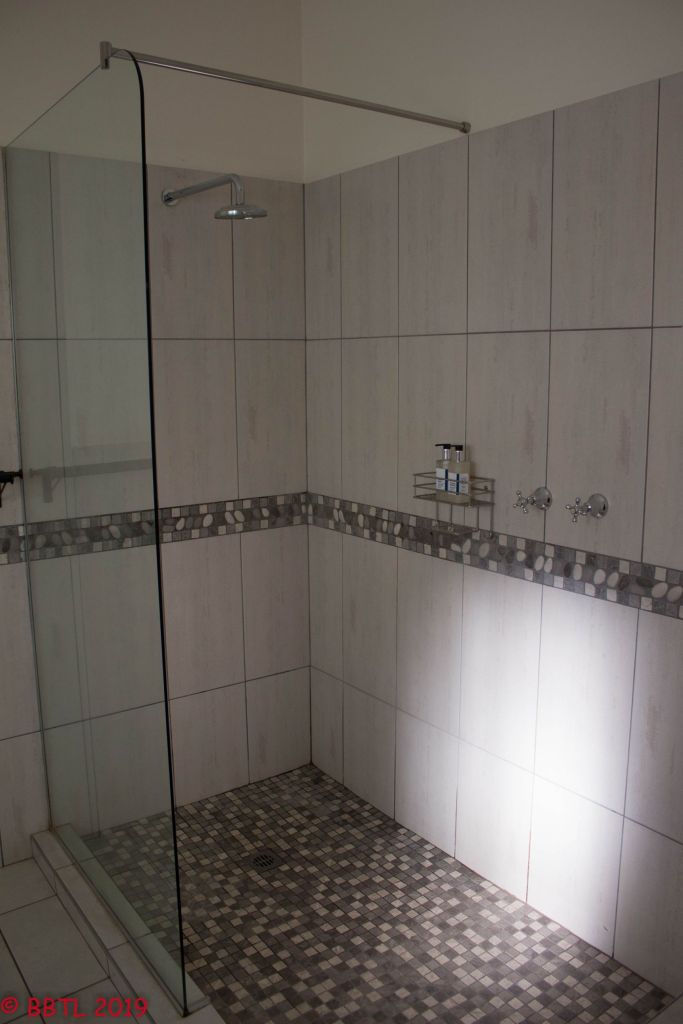
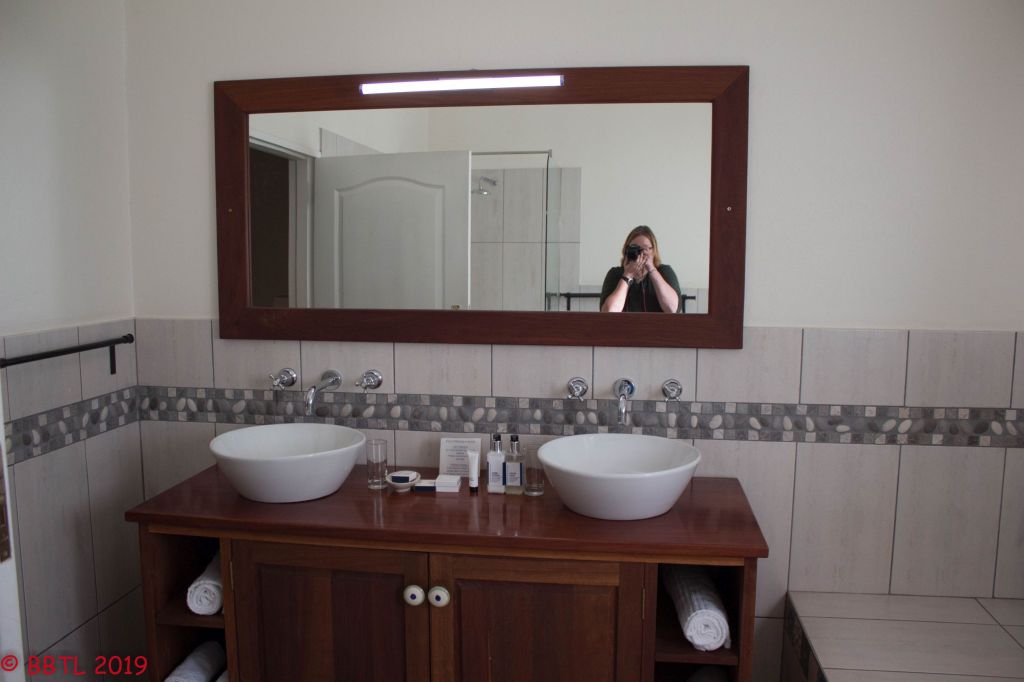
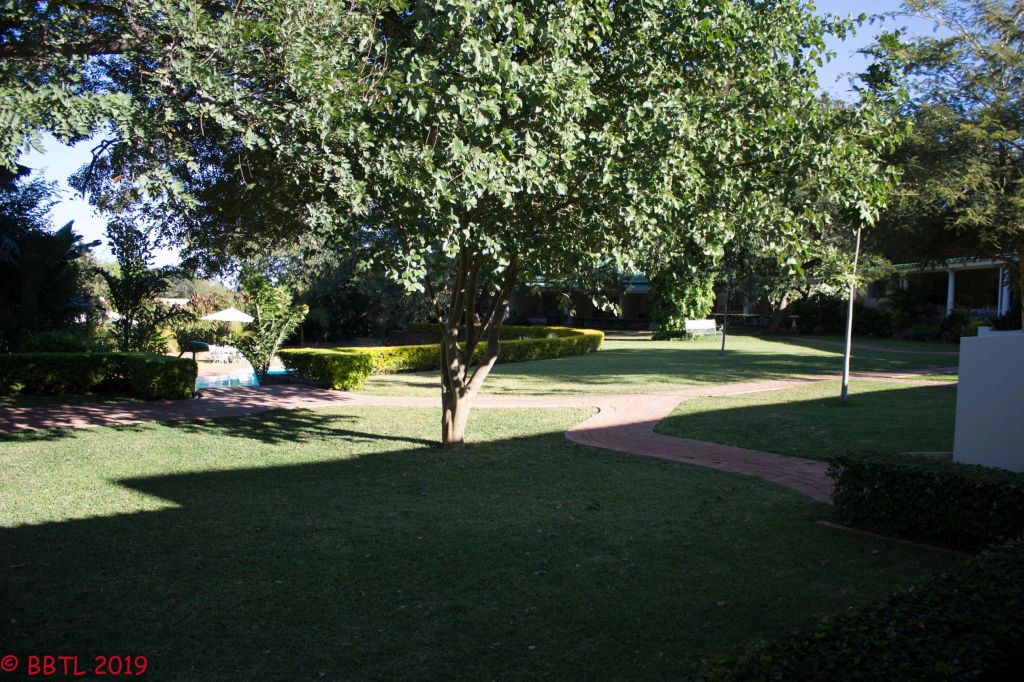
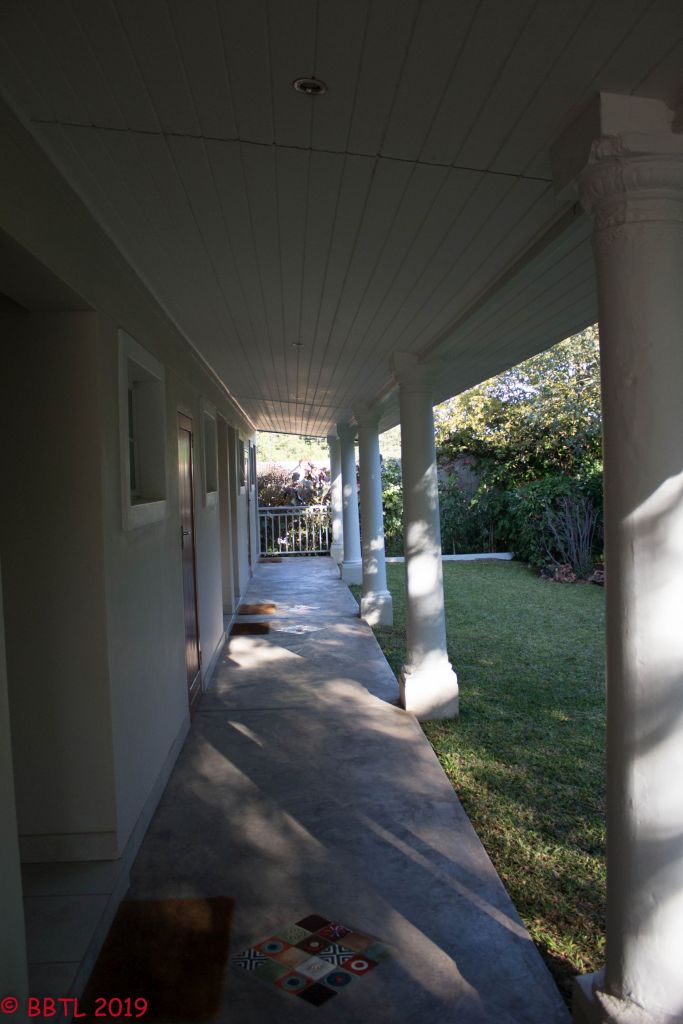
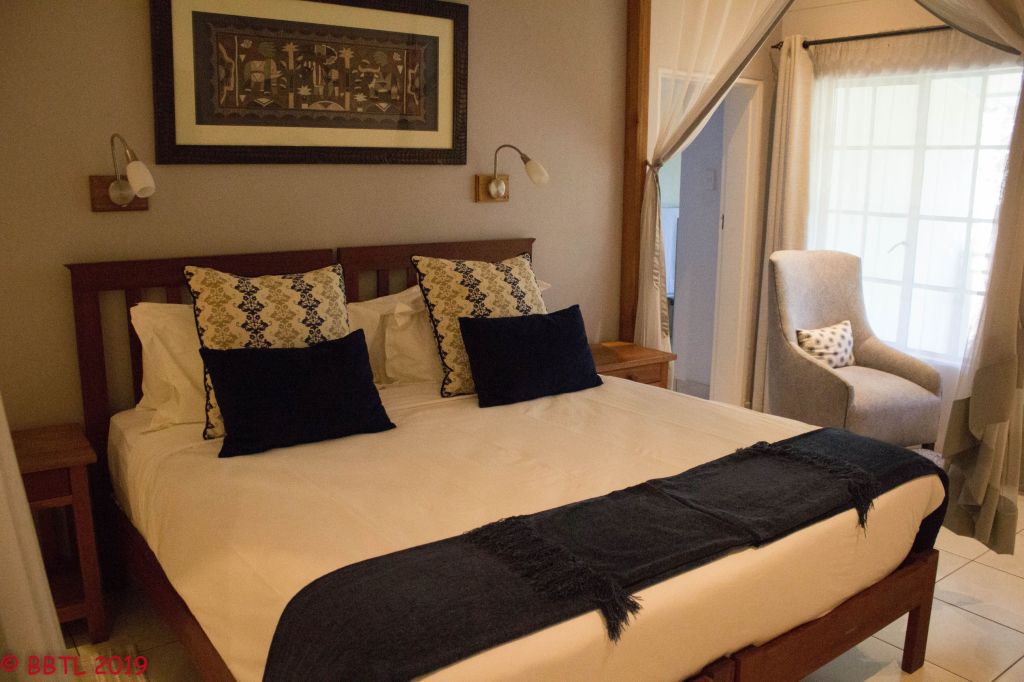
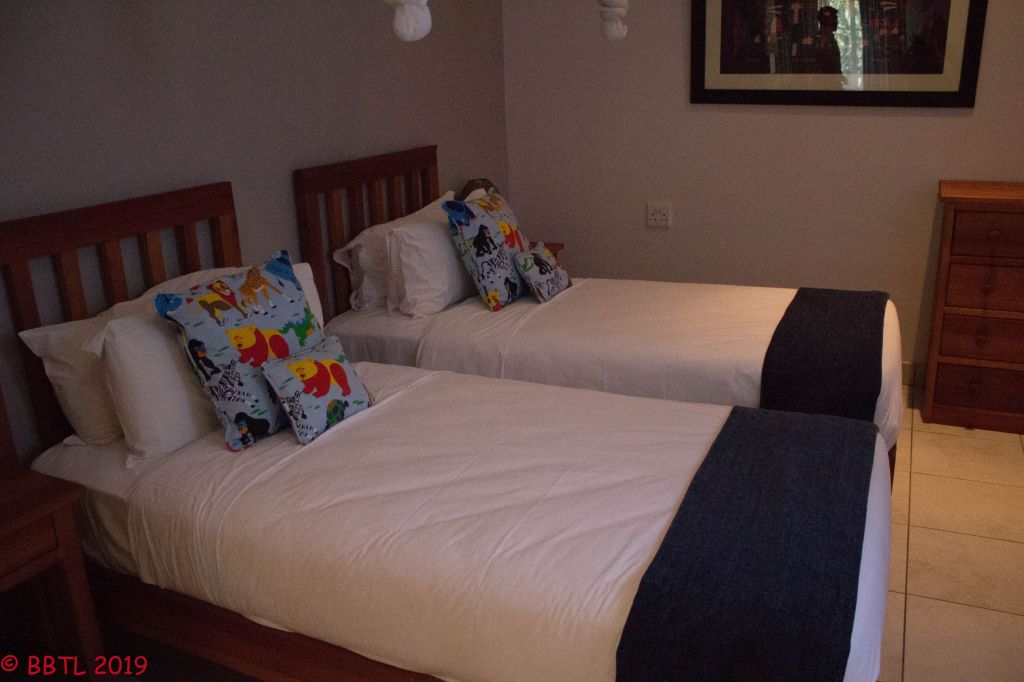
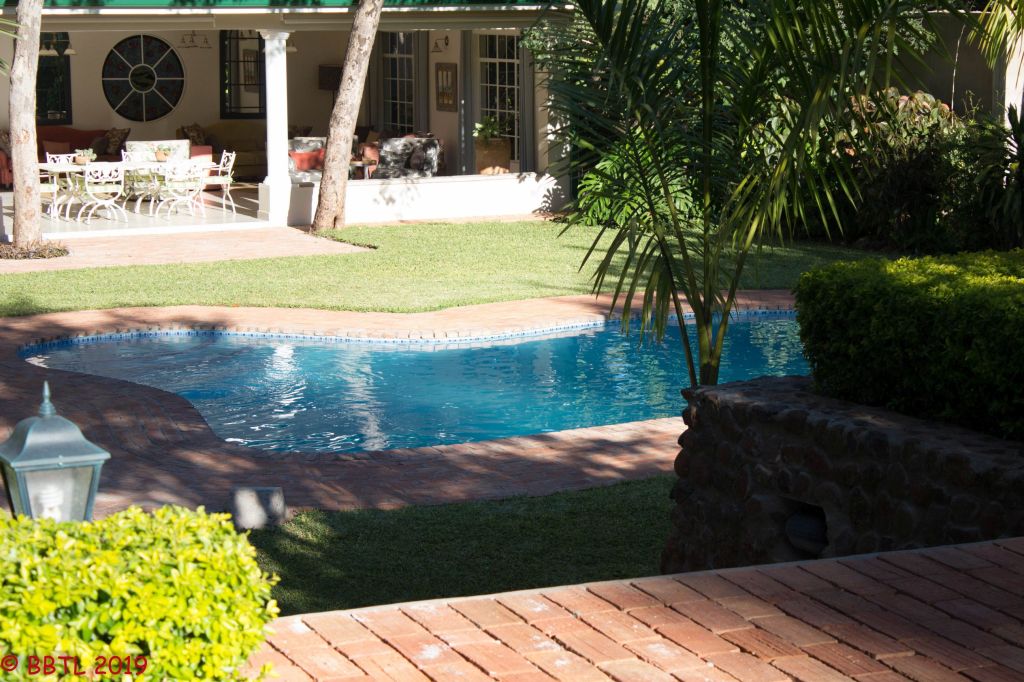
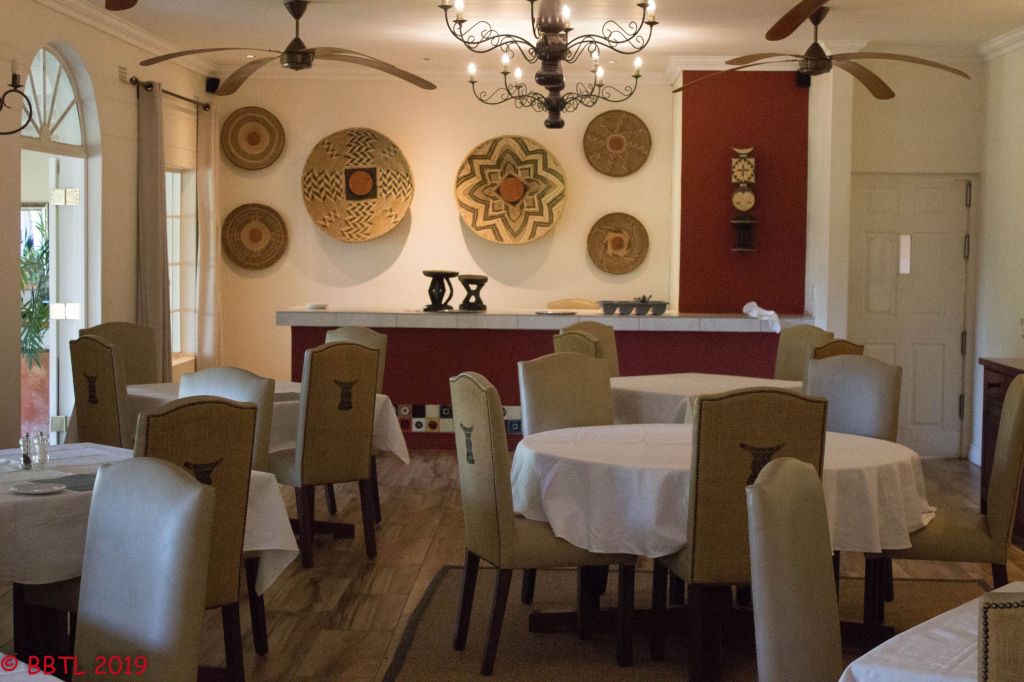
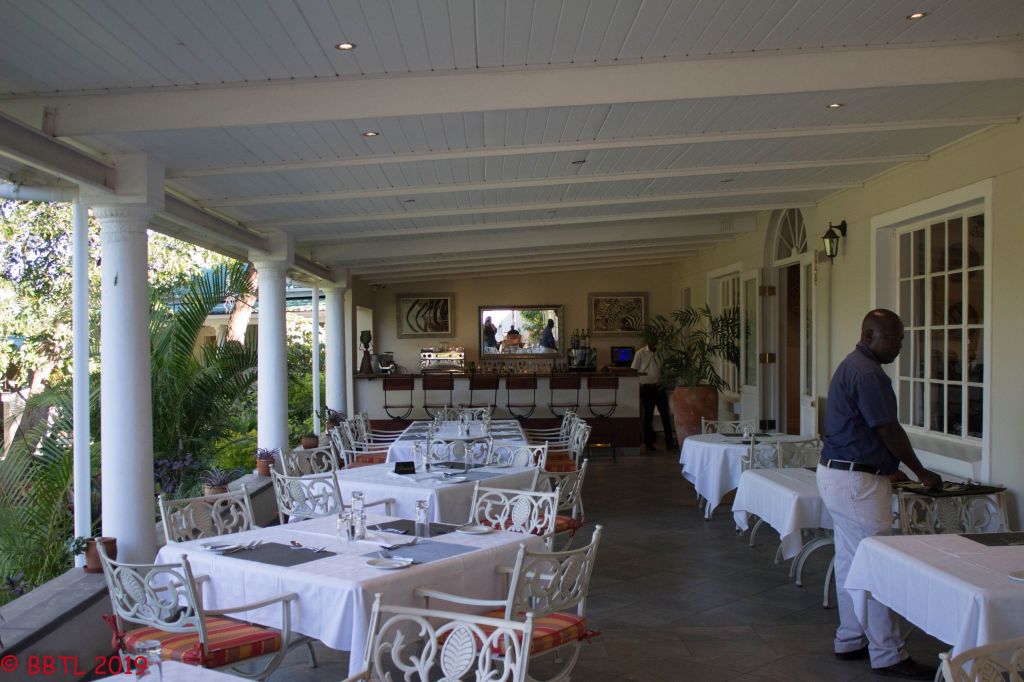
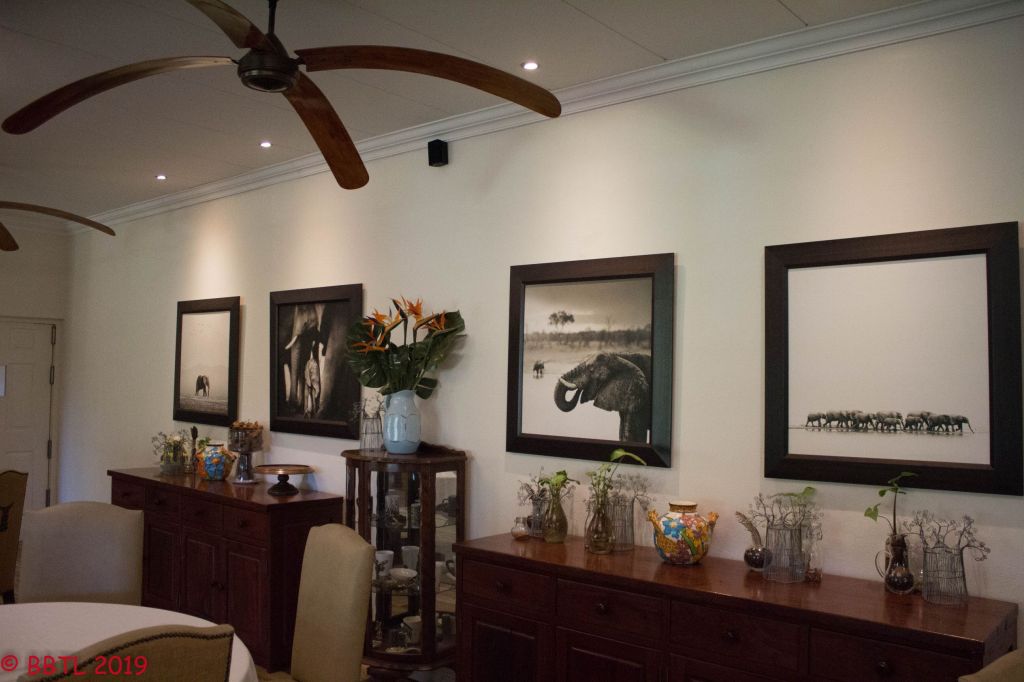
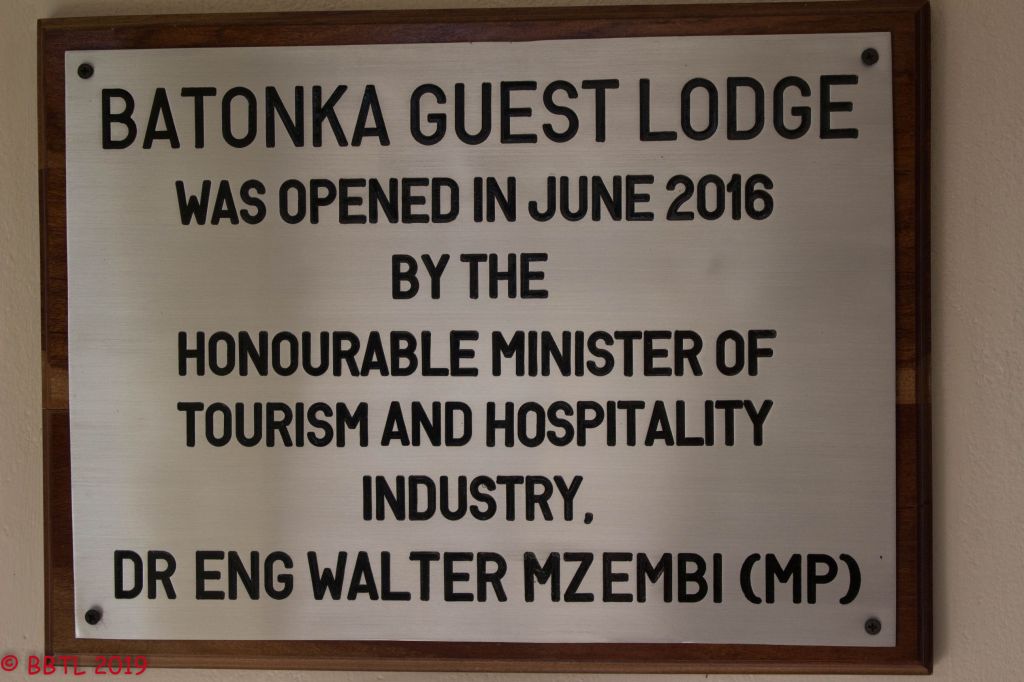
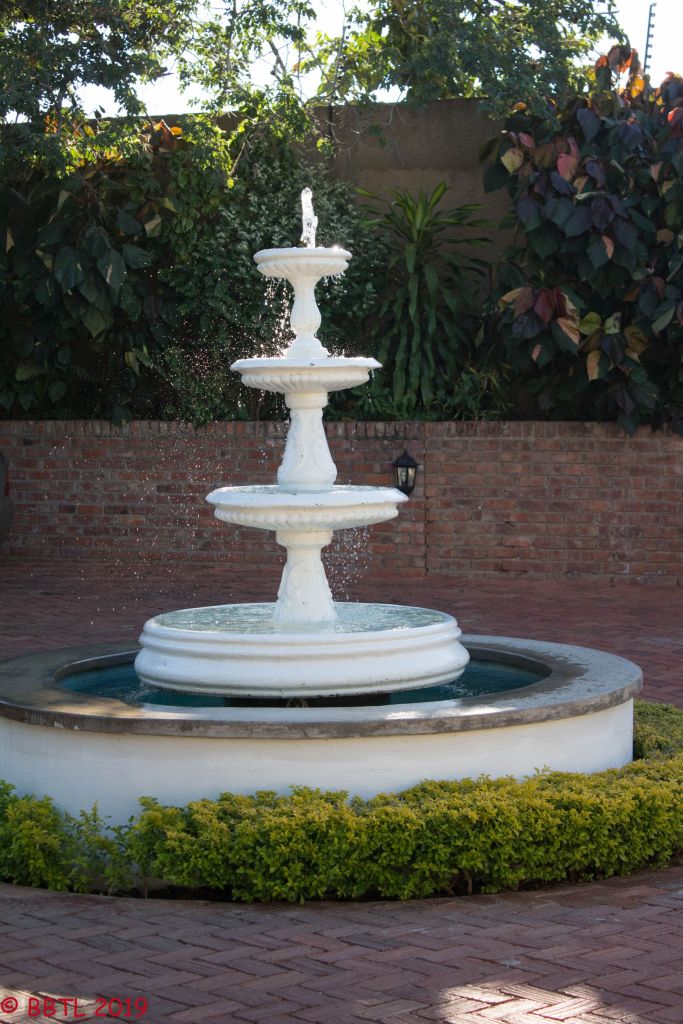
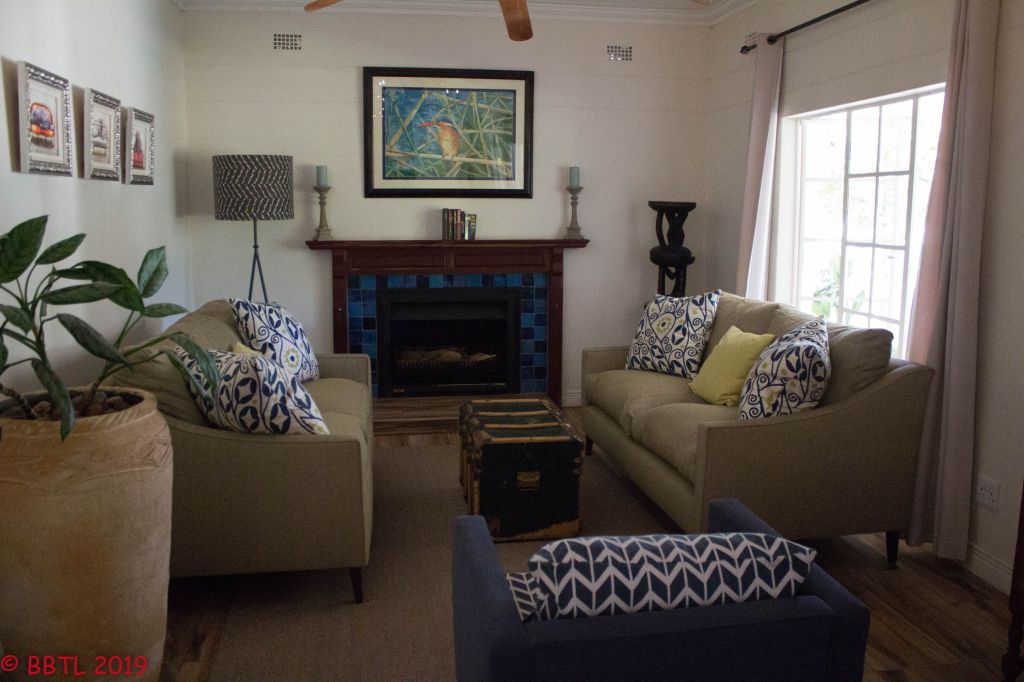
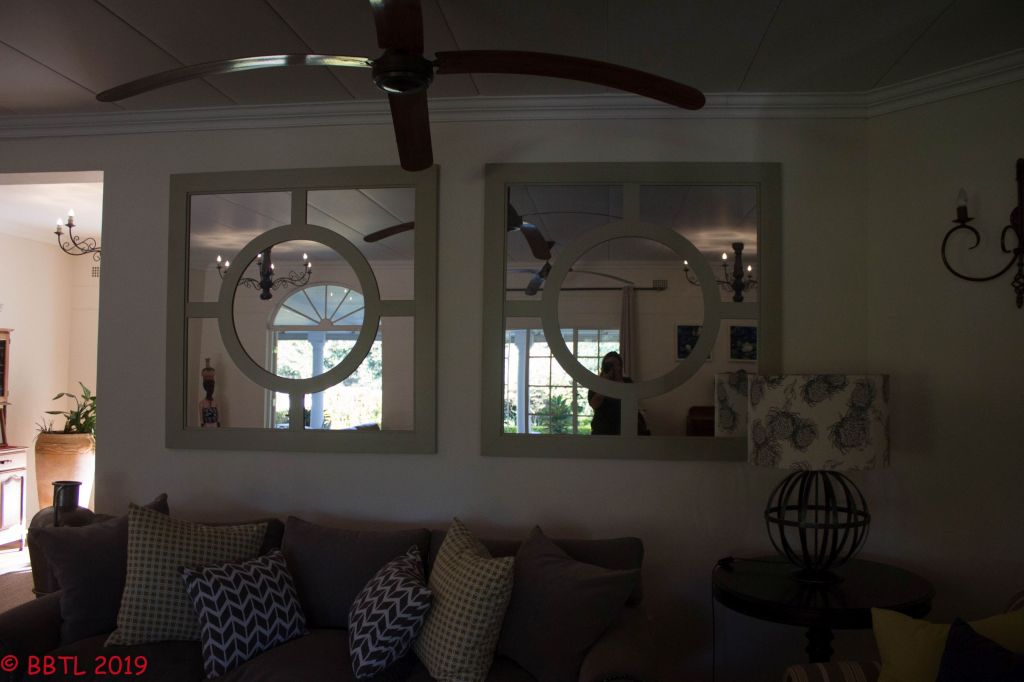
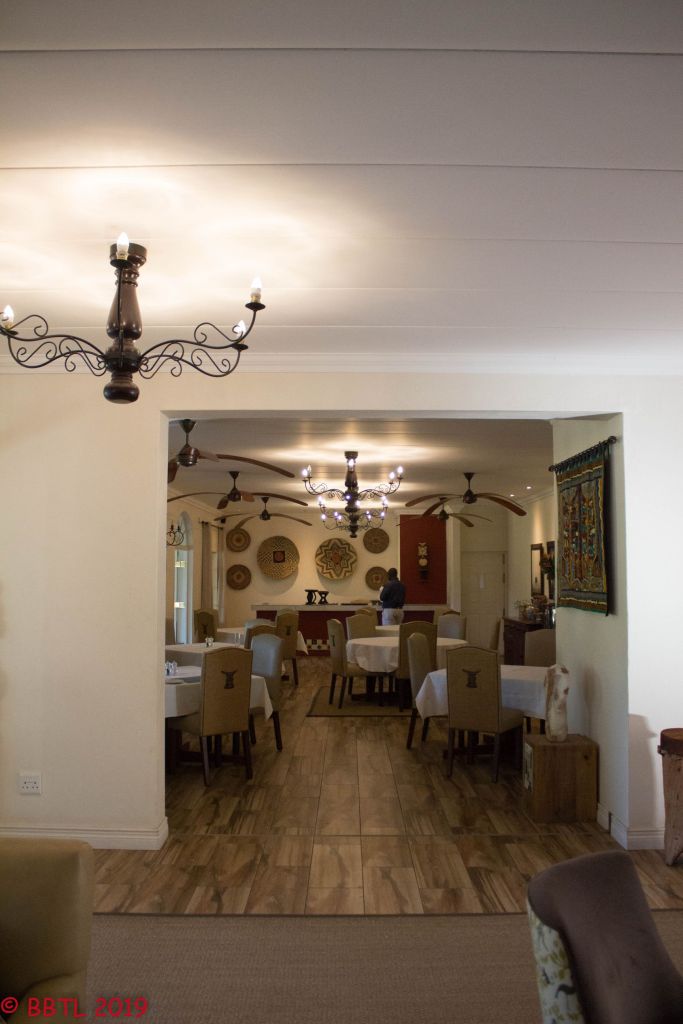
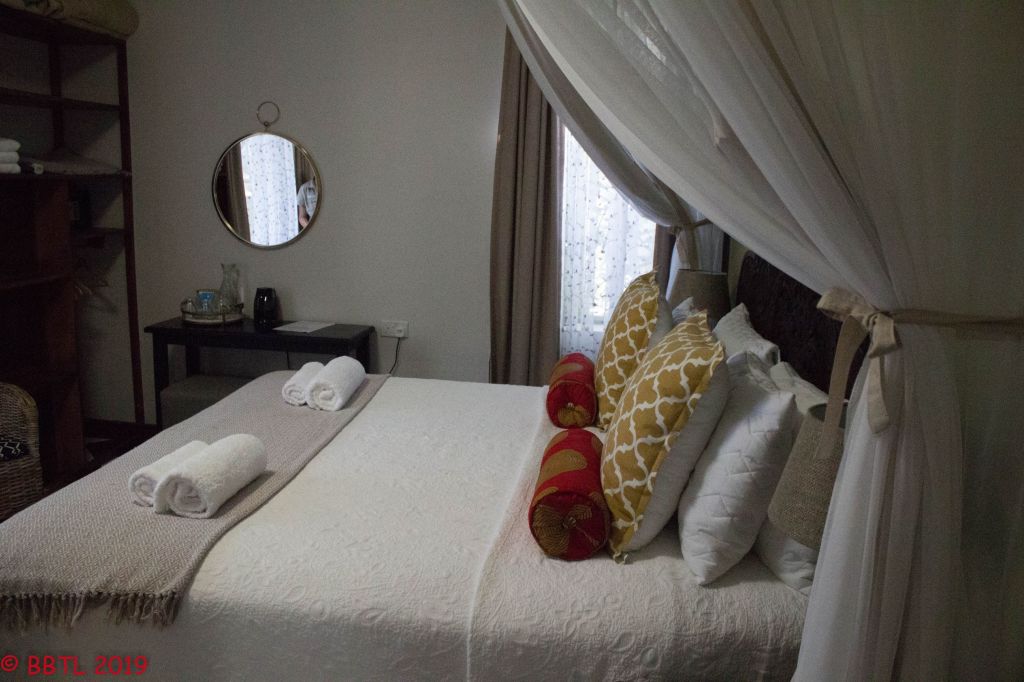
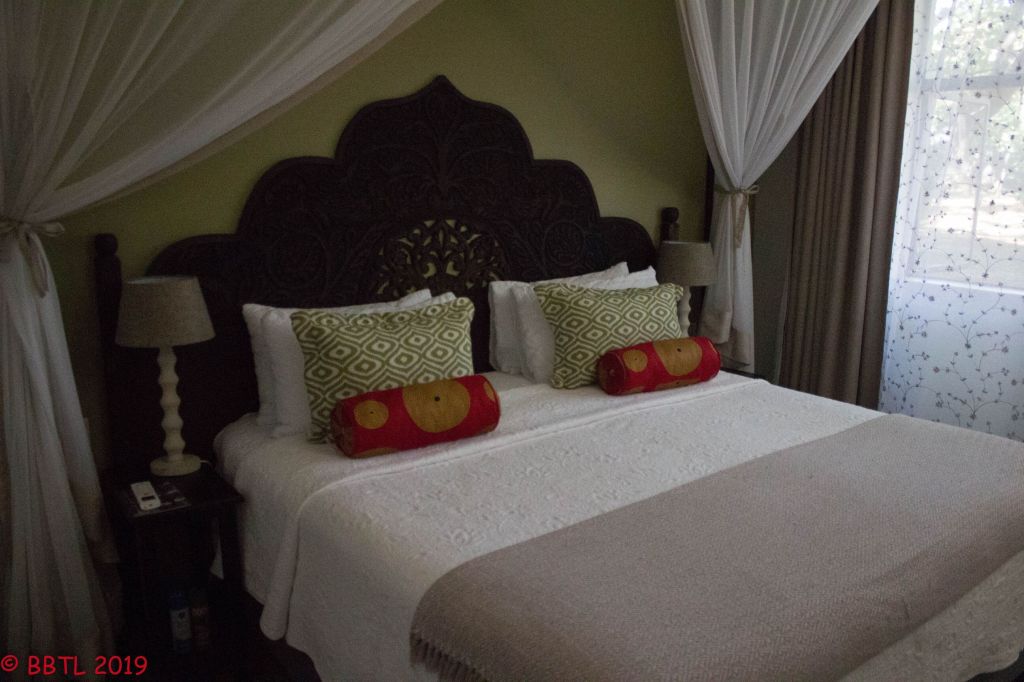
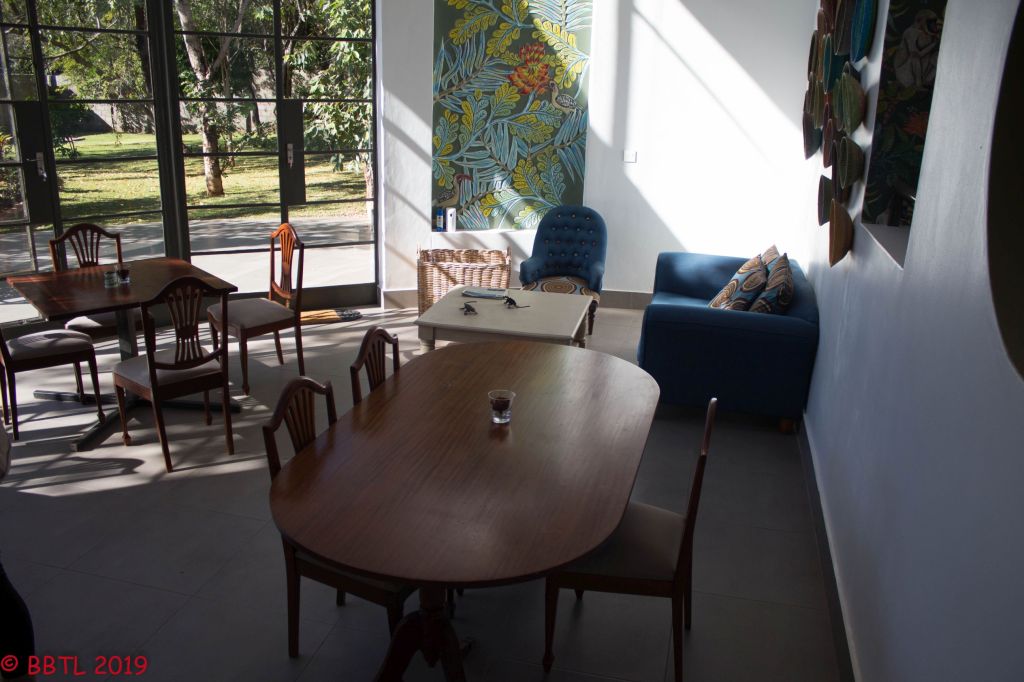
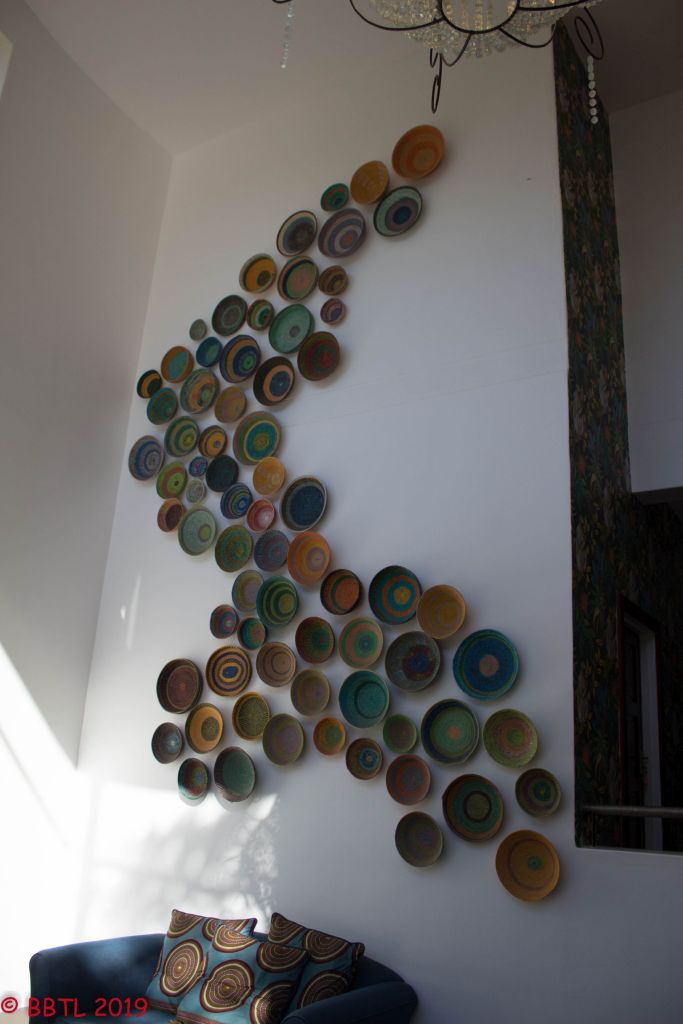
Some accommodation photos
As I said before, I was able to travel quite a lot last year.
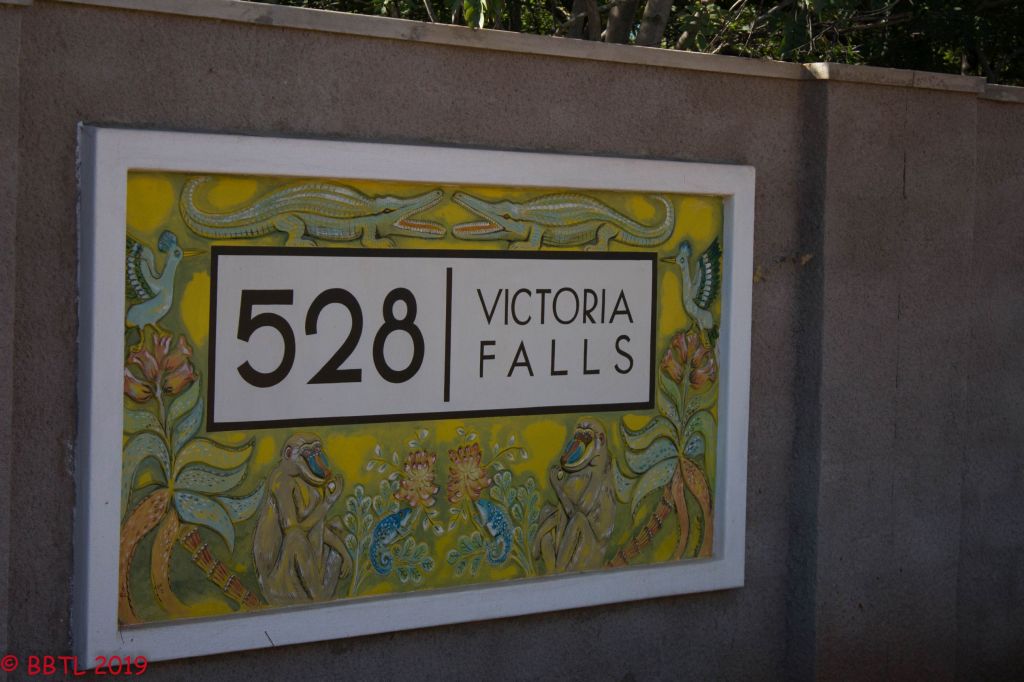
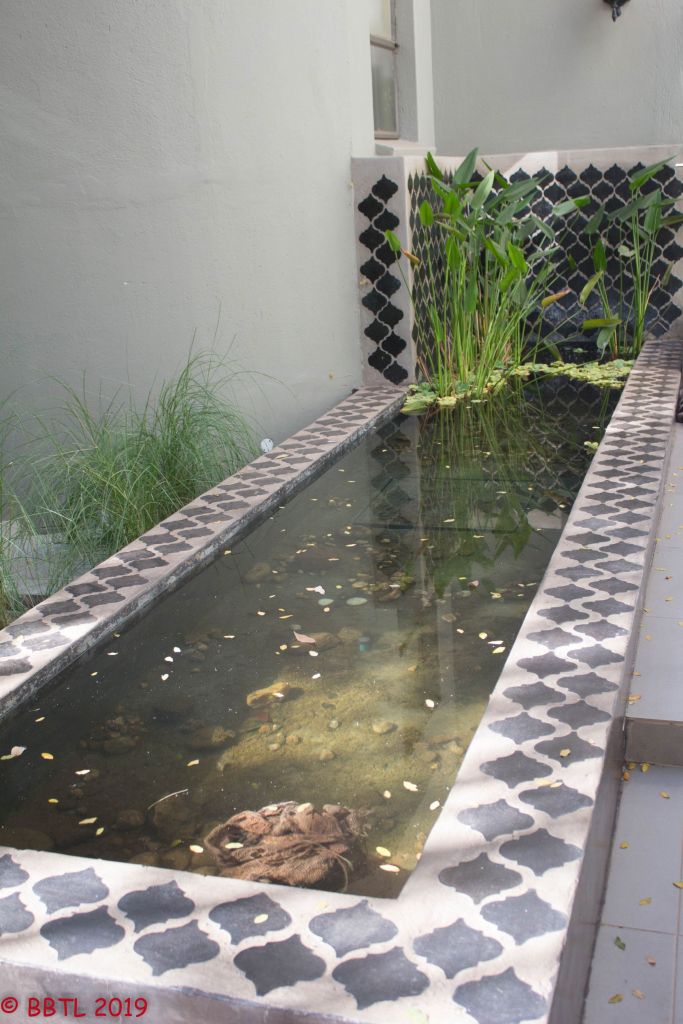
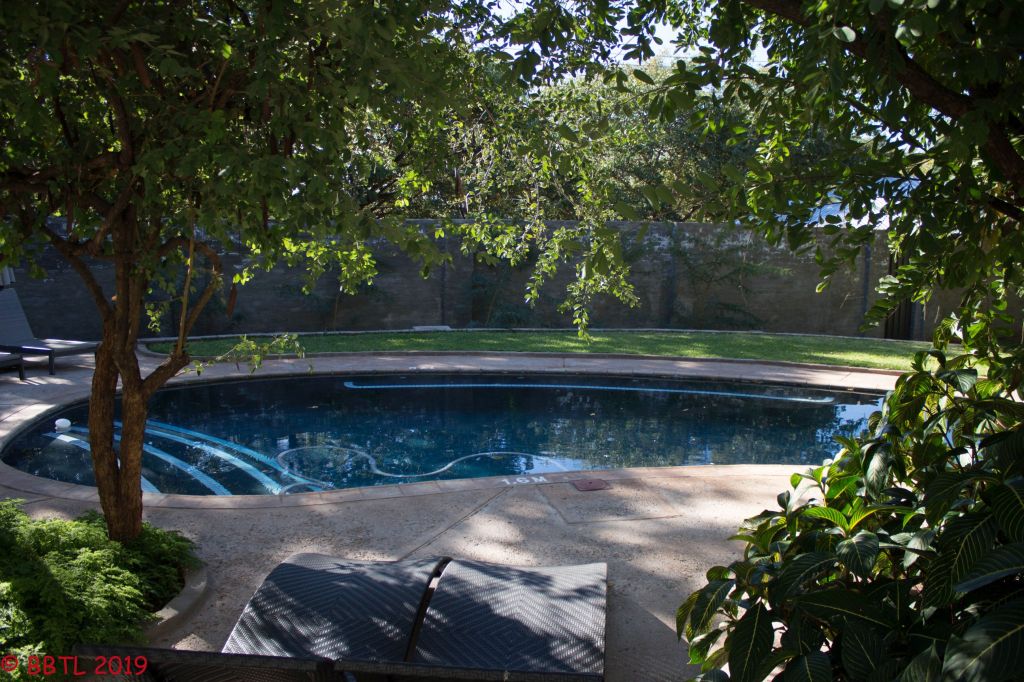
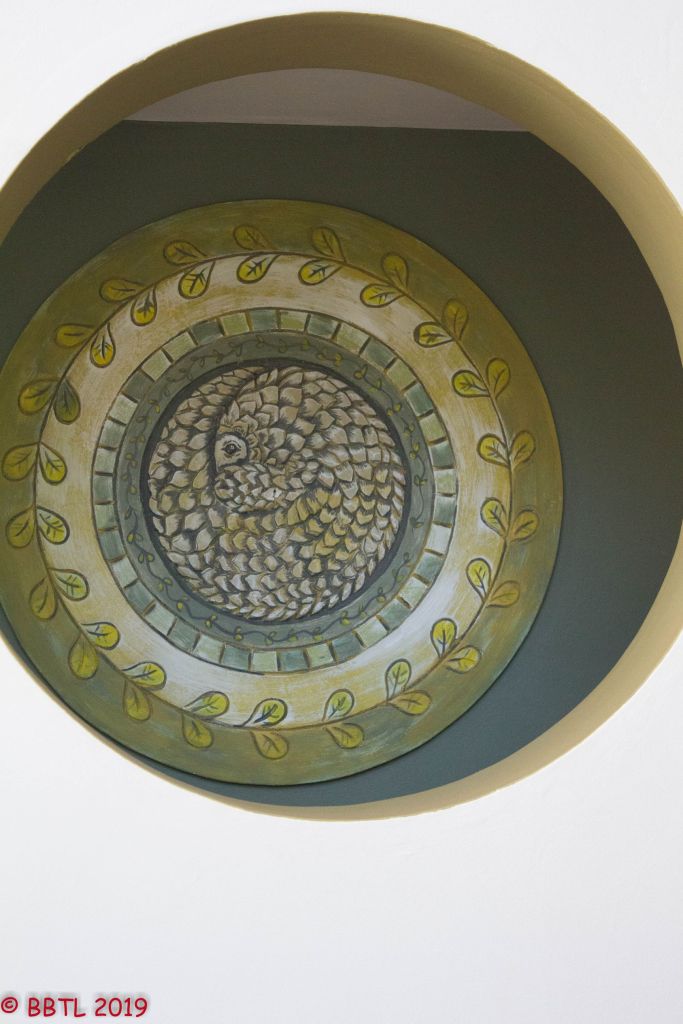
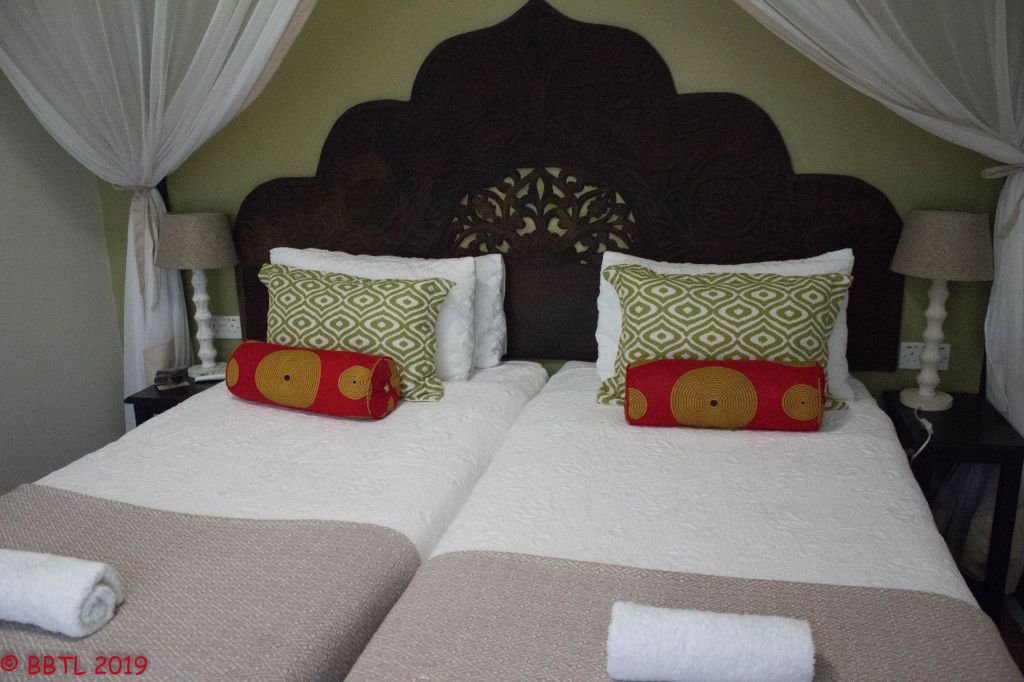
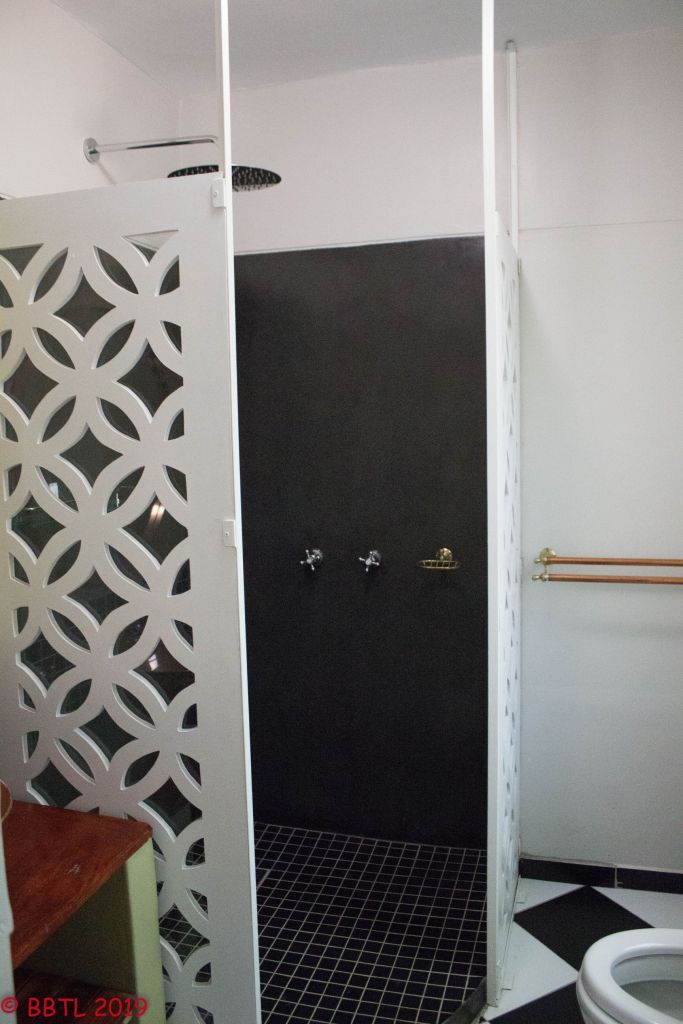
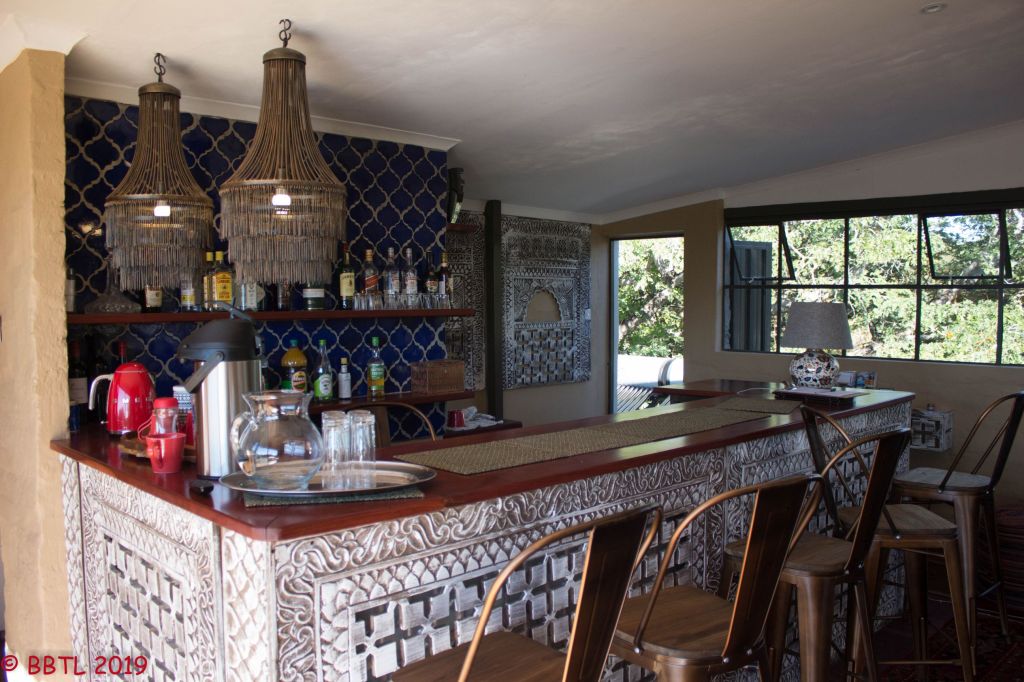
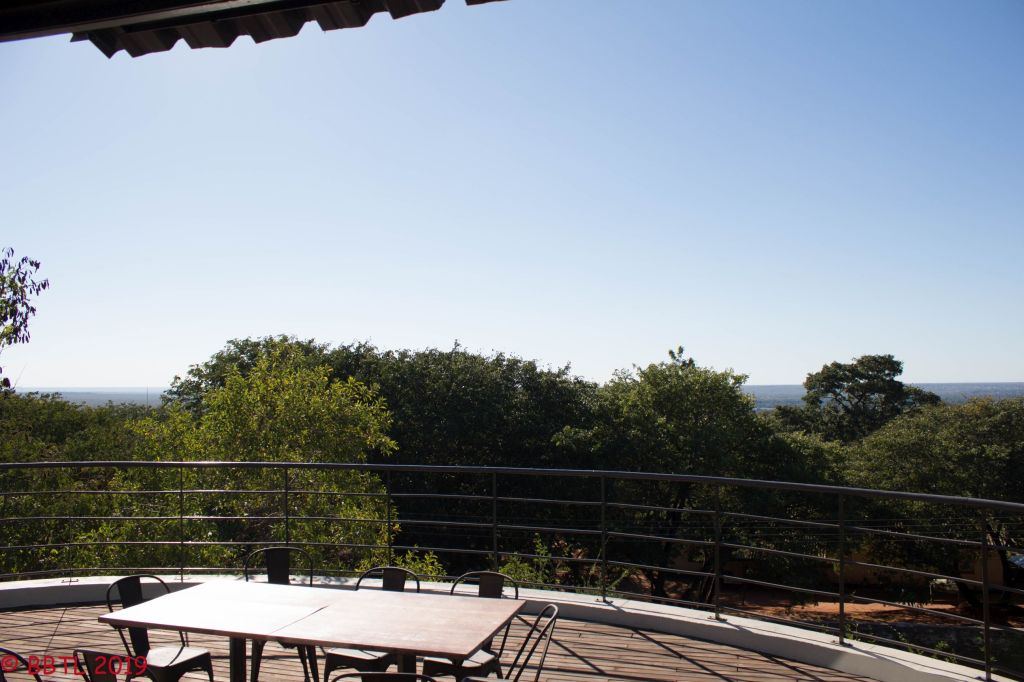
Here are some photos from some accommodations I start with 528 Victoria Falls Guest House
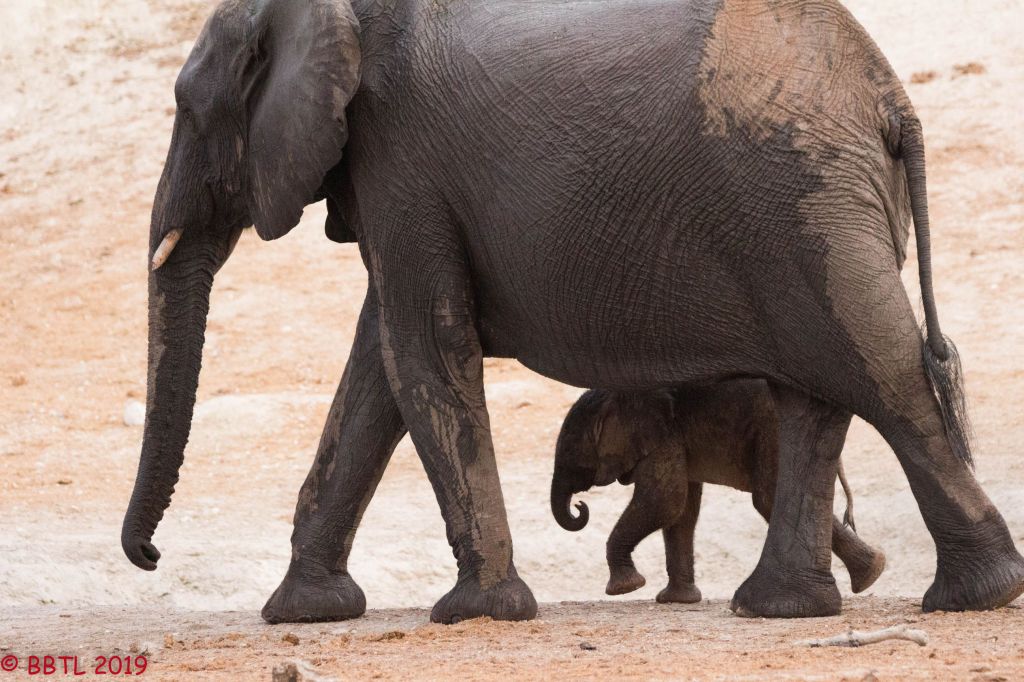
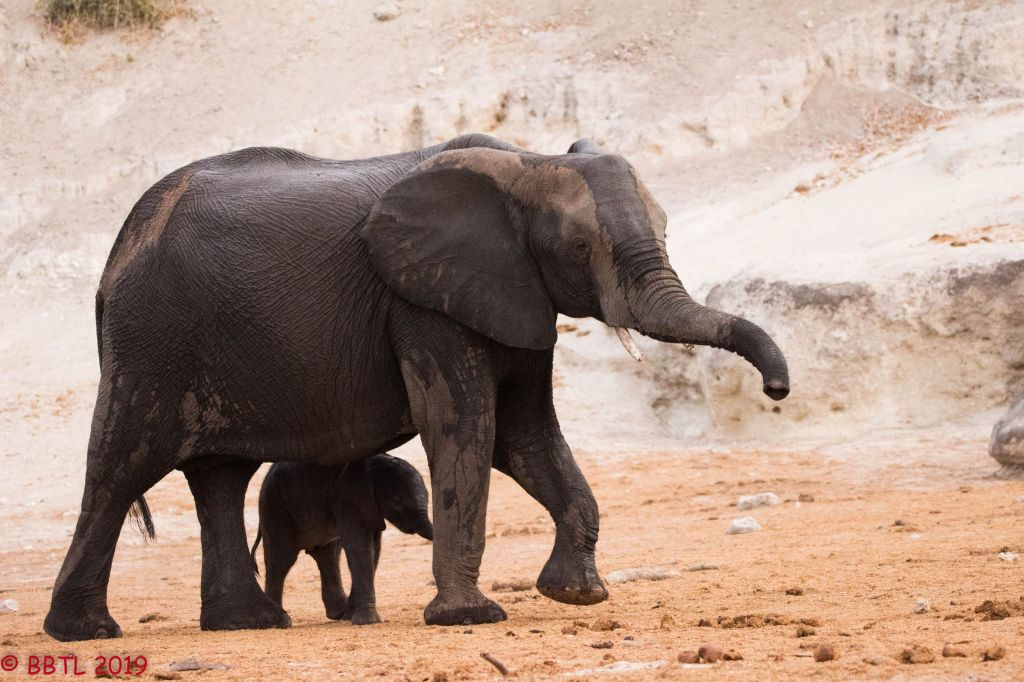
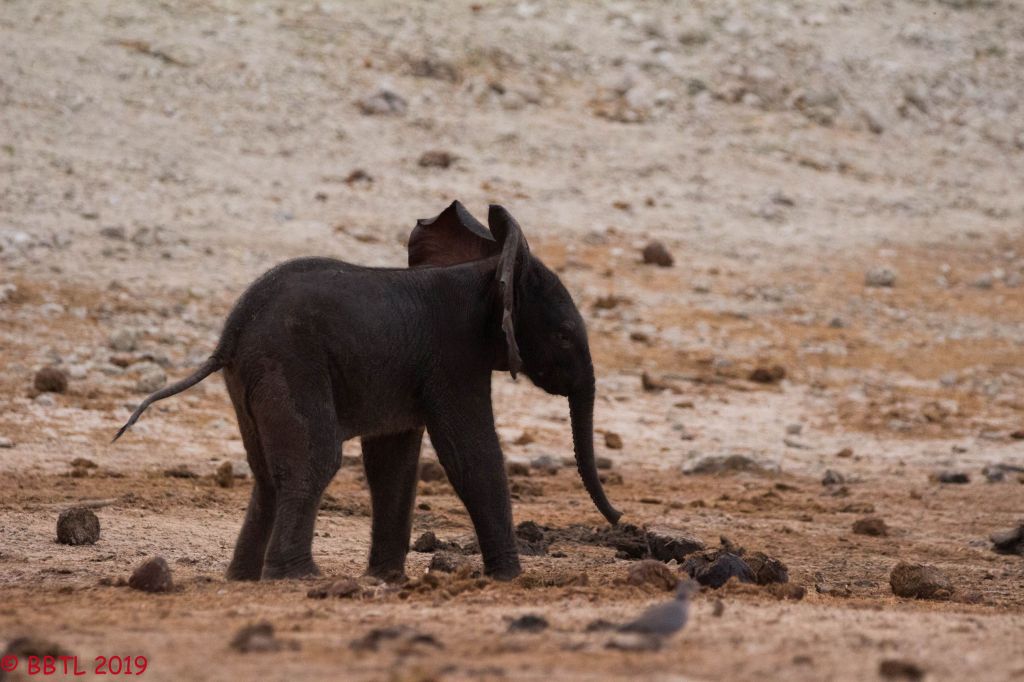
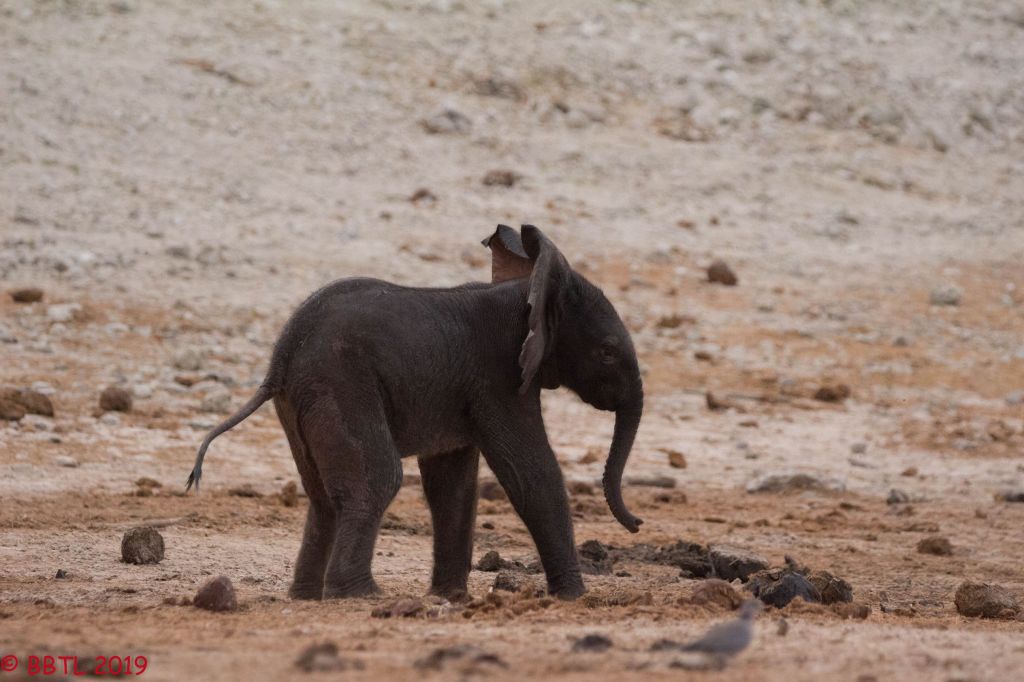
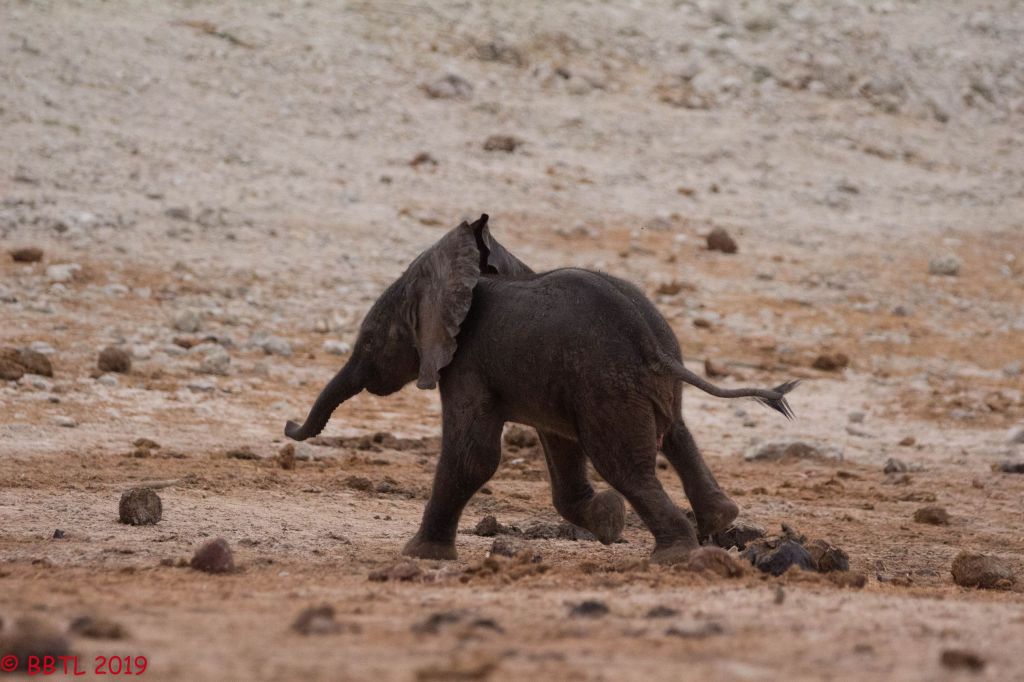
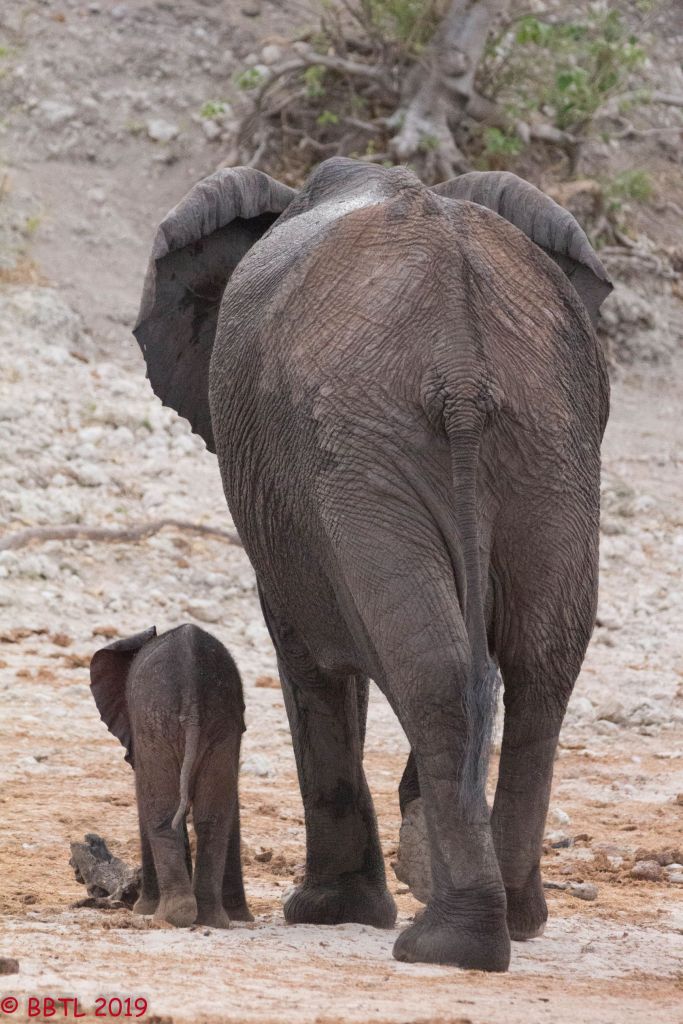
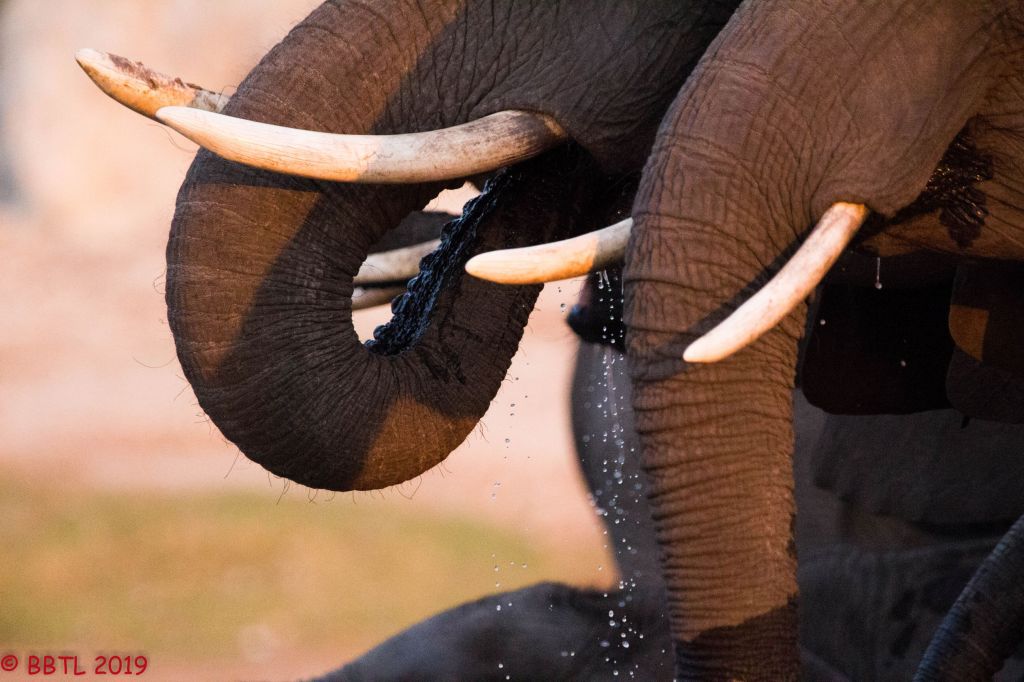
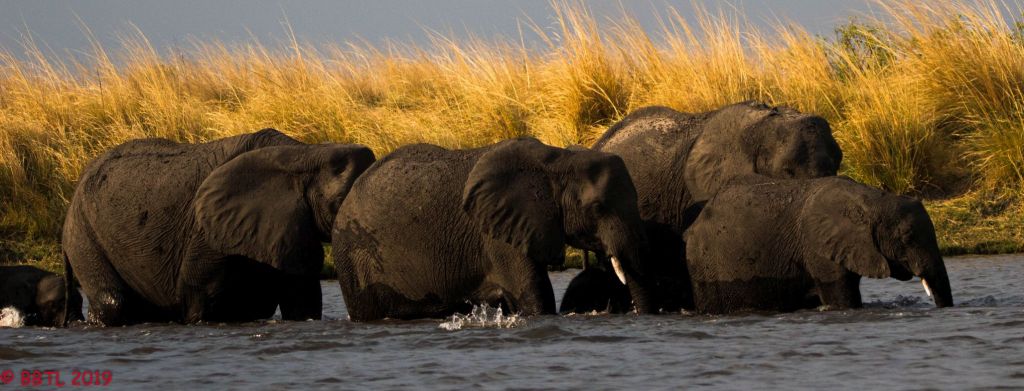
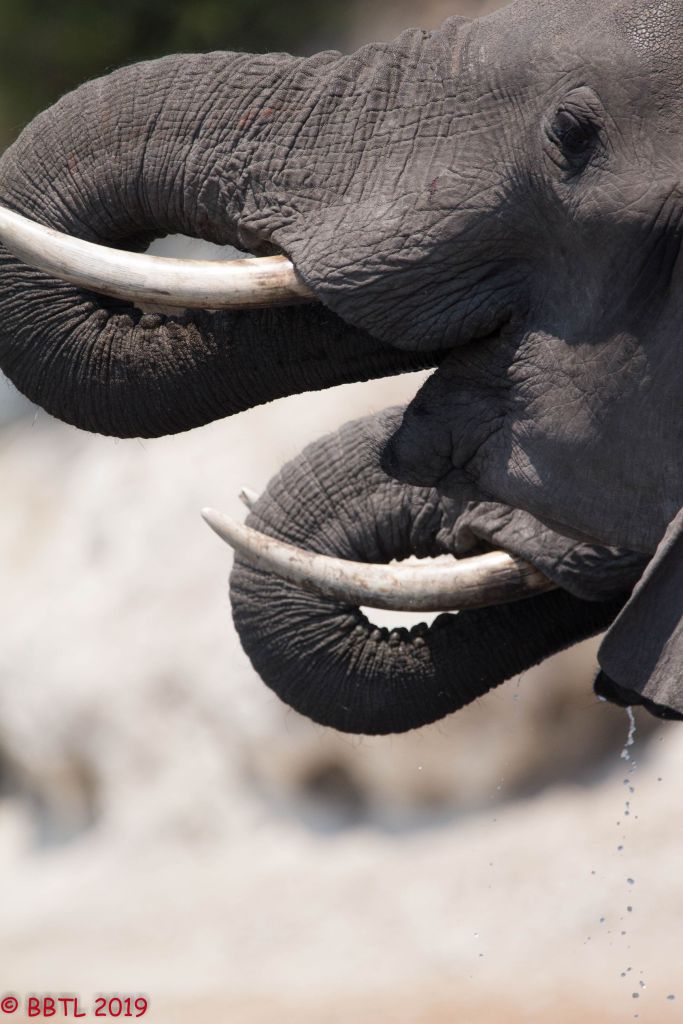
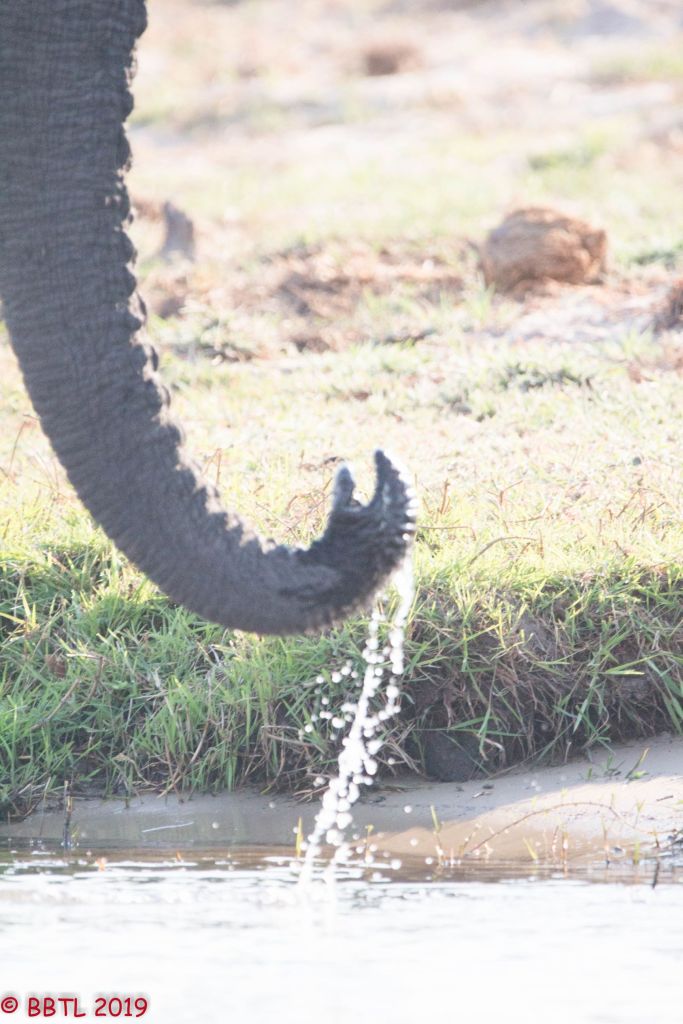
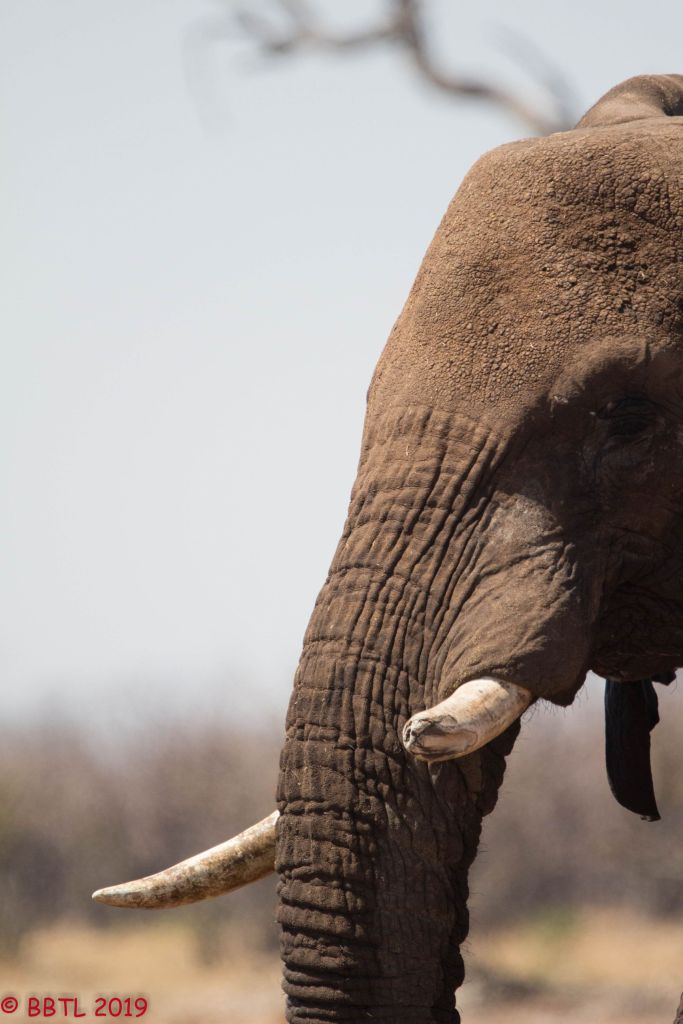
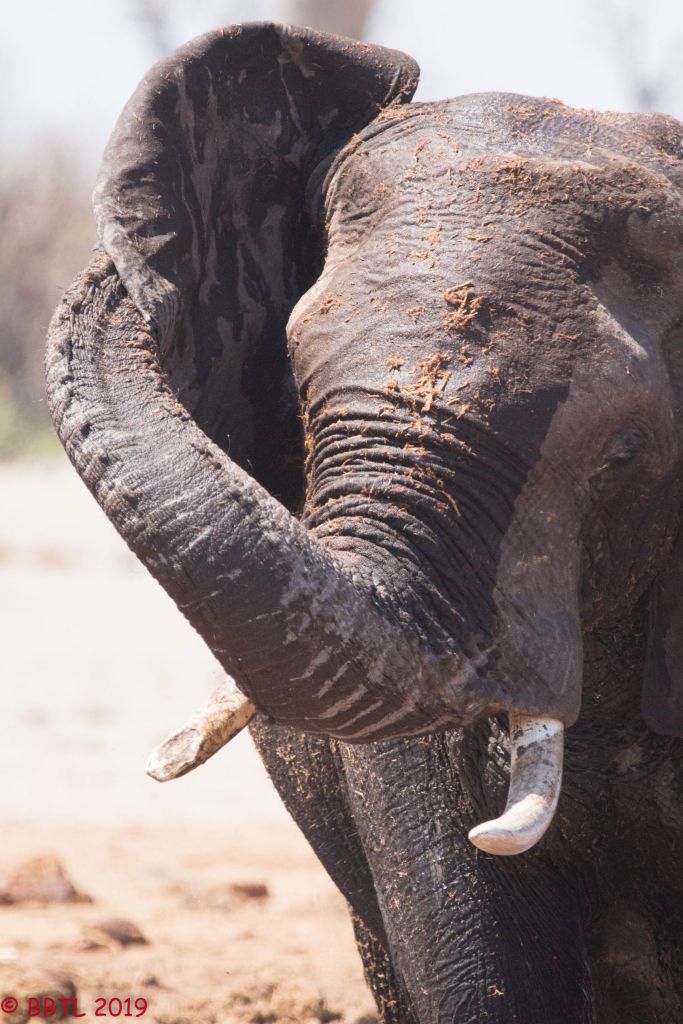
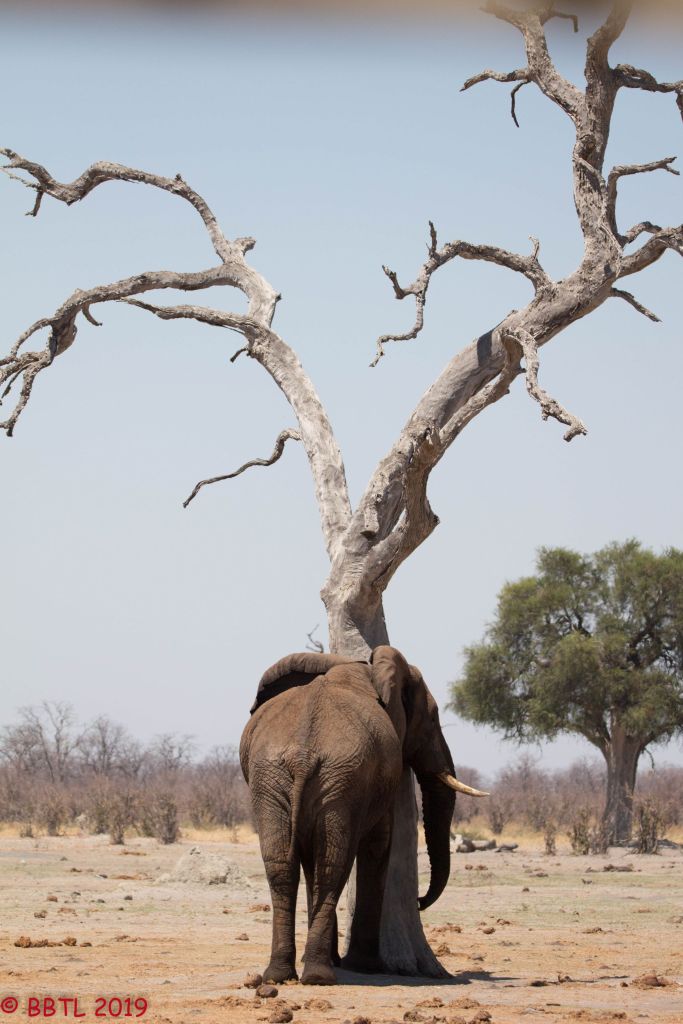
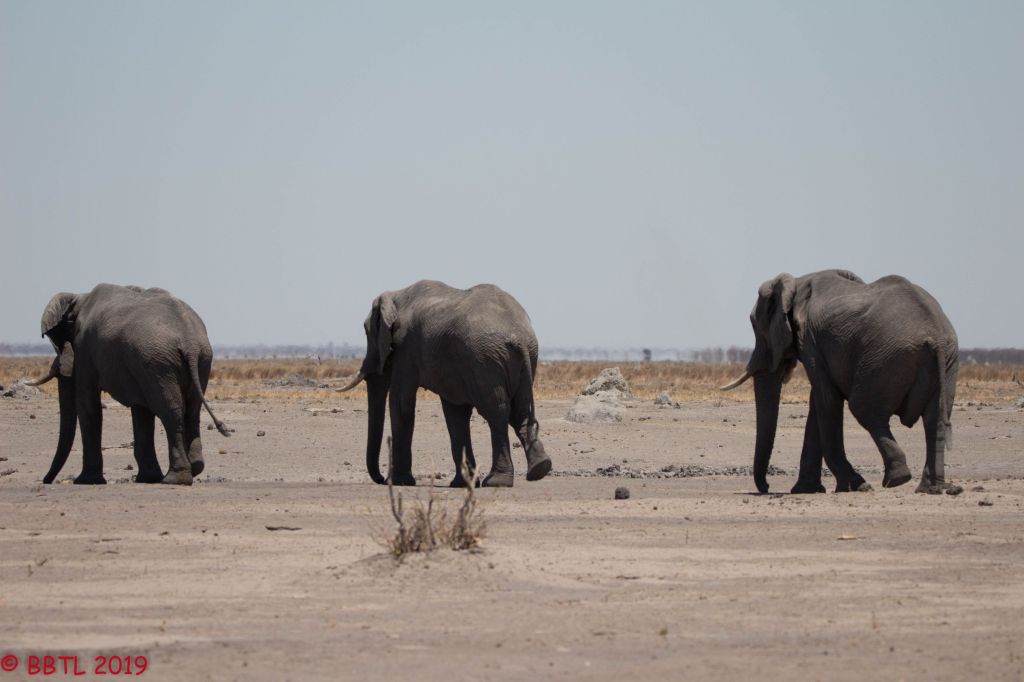
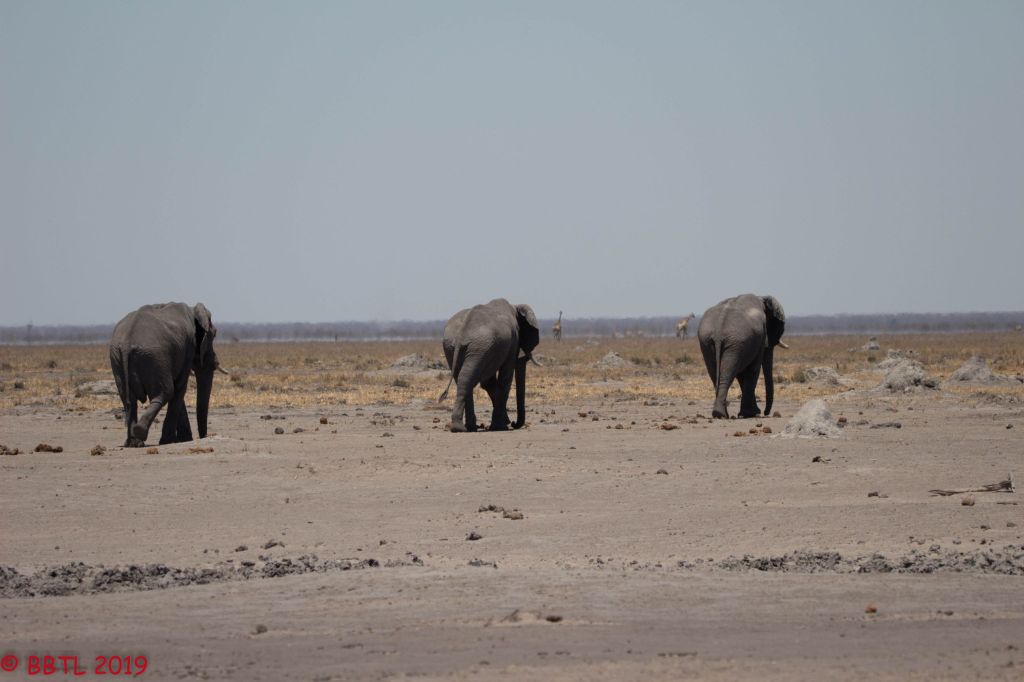
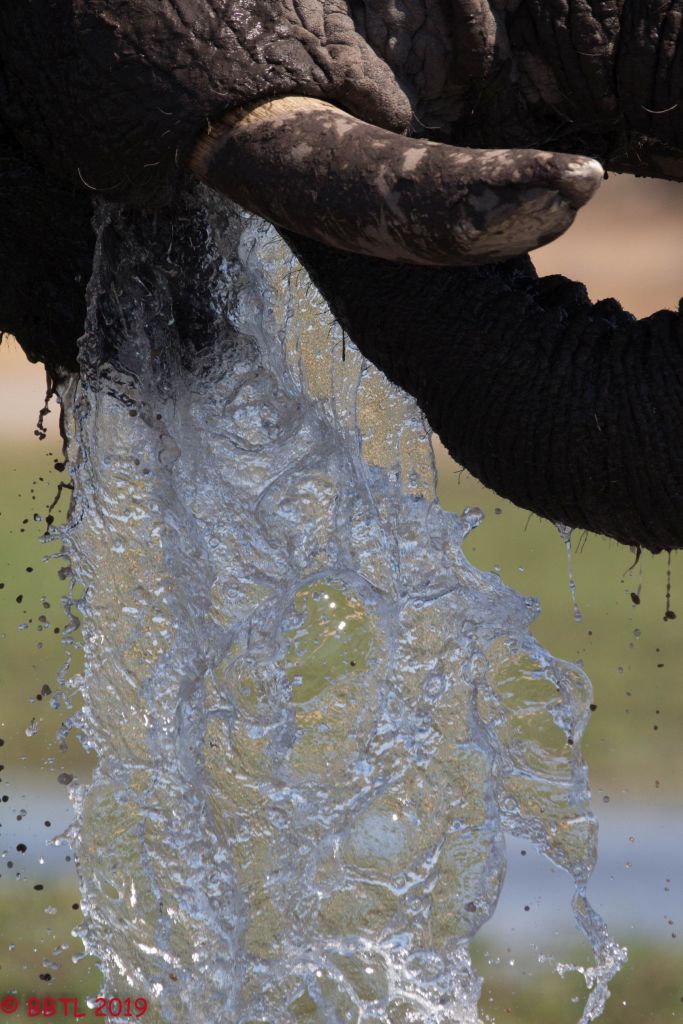
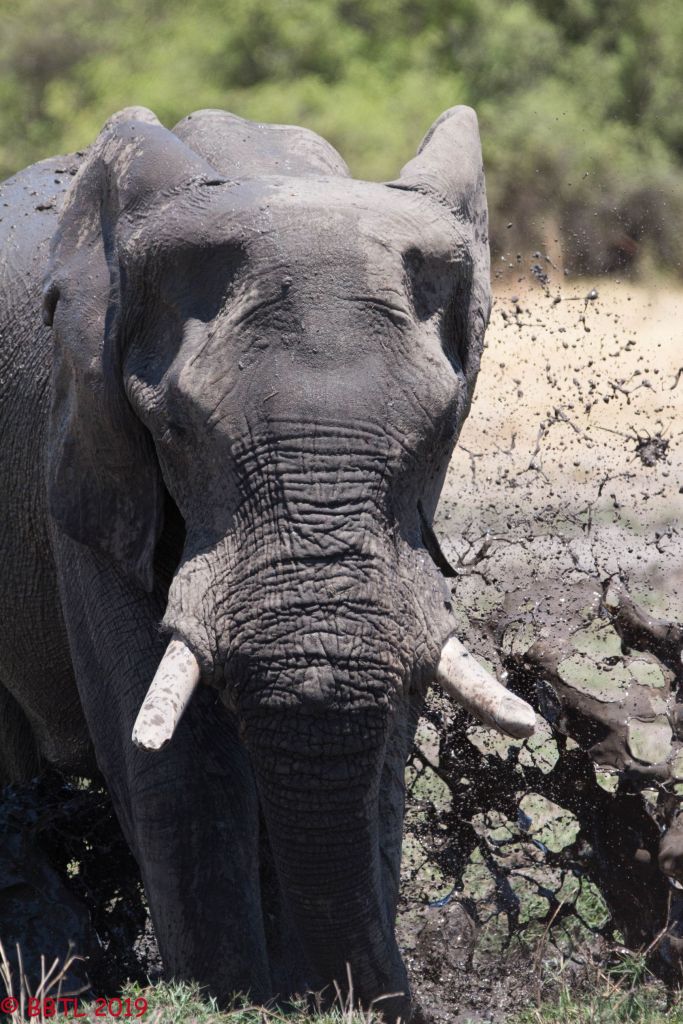
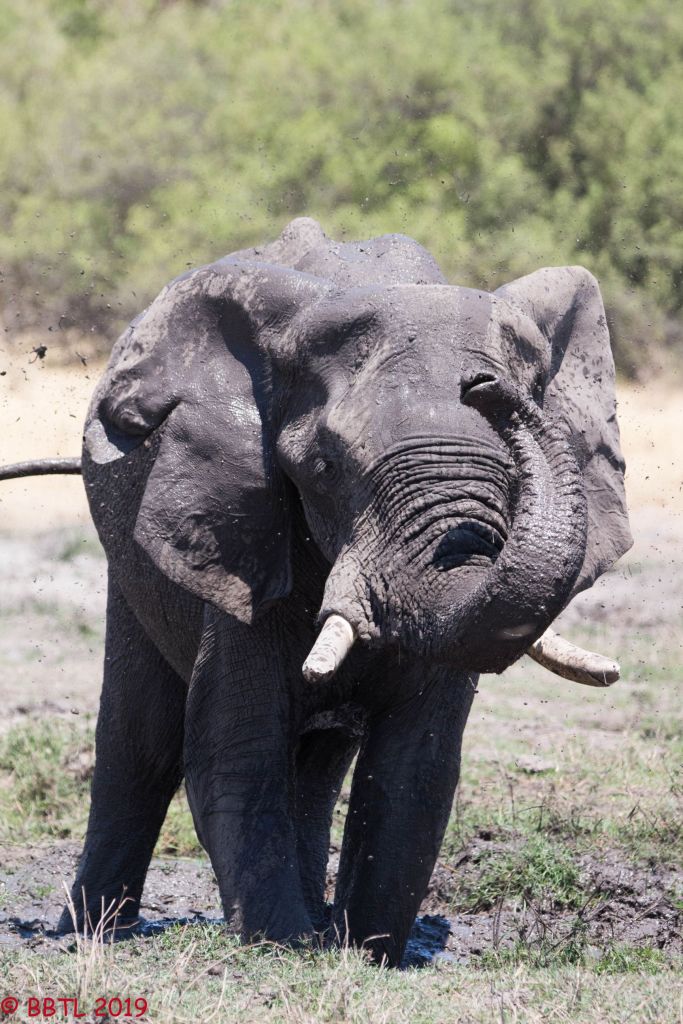
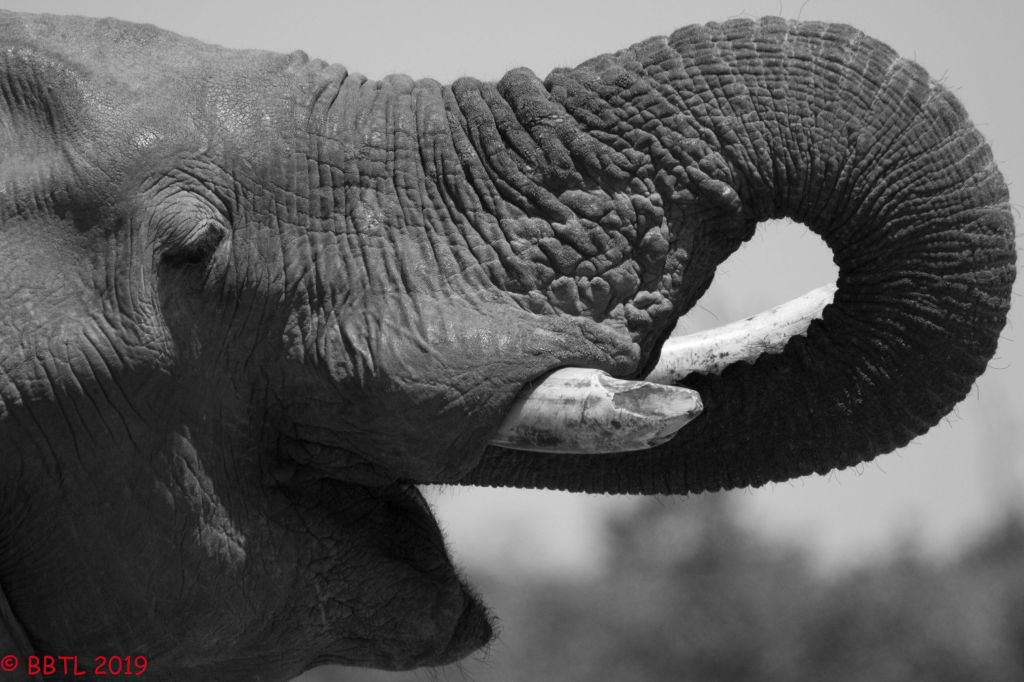
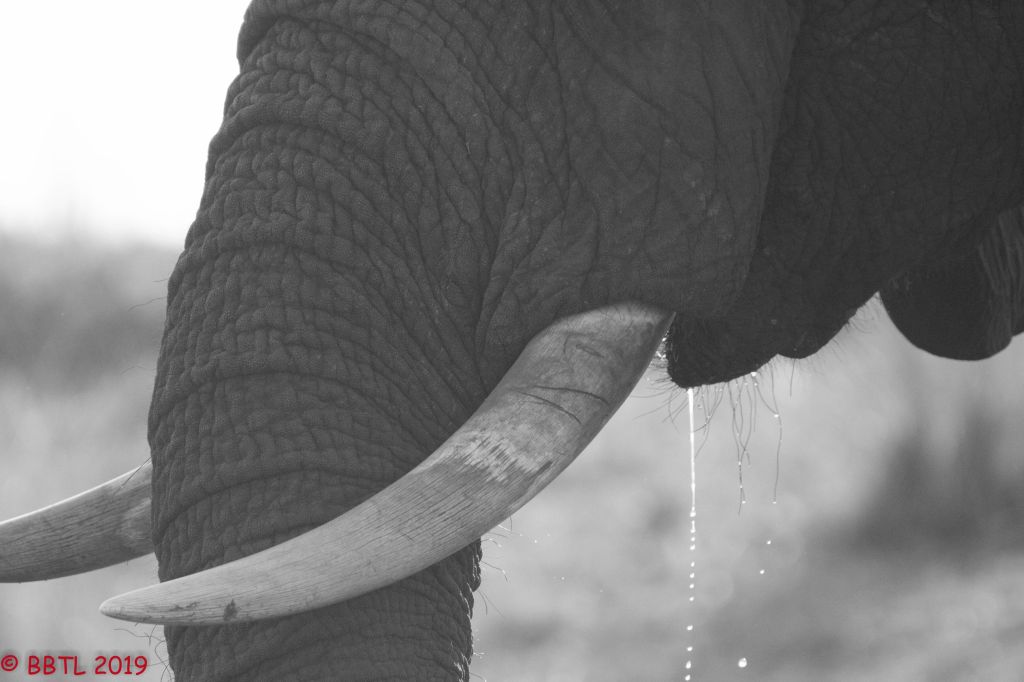
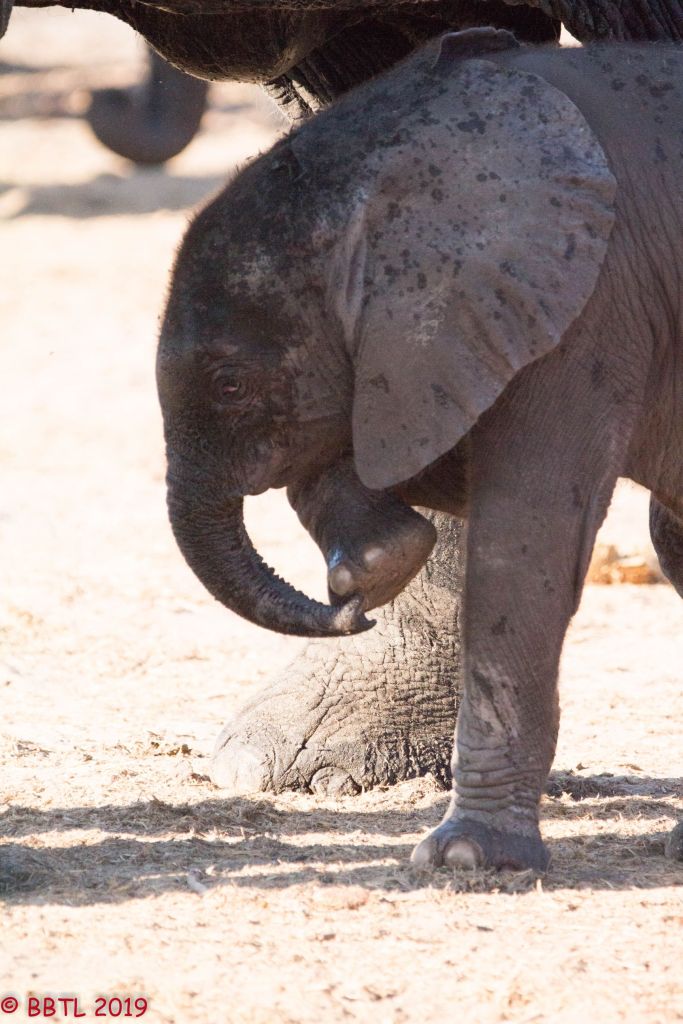
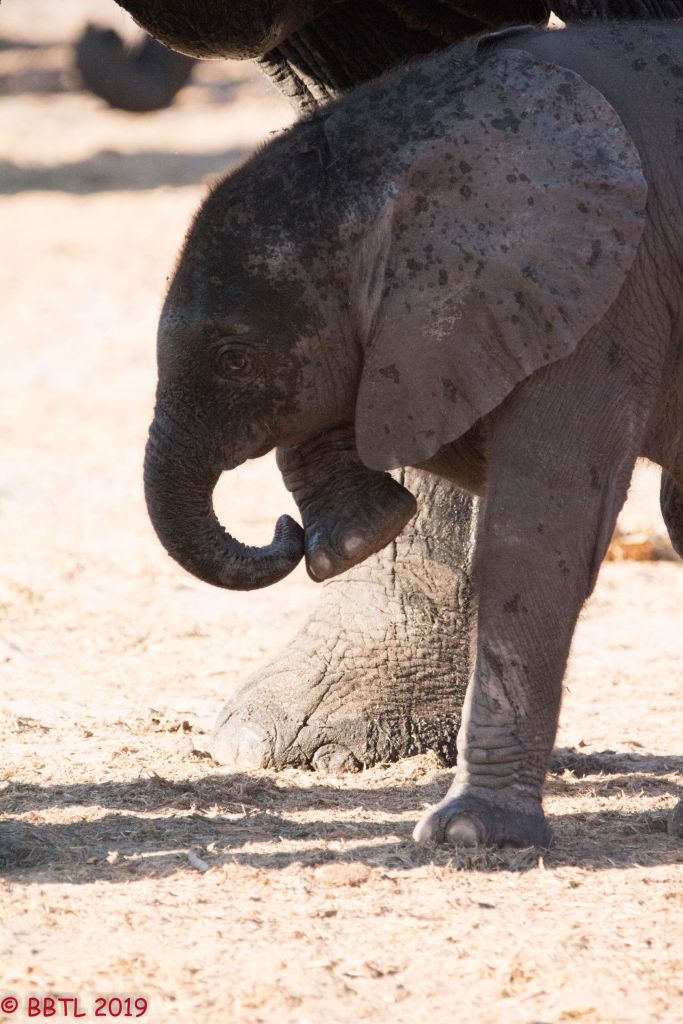
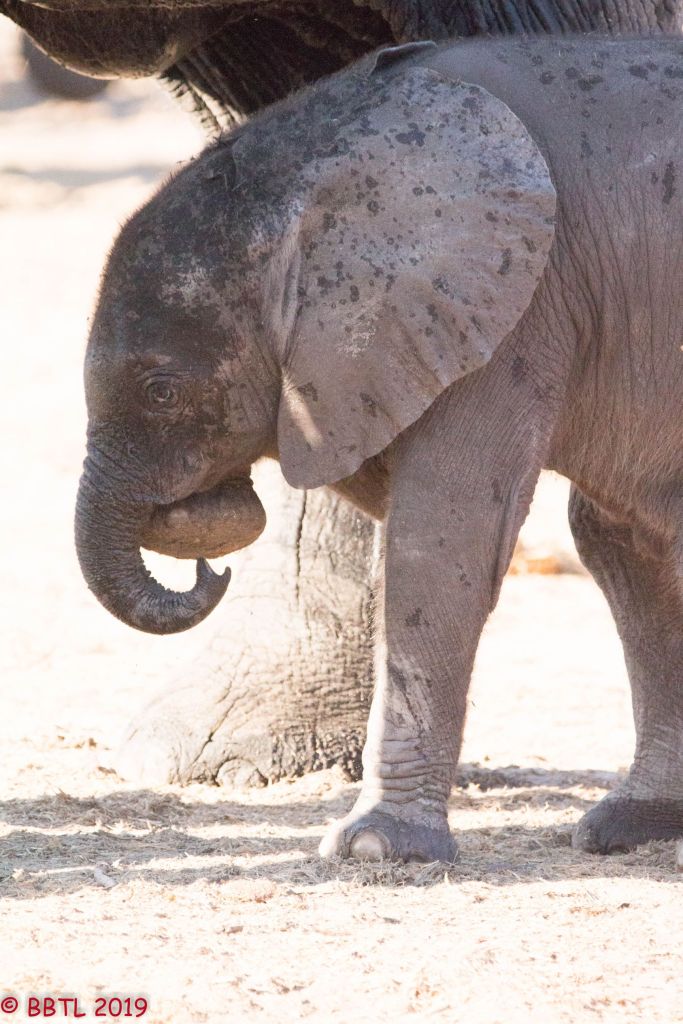
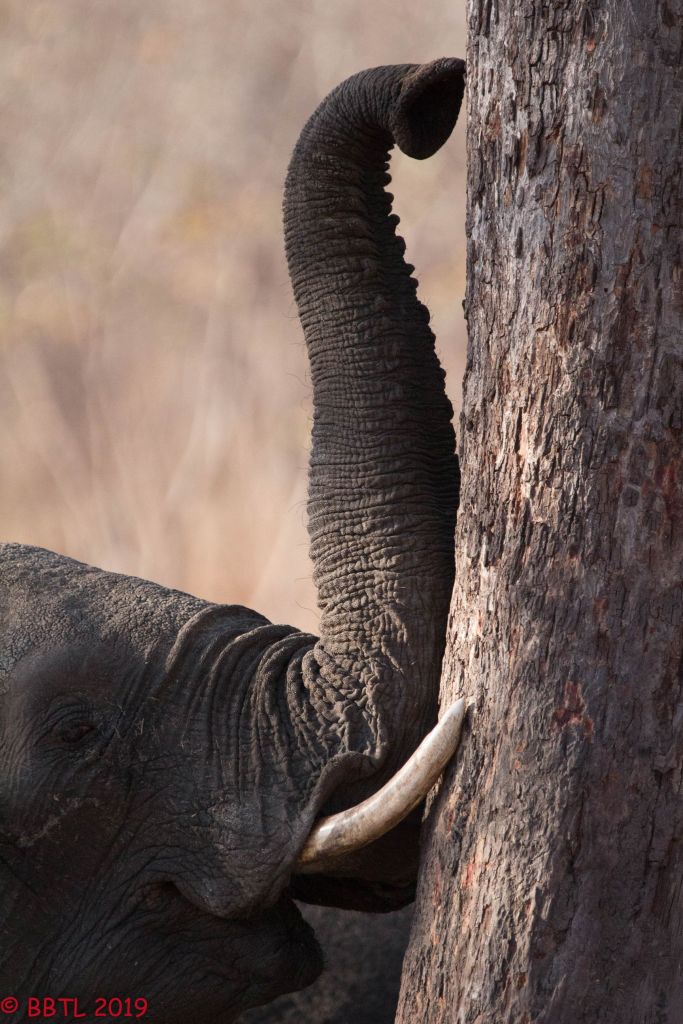
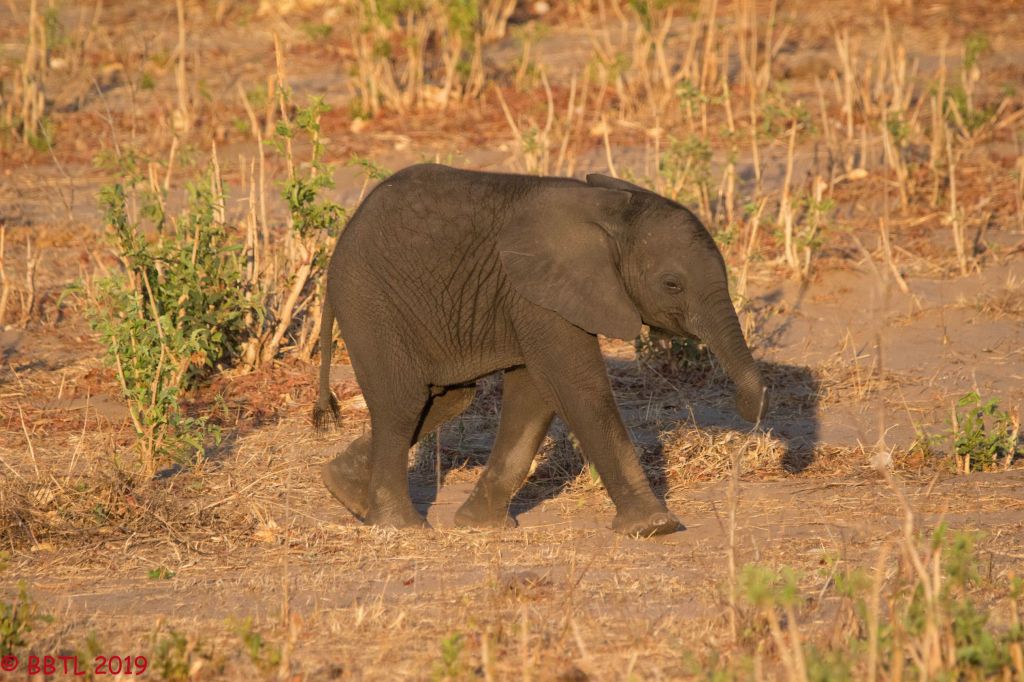
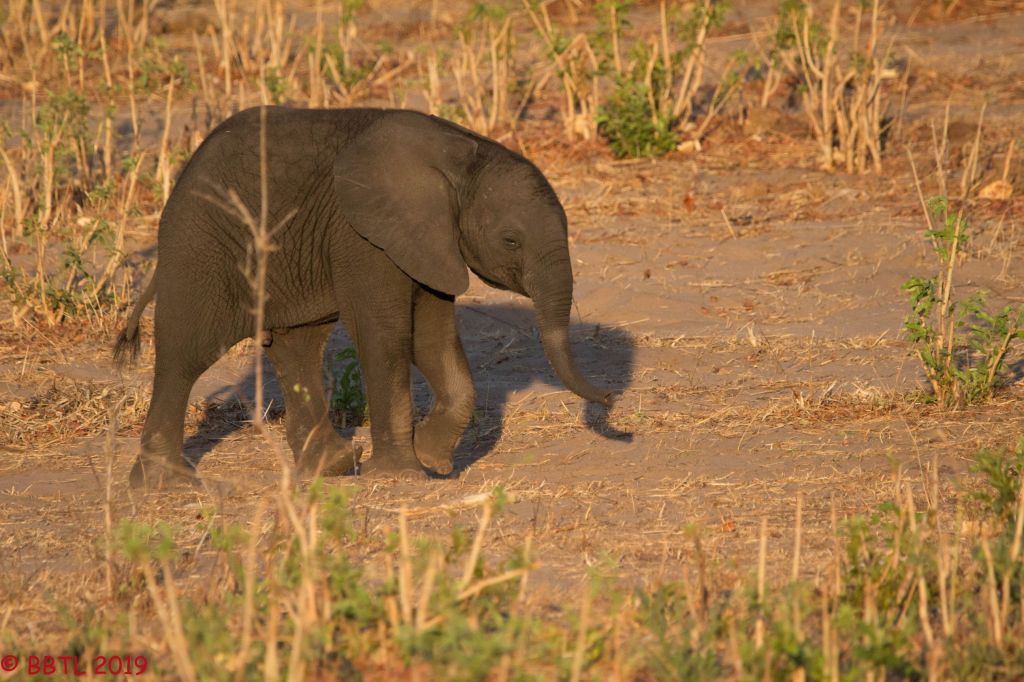
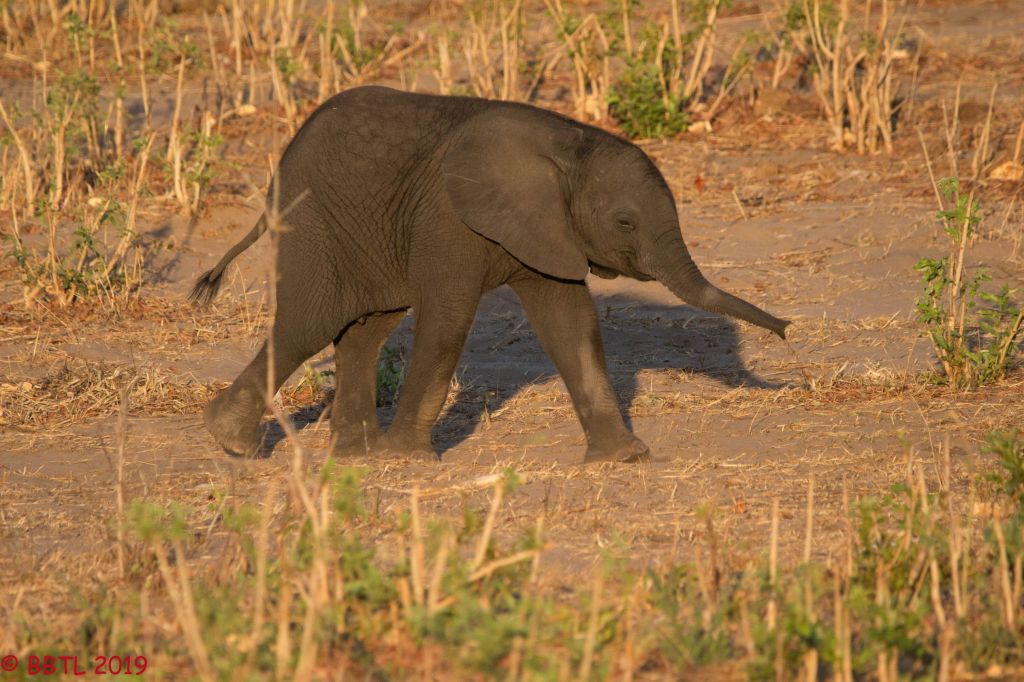
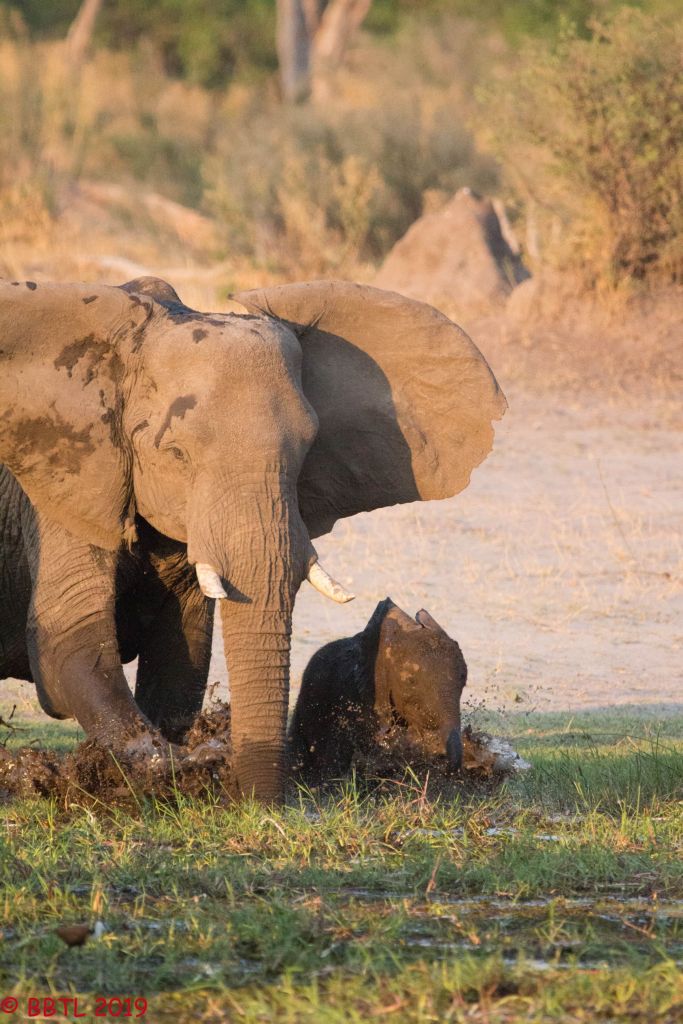
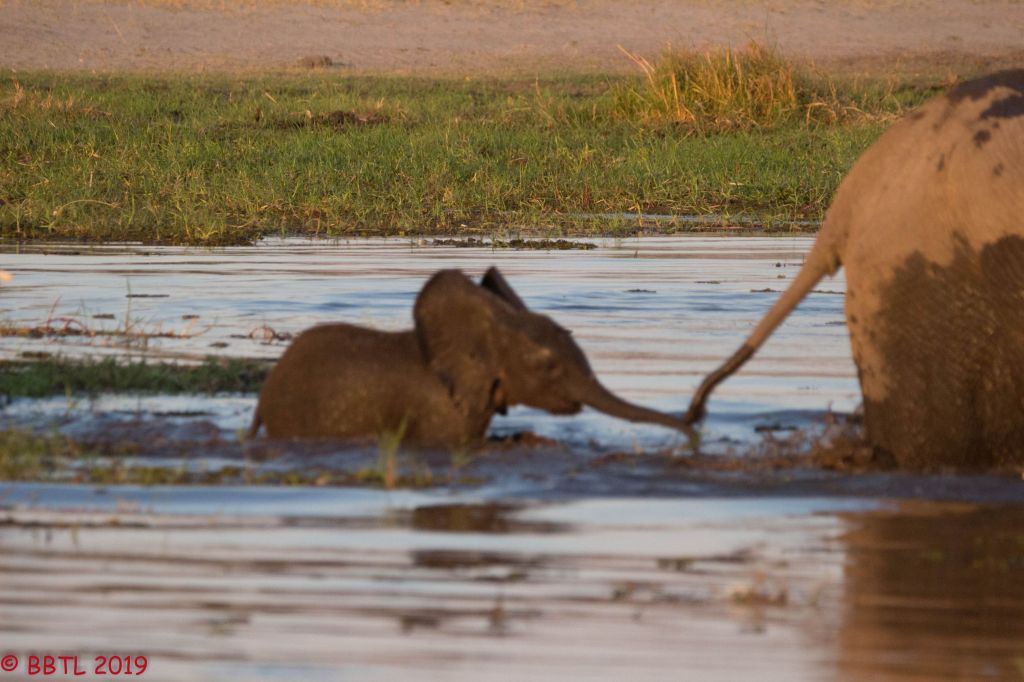
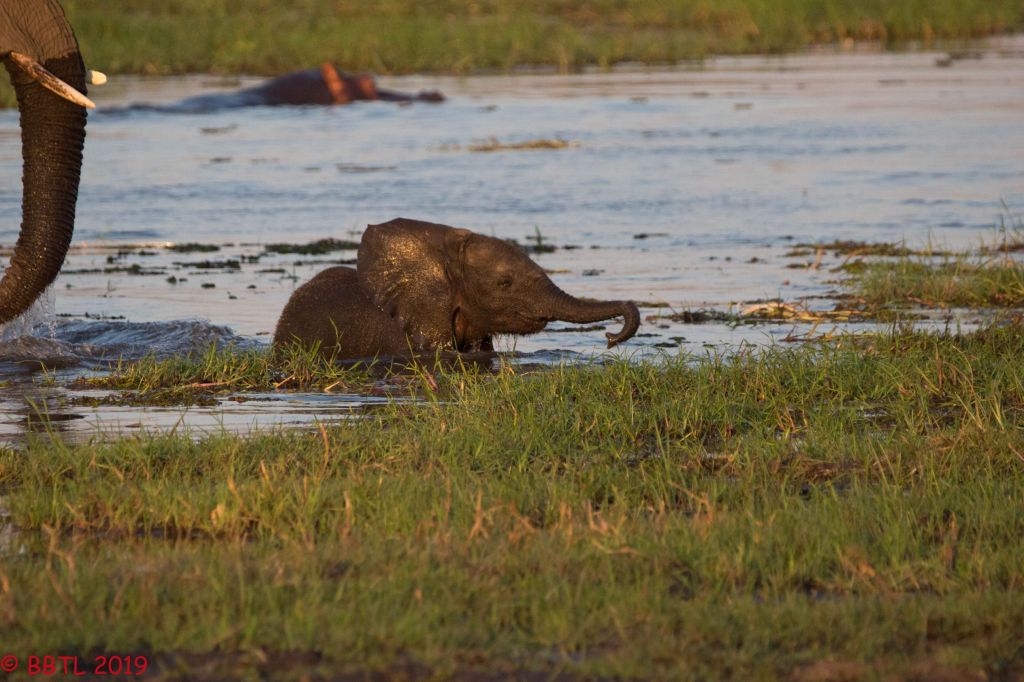
Elephants and I
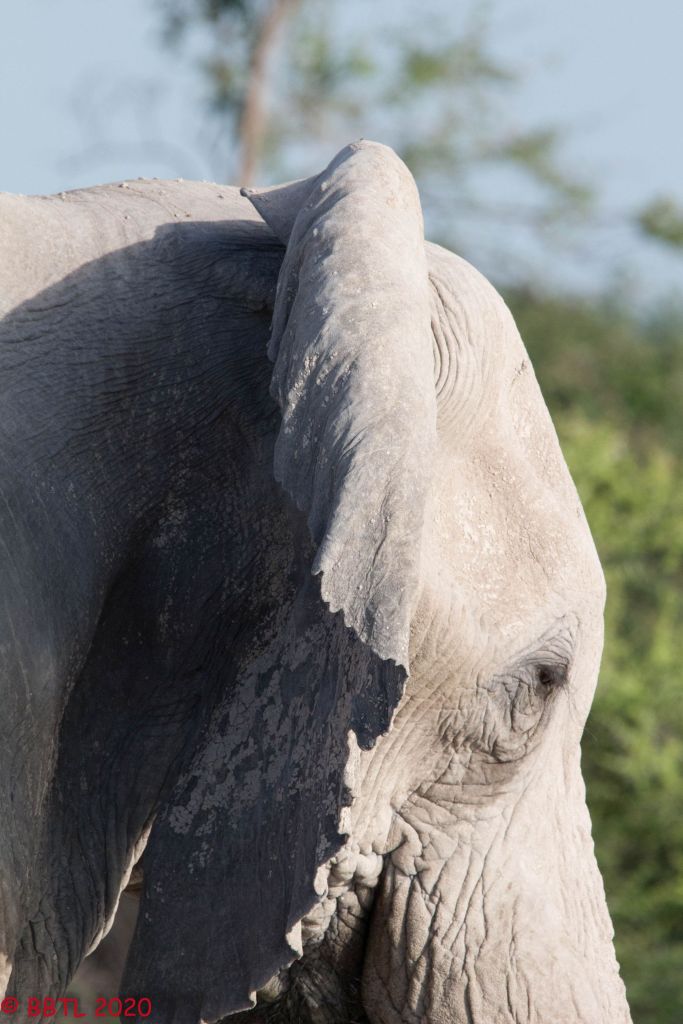
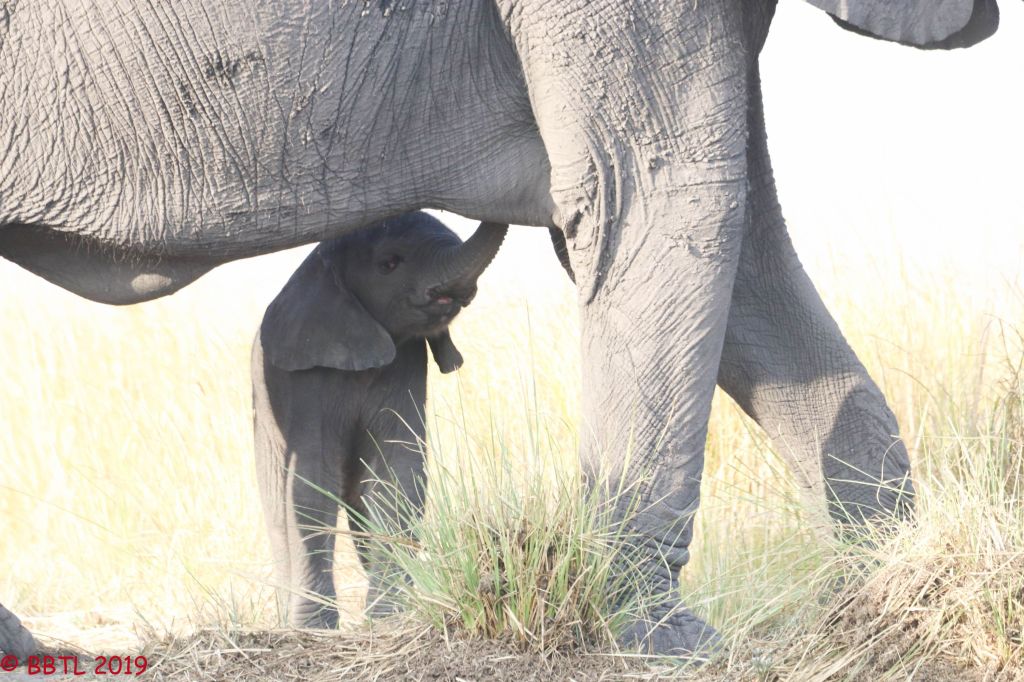
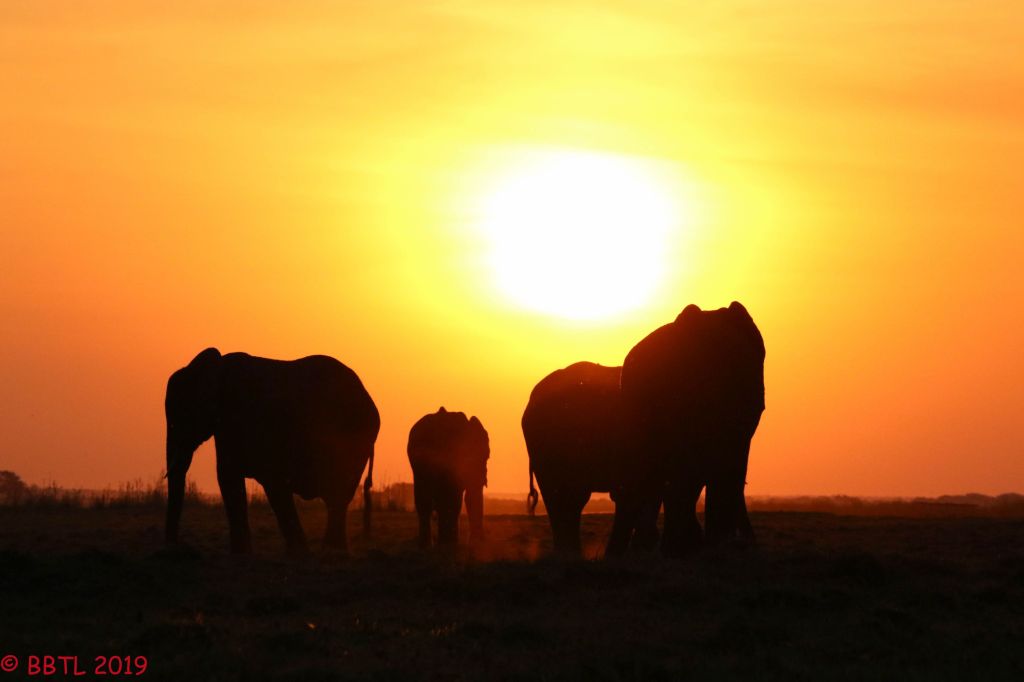
You should all know by now that I just love this gentle giants, I can’t get enough watching them and taking photos. Here are also some facts from them:
The African elephant (Loxodonta) is a genus comprising two living elephant species, the African bush elephant (L. africana) and the smaller African forest elephant (L. cyclotis). Both are herbivores and live in groups. They have grey skin and differ in the size of their ears and tusks, and in the shape and size of their skulls.
Both species are listed as Vulnerable species on the IUCN Red List since 2004, and are threatened by habitat loss and fragmentation. Poaching for the illegal ivory trade is a threat in several range countries as well.
Loxodonta is one of two existing genera of the family Elephantidae. The name refers to the lozenge-shaped enamel of their molar teeth. Fossil remains of Loxodonta species have been excavated in Africa, dating to the middle Pliocene.
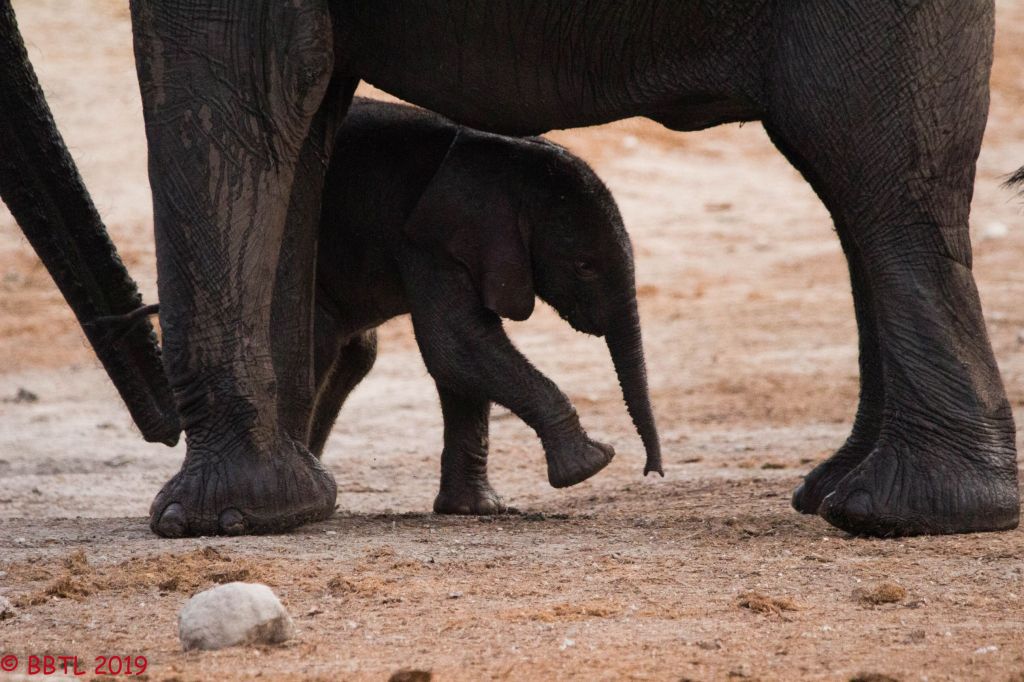
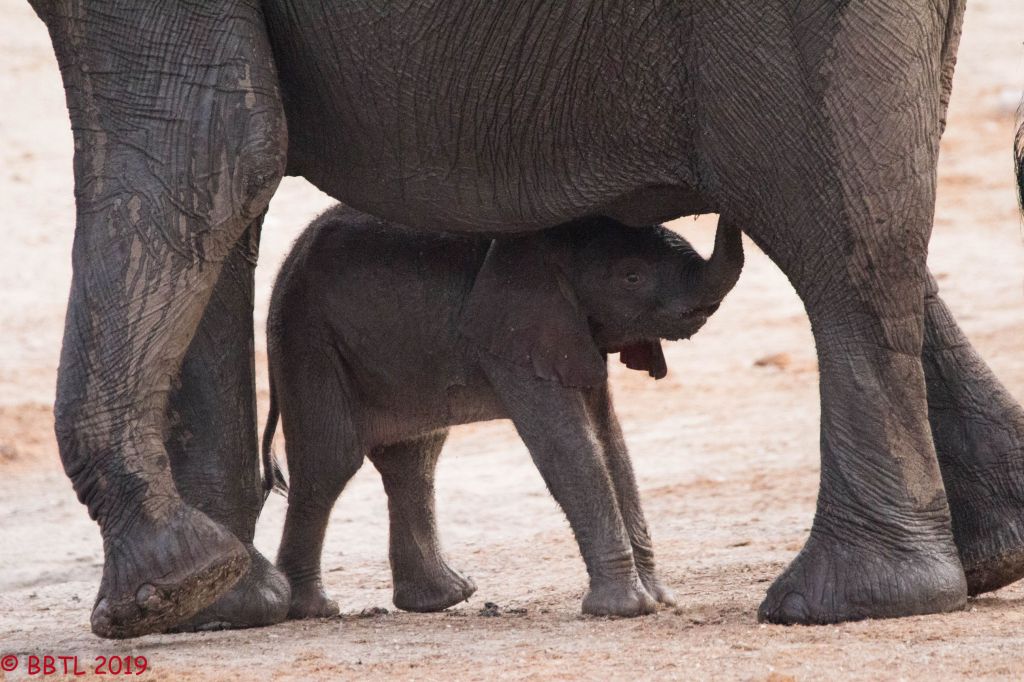
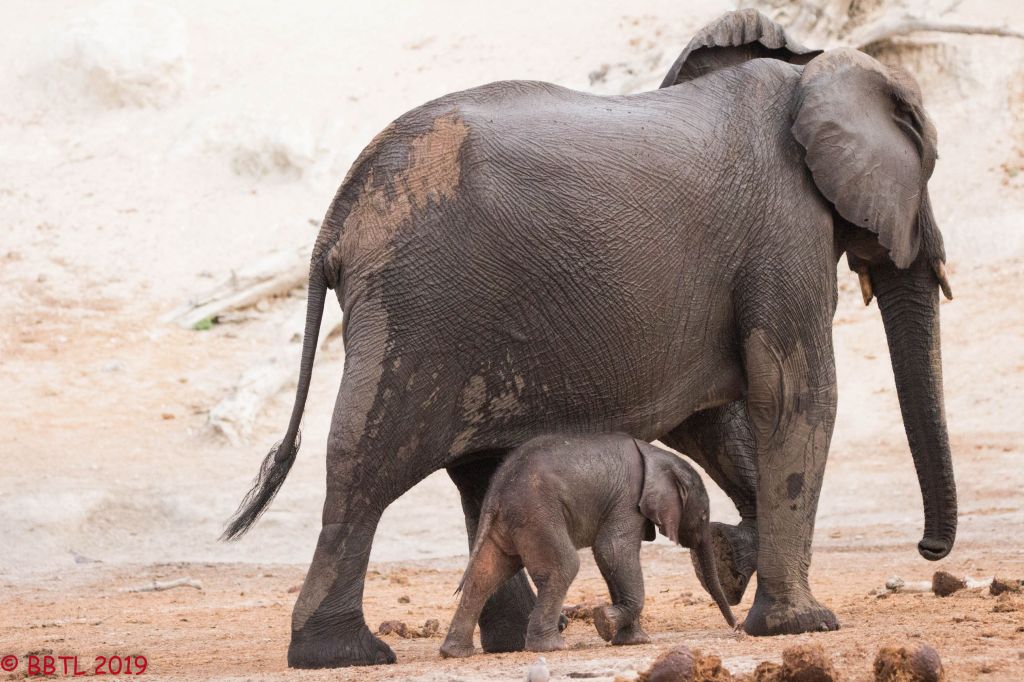
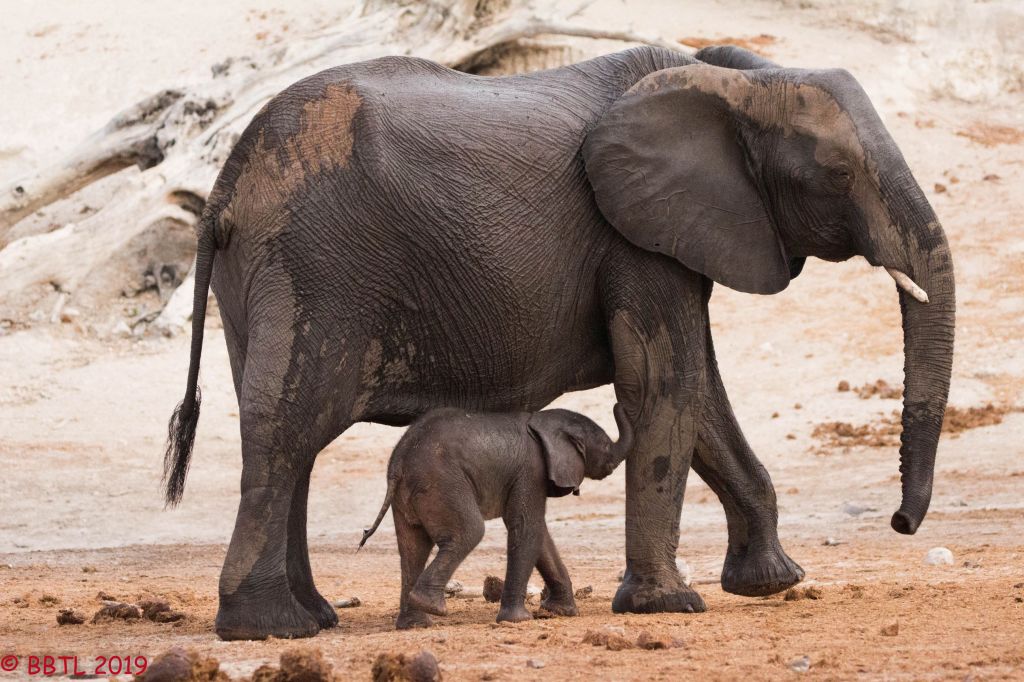
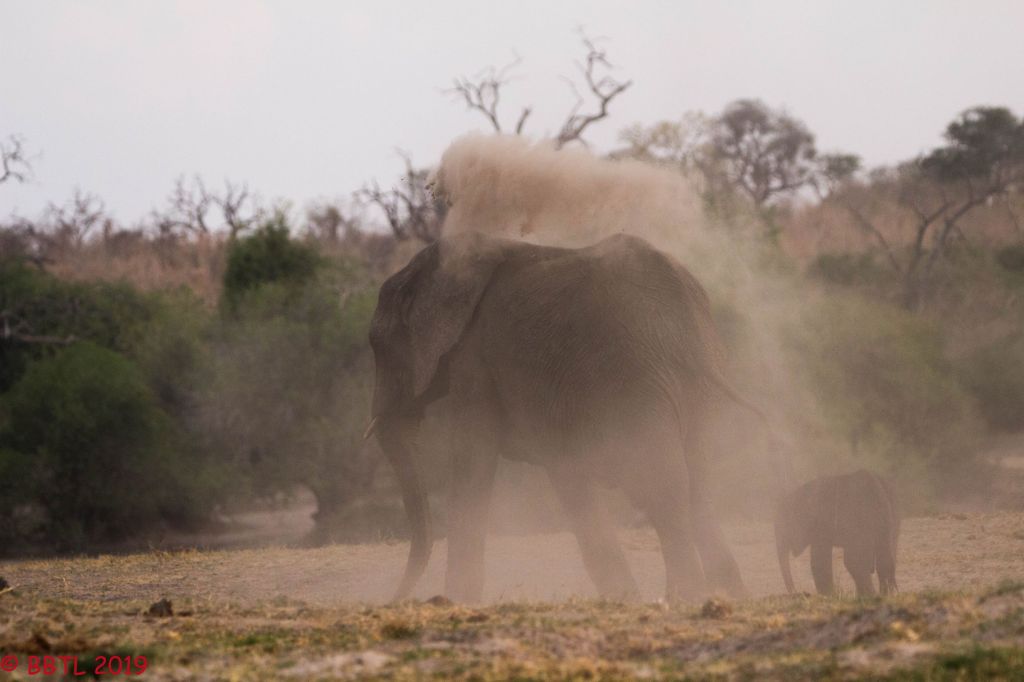
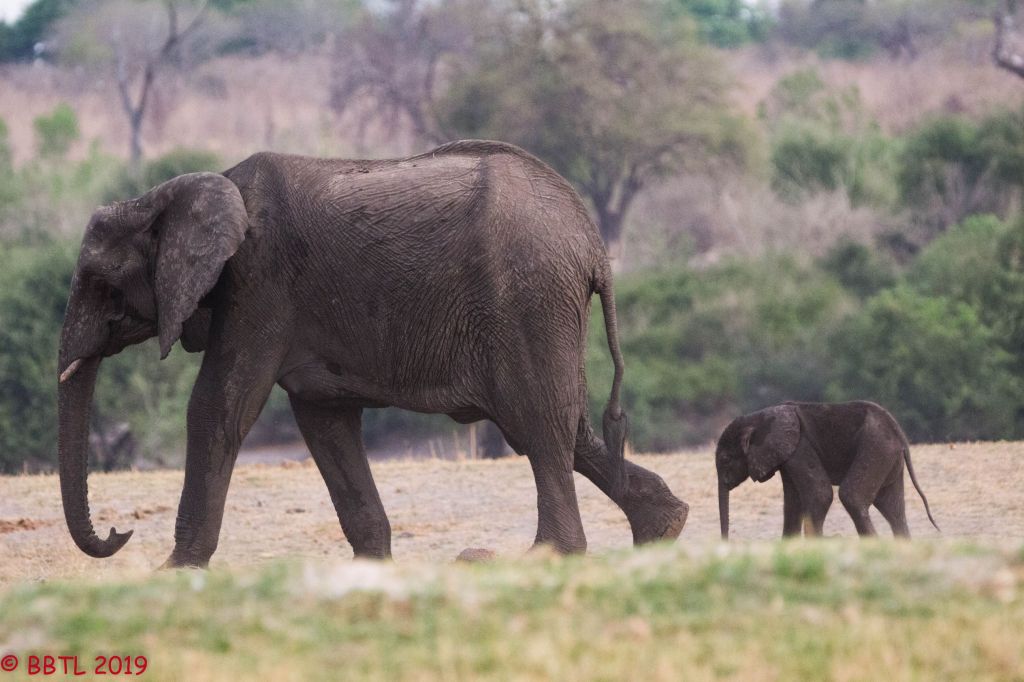
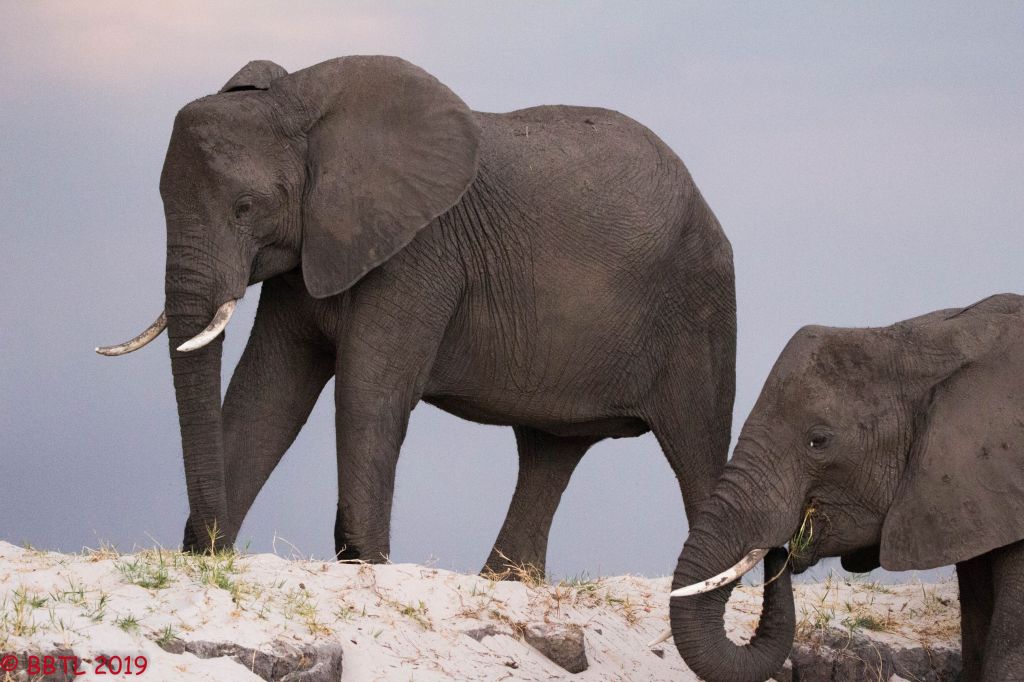
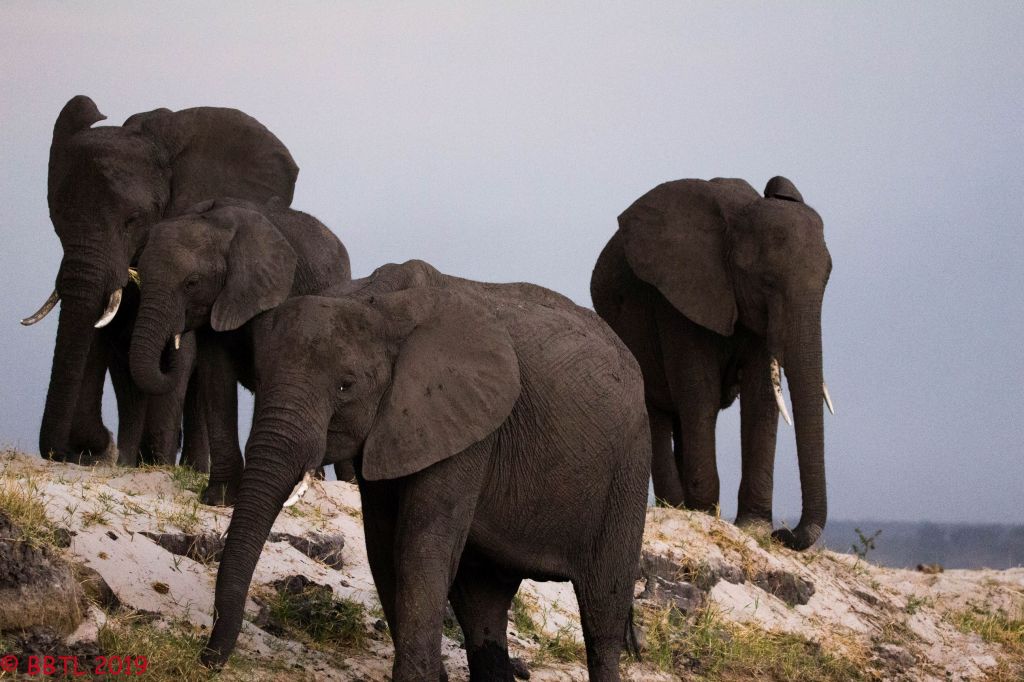
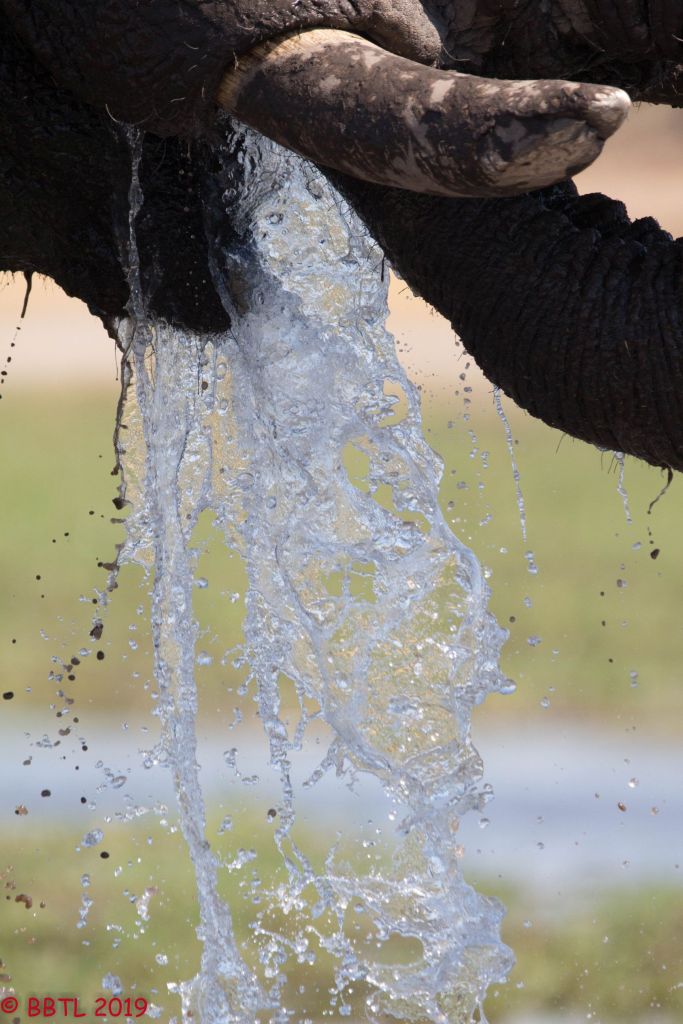
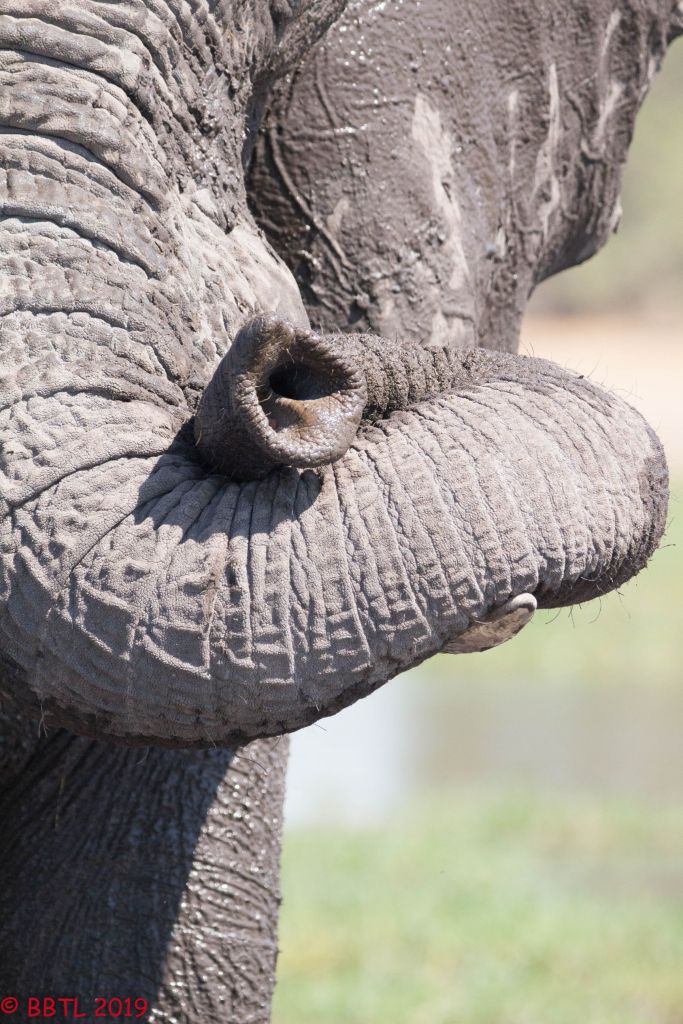
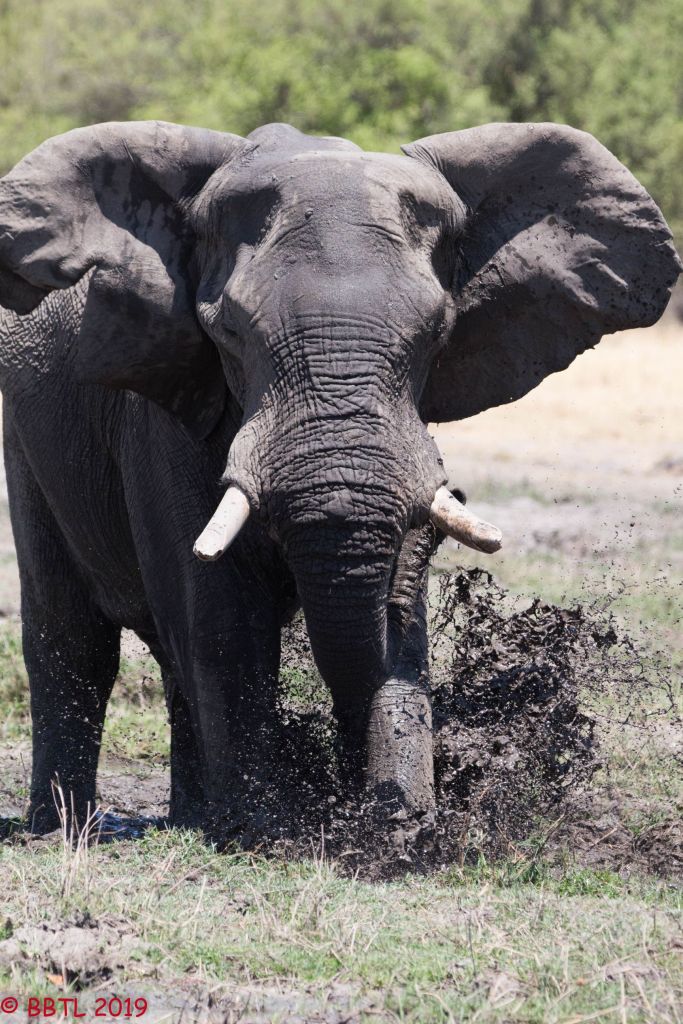
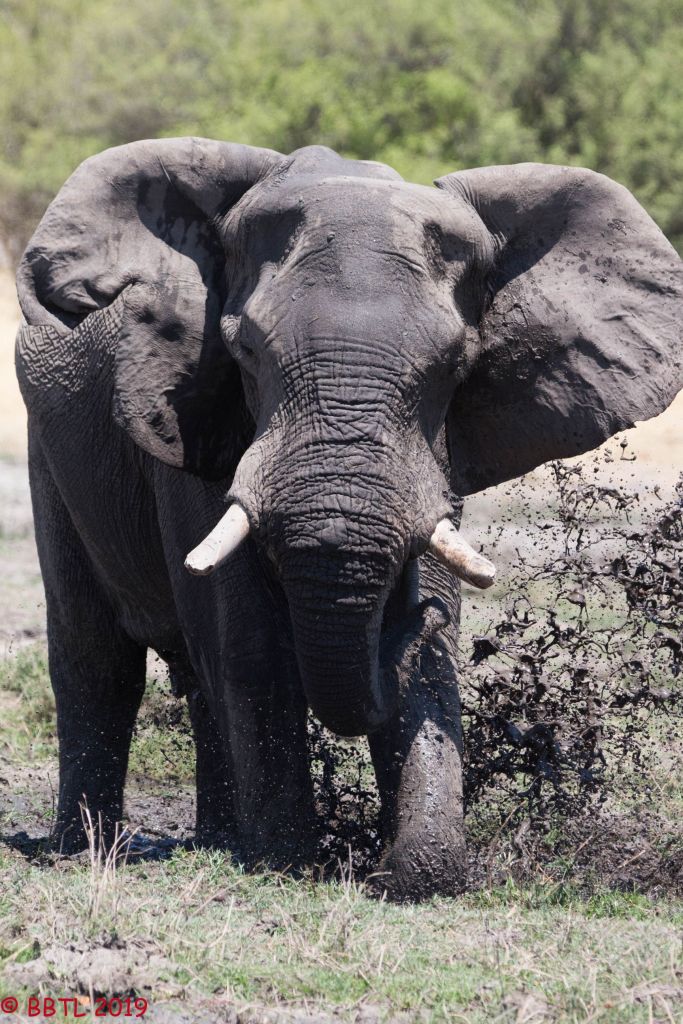
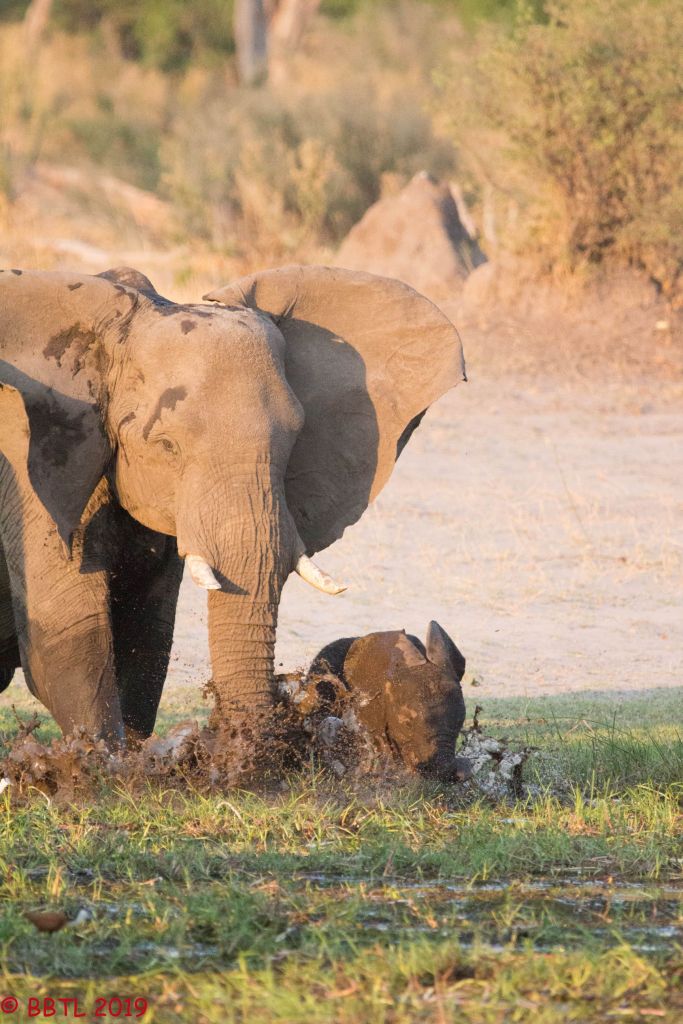
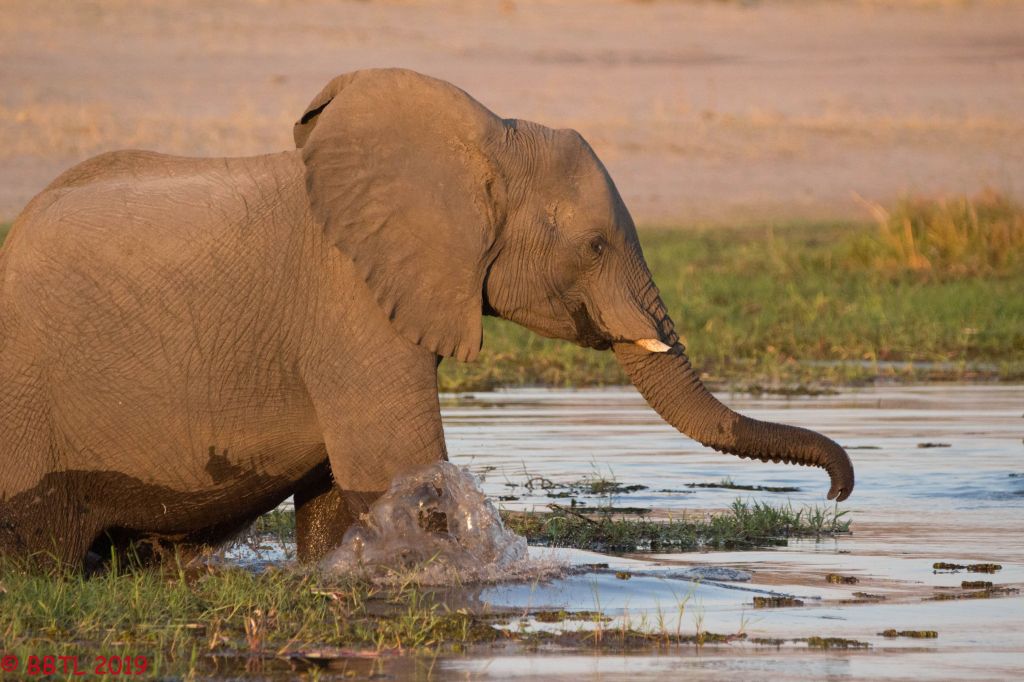
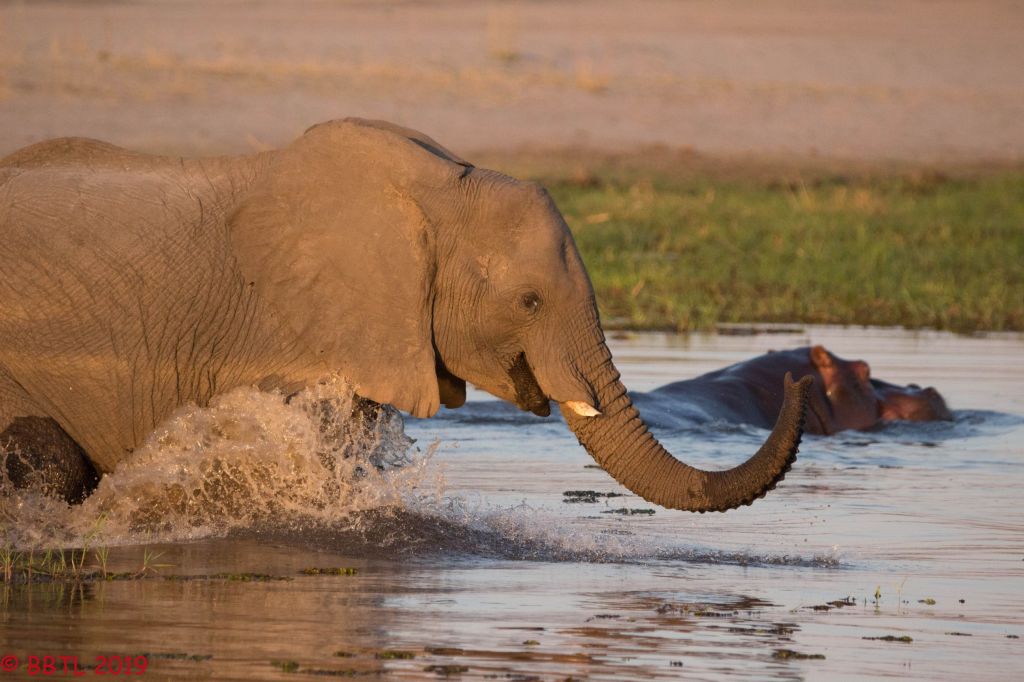
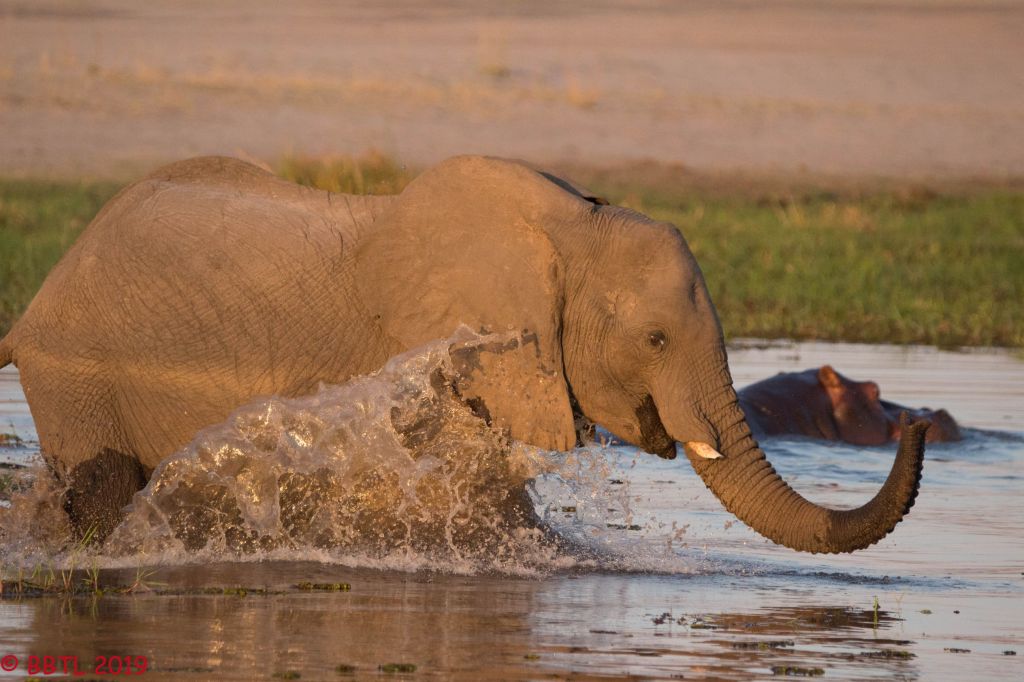
 My live through my camera lens